In This Guide
- Top 5 Tips for family rv rental RV Rental in Austria
- Before You Book — Class, Dates, Insurance
- Pre-Trip Prep — Packing Checklist for Austria
- On the Road — Driving, Fueling, Navigation
- At the Campground — Setup, Hookups & Etiquette
- family rv rental-Specific Tips for Austria
- Common Mistakes to Avoid in Austria
- How much does it cost to rent an RV in Austria
- Is RV camping popular in Austria
- What do I need to know about driving an RV in Austria
- Can you park an RV anywhere in Austria
- What is the best month to RV in Austria
- Where can I go camping with an RV in Austria
Top 5 Tips for family rv rental RV Rental in Austria
When embarking on a family RV adventure in Austria, a bit of strategic planning can make all the difference, ensuring a smooth and memorable journey for everyone. For live availability and current prices, start with our RV Rental Austria - Complete Guide 2026 guide.
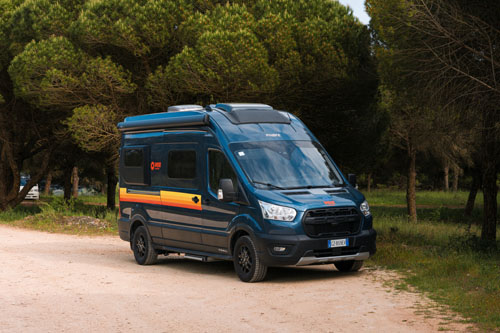
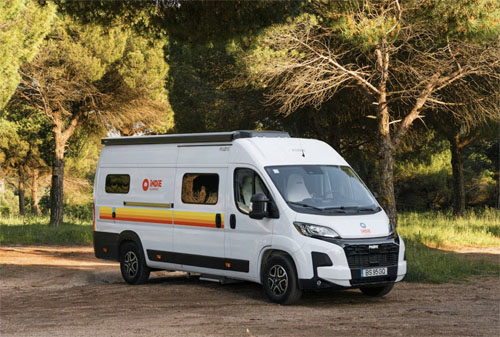
- Choose an RV size that comfortably accommodates your family and luggage. A 6-berth motorhome with ample storage is often ideal for families of 4-6.
- Book your RV rental well in advance, especially if traveling during peak season (July-August) or school holidays, to secure your preferred vehicle and dates.
- Familiarize yourself with Austria's road regulations, including the vignette system for motorways and specific speed limits for RVs, which are often lower than for passenger cars.
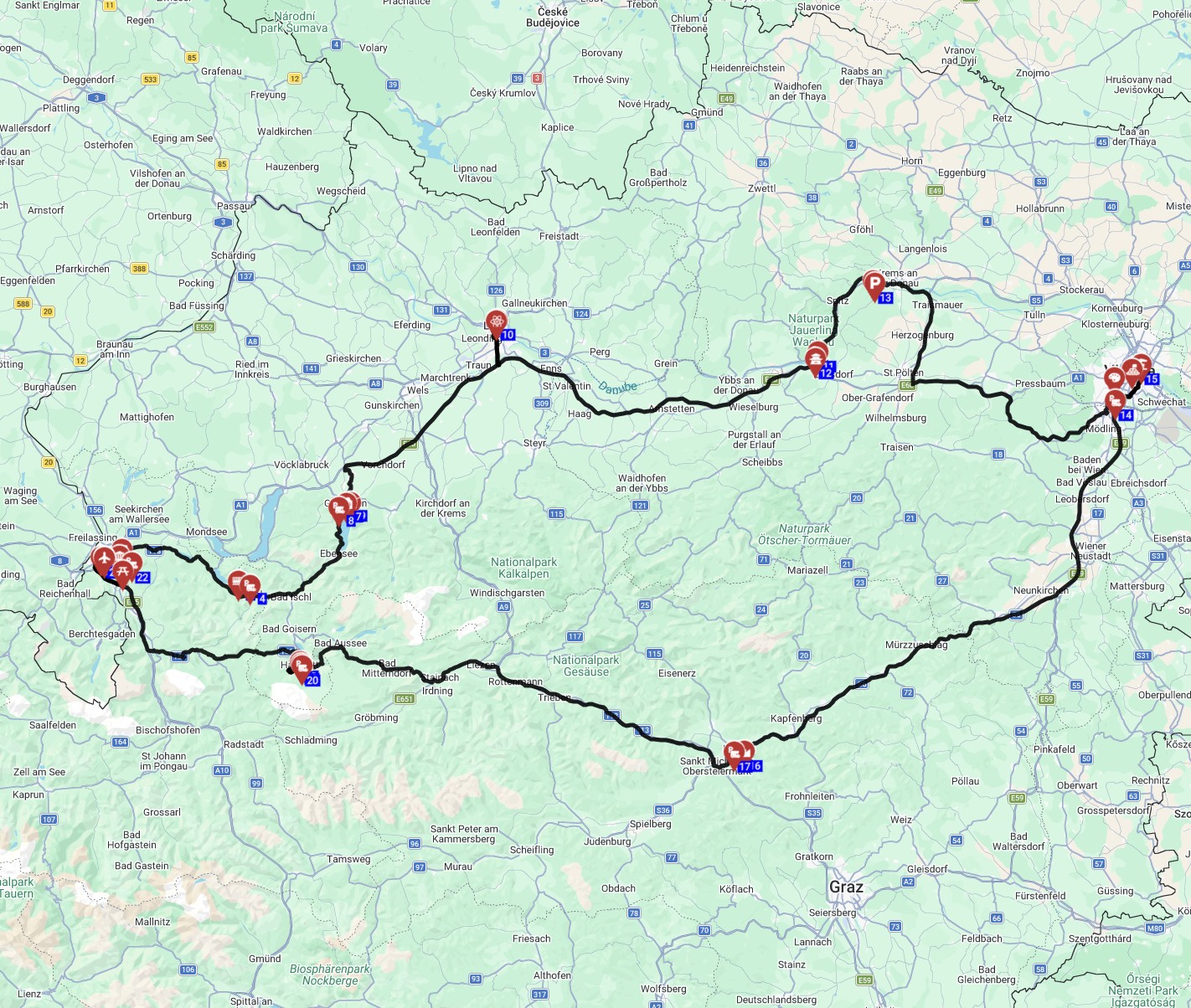
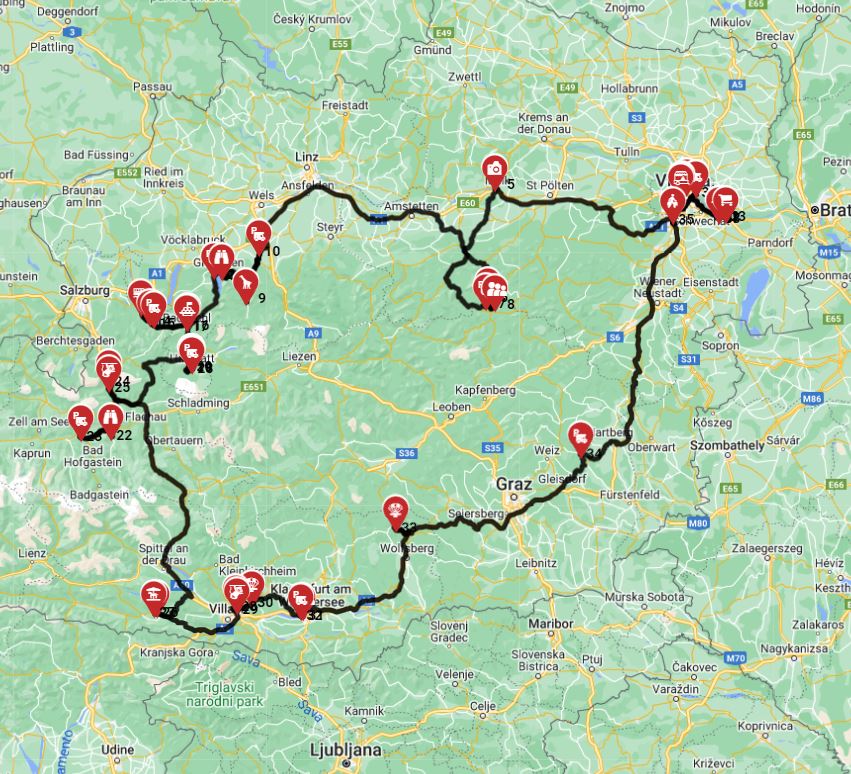
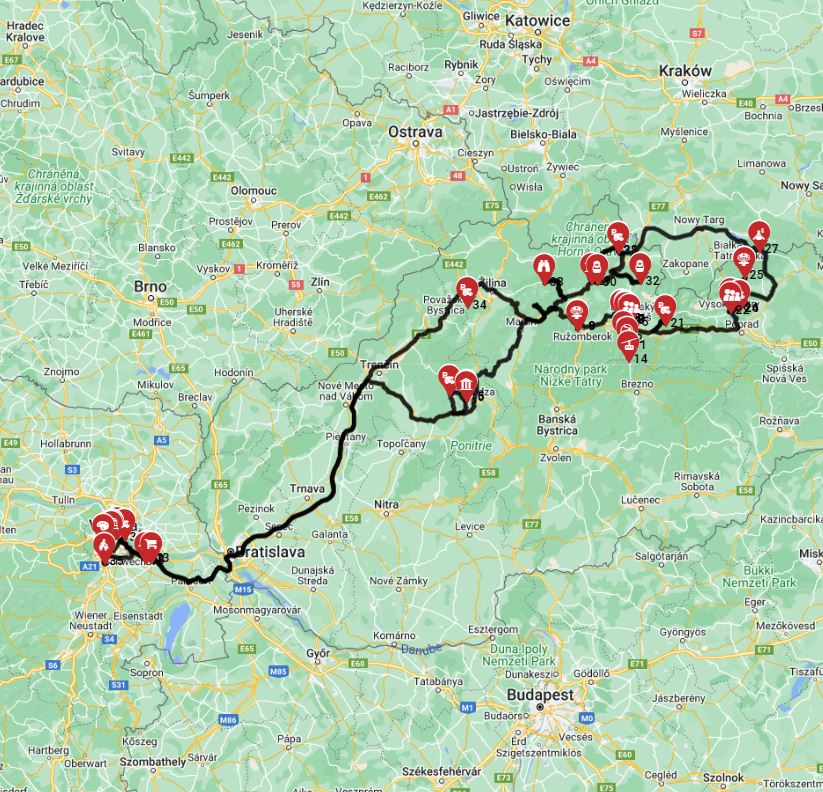
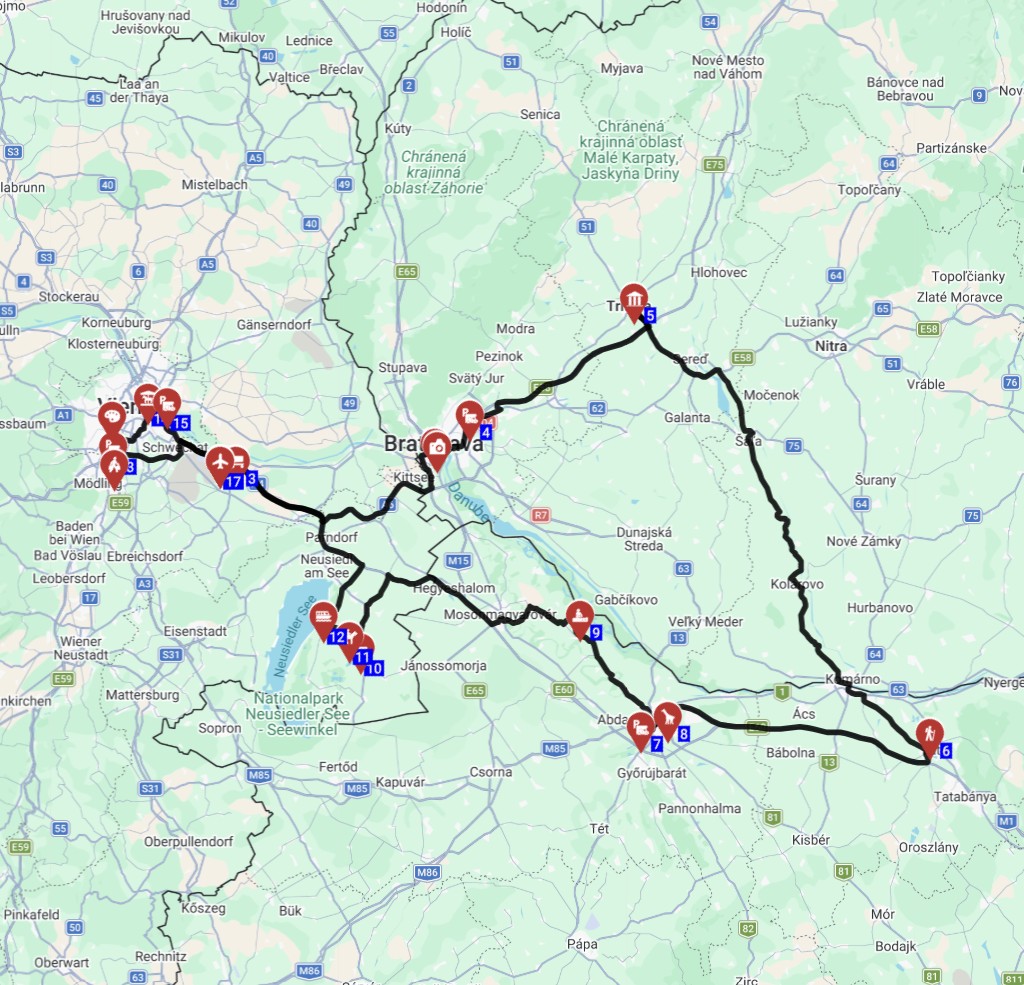
- Plan your itinerary with family-friendly activities and ensure manageable driving distances between stops to keep younger travelers happy and engaged. Consider exploring the "Vienna Roundtrip - The Epic Austrian and Slovakian Loop," a 16-day journey covering 1334 km with diverse family activities.
- Pack versatile clothing layers suitable for varied weather, even in summer, particularly when visiting mountainous regions where temperatures can fluctuate significantly.
Before You Book — Class, Dates, Insurance
Selecting the right RV and understanding booking nuances are key to a successful Austrian family road trip.
RV Class Selection
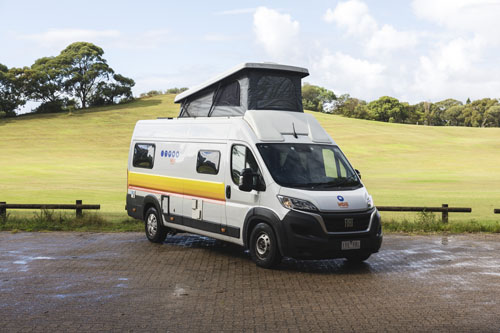
For families, consider a C-Class motorhome (often featuring an alcove bed) or a low-profile semi-integrated RV to ensure adequate sleeping arrangements and living space for everyone, including children. These vehicles typically offer configurations for 4-6 people. While larger vehicles provide more comfort, they can be more challenging to navigate on narrow Austrian roads or in small, historic villages. Smaller families might find a well-equipped campervan, like a compact 2-berth model, sufficient if they prioritize maneuverability.
Booking Dates
Securing your RV rental dates as early as possible is crucial, particularly if your trip aligns with Austrian or European school holidays or major festivals. Early booking typically offers a wider selection of vehicles and potentially more competitive rates, allowing you to choose from options like a 6-berth motorhome or a family-friendly 4-berth campervan. Traveling during shoulder seasons (late spring: May-June, or early autumn: September-October) can provide a pleasant balance of good weather, fewer crowds, and often better pricing.
Insurance Options
Basic insurance is always included with your RV rental to cover essential damages. To see prices including the most comprehensive coverage, select that option during your search, and all relevant insurance options will be clearly displayed. Carefully review the deductible amount for each rental option and consider purchasing additional coverage, such as roadside assistance or a security deposit reduction, for extra peace of mind during your family adventure. This proactive step ensures you're well-prepared for any eventuality.
Pre-Trip Prep — Packing Checklist for Austria
Preparing a comprehensive packing list tailored for an Austrian RV adventure ensures you have everything needed for comfort and compliance with local regulations:
- Layers of clothing (T-shirts, sweaters, light jacket, warm jacket)
- Waterproof and windproof outer shell
- Comfortable walking/hiking shoes
- Swimsuit and quick-dry towel (for lakes or pools)
- Pajamas for varying temperatures
- Reusable water bottles and coffee mugs
- Basic cooking spices, oil, and non-perishable staples
- Compact cooking utensils and a cooler bag
- First-aid kit with basic medications and bug repellent
- High-visibility vest (required in vehicle)
- Warning triangle (required in vehicle)
- Spare bulbs for external lights (recommended)
- European plug adapter and power bank
- Passports/IDs and visa if necessary
- Driver's licenses (international driving permit recommended)
- RV rental agreement and insurance documents
- European Health Insurance Card (EHIC) or travel insurance details
- Credit cards and some local currency (Euros)
- Copies of all important documents (digital and physical)
- Car seats or booster seats for children (if not provided by rental)
- Travel games, books, and entertainment for kids
- Favorite snacks and comfort items for younger travelers
On the Road — Driving, Fueling, Navigation
Navigating Austria in an RV requires attention to specific rules and infrastructure, ensuring a safe and enjoyable journey.
Driving in Austria
Austria drives on the right side of the road. Speed limits are strictly enforced: generally 50 km/h in urban areas, 100 km/h on open roads, and 130 km/h on motorways, though RVs often have lower specific limits (check your rental agreement or road signs). Dipped headlights are recommended year-round and compulsory in poor visibility. Be aware of varying speed limits for vehicles over 3.5 tonnes, which typically face lower restrictions than passenger cars.
Vignette and Tolls
A digital vignette is mandatory for all vehicles under 3.5 tonnes using Austrian motorways and expressways; for RVs over 3.5 tonnes, an electronic GO-Box system is required. Both must be purchased and active before entering these roads. Additionally, several tunnels and panoramic roads, especially in the Alps like the Grossglockner High Alpine Road, incur separate, often substantial, extra tolls. On the routes offered through RV PLANET routes, you can itemize and track every expense along the way for easy budgeting.
Fueling
Diesel (Diesel) is the most common fuel type for RVs and is widely available at service stations across Austria. Unleaded petrol (Benzin) is also common. Fuel prices are comparable to other Western European countries, typically ranging from €1.70-€2.00 per liter for diesel in 2026. Plan your fuel stops in advance, especially when traveling through more remote alpine regions where stations might be less frequent.
Navigation
Utilize a GPS system specifically designed for RVs, which can account for vehicle dimensions (height, width, weight) to avoid unsuitable roads, low bridges, or narrow passages. Austria's mountain roads can be winding and challenging, so drive cautiously and at reduced speeds. Be mindful of environmental zones in some cities that may require specific emission stickers for entry; check your route in advance to ensure compliance.
At the Campground — Setup, Hookups & Etiquette
Understanding campground procedures and etiquette ensures a pleasant stay for everyone.
Site Setup & Leveling
Upon arrival at your designated pitch, carefully position your RV. Use leveling blocks or ramps as needed to ensure the vehicle is perfectly flat. This is important for comfort, proper functioning of your RV's refrigerator, and efficient draining of water systems.
Connecting Hookups
Follow a standard connection order for utilities: first, connect your electrical cable securely to the campground's power pedestal and then to your RV. Next, attach the freshwater hose. Finally, connect the sewage hose for grey (sink/shower water) and black (toilet waste) water disposal, ensuring all connections are tight to prevent leaks.
Waste Disposal
Utilize designated grey water and black water disposal points, typically found at campgrounds or specialized service stations. Never dispose of waste water or sewage outside these marked areas. Most Austrian campgrounds also provide recycling facilities; separate your trash appropriately to contribute to local sustainability efforts.
Campground Etiquette
Respect quiet hours, which usually begin around 10 PM and last until 7 AM. Keep noise levels down, especially in the evenings and mornings, to ensure a peaceful environment for all campers. Maintain a tidy pitch, be considerate of your neighbors' space, and always supervise children and pets. Many Austrian campgrounds are family-friendly and offer a pleasant atmosphere, often with playgrounds, swimming pools, and other amenities.
family rv rental-Specific Tips for Austria
Traveling with children in an RV through Austria offers a unique opportunity for family bonding and adventure.
Kid-Friendly Itinerary Planning
Design your routes with shorter driving legs, ideally no more than 2-3 hours between significant stops. Incorporate frequent breaks at playgrounds, scenic lake shores, or child-focused attractions to prevent boredom and allow everyone to stretch their legs and enjoy the journey.
Onboard Entertainment & Comfort
Stock the RV with a variety of travel-friendly games, books, puzzles, and pre-downloaded movies or shows for downtime or longer drives. Ensure each child has a comfortable and safe sleeping area, utilizing bunk beds or convertible dinettes efficiently. Blackout blinds can be particularly helpful for managing nap times and ensuring early bedtimes.
Snack and Meal Management
Utilize the RV's kitchen and refrigerator to prepare favorite snacks and meals. This not only helps manage your budget but also caters to picky eaters and provides quick energy boosts between activities. Always have a readily accessible supply of drinks and easy-to-grab snacks on hand. For ideas you can prep on the road, watch our RV-friendly recipes playlist on YouTube.
Embrace Outdoor Activities
Austria is an outdoor paradise for families. Plan for activities like gentle hikes in the Alps, swimming in crystal-clear alpine lakes, cycling on designated paths, or visiting adventure parks and wildlife sanctuaries. Many campgrounds are strategically located to offer direct access to such family-friendly pursuits.
Prioritize Safety Features
Ensure your RV rental includes appropriate car seats or booster seats if you're traveling with young children, or bring your own for familiarity. Always ensure children are securely buckled while the RV is in motion, and consider child safety locks for cabinets and doors if needed when parked to prevent accidental openings.
Common Mistakes to Avoid in Austria
Steer clear of these common pitfalls to ensure a smoother RV journey through Austria.
- Ignoring Toll Requirements: Many travelers underestimate Austria's strict toll system. Instead, ensure your RV has the correct vignette (for vehicles under 3.5t) or GO-Box (for RVs over 3.5t) before entering motorways, and budget for additional tolls on specific tunnels or scenic roads.
- Underestimating RV Dimensions: Driving a large RV in Austria requires constant awareness of its height, width, and length. Instead, always check road signs for restrictions, especially in historic town centers, parking garages, and on narrow mountain passes, which can often be challenging for bigger vehicles.
- Overpacking and Clutter: Bringing too many items can lead to a cramped living space and increased fuel consumption. Instead, pack efficiently, utilize the RV's storage solutions wisely, and only bring essentials to maintain a comfortable and organized environment.
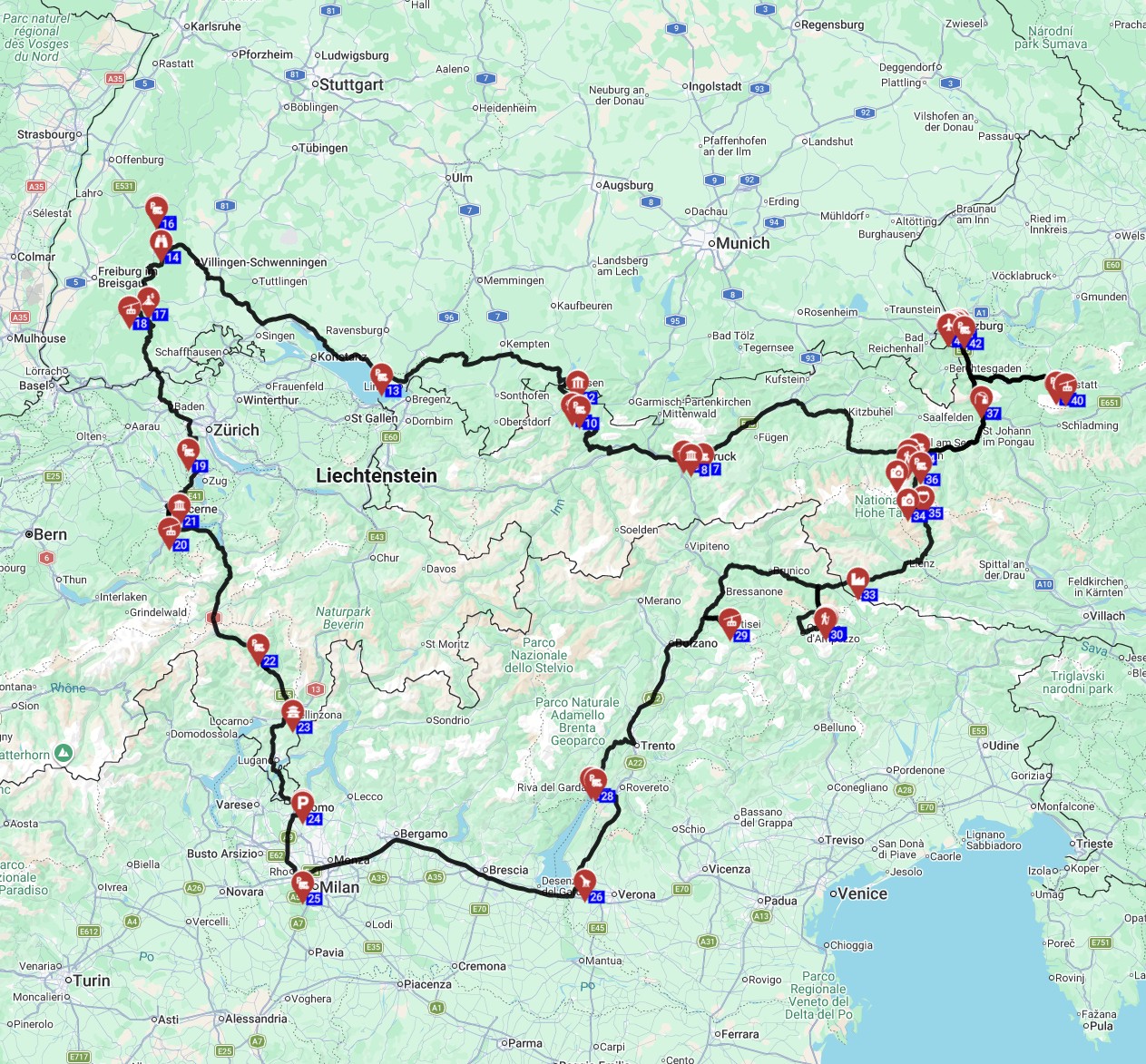
- Not Booking Campgrounds in Advance: During peak season (July-August) and popular holidays, desirable campgrounds can fill up quickly, especially in scenic areas like the Salzkammergut Lake District. Instead, always reserve your pitches in advance, particularly for popular lakeside or alpine destinations, to guarantee a spot and avoid last-minute stress. For example, the "Zurich Roundtrip - South - Austria Tirol, Italy, Switzerland" route (22 days, 1866 km) includes numerous popular natural features that require advance booking.
- Attempting Wild Camping: Wild camping or overnight parking outside designated campsites is largely prohibited throughout Austria and can lead to significant fines. Instead, always plan to stay at official campgrounds or designated Stellplätze (motorhome parking areas) that offer facilities and legal overnight stays.
How much does it cost to rent an RV in Austria
RV rental costs in Austria typically range from €80 to €200 per night, varying significantly based on RV class, rental season, duration, and included amenities. Additional expenses for fuel, tolls, and camping add to the overall trip budget.
Rental Fee
The base rental cost for an RV depends heavily on the vehicle's size (e.g., a compact campervan versus a large motorhome suitable for families), the rental season (peak summer months are the most expensive), and the duration of your trip (longer rentals may offer lower per-night rates). For families, consider a Class C motorhome which can range from €120-€250 per night depending on the specific model and season.
Fuel Expenses
RVs, particularly larger models, consume a significant amount of fuel. Expect diesel prices in Austria to be around €1.70-€2.00 per liter in 2026. Factor in an average fuel consumption of 8-12 liters per 100 kilometers, which can increase when driving in mountainous terrain or at higher speeds.
Tolls and Vignette
All vehicles under 3.5 tonnes using Austrian motorways and expressways require a digital vignette, costing approximately €9.90 for 10 days or €29.00 for two months in 2026. RVs over 3.5 tonnes must use a GO-Box electronic toll system, where costs depend on distance traveled and axle count. Additionally, many tunnels (e.g., Arlberg, Brenner) and specific scenic routes (like the Grossglockner High Alpine Road) have separate, often substantial, toll fees.
Camping Fees
Overnight stays at organized campgrounds typically cost €25 to €50 per night for a family, often including electricity hook-ups, water, and access to sanitary facilities. Prices can be higher at premium sites or during peak season. Budget-friendly Stellplätze (basic motorhome parking areas) may offer cheaper alternatives, sometimes for free, but with fewer amenities.
Groceries and Activities
Budget for food costs, which can be similar to other Western European countries. Cooking in your RV helps save money, so allocate €50-€80 per day for a family for groceries. Additionally, factor in expenses for activities, attraction entry fees, occasional restaurant meals, and souvenirs. For finding campsites and campgrounds during your trip, check out RV PLANET (rvplan.net) — a great tool for locating available spots along your route.
Is RV camping popular in Austria
RV camping is highly popular in Austria, largely due to its exceptional natural beauty, well-developed infrastructure for motorhome travelers, and a strong national culture that embraces outdoor recreation and scenic road trips.
Austria's diverse landscapes, from the majestic Alps to pristine lakes and rolling vineyards, make it an ideal destination for RV travel, offering unparalleled freedom to explore various regions at your own pace. The country boasts a comprehensive network of well-maintained campgrounds and Stellplätze (motorhome parking areas), many of which are specifically designed to cater to families, offering amenities like playgrounds, swimming pools, and direct access to hiking and cycling trails.
This popularity ensures that local services, including waste disposal points, water refill stations, and RV-friendly fuel stops, are generally accessible throughout the country, supporting a comfortable and convenient travel experience. During peak summer months, many popular campgrounds, especially those by lakes or in national parks, often operate at high capacity, underscoring the widespread appeal of RV holidays among both domestic and international tourists.
What do I need to know about driving an RV in Austria
Driving an RV in Austria requires adherence to specific road regulations, an understanding of the mandatory toll system (vignette or GO-Box), and careful navigation, particularly on winding mountain roads and through narrow historic town centers.
Road Regulations and Safety Gear
Austria mandates that all vehicles carry a first-aid kit, a warning triangle, and a high-visibility safety vest. Dipped headlights are recommended year-round and compulsory in certain conditions. Speed limits are strictly enforced and vary for RVs (typically 50 km/h in urban areas, 100 km/h on open roads, and 130 km/h on motorways, with lower limits for vehicles over 3.5 tonnes).
Toll System (Vignette/GO-Box)
A digital vignette is required for motorways and expressways for RVs under 3.5 tonnes. RVs over 3.5 tonnes must use an electronic GO-Box for toll calculation. Failure to have the correct system activated results in hefty fines. Additionally, many tunnels (e.g., Arlberg, Brenner) and panoramic roads have separate, often significant, toll charges.
Environmental Zones
Some Austrian cities, like Vienna and parts of Tyrol, have low-emission zones. Larger RVs, especially older models, may require an 'Umweltplakette' (environmental sticker) or be restricted from entering these zones. It's crucial to check specific city requirements along your planned route to ensure you can access your desired destinations.
Navigating Narrow Roads and Parking
Austria's charming villages and mountainous regions often feature narrow, winding roads, which can be challenging for larger RVs. Always be aware of your vehicle's dimensions (height, width, weight). Parking in historic city centers is often restricted or difficult for large RVs; consider utilizing designated RV parking areas on the outskirts and using public transport into town.
Fueling, Waste Disposal, and Water Refills
Look for larger fuel stations, especially those on main routes or motorways, which are better equipped for RV access. Campgrounds are the primary locations for fresh water refills and grey/black water disposal. Some larger rest stops or service stations may also offer these facilities, often called 'Servicestellen'.
Can you park an RV anywhere in Austria
No, you generally cannot park an RV anywhere in Austria for overnight stays; wild camping or freely parking outside designated campsites is largely prohibited and subject to varying regional and municipal regulations.
While rules can differ slightly between Austria's nine federal states (Bundesländer), the overarching principle is to utilize official campgrounds or designated Stellplätze (motorhome parking areas) for overnight parking and camping. These provide the necessary facilities and legal permissions for your stay.
Parking an RV overnight on public land, including roadside rest areas, car parks, or remote natural spots, is typically illegal and can result in significant fines. This prohibition is aimed at protecting natural environments and ensuring proper waste management.
Some municipalities may tolerate a single night of rest in an RV if no 'camping behavior' (such as deploying awnings, setting out chairs and tables, or extensive cooking outside the vehicle) is displayed, but this is not consistently enforced and should not be relied upon.
To avoid legal issues and ensure access to essential services like fresh water and waste disposal, it is always recommended to plan your overnight stays at established campgrounds or officially designated motorhome parking spots.
What is the best month to RV in Austria
The best month to RV in Austria typically depends on your desired activities and preference for crowds, with June to September generally offering the warmest weather for outdoor pursuits, while shoulder seasons provide distinct advantages for those seeking fewer tourists and unique experiences.
Peak Season (July-August)
These months offer the warmest temperatures, making them ideal for swimming in alpine lakes, hiking in the high mountains, and enjoying outdoor festivals. However, this is also the busiest and most expensive period, with campgrounds often fully booked and popular attractions crowded.
Shoulder Season (May-June and September-October)
Late Spring (May-June): Offers pleasant, mild temperatures, vibrant green landscapes, and blooming wildflowers. Crowds are significantly smaller than in summer, and prices for rentals and campgrounds are generally lower. Many mountain roads and attractions begin to open fully by late May, making it excellent for exploration before the major rush.
Early Autumn (September-October): Features stable, often sunny weather, brilliant fall foliage, and the grape harvest season in wine regions. Tourist numbers decrease significantly, leading to a more serene travel experience and reduced costs. This period is perfect for scenic drives, cultural visits, and enjoying local gastronomy without the summer crowds.
Winter (November-April)
Primarily caters to ski and snowboard enthusiasts. RVing during these months requires a winterized vehicle, appropriate winter tires (often legally required), and potentially snow chains for mountain passes. Many campgrounds close or offer limited services, though dedicated winter camping sites are available near ski resorts.
For families seeking a balance of good weather, fewer crowds, and a wide array of open activities, late May to June or early September often presents the most ideal conditions for an RV trip in Austria.
Where can I go camping with an RV in Austria
Austria offers a wide array of well-equipped campgrounds and Stellplätze for RVs across its diverse regions, providing excellent bases for exploring everything from the scenic Alps and tranquil lakes to historic cities and charming villages.
Tyrol (Tirol)
Ideal for alpine adventurers, with numerous campgrounds located near popular hiking and biking trails, ski resorts (in winter), and picturesque towns like Innsbruck. Many sites are family-friendly, offering playgrounds and organized activities.
SalzburgerLand
Campgrounds here serve as perfect launchpads for visiting the cultural city of Salzburg, exploring the stunning Salzkammergut Lake District, or venturing into the Hohe Tauern National Park. You'll find sites with excellent facilities and scenic views.
Carinthia (Kärnten)
Known for its warm, swimmable lakes like Wörthersee and Millstätter See, Carinthia boasts numerous lakeside campgrounds. These are especially popular with families and water sports enthusiasts, with many offering pet-friendly options.
Styria (Steiermark)
This region combines mountains, thermal spas, and vineyards. Campgrounds in Styria allow for diverse experiences, from exploring wine routes and tasting local produce to relaxing in a thermal bath.
Lower Austria (Niederösterreich) & Upper Austria (Oberösterreich)
Perfect for those interested in the Danube Valley, including the UNESCO World Heritage Wachau region, and historical sites. Campgrounds are often situated along the river or near cultural attractions.
Beyond Tourist Hotspots
For a more unique cultural immersion and fewer crowds, consider exploring lesser-known regions like Burgenland, with its Pannonian plains and the Neusiedler See, or East Tyrol, offering rugged, pristine mountain landscapes. Seek out smaller, family-run campgrounds which often provide a more authentic local experience and may feature regional products or traditional events.
Pet-Friendly Campgrounds
A significant number of Austrian campgrounds are pet-friendly, welcoming dogs with designated walking areas and sometimes even dog showers. Always check the specific campground's pet policy and any associated fees when booking. Ensure your pet's vaccination records are up-to-date and carry an EU pet passport if traveling internationally.
What You Shouldn't Miss
- Salzkammergut Lake District: Explore the charming towns and crystal-clear lakes like Wolfgangsee or Hallstätter See, with numerous lakeside campgrounds perfect for families.
- Grossglockner High Alpine Road: Drive this breathtaking scenic route (toll road, check seasonal access) for stunning alpine vistas and hiking opportunities.
- Danube Valley (Wachau): Discover picturesque vineyards and historic castles in this UNESCO World Heritage region, with many campgrounds located along the river.
- Hohe Tauern National Park: Ideal for nature lovers, offering extensive hiking trails and opportunities to experience Austria's majestic mountain landscapes.
- Salzburg: Visit the historic city, birthplace of Mozart, and explore its baroque architecture and fortress, with several campgrounds conveniently located nearby.
- Tyrolean Alps: Experience the heart of the Austrian Alps with RV-accessible trails, charming villages, and stunning mountain scenery.
Final Thoughts
Renting an RV for a family trip in Austria offers an incredible way to experience the country's stunning landscapes and rich culture at your own pace. By planning ahead, choosing the right vehicle, and familiarizing yourself with local driving and camping regulations, you're setting the stage for an unforgettable adventure.
Whether you're exploring the alpine vistas, cruising along the Danube, or enjoying the tranquility of Austrian lakes, the flexibility and freedom of RV travel will create lasting memories for your family. Embrace the journey, savor the experiences, and let the adventure unfold!
Get inspired for your next trip! Discover top destinations, planning tips, all in one place! Plan a trip itinerary in advance with minimal effort and maximum enjoyment.