In This Guide
- The 5 RV Families Compared for Turkey
- Class A (Integrated) - Best For
- Class SI (Semi-Integrated) - Best For
- Class C (Alcove) - Best For
- Class B (Campervan) - Best For
- Price Comparison by RV Class in Turkey
- Side-by-Side Comparison Table
- Our Recommendation for family rv rental Travelers in Turkey
- What RV Type is Best for Turkish Roads?
- What are the Safety Tips for RV Rental in Turkey?
- Is Wild Camping Allowed in Turkey with an RV?
- How Much Does an RV Trip to Turkey Cost Beyond Rental Fees?
- What is Local Etiquette for RVers in Turkey?
- How to Stay Connected While RVing in Turkey?
- What is the Best Time of Year to Rent an RV in Turkey?
- How to Source Food and Water When RVing in Turkey?
- Can I Travel with Pets in a Rental RV in Turkey?
- What Documents Do I Need to Drive an RV in Turkey?
The 5 RV Families Compared for Turkey
Choosing the right RV family is crucial for a successful motorhome trip in Turkey, as it directly impacts your comfort, maneuverability, and overall cost-efficiency. Imagine navigating the winding coastal roads of Antalya or exploring the historical sites near Istanbul; your vehicle choice can make all the difference. Bandana RV offers a wide range of rented motorhome classes, each suited to different travel styles and group sizes. We provide full transparency with no hidden fees, ensuring you know exactly what to expect from your booking. For live availability and current prices, start with our RV Rental Turkey - Complete Guide 2026 guide.Class A (Integrated) - Best For
Class A integrated motorhomes are best for larger families or groups seeking maximum space and luxury during their family RV rental in Turkey. Bandana's fleet typically features Class A motorhomes averaging 7.5 meters in length, comfortably sleeping 4-6 people, with some models offering even more berths and spacious living areas. These vehicles provide a commanding driving experience, much like a bus, with powerful engines and expansive interiors that often include full-sized kitchens and multiple sleeping zones. While they offer unparalleled comfort, Class A motorhomes have higher fuel consumption, typically around 18-25 Liters/100 km (for US models like `rv rentals utah example Sunrise Escape`, which has "Fuel Consumption: 20 - 25 Liter / 100 Km."), and require more careful navigation on narrower Turkish roads and in bustling city centers. Drive slowly and carefully, and you can drive almost anywhere without issues. No need to stress - just use common sense and pay attention.Class SI (Semi-Integrated) - Best For
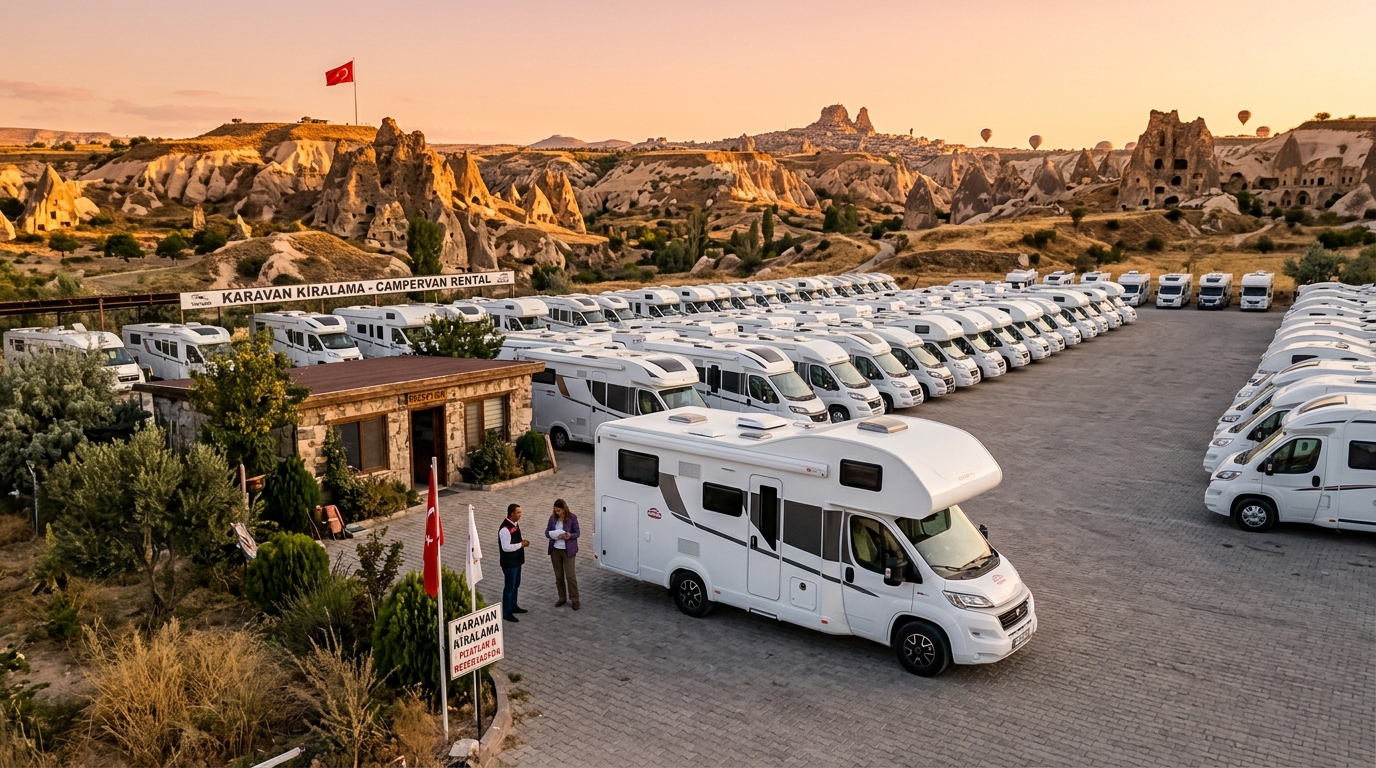
Class SI, or semi-integrated, motorhomes are ideal for families who desire a perfect balance of comfort and maneuverability when exploring Turkey. Bandana's fleet in this category averages around 6.5-7 meters in length, typically sleeping 3-5 people, making them suitable for smaller families or couples seeking extra space. These motorhomes feature a sleek, aerodynamic profile with a distinct cab area, offering good fuel efficiency, often around 10-14 Liters/100 km (for example `MH4-5 - SIF` has "Fuel Consumption: 9 - 11 Liter/100 km"). Their more agile size compared to Class A makes them better suited for navigating Turkish towns, coastal villages, and a wider range of roads, while still providing ample living space, including a kitchen and bathroom. Renting a Class SI motorhome offers flexibility for both highway cruising and more intricate routes.Class C (Alcove) - Best For
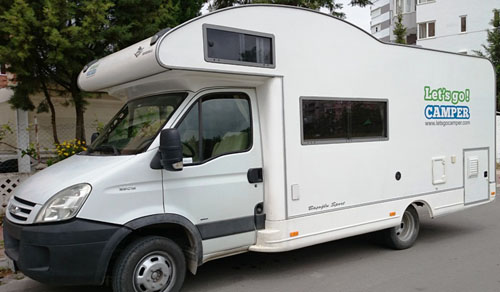
Class C alcove motorhomes are an excellent choice for families traveling in Turkey, primarily due to their characteristic sleeping alcove over the cab which provides additional dedicated sleeping space. Bandana's Class C units average 6.5-7.5 meters in length and comfortably sleep 4-6 people, making them very family-friendly and a top pick for extended adventures. For instance, a "24' Class C Motorhome" typically sleeps 5 people with 6 seat belts, featuring a spacious layout with a double bed over the cab (152/203cm), a middle single bed (114/208cm), and a rear double bed (152/203cm). These vehicles offer generous interior space and often include separate sleeping areas, ideal for privacy and comfort. Fuel consumption for these models typically ranges from 10-14 Liters/100 km, offering a good balance of space and operational cost on Turkish roads. They handle well on highways and are manageable in cities if driven carefully.Class B (Campervan) - Best For
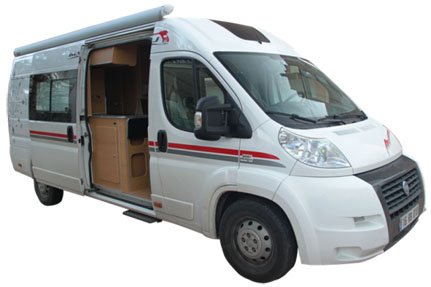
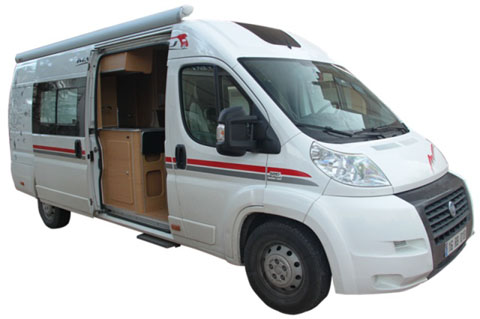
Class B campervans are perfect for couples or small families prioritizing agility and fuel economy during their rented RV adventure in Turkey. Bandana's campervans average 5-6 meters in length, typically sleeping 2-4 people, making them ideal for navigating bustling cities like Istanbul and Izmir, narrow streets, and remote areas with ease. For example, a `Combi Van` is 5 meters long, sleeps 4, and has a fuel consumption of 9-12 Liters/100 km. They offer the best fuel efficiency, often ranging from 8-12 Liters/100 km (e.g. `cruise america example EX-Group A` with 8 Liters/100 km), and are the easiest RV type to park. While their compact size may limit interior space and amenities compared to larger motorhomes, they offer unmatched flexibility for exploring Turkey's diverse landscapes, allowing you to access more secluded spots.Price Comparison by RV Class in Turkey
RV rental prices in Turkey are dynamic and depend on several factors, including vehicle class, season, booking duration, and even current demand. Bandana's pricing is always flexible, adjusting based on these market conditions to provide you with the most competitive rates without any hidden fees or surprises. Generally, smaller campervans offer the most budget-friendly options, while larger Class A motorhomes command higher prices due to their size and luxury features. For example, a Class B campervan might start from around $80-120 per day in the low season, whereas a Class C motorhome could range from $120-180 per day. Luxury Class A models may begin at $200+ per day. Longer rental periods often result in lower daily rates, and booking well in advance can secure better deals. To explore options and compare prices transparently, check out our "RV Rental in Turkey - Prices and Best Deals 2026" guide.Side-by-Side Comparison Table
This table provides a quick overview of key specifications for different RV classes, helping you visualize the best use case for your family RV travel in Turkey. When comparing vehicle classes, consider how average length, sleeping capacity, and fuel efficiency align with your trip plans and group size.| RV Class | Average Length (meters) | Sleeping Capacity (people) | Typical Fuel Consumption (Liters/100 km) | Best Use Case in Turkey |
|---|---|---|---|---|
| Class A (Integrated) | 7.5 - 10.7 | 4 - 9 | 18 - 25 | Luxury family trips, highway travel, spacious camping |
| Class SI (Semi-Integrated) | 6.5 - 7.5 | 3 - 5 | 10 - 14 | Balance of comfort & maneuverability, diverse routes |
| Class C (Alcove) | 6.5 - 7.5 | 4 - 6 | 10 - 14 | Family-friendly, good space, manageable size |
| Class B (Campervan) | 5.0 - 6.0 | 2 - 4 | 8 - 12 | Couples/small families, city exploration, agile travel |
Our Recommendation for family rv rental Travelers in Turkey
For most families embarking on a rented RV adventure in Turkey, a Class C (Alcove) motorhome is our primary recommendation. These vehicles, such as the "24 Class C Motorhome" which seats 6 and sleeps 5, provide ample sleeping capacity (typically averaging 4-6 people) and comfortable living space, well-suited for family dynamics and extended trips across Turkey's varied terrain. They offer the convenience of a built-in kitchen and bathroom, ensuring a comfortable home-on-wheels experience. The elevated alcove bed is particularly popular with children, providing a fun and dedicated sleeping area. The runner-up recommendation for family rv rental in Turkey is a Class SI (Semi-Integrated) motorhome. These models, like the `K3` with capacity for 4 people, offer a good balance of maneuverability and comfort for smaller families or those seeking a more streamlined driving experience. They are often more aerodynamic than Class C, potentially leading to slightly better fuel efficiency, while still providing essential amenities for an enjoyable journey. Both options allow you to travel slowly, averaging 100-150 km per day, which is perfect for truly feeling the place, connecting to the culture, the food, and the scenery.What RV Type is Best for Turkish Roads?
The best RV type for Turkish roads largely depends on your planned itinerary and personal comfort preferences. For navigating crowded city centers like those in Ankara - Airport or Izmir - Airport and charming coastal towns with narrow streets, Class B campervans or Class SI semi-integrated motorhomes are often ideal due to their superior maneuverability. These smaller vehicles, typically under 6.5 meters, can more easily handle tight turns and parking challenges. Larger Class C alcoves and Class A integrated motorhomes are perfectly suitable for well-maintained highways connecting major cities and broader routes, but it is important to remember that driving slowly and carefully, you can drive almost anywhere without issues. No need to stress - just use common sense and pay attention, even in older village centers or less-traveled mountain passes. For those considering off-the-beaten-path destinations, a Class B campervan, with features similar to a `Patagonia Camper 4x4 double cab`, would offer the necessary agility and capability.What are the Safety Tips for RV Rental in Turkey?
Ensuring safety and security during your RV trip in Turkey involves understanding local driving conditions, practicing personal vigilance, and securing your vehicle, ensuring peace of mind. Turkish roads are generally well-maintained, particularly major highways, but be aware of aggressive local driving habits, unexpected pedestrian crossings, and livestock, especially in rural areas; defensive driving is key to a smooth journey. For personal safety, always keep valuables out of sight, be aware of your surroundings in crowded tourist areas like Istanbul, and prioritize using reputable campgrounds that offer security facilities when possible. Vehicle security can be enhanced by using steering wheel locks or alarms, and always locking doors and windows securely when leaving your rented motorhome or sleeping. When considering wild camping in less developed regions, choose well-lit, visible spots, inform someone of your location, and always trust your instincts; avoid isolated areas if feeling uneasy or uncomfortable.Is Wild Camping Allowed in Turkey with an RV?
Wild camping with a rental RV in Turkey is generally tolerated, particularly in rural or less-touristed areas, though official regulations can be ambiguous depending on the specific municipality. While not explicitly forbidden everywhere, it is always best practice to seek permission from private landowners or local authorities (such as a village muhtar) when possible, especially if planning to stay more than one night. Always look for discreet, safe spots away from main roads, clearly marked private property, and protected national parks or archaeological sites where camping might be strictly prohibited. Adhere strictly to "leave no trace" principles: pack out all trash, avoid disturbing wildlife, and ensure proper waste disposal at designated dump stations. Resources like local gas stations or larger towns can often provide water refills for your rented campervan, but planning ahead for rural areas where such facilities might be scarce is always wise.How Much Does an RV Trip to Turkey Cost Beyond Rental Fees?
The true cost of a rented RV trip to Turkey extends beyond the initial rental fee, encompassing significant ancillary expenses like fuel, tolls, groceries, and campground fees. Fuel costs can be a major expense, with diesel prices varying across regions; budget for an average consumption of 8-17 Liters/100 km depending on your RV class and driving style. Expect to pay tolls on major highways and bridges, typically collected electronically via an HGS sticker (Highway Geçiş Sistemi), which can be obtained at post offices or larger gas stations. Groceries from local weekly markets (pazar) are generally affordable and a great way to experience local culture and save money on food, but budget for occasional restaurant meals in popular spots like Antalya or Bodrum - Airport. Campground fees vary from basic sites (e.g., €10-20/night) to full-service holiday parks (e.g., €20-40+/night), offering amenities like electricity, water, and dump stations. For managing your budget, RV PLANET routes allow you to itemize and track every expense along the way for easy budgeting.What is Local Etiquette for RVers in Turkey?
Respectful interaction with local communities and adherence to cultural norms are crucial for RVers exploring Turkey. When parking or considering an overnight stay in a village, it is polite and often appreciated to ask permission from the muhtar (village headman) or a local resident, which can frequently lead to warm hospitality and unique cultural exchanges. Dress modestly, especially when visiting mosques or religious sites; women should cover their heads and shoulders, and everyone should remove their shoes before entering. Be prepared for curious locals who might approach you; a friendly 'Merhaba' (hello) and a genuine smile go a long way in fostering positive interactions. Always dispose of waste properly, utilizing designated bins or dump stations, and avoid loud noises, especially during evening hours, to maintain respectful relationships with your surroundings and ensure a welcoming experience for future travelers.How to Stay Connected While RVing in Turkey?
Staying connected while RVing in Turkey is straightforward, with local SIM cards offering reliable mobile data coverage across much of the country. Upon arrival at airports like Istanbul - Airport or Dalaman - Airport, you can easily purchase a prepaid SIM card from major providers such as Turkcell, Vodafone, or Türk Telekom, which typically requires your passport for registration. Mobile data coverage is generally good in populated areas and along major routes, though it can be spotty in very remote or mountainous regions, so plan for potential offline periods. Many campgrounds, cafes, and restaurants in towns offer free Wi-Fi, providing convenient connection points. For those prioritizing consistent connectivity for multiple devices, consider bringing a mobile Wi-Fi hotspot device and inserting a local SIM card, ensuring you can manage your digital needs on the go.What is the Best Time of Year to Rent an RV in Turkey?
The best time of year to rent an RV in Turkey largely depends on your desired activities and the specific regions you plan to visit, with spring and autumn offering ideal conditions for a diverse family RV trip. Spring (April-May) provides pleasant temperatures averaging 15-25°C (59-77°F), blossoming landscapes, and fewer crowds, perfect for exploring historical sites and coastal areas before the peak summer heat. Autumn (September-October) also offers mild weather and beautiful scenery, with the added benefit of warmer sea temperatures for swimming along the Mediterranean and Aegean coasts, often with average temperatures around 20-28°C (68-82°F). Summer (June-August) can be very hot, especially inland where temperatures can exceed 35°C (95°F), but it remains popular for coastal regions; expect higher prices and more tourists during this peak season. Winter (November-March) is generally colder and wetter, particularly in the north and east, though the southern coast remains milder and can offer unique off-season experiences for intrepid travelers looking for a quieter journey.How to Source Food and Water When RVing in Turkey?
Sourcing food and water while RVing in Turkey is easy and enjoyable, thanks to abundant local markets and accessible refill points throughout the country. For fresh, seasonal produce, cheeses, olives, and spices at excellent prices, be sure to visit the vibrant local weekly markets (pazar) found in nearly every town-this is also a fantastic cultural experience and a great way to cook delicious meals in your rented motorhome kitchen. Supermarkets like Migros, CarrefourSA, BIM, and A101 are widely available in towns for pantry staples and packaged goods. For water, most established campgrounds offer potable water refills for your RV's fresh water tank. In more rural areas, look for public fountains (çeşme), which are common, or politely ask for water at local mosques or gas stations. Always carry a reliable water purification filter or tablets as a backup, especially if planning extended stays in remote regions where direct tap water quality might be uncertain. To find inspiration for meals on the go, check out our RV-friendly recipes playlist.Can I Travel with Pets in a Rental RV in Turkey?
Traveling with pets in a rental RV in Turkey is often possible, but it requires careful planning and adherence to specific regulations. Many Bandana partner RV rental companies in Turkey allow pets, though some may charge an additional one-time cleaning fee (e.g., $50-$150) or have restrictions on pet size or breed; always confirm directly with your rental provider during the booking process. Ensure your pet has all required vaccinations, especially rabies, and an up-to-date pet passport, as these are mandatory for entry into Turkey and for any potential border crossings. Keep your pet on a leash in public areas, and be mindful of local attitudes towards animals, which can vary; some establishments or attractions may not be pet-friendly. Plan for pet-friendly campgrounds and be prepared for potential challenges with extreme temperatures during certain seasons, ensuring your pet has adequate shade and hydration.What Documents Do I Need to Drive an RV in Turkey?
To legally drive a rental RV in Turkey, you will need your valid national driving license, an International Driving Permit (IDP), and your passport. Your national driving license must be current and recognized internationally; an IDP translates your national license and is required by Turkish law for non-residents. Ensure you carry your passport at all times as a primary form of identification, especially during police checks or border crossings. The rental company will provide all necessary vehicle registration documents, insurance papers, and often a power of attorney for driving the rental vehicle in Turkey; keep these accessible and safe within the motorhome. While not always requested, it is prudent to have digital and physical copies of all important documents stored separately from the originals in case of loss or theft, providing an extra layer of security. Remember, a standard car driver's license is sufficient for all motorhome classes (Class A, Class B, and Class C) in Turkey, with a minimum rental age of 21 and no young driver surcharges.🎬 Video coming soon
What You Shouldn't Miss
- Cappadocia's Fairy Chimneys: Experience the surreal landscape of Cappadocia with its unique rock formations. Consider an early morning hot air balloon ride for breathtaking panoramic views.
- Pamukkale's Travertines: Visit the dazzling white terraces of Pamukkale, formed by mineral-rich thermal waters, and the ancient Roman city of Hierapolis situated atop them.
- Ephesus Ancient City: Explore the remarkably well-preserved ruins of Ephesus, one of the greatest Roman cities, including the Library of Celsus and the Grand Theatre.
- Mediterranean Coastline Cruise: Drive along the stunning Turquoise Coast, stopping at picturesque beaches and charming towns like Fethiye or Kaş for swimming and local seafood.
- Istanbul's Historic Peninsula: Immerse yourself in Istanbul's rich history, visiting the Hagia Sophia, Blue Mosque, Topkapi Palace, and the Grand Bazaar. Drive slowly and carefully, and you can drive almost anywhere without issues. No need to stress - just use common sense and pay attention.
- Black Sea Region's Greenery: Discover the lush, verdant landscapes of the Black Sea region, dotted with tea plantations, ancient monasteries clinging to cliffs, and traditional villages.
Final Thoughts
Embarking on a family RV rental adventure in Turkey promises an unforgettable journey filled with cultural richness, stunning landscapes, and the freedom of the open road. Whether you opt for the spacious comfort of a Class C motorhome or the agile versatility of a campervan, the diverse regions of Turkey-from the historical marvels of Istanbul to the sun-drenched coasts near Bodrum - Airport and Dalaman - Airport-await your exploration. We are with you before, during, and after your booking, providing unparalleled support and expertise to ensure every detail is handled. At Bandana Caravan, we are true RV specialists, dedicated to helping you discover the joy of motorhome travel. Our commitment to full transparency means no hidden fees and no surprises, just honest pricing and reliable service. So, gather your family, choose your ideal rented mobile home, and get ready to create cherished memories. Discover top destinations, planning tips, all in one place! Compare Family RV Rental Prices for Turkey and start planning your ultimate Turkish road trip today!On the routes offered through RV PLANET routes, you can itemize and track every expense along the way for easy budgeting.