In This Guide
- The 5 RV Families Compared for South Africa
- Class A (Integrated) — Best For
- Price Comparison by RV Class in South Africa
- Class SI (Semi-Integrated) — Best For
- Class C (Alcove) — Best For
- Class B (Campervan) — Best For
- Class TC (Truck Camper) — Best For
- Side-by-Side Comparison Table
- Our Recommendation for family rv rental Travelers in South Africa
- What are the best RV rental companies in South Africa?
- How much does it cost to rent an RV in South Africa?
- What is the best RV for a family of 4?
- Is it safe to RV in South Africa?
- What do I need to know before renting an RV in South Africa?
- How do you dispose of RV waste in South Africa?
- Can you just park an RV anywhere in South Africa?
- What are RV cultural considerations for South Africa?
- Where can I go off the beaten path with an RV in South Africa?
- How to manage wildlife encounters on South African roads?
- What are sustainable RV travel practices in South Africa?
- What You Shouldn't Miss
- Why Book with Bandana Caravan
- Final Thoughts
- Frequently Asked Questions
The 5 RV Families Compared for South Africa
Choosing the ideal family RV rental for your South African adventure requires careful consideration of the country's diverse conditions and your family's specific needs. South Africa's vast and varied landscapes, ranging from smoothly paved national highways to rugged unpaved tracks in more remote areas, necessitate an RV that can handle different terrains while providing comfort. Climate variations across regions, such as the arid Karoo versus the humid coastal areas, also influence the level of climate control and vehicle features you might desire for your trip. Furthermore, your planned trip length, whether a week-long getaway or a month-long expedition, will dictate requirements for storage capacity, fuel range, and overall living space to ensure a relaxed journey. The size and dynamics of your group, including young children or teenagers, significantly impact the ideal sleeping arrangements, interior layout, and available living area for everyone to enjoy the ride. For live availability and current prices, start with our RV Rental South Africa - Complete Guide 2026 guide, which provides extensive information for planning.Class A (Integrated) - Best For
Class A integrated motorhomes are ideal for families seeking maximum luxury, space, and a home-like experience on longer trips in South Africa, offering the most spacious and amenity-rich rental option. Bandana's global fleet average for Class A RVs is approximately 7.5 meters long, comfortably sleeps 4.4 people, accommodates up to 4 adults, and offers a substantial average load capacity of 209.5 kg. These larger vehicles, often consuming 11-12 liters of fuel per 100 km, provide ample comfort for extended stays and multiple travelers, featuring full kitchens, spacious living areas, and often multiple sleeping zones, perfect for families who love to cook their meals onboard. While offering superior comfort, Class A RVs can be more challenging to maneuver on narrower or unpaved South African roads and may incur higher fuel costs due to their size. They are best suited for families prioritizing spacious living and amenities, often sticking to well-maintained main routes and designated RV parks for a truly luxurious journey. For families considering a premium experience, our Luxury RV Rental in South Africa - Premium Prices 2026 provides more details.Price Comparison by RV Class in South Africa
Understanding the dynamic costs of RV rentals is crucial for budgeting your family RV adventure in South Africa, as rental rates are just one component of the overall trip expense. Because pricing for RV rentals is flex-rate and fluctuates daily based on availability, demand, seasonality, and supplier marketing decisions, the table below provides real example prices from Bandana's live search for various durations and RV classes. For instance, a Weekly RV Rental in South Africa - Pricing 2026 will offer specific seasonal rates that change. The final price for your rental will be set at the actual booking time, ensuring full transparency with no hidden fees or surprises throughout your booking process.| Family | Avg Length (m) | Sleeps (people) | Avg Fuel Use (L/100 km) | Best Use Case in South Africa |
|---|---|---|---|---|
| Class A (Integrated) | 7.5 | 4.4 | 11-12 | Luxury, spacious family trips on main routes |
| Class SI (Semi-integrated) | 6.9 | 3.8 | 10-11 | Balanced comfort and maneuverability for varied trips |
| Class C (Alcove) | 7.5 | 5.8 | 10-12 | Large families, dedicated sleeping areas, cost-efficient |
| Class B (Campervan) | 5.8 | 3.2 | 8-10 | Small families, couples, urban exploration, fuel efficiency |
| Class TC (Truck Camper) | 5.5 | 2.4 | 12-17 | Off-grid adventure, challenging terrain, remote exploration |
Class SI (Semi-Integrated) - Best For
Class SI semi-integrated motorhomes offer a balanced blend of comfort, maneuverability, and fuel efficiency, making them a versatile choice for family RV rentals in South Africa. Bandana's global fleet average for Class SI RVs indicates an average length of 6.9 meters, sleeping 3.8 people, accommodating 3.4 adults, and a load capacity of 72.2 kg, providing enough space for a family without being overly large. These models typically achieve 10-11 liters per 100 km in fuel consumption, offering a good compromise between the spaciousness of Class A and the agility of Class B. Semi-integrated RVs are ideal for families who desire more living space and amenities than a campervan but prefer easier driving and parking than a larger integrated motorhome, suitable for both highways and moderately challenging routes. If you're comparing options, a Family RV Rental in South Africa - Pricing Guide 2026 can help you assess cost-effectiveness.Class C (Alcove) - Best For
Class C alcove motorhomes are an excellent and popular choice for family RV rentals in South Africa due to their family-friendly design, often featuring an extra sleeping area above the cab. Bandana's global fleet average for Class C RVs shows an average length of 7.5 meters, accommodating 5.8 sleepers (4.4 adults), and a load capacity of 42.4 kg, perfect for larger families. With a typical fuel consumption of 10-12 liters per 100 km, they offer a good balance of space for larger families and relative cost-efficiency compared to Class A motorhomes. Their robust build can handle varied South African road conditions, making them suitable for families prioritizing separate sleeping areas and a comfortable interior without the premium cost or excessive size of a Class A. One common example is the "4 Berth Adventurer" which typically sleeps 4 and has a fuel consumption of 14 liters per 100km. Another popular model, the "MIC," sleeps 6 and consumes 10-12 liters per 100km.Class B (Campervan) - Best For
Class B campervans are perfectly suited for smaller families or those seeking maximum maneuverability and fuel economy for their South African RV adventure. Bandana's global fleet average for Class B campervans shows an average length of 5.8 meters, sleeping 3.2 people (2.7 adults), and a load capacity of 37 kg, making them compact and efficient. These vehicles boast excellent fuel efficiency, typically consuming 8-10 liters per 100 km, making them a cost-effective option for extensive travel. Ideal for navigating city streets, winding coastal roads like the Garden Route, or parking in smaller campsites, campervans are best for adventurous families who prioritize flexibility, ease of driving, and a compact footprint over extensive interior space. An example is the "Paradise Family 5" at 5.6m length, sleeping 5, with 13L/100km fuel efficiency. For more options, explore Find family rv Rentals in South Africa.Class TC (Truck Camper) - Best For
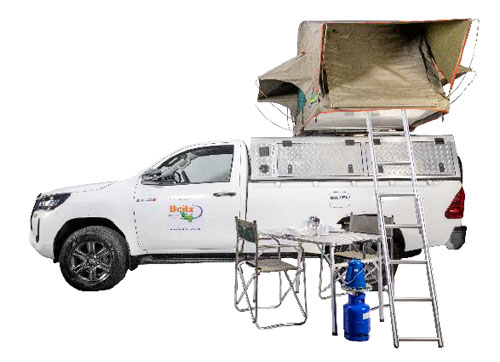
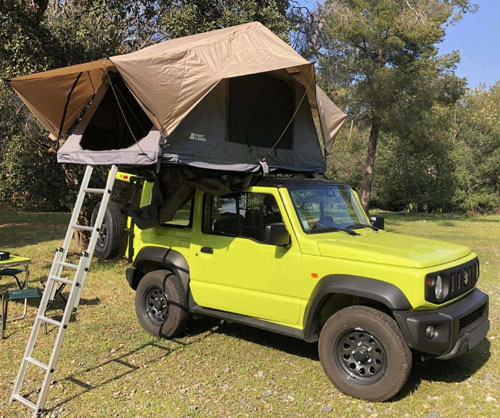
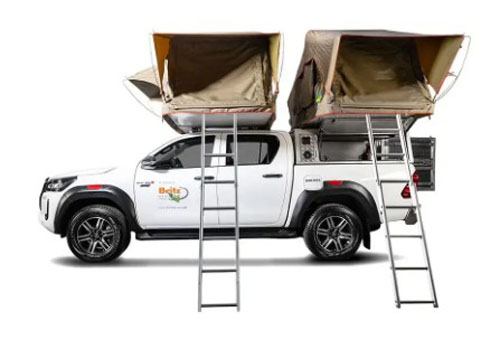
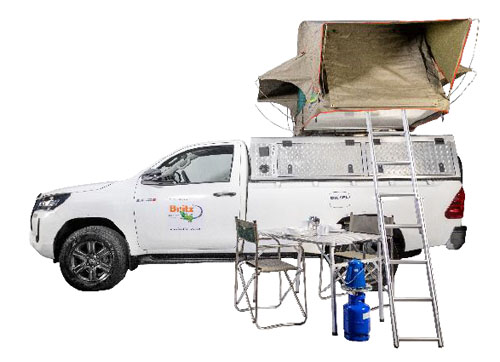
Class TC truck campers offer an unparalleled combination of off-road capability and flexibility, making them ideal for families desiring an adventurous, truly off-the-beaten-path experience in South Africa. Bandana's global fleet average for truck campers indicates an average length of 5.5 meters, sleeping 2.4 people (2.1 adults), and a common fuel consumption of 12-17 liters per 100 km. Their key advantage is the ability to detach the camper unit from the truck, allowing the base vehicle to be used for day trips or navigating challenging terrain without the full RV. These units, like the "Truck Camper" model which sleeps 3 and has a V8 Diesel/Gas Engine, are best for adventurous small families or couples who want to explore remote areas, lesser-known national parks, and rugged landscapes where larger motorhomes might struggle, prioritizing capability and versatility. When looking for such specialized options, you might find unique RV Rental Deals in South Africa - Latest Offers 2026.Side-by-Side Comparison Table
To help you quickly compare the different family RV rental classes available in South Africa, this table summarizes key specifications and ideal use cases. This overview simplifies the process of matching a motorhome or campervan to your family's travel style and destination preferences in South Africa.| Family | Avg Length (m) | Sleeps (people) | Avg Fuel Use (L/100 km) | Best Use Case in South Africa |
|---|---|---|---|---|
| Class A (Integrated) | 7.5 | 4.4 | 11-12 | Luxury, spacious family trips on main routes |
| Class SI (Semi-integrated) | 6.9 | 3.8 | 10-11 | Balanced comfort and maneuverability for varied trips |
| Class C (Alcove) | 7.5 | 5.8 | 10-12 | Large families, dedicated sleeping areas, cost-efficient |
| Class B (Campervan) | 5.8 | 3.2 | 8-10 | Small families, couples, urban exploration, fuel efficiency |
| Class TC (Truck Camper) | 5.5 | 2.4 | 12-17 | Off-grid adventure, challenging terrain, remote exploration |
Our Recommendation for family rv rental Travelers in South Africa
For most family RV rental travelers in South Africa, the **Class C (Alcove) motorhome** stands out as the primary recommendation due to its family-friendly features and practicality. Its generous sleeping capacity, averaging 5.8 people with the convenient over-cab bunk, is perfect for families, offering dedicated space for children and privacy for adults. The robust design of Class C motorhomes handles South African roads well, and its balance of interior space, essential amenities, and relatively efficient fuel consumption (10-12 L/100 km) makes it a comfortable and practical choice for diverse itineraries. As a strong runner-up, especially for families seeking more flexibility and slightly better maneuverability without sacrificing much comfort, the **Class SI (Semi-integrated) motorhome** is an excellent option. This class provides a good compromise, suitable for navigating diverse routes while still offering adequate living space for a family of up to 4, with slightly better fuel economy (10-11 L/100 km) than a Class C.What are the best RV rental companies in South Africa?
The best RV rental companies in South Africa cater to diverse family needs, offering a range of well-maintained motorhomes and campervans, comprehensive insurance options, and reliable support. When searching, look for Bandana partner suppliers known for their quality fleets and transparent policies. These companies provide detailed vehicle handovers, ensuring you understand all controls and features, and demonstrate clear communication regarding their support network across South Africa. Consider providers specializing in family-sized RVs (like Class C or SI) that offer sufficient sleeping capacity, storage, and essential amenities for extended trips. Many local Bandana partners offer specific knowledge of South African roads and regulations, potentially providing invaluable advice on routes and campsites, ensuring you're well-prepared for your adventure.How much does it cost to rent an RV in South Africa?
Beyond the daily rental fee, the total cost of an RV trip in South Africa includes several key ancillary expenses such as fuel, campsite fees, national park entry fees, potential unexpected maintenance, and food budgeting. Fuel is a significant variable; with Class C RVs typically consuming 10-12 L/100 km and larger Class TC truck campers up to 17 L/100 km, long distances will incur substantial costs, which you can estimate based on your planned itinerary and current fuel prices. Campsite fees in South Africa vary widely, ranging from basic municipal sites (ZAR 150-300 per night) to luxury private resorts (ZAR 400-800+ per night), depending on amenities, location (e.g., coastal vs. inland), and season. National park entry fees are additional, typically ZAR 100-400 per person per day for international visitors, or can be covered by a Wild Card if visiting multiple SANParks properties. Always budget for unexpected maintenance or minor parts, as even well-maintained vehicles can sometimes incur small issues, and factor in food costs, which can be significantly managed by preparing delicious meals in your RV’s kitchen. For help tracking all these expenses, RV PLANET routes allow you to itemize and track every cost along your way for easy budgeting. You can find more specific pricing details in "RV Rental in South Africa - Prices and Best Deals 2026".What is the best RV for a family of 4?
For a family of four, a **Class C (Alcove) motorhome** is frequently considered the best RV rental option in South Africa, offering an ideal balance of space, comfort, and sleeping arrangements. These RVs typically feature a dedicated over-cab bunk bed suitable for children, a convertible dinette for additional sleeping, and a fixed rear bed, ensuring privacy and ample sleeping space for everyone. An example, "24' Class C Motorhome," sleeps up to 5 people with a queen bed over the cab, a convertible dinette bed, and a rear double bed. Alternatively, a **Class SI (Semi-integrated) motorhome** can also be an excellent choice for a family of four, particularly if two adults and two smaller children are traveling, prioritizing a more integrated living experience and easier driving dynamics. When choosing, consider factors like the need for separate sleeping areas, the amount of luggage you plan to bring, and whether you'll primarily be cooking in the RV, as these will impact the ideal interior layout and storage capacity required.Is it safe to RV in South Africa?
RV travel in South Africa can be very safe, provided travelers adhere to specific safety protocols and remain informed about regional conditions, much like any international road trip. RV-specific safety protocols include always securing your rented vehicle, especially at night, by locking all doors and windows, and utilizing any built-in alarm systems; avoid displaying valuables prominently. Be aware of specific risks in different regions; for instance, urban areas may require higher vigilance regarding petty crime, while remote areas might pose different challenges like limited cell service or unpaved roads. Always carry local emergency contact numbers for police (10111 nationwide), medical assistance (10177 nationwide), and your rental company's roadside assistance; a satellite phone or personal locator beacon is advisable for truly remote areas where cell service is unreliable. It is highly recommended to camp only in designated, reputable campsites or caravan parks that offer security measures, especially in less familiar regions.What do I need to know before renting an RV in South Africa?
Before renting an RV in South Africa, it is crucial to understand local driving regulations, specific road conditions, and necessary vehicle requirements to ensure a smooth and safe journey. South Africa presents unique driving challenges for motorhomes and campervans, including navigating unpaved gravel roads common in rural or national park areas, steep mountain passes (like the Swartberg Pass), and potential road hazards such as potholes or livestock and wildlife outside of designated parks. You'll also need to familiarize yourself with dealing with roadside assistance for larger vehicles; ensure your rental company offers comprehensive breakdown support for RVs and has a wide service network across the country. For licensing, you'll need a valid driver's license from your home country, typically held for at least two years, accompanied by an International Driving Permit (IDP) translated into English, though an IDP is recommended, it is not mandatory in most cases for a standard car license. The minimum rental age for motorhomes in South Africa is 21 years old. Always perform a thorough pre-rental inspection of your rented RV, checking tires, lights, and fluid levels, and ensure you understand all vehicle controls and features before departing. Drive slowly and carefully, and you can drive almost anywhere without issues. No need to stress - just use common sense and pay attention.How do you dispose of RV waste in South Africa?
Managing RV waste and logistics in South Africa requires adherence to responsible practices, particularly when traveling in remote areas with limited facilities. Blackwater (toilet waste) and greywater (sink/shower water) disposal should only occur at designated dump stations, commonly found at official caravan parks, national park campsites, and some larger petrol stations. Water refills for your fresh water tank are readily available at most campsites, petrol stations, and larger towns, but always confirm the water source is potable if planning to drink it. Power options typically include shore power hook-ups at developed campsites, but for off-grid travel, consider rented RVs equipped with solar panels or generators for battery charging and appliance use. Sourcing specific RV parts or specialized repairs in remote areas can be challenging; it's wise to carry a basic toolkit and essentials like spare fuses, and always know the nearest major towns for mechanical assistance, or have reliable 24/7 support for booking coordination to help.Can you just park an RV anywhere in South Africa?
No, you cannot generally park a rented RV anywhere in South Africa; legality, safety, and best practices dictate camping in designated areas, though boondocking or wild camping may be possible in very specific, approved circumstances. Boondocking, or wild camping, is largely prohibited on private land without explicit permission and is not generally permitted within national parks or reserves outside of designated campsites. Finding suitable spots for wild camping typically involves seeking out remote municipal or provincial land where signs do not prohibit it, or asking permission from local landowners, always prioritizing safety and security. Understanding local regulations is paramount; illegal parking or camping can result in fines, and more importantly, can compromise your safety due to security risks in isolated areas. It is highly recommended to stick to established caravan parks and campsites, which offer security, amenities like water and waste disposal, and often provide valuable local information. Reassure yourself that even if a specific campground is full, many national and state parks reserve 25-30% of their spots for first-come-first-serve arrivals, so you'll usually find a spot. If not at the first campground, then the next one. Always call ahead before driving.What are RV cultural considerations for South Africa?
Respectful interaction with local communities and adherence to cultural etiquette are vital aspects of RV travel in South Africa, enriching your experience and fostering positive relationships. When visiting remote areas or interacting with communities, adopt a polite and open demeanor; a simple 'Sawubona' (Zulu for 'hello') or 'Molo' (Xhosa) can go a long way in breaking the ice. Always ask for permission before taking photographs of people, particularly in traditional settings, and be prepared to offer a small token of appreciation or engage in respectful conversation. Support local economies by purchasing goods from small businesses and engaging with community-based tourism initiatives where possible, contributing directly to local livelihoods. Be mindful of noise levels and dispose of all waste properly, especially when camping near villages or sacred sites, demonstrating respect for both the environment and local customs.Where can I go off the beaten path with an RV in South Africa?
South Africa offers numerous off-the-beaten-path RV routes and hidden gem campsites beyond mainstream tourist guides, allowing for truly adventurous and unique family experiences. Explore lesser-known national parks like the Tankwa Karoo National Park for stark desert beauty or the Mapungubwe National Park for its ancient history and unique wildlife, which often have fewer visitors than major parks. Consider routes such as the R355 in the Karoo for unpaved adventure (suitable for robust motorhomes like truck campers) or the Wild Coast for rugged coastal scenery and cultural immersion, always being mindful of road conditions and planning your route. Hidden gem campsites can be found in provincial reserves (e.g., Cederberg Wilderness Area) or through community-run initiatives, often offering basic amenities but unparalleled natural beauty and solitude. Research local farm stays that offer RV parking, providing unique cultural insights and access to private land away from typical tourist crowds. Remember to travel slowly, averaging a maximum of 100-150 km per day, to truly feel the place, connect to the culture, the food, and the scenery. You can also explore our RV Rental Africa - Complete Guide 2026 for broader ideas.How to manage wildlife encounters on South African roads?
Managing unexpected wildlife encounters while driving your rented RV on South African roads, even outside designated parks, requires vigilance and defensive driving techniques. Be particularly cautious at dawn, dusk, and night when many animals are most active, as visibility is reduced and wildlife such as Kudu, Springbok, baboons, or even ostriches may be near or on the road. Reduce your speed, especially in rural areas, mountainous passes, or regions known for wildlife crossings; slower speeds give you more time to react to sudden animal movements. If you encounter larger animals like baboons or smaller antelope on the road, slow down, maintain a safe distance, and avoid honking aggressively, as this can provoke unpredictable behavior. Never attempt to feed or approach wildlife, even seemingly docile animals, as they are wild and can become aggressive; prioritize your family's safety by observing from within your vehicle.What are sustainable RV travel practices in South Africa?
Embracing sustainable and eco-friendly RV travel practices in South Africa is essential for minimizing environmental impact and actively supporting local conservation efforts. Minimize water and electricity consumption in your rented RV; use energy-efficient appliances, take shorter showers, and switch off lights when not needed, conserving precious resources in a water-scarce country. Practice 'Leave No Trace' principles rigorously: pack out all trash, including organic waste, and dispose of it responsibly in designated bins; never litter, especially in natural areas like national parks. Support local conservation efforts by visiting national parks and reserves, as your entry fees directly contribute to wildlife protection and habitat maintenance. Choose eco-friendly campsites and tour operators when possible, and opt for fuel-efficient driving habits like maintaining a steady speed to reduce your carbon footprint, all contributing to a richer and more responsible adventure. If you plan to prepare meals in your RV, our RV-friendly recipes playlist can help you cook delicious, low-waste meals.What You Shouldn't Miss
- **The Panorama Route (Mpumalanga):** Drive through stunning landscapes featuring God's Window, Blyde River Canyon (the third-largest canyon in the world), and numerous waterfalls like Lisbon Falls.
- **The Garden Route (Western Cape/Eastern Cape):** Experience a breathtaking coastal journey through indigenous forests, charming towns like Knysna and Plettenberg Bay, and dramatic cliffs.
- **Kruger National Park (Mpumalanga):** Embark on a self-drive safari in your rented motorhome, spotting the "Big Five" and myriad other wildlife from the comfort of your vehicle. Book campsites well in advance, especially for popular areas like Skukuza.
- **Cape Town & the Cape Peninsula:** Explore Table Mountain, the vibrant V&A Waterfront, and drive to Cape Point, stopping to see the African penguin colony at Boulders Beach. Remember, drive slowly and carefully, and you can drive almost anywhere without issues. No need to stress - just use common sense and pay attention.
- **Drakensberg Mountains (KwaZulu-Natal):** Discover dramatic peaks, ancient rock art sites, and incredible hiking opportunities in this UNESCO World Heritage site.