In This Guide
- The 5 RV Families Compared for Iceland
- Class A (Integrated) — Best For
- Price Comparison by RV Class in Iceland
- Class SI (Semi-Integrated) — Best For
- Class C (Alcove) — Best For
- Class B (Campervan) — Best For
- Class TC (Truck Camper) — Best For
- Side-by-Side Comparison Table
- Our Recommendation for family rv rental Travelers in Iceland
- What is the average cost of an RV rental in Iceland?
- Can you wild camp with an RV in Iceland?
- How do I prepare for an RV trip in Iceland's unique conditions?
- Do you need a 4x4 for RV travel on Iceland's F-roads?
- Where can I manage water and waste for an RV in Iceland?
- How can I explore beyond the Ring Road with an RV in Iceland?
- What is the best month to RV in Iceland?
- How can I be environmentally responsible while RVing in Iceland?
- What You Shouldn't Miss
- Why Book with Bandana Caravan
- Final Thoughts
- Frequently Asked Questions
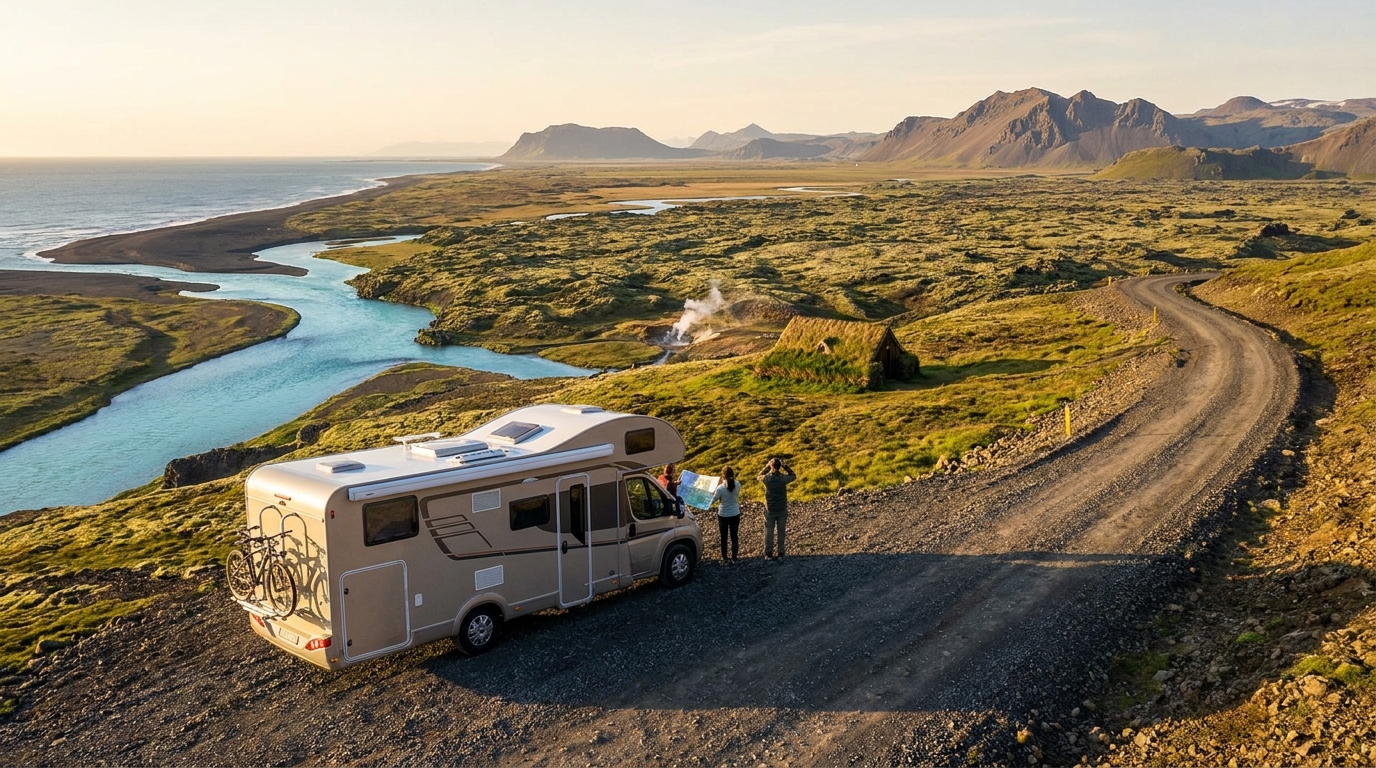
An unforgettable family RV rental adventure in Iceland requires careful planning, especially when it comes to choosing the right motorhome or campervan. Iceland, a land of fire and ice, offers unparalleled landscapes, from cascading waterfalls and black sand beaches to geothermal hot springs and vast glaciers, all best explored at your own pace with a comfortable mobile home. For live availability and current prices, start with our RV Rental Iceland - Complete Guide 2026 guide. Whether your family is seeking the ultimate luxury on the Ring Road or a rugged 4x4 journey into the Highlands, understanding the different RV classes and their suitability for Iceland's unique conditions is key to a smooth and joyous journey.
The 5 RV Families Compared for Iceland
Choosing the right RV family is critical for a successful family trip in Iceland, directly influencing comfort, accessibility to diverse terrain, trip length, and overall cost. Iceland's varied climate and road conditions, from paved Ring Road sections to rugged F-roads, demand careful consideration of vehicle type to ensure your family's safety and enjoyment. Factors such as group size, desired amenities, and the kind of landscapes you wish to explore also play a significant role in determining the most suitable rented RV for your family's adventure. From compact campervans ideal for couples or small families to spacious Class A motorhomes offering luxurious living, each RV class presents distinct advantages for navigating Iceland.
🎬 Video coming soon
We are true RV specialists, with over 23 years of experience helping tens of thousands of travelers explore the world by RV, and we understand the nuances of each vehicle type. Our direct partnerships with 50+ leading RV suppliers worldwide, including trusted names like El Monte and Apollo, mean we can offer you a full range of options for your Iceland trip. This ensures you find the perfect family RV rental in Iceland with full transparency and no hidden fees, giving you peace of mind from the moment you start comparing prices.
Class A (Integrated) - Best For
Class A integrated motorhomes are ideal for families seeking maximum space, comfort, and luxury during their Iceland RV adventure. These large RVs, with an average length of 7.5 meters and sleeping capacity for around 4.4 people, offer extensive living areas, full kitchens, and private bathrooms, providing a true 'home-away-from-home' experience.
With an average load capacity of 209.5 kg, they are suitable for longer trips with more gear, making them perfect for families planning extended week-long trips. While their larger size (average 11-12 Liters/100 km fuel consumption) may be less fuel-efficient and slightly less maneuverable on some narrower Icelandic roads, they offer unparalleled comfort. The trade-offs primarily include higher rental costs and potentially limited access to smaller campsites or some gravel roads, so it's best to stick to main routes when traveling with a Class A motorhome.
Price Comparison by RV Class in Iceland
RV rental prices in Iceland are dynamic and vary significantly based on the RV class, rental duration, season, and booking lead time, much like flight tickets. The final price is always set at the actual booking time. For instance, a luxury Class A RV will naturally cost more than a compact Class B campervan.
Because pricing is flex-rate, the table below pulls real example prices from Bandana's live search for various trip lengths and RV classes. The best way to secure competitive pricing is often to book well in advance, especially for peak summer months like July and August, potentially saving up to 25% by reserving 90+ days ahead. Remember, prices update daily, and you can find the most current live numbers using the search box at the top of this page. For detailed insights into budgeting, explore our Cheap RV Rental in Iceland - Budget Guide 2026 or RV Rental in Iceland - Prices and Best Deals 2026. When considering your total trip expenses beyond just the RV rental, remember that RV PLANET routes allow you to itemize and track every cost along the way for easy budgeting. On the routes offered through RV PLANET routes, you can itemize and track every expense along the way for easy budgeting.
Live April Price Comparison — RV Class × Trip Length
| Trip length | Class A | Class B | Class C | Class SI | Class TC |
|---|---|---|---|---|---|
| 1 week 15/04 → 22/04 | 1,339.20 € EUR | 721.80 € EUR | 1,103.80 € EUR | 960.00 € EUR | Check prices |
| 2 weeks 15/04 → 29/04 | 2,498.40 € EUR | 1,333.60 € EUR | 2,037.60 € EUR | 1,765.00 € EUR | Check prices |
| 1 month 01/04 → 30/04 | 4,872.00 € EUR | 2,630.80 € EUR | 3,955.80 € EUR | 3,448.60 € EUR | Check prices |
Estimates only — flex-rate prices change daily based on availability and season.
Class SI (Semi-Integrated) — Best For
Class SI (Semi-integrated) motorhomes offer a balanced blend of comfort, space, and maneuverability, making them a popular choice for families RVing in Iceland. With an average length of 6.9 meters and sleeping capacity for about 3.8 people, they provide ample living space without the bulk of a Class A, often consuming around 10-11 Liters/100 km.
These RVs are excellent for families seeking a comfortable base for exploring the famous Ring Road and other accessible attractions. They offer more amenities than a campervan while remaining relatively easy to drive and park in towns like Reykjavik or Kópavogur. Their average load capacity of 72.2 kg allows for a good amount of luggage and supplies, positioning them as a versatile option for families of 3-4 looking for a week-long or two-week adventure. They strike a great balance between luxury and practicality for exploring Iceland's main routes.
Class C (Alcove) — Best For
Class C (Alcove) motorhomes are highly suitable for families, especially those with children, due to their distinct sleeping area located over the cab, which often doubles as a fun kids' zone. These RVs are typically 7.5 meters long and can comfortably sleep around 5.8 people, offering excellent cost-efficiency and practical layouts for family living in Iceland.
With an average fuel consumption of 10-12 Liters/100 km, they provide a good balance between interior space and operating costs. The robust build of Class C RVs handles Iceland's paved and main gravel roads well, prioritizing family comfort with an average load capacity of 42.4 kg for essentials. For many families, the Class C offers the perfect combination of space, comfort, and affordability for an Icelandic road trip, allowing them to prepare meals on board or relax after a day of exploration. For great cooking ideas, check out our RV-friendly recipes playlist.
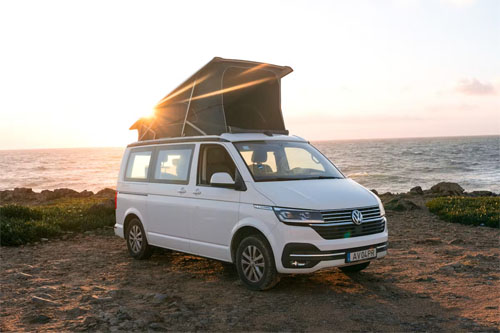
Class B (Campervan) — Best For
Class B (Campervan) vehicles are best for smaller families or couples in Iceland prioritizing maneuverability, fuel economy, and spontaneous travel. These compact RVs, with an average length of 5.8 meters and sleeping capacity for about 3.2 people, offer excellent fuel efficiency, typically around 8-10 Liters/100 km, making them a budget-friendly option for exploring. Campervans are ideal for navigating Iceland's narrower roads, easily parking in towns like Hafnarfjörður or Akureyri, and accessing a wider range of campsites.
While offering fewer amenities and a smaller living space compared to larger motorhomes, their agility and lower rental cost make them perfect for adventure-focused families with minimal gear (average load capacity 37 kg). For those looking for flexibility and a more intimate connection with the landscape, a rented campervan in Iceland is a fantastic choice, allowing you to stop quickly for photo opportunities or adjust your route on the fly.
Class TC (Truck Camper) — Best For
Class TC (Truck Camper) is the premier choice for families seeking an off-grid, adventurous Iceland experience, especially those wanting to explore F-roads and remote areas. With an average length of 5.5 meters and sleeping capacity for about 2.4 people, these vehicles are mounted on a 4x4 truck chassis, offering superior off-road capability and higher ground clearance.
Truck campers are ideal for navigating Iceland's challenging gravel and F-roads, offering a unique blend of ruggedness and the ability to detach the camper for day trips. While their fuel consumption can be higher (12-17 Liters/100 km) and living space is more compact, the unparalleled access to remote wilderness justifies the choice for adventurous families. The load capacity is generally inherent to the truck chassis rather than the camper unit itself (listed as 0 kg for the camper), emphasizing its heavy-duty capability. For an adventure deep into Iceland's heartland, a rented truck camper is unmatched.
Side-by-Side Comparison Table
This table provides a quick overview of key features for each RV family, aiding in your decision for a family rental in Iceland. Consider factors like vehicle length for road access, sleeping capacity for your family size, and fuel efficiency for budget planning when comparing options for your motorhome or campervan trip. Bandana Caravan's platform allows you to easily compare these features across various suppliers, ensuring you find the best fit for your adventure.
| Family | Avg Length (m) | Sleeps | Fuel Use (L/100 km) | Best Use Case in Iceland |
|---|---|---|---|---|
| Class A (Integrated) | 7.5 | 4.4 | 11-12 | Luxury, extended comfort for larger families on main roads. |
| Class SI (Semi-Integrated) | 6.9 | 3.8 | 10-11 | Balanced comfort and maneuverability for mid-sized families on main roads. |
| Class C (Alcove) | 7.5 | 5.8 | 10-12 | Cost-efficient, family-friendly with extra sleeping for larger families on main roads. |
| Class B (Campervan) | 5.8 | 3.2 | 8-10 | Agile, fuel-efficient for small families/couples, ideal for Ring Road and flexibility. |
| Class TC (Truck Camper) | 5.5 | 2.4 | 12-17 | Off-road adventure, F-road access for small, adventurous families. |
Our Recommendation for family rv rental Travelers in Iceland
For most family RV rental travelers in Iceland, the Class C (Alcove) motorhome is our primary recommendation due to its optimal balance of sleeping capacity, family-friendly layout, and cost-efficiency. With an average sleeping capacity of 5.8 people and an extra bed over the cab, it comfortably accommodates larger families, ensuring everyone has their space and privacy during a week-long or longer trip.
Its robust design is well-suited for Iceland's diverse main roads, offering comprehensive amenities without the higher cost or restricted access of larger Class A units. A strong runner-up, especially for adventurous smaller families or those keen on F-road exploration, is the Class TC (Truck Camper). While more compact, its 4x4 capability and ruggedness provide unparalleled access to Iceland's stunning highlands and remote areas, offering a truly unique adventure experience that you simply can't get with a standard camper. Remember, a standard car driver's license is sufficient for all motorhome classes, including Class A, Class B, and Class C, and an International Driving Permit (IDP) is recommended for visitors from non-English-speaking countries.
What is the average cost of an RV rental in Iceland?
The average cost of a family RV rental in Iceland can range from €100-€400+ per day, heavily influenced by the RV class, season (peak summer is highest), rental duration, and specific amenities. For instance, a Class B campervan might start around €100-€150 per day in shoulder season, while a luxurious Class A motorhome in peak season could easily exceed €350-€400 daily. Beyond the daily rental fee, a comprehensive RV trip budget for Iceland must include significant expenses for fuel (Iceland has high fuel prices, with a Class C motorhome consuming 10-12 Liters/100 km), campsite fees (€20-€40 per night), groceries, and activities.
Mandatory insurance, including specialized F-road insurance if applicable for a 4x4 camper, can add considerably to the overall cost, so always clarify coverage options and deductibles with your rental provider. You can also upgrade to a top-level deductible for extra peace of mind. Factor in potential costs for hot spots like the Blue Lagoon (entry fees can be €70-€100 per person) or excursions like glacier hikes, as well as ferry costs if exploring regions like the Westman Islands, for a realistic total trip expenditure. For travelers looking for ways to save, consider our Luxury RV Rental in Iceland - Premium Prices 2026 or RV Rental Deals in Iceland - Latest Offers 2026 for potential savings.
Can you wild camp with an RV in Iceland?
No, wild camping with an RV or campervan in Iceland is largely illegal and strictly regulated, with nearly all overnight parking outside designated campsites prohibited since 2015. Icelandic law mandates that all motorized vehicles, including rented RVs and motorhomes, must spend the night in official campsites or on private land with the landowner's explicit permission.
This strict regulation aims to protect Iceland's fragile environment from damage, waste, and over-tourism, supporting a 'leave no trace' philosophy. Violations can result in significant fines and environmental damage, so always plan your overnight stays at one of Iceland's many excellent campsites, which offer essential services like waste disposal and water refills. While you might encounter information about wild camping being allowed in older blogs, always rely on the most current regulations to ensure an environmentally responsible and legal trip. There's no need to stress about finding a spot - many national and state parks reserve only 25-30% of spots for advance booking, with the rest available first-come, first-serve; just call ahead before driving.
How do I prepare for an RV trip in Iceland's unique conditions?
Preparing for an RV trip in Iceland requires specific attention to rapidly changing weather, high winds, and varied road conditions. It's crucial to pack layers of waterproof and windproof clothing suitable for all four seasons in a single day, regardless of when you visit, as weather can shift dramatically within hours. Be aware of frequent high wind warnings; these can make driving larger RVs challenging and require careful parking to prevent damage. Drive slowly and carefully, and you can drive almost anywhere without issues. No need to stress - just use common sense and pay attention.
Understand F-road restrictions and insurance implications: only 4x4 capable RVs (like certain Truck Campers) are permitted on F-roads, and many standard insurance policies do not cover F-road damage or river crossings. Always verify your rental agreement and consider specialized insurance. Regularly check road conditions and weather forecasts via Vegagerðin (the Icelandic Road and Coastal Administration) before and during your journey to avoid unexpected closures or hazards. Our Winter RV Driving in Iceland - Safety Guide 2026 also offers essential tips for colder months.
Do you need a 4x4 for RV travel on Iceland's F-roads?
Yes, a 4x4 vehicle is legally required and essential for RV travel on Iceland's F-roads, which are unpaved, often rough mountain roads that traverse the country's interior. Standard 2WD RVs, including most Class A, SI, C, and B models, are strictly prohibited on F-roads due to their low ground clearance and lack of traction for difficult terrain and potential river crossings.
Only specialized 4x4 RVs, such as Class TC (Truck Campers) or purpose-built 4x4 campervans, possess the necessary capability to safely navigate these challenging routes. It's imperative to verify your rental agreement and insurance policy for explicit coverage on F-roads, as many standard policies exclude damage incurred on these roads or during river crossings, necessitating special F-road insurance. Attempting to drive a non-4x4 RV on an F-road can result in significant fines, damage to the vehicle, and insurance voidance, so plan your route carefully.
Where can I manage water and waste for an RV in Iceland?
Water refill and waste disposal for RVs in Iceland are primarily managed at designated campsites and service stations across the country. Most official campsites provide fresh water hookups for refilling your RV's tank and facilities for emptying greywater (sink/shower water) and blackwater (toilet waste). It is strictly forbidden to dump grey or black water anywhere other than these designated disposal points, to protect Iceland's pristine environment and adhere to local regulations.
Planning your route with regular campsite stops in mind is crucial for maintaining your RV's water supply and hygiene, particularly during longer trips. Many gas stations may also offer water and dump services for a small fee. For finding campsites and campgrounds during your trip, we recommend using RV PLANET (rvplan.net) - a great resource for locating available spots along your route and for finding campsites.
How can I explore beyond the Ring Road with an RV in Iceland?
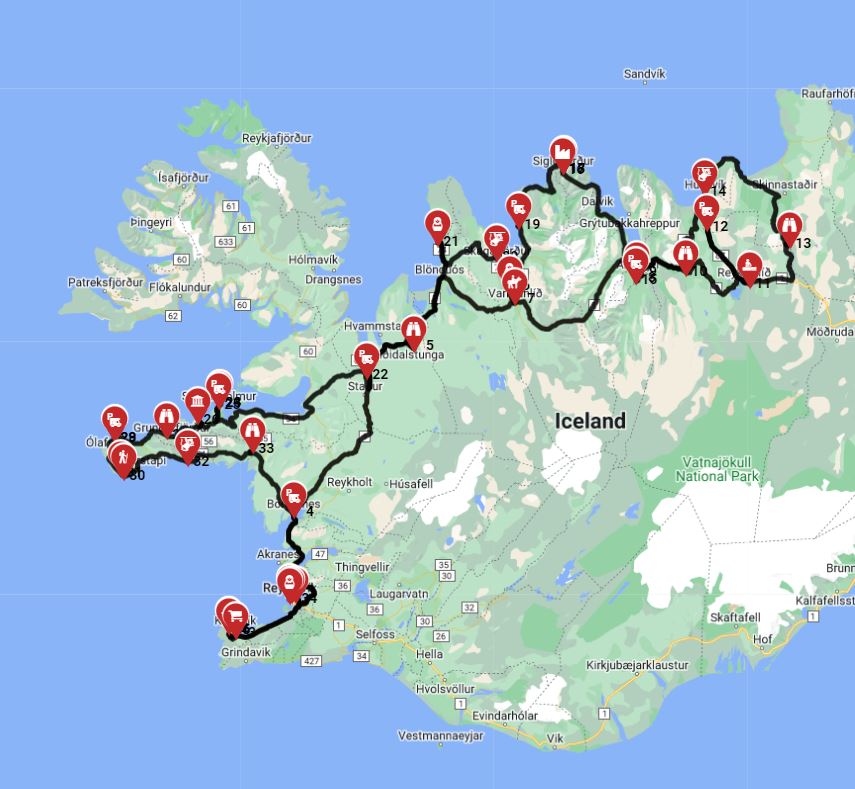
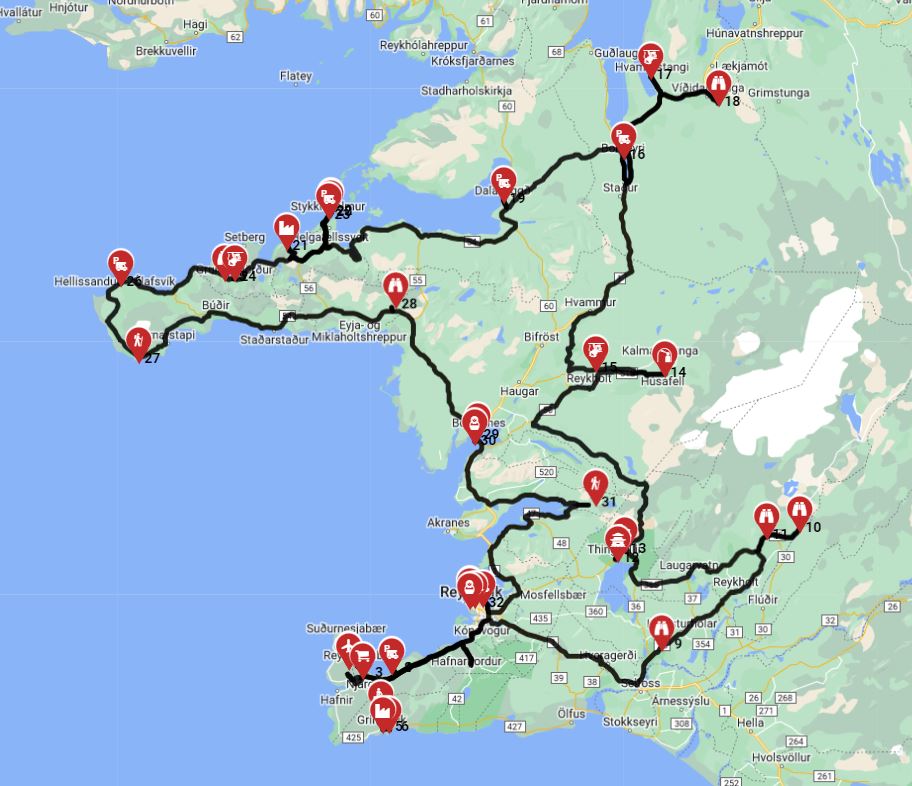
Exploring beyond the Ring Road in Iceland with an RV requires careful planning and often a suitable vehicle, opening up regions like the Westfjords, Snæfellsnes Peninsula, or the Highlands. For regions like the Westfjords or Snæfellsnes Peninsula, which feature gravel roads but are generally accessible, most Class SI, C, or B RVs are suitable, though extra caution and slower driving on gravel are advised. To venture into the Highlands and access more remote F-roads, a 4x4 RV like a Class TC (Truck Camper) is essential and legally mandated.
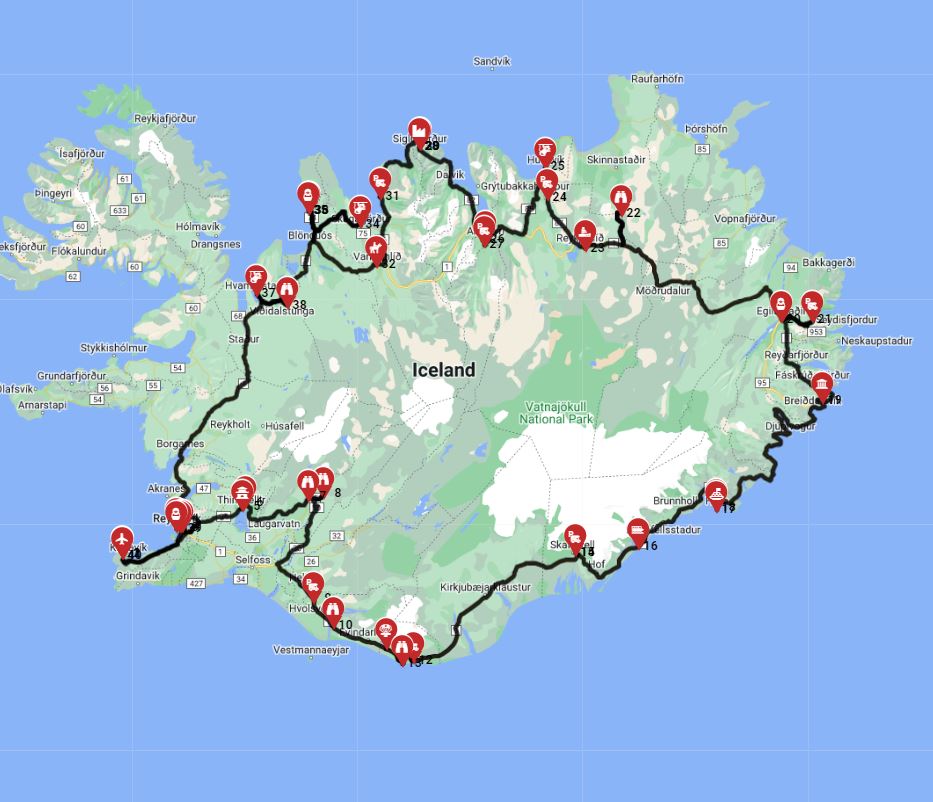
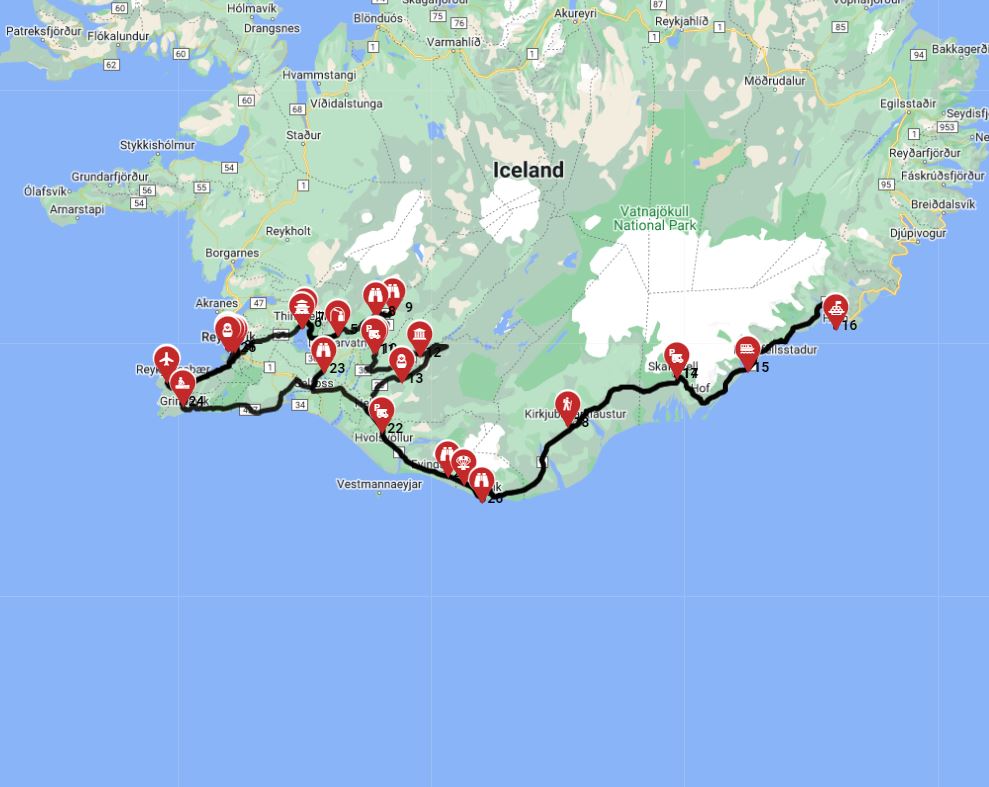
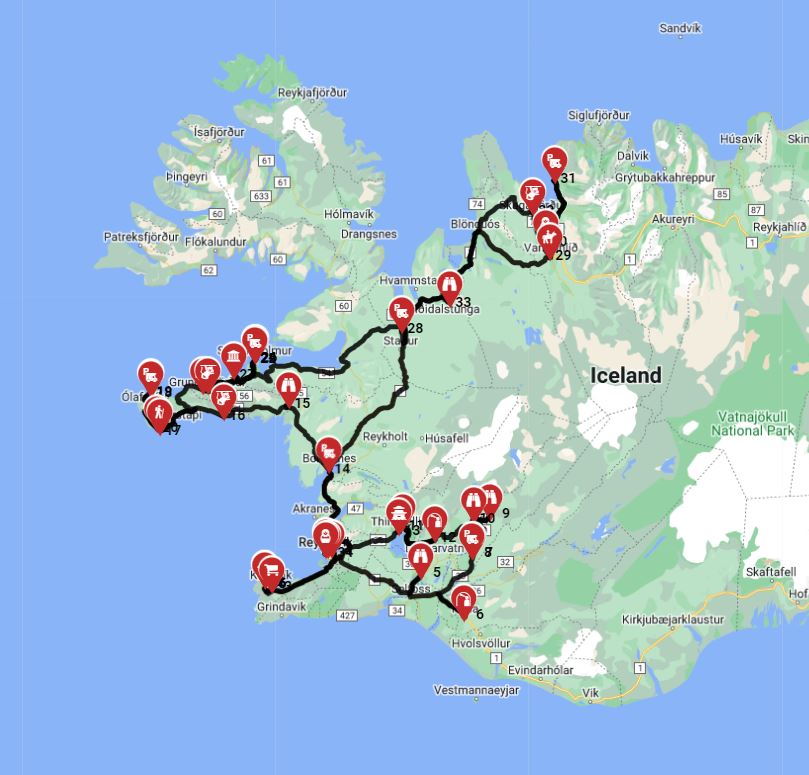
Research specific road conditions and weather for these areas well in advance, as roads can be more challenging and services less frequent. Consider curated itineraries that highlight these less-traveled paths for a truly unique experience. RV PLANET (rvplan.net) offers professionally pre-planned routes designed for diverse preferences, allowing you to venture safely and efficiently. By using Rent&Plan through rvplan.net, you can also enjoy a 25% planning discount, helping you create a seamless journey and explore stunning areas like Hafnarfjörður, Keflavík, Kópavogur, Reykjanesbær, Reykjavik, and their surrounding natural wonders.
What is the best month to RV in Iceland?
The best months to RV in Iceland are typically June, July, and August, offering the mildest weather, longest daylight hours (including the magical midnight sun), and full accessibility to most roads, including F-roads. During these peak summer months, campsites are fully operational, and the landscape is green and vibrant, making it an ideal time for a family RV rental. However, prices for RV rentals and flights will be at their highest, so booking a family RV rental in Iceland well in advance is essential for securing favorable rates.
May and September can also be excellent shoulder seasons, offering fewer crowds, slightly lower prices, and still relatively good weather, with the added possibility of seeing the Northern Lights in September. Winter RVing (October-April) is generally for experienced cold-weather campers, with limited road access due to snow and ice, shorter daylight, and harsh conditions. However, it offers a unique chance to see the Northern Lights and snow-covered landscapes for those prepared for the challenge and using appropriate vehicle heating strategies, as detailed in our Winter RV Driving in Iceland - Safety Guide 2026.
How can I be environmentally responsible while RVing in Iceland?
Practicing 'Leave No Trace' principles is paramount for environmentally responsible RVing in Iceland, protecting its delicate nature and respecting local communities. Always dispose of all waste, including grey and black water, at designated facilities within official campsites, never in nature. Iceland's unique volcanic landscapes and fragile ecosystems are easily damaged, so staying on marked roads and trails is not just a recommendation but a legal requirement – driving off-road is strictly illegal and causes irreversible damage.
Respect wildlife and observe from a distance, avoiding disturbance to nesting birds or grazing animals. Be mindful not to disturb geological formations or vegetation, which can take centuries to recover. Supporting local businesses and communities by purchasing local goods and services ensures your presence positively contributes to Iceland's sustainable tourism goals. Being a responsible traveler helps preserve Iceland's incredible beauty for future generations to enjoy in their rented motorhomes and campervans. For broader travel insights, check out our RV Rental Europe - Complete Guide 2026.
What You Shouldn't Miss
Iceland is a treasure trove of natural wonders, and exploring it with a rented RV gives you the freedom to immerse your family in its magic. Beyond the well-known Golden Circle, here are a few highlights:
- South Coast Waterfalls & Black Sand Beaches: Drive along the scenic South Coast, stopping at Seljalandsfoss (where you can walk behind the waterfall) and Skógafoss. Continue to Reynisfjara black sand beach near Vik, famous for its basalt columns and powerful waves.
- Jökulsárlón Glacier Lagoon: Witness the mesmerizing sight of icebergs floating in a glacial lagoon, often with seals swimming among them. You can even take an amphibious boat tour for a closer look. This natural feature is a highlight of many Iceland RV itineraries.
- Snæfellsnes Peninsula: Often called "Iceland in miniature," this peninsula offers diverse landscapes including the iconic Kirkjufell mountain, black church of Búðir, and the dramatic coastline of Snæfellsjökull National Park. It's a fantastic two-week adventure.
- The Westfjords: For families seeking a true off-the-beaten-path experience with a 4x4 camper, the Westfjords offer stunning fjords, dramatic cliffs, and remote villages. Don't miss Dynjandi, a magnificent tiered waterfall. Remember to allow ample time for slower travel on gravel roads.
- Myvatn Nature Baths & Diamond Circle: In North Iceland, relax in the mineral-rich geothermal waters of Myvatn Nature Baths. Explore the Diamond Circle route, featuring Dettifoss waterfall, Ásbyrgi Canyon, and the whale-watching town of Húsavík. A multi-day campervan trip is perfect for this region.
Looking for expert insights from Avi Bandana? Top 5 Adventures - recommendations from Avi Bandana.
Final Thoughts
A family RV rental in Iceland offers an unparalleled way to experience the country's breathtaking landscapes and unique culture at your own pace. With the right preparation and understanding of local regulations, your motorhome or campervan journey will be filled with incredible memories, from chasing waterfalls to marveling at glaciers. Remember to travel slowly, aiming for a maximum of 100-150 km per day on average, allowing your family to truly feel the place, connect to the culture, the food, and the scenery.
Whether you choose the spacious comfort of a Class C motorhome or the rugged versatility of a 4x4 truck camper, Bandana Caravan is here to make your booking experience seamless. We pride ourselves on full transparency and dedicated support, ensuring your Iceland family RV rental starts on the right foot, without any hidden fees or surprises.
So, gather your family, pack your layers, and get ready for an unforgettable Icelandic adventure on four wheels. The land of fire and ice awaits your discovery! Discover top destinations, planning tips, all in one place!