In This Guide
- The Main RV Classes Compared for Chile
- Class A (Integrated) - Best For
- Price Comparison by RV Class in Chile
- Class SI (Semi-Integrated) - Best For
- Class C (Alcove) - Best For
- Class B (Campervan) - Best For
- Side-by-Side Comparison Table
- Our Recommendation for Family RV Rental Travelers in Chile
- What are the best RV rental companies in Chile?
- How much does it cost to rent an RV in Chile?
- Is it safe to RV camp in Chile?
- What are the rules for wild camping in Chile?
- Can I take a rented RV from Chile to Argentina?
- What are the road conditions like in Chile for RVs?
- How do you find dump stations and water in Chile for an RV?
- What are the best destinations for an RV trip in Chile?
- What should I do if my RV breaks down in Chile?
Embarking on a family RV rental adventure in Chile promises an unforgettable journey through one of the world's most geographically diverse countries. From the arid Atacama Desert in the north to the glacial landscapes of Patagonia in the south, Chile offers incredible scenery for motorhome travel. Here at Bandana RV, we believe that traveling with a rented RV is the best way to truly experience the country's unique culture, breathtaking food, and stunning natural beauty. For live availability and current prices, start with our RV Rental Chile - Complete Guide 2024 guide, your ultimate resource for planning.
The Main RV Classes Compared for Chile
Choosing the right RV class is critical for family trips in Chile due to its diverse terrain and varying group sizes. Selecting the appropriate rented motorhome or campervan impacts comfort, fuel efficiency, and access to certain areas. This comparison helps families identify the ideal RV for their specific Chilean adventure, ensuring a smooth and enjoyable trip. We pride ourselves on being True RV Specialists, offering expert advice from decades of experience, not just a side department of a generic travel agency. We compare final prices across 50+ suppliers so you don't have to, ensuring full transparency with no hidden fees or surprises.
Class A (Integrated) - Best For
Class A integrated motorhomes are best for families seeking maximum space, comfort, and a luxurious experience on paved roads across Chile, ideal for those long stretches of the Pan-American Highway. Our fleet typically shows Class A RVs averaging 7.5 meters in length and sleeping around 4.4 people, with a significant load capacity of 209.5 kg for extensive gear. These impressive mobile homes offer ample living areas, full kitchens, and private bathrooms, making long journeys particularly comfortable for larger families or groups. Fuel consumption typically ranges from 11-12 Liter/100 km, though some units may show 8-11 Liter/100 km, which is higher than smaller classes. A trade-off is their larger size, which requires more careful maneuvering and parking, especially in smaller towns or campgrounds, but they still provide the freedom to drive slowly and carefully almost anywhere without issues.
Price Comparison by RV Class in Chile
Pricing for RV rentals in Chile is dynamic and changes daily based on availability, demand, seasonality, and supplier marketing decisions. The final price is set at the actual booking time, similar to flight tickets. For example, a 7-day rental for a Class C motorhome in Chile during the shoulder season (October-November) might start from $120 USD per day, while a Class B campervan could be found for $90 USD per day. Peak season (December-February) rates can see these prices increase by 30-50%, illustrating why planning ahead is beneficial. Our platform offers full transparency, ensuring no hidden fees or surprises when you compare options. For the most current rates and available units, always use the search tool at the top of the page.
Live April Price Comparison — RV Class × Trip Length
| Trip length | Class A | Class B | Class C | Class SI | Class TC |
|---|---|---|---|---|---|
| 1 week 15/04 → 22/04 | [Price_ClassType-A_PickupID-112_DropoffID-112_PickupDate-15/04_DropoffDate-22/04] | [Price_ClassType-B_PickupID-112_DropoffID-112_PickupDate-15/04_DropoffDate-22/04] | [Price_ClassType-C_PickupID-112_DropoffID-112_PickupDate-15/04_DropoffDate-22/04] | [Price_ClassType-SI_PickupID-112_DropoffID-112_PickupDate-15/04_DropoffDate-22/04] | [Price_ClassType-TC_PickupID-112_DropoffID-112_PickupDate-15/04_DropoffDate-22/04] |
| 2 weeks 15/04 → 29/04 | [Price_ClassType-A_PickupID-112_DropoffID-112_PickupDate-15/04_DropoffDate-29/04] | [Price_ClassType-B_PickupID-112_DropoffID-112_PickupDate-15/04_DropoffDate-29/04] | [Price_ClassType-C_PickupID-112_DropoffID-112_PickupDate-15/04_DropoffDate-29/04] | [Price_ClassType-SI_PickupID-112_DropoffID-112_PickupDate-15/04_DropoffDate-29/04] | [Price_ClassType-TC_PickupID-112_DropoffID-112_PickupDate-15/04_DropoffDate-29/04] |
| 1 month 01/04 → 30/04 | [Price_ClassType-A_PickupID-112_DropoffID-112_PickupDate-01/04_DropoffDate-30/04] | [Price_ClassType-B_PickupID-112_DropoffID-112_PickupDate-01/04_DropoffDate-30/04] | [Price_ClassType-C_PickupID-112_DropoffID-112_PickupDate-01/04_DropoffDate-30/04] | [Price_ClassType-SI_PickupID-112_DropoffID-112_PickupDate-01/04_DropoffDate-30/04] | [Price_ClassType-TC_PickupID-112_DropoffID-112_PickupDate-01/04_DropoffDate-30/04] |
Estimates only — flex-rate prices change daily based on availability and season.
These prices are estimates and can change daily based on availability, demand, and booking period; always check the search box at the top of the page for the most current rates. We recommend reviewing our RV Rental in Chile - Prices and Best Deals 2024 for detailed insights into budgeting your trip. On the routes offered through RV PLANET routes, you can itemize and track every expense along the way for easy budgeting.
Class SI (Semi-Integrated) - Best For
Class SI semi-integrated motorhomes are a balanced choice, ideal for families who desire comfort and amenities without the larger footprint of a Class A, making them suitable for many Chilean routes. Bandana's fleet typically features Class SI RVs averaging 6.9 meters in length, sleeping around 3.8 people, and offering an average load capacity of 72.2 kg. Their design prioritizes aerodynamic efficiency and driving ease, often outperforming both Class A in maneuverability and Class C in overall fuel efficiency, with common fuel consumption around 10-11 Liter/100 km. They provide a good compromise between living space, storage, and ease of navigation on Chile's diverse road network, from highways to national park access roads, providing ample space for a family of four to enjoy the scenic drive.
Class C (Alcove) - Best For
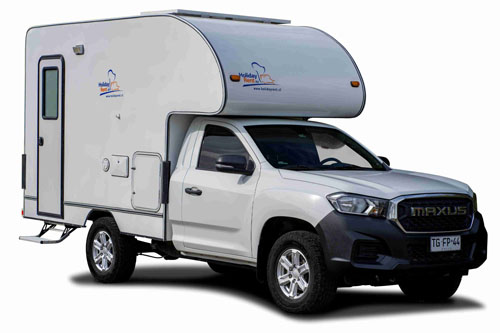
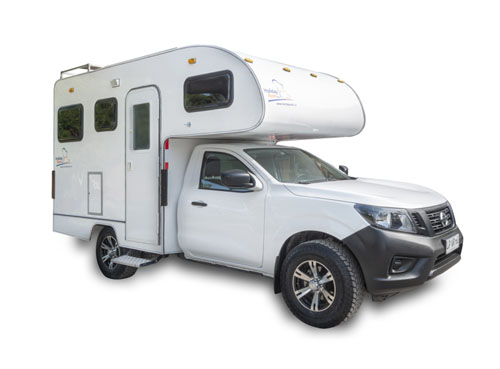
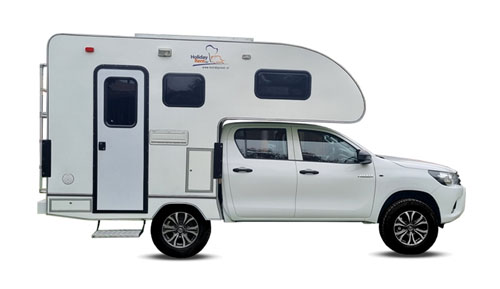
Class C alcove motorhomes are exceptionally family-friendly and cost-efficient, making them a popular choice for families exploring Chile due to their practical design and ample sleeping capacity. Our fleet typically shows Class C RVs averaging 7.5 meters in length and comfortably sleeping around 5.8 people, primarily due to the distinctive alcove bed over the cab, with an average load capacity of 42.4 kg. With common fuel consumption around 10-12 Liter/100 km, they balance running costs with generous interior space for family meals and relaxation. This class is well-suited for Chile's varied road conditions, offering a robust build and sufficient clearance for many routes, making them a reliable option for families prioritizing sleeping capacity and budget. Consider checking our Cheap RV Rental in Chile - Budget Guide 2024 for more on cost-effective options in this class.
Class B (Campervan) - Best For
Class B campervans are best for small families or couples seeking maximum maneuverability, fuel economy, and the flexibility to access more remote or urban areas in Chile. Bandana's fleet typically features Class B campervans averaging 5.8 meters in length, sleeping around 3.2 people, and offering an average load capacity of 37 kg. Their compact size allows for easier navigation on winding mountain roads, city streets, and parking in smaller spaces, with excellent fuel economy often around 8-10 Liter/100 km, which is appealing for budget-conscious travelers. While offering less interior space than larger RVs, they are perfectly suited for adventurous families who prioritize ease of driving and a more nimble experience for quick stops and exploring diverse Chilean landscapes. For details on nimble and economical choices, check our RV Rental Deals in Chile - Latest Offers 2024.
Side-by-Side Comparison Table
This table provides a quick side-by-side comparison of the key features for each RV family, helping families quickly assess which class aligns best with their travel needs in Chile. This detailed comparison aims to give you a clear overview, emphasizing our commitment to full transparency and informed choices for your rental.
| Family | Avg Length (m) | Sleeps (Avg) | Fuel Use (L/100km) | Best Use Case in Chile |
|---|---|---|---|---|
| Class A (Integrated) | 7.5 | 4.4 | 11-12 | Luxury, spacious travel on paved roads, large families |
| Class SI (Semi-Integrated) | 6.9 | 3.8 | 10-11 | Balanced comfort and maneuverability, diverse routes, mid-sized families |
| Class C (Alcove) | 7.5 | 5.8 | 10-12 | Family-friendly, maximum sleeping capacity, cost-effective, varied road conditions |
| Class B (Campervan) | 5.8 | 3.2 | 8-10 | Maneuverability, fuel efficiency, small families/couples, urban & remote access |
Our Recommendation for Family RV Rental Travelers in Chile
For most family RV rental travelers in Chile, the Class C (Alcove) is our primary recommendation due to its optimal balance of comfort, capacity, and cost-effectiveness. This motorhome class offers the best combination of sleeping capacity (averaging 5.8 people) and affordability, making it ideal for families seeking comfort and space without excessive rental costs. Its robust design and common fuel efficiency (10-12 Liter/100 km) are well-suited for Chile's varied road network, from paved highways to more challenging gravel paths leading to national parks. You can comfortably prepare meals on board with a well-equipped kitchen, and even find new ideas in our RV-friendly recipes playlist.
The runner-up recommendation is the Class SI (Semi-Integrated). This class provides a good compromise between space and maneuverability (averaging 6.9 meters in length, sleeping 3.8), offering a slightly more comfortable driving experience while still providing ample amenities for a family trip, especially for smaller families or those valuing a slightly sleeker profile. Both options ensure you can travel slowly, averaging 100-150 km per day, taking time to feel the place, connect to the culture, the food, and the scenery, as we always recommend for a truly immersive experience.
What are the best RV rental companies in Chile?
The best RV rental companies available in Chile, accessible through Bandana's direct partnerships, offer diverse fleets, including Class A, Class B (campervans), Class C, and Semi-Integrated motorhomes, along with essential services. When choosing a company, consider their fleet's age and condition, specific vehicle types available (e.g., a "cruise america rv rental example Explorer" with a 82-liter fresh water tank for 4 people, or a "4 Berth Adventurer" for larger families), and clear policies on age restrictions (typically 21+ years old with a standard driver's license, no young driver surcharges on any class). It is crucial to inquire about detailed insurance requirements, including liability and collision coverage, and whether one-way rentals are supported between popular locations like Santiago and Punta Arenas, as this significantly impacts trip flexibility; check our One-Way RV Rental in Chile - Price Guide 2024 for more on this. Always confirm roadside support networks across Chile and emergency contact procedures, especially when planning to travel in remote regions.
How much does it cost to rent an RV in Chile?
The total cost to rent an RV in Chile involves not just the rental fee, but also significant expenditures for fuel, campground fees, food, activities, and potential ancillary fees, making a detailed budget essential. Rental prices for a family RV rental in Chile vary greatly by RV class, season, and duration, with Class C and B often being more budget-friendly (e.g., $100-$200 USD per day) than Class A (potentially $250-$400+ USD per day), and prices typically increasing by 30-50% during peak season (December-February). Budget for realistic fuel costs; in 2024, average diesel prices in Chile are approximately 10-15% higher than petrol, and fuel availability in remote areas like Patagonia can be limited, requiring careful planning. Expect campground fees to range from $15-$40 USD per night for basic sites to $50-$80 USD for fully serviced sites in popular national parks; also factor in food costs, which can be managed by cooking in your rented RV, and activity costs for tours or park entry fees (e.g., Torres del Paine National Park entry is $35 USD per person). Be aware of potential ancillary fees, including optional upgrades to top-level deductible reimbursement, one-way rental surcharges (from $300-$800 USD), border crossing permits, cleaning fees (if not returned clean), mileage limits, and extra charges for propane or additional equipment like GPS or camping chairs. For a full cost breakdown and budgeting tools, explore RV PLANET routes, where you can itemize and track every expense along the way.
🎬 Video coming soon
Is it safe to RV camp in Chile?
RV camping in Chile is generally safe, but requires preparedness regarding road safety, crime prevention, and natural disaster readiness, particularly given Chile's diverse geography. Always adhere to local road safety rules, including posted speed limits and signage, especially on unpaved or winding roads like sections of the Carretera Austral, and secure your vehicle when parked or unattended to prevent theft, particularly in urban areas like Santiago or Valparaíso. Chile is prone to seismic activity (earthquakes) and has active volcanoes, especially in the Lakes District; familiarize yourself with local emergency protocols, evacuation routes, and maintain a list of emergency contacts, including local authorities (emergency number 133 for police) and your rental company. Always inform someone of your itinerary when venturing into remote areas, carry a well-stocked first-aid kit, and understand what to do in case of an emergency, such as a breakdown or natural event.
What are the rules for wild camping in Chile?
Wild camping, or boondocking, in Chile is generally tolerated in many remote, non-private areas, but requires adherence to legalities, safety considerations, and responsible camping practices to preserve natural environments. Legally, wild camping is often permitted on unmarked public lands away from private property, designated national parks, or established campgrounds, but always look for 'No Camping' signs and respect indigenous lands. Prioritize safety by choosing well-lit, visible spots, avoiding isolated areas in cities or highly trafficked tourist areas, and seeking permission from landowners if unsure. Resources like iOverlander can help find safe, legal free spots and provide recent traveler reviews. Practice responsible camping by leaving no trace: pack out all trash, use biodegradable products, properly dispose of human waste, and avoid disturbing wildlife or damaging vegetation to ensure these beautiful areas remain accessible for future generations.
Can I take a rented RV from Chile to Argentina?
Yes, taking a rented RV from Chile to Argentina is possible, but it requires specific documentation, temporary import permits (TIPs), and vehicle inspections, necessitating careful planning for a smooth border crossing process. Before your extended road trip, you must arrange a 'permiso de salida' or a notarized authorization letter from your RV rental company, granting permission to cross international borders with their vehicle; this is non-negotiable and typically incurs an additional fee of $150-$300 USD. Required documentation includes your passport, standard driver's license (an International Driving Permit is recommended), the rental agreement, and the vehicle's registration papers, all of which will be scrutinized by Chilean and Argentinian border officials. You will need a Temporary Import Permit (TIP) for the rented RV when entering Argentina, which is obtained at the border crossing point, and expect thorough vehicle inspections for agricultural products and other prohibited items. Tips for a smooth process include having all documents meticulously organized, allowing ample time for crossing (especially during peak seasons), and being patient and polite with border officials. For detailed planning, consider a pre-planned itinerary from RV PLANET.
What are the road conditions like in Chile for RVs?
Chilean road conditions for RVs vary significantly from modern highways to challenging gravel roads, requiring drivers to be aware of local traffic laws, road etiquette, and mandatory safety equipment. The Pan-American Highway (Ruta 5), stretching over 3,000 km, is generally well-maintained and paved, but many scenic routes, particularly in Patagonia and towards national parks like Torres del Paine, involve unpaved 'ripio' (gravel) roads that demand slower speeds (max 60 km/h) and careful driving. Familiarize yourself with local traffic laws, including speed limits (e.g., 100-120 km/h on highways, 50 km/h in urban areas), right-of-way rules, and specific requirements for passing, and be prepared for potential police interactions, always maintaining a respectful demeanor. Tolls are common on major highways, so ensure you have local currency (Chilean Pesos) or a compatible payment method; mandatory safety equipment includes reflective vests, fire extinguishers, and two warning triangles, which your rented RV should provide. Drive slowly and carefully, and you can drive almost anywhere without issues. No need to stress - just use common sense and pay attention.
How do you find dump stations and water in Chile for an RV?
Finding dump stations, potable water sources, and electricity access in Chile for an RV requires reliance on established campgrounds, gas stations, and community resources, especially in remote areas where connectivity can be limited. Most formal campgrounds ('campings') and some larger gas stations offer services for emptying grey and black water tanks and refilling potable water, though it's wise to carry a water filter for non-potable sources, especially in less developed regions. Utilize apps like iOverlander or Campercontact, which are invaluable for locating amenities, providing user-generated reviews and GPS coordinates for dump stations, water taps, and places with electricity. Cell coverage (Claro, Movistar, Entel) is generally good in urban areas and along main routes but becomes sporadic or nonexistent in national parks and very remote regions like the Carretera Austral, so download offline maps and information for cities such as Arica, Puerto Montt, and Santiago. For electricity, campgrounds are the most reliable source; otherwise, a robust auxiliary battery system or solar setup is essential for boondocking, and always ensure you have the correct adapters for Chilean outlets (Type L and C, 220V).
What are the best destinations for an RV trip in Chile?
Chile offers diverse RV destinations beyond Patagonia, including the stark beauty of the Atacama Desert, the lush Central Valley vineyards, and the picturesque Lakes District, providing a holistic view of the country's varied landscapes. In the Atacama Desert (Northern Chile), explore otherworldly landscapes around San Pedro de Atacama, including geysers (e.g., El Tatio at 4,300 meters), vast salt flats (Salar de Atacama), and high-altitude lagoons, remembering to acclimate to elevation and carry extra water for your two-week adventure. The Central Valley (stretching from Santiago to Concepción) is perfect for wine enthusiasts, with numerous vineyards offering RV-friendly parking and tastings; this region also features cultural sites and mild climates, ideal for shorter trips or a week-long journey. The Lakes District (La Araucanía and Los Lagos regions), centered around Puerto Montt and Osorno, boasts stunning national parks, pristine lakes, and active volcanoes, offering opportunities for hiking, kayaking, and soaking in hot springs, with excellent infrastructure for RVs. While Patagonia is world-renowned for its rugged beauty (e.g., Torres del Paine National Park near Punta Arenas), these other regions provide unique and equally rewarding experiences, from stargazing in the desert to exploring ancient forests, making Chile a comprehensive RV destination. Plan a trip itinerary in advance with minimal effort and maximum enjoyment through RV PLANET's pre-planned route plans, or explore Last-Minute RV Rental in Chile - What to Expect 2024 for spontaneous options.
What should I do if my RV breaks down in Chile?
If your RV breaks down in Chile, immediate steps include ensuring safety, contacting your rental company and local emergency services, and being prepared for potential delays in remote areas. First, pull over safely to the side of the road, activate your hazard lights, and place mandatory warning triangles at least 50 meters behind your vehicle; ensure all passengers are safe and, if possible, move to a secure location away from traffic. Immediately contact your RV rental company (their emergency number should be readily available in your rental documents) for roadside assistance, as they can guide you through the process, arrange for a tow, or advise on local mechanics. If immediate danger exists or injuries occur, call 133 for Carabineros (police), 131 for ambulances, or 132 for firefighters; have your precise location details (GPS coordinates are best) ready to provide. Be prepared for potential language barriers and the possibility of longer waits for assistance in very remote areas; having basic tools for minor repairs, extra water, and communication devices (like a satellite messenger for deep wilderness in Patagonia) can be highly beneficial.
What You Shouldn't Miss
- Driving the Carretera Austral: Experience one of the most iconic road trips, with over 1,200 km of stunning landscapes, including glaciers, fjords, and national parks. Remember to book your ferry crossings in advance, especially for popular sections.
- Stargazing in the Atacama Desert: Visit the world's driest desert for unparalleled celestial views. Consider a night at an astronomical observatory near San Pedro de Atacama for an incredible experience.
- Exploring Torres del Paine National Park: Hike to the iconic granite towers, witness majestic glaciers, and spot local wildlife like guanacos and condors in this Patagonian gem near Punta Arenas.
- Wine Tasting in the Central Valley: Drive through picturesque vineyards near Santiago, sampling Chile's renowned wines. Many wineries offer RV-friendly parking and tours.
- Relaxing in the Lakes District: Enjoy the volcanic landscapes, hot springs, and pristine lakes of the southern Lakes District, with excellent opportunities for water sports and outdoor activities around Puerto Montt.
- Discovering the Marble Caves (Capillas de Mármol): Take a boat tour from Puerto Río Tranquilo to see these stunning geological formations carved by the turquoise waters of General Carrera Lake.
Looking for expert insights from Avi Bandana? Top 5 Adventures - recommendations from Avi Bandana.
Final Thoughts
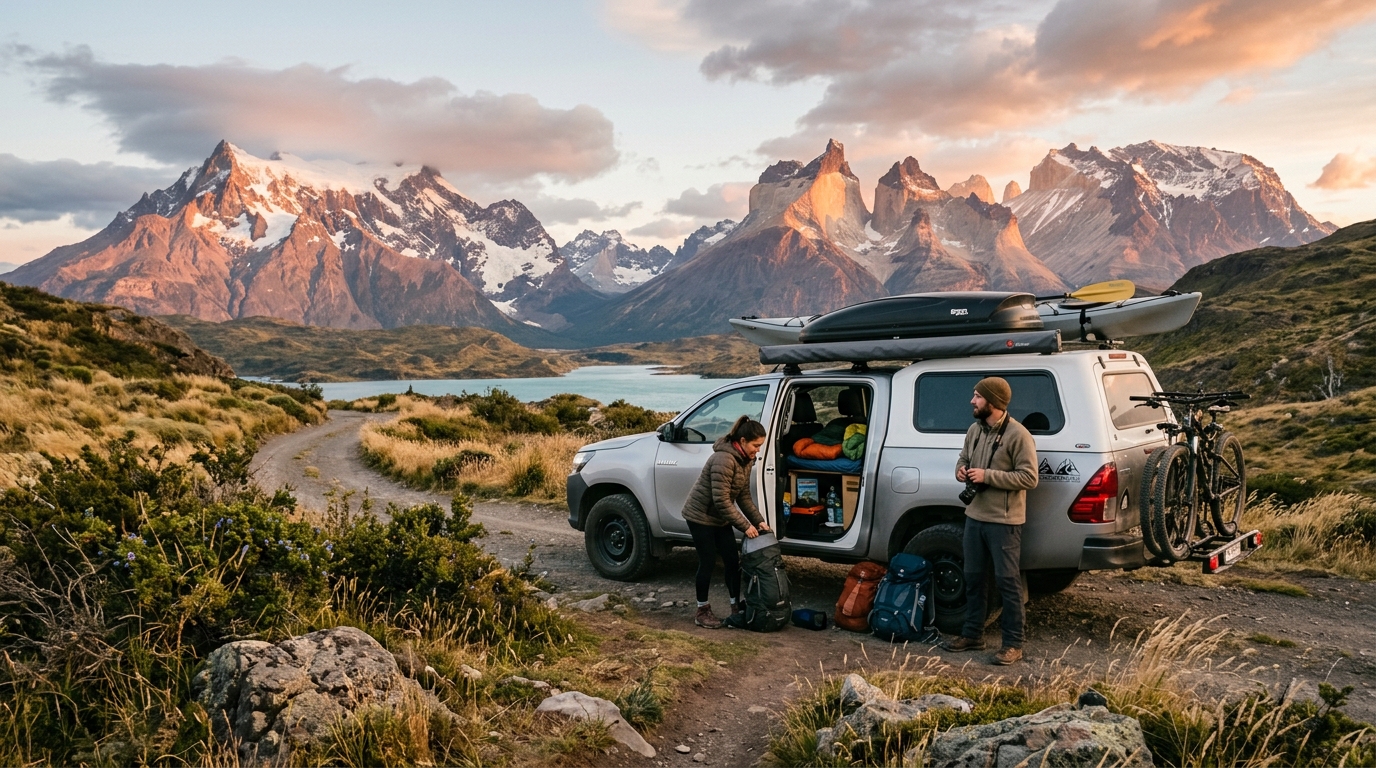
A family RV rental in Chile is more than just a vacation; it's an invitation to freedom, discovery, and connection. Imagine waking up to the majestic Andes, enjoying breakfast with Pacific Ocean views, or drifting off under the incredible stars of the Atacama, all from the comfort of your rented motorhome. The flexibility to follow your own pace and explore both renowned landmarks and hidden gems makes this a truly unique travel experience.
We're here to support you every step of the way, providing clarity and confidence in your booking with our full transparency policy. Whether you're a meticulous planner or a spontaneous adventurer, Bandana RV helps you find the perfect family RV rental in Chile to create lasting memories. So, pack your bags, choose your ideal motorhome, and get ready for the adventure of a lifetime. Discover top destinations, planning tips, all in one place!
Ready to plan your unforgettable Chilean road trip? Compare Motorhome Prices for Chile now and let your family adventure begin!