In This Guide
- Is it easy to drive a family RV in Tokyo?
- Where can I park a family RV in Tokyo for sightseeing?
- What are the best kid-friendly RV itineraries around Tokyo?
- How much does a 1-week family RV trip cost in Tokyo?
- How do I find cheap family RV rental deals in Tokyo?
- What type of motorhome is best for a family trip in Tokyo?
- What are the rules for overnight family RV parking in Tokyo?
Is it easy to drive a family RV in Tokyo?
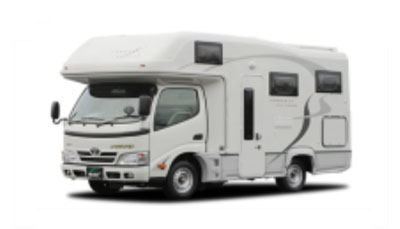
Driving a family RV in Tokyo is manageable with careful planning, as the city's extensive infrastructure and polite drivers minimize stress. While Tokyo is a bustling metropolis, the key is to drive slowly and carefully, and you can navigate almost anywhere without issues. For a comprehensive overview of RV travel in the city, start with our RV Rental Tokyo - Complete Guide 2026 guide. Keep in mind that main roads and expressways leading into and out of Tokyo are well-maintained, but residential streets can be narrower. Japanese traffic laws are strict, and adherence to speed limits (typically 40 km/h in urban areas, 80-100 km/h on expressways) is essential. Many rental motorhomes, such as a "cruise america rv rental example Explorer" Class C model (7.1m length, 2.78m width), are equipped with automatic transmissions, making city driving less demanding. Consider traveling outside of peak rush hours, generally from 7:00-9:00 AM and 5:00-7:00 PM, for a smoother experience. Using a reliable English-speaking GPS system is highly recommended to navigate the complex road network, especially around major junctions like the Shibuya Crossing or the Tokyo Skytree area. An International Driving Permit (IDP) is also advised for foreign drivers, ensuring smooth interactions and legal compliance throughout your family RV adventure in Japan.🎬 Video coming soon
Where can I park a family RV in Tokyo for sightseeing?
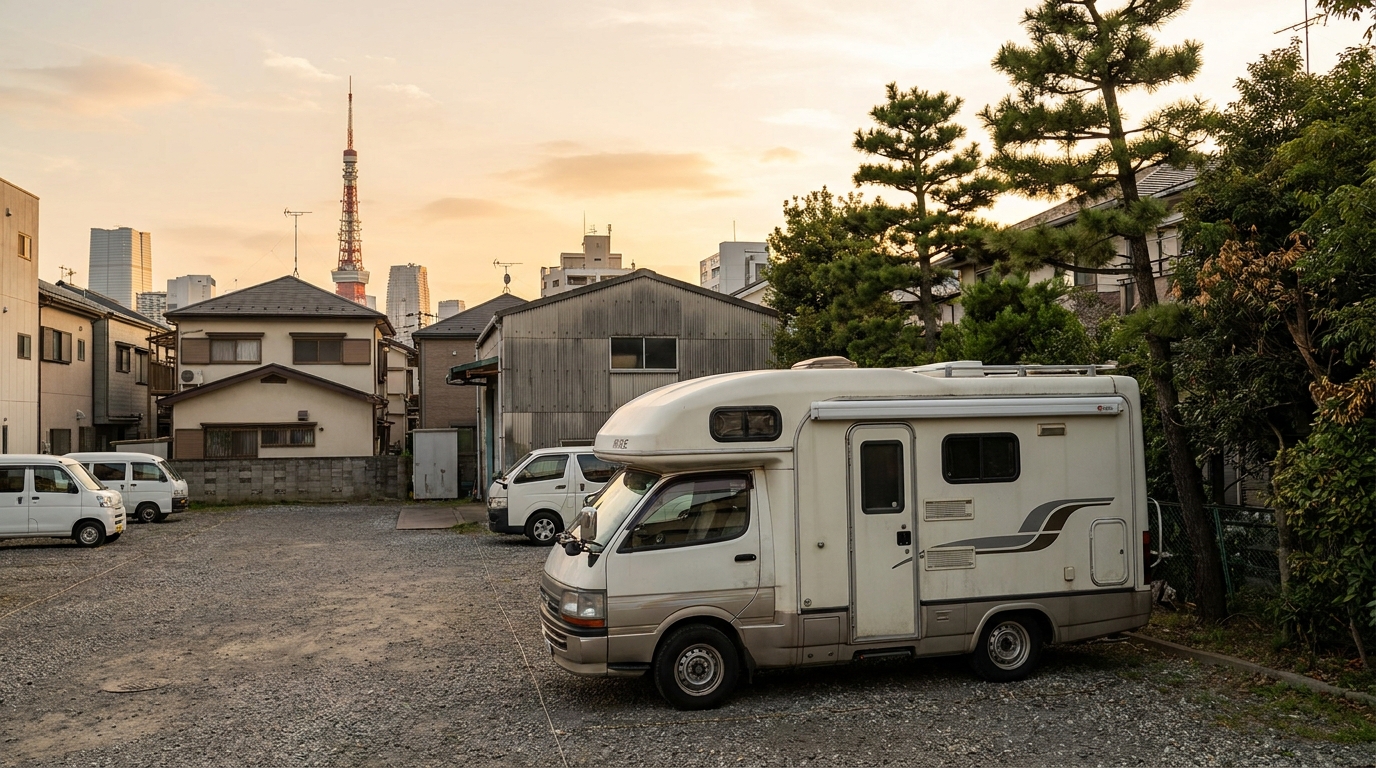
Finding suitable parking for a family RV in Tokyo for sightseeing requires strategic planning, often involving parking outside the immediate urban core and utilizing public transport. Many central Tokyo multi-story parking garages and standard parking lots have strict height (often under 2.1m), length, and width restrictions that exclude larger motorhomes like a "Comfort Family 6" (which is typically a large Class C model with 3 double beds, ideal for a family of 2+2). Instead, consider large parking facilities at the city's outskirts or near major train stations in suburban areas. For instance, designated RV-friendly parking can sometimes be found near large commercial centers or train stations in Saitama or Chiba prefectures, providing easy access to central Tokyo via the extensive train network. Parking a spacious family Class C campervan, such as a "camper for rent example Big Six" model (a large RV with 3 double beds and ample space), requires advance research to find larger lots. For longer stays or day trips, look for larger public parking lots (e.g., those near major parks or attractions like Showa Kinen Park in Tachikawa) that accommodate larger vehicles. Always check signage for height restrictions and parking fees, which can vary significantly from ¥500-¥1,000 per hour in central areas to ¥1,500-¥3,000 for a full day outside the core.What are the best kid-friendly RV itineraries around Tokyo?
Kid-friendly RV itineraries around Tokyo often blend city attractions with nature escapes, focusing on destinations easily accessible by motorhome within a 100-150 km radius. A popular route is a week-long loop combining Tokyo's iconic sights with day trips to the serene Fuji Five Lakes region or Hakone, allowing families to experience both urban excitement and natural beauty. For example, after exploring areas like Ueno Park (home to Tokyo National Museum and Ueno Zoo) and Akihabara (electronic town) in central Tokyo, a family might head southwest towards Lake Kawaguchiko, offering breathtaking views of Mount Fuji and activities like boat rides and ropeways. Another excellent option is a trip to Nikko National Park, about 140 km north of Tokyo, known for its ornate shrines, temples, and natural hot springs, ideal for families seeking culture and relaxation. Remember to travel slowly, averaging no more than 100-150 km per day, allowing your family to truly feel the place, connect to the culture, the food, and the scenery. For finding campsites and campgrounds during your trip, we recommend using RV PLANET (rvplan.net) - a great resource for locating available spots along your route. You can find pre-planned routes that include destinations like these, designed by professionals to optimize your family's travel time and enjoyment.How much does a 1-week family RV trip cost in Tokyo?
A 1-week family RV trip in Tokyo typically costs between $1,500 and $3,500 USD, depending on the RV model, season, and travel style. For a family of four renting a Class C motorhome like an "rv rentals example Comfort Class" (large, 3 double beds, ideal for a family of 2+2), daily rental rates can range from $150-$350 USD in shoulder seasons (April, May, September, October) and upwards during peak summer (July-August) or popular holidays. Fuel costs, with gasoline averaging around ¥170 per liter (approx. $1.15 USD), can add $300-$500 for a 7-day trip averaging 100 km daily. Campground fees near Tokyo generally range from ¥3,000-¥6,000 ($20-$40 USD) per night, totaling $140-$280 for a week. Additionally, factor in approximately $150-$250 for tolls (which can be substantial on Tokyo's expressways), and $500-$1,000+ for groceries and dining out. These estimates do not include any optional upgrades such as a top-level deductible for extra peace of mind, which can influence overall costs. On RV PLANET routes, travelers can itemize and track every expense along the way for easy budgeting. For current pricing and availability of different vehicle types, you can check our "RV Rental in Tokyo - Prices and Best Deals 2026" guide.How do I find cheap family RV rental deals in Tokyo?
Finding cheap family RV rental deals in Tokyo involves flexibility with dates, booking in advance, and comparing multiple suppliers. Prices for RV rentals are dynamic, much like flight tickets, and change daily based on availability, seasonality, and supplier marketing decisions. Booking your family RV rental 3-6 months ahead, particularly for Class C motorhomes accommodating 4-6 people, can often secure rates 10-20% lower than last-minute bookings. Consider traveling during the low season (winter months, excluding holidays) when demand is lower, and daily rates for a "Family Plus" model might drop from $300 to $180-$220 USD. Utilizing a comparison platform like Bandana Caravan allows you to compare final prices across 50+ leading RV suppliers worldwide, including those serving Japan, ensuring full transparency with no hidden fees or surprise costs at pickup. Being flexible with your pickup and drop-off dates by a few days can also reveal significant savings. For more insights on maximizing your budget, exploring "Cheap RV Rental in Tokyo - Budget Guide 2026" can provide useful tips.What type of motorhome is best for a family trip in Tokyo?
The best type of motorhome for a family trip in Tokyo depends on your family's size and comfort preferences, with Class C motorhomes and larger campervans being popular choices. For a family of 2+2, a medium-sized Class C motorhome like the "Adak Argonaut 23 - Gold" (which sleeps 5 with a bed over the cab and a double bed, and has a 132L fresh water tank) offers a good balance of space and maneuverability. These vehicles typically include a shower, toilet, and a fully equipped kitchen. For larger families or groups of friends (4-6 people), a spacious Class C such as a "Euro Deluxe" model (a large RV with 3 double beds, roof air conditioning, and a generous 190L refrigerator) provides ample living and sleeping areas. Campervans like the "Maxie 4 Deluxe shower/toilet" (sleeping 4, compact, with shower/toilet facilities) are excellent for smaller families who prioritize ease of driving and urban accessibility, though space is more limited. All these options can be driven with a standard car driver's license. You can also enjoy cooking meals together in your rented RV; for some fresh ideas, check out our RV-friendly recipes playlist.What are the rules for overnight family RV parking in Tokyo?
Overnight family RV parking in Tokyo strictly adheres to designated campgrounds and Michi-no-Eki (Roadside Stations), as wild camping is generally not permitted. Within Tokyo's 23 wards, official campgrounds are scarce, with exceptions like Wakasu Seaside Park Campground in Koto Ward, which offers powered sites and facilities for around ¥3,000-¥5,000 ($20-$35 USD) per night for a standard pitch. The most common and accepted practice for free overnight stays in Japan, including near Tokyo, involves utilizing Michi-no-Eki. These government-supported roadside stations provide clean restrooms, often 24/7, and safe parking areas where RVs can legally stay overnight for free. While there is only one official Michi-no-Eki within Tokyo (Michi-no-Eki Hachioji), numerous options exist in the surrounding prefectures like Chiba, Saitama, and Kanagawa, typically within a 1-2 hour drive from central Tokyo. Always be respectful of local customs, avoid extending awnings or setting up outdoor furniture at Michi-no-Eki, and utilize their trash and recycling facilities properly. Always call ahead to confirm availability before driving to any campground.What You Shouldn't Miss
- Tokyo Disney Resort: Spend a magical day at Disneyland or DisneySea, easily accessible from RV parks outside the city with public transport links.
- Ghibli Museum (Mitaka): A must-visit for Hayao Miyazaki fans, offering a whimsical journey into animation, though tickets must be booked far in advance.
- Mount Fuji & Fuji Five Lakes: Drive your rented RV to Lake Kawaguchiko, enjoy stunning views of Japan's iconic peak, and explore caves or relax in hot springs.
- Hakone Open-Air Museum: A unique outdoor art experience nestled in nature, perfect for families to wander and discover sculptures amidst beautiful scenery.
- Ueno Park: Home to museums, a zoo, and beautiful gardens, offering a blend of culture and relaxation right in Tokyo.
- Avi Bandana Expert Recommendations: Top 5 Adventures - recommendations from Avi Bandana.
Final Thoughts
Embarking on a family RV itinerary in Tokyo and its surrounding regions is an unforgettable way to experience Japan, offering flexibility and comfort that traditional travel often can't match. Imagine the joy of waking up to a new view every morning, with your loved ones right there, ready for the day's adventure. From the vibrant energy of Tokyo's cityscapes to the serene beauty of Mount Fuji, a rented motorhome provides a mobile home base for creating lasting family memories. Remember, planning is part of the fun, and with resources like RV PLANET, you can easily craft the perfect route for your family. Don't let the idea of navigating a new country deter you; with a little common sense and our guidance, you'll be well on your way to an incredible journey. Discover top destinations, planning tips, all in one place! Find Motorhome Rentals in TokyoOn the routes offered through RV PLANET routes, you can itemize and track every expense along the way for easy budgeting.