
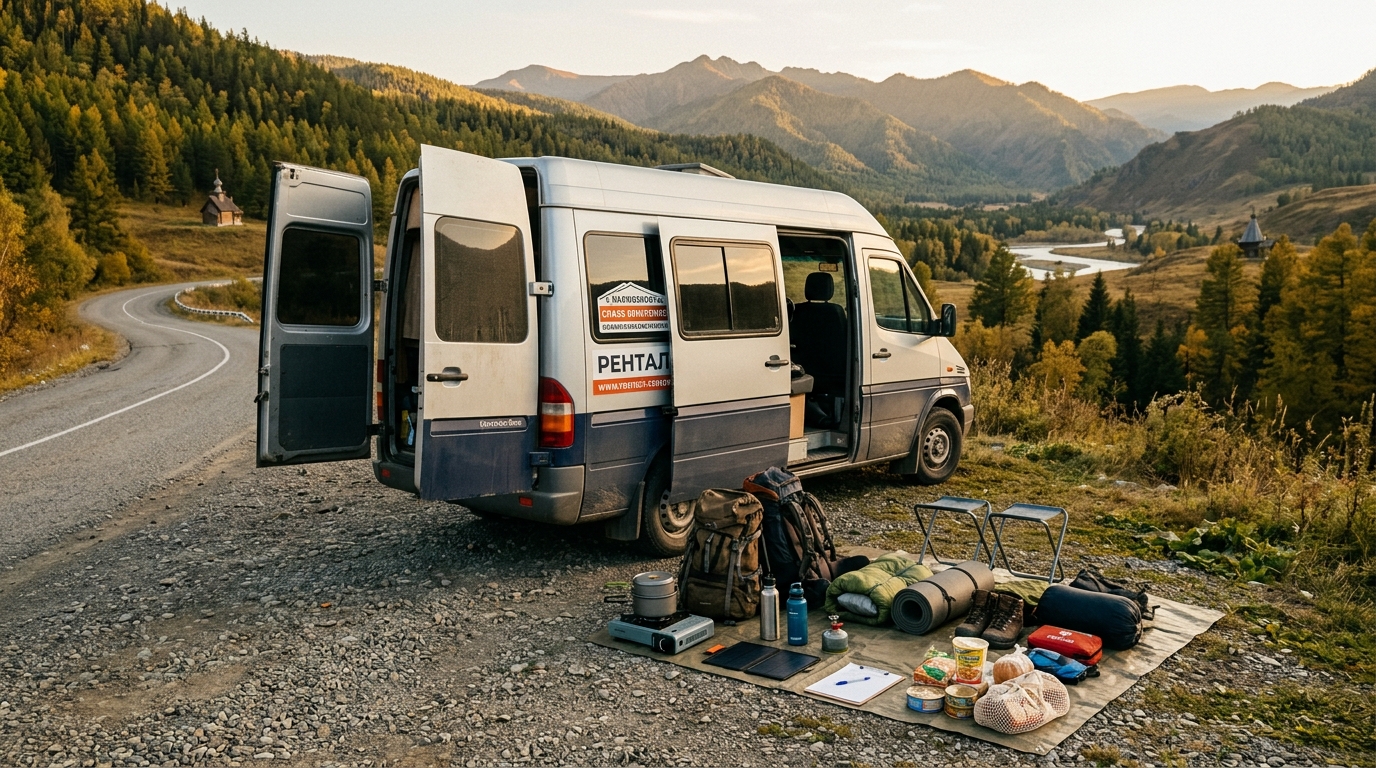
For live availability and current prices, start with our RV Rental Russia - Complete Guide 2026 guide.
In This Guide
- Best Russia RV Itinerary for family rv rental — Overview
- 7-Day Classic Route in Russia
- 14-Day Extended Journey in Russia
- Recommended RVPlan Trip for Russia
- Must-See Stops Along the Way (Avi Bandana Picks)
- Daily Driving Distances & Drive Times in Russia
- Best RV Class for This Itinerary — Couple & Family Picks
- What is the current geopolitical context and travel advisory for RV travel in Russia?
- Is it safe to drive an RV in Russia, and what are the specific safety considerations?
- What is the RV infrastructure like in Russia, including dump stations and repair shops?
- What are the local driving etiquette and road challenges in Russia?
- What are the seasonal considerations for RV travel in Russia?
- How can I stay connected and use navigation apps while RVing in remote parts of Russia?
- How much does an RV rental trip in Russia cost, including fuel and camping?
- How can I experience cultural immersion and local interaction during an RV trip in Russia?
- What are the best off-the-beaten-path RV routes in Russia?
Best Russia RV Itinerary for family rv rental — Overview
Embarking on a family RV adventure in Russia offers a unique way to explore its vast landscapes and rich history. The most recommended itinerary for family RV rental adventures centers around the fabled Golden Ring, a circuit of historic cities northeast of Moscow. This journey typically requires a minimum of 7 days for a glimpse of its treasures, but a 14-day exploration allows for a much more immersive and relaxed experience. The most favorable conditions for RV travel along these routes are found in late spring or early autumn, avoiding the peak summer tourist throngs and the challenging Siberian winters.
A typical 7-day Golden Ring itinerary will cover approximately 600-700 km (370-435 miles), providing a solid introduction to the region's cultural highlights. For those who prefer a more leisurely pace, a 14-day extended journey can cover upwards of 1200-1400 km (745-870 miles). This extended timeframe allows for deeper cultural immersion and the opportunity to discover charming spots off the beaten path, adhering to Avi Bandana's philosophy of slow travel, which advocates for averaging no more than 150 km (about 100 miles) per day. This approach ensures you have ample time to truly experience each destination.
7-Day Classic Route in Russia
A 7-day RV itinerary can provide a captivating journey through Russia's historical Golden Ring, adhering to Avi Bandana's recommended daily driving limits for a relaxed and enjoyable family experience.
Day 1: Moscow → Sergiev Posad (75 km / 47 mi). Begin your adventure by driving to Sergiev Posad, home to the magnificent Trinity Lavra of St. Sergius, a UNESCO World Heritage site. Overnight parking can often be secured at local hotels with security.
Day 2: Sergiev Posad → Pereslavl-Zalessky (70 km / 43 mi). Today's destination is Pereslavl-Zalessky, with visits to the Goritsky Monastery and the scenic Lake Pleshcheyevo. Consider overnight parking at a guesthouse that offers secure facilities.
Day 3: Pereslavl-Zalessky → Rostov Veliky (60 km / 37 mi). Explore Rostov Veliky, famed for its stunning Rostov Kremlin. Secure overnight parking near the city center is a good option.
Day 4: Rostov Veliky → Yaroslavl (60 km / 37 mi). Continue to Yaroslavl, a city whose historic center is also a UNESCO World Heritage site, offering beautiful Volga River embankment views. RV-friendly hotel parking is available.
Day 5: Yaroslavl → Kostroma (80 km / 50 mi). Drive to Kostroma, where you can visit the revered Ipatiev Monastery and explore the charming city center. Safe parking can be found by the Volga River or in guarded lots.
Day 6: Kostroma → Suzdal (110 km / 68 mi). Immerse yourselves in Suzdal, a true museum-city, with its Kremlin and numerous ancient churches. Look for designated RV campsites or secured parking facilities.
Day 7: Suzdal → Moscow (220 km / 137 mi). Conclude your ring route with the return journey to Moscow. While this is the longest driving day, it's manageable as a direct transit day back to your rental depot.
It's important to note that dedicated RV campgrounds are not as prevalent in Russia as in some other countries. Therefore, planning for overnight stays in secure hotel parking lots, guesthouse facilities, or authorized wild camping spots with local permission is crucial for a smooth trip.
14-Day Extended Journey in Russia
A 14-day RV journey through Russia allows for a more profound and immersive exploration of its historical heartland. This extended itinerary maintains a leisurely pace, with daily drives rarely exceeding 150 km (93 miles), making it perfect for families seeking extensive cultural engagement and a deeper connection with the region.
Week 1 (Golden Ring Focus): Days 1-7 will follow the Classic Route, covering Moscow, Sergiev Posad, Pereslavl-Zalessky, Rostov Veliky, Yaroslavl, Kostroma, and Suzdal. This allows ample time to thoroughly explore each historical city and its unique offerings.
Week 2 (Deeper Dive & Nature):
Day 8: Suzdal → Vladimir (30 km / 19 mi). A short drive to Vladimir, where you can visit the impressive Assumption and Dmitry Cathedrals. Overnight in Vladimir.
Day 9: Vladimir → Gus-Khrustalny (70 km / 43 mi). Explore the fascinating Crystal Museum in Gus-Khrustalny and learn about the traditional Russian craft of glassmaking. Find a secure parking spot at a local guesthouse.
Day 10: Gus-Khrustalny → Ryazan (140 km / 87 mi). Journey to Ryazan, visiting its Kremlin and enjoying the picturesque Oka River views. Secure a safe parking spot for the night.
Day 11: Ryazan → Kolomna (100 km / 62 mi). Discover the impressive Kolomna Kremlin and indulge in the unique experience of its pastila (a traditional fruit confectionary) museum. Parking near the river is a pleasant option.
Day 12: Kolomna → Tula (120 km / 75 mi). Head to Tula, famous for its Kremlin and the Museum of Samovars. Stay at an RV-friendly location.
Day 13: Tula → Yasnaya Polyana (15 km / 9 mi). Take a short excursion to Yasnaya Polyana, the historic estate of Leo Tolstoy, a significant literary landmark. Overnight nearby or return to Tula.
Day 14: Yasnaya Polyana → Moscow (180 km / 112 mi). Enjoy a final, comfortable drive back to Moscow, completing this extended cultural circuit. This itinerary provides ample opportunity to engage with local communities, sample authentic Russian foods, and uncover hidden historical gems.
Recommended RVPlan Trip for Russia
While a specific, ready-made RVPlan trip for Russia is not currently available through our direct system, Rent-Motorhome.com specializes in creating bespoke itinerary planning services. Our goal is to craft your ideal Russian RV adventure tailored to your preferences.
You can collaborate with our seasoned travel experts to design a personalized route. This process considers crucial factors such as the latest geopolitical context, the availability of RV infrastructure, and up-to-date safety advisories relevant to 2026, ensuring a secure and well-suited journey. By leveraging advanced trip-planning software, our specialized planning service removes the organizational burden, providing you with a seamless and worry-free experience from start to finish.
Must-See Stops Along the Way (Avi Bandana Picks)
Avi Bandana's personal recommendations for a Russian RV journey prioritize authentic cultural immersion and historical depth, guiding travelers to explore beyond typical tourist spots for a richer family experience. These selections aim to provide unique opportunities for cultural interaction and deeper engagement with local communities.
- Traditional Visit: The **Trinity Lavra of St. Sergius in Sergiev Posad** is a cornerstone of any Golden Ring itinerary, offering a profound spiritual and architectural experience that is not to be missed.
- Traditional Restaurant: In towns like Yaroslavl or Kostroma, seek out local 'Stolovaya' (canteens) or 'Pelmennaya' (dumpling houses) for authentic, budget-friendly Russian cuisine. These eateries provide a genuine glimpse into daily life and local dining habits.
- Traditional Market: The vibrant open-air markets in Rostov Veliky or Suzdal are perfect for engaging with local vendors, discovering unique crafts, fresh produce, and regional specialties like artisanal honey.
- Local Industry/Unique Sight: The fascinating crystal factory tours in Gus-Khrustalny showcase traditional Russian glassmaking, while the Kolomna Pastila Museum offers a delightful taste of a historical apple confectionary and its heritage.
Daily Driving Distances & Drive Times in Russia
Avi Bandana strongly recommends a maximum average daily drive of 150 km (approximately 100 miles) for RV travel in Russia. This guideline is essential for ensuring ample time for exploration, managing local road conditions, and comfortably finding suitable overnight parking or camping spots without feeling rushed.
This conservative approach is particularly important given the variability in road quality outside major cities, the potential for unexpected delays, and the need to locate suitable amenities. For example, the drive from Moscow to Sergiev Posad (75 km / 47 mi) typically takes around 1.5 to 2 hours, factoring in potential traffic as you leave the capital. Similarly, the journey from Yaroslavl to Kostroma (80 km / 50 mi) is generally a straightforward 1.5-hour drive on relatively well-maintained regional roads.
Even a short, scenic drive like Vladimir to Suzdal (30 km / 19 mi) can take about 30-45 minutes. Travelers should also anticipate time for navigating local driving habits, interpreting Cyrillic signage, and being prepared for varying road conditions, especially in less populated areas. A reliable navigation app with offline map capabilities and basic Russian phrase knowledge is highly advisable.
Best RV Class for This Itinerary — Couple & Family Picks
Selecting the right RV class is paramount for both comfort and maneuverability on Russian roads. Rent-Motorhome.com offers a diverse global fleet designed to suit various travel styles and group sizes.
For Couples: Class SI - Semi-integrated. Avi Bandana often recommends the Class SI - Semi-integrated motorhome for couples. Bandana's global fleet averages 6.9 meters in length, providing a compact yet comfortable living space for approximately 3.4 adults, with around 3.8 sleeping places. This class offers a good balance for city exploration and amenities for two, with typical fuel consumption around 10-11 Liters/100 km, making it economical for extensive travel.
For Families: Class C - Alcove. For families, the Class C - Alcove motorhome is an excellent choice. Bandana's fleet in this category averages 7.5 meters in length, boasting around 5.8 sleeping places and accommodating approximately 4.4 adults. These vehicles provide significantly more interior space and an average load capacity of about 42.4 kg, crucial for families with children and their luggage. Common fuel consumption ranges from 10-12 Liters/100 km.
Our 'Rent & Plan' service is designed to simplify your trip organization. You can combine your chosen RV rental with a professionally crafted itinerary, developed by travel experts using comprehensive trip-planning software, ensuring a hassle-free experience.
What is the current geopolitical context and travel advisory for RV travel in Russia?
As of 2026, the geopolitical situation significantly impacts travel to Russia. It is imperative to conduct thorough research into current travel advisories issued by your home country's government before planning any RV trip.
Visa processing can be complex and is subject to change, and the availability of direct international flights, along with entry and exit logistics, may be restricted for certain nationalities. This requires meticulous planning and the development of contingency measures. Always consult official government websites (such as the U.S. Department of State or the UK's Foreign, Commonwealth & Development Office) for the most up-to-date information regarding safety, visa requirements, and any potential sanctions or restrictions affecting financial transactions and international services. Travelers should be mindful of potential political sensitivities and maintain a low profile, ensuring they are well-informed about the local climate.
Is it safe to drive an RV in Russia, and what are the specific safety considerations?
Driving an RV in Russia necessitates heightened awareness of nuanced safety considerations, including varying road quality, potential wildlife encounters, and the accessibility of emergency services, particularly in more remote regions.
While major highways are generally well-maintained, secondary and rural roads can feature significant potholes, unpaved sections, or unexpected hazards, demanding slower speeds and increased vigilance. Wildlife encounters, especially with deer or boar, are a risk in forested areas, particularly during dawn and dusk, so exercising caution when driving outside major population centers is advised.
Emergency services in remote regions may have slower response times or limited English-speaking capabilities. It's advisable to learn basic Russian phrases for critical situations and carry local emergency contact numbers. For personal security, always opt for secure, guarded parking lots for overnight stays, avoid displaying valuables conspicuously, and remain aware of your surroundings, especially in less-trafficked areas.
What is the RV infrastructure like in Russia, including dump stations and repair shops?
RV-specific infrastructure in Russia is less developed compared to Western Europe or North America, which means meticulous planning is required for amenities like dump stations, water refills, and specialized repair services. On the routes offered through RV PLANET routes, you can itemize and track every expense along the way for easy budgeting.
Dedicated RV campgrounds are scarce. Travelers typically rely on secure hotel parking lots (often guarded), guesthouses, or 'wild camping' with local permission, which necessitates prior research and discretion. Access to dump stations and potable water refills is not standardized; travelers often utilize facilities at larger petrol stations, private properties, or designated service points in bigger cities, requiring a flexible approach.
Specialized repair shops for foreign RV models are rare. While general auto repair shops can handle basic mechanical issues, sourcing specific RV parts, especially for non-Russian brands, can be challenging and time-consuming. It is highly recommended to carry essential spare parts for common RV issues and have a list of local mechanics or a support contact for assistance.
What are the local driving etiquette and road challenges in Russia?
Navigating Russian roads requires an understanding of local driving etiquette and preparedness for specific challenges that can differ significantly from many Western countries.
Russian drivers can be assertive; expect fast driving, frequent overtaking (even on double solid lines), and less rigid adherence to lane discipline, especially in urban areas. Employing defensive driving techniques is crucial. Road signs are predominantly in Cyrillic, so familiarity with key symbols and the assistance of navigation apps with English translations are vital, although major routes may feature dual-language signage.
Beyond federal highways, road conditions can vary dramatically, featuring unpaved sections, gravel, and large potholes. Exercise caution, especially after adverse weather conditions. Many local drivers utilize dash cams, and it is a prudent measure for RV travelers to install one for potential insurance purposes or in case of disputes. Always ensure all legal documents are accessible for potential police stops.
What are the seasonal considerations for RV travel in Russia?
Seasonal considerations profoundly impact RV travel in Russia, affecting road accessibility, weather challenges, the availability of natural attractions, and necessary RV preparations.
Summer (June-August) offers the warmest weather and longest daylight hours, ideal for extensive exploration. However, this is also peak tourist season, meaning potentially higher crowds in popular areas. Roads are generally clear, but mosquitoes can be prevalent.
Late Spring (May-Early June) and Early Autumn (September-Early October) are often considered the most favorable seasons. They provide pleasant temperatures, fewer crowds, and vibrant natural scenery, especially the autumn foliage. Roads are typically in good condition during these periods.
Winter (November-April) is characterized by severe cold, heavy snow, and icy roads, making RV travel exceptionally challenging and often inadvisable for leisure. Many campsites and attractions may also be closed.
Should you consider winter travel, specialized RV preparations, including winter tires, robust heating systems, and appropriate antifreeze, are absolutely essential. Constant monitoring of weather forecasts is also critical.
How can I stay connected and use navigation apps while RVing in remote parts of Russia?
Staying connected and navigating effectively in remote parts of Russia requires proactive planning, as reliable internet access and cellular coverage can be sporadic or entirely non-existent.
Purchasing a local SIM card upon arrival (from providers like MTS, Beeline, or MegaFon) offers the best local rates and coverage, though even these networks may drop out in very isolated areas. For reliable navigation independent of cellular data, download offline maps through apps such as Yandex.Maps, Maps.Me, or OsmAnd.
In truly isolated regions where cellular service is unavailable, a satellite phone or a personal locator beacon (PLB) is a highly recommended safety measure. Carrying portable power banks and ensuring your RV's auxiliary power system is robust are also crucial for keeping all essential devices charged throughout your journey.
How much does an RV rental trip in Russia cost, including fuel and camping?
A comprehensive budget for an RV rental trip in Russia must account for specific costs beyond the rental fee. These include fluctuating fuel prices, variable camping options, local food expenses, and potential visa-related costs, all of which can add up significantly.
Fuel: Expect fuel to be a major expense. Prices vary regionally but are generally lower than in Western Europe. A Class SI RV typically consumes 10-11 Liters/100 km, while a Class C might use 10-12 Liters/100 km.
Camping: Formal RV campgrounds are rare. Costs vary from free (for discreet wild camping with permission) to paid guarded parking lots (estimated at 500-1500 RUB per night) or hotel parking fees.
Permits & Fees: Be aware of potential entry fees for certain national parks, museums, or protected areas, which should be factored into daily activity costs.
Food: Purchasing local food from markets can be very affordable and offers a great opportunity for cultural immersion. Restaurant prices in major cities, however, can be comparable to international rates.
Visa & Insurance: Crucially, factor in visa application fees and comprehensive travel insurance, which must include robust RV breakdown coverage, medical emergency support, and trip cancellation protection. You'll also want to carry sufficient local currency (RUB) for transactions, especially outside major cities, as international card usage may be limited.
For detailed expense tracking along your chosen routes, the RV PLANET routes tool can be invaluable for easy budgeting.
How can I experience cultural immersion and local interaction during an RV trip in Russia?
Experiencing authentic cultural immersion and fostering local interaction during an RV trip in Russia requires intentional engagement. Moving beyond typical tourist routes and embracing local customs will lead to a more rewarding journey.
Visit local markets ('rynok') in towns like Rostov Veliky or Suzdal. Here you can buy fresh produce, local crafts, and practice basic Russian phrases with vendors, often leading to friendly exchanges. For dining, opt for traditional 'Stolovaya' (canteens) or 'Pelmennaya' (dumpling houses) to savor authentic, affordable Russian cuisine and observe local dining habits, rather than exclusively choosing international-style restaurants.
Seek out smaller, less-known historical sites or regional museums, such as the Kolomna Pastila Museum or local folk art centers, which often provide more intimate glimpses into Russian heritage. Even a small effort to learn a few basic Russian phrases beyond simple greetings can significantly enhance your interactions and demonstrate respect for local culture, opening doors to more meaningful connections.
What are the best off-the-beaten-path RV routes in Russia?
Beyond the popular Golden Ring, exploring off-the-beaten-path RV routes in Russia can unveil stunning national parks, unique natural phenomena, and regional road trips that offer unparalleled adventure away from the well-trodden paths.
Consider routes exploring the Republic of Karelia in the northwest, known for its pristine lakes, dense forests, and ancient wooden architecture like Kizhi Island. However, be aware that road infrastructure in this region can be basic. For a blend of nature and history, a trip through the North Caucasus region offers dramatic mountain landscapes and distinct cultural experiences, but requires careful security assessment and local guidance due to its complex geopolitical history.
The Altai Mountains in Southern Siberia present breathtaking natural beauty, with opportunities for hiking and exploring indigenous cultures. This is a highly remote area that demands extensive preparation, a robust RV, and advanced navigation skills. These routes are best undertaken with a clear understanding of the challenges, including limited RV infrastructure, variable road quality, and the necessity for self-sufficiency and reliable emergency communication methods.
Final Thoughts
RV travel in Russia offers an unparalleled opportunity to connect with history, culture, and stunning landscapes. While it presents unique challenges compared to Western RVing, with careful planning and a spirit of adventure, your family can create unforgettable memories exploring this vast and fascinating country.
Remember to prioritize slow travel, embrace the local culture, and leverage resources like RV PLANET (rvplan.net) for route planning and campsite discovery. Bandana Caravan is here to support you throughout the booking process, ensuring you find the perfect rental for your Russian adventure.
Get inspired for your next trip! Discover top destinations, planning tips, all in one place, and plan your trip itinerary in advance with minimal effort and maximum enjoyment.
