In This Guide
- Best Namibia RV Itinerary for family rv rental — Overview
- 7-Day Classic Route in Namibia
- 14-Day Extended Journey in Namibia
- Recommended RVPlan Trip for Namibia
- Must-See Stops Along the Way (Avi Bandana Picks)
- Daily Driving Distances & Drive Times in Namibia
- Best RV Class for This Itinerary — Couple & Family Picks
- What are Namibia's RV road conditions, and do I need a 4x4?
- How do I manage fuel, water, and waste during an RV trip in Namibia?
- What essential items should I pack for a family RV trip in Namibia?
- What are the wildlife safety protocols for RVing in Namibia?
- How can I ensure connectivity and navigation in remote Namibian RV routes?
- How should RVers prepare for emergencies in remote Namibia?
- How can I practice responsible RV tourism in Namibia?
- What cultural etiquette and local interactions should RVers know in Namibia?
- Are there hidden gem RV routes in Namibia beyond the classics?
- Is Namibia safe for solo female RV travelers?
Best Namibia RV Itinerary for family rv rental — Overview
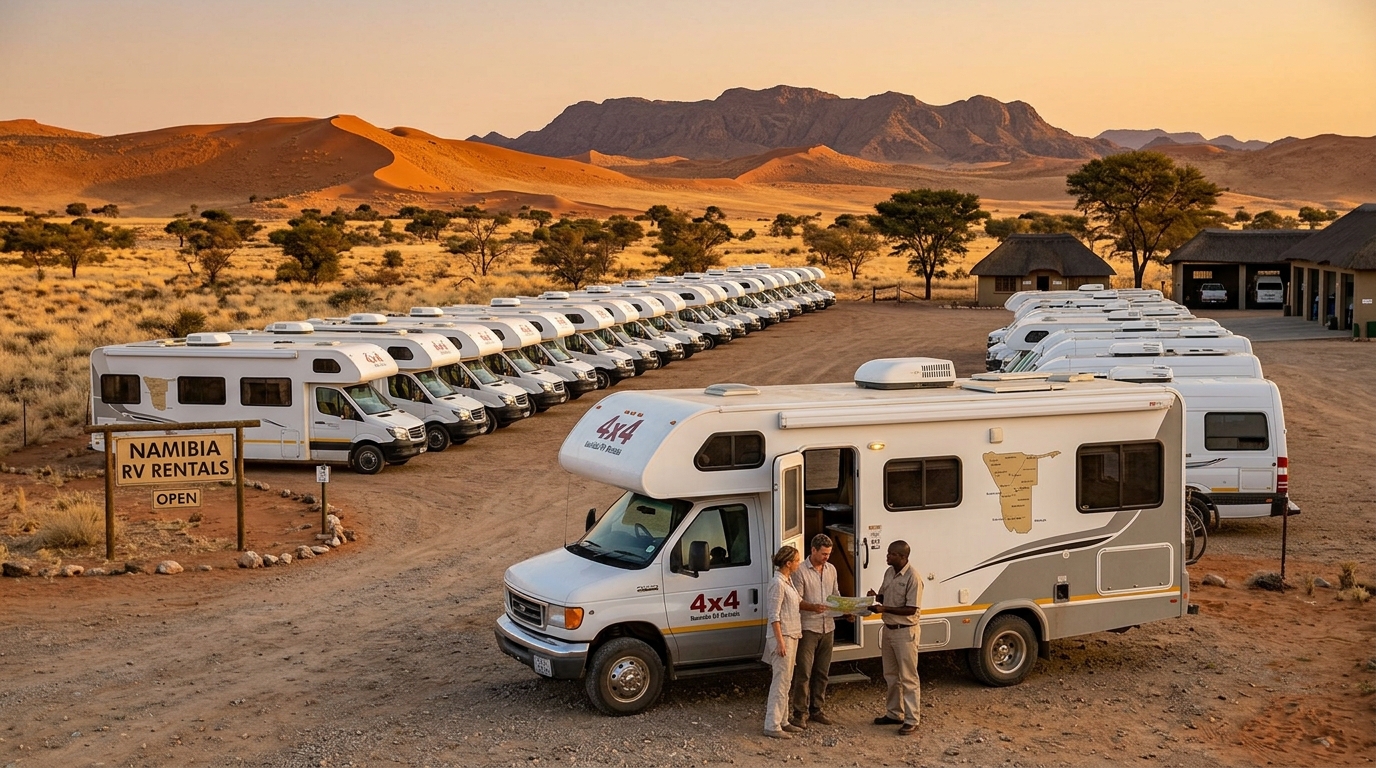
A family RV rental in Namibia offers unparalleled freedom to explore its incredibly diverse landscapes, from the stark beauty of the Namib Desert to the abundant wildlife of Etosha National Park. For live availability and current prices, start with our RV Rental Namibia - Complete Guide 2026 guide. Typical family RV trips range from 7 to 14 days, covering distances of 1,500-3,000 km, allowing ample time to soak in the unique atmosphere of this vast country. The optimal travel season is generally from May to October, characterized by cooler, dry weather that is perfect for wildlife viewing and comfortable outdoor activities. Embracing slow travel, averaging no more than 100 miles (150 km) per driving day, ensures you can truly connect with the places you visit and discover hidden gems along the way.
Namibia's vastness means that planning is key to a successful RV adventure. By strategically planning your route, you can maximize your experience, ensuring you hit the iconic landmarks while still allowing for spontaneous detours. The flexibility of an RV means you can adapt your plans on the go, perhaps lingering longer at a particularly stunning viewpoint or spending an extra day exploring a fascinating desert-adapted wildlife reserve. Bandana Caravan's Rent & Plan service can assist in crafting these perfectly balanced itineraries, ensuring your family RV rental in Namibia is both adventurous and manageable.
7-Day Classic Route in Namibia
A 7-day classic route in Namibia offers a fantastic introduction to the country's diverse highlights for families with a rented RV. This itinerary balances iconic destinations with manageable driving distances, perfect for a first-time RV adventure.
- Day 1: Windhoek → Gross Barmen Hot Springs (approx. 100 km). Settle into your rented RV, get acquainted with its features, and enjoy a relaxing afternoon at the hot springs. Overnight at a campsite in Gross Barmen.
- Day 2: Gross Barmen → Spitzkoppe (approx. 200 km). A slightly longer drive takes you to the dramatic granite peaks of Spitzkoppe. Explore the unique rock formations and enjoy stargazing. Overnight at a Spitzkoppe community campsite.
- Day 3: Spitzkoppe → Swakopmund (approx. 150 km). Head to the coast, a hub for adventure and relaxation. Overnight at Mile 4 Caravan Park or a similar coastal campsite.
- Day 4: Swakopmund (no driving). Dedicate a full day to coastal activities like dune boarding, kayaking, exploring the historic German colonial architecture, or simply enjoying the seaside atmosphere.
- Day 5: Swakopmund → Usakos/Karibib (approx. 150 km). Journey inland through interesting desert landscapes, perhaps stopping in historic towns like Usakos or Karibib. Overnight at a local lodge or farm campsite.
- Day 6: Usakos → Erongo Mountains / Omaruru (approx. 100 km). Explore the Erongo Mountains, known for their ancient rock art and unique geological formations. Overnight near the Erongo Mountain Rhino Sanctuary Lodge or a similar private campsite.
- Day 7: Omaruru → Windhoek (approx. 250 km). This is a longer driving day as you return to Windhoek for your RV drop-off, reflecting on your incredible Namibian adventure.
14-Day Extended Journey in Namibia
For those with more time, a 14-day extended journey allows for a deeper exploration of Namibia's captivating landscapes and attractions, offering a more relaxed pace and the chance to uncover more of its magic.
- Day 1: Windhoek (arrival, provisioning). Collect your family RV rental, familiarize yourself with its operation, and stock up on essential supplies for your adventure. Overnight at an urban campsite in Windhoek.
- Day 2: Windhoek → Rehoboth (approx. 90 km). A gentle start with a short drive south to Rehoboth, allowing you to ease into the RV lifestyle. Overnight at a Rehoboth campsite.
- Day 3: Rehoboth → Kalkrand (approx. 70 km). Continue south through the vast, open landscapes that Namibia is famous for. Overnight in the Kalkrand area at a suitable campsite.
- Day 4: Kalkrand → Maltahöhe (approx. 120 km). As you progress towards the Namib Desert, you'll notice the landscape changing. Overnight at a campsite near Maltahöhe.
- Day 5: Maltahöhe → Sesriem (approx. 100 km). Arrive at Sesriem, the gateway to the iconic Sossusvlei and its towering dunes. Overnight at Sesriem Campsite, ideally booked in advance.
- Day 6: Sesriem / Sossusvlei (exploration). Dedicate the day to exploring the otherworldly landscapes of Sossusvlei, including Dune 45, Deadvlei, and Sesriem Canyon. This is a no-driving day to fully appreciate the area.
- Day 7: Sesriem → Solitaire (approx. 80 km). A short drive to the legendary Solitaire, famous for its apple pie and unique desert atmosphere. Overnight at a Solitaire Campsite.
- Day 8: Solitaire → Walvis Bay / Swakopmund (approx. 150 km). Drive west through dramatic scenery to the coast at Walvis Bay or Swakopmund. Overnight at a coastal campsite.
- Day 9: Swakopmund (activities). Enjoy a full day of coastal adventures, from boat trips in Walvis Bay to exploring the charming streets of Swakopmund. This is another no-driving day.
- Day 10: Swakopmund → Henties Bay (approx. 70 km). Head north along the Skeleton Coast's southern reaches, experiencing its stark beauty. Overnight at a Henties Bay campsite.
- Day 11: Henties Bay → Uis (approx. 130 km). Journey inland towards Damaraland, a region known for its ancient geology and desert-adapted wildlife. Overnight at a Uis campsite.
- Day 12: Uis → Omaruru (approx. 120 km). Explore more of Damaraland and the Erongo Mountains. Overnight in the Omaruru area at a campsite.
- Day 13: Omaruru → Okahandja (approx. 150 km). A final scenic drive before returning to the capital, with a potential stop in Okahandja, known for its wood carving markets. Overnight at an Okahandja campsite.
- Day 14: Okahandja → Windhoek (approx. 70 km). The final short drive back to Windhoek for RV drop-off and your departure.
Recommended RVPlan Trip for Namibia
For a seamless and expertly curated family RV adventure in Namibia, consider utilizing Bandana's 'Rent & Plan' service. These pre-planned RV itineraries are designed by seasoned travel experts, providing detailed routes, recommended campsites, and essential points of interest, all optimized for RV travel. Integrating these plans with trip-planning software can further streamline your journey, ensuring a stress-free and memorable experience. Explore the diverse range of RVPlan trips available on our website to find the perfect itinerary that matches your family's interests and pace for your Namibian exploration.
Must-See Stops Along the Way (Avi Bandana Picks)
When planning your family RV rental itinerary in Namibia, there are several truly unforgettable experiences that Avi Bandana highly recommends. These are not just sights, but encounters that bring you closer to the heart of Namibia’s unique charm and wild beauty.
- The iconic red dunes of Sossusvlei: Visiting these giants at sunrise offers a truly magical experience, with the light dramatically enhancing their surreal beauty.
- The stark, ancient granite peaks of Spitzkoppe: Often called the "Matterhorn of Namibia," Spitzkoppe is ideal for photography, hiking, and experiencing a profound sense of desert solitude.
- Swakopmund's coastal charm: This quaint German colonial town is perfect for a break, offering a range of adventure activities and a unique architectural contrast to the desert landscapes.
- Etosha National Park's wildlife encounters: The waterholes here are legendary for game viewing, providing unparalleled opportunities to see elephants, lions, rhinos, and countless other species from your RV.
- Authentic cultural experiences: Visiting Himba villages, with respectfully guided tours, offers a profound insight into traditional Namibian life. Ensure your chosen tours prioritize ethical and sustainable community engagement.
- Twyfelfontein's ancient rock art: This UNESCO World Heritage site in Damaraland is a treasure trove of ancient rock engravings, offering a glimpse into the region's rich history and spiritual significance.
Daily Driving Distances & Drive Times in Namibia
To truly savor your Namibian RV adventure and avoid fatigue, Avi Bandana consistently recommends a maximum of 100 miles or 150 km per day on average. This approach allows for appreciating Namibia's vast, breathtaking landscapes and discovering its unique roadside attractions without feeling rushed.
Remember that driving times in Namibia can be longer than anticipated due to road conditions. For example:
- Windhoek to Okahandja (approx. 70 km): Typically about 1 hour on paved roads, but always allow extra time for potential roadside stops.
- Sesriem to Solitaire (approx. 80 km): This route, often on gravel roads, can take 1.5 to 2 hours, depending heavily on the specific conditions of the road, including corrugations.
- Etosha National Park (Andersson Gate to Okaukuejo Camp, approx. 17 km within the park): Even short distances within parks can take 1-2 hours due to the need to drive slowly, observe wildlife, and adhere to park speed limits.
Always factor in extra time for unexpected wildlife sightings or simply to pause and absorb the immense beauty surrounding you.
Best RV Class for This Itinerary — Couple & Family Picks
Choosing the right RV class is crucial for a comfortable family RV rental in Namibia, impacting both maneuverability and living space. Bandana Caravan offers a range of options to suit different needs.
For couples seeking a more agile and fuel-efficient option, a Class B Camper Van is often ideal. These typically measure around 5.8 meters in length and have impressive fuel consumption, averaging 8-10 Liters/100 km, making them excellent for covering longer distances with ease.
For families or larger groups, a Class C Alcove RV provides significantly more space, often featuring separate sleeping areas and robust storage solutions. These are generally around 7.5 meters in length and can comfortably sleep up to 5.8 people on average, with a typical capacity for 4 adults. Their fuel consumption is slightly higher, around 10-12 Liters/100 km, but this is often a worthwhile trade-off for the added comfort and amenities.
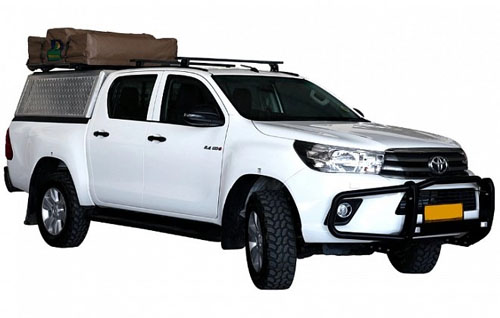
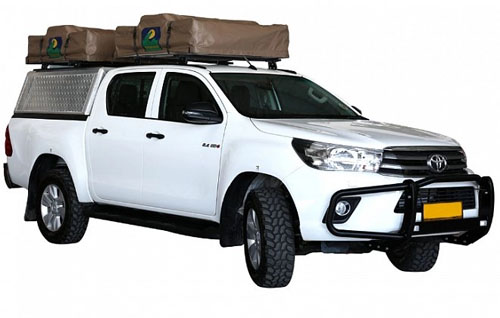
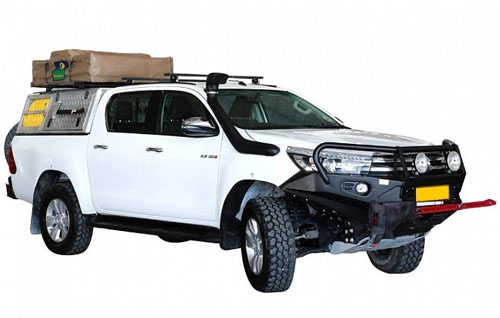
For those venturing onto more challenging terrain, consider a 4x4 campervan, such as the Patagonia Camper 4x4 double cab. These are ideal for couples and offer enhanced capability on rugged tracks.
Bandana's 'Rent & Plan' service can help you match the perfect vehicle to your chosen itinerary, ensuring a seamless transition from booking to the open road.
What are Namibia's RV road conditions, and do I need a 4x4?
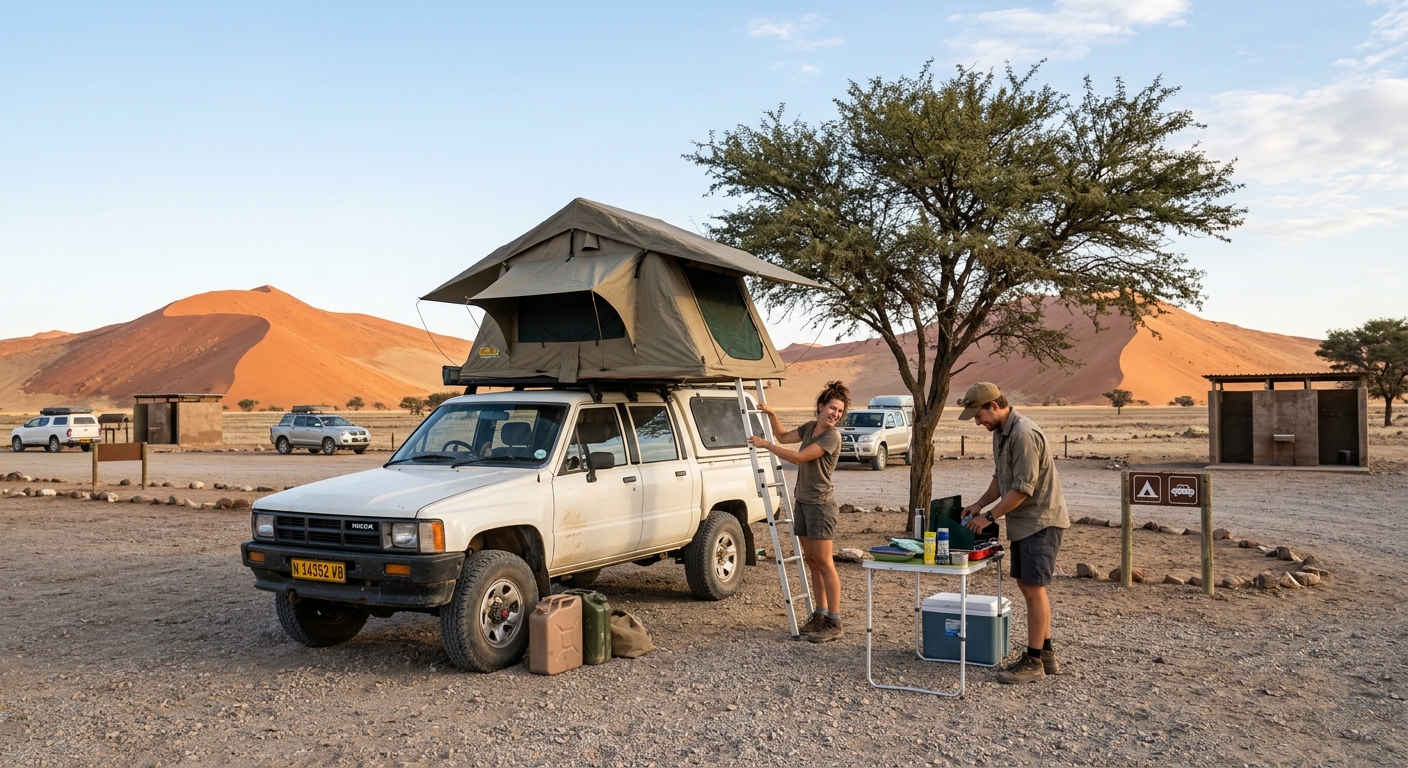
Namibia's road network presents a unique set of conditions for RV travelers, requiring careful consideration when choosing your vehicle. Many popular routes are accessible with 2WD RVs, but understanding the nuances is key to a smooth journey. The majority of Namibia's roads are well-maintained gravel, interspersed with some tarred sections, particularly around major centers like Windhoek and Swakopmund. While a high-clearance 2WD RV is often sufficient for these main arteries, a 4x4 campervan can provide greater comfort and more confident access to more remote, sandy, or heavily corrugated tracks.
Gravel roads, a staple of Namibian travel, can present challenges such as corrugations and sharp stones that can affect tire integrity. Reducing your speed and maintaining appropriate tire pressure are crucial for both safety and vehicle longevity. For popular destinations like Sossusvlei, expect a mix of tar and gravel roads, with the final 5km stretch to Deadvlei often requiring a 4x4 vehicle or the use of park-provided shuttle services. For the adventurous seeking to explore more remote areas or off-the-beaten-path tracks, a 4x4 option, like the Patagonia Camper 4x4 double cab, is highly recommended to navigate such terrain comfortably and safely.
How do I manage fuel, water, and waste during an RV trip in Namibia?
Proactive management of essential resources is paramount for any RV trip in Namibia, given the vast distances between services and the often remote nature of its most stunning locations. Fuel availability can be sparse, especially when venturing off main routes, so always aim to carry extra fuel if you plan extensive exploration and fill up whenever you see a fuel station. Water refills are typically available at most established campsites and in larger towns; however, carrying a reliable water filter or purification tablets can be a wise precaution for emergencies or more off-grid experiences.
Waste disposal, including grey and black water, must be managed responsibly at designated dump stations, which are conveniently found at most formal campsites and many service centers. Battery management is also critical, particularly if you plan extended off-grid stays. Consider RVs equipped with solar panels or be prepared for responsible generator use to ensure consistent power for your needs. Understanding your RV’s systems and planning your resource needs in advance will significantly enhance your comfort and freedom on Namibian roads. On the routes offered through RV PLANET routes, you can itemize and track every expense along the way for easy budgeting.
What essential items should I pack for a family RV trip in Namibia?
Beyond your personal clothing and toiletries, an RV-specific packing list for Namibia should include items crucial for self-sufficiency and handling the country’s unique conditions. Essential items for recovery and maintenance include a basic recovery kit with a shovel, tow strap, and tire repair kit, alongside an RV-specific tool kit for addressing minor repairs that might arise on the road. Ensure you pack sturdy cooking equipment suitable for outdoor use, as well as a portable braai (BBQ) for enjoying Namibian cuisine under the stars. For ideas you can prep on the road, watch our RV-friendly recipes playlist on YouTube.
Water management is key, so bring a reliable water filter or purification tablets, alongside sufficient initial bottled water. For power, include power converters/inverters, headlamps or reliable flashlights, and don't forget binoculars for exceptional wildlife viewing opportunities. A comprehensive first-aid kit tailored for remote travel, robust sun protection (hats, sunscreen), and layered clothing to accommodate varying desert temperatures are also vital packing essentials.
What are the wildlife safety protocols for RVing in Namibia?
Adhering to strict wildlife safety protocols is fundamental to ensuring the well-being of both your family and the magnificent animals you'll encounter in Namibia. Always maintain a safe and respectful distance from all wildlife, never attempt to feed animals, and crucially, remain inside your RV, especially in unfenced areas or national parks where animals may be closer and less habituated to vehicles. Secure all food items properly within your RV to avoid attracting wildlife to your campsite, which can lead to unwanted encounters.
If animals approach your RV, stay calm, avoid sudden movements or loud noises, and simply wait for them to move away naturally. Their curiosity may bring them close, but they typically retreat if they don't perceive a threat or find a food source. Exercise extreme caution when you are outside your vehicle in wilderness areas, particularly during dawn, dusk, and at night, as this is when many predators are most active. Your rented RV provides a safe sanctuary, so use it wisely and maintain a respectful distance from Namibia’s wild inhabitants.
How can I ensure connectivity and navigation in remote Namibian RV routes?
Reliable connectivity and navigation in remote Namibia require a multi-faceted approach, blending offline tools with satellite options for comprehensive coverage. Before you depart, pre-download offline maps for your entire planned route using apps like Maps.me or Google Maps, as cellular service is highly sporadic and unreliable outside of major towns and tourist hubs. Investing in a dedicated, robust GPS device, such as those from Garmin, is highly recommended for accurate navigation, as road signage can be sparse and sometimes confusing in remote areas.
For essential communication and emergency contact in cell dead zones, a satellite messenger (like a Garmin InReach or Spot device) or a satellite phone is strongly advised. While you can purchase a local SIM card (MTC or TN Mobile are the main providers) upon arrival for improved coverage in populated areas and for data access when available, it won't guarantee service in the vast, remote wilderness. A combination of these strategies ensures you stay connected and on track, even when venturing far off the beaten path.
How should RVers prepare for emergencies in remote Namibia?
Emergency preparedness for RVers in remote Namibia is critical and should encompass a comprehensive breakdown plan, advanced first-aid knowledge, and reliable communication methods. Always carry a well-stocked first-aid kit, and crucially, ensure you know how to use its contents for common injuries and ailments encountered in remote settings. Familiarize yourself thoroughly with your rented RV's breakdown procedures, including how to change a tire and ensure you have a spare tire in good condition and the necessary tools readily accessible.
Having emergency contact numbers readily available is vital, including those for your RV rental company, local police services, and emergency medical assistance. Given the unreliable cell reception in vast areas, a satellite phone or messenger is indispensable for reporting breakdowns or medical emergencies, ensuring you can summon help even in the most isolated locations. This level of preparation will provide peace of mind, allowing you to focus on the incredible adventure that Namibia offers.
How can I practice responsible RV tourism in Namibia?
Practicing responsible RV tourism in Namibia is not just a good idea; it's crucial for preserving its unique, fragile environments and supporting local communities. Adhere strictly to the 'Leave No Trace' principles by diligently packing out all waste, including greywater, and disposing of it properly only at designated sites, never in the natural environment. Stick to marked tracks and roads, as driving off-road can cause significant damage to delicate desert ecosystems and vegetation, particularly in arid regions and sensitive wetland areas.
Conserve water and electricity diligently, as these resources are precious in Namibia, especially in arid regions where they are often limited. Support local communities directly by purchasing goods and services from them, whether it's fresh produce, local crafts, or staying at community-run campsites. When interacting with local cultures and traditions, always do so with respect and genuine curiosity, enhancing your own experience and contributing positively to the communities you visit.
What cultural etiquette and local interactions should RVers know in Namibia?
Familiarizing yourself with basic cultural etiquette can significantly enhance the authenticity and respectfulness of your local interactions during your Namibian RV trip. Learning a few basic greetings in local languages, such as 'Moro' (a general greeting) or 'Kakuru' (hello in Oshiwambo), is a small gesture that demonstrates respect and often opens doors to warmer interactions.
Always ask for permission before taking photographs of people, especially in rural or traditional communities, as this is a fundamental aspect of showing respect for personal privacy. Dress modestly, particularly when visiting rural areas or traditional villages, to show respect for local customs and traditions. Embracing opportunities for authentic interactions, such as visiting local markets, staying at community-run campsites, and engaging with cultural centers, will provide deeper insights into Namibia's rich tapestry of cultures and traditions.
Are there hidden gem RV routes in Namibia beyond the classics?
Beyond the ever-popular Sossusvlei-Etosha loop, Namibia offers a wealth of hidden gem RV routes for families seeking unique experiences and paths less traveled. These routes often lead to more secluded natural wonders and offer a chance for more authentic encounters with the country's diverse environments and cultures.
Consider exploring the remote Kunene Region, where you can discover the breathtaking Epupa Falls and encounter Himba communities in a more secluded, authentic setting. For a stark contrast, venture into the Zambezi (Caprivi) Strip, a verdant wetland paradise offering lush riverine landscapes and abundant water-based wildlife viewing opportunities. Discover the lesser-known parts of Damaraland, such as the Brandberg Massif or local conservancies, which often provide exclusive wildlife encounters and stunning geological sights. For those drawn to dramatic desert vistas and soothing hot springs, a trip to the southern Ai-Ais Richtersveld Transfrontier Park is highly recommended, offering a different, yet equally spectacular, facet of Namibia's natural beauty.
Is Namibia safe for solo female RV travelers?
Namibia is generally considered a safe destination for solo female RV travelers, provided that standard precautions and informed planning are undertaken. The country is known for its friendly locals and relatively low crime rates compared to some other regions.
When choosing campsites, opt for reputable locations with good reviews and a visible presence of staff or security. It's always wise to share your detailed itinerary with trusted contacts back home and consider using a satellite messenger for regular check-ins, especially when traveling through remote areas. Avoid driving at night, particularly in remote areas where wildlife on the roads is a significant hazard, and remain aware of your surroundings when in urban centers. Engaging with local tour operators or community members can also provide current safety advice and recommendations for particularly safe or recommended spots.
What You Shouldn't Miss
- Witness the sunrise over the iconic red dunes of Sossusvlei, a truly unforgettable spectacle best experienced from the vantage point of your RV parked at the base of the dunes.
- Hike amongst the ancient granite peaks of Spitzkoppe, exploring its dramatic landscapes and capturing stunning photographs of its geological wonders.
- Explore the charming coastal town of Swakopmund, perhaps enjoying activities like dolphin watching tours or exploring its unique German colonial architecture.
- Experience exceptional game viewing at Etosha National Park's waterholes, where your RV provides a comfortable and safe base for observing wildlife.
- Engage respectfully with local culture by visiting Himba communities, learning about their traditional way of life in a responsible and ethical manner.
- Discover the ancient rock art at Twyfelfontein in Damaraland, a UNESCO World Heritage site offering a fascinating glimpse into Namibia's prehistoric past.
Final Thoughts
Embarking on an RV adventure in Namibia is an experience that offers unparalleled freedom and connection with nature. The vast, open landscapes and incredible wildlife encounters create memories that will last a lifetime.
With Bandana Caravan's commitment to transparency and the resources provided through RV PLANET (rvplan.net), planning your family RV trip becomes an exciting part of the adventure, not a daunting task. Remember to pack smart, plan your routes, and most importantly, embrace the spirit of exploration that Namibia so readily offers.
We're here to support you every step of the way, from comparing final prices with no hidden fees to coordinating your booking. Let us help you turn your Namibian RV dreams into a reality!