In This Guide
- Best Johannesburg RV Itinerary for family rv rental — Overview
- 7-Day Classic Route in Johannesburg
- 14-Day Extended Journey in Johannesburg
- Recommended RVPlan Trip for Johannesburg
- Must-See Stops Along the Way (Avi Bandana Picks)
- Daily Driving Distances & Drive Times in Johannesburg
- Best RV Class for This Itinerary — Couple & Family Picks
- How safe is RV travel in Johannesburg and South Africa?
- What are the practicalities of RVing in Johannesburg city?
- How much does a family RV rental trip in Johannesburg cost?
- Is a 4x4 RV necessary for a family trip in South Africa?
- How can RVers experience local culture in South Africa?
- What are the essential logistics for RV travel in South Africa?
Best Johannesburg RV Itinerary for family rv rental — Overview
Embarking on a family RV adventure from Johannesburg offers an incredible way to experience the diverse landscapes and rich culture of South Africa. For a truly comprehensive family experience, a minimum of 7 days is recommended, with an ideal duration of 14 days to fully explore the region without feeling rushed. The most pleasant seasons for RV travel in and around Johannesburg are Autumn (April-May) and Spring (September-October). During these periods, the weather is mild, making for comfortable driving and optimal wildlife viewing opportunities in nearby reserves.
A typical 7-day family itinerary will allow you to cover approximately 700-900 km, focusing on Johannesburg itself, its immediate surrounds like the Pilanesberg National Park, and the administrative capital, Pretoria. This route balances urban exploration with cultural immersion and the thrill of wildlife safaris, all designed for relaxed family travel. For those with more time, a 14-day extended journey from Johannesburg can encompass 1,500-2,000 km, venturing further to the breathtaking Panorama Route and the iconic Kruger National Park, offering an even deeper dive into South Africa's natural and cultural wonders.
7-Day Classic Route in Johannesburg
For a classic introduction to the wonders accessible from Johannesburg, this 7-day itinerary is perfect for families seeking a blend of city sights and wildlife encounters. The journey begins in Johannesburg, where you'll pick up your rented RV, ensuring you're ready for adventure.
**Day 1: Johannesburg City Exploration (0 km)**: Start your adventure by picking up your RV in Johannesburg. Spend the day exploring key attractions like the poignant Apartheid Museum and the family-friendly Gold Reef City theme park. For your first night, opt for a secure Johannesburg campsite, perhaps one on the periphery of areas like Dinokeng Game Reserve or privately managed city parks offering good amenities.
**Day 2: Johannesburg to Magaliesberg (approx. 100 km)**: Drive to the scenic Magaliesberg region, known for its natural beauty. Visit the fascinating Cradle of Humankind, a UNESCO World Heritage Site, or enjoy activities around Hartbeespoort Dam. Settle into a comfortable campsite in the Magaliesberg area for the night.
**Day 3: Magaliesberg to Pilanesberg National Park (approx. 150 km)**: Today's journey takes you to Pilanesberg National Park, a premier malaria-free Big Five reserve. Set up your RV at a campsite within the park or at a nearby establishment. An afternoon game drive is the perfect way to start spotting the incredible wildlife.
**Day 4: Pilanesberg National Park (0-50 km within park)**: Dedicate the full day to game viewing in Pilanesberg. Early morning and late afternoon drives are often the most rewarding for sightings. Relax at your Pilanesberg campsite for another night.
**Day 5: Pilanesberg to Pretoria (approx. 150 km)**: Drive to Pretoria, South Africa's administrative capital. Explore its significant landmarks, including the Union Buildings and the Voortrekker Monument. Find a suitable campsite in Pretoria for your overnight stay.
**Day 6: Pretoria to Dinokeng Game Reserve (approx. 100 km)**: Head to Dinokeng Game Reserve, Gauteng's only Big Five reserve that offers fantastic self-drive safari opportunities. Enjoy an overnight stay at an RV-friendly camp within Dinokeng.
**Day 7: Dinokeng to Johannesburg & RV Return (approx. 100 km)**: Savor a final morning game drive or a leisurely breakfast before making your way back to Johannesburg to return your family RV, filled with unforgettable memories. For ideas you can prep on the road, watch our RV-friendly recipes playlist on YouTube.
14-Day Extended Journey in Johannesburg
For a more immersive South African experience, this 14-day itinerary from Johannesburg allows for deeper exploration, including the famous Panorama Route and the vast Kruger National Park.
**Day 1-2: Johannesburg City & Culture (0-50 km)**: Begin in Johannesburg with your RV pick-up. Dedicate these days to exploring significant sites like the Apartheid Museum, Constitution Hill, and taking a guided tour of Soweto to understand its historical importance. Secure overnight parking at a city-fringe campsite or a specialized RV park.
**Day 3: Johannesburg to Dullstroom (approx. 200 km)**: Drive eastward to the charming fly-fishing town of Dullstroom. Enjoy the serene countryside and the quaint village atmosphere. Overnight at a local RV-friendly guesthouse or campsite.
**Day 4: Dullstroom to Graskop/Hazyview (approx. 150 km)**: Continue your journey towards the Mpumalanga province, establishing a base in Graskop or Hazyview. These towns are gateways to the breathtaking Panorama Route. Settle into a campsite near the route to prepare for the stunning vistas ahead.
**Day 5-6: Panorama Route Exploration (0-100 km daily)**: Spend two full days exploring the iconic Panorama Route. Visit highlights such as God's Window for panoramic views, the Blyde River Canyon (one of the world's largest canyons), Bourke's Luck Potholes, and the geological marvel of the Three Rondavels. Don't miss the spectacular waterfalls like Lisbon Falls and Berlin Falls. Overnight at your Graskop/Hazyview base camp.
**Day 7: Hazyview to Kruger National Park (approx. 50 km)**: A short drive will bring you to the southern gates of Kruger National Park, such as Numbi or Phabeni Gate. Check into a SANParks-managed camp, which are excellent for RVs, and embark on your first afternoon game drive.
**Day 8-10: Kruger National Park Immersion (50-100 km daily within park)**: Immerse yourselves in Kruger's diverse ecosystems over three full days. Drive between different camps like Skukuza, Lower Sabie, or Satara to experience varied wildlife sightings and stunning landscapes. It's crucial to pre-book your campsites within Kruger well in advance. Consider a guided night drive for a unique perspective on nocturnal wildlife.
**Day 11: Kruger (Northern Section) to Hoedspruit (approx. 150 km)**: Depart Kruger's northern areas and head towards Hoedspruit, a town recognized for its significant conservation efforts and wildlife rehabilitation centers. Visit the Moholoholo Wildlife Rehabilitation Centre or the Hoedspruit Endangered Species Centre for inspiring insights into wildlife conservation. Overnight at a campsite near Hoedspruit.
**Day 12: Hoedspruit to Polokwane (approx. 200 km)**: Drive north to Polokwane, the capital of Limpopo Province. Immerse yourselves in local culture with a visit to the Bakone Malapa Northern Sotho Open-Air Museum. Find a suitable caravan park in Polokwane for your overnight stay.
**Day 13: Polokwane to Nylsvley Nature Reserve / Mookgophong (approx. 100 km)**: Head south towards the internationally recognized Nylsvley Nature Reserve, renowned as a vital birding destination. Enjoy nature walks or birdwatching opportunities. Overnight in Mookgophong (formerly Naboomspruit) or a nearby farm stall campsite.
**Day 14: Mookgophong to Johannesburg (approx. 150 km)**: Complete your scenic loop by driving back to Johannesburg. Return your family RV with a treasure trove of memories from your South African adventure.
Recommended RVPlan Trip for Johannesburg
While specific RVPlan data for these exact itineraries isn't available within this outline, Avi Bandana highly recommends exploring the curated itineraries offered through our Rent & Plan service. These professionally designed routes are crafted by travel experts and often include detailed daily plans, recommended campsites, points of interest tailored for RV travelers, and practical tips to ensure a seamless and enriching family adventure across South Africa, all starting from Johannesburg. Using rvplan.net can significantly enhance your trip planning.
Must-See Stops Along the Way (Avi Bandana Picks)
- Apartheid Museum, Johannesburg: An essential visit for understanding South Africa's history and struggle for freedom, offering deep educational value for families.
- Cradle of Humankind, Maropeng & Sterkfontein Caves: A UNESCO World Heritage Site near Johannesburg, perfect for curious minds to delve into human origins.
- Pilanesberg National Park: A malaria-free Big Five reserve that offers excellent game viewing within a short drive from Johannesburg, ideal for families.
- God's Window & Blyde River Canyon, Panorama Route: Offering breathtaking panoramic views of the Drakensberg escarpment, these natural wonders are spectacular for all ages.
- Kruger National Park: World-renowned for its incredible wildlife, Kruger provides an unparalleled safari experience for families, with numerous RV-friendly camps.
- Moholoholo Wildlife Rehabilitation Centre, Hoedspruit: An inspiring visit where families can learn about wildlife conservation and get up close with rescued animals.
Daily Driving Distances & Drive Times in Johannesburg
To ensure a relaxed and enjoyable family RV experience, Avi Bandana recommends a maximum of 150 km (approximately 100 miles) per day on average. This allows ample time for exploration, spontaneous stops, and appreciating the diverse South African landscapes, rather than rushing between destinations. Traveling slowly is key to truly appreciating the unexpected discoveries South Africa offers, from charming roadside farm stalls to fascinating small towns.
Here are some typical drive times for key routes originating from Johannesburg:
- Johannesburg to Pretoria: Approximately 60 km (37 miles), typically taking about 1 hour without heavy traffic. This makes it a convenient day trip or an easy first leg of your journey.
- Johannesburg to Pilanesberg National Park: Roughly 200 km (124 miles), usually a 2.5 to 3-hour drive. It's best to plan this leg with a break or dedicate it as a travel day to fully enjoy the scenic drive.
- Johannesburg to Graskop (Panorama Route base): This is approximately 380 km (236 miles). To adhere to the recommended 150 km/day limit, it would generally require splitting this journey over two days, perhaps with an overnight stop in a town like Dullstroom.
Best RV Class for This Itinerary — Couple & Family Picks
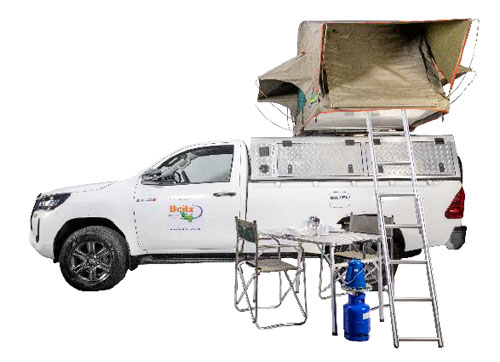
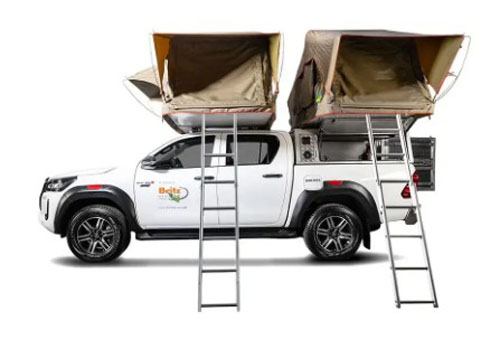
Choosing the right RV class is crucial for a comfortable and practical family trip. For couples seeking a more nimble and fuel-efficient option, a Class TC - Truck Camper, like the Patagonia Camper 4x4 double cab, is an excellent choice. These typically average around 5.6 meters in length, sleep 2 adults comfortably, and offer good fuel efficiency, often around 11 liters per 100 km, making them ideal for diverse South African roads.
For families, the Class C - Alcove motorhome is highly recommended. Models like the 29' Class C Motorhome comfortably accommodate up to 6 adults, providing ample living and sleeping space for a memorable family adventure. These vehicles typically maintain a fuel consumption of around 12 liters per 100 km, offering a good balance of space and efficiency.
Consider that Bandana's 'Rent & Plan' service can simplify your decision-making process. This service not only helps you find the perfect RV rental but also bundles it with a ready-made itinerary crafted by seasoned travel experts, offering full access to trip-planning software designed to eliminate the stress of organizing your family's South African journey.
How safe is RV travel in Johannesburg and South Africa?
RV travel in South Africa is generally considered safe, provided you adhere to common-sense safety practices. This makes it a viable and rewarding option for families. It's advisable to avoid night driving, particularly outside major urban areas, due to potential wildlife on roads, pedestrians, and general security considerations.
Always opt for secure parking, choosing well-lit, designated, and secure campsites or overnight parking spots, especially when visiting cities like Johannesburg or attractions like the Apartheid Museum or Gold Reef City. For longer-distance routes, such as the journey from Johannesburg to Kruger National Park, sticking to main, well-traveled roads is recommended. Plan your fuel stops in advance and remain aware of your surroundings in rest areas.
When visiting specific neighborhoods, like Soweto, it may be more practical and secure to join a reputable guided tour rather than navigating with a large RV, which might be less practical and potentially pose parking challenges. For solo female travelers, sharing your itinerary with family or friends, maintaining regular contact, and selecting campsites with good security and a community presence are important safety measures.
Finally, ensure your RV rental includes comprehensive roadside assistance and that you understand the procedures for breakdowns or accidents. Keeping local emergency numbers handy (Police: 10111, Ambulance: 10177, General Emergency: 112 from a cell phone) is also crucial for preparedness.
What are the practicalities of RVing in Johannesburg city?
Navigating Johannesburg city traffic with an RV can present challenges, especially during peak hours, due to congestion and the city's multi-lane highway system. It's essential to plan your routes meticulously to avoid narrow streets or densely populated areas that might be less RV-friendly.
Finding secure parking for major attractions like the Apartheid Museum or Gold Reef City requires advance planning. Look for designated paid, guarded parking lots, or consider using ride-sharing services from a secure campsite located on the city outskirts. Utilizing major highways like the N1 and N3 for city entry and exit is generally the most practical approach for RV drivers.
For in-city exploration, it's often more practical to use your RV as a secure, comfortable base at a reputable campsite (for example, in Centurion or on the Dinokeng periphery) and then utilize a smaller rented car or ride-sharing services for navigating the city. This helps avoid parking hassles and traffic stress.
Major service stations within the city are readily available for fuel and often have convenience stores. However, for larger grocery runs or to stock up on supplies, planning stops outside the immediate city center at larger supermarkets is advisable.
How much does a family RV rental trip in Johannesburg cost?
The overall cost of a family RV rental trip in Johannesburg can vary significantly, but it typically includes rental fees, fuel, toll fees, campsite expenses, activity costs, and a food budget. It's important to be aware of potential hidden costs that might not be immediately apparent. On the routes offered through RV PLANET routes, you can itemize and track every expense along the way for easy budgeting.
RV Rental Fees are dynamic and depend on the RV class, rental duration, and the season. For a family-sized Class C - Alcove motorhome, expect daily rates to fluctuate throughout the year. Always check for the most current pricing at the time of booking.
Fuel Consumption is a considerable factor, especially given South Africa's varied terrain and the distances involved. Bandana's Class SI and Class C RVs typically consume around 12 liters per 100 km, while a smaller Class TC averages about 11 liters per 100 km, making fuel a significant variable in your budget.
Toll Fees are present on many routes, particularly around major cities and on highways like the N1, N3, and N4. These can accumulate over longer distances, so it's wise to factor them into your overall budget.
Campsite Costs can range from basic municipal sites, typically costing around R200-R400 per night, to more luxurious private resorts with full amenities, which may range from R400-R800+ per night. Prices also vary by location; for instance, campsites within Kruger National Park are generally mid-range.
Activity Fees should also be budgeted for, including safari entry fees (Kruger National Park conservation fees are substantial), museum entries, cultural village visits, and any adventure activities your family wishes to experience.
Food Budgets can be managed effectively with RV travel, as self-catering significantly reduces expenses. Budget for groceries from supermarkets, but also allow for occasional meals at local restaurants or farm stalls to savor authentic South African cuisine.
Be mindful of potential Hidden Costs, such as additional insurance options, one-off preparation fees, gas bottle refills, and potential charges for exceeding included mileage allowances.
Is a 4x4 RV necessary for a family trip in South Africa?
For the majority of popular tourist routes and national parks accessible from Johannesburg, a standard motorhome is generally sufficient, and a 4x4 camper is typically not essential. Standard motorhomes, such as Class C - Alcove or Class SI - Semi-integrated models, are perfectly adequate for routes like the N4 to Kruger National Park, the scenic Panorama Route, or visits to parks like Pilanesberg and Golden Gate Highlands National Park.
A 4x4 camper becomes necessary only if your itinerary includes unpaved, challenging roads leading to very remote nature reserves, such as the Kgalagadi Transfrontier Park, or navigating specific mountain passes with rough terrain. Most major tourist attractions and national park main camps are accessible via well-maintained tarred roads. Even dirt roads within parks are usually graded and manageable for standard RVs, although it's always wise to check current road conditions locally.
Ultimately, the decision depends on your family's desired experiences. If you're seeking true off-road adventure and intend to explore undeveloped or remote areas, a 4x4 camper offers greater capability and freedom. However, for a comfortable and conventional family road trip focusing on major attractions and wildlife viewing, a standard, well-equipped RV is an ideal choice.
How can RVers experience local culture in South Africa?
RVing in South Africa offers fantastic opportunities for genuine local cultural immersion, allowing families to connect with communities and experience authentic traditions firsthand. One of the simplest ways to start is by embracing local etiquette; a friendly "Sawubona" (Zulu for hello) or "Dumela" (Sotho for hello) goes a long way in fostering positive interactions. Always ask permission before taking photos of people, and dress modestly when visiting traditional villages or religious sites.
Seek out unique food experiences by visiting roadside farm stalls, particularly along routes leading to Mpumalanga. These stalls are treasure troves of fresh produce, homemade preserves, and local delicacies like biltong. Exploring local markets, such as the Rosebank Art & Craft Market in Johannesburg or smaller town markets, is another great way to discover traditional crafts and sample street food like 'boerewors rolls' or the famous 'bunny chow.'
Connecting with local communities can be facilitated by choosing community-run campsites or those located near smaller towns, which often provide more opportunities for interaction. Consider visiting cultural villages, such as Lesedi Cultural Village near Johannesburg or those integrated within game reserves, to gain a deeper understanding of various ethnic groups' traditions, music, and dance. Supporting local businesses by purchasing goods and services from local vendors, including fuel stations and small shops, directly contributes to the local economy and enhances your cultural experience.
What are the essential logistics for RV travel in South Africa?
Essential logistics for RV travel in South Africa include knowing where to find reliable water sources and dump stations, understanding fuel availability, being aware of road conditions, and having crucial emergency contacts readily accessible.
Water & Dump Stations: Most established campsites and caravan parks across South Africa are well-equipped with fresh water fill-up points and grey/black water dump stations. It's prudent to plan your route to ensure regular access to these facilities, especially when traveling through more remote areas.
Gas Stations in Remote Areas: While major routes typically have frequent fuel stops, gas stations can be sparse in very remote regions like the Northern Cape or parts of Limpopo. Always make it a habit to fill up your RV's fuel tank whenever you have the opportunity, even if it's not completely empty.
Road Condition Updates: Utilizing up-to-date GPS systems and consulting with local tourism offices or campsite hosts for current road conditions is highly recommended, particularly if you plan to venture onto unpaved roads. Heavy rains, for instance, can significantly impact accessibility.
Emergency Contacts & Procedures: Keep a list of essential South African emergency numbers handy: Police (10111), Ambulance (10177), and the general Emergency number (112 from any cell phone). Ensure your RV rental provider offers 24/7 roadside assistance and that you understand their procedures for breakdowns or accidents. Familiarizing yourself with basic roadside repair kits and tire-changing procedures is also a good idea.
What You Shouldn't Miss
- Experiencing a thrilling Big Five safari in the malaria-free Pilanesberg National Park, a perfect day trip or overnight from Johannesburg.
- Standing at God's Window for panoramic views and exploring the geological wonders of the Blyde River Canyon on the Panorama Route.
- Immersing yourselves in the history and culture of Johannesburg by visiting the Apartheid Museum and perhaps taking a guided tour of Soweto.
- Witnessing the diverse wildlife of Kruger National Park, a truly world-class safari destination, with numerous RV-friendly camps.
- Delving into human origins at the Cradle of Humankind, a UNESCO World Heritage Site easily accessible from Johannesburg.
- Discovering the unique conservation efforts at the Moholoholo Wildlife Rehabilitation Centre near Hoedspruit, offering close encounters with rescued animals.
Final Thoughts
An RV rental in Johannesburg provides an unparalleled opportunity to explore the vibrant heart of South Africa at your own pace. From the cultural richness of the city to the incredible wildlife encounters in its surrounding national parks, a motorhome offers the perfect blend of adventure and comfort for the whole family.
With Bandana Caravan, you can compare options from top suppliers, ensuring you find the ideal vehicle for your needs. Remember to utilize resources like RV PLANET (rvplan.net) to pinpoint the best campsites along your chosen route. We're dedicated to making your RV journey planning as seamless and enjoyable as the trip itself.
Find Motorhome Rentals in Johannesburg