In This Guide
- Best Croatia RV Itinerary for family rv rental - Overview
- 7-Day Classic Route in Croatia
- 14-Day Extended Journey in Croatia
- Recommended RVPlan Trip for Croatia
- Must-See Stops Along the Way (Avi Bandana Picks)
- Daily Driving Distances & Drive Times in Croatia
- Best RV Class for This Itinerary - Couple & Family Picks
- How much does it cost to rent an RV in Croatia?
- What is the best time to RV in Croatia?
- Where can you RV camp in Croatia?
- What are the rules for wild camping in Croatia?
- Are there specific RV challenges in Croatia?
- How can families experience local Croatian culture with an RV?
- What are some hidden gems for RVers in Croatia?
- Can you travel Croatia by RV with pets?
- How can I make my RV trip to Croatia sustainable?
Best Croatia RV Itinerary for family rv rental - Overview
A family RV rental in Croatia offers an unparalleled blend of coastal beauty, historical sites, and national parks, making it an ideal destination for an unforgettable road trip. Recommended durations range from a minimum of 7 days for a classic coastal loop to an extended 14-day journey covering diverse regions, ensuring a relaxed pace for families. A 7-day itinerary typically involves 500-700 km (310-435 miles) of driving, while a 14-day adventure can span 1000-1400 km (620-870 miles), allowing ample time to immerse in the scenery and culture. The best season for family RV travel in Croatia is during the shoulder seasons (April-May and September-October) for pleasant weather, fewer crowds, and lower prices, though summer (June-August) is perfect for swimming and peak activities. For live availability and current prices, start with our RV Rental Croatia - Complete Guide 2026 guide. We are true RV specialists, focusing exclusively on RV travel to help you find the perfect rental for your family.7-Day Classic Route in Croatia
This 7-day route focuses on the stunning Dalmatian coast and a taste of inland natural beauty, ideal for families seeking sun, sea, and adventure without excessive driving. Begin your family RV trip in Croatia by exploring the vibrant city of Split and its ancient history.Day 1: Arrive Split & Explore
Start City: Split → End City: Split. Distance: 0 km.
Highlights: Discover Diocletian's Palace, stroll along the Riva promenade, and enjoy panoramic views from Marjan Hill.
Where to Sleep: Camping Stobrec Split.
Day 2: Split to Trogir & Krka National Park
Start City: Split → End City: Skradin (near Krka NP). Distance: ~80 km.
Highlights: Wander through UNESCO-listed Trogir Old Town and experience the breathtaking waterfalls of Krka National Park, especially Skradinski Buk.
Where to Sleep: Camp Skradinske Ledince.
Day 3: Krka National Park to Zadar
Start City: Skradin → End City: Zadar. Distance: ~80 km.
Highlights: Enjoy Zadar's unique Sea Organ, the mesmerizing Greeting to the Sun, and the historical Roman Forum.
Where to Sleep: Falkensteiner Premium Camping Zadar.
Day 4: Zadar & Paklenica National Park
Start City: Zadar → End City: Zadar. Distance: ~0-50 km (for Paklenica visit).
Highlights: Take a day trip to Paklenica National Park for easy family hikes or explore Zadar's vibrant local markets.
Where to Sleep: Falkensteiner Premium Camping Zadar.
Day 5: Zadar to Plitvice Lakes National Park
Start City: Zadar → End City: Plitvice Lakes area. Distance: ~130 km.
Highlights: Witness the iconic turquoise lakes and cascading waterfalls of Plitvice Lakes National Park, a UNESCO World Heritage site.
Where to Sleep: Camp Korana.
Day 6: Plitvice Lakes to Zagreb
Start City: Plitvice Lakes area → End City: Zagreb. Distance: ~140 km.
Highlights: Explore Zagreb's charming Upper Town, visit St. Mark's Church, and discover the historic Stone Gate.
Where to Sleep: Camp Zagreb.
Day 7: Depart from Zagreb
Start City: Zagreb → End City: Zagreb. Distance: 0 km.
Highlights: Enjoy last-minute souvenir shopping or visit a fascinating museum before your departure.
14-Day Extended Journey in Croatia
This 14-day itinerary offers a deeper dive into Croatia's diverse landscapes, from its bustling capital and pristine national parks to its stunning coastline and charming inland villages, ensuring an average daily driving distance of well under 150 km (100 miles) for a truly relaxed experience. Traveling slowly, at a maximum of 100-150 km per day on average, allows you to truly feel the place, connect to the culture, the food, and the scenery. For comprehensive planning, our "Rent&Plan" service provides pre-planned routes by professionals, making your trip seamless.Days 1-2: Capital Exploration & Northern Charms (Zagreb)
Day 1: Arrive in Zagreb, explore the city center, including the Upper Town and Dolac Market. Sleep: Camp Zagreb.
Day 2: Take a day trip to Samobor for its charming town and famous kremšnita cake, or visit Kumrovec's Ethno Village. Sleep: Camp Zagreb.
Days 3-5: Lakes and Waterfalls (Plitvice & Zadar Region)
Day 3: Drive from Zagreb to Plitvice Lakes National Park. Distance: ~140 km. Sleep: Camp Korana.
Day 4: Spend a full day exploring Plitvice Lakes National Park's natural wonders. Sleep: Camp Korana.
Day 5: Journey from Plitvice Lakes to Zadar. Distance: ~130 km. Explore Zadar's unique Sea Organ and Greeting to the Sun. Sleep: Falkensteiner Premium Camping Zadar.
Days 6-8: Dalmatian Coast & Rivers (Paklenica, Krka, Šibenik)
Day 6: Enjoy Zadar and take an easy family hike at Paklenica National Park. Sleep: Falkensteiner Premium Camping Zadar.
Day 7: Travel from Zadar to Šibenik, exploring St. James Cathedral, then on to Krka National Park. Distance: ~80 km. Sleep: Camp Skradinske Ledince (near Krka NP).
Day 8: Dedicate a full day to enjoying the beauty of Krka National Park. Sleep: Camp Skradinske Ledince.
Days 9-11: Central Dalmatian Gems (Split, Trogir, Omiš)
Day 9: Drive from Šibenik/Krka to Split. Distance: ~90 km. Explore Split's Diocletian's Palace, with Trogir nearby for a historical detour. Sleep: Camping Stobrec Split.
Day 10: Relax at a beach in Split or visit the ancient Salona ruins. Sleep: Camping Stobrec Split.
Day 11: Head to Omiš and the Cetina River. Distance: ~30 km. Enjoy river rafting, zip-lining, or visit the pirate fortress. Sleep: Camping Galeb, Omiš.
Days 12-14: Return Journey & Inland Delights
Day 12: Travel from Omiš to rural Lika-Senj County (e.g., near Gospić or Perušić). Distance: ~100 km. Discover local farm stays, traditional cuisine, and the Velebit Nature Park. Sleep: Small family campsite or farm stay. For finding campsites and campgrounds during your trip, we recommend using RV PLANET a great resource for locating available spots along your route.
Day 13: Explore Lika-Senj further, perhaps with a visit to Barać Caves. Drive towards the Karlovac region. Distance: ~80-100 km. Sleep: Autocamp Slapić.
Day 14: Final drive from Karlovac to Zagreb for departure. Distance: ~60 km. Enjoy a final Croatian meal before heading home.
Recommended RVPlan Trip for Croatia
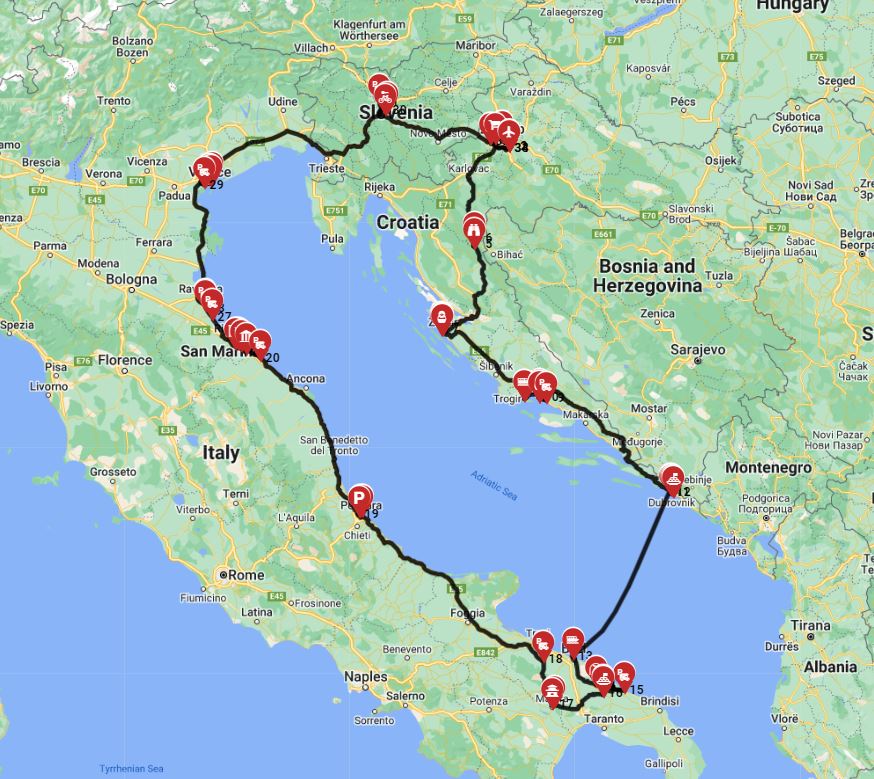
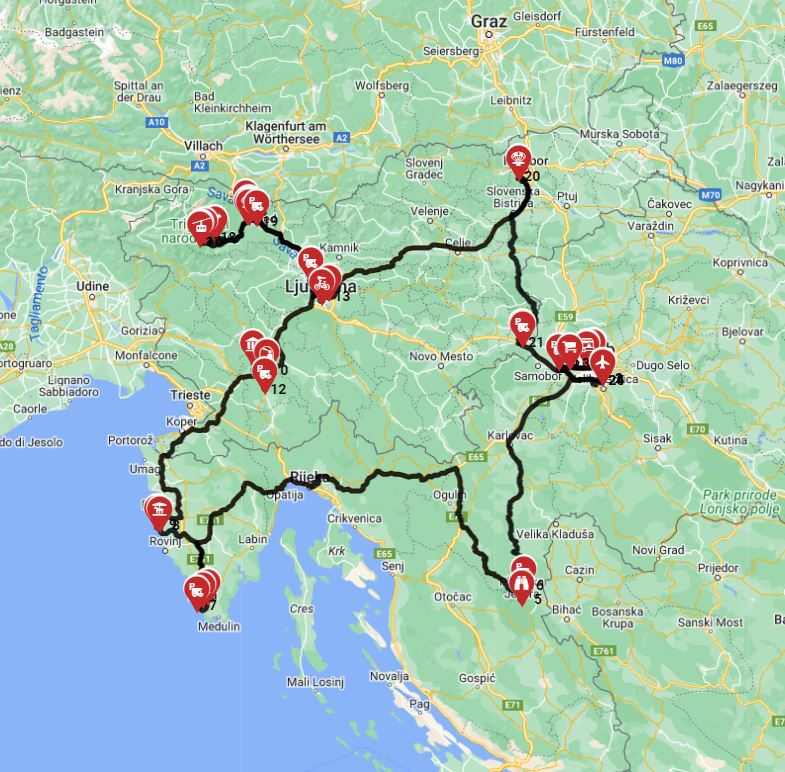
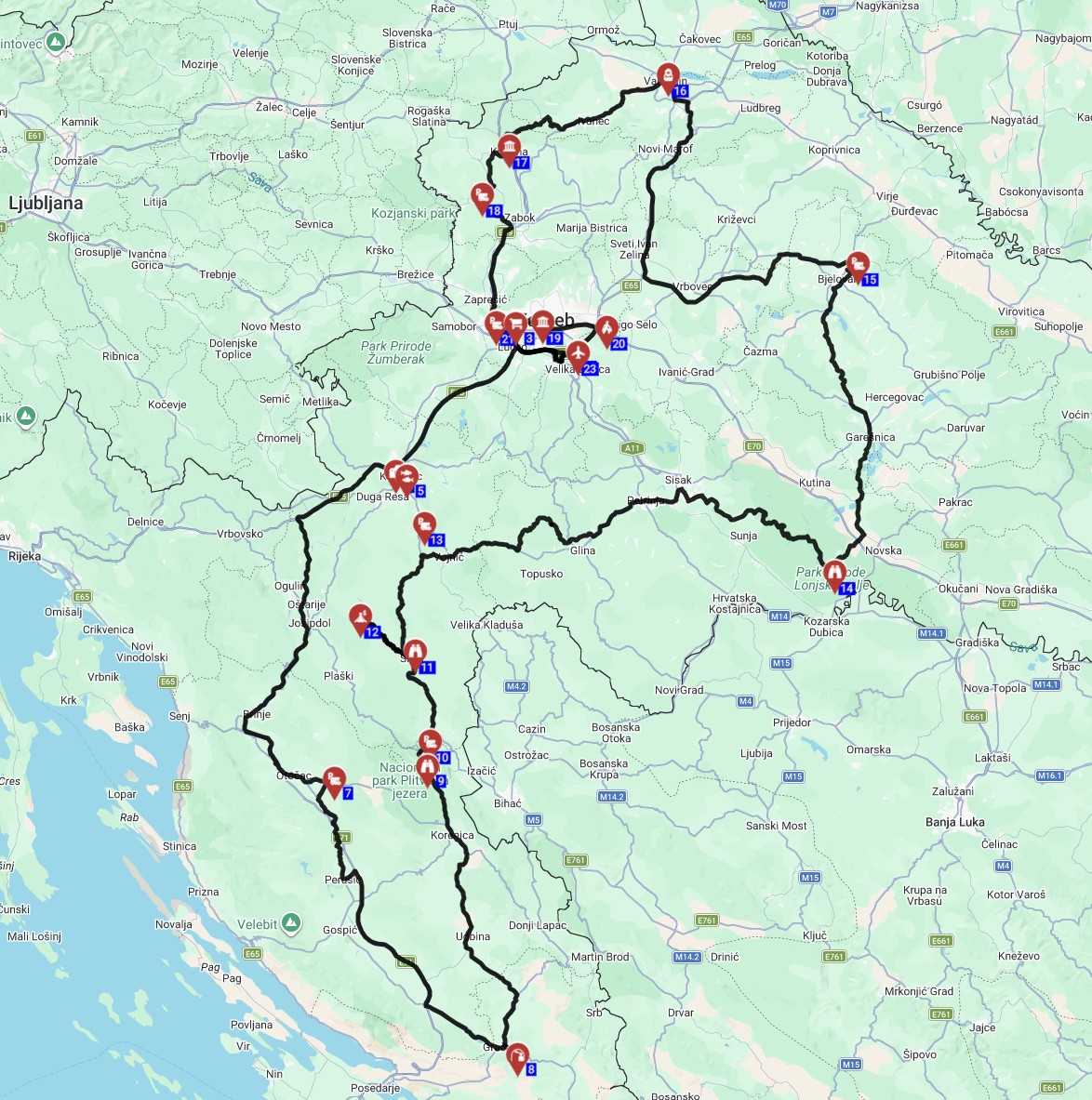
For an extensive European RV adventure that encompasses Croatia, the RVPlan trip "Venice Roundtrip - South - Adriatic sea, Croatia, Slovenia, Italy" offers a comprehensive itinerary, designed by professionals to minimize planning stress. This detailed plan covers a total of 2682.9 km over 22 days, beginning and ending in Venice, providing a thorough exploration of the Adriatic region including Slovenia and Italy alongside Croatia. Families can access the full itinerary, including detailed routes, points of interest, and camping suggestions, via RV PLANET. This longer journey is ideal for families with more time, allowing for a relaxed pace and deep cultural immersion across multiple countries. Another excellent option for an RV trip from a nearby hub is the "Zagreb Roundtrip - Croatia & Slovenia" itinerary, which spans 15 days and covers 1250.7 km. This route starts and ends in Croatia's capital, offering a diverse experience with 1 amusement park, 2 historical sites, and 1 water park, along with opportunities for extreme activities like canoe/kayak/rafting. For those interested in exploring beyond Croatia's borders, the "Ljubljana Roundtrip - Adriatic sea Round -> Slovenia, Croatia & Italy" route plan is an option. This 16-day journey covers 2060.1 km, providing a mix of 2 amusement parks, 3 historical sites, and 4 traditional visits across Slovenia, Croatia, and Italy.Must-See Stops Along the Way (Avi Bandana Picks)
To truly connect with local culture during your family RV trip in Croatia, Avi Bandana recommends focusing on authentic experiences that go beyond typical tourist attractions. Prioritize these unique stops to immerse your family in the heart of Croatian life.- Traditional Markets: Visit at least four traditional markets, such as Dolac Market in Zagreb, the Green Market in Split, or local markets in Zadar. These vibrant hubs are perfect for tasting local produce, interacting with friendly vendors, and experiencing daily Croatian life.
- Traditional Restaurants / Fine Dining (Konobas): Seek out four family-run 'konobas' (taverns) or traditional restaurants. In cities, ask locals for their best recommendations, or venture into smaller villages to find authentic, homemade Croatian cuisine that has been passed down through generations. For inspiration on cooking within your RV, check out our RV-friendly recipes playlist.
- Traditional Visits: Plan for at least four 'traditional visits' like exploring the historic core of Trogir, the UNESCO-listed St. James Cathedral in Šibenik, or the charming hilltop towns of inland Istria such as Motovun or Grožnjan. These offer a fascinating glimpse into Croatia's rich heritage and architectural beauty.
- Local Industry: Discover a local industry point of interest, such as a family-run olive oil mill in Istria, a vineyard on the Pelješac Peninsula, or a craft workshop in a smaller village. This provides valuable insight into local crafts and production methods, directly supporting the local economy and offering unique souvenirs.
Daily Driving Distances & Drive Times in Croatia
Avi Bandana recommends a maximum of 100 miles or 150 km per day on average when RVing in Croatia to ensure a relaxed pace and ample time for exploration, especially for families. This philosophy allows families to truly savor the journey, make spontaneous stops, and avoid rushed travel, rather than simply driving between major cities. It's about experiencing the local culture and enjoying the scenery at your own speed. For example, the drive from Split to Dubrovnik, a popular coastal route, is approximately 230 km (140 miles) and typically takes around 3-4 hours, which would be ideal to split over two leisurely days with an overnight stop at a charming town like Omiš. A trip from Zagreb to Plitvice Lakes National Park is about 140 km (87 miles), taking roughly 2 hours, making it a perfect single-day drive that respects the recommended limit. The journey from Zadar to Krka National Park is an even shorter 80 km (50 miles), translating to about 1 hour of driving, leaving plenty of time to enjoy the park and surrounding area. Remember, driving slowly and carefully allows you to navigate almost anywhere without issues; there is no need to stress, just use common sense and pay attention.Best RV Class for This Itinerary - Couple & Family Picks
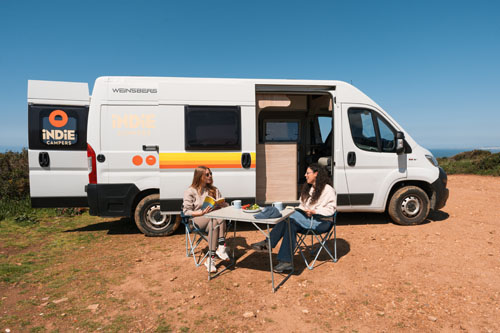
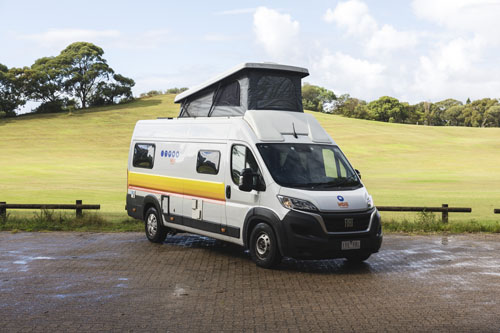
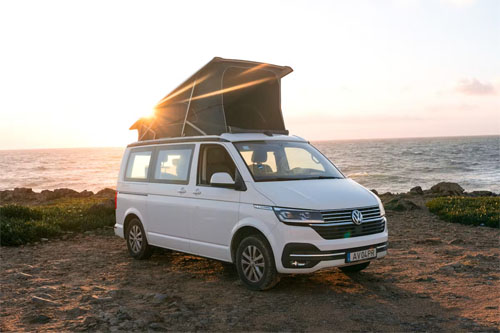
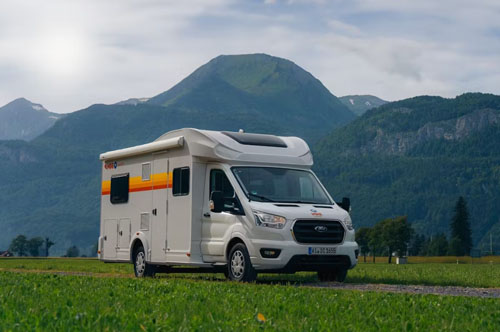
Choosing the right RV class is crucial for a comfortable family rental experience in Croatia, balancing interior space with maneuverability on varied roads. Bandana RV offers a range of motorhomes and campervans perfectly suited for your Croatian adventure. For couples or small families (2-3 people), the Class B - Camper Van is an excellent choice. Our global fleet typically features Camper Vans with an average length of 5.8 meters, offering sleeping places for 3.2 and accommodating 2.7 adults comfortably. Their compact size makes navigating narrower Croatian roads and finding parking easier, while still providing essential amenities like a shower and toilet. These are ideal for urban exploration and quick getaways. For larger families (4+ people), the Class C - Alcove motorhome is highly recommended. Bandana's global fleet averages 7.5 meters in length, with ample sleeping places for 5.8 and suitable for 4.4 adults. This class provides significantly more living and storage space, which is crucial for family comfort during an extended trip. A vehicle like the "24' Class C Motorhome" with a fresh water tank of 166 liters and a fuel tank of 208 liters is well-equipped for longer journeys. Another popular option for families is the "MHC24", offering sleeping places for 6 with a full kitchen including a 3-4 burner gas stove and 283-liter refrigerator, perfect for preparing family meals on the go. To remove the planning headache, consider Bandana's "Rent&Plan" service, which combines your RV rental with a ready-made itinerary crafted by travel experts, offering full access to trip-planning software for a seamless experience. This allows you to select a suitable vehicle and have a professionally designed route plan, ensuring every detail is considered.How much does it cost to rent an RV in Croatia?
The cost of renting an RV in Croatia can vary significantly based on the season, RV class, rental duration, and additional services, typically ranging from €70 to €200+ per day for the rental itself. Understanding all potential expenses helps in budgeting a family RV rental in Croatia. For more detailed pricing insights, refer to our RV Rental in Croatia - Prices and Best Deals 2026 guide.- Rental Cost: Expect lower prices in the shoulder seasons (April-May, September-October), with a Class C Alcove potentially costing €100-150/day. Rates climb higher during peak summer (June-August) to €150-250+/day. For budget-conscious travelers, exploring options in our Cheap RV Rental in Croatia - Budget Guide 2026 can be beneficial, while those seeking premium experiences might check out Luxury RV Rental in Croatia - Premium Prices 2026.
- Fuel: Croatia primarily uses diesel for most RVs. A typical Bandana Class C Alcove model consumes about 10-12 liters/100 km. With current fuel prices, budgeting €15-20 per 100 km is a realistic estimate.
- Tolls: Major highways in Croatia are toll roads, which can add €5-€20 per segment depending on the route and vehicle class. Budget around €50-€100 for tolls on a typical 7-14 day coastal trip.
- Camping Fees: Campsite prices vary significantly, ranging from €20-€30 per night for basic pitches in shoulder season to €50-€80+ for premium spots in popular coastal campsites during summer, often including electricity and water.
- Food: Groceries for self-catering can save money, budgeting €50-€80 per day for a family of four. Eating out at local 'konobas' might cost €15-€30 per person per meal.
- Activity Costs: Factor in entrance fees for national parks (e.g., Plitvice Lakes is €10-€40 per person depending on season), boat tours, or adventure activities, budgeting €100-€300+ for a family over a week. Our RV PLANET routes allow you to itemize and track every expense for easy budgeting.
What is the best time to RV in Croatia?
The best time to RV in Croatia for families is generally during the shoulder seasons-late April to early June and September to early October-offering pleasant weather, fewer crowds, and more favorable prices. Each season in Croatia provides distinct advantages and considerations for RV travel.- Spring (April-May): Pros include blooming landscapes, ideal temperatures (15-25°C or 59-77°F) for hiking and sightseeing, and lower campsite costs. Cons are that the sea might still be too cool for swimming, and some smaller coastal businesses may not yet be fully operational for the season.
- Summer (June-August): Pros are warm sea temperatures (22-26°C or 72-79°F) perfect for swimming, all attractions and services fully operational, and vibrant coastal life. Cons include high crowds, peak prices for RV rentals and campsites, and very hot temperatures, especially in July and August, which can reach 30-35°C (86-95°F).
- Autumn (September-October): Pros offer still-warm sea for swimming, pleasant temperatures (18-25°C or 64-77°F) for exploring, numerous harvest festivals, and decreasing tourist numbers. Cons can be the risk of increased rainfall towards late October and some seasonal closures starting in smaller towns.
- Winter (November-March): RVing in winter is possible but challenging, with many campsites and coastal businesses closed. Pros are serene landscapes, extremely low prices, and unique winter experiences like Christmas markets in Zagreb. Cons include cold weather, limited access to services, and potentially difficult road conditions in mountainous areas due to snow.
Where can you RV camp in Croatia?
In Croatia, RV campers have a wide range of official camping options, from large, amenity-rich resorts along the coast to smaller, family-run sites and unique private farm stays, offering diverse experiences for every family. Croatia boasts over 150 registered campgrounds, with 70-75% located along the Adriatic coast.- Large Coastal Campsites: Popular destinations like Istria, Kvarner, and Dalmatia boast numerous modern campsites offering swimming pools, restaurants, entertainment for kids, and direct beach access. Examples include Lanterna Premium Camping Resort in Poreč, or Zaton Holiday Resort near Zadar, which offers extensive facilities for families.
- Small Family-Run Campsites: For a more intimate experience, look for smaller, often rural, family-owned campsites that provide a personal touch, local food, and a quiet atmosphere. These are great for connecting with local communities.
- Naturist Camps (FKK): Croatia is well-known for its dedicated naturist campsites, predominantly found along the Istrian and Kvarner coasts, offering full facilities for those preferring textile-free holidays in designated zones.
- Glamping Sites: Several locations now offer glamping (glamorous camping) options with fully equipped tents or mobile homes, combining the outdoor experience with luxury and comfort.
- Private Farm Stays (Odmorišta na selu): To experience true local culture and support local economies, seek out private farm stays or 'rural households' that offer RV pitches, often with essential amenities, and an opportunity to taste local produce.
- National Park Campsites: Some national parks, like Plitvice Lakes National Park, have designated campsites nearby (e.g., Camp Korana), providing convenient access to natural wonders. Remember, many national and state parks reserve only 25-30% of their spots for advance booking, with the rest being first-come, first-serve. You'll find a spot; if not at the first campground, then at the next one. Always call ahead before driving!
What are the rules for wild camping in Croatia?
Wild camping, which includes sleeping in an RV outside of designated campsites, is strictly prohibited by law across all of Croatia, with fines rigorously enforced. This prohibition applies to parking lots, beaches, national parks, and any non-designated areas, regardless of whether you are in a camper van or a larger motorhome. Authorities actively monitor popular areas, especially along the coast and near national parks, and will issue substantial fines to offenders, often ranging from €100 to €500 or more. Instead of attempting wild camping, visitors are strongly encouraged to use the extensive network of official campsites, private farm stays, and designated overnight parking areas to ensure legal compliance, avoid penalties, and support local tourism infrastructure. Embracing these legal alternatives can lead to unique and rewarding experiences, such as meeting local hosts at a farm stay or enjoying the amenities of a well-equipped campsite.Are there specific RV challenges in Croatia?
RV travel in Croatia presents unique challenges, particularly concerning narrow roads, parking, and specific services, which can be overcome with careful planning and awareness, ensuring a smooth family adventure.- Navigating Narrow Medieval Village Streets: Many picturesque coastal towns and historic villages, like those in Istria or Dalmatia, have very narrow streets that are often inaccessible or challenging for larger RVs. It's advisable to park outside town centers and explore on foot or use public transport. Drive slowly and carefully, and you can drive almost anywhere without issues. No need to stress - just use common sense and pay attention.
- Finding Suitable Parking: Parking for larger RVs can be difficult in popular towns, especially during peak season. Always look for designated RV parking lots or use paid parking areas, as regular car parks might not accommodate the vehicle's size. Researching parking in advance can save time and frustration.
- Managing Waste Responsibly: Responsible waste disposal is crucial in Croatia. Always use designated dump stations at official campsites for greywater and blackwater, and be mindful of general waste in natural areas. Croatia has good recycling initiatives in most towns; contribute by sorting your trash appropriately.
- Finding Specific RV Services: While most major campsites offer essential services (water, electricity, waste disposal), specialized RV services like specific repair shops or parts stores might be harder to find outside of larger cities like Zagreb or Split. It's wise to carry essential spare parts and have roadside assistance coverage, and remember to coordinate any pre-booking or post-booking support with Bandana's specialists.
How can families experience local Croatian culture with an RV?
Families traveling by RV in Croatia can immerse themselves in local culture by actively seeking out authentic experiences beyond mainstream tourist attractions, fostering deeper connections with the country.- Visit Local Markets: Engaging with local life begins at the market. Explore bustling markets like Split's Pazar or Zagreb's Dolac Market to purchase fresh local produce, regional cheeses, and homemade olive oil, encouraging genuine interaction with local vendors. This is a fantastic way to stock your RV kitchen with fresh ingredients.
- Dine at Family-Run Konobas: Prioritize eating at traditional, family-run 'konobas' (taverns) in smaller towns or villages. These establishments often serve authentic, seasonal Croatian dishes passed down through generations, offering a true taste of local hospitality and cuisine.
- Participate in Local Events: Check local tourism boards for festivals, folk performances, or religious celebrations happening during your visit. These events provide a vibrant insight into Croatian traditions and community life, often with music, dancing, and local food.
- Explore Non-Touristy Villages: Venture off the main coastal routes into the charming, less-visited villages of inland Istria, Lika, or Slavonia. Here, families can discover traditional architecture, quiet daily life, and often find unique local crafts or products.
- Consider Farm Stays: Opting for a private farm stay allows families to connect directly with local farmers, learn about rural life, and sample farm-to-table cuisine, providing a deeper cultural connection and supporting local economies.
What are some hidden gems for RVers in Croatia?
Beyond the popular coastal hotspots, Croatia offers numerous hidden gems that are RV-friendly and provide unique family experiences, from serene wine routes to captivating rural farm stays. To truly discover the heart of Croatia, venture slightly off the well-trodden path.- Inland Istria: Move beyond the bustling coast to explore medieval hilltop towns like Grožnjan and Motovun, renowned for their truffles and stunning panoramic views. RV-friendly campsites exist throughout the region, and scenic drives wind through picturesque vineyards and olive groves, offering a taste of Croatia's gourmet heartland.
- Slavonia: For a completely different side of Croatia, venture east to Slavonia. This region offers expansive plains, ancient oak forests, and a rich culinary tradition distinct from the coast. Explore the Kopački Rit Nature Park, visit traditional Pannonian villages, and sample excellent local wines along the Slavonian Wine Route. Smaller, rustic campsites are readily available here.
- Lika-Senj County: Nestled between the coast and inland, this county is home to the majestic Velebit mountains and offers excellent hiking trails and charming rural farm stays. It's significantly less crowded than the coastal areas, providing abundant opportunities for nature immersion and authentic rural experiences, including bear sanctuaries and the Barać Caves.
- Pelješac Peninsula (Beyond Ston): While Ston is famous for its impressive walls and ancient salt pans, driving further into the Pelješac Peninsula reveals renowned wineries (producing celebrated wines like Postup and Dingač), oyster farms in Mali Ston Bay, and secluded beaches perfect for RV parking near small, family-run campsites.
- Cetina River Region (near Omiš): While Omiš is somewhat known for its pirate history, the Cetina River canyon itself offers a wealth of activities like thrilling rafting, exhilarating zip-lining, and opportunities to explore ancient fortresses, with several small campsites located conveniently along the riverbanks, providing adventure away from the main coastal crowds.
Can you travel Croatia by RV with pets?
Traveling Croatia by RV with pets is generally permissible and enjoyable, provided owners adhere to specific regulations regarding pet documentation, entry requirements, and thoughtfully choose pet-friendly accommodations. This is a common question for families planning a family RV rental in Croatia.- Entry Regulations: Pets (dogs, cats, ferrets) entering Croatia from other EU countries must have an EU pet passport, be microchipped, and be vaccinated against rabies at least 21 days prior to entry. For non-EU countries, additional health certificates and possibly blood tests are required. Always check the latest official government guidelines before travel.
- Pet-Friendly Campsites: Many Croatian campsites, especially larger ones, warmly welcome pets, often with designated areas for walking and sometimes even dog showers. However, it's crucial to confirm specific pet policies and any additional fees directly with the campsite when booking, as some may have restrictions on breed or size.
- Public Transport: Pets are generally allowed on public transport (buses, ferries) but must be kept in carriers or on a leash with a muzzle, and there might be a small additional fee. Always check specific company rules for each mode of transport as they can vary.
- National Parks & Beaches: Pets are typically allowed in national parks on a leash, but often restricted from entering the lake/waterfall areas or specific buildings to protect wildlife and maintain cleanliness. Many beaches have designated 'dog beaches,' while others strictly prohibit pets. Always look for clear signage or inquire locally.
- Practical Tips: Ensure your pet has plenty of water, especially during the hot summer months. Bring their familiar food and any necessary medications. A travel crate can be useful for safety during drives and for creating a secure space at campsites. Always clean up after your pet promptly and responsibly to maintain good RV etiquette.
How can I make my RV trip to Croatia sustainable?
Making your RV trip to Croatia sustainable involves minimizing environmental impact, actively supporting local economies, and respecting the cultural customs of the communities you visit, contributing positively to your journey. Sustainable travel ensures that Croatia's natural beauty and rich heritage remain preserved for future generations.- Minimize Environmental Impact: Reduce waste by consistently carrying reusable water bottles, shopping bags, and food containers. Properly sort and recycle waste at designated points available in most campsites or towns. Conserve water and electricity diligently at campsites, and critically, avoid littering, especially in natural areas and national parks.
- Support Local Economies: Make a conscious effort to purchase food and goods from local markets and small, independent businesses rather than large supermarket chains. Dine at family-run 'konobas' (taverns) that proudly source local ingredients. Engage with local guides for tours, and buy handicrafts directly from artisans, ensuring your money directly benefits the community.
- Respect Local Customs: Familiarize yourself with Croatian customs and traditions before and during your trip. Dress modestly when visiting religious sites, such as churches or monasteries. Always be polite and patient, especially when dealing with language barriers. Learning a few basic Croatian phrases (e.g., 'Dobar dan' - 'Good day', 'Hvala' - 'Thank you', 'Molim' - 'Please') can significantly enhance your interactions and show respect.
- Responsible National Park Visits: Adhere to all rules and regulations within national parks and other protected natural areas. Stay strictly on marked trails, never pick plants or disturb wildlife, and ensure you leave absolutely no trace behind, packing out everything you pack in.
- Ethical Wildlife Tourism: If engaging in wildlife watching activities, choose ethical operators who prioritize animal welfare and the preservation of natural habitats, and always avoid any activities that exploit animals for entertainment.
🎬 Video coming soon
What You Shouldn't Miss
Croatia offers a tapestry of experiences for RV travelers, and some spots truly stand out for a family adventure. Beyond the well-known, these experiences promise authentic memories.- Explore the Ancient Walls of Ston: Drive your motorhome to the Pelješac Peninsula and marvel at the magnificent medieval walls of Ston, often called the "European Great Wall." These 5.5 km long fortifications are a unique historical site that kids will love to explore.
- Island Hopping with Your Campervan: Take a ferry from Split or Zadar to islands like Brač or Hvar. Many ferries accommodate RVs, offering a chance to discover secluded beaches and charming island towns. Remember to book ferry tickets for your RV in advance, especially in peak season.
- Visit the Museum of Broken Relationships in Zagreb: This quirky and poignant museum in Zagreb offers a surprisingly engaging experience, even for older kids, and provides a unique perspective on human emotions and storytelling.
- Discover the Roman Amphitheater in Pula: In Istria, the impeccably preserved Roman Amphitheater in Pula offers a grand historical backdrop. Imagine gladiators battling as you walk through this impressive structure, a fantastic educational stop for the whole family.
- Kayaking or Rafting on the Cetina River: Near Omiš, the Cetina River provides an adventurous day out with options for family-friendly kayaking or rafting through its stunning canyon, a refreshing break from historical sites.
- Taste Local Delicacies at a Konoba in Rural Istria: Venture into central Istria to find a traditional konoba serving local specialties like truffles or fuži pasta. This culinary experience will be a highlight, connecting you to Croatian gastronomic traditions.
Final Thoughts
Embarking on a family RV adventure in Croatia truly offers an unparalleled way to explore this stunning country, providing the freedom to chase waterfalls, uncover ancient cities, and relax on sun-drenched coasts at your own pace. With Bandana Caravan, you’re not just renting a motorhome; you’re gaining a dedicated partner who ensures every detail, from transparent pricing to expert route plans, is handled with care. Imagine waking up to new scenery each day, with the comfort of your mobile home and the certainty that support is just a call away. Croatia is ready to enchant your family with its diverse landscapes and rich culture, and an RV rental is the perfect vehicle for discovery. Get inspired for your next trip! Discover top destinations and planning tips, all in one place with Bandana. We empower you to plan a trip itinerary in advance with minimal effort and maximum enjoyment, promising an unforgettable journey through the heart of Europe. Compare Family RV Rental Prices for Croatia NowOn the routes offered through RV PLANET routes, you can itemize and track every expense along the way for easy budgeting.