For live availability and current prices, start with our RV Rental West Europe - Complete Guide 2026 guide.
In This Guide
- Can You Drive an RV in West Europe? License & Age Rules
- Road Conditions & Terrain in West Europe
- RV Size Limits, Bridges & Restricted Zones
- Fuel: Diesel vs. Petrol & Cost per 100 km
- Tolls, Vignettes & Border Rules
- Driving Tips for family rv rental Travelers
- Recommended RV Class for West Europe Roads
- Should I Choose a Compact Van Instead of a Large RV in West Europe?
- Can I Park Anywhere? Free & Wild Camping Rules in West Europe
- Can I Drive an RV Into the City Center? Heights, Tunnels & Local Signage
- What is the best RV rental company in Europe?
- Can I rent an RV in one country and drop it off in another in Europe?
- How much does it cost to rent an RV in Europe for a week?
- What is the difference between an RV and a motorhome in Europe?
- Is it worth it to RV in Europe?
- What is the easiest country to RV in Europe?
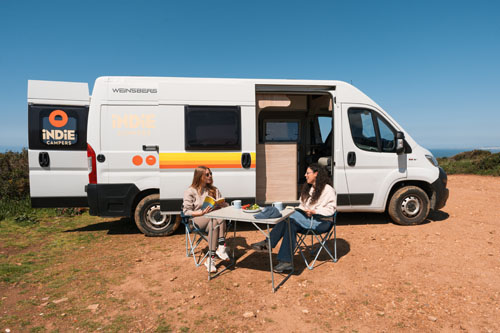
Imagine yourself and your family on an unforgettable road trip, winding through the charming villages, majestic mountains, and historical cities of West Europe. Renting a motorhome or campervan offers unparalleled freedom to explore this diverse region at your own pace, creating memories that will last a lifetime. Whether you dream of picturesque coastal drives in Portugal, hiking in the Swiss Alps, or tasting local delicacies in France, a family rv rental in West Europe makes it all possible. For live availability and current prices, start with our RV Rental West Europe - Complete Guide 2024 guide, which provides extensive information to kickstart your adventure.
Can You Drive an RV in West Europe? License & Age Rules
You can absolutely drive an RV in West Europe with the right license and a minimum age requirement of typically 21 years old for most rental vehicles. For motorhomes weighing up to 3,500 kg, a standard B category driver's license (the same one used for most passenger cars) is usually sufficient. This covers the majority of campervans and smaller Class C or Class SI motorhomes perfect for a family adventure. However, for larger RVs that weigh between 3,500 kg and 7,500 kg, a C1 license might be required. It's always best to confirm the specific weight (Gross Vehicle Weight or GVW) of your chosen rental caravan and verify it against your license category before booking to ensure full compliance.
Many suppliers also require drivers to have at least 2 years of driving experience, in addition to meeting the minimum age. For visitors from non-EU countries, an International Driving Permit (IDP) is highly recommended. While not always legally mandatory, an IDP, paired with your domestic license, helps simplify interactions with local authorities and rental agencies, translating your driving credentials into multiple languages. Bandana is committed to full transparency, so all licensing and age requirements will be clearly outlined during the booking process, ensuring no hidden surprises.
Road Conditions & Terrain in West Europe
West European road conditions are generally excellent, offering a vast network of well-maintained motorways, national, and regional roads that make RV travel enjoyable. Countries like Germany are renowned for their autobahns, while France boasts a comprehensive system of autoroutes, all designed for smooth and efficient travel. The terrain across West Europe is incredibly varied, from the flat, accessible plains of the Netherlands and Northern Germany to the dramatic, winding roads and steeper inclines found in the Alps (Switzerland, Austria, French Alps) and the Pyrenees (France, Spain).
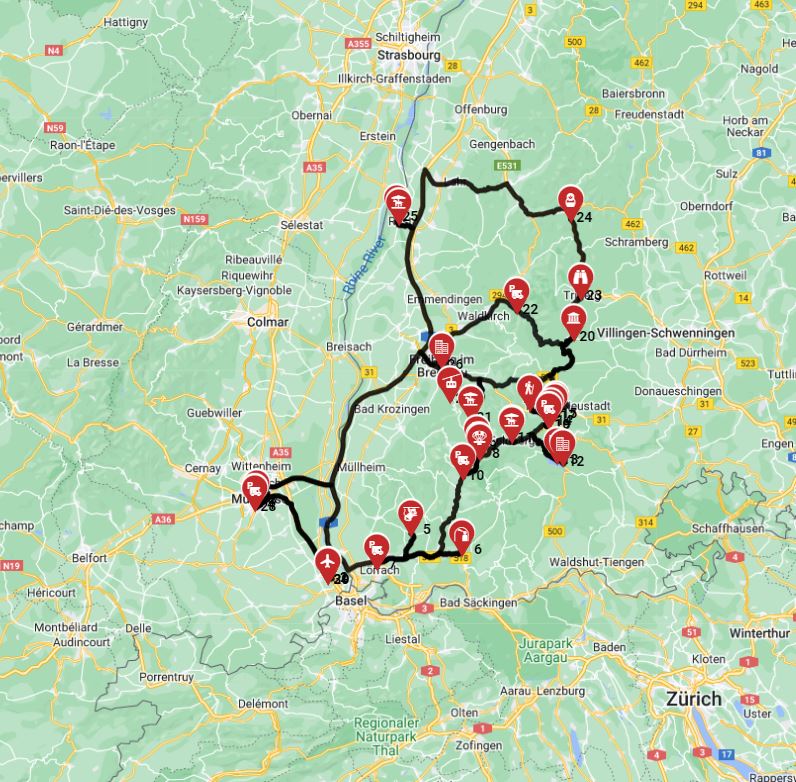
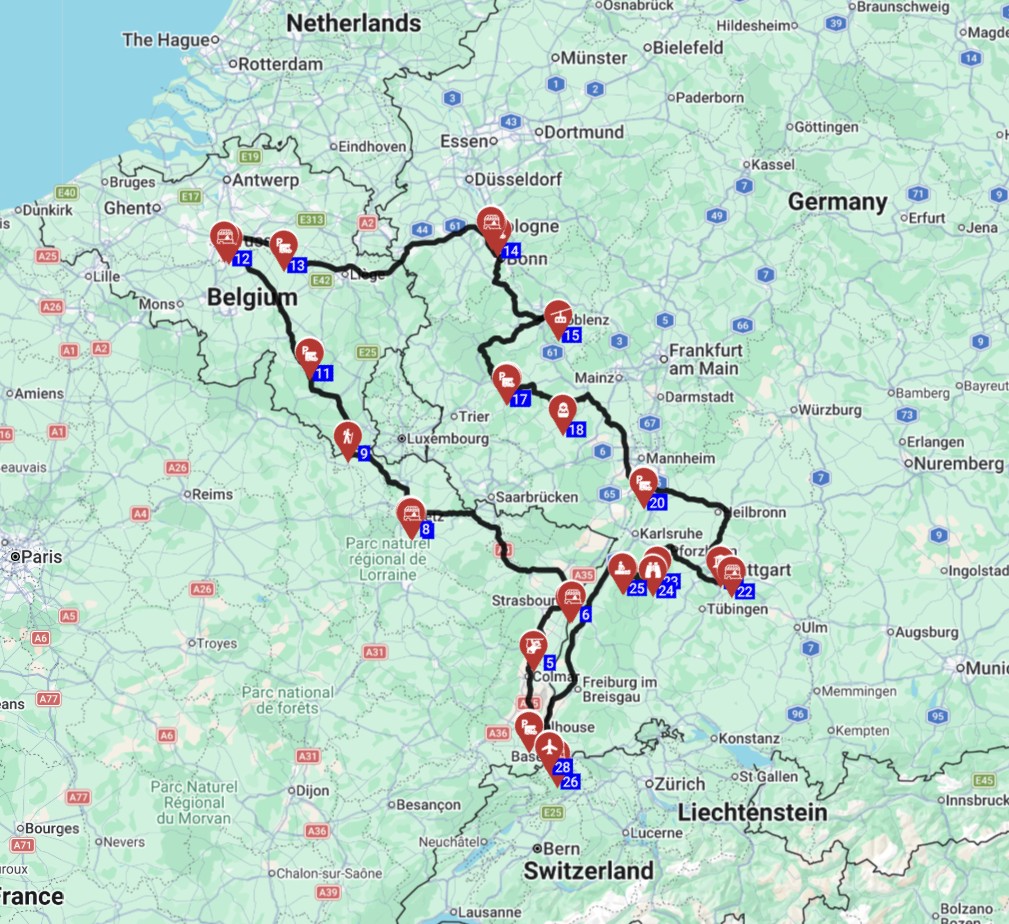
Navigating mountainous regions with a rented motorhome requires a slower pace and careful attention to road signs, but the rewards are breathtaking views and exhilarating drives. Even the coastal routes of Italy and Portugal, while stunning, can feature narrower, winding sections. Urban areas, especially historic city centers, often present a different challenge with narrower streets and higher traffic density. However, with common sense and careful attention to signage, you can drive almost anywhere without issues. For detailed routes and an extensive network of campsites, consider exploring RV PLANET routes to plan your family rv rental journey across diverse terrains.
RV Size Limits, Bridges & Restricted Zones
RV height and weight are critical considerations when driving in West Europe due to low bridges, tunnels, and weight-restricted roads. Most standard family RVs generally fit within typical European infrastructure, but height limits, often between 3.5m and 4.0m, are common on urban entries, underpasses, and some scenic routes. Always check your specific rental motorhome's dimensions and pay close attention to warning signs, especially in older towns and rural areas. Ignoring these signs can lead to significant damage and costly repairs, impacting your travel budget.
Furthermore, many West European cities have established Low Emission Zones (LEZs) or environmental zones that require specific vehicle stickers to enter. For instance, France uses the Crit'Air vignette system (starting from €4.51 for a sticker), while Germany employs the Umweltplakette. Without the correct sticker, you could face fines ranging from €68 to €375 in some areas. These zones are designed to reduce urban pollution, so it's essential to research the requirements for any cities on your itinerary. Some ferries, particularly to islands or across specific waterways, may also have length and weight restrictions or higher pricing for larger RVs, so it’s wise to book these crossings in advance.
Fuel: Diesel vs. Petrol & Cost per 100 km
Most rental RVs and campervans in West Europe, including a large portion of Bandana's fleet, run on Diesel fuel, which is widely and readily available at service stations across the region. It is always crucial to double-check your specific vehicle's fuel type at pickup to avoid costly mistakes. Fuel consumption for typical family RVs, such as Class SI or Class C models, generally ranges between 10-12 Liters per 100 km, depending on factors like vehicle size, road conditions, and driving style.
Fuel costs can be a significant portion of your overall travel budget and vary by country, with prices typically estimated at €1.70-€2.00 per liter for 2024. This translates to an average cost of €17-€24 per 100 km for fuel. Countries like the Netherlands often have higher fuel prices compared to Spain or Luxembourg, so it's wise to plan your refueling stops. Some rental companies may offer fuel discount cards or provide options for pre-purchased fuel to help mitigate costs. Remember, with RV PLANET routes, you can itemize and track every expense, including fuel, for easy budgeting throughout your trip. On the routes offered through RV PLANET routes, you can itemize and track every expense along the way for easy budgeting.
Tolls, Vignettes & Border Rules
West Europe employs a varied system for road usage fees, primarily consisting of distance-based tolls and time-based vignettes, which require pre-planning to avoid fines. Countries like France, Italy, and Spain use extensive toll road networks, where fees are typically calculated based on distance traveled and vehicle class, often paid at toll booths (cash or card) or via electronic transponders. In contrast, countries such as Switzerland and Austria require a "vignette" (a sticker or digital pass) that must be purchased and displayed on your vehicle before entering the country or using their motorways, with a 10-day vignette costing approximately €10-€40.
To streamline your journey and avoid queues, consider electronic toll devices like the Liber-t tag for France or Telepass for Italy, which are often available as add-ons from rental providers. While border checks within the Schengen Area are minimal, it's always essential to carry all necessary documents: passports for all travelers, your driving license, vehicle registration, and insurance documents. Although physical borders may not always be manned, you should still be prepared for potential checks and ensure your rental agreement permits cross-border travel. For comprehensive planning, our One-Way RV Rental in West Europe - Price Guide 2024 offers insights into managing international drop-off fees.
Driving Tips for family rv rental Travelers
Navigating West Europe in a family rv rental is a rewarding experience, and a few smart driving tips will ensure a smooth journey. Always plan your route using an RV-specific GPS app that accounts for vehicle size to avoid narrow roads, low bridges, and unsuitable routes, especially in picturesque rural areas or historic town centers. Take advantage of Europe's excellent road network for longer stretches, but embrace slow travel: aim for a maximum of 100-150 km per day on average. This allows ample time to truly feel the place, connect with local culture, enjoy regional food, and appreciate the scenery, making your week-long trip or extended road trip more enriching.
For families, scheduling frequent stops every 2-3 hours is crucial for both children and adults to stretch, preventing driver fatigue and keeping everyone happy. Before you set off, familiarize yourself with local traffic laws, speed limits, and road signs, as these can vary significantly between West European countries. Keep essential documents, local emergency contacts (police, rental company, breakdown service), and a first-aid kit readily accessible. Learning a few basic local phrases for greetings, asking for directions, or "fill up with diesel" will greatly enhance your interactions at campgrounds, shops, and restaurants. Always be mindful of local cultural etiquette, such as respecting quiet hours at campgrounds and proper waste disposal, to ensure a positive experience for everyone.
🎬 Video coming soon
Recommended RV Class for West Europe Roads
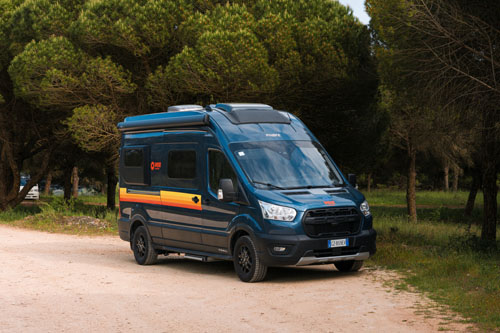
For families embarking on a West Europe adventure, Class SI (Semi-integrated) and Class C (Alcove) RVs are highly recommended, striking an excellent balance between spacious comfort and manageable driving dimensions. Class C Alcove RVs, like the "Glamys 40" which offers a bed over the cab, average around 7.5 meters in length and comfortably accommodate 4-6 people, often featuring 4-6 sleeping places. These vehicles provide ample indoor living space, a separate shower/toilet, and generous storage for family luggage, making them ideal for trips with children.
Alternatively, Class SI Semi-integrated RVs, such as a "Luxury Small" model, average about 6.9 meters in length, comfortably sleeping 2-4 people. These offer a sleeker profile and can be slightly easier to maneuver while still providing excellent amenities and comfort for a smaller family or couple. Both of these motorhome classes are well-suited for West Europe's major roads and many regional routes, offering sufficient power for mountain passes without feeling overly cumbersome. Selecting a size that aligns with your family's needs and comfort preferences will greatly enhance your rental motorhome experience. You can find detailed comparisons in our RV Rental in West Europe - Prices and Best Deals 2024 guide.
Should I Choose a Compact Van Instead of a Large RV in West Europe?
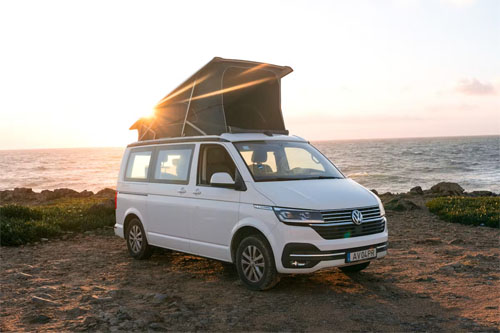
The choice between a compact campervan (Class B) and a larger motorhome for your West Europe trip depends heavily on your family's priorities and travel style. While a compact campervan, like a "VW California Ocean" (averaging 5.8m in length) offers superior maneuverability and much easier parking in tight urban areas or small villages, a larger RV (Class SI or C) generally provides significantly better comfort and indoor living space for families. For instance, a Class C motorhome like the "MHC24" has sleeping capacity for 6, a private shower, and a more extensive kitchen, whereas many campervans might have limited or no dedicated bathroom facilities.
For most of West Europe's major routes and many smaller towns, even larger motorhomes up to 7.5 meters can navigate without significant issues, especially if you plan your parking in advance. A compact campervan truly shines for exploring extremely tight historical city centers, very narrow mountain passes, or when seeking discreet overnight parking where permitted. However, if your family prioritizes comfortable indoor dining, a separate shower and toilet, and ample sleeping arrangements for an extended road trip, the added space and amenities of a larger Class SI or Class C RV typically outweigh the marginal maneuverability benefits of a compact van. Consider your needs before booking a camper.
Can I Park Anywhere? Free & Wild Camping Rules in West Europe
Free camping and wild camping are generally restricted or illegal throughout much of West Europe, particularly in popular tourist areas and densely populated regions. Countries such as France, Germany, Italy, Spain, and Portugal strictly regulate overnight parking for motorhomes, typically requiring stays in designated campgrounds, 'Stellplätze' (Germany/Austria), 'Aires de services' (France), or 'Sosta' (Italy). These dedicated spots, often numbering in the thousands across the region, are a fantastic and legal alternative, many offering basic services like fresh water, grey/black water disposal, and sometimes electricity, supporting sustainable RVing practices.
While some rural areas might have more relaxed rules, it's never safe to assume you can park overnight without permission. Always prioritize responsible waste disposal, conserve water, and respect local environments to minimize your ecological footprint and maintain good relations with local communities. Rules and enforcement vary significantly by region and municipality; it is crucial to research local regulations and always follow local law before attempting to park overnight outside of a recognized site. Using resources like RV PLANET (rvplan.net) can help you locate available and legal spots along your route, ensuring a stress-free experience.
Can I Drive an RV Into the City Center? Heights, Tunnels & Local Signage
You can often drive a rented RV into or very close to city centers in West Europe, but paramount caution and strict attention to local signage are absolutely essential. Many historic city centers, such as those in Paris, Rome, or Amsterdam, feature incredibly narrow streets, pedestrian-only zones, residents-only parking, and low bridges or tunnels with specific height and weight restrictions. Always check your motorhome's height (e.g., a "MIA" model might be around 2.24m wide, but larger Class C vehicles can be taller) and pay close attention to blue signs indicating height limits (e.g., 2.5m or 3.0m), red circles with diagonal slashes for no entry, and clear environmental zone signage to avoid costly fines or getting stuck.
Low Emission Zones (LEZs) are increasingly prevalent in urban areas (e.g., Berlin's Umweltzone, Madrid's Zona de Bajas Emisiones) and require specific vehicle stickers or permits. Your larger RV might not qualify for entry into certain zones or may require an older vehicle classification sticker. A smart approach is to look for "P+R" (Park and Ride) facilities on the city outskirts. These designated parking areas often accommodate larger vehicles like RVs and offer convenient public transport links directly into the city center, allowing you to explore historical sites without the stress of navigating tight streets or finding suitable parking for your family RV.
What is the best RV rental company in Europe?
The "best" RV rental company in Europe is subjective and depends entirely on your specific travel needs, group size, and budget, but reputable international platforms and local providers offer diverse fleets across West Europe. Key factors to consider when making your choice include the comprehensiveness of their insurance options, whether they provide 24/7 roadside assistance, and the transparency of their pricing, ensuring no hidden fees or surprises. Look for companies that offer a wide range of family-friendly RV classes, such as Class C Alcove or Class SI Semi-integrated models, to perfectly suit your group size and comfort requirements.
Rental agreements should clearly outline mileage limits, included amenities (like a refrigerator or stove for cooking, referring to our RV-friendly recipes playlist for meal ideas), and crucially, permissions for cross-border travel within West Europe. Bandana, for instance, partners directly with over 50 leading RV suppliers worldwide, including trusted names like Apollo and Britz, providing a vast selection of RV options suitable for European travel with competitive terms. Our platform allows you to compare various suppliers side-by-side, helping you make an informed decision with full price transparency.
Can I rent an RV in one country and drop it off in another in Europe?
Yes, one-way RV rentals across different European countries are generally possible and offer incredible flexibility for extensive trips, though they typically incur significant one-way fees. This option is ideal for travelers planning to cover large distances across multiple countries, allowing them to avoid backtracking and maximize their exploration time. For example, you could pick up a motorhome in Lisbon, Portugal, and drop it off in Berlin, Germany, embarking on an epic journey through various West European landscapes.
Rental companies need to approve cross-border travel and one-way itineraries in advance; ensure your insurance coverage explicitly includes international journeys. The fees for one-way rentals vary widely, depending on the specific pick-up and drop-off locations, the distance between them, vehicle availability, and the time of year. Always confirm all associated costs and logistical arrangements with the rental provider before finalizing your booking. Our "One-Way RV Rental in West Europe - Price Guide 2024" provides more detailed information on typical costs and considerations for these types of itineraries.
How much does it cost to rent an RV in Europe for a week?
The cost to rent an RV in West Europe for a week can vary significantly, generally ranging from €700 to over €2,000, heavily influenced by the RV class, season, and how far in advance you book. Compact campervans (Class B), which might sleep 2-3 people, could start around €700-€1,000 per week during the low season. Larger family-friendly RVs like Class C Alcoves or spacious Class SI models, comfortably accommodating 4-6 people, can typically cost €1,200-€2,000+ per week during peak summer months or major holidays. Prices are dynamic, similar to flight tickets, and change daily based on availability and supplier decisions, so booking early is always recommended.
Beyond the base rental rate, additional costs to budget for include comprehensive insurance options (you can upgrade to a top-level deductible for extra peace of mind), mileage packages, one-way drop-off fees if applicable, and optional extras such as bedding, kitchen kits, or GPS. Furthermore, you'll need to account for trip expenses like fuel (estimated €17-€24 per 100 km), road tolls and vignettes, and campground fees, which typically range from €20-€50 per night for a powered site. Our "RV Rental in West Europe - Prices and Best Deals 2024" guide offers a more in-depth breakdown of these costs. Planning a week-long journey often yields better daily rates than shorter trips.
What is the difference between an RV and a motorhome in Europe?
In Europe, the terms "RV" (Recreational Vehicle), "motorhome," "camper," "caravan," "campervan," and "mobile home" are often used interchangeably to describe self-propelled vehicles equipped with living quarters for travel and leisure. While "RV" is a broader term globally, encompassing motorhomes, campervans, and even towable units in North America, European terminology tends to favor "motorhome" or "campervan" for the motorized, all-in-one living and driving units. For Bandana RV rentals, we exclusively focus on these self-contained motorized vehicles.
Regardless of the specific term used, the core function remains consistent: providing mobile accommodation with amenities like sleeping areas, a kitchen, and often a bathroom, for vacation travel. Different types of motorhomes, such as Class A (Integrated), Class C (Alcove, with the distinctive bed over the cab), and Class SI (Semi-integrated, with a more aerodynamic profile), categorize these vehicles by their construction and size. All these types fall under the general 'RV' umbrella and are popular choices for exploring West Europe's scenic routes and vibrant cities.
Is it worth it to RV in Europe?
Renting an RV in West Europe is absolutely worthwhile for families and groups seeking flexibility, adventure, and the freedom to explore at their own pace, offering a travel experience unlike any other. It provides the unique opportunity to seamlessly transition between visiting diverse historical cities, charming coastal towns, and breathtaking natural landscapes like the Alps or the Black Forest, all while carrying your accommodation with you. This mode of travel offers immense convenience, allowing you to wake up to a new view every day without the hassle of constantly checking into and out of hotels.
RV travel can also be a more cost-effective alternative to traditional hotel stays and dining out, particularly for families. With a fully equipped kitchen on board, you can prepare your own meals, significantly reducing food expenses, and campground fees are often more budget-friendly than hotel rooms, especially for a family. The experience fosters unique family bonding, provides access to "off-the-beaten-path" locations, and allows for spontaneous changes to your itinerary, making every week-long trip or extended adventure truly memorable and personalized. Many find the freedom and intimacy of RV travel in Europe an unparalleled way to connect with the continent's rich culture and stunning scenery.
What is the easiest country to RV in Europe?
For ease of RV travel in West Europe, countries like Germany, France, and the Netherlands are frequently cited as excellent starting points due to their superior infrastructure and deeply ingrained RV culture. Germany, for instance, boasts an extensive network of well-maintained autobahns and numerous high-quality "Stellplätze," which are dedicated motorhome stopovers, often providing essential services and making navigation straightforward. The clear system for environmental zones and road signage also contributes to a stress-free driving experience for family rv rental explorers.
France offers its own extensive network of "Aires de services" for motorhomes, providing convenient rest and service stops across its varied landscapes, from the lavender fields of Provence to the rugged Brittany coast. Despite common tolls, the country is very RV-friendly. The Netherlands is another excellent choice, known for its flat terrain, efficient roads, and abundance of well-equipped campgrounds, making it ideal for relaxed family RV trips. These countries generally provide robust support services and a wide array of attractions easily accessible by RV, establishing them as excellent choices for a smooth and enjoyable RV adventure.
What You Shouldn't Miss
- Driving the Romantic Road in Germany: Traverse 460 km through picturesque Bavarian towns like Rothenburg ob der Tauber and Fussen, ending at Neuschwanstein Castle. It's a fairy tale on wheels.
- Exploring the Loire Valley Castles in France: Spend a week-long trip visiting magnificent châteaux like Chenonceau and Chambord, with plenty of RV-friendly campsites nearby.
- Hiking in the Swiss Alps: Park your motorhome near Grindelwald or Lauterbrunnen and take cable cars to stunning mountain trails, offering unparalleled vistas.
- Coastal Cruise in Portugal's Algarve: Discover golden beaches and dramatic cliffs along the N125 road, finding charming fishing villages with accessible parking for your campervan.
- Visiting Amsterdam's Canals: Park your RV at an outer city P+R, then use public transport to explore the iconic canals, museums, and vibrant city life.
- Tasting Belgian Chocolates in Bruges: Drive your RV to the outskirts of this medieval city, then walk or cycle to explore its cobbled streets and sample world-famous chocolates.
Looking for expert insights from Avi Bandana? Top 5 Adventures - recommendations from Avi Bandana
Final Thoughts
Embarking on a family rv rental adventure through West Europe is more than just a vacation; it's an invitation to create a flexible, deeply personal journey filled with discovery and connection. From the winding coastal roads to the charming cityscapes and majestic mountains, a rented motorhome or campervan provides the ultimate freedom to explore at your own pace. With excellent road conditions, a vast network of dedicated campsites, and transparent booking through platforms like Bandana, your West Europe road trip will be seamless and unforgettable.
Remember to travel slowly, averaging no more than 100-150 km per day, allowing yourselves to truly immerse in the culture, food, and stunning scenery. Whether you're a meticulous planner or a spontaneous explorer, West Europe welcomes you to discover its wonders from the comfort of your mobile home. We're here to support you before, during, and after your booking, ensuring every detail is handled so you can focus on living the journey.
Ready to plan an extraordinary adventure for your family? Discover top destinations, planning tips, and all you need in one place!
Compare Motorhome Prices for West Europe