In This Guide
- Can You Drive an RV in Vancouver? License & Age Rules
- Road Conditions & Terrain in Vancouver
- RV Size Limits, Bridges & Restricted Zones
- Fuel: Diesel vs. Petrol & Cost per 100 km
- Tolls, Vignettes & Border Rules
- Driving Tips for family rv rental Travelers
- Recommended RV Class for Vancouver Roads
- Should I Choose a Compact Van Instead of a Large RV in Vancouver?
- Can I Park Anywhere? Free & Wild Camping Rules in Vancouver
- Can I Drive an RV Into the City Center? Heights, Tunnels & Local Signage
- Can your family ride in a RV while it drives?
- Do you need a license to drive an RV in Canada?
- Can you park RV in Vancouver?
- What is the 3 3 3 rule for RV travel?
- What is the 444 rule for RVs?
- What is the 3-3-3 rule for RV living?
- Is an RV considered a single family home?
- What country has the lowest driving age?
- How much does RV insurance cost in BC?
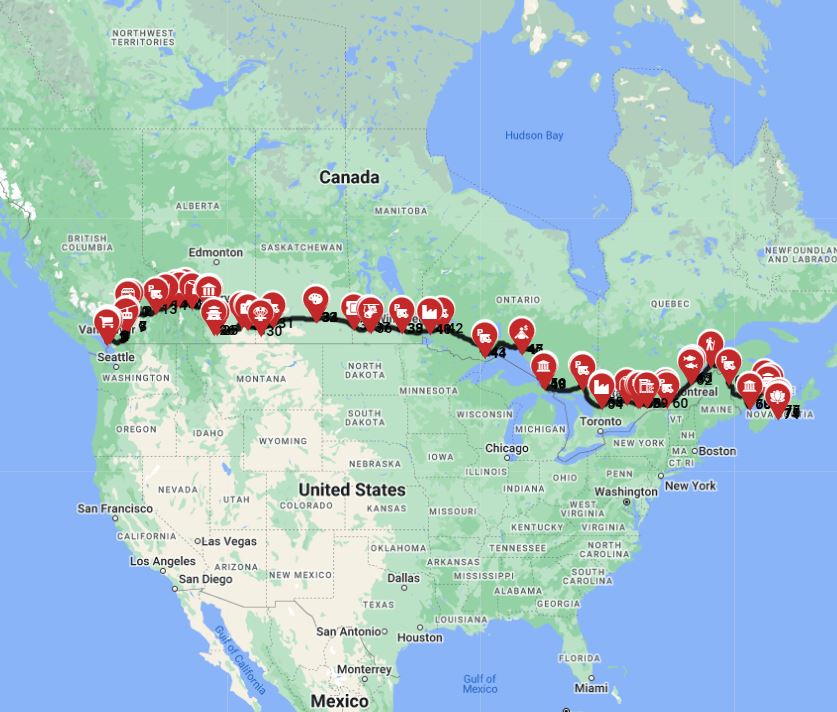
Vancouver, with its stunning blend of urban sophistication and wild natural beauty, offers an incredible backdrop for a family RV rental adventure. Whether you're planning a week-long trip exploring local mountains or an extended journey through British Columbia's diverse landscapes, understanding the nuances of driving a camper or motorhome here is key to a smooth and enjoyable experience. For live availability and current prices, start with our RV Rental Vancouver - Complete Guide 2026 guide, and let Bandana RV help you navigate the open road with ease and confidence.
Can You Drive an RV in Vancouver? License & Age Rules
Yes, you can absolutely drive a rented RV in Vancouver, and for most recreational vehicles, a standard car driver's license is sufficient. Specifically, in British Columbia, most motorhomes up to 11,000 kg (25,000 lbs) require only a Class 5 driver's license, which is the common license held by most motorists. For foreign drivers, carrying an International Driving Permit (IDP) alongside your valid home country license is recommended for clarity with local authorities, though it is not strictly mandatory in all cases. The minimum driving age for RV rentals in Vancouver is 21 years old, with Bandana ensuring no young driver surcharges or vehicle class restrictions based on age, making family adventures accessible to all eligible drivers. Always remember that higher license categories, such as Class 4, are needed only for larger commercial RVs or those equipped with air brakes, which are generally not part of typical family rental fleets.
Road Conditions & Terrain in Vancouver
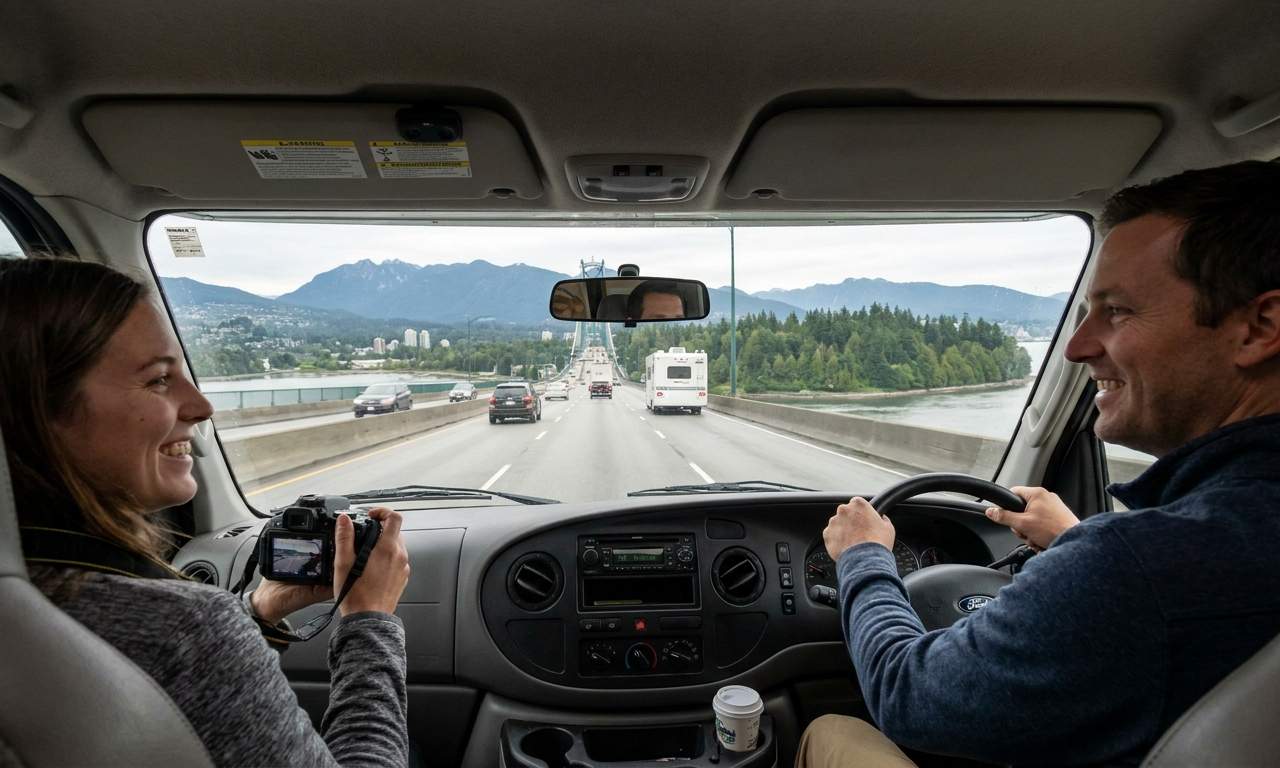
Vancouver's road network offers a dynamic driving experience, encompassing well-maintained urban streets, picturesque coastal highways like Highway 99 (the Sea-to-Sky Highway), and challenging mountainous routes in nearby areas. Be prepared for potential steep grades and winding roads, particularly when venturing beyond the city towards destinations like Whistler. Rainy weather is common in Vancouver, especially from fall through spring, so cautious driving, reduced speeds, and excellent visibility are always advised. Despite these varied conditions, roads around Vancouver are generally suitable for all common motorhome classes, from compact Class B campervans to larger Class C motorhomes. The key is to drive slowly and carefully, paying attention to signage and local conditions, which allows you to drive almost anywhere without issues.
RV Size Limits, Bridges & Restricted Zones
Vancouver does not impose universal RV size limits, but drivers must always observe specific clearances for bridges, tunnels, and certain urban streets. Most major infrastructure, including downtown Vancouver bridges and overpasses, is designed to accommodate standard RV heights, typically around 4 meters (13.5 feet). However, always double-check signage, particularly for older areas or multi-level parking garages like those found near Granville Island or Gastown. Planning a trip to Vancouver Island often involves ferry travel via BC Ferries, where RVs are priced by total length. Therefore, measuring your rented motorhome accurately is essential for booking and budgeting ferry costs. Always check local signage for height, weight, or length restrictions, particularly in parkades or older areas, and use common sense. On the routes offered through RV PLANET routes, you can itemize and track every expense along the way for easy budgeting.
Fuel: Diesel vs. Petrol & Cost per 100 km
Understanding fuel types and costs is crucial for budgeting your family RV rental in Vancouver, as many larger motorhomes, such as Bandana's Class SI (Semi-integrated) and Class C (Alcove) units, typically run on diesel. These larger vehicles, like the popular "cruise america rv rental example Explorer" (7.1m length, 82L fresh water tank), consume an average of 10-12 Liters/100 km. Conversely, smaller Class B (Camper Van) RVs from Bandana's global fleet, such as the "V3" (6.36m length, 100L fresh water tank), often use petrol, averaging 8-10 Liters/100 km. Fuel prices in Vancouver are consistently among the highest in Canada; budgeting for approximately $1.80 - $2.20 CAD per liter in 2026 is a prudent approach for any trip. While some rental providers might offer fuel discount cards, it's wise to factor in these higher costs when planning your overall trip expenses. For managing all these ancillary costs, including fuel, propane, and campground fees, remember that RV PLANET routes allow you to itemize and track every expense along the way for easy budgeting.
Tolls, Vignettes & Border Rules
As of 2026, travelers will be pleased to know that there are no major toll roads or vignette requirements for RVs within Vancouver or across the vast expanse of British Columbia. This simplifies planning and reduces ancillary trip costs, offering full transparency from the start. However, if your family RV rental adventure takes you across the border into the United States, valid passports are required for all occupants, and adherence to specific customs and immigration regulations is mandatory. Always ensure all your documentation is in order for cross-border travel. While pre-purchased toll passes might be available for some rental motorhomes for use in other regions, they are not applicable for travel solely within BC, preventing potential fines if your trip extends beyond the province. Our dedicated support team is always here to assist with pre-booking comparisons and booking support, ensuring you have all the information you need before you hit the road.
Driving Tips for family rv rental Travelers
For an enjoyable family RV rental experience in Vancouver, planning frequent stops every 2-3 hours is essential, allowing children to stretch and drivers to rest, significantly enhancing overall comfort. When navigating urban areas, such as around Pacific Centre or along False Creek, practice making wider turns and always account for your motorhome's length and height to avoid unexpected obstacles. If your itinerary includes a visit to Vancouver Island, booking BC Ferries in advance for your RV is highly recommended, especially for popular routes like Tsawwassen to Swartz Bay and during peak seasons, to ensure space and potentially secure better rates. Additionally, when driving outside city limits, particularly on scenic routes towards places like Squamish or the Fraser Valley, be vigilant for wildlife, especially during dawn or dusk. Always observe all posted speed limits and know your RV's exact height and length to safely navigate underpasses, tunnels, and other restricted areas. Travel slowly, max 100-150 km per day on average, to fully immerse yourselves in the culture, food, and stunning scenery of British Columbia.
Recommended RV Class for Vancouver Roads
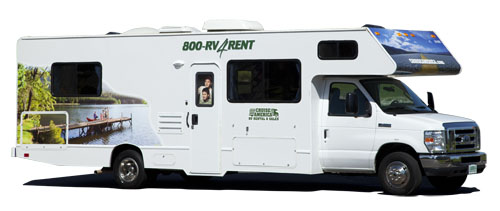
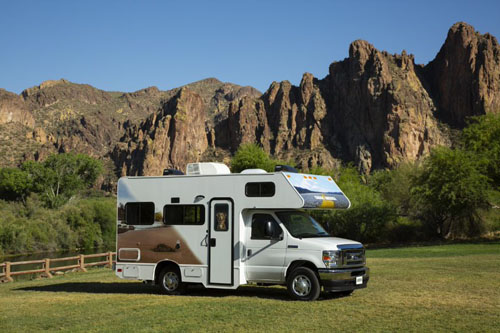
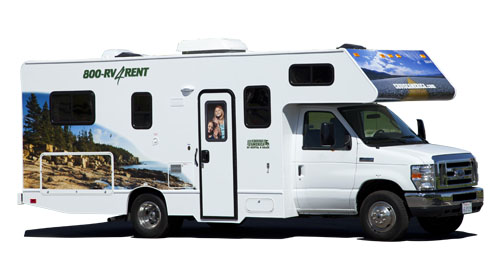
For families embarking on a Vancouver RV rental adventure, Class C (Alcove) motorhomes offer an excellent balance of space and manageability on local roads. These vehicles, often averaging 7.5 meters in length and comfortably sleeping 5-6 people (like the "24' Class C Motorhome"), provide ample interior living space and amenities without being overly challenging to drive. Another superb option is a Class SI (Semi-integrated) RV, such as the "Active Standard Auto" model, averaging around 6.9 meters in length and typically sleeping 3-4 people. These provide a slightly more compact alternative while still delivering significant comfort and good drivability. Both Class C and Class SI vehicles from Bandana's global fleet are well-suited for navigating Vancouver's varied terrain, from city streets to provincial highways like the Coquihalla. Ultimately, the best choice depends on your family's size and desired comfort, but rest assured, these classes offer a confident and enjoyable driving experience.
Should I Choose a Compact Van Instead of a Large RV in Vancouver?
The choice between a compact van (Class B Camper Van) and a larger RV (Class C or Class SI) in Vancouver hinges on your travel priorities. Compact vans, like the "Active Pop Top" or "V2L" (around 6 meters in length), excel in maneuverability, fitting into standard parking spots and easily navigating tighter city streets around areas like Gastown or Yaletown. However, larger motorhomes, such as a "Category Large 6 AT" Class C or a "Motorhome MC4 Gold" Class SI, offer significantly more interior living space, amenities, and comfort, which is often preferable for families on longer week-long or two-week trips. In Vancouver, most main roads and attractions are accessible to larger RVs, so the trade-off for extra comfort often outweighs minor parking challenges outside the city center. A compact van is ideal for smaller groups or couples prioritizing urban exploration and quick stops, while a larger RV provides a superior home-base experience for a family seeking more space for cooking, dining, and relaxing. Consider your family's needs for living space, and remember to travel slowly, averaging no more than 100-150 km per day, to truly connect with the culture and scenery.
Can I Park Anywhere? Free & Wild Camping Rules in Vancouver
Free or 'wild camping' in RVs is generally prohibited within Vancouver's city limits and on most public or private lands, requiring stays at designated campgrounds. Vancouver city bylaws, enforced by parking enforcement, often restrict or prohibit overnight RV parking on public streets, especially in residential zones and popular areas like Kitsilano or near Queen Elizabeth Park, to manage congestion. Numerous private RV parks and provincial campgrounds are located within a reasonable driving distance of Vancouver, offering essential amenities like hookups, dump stations (e.g., at Burnaby Cariboo RV Park or Fort Camping in Fort Langley), and shower facilities. These include places like Golden Ears Provincial Park or Alice Lake Provincial Park, which are just an hour or two away. While permitted on vast tracts of British Columbia's Crown land outside urban areas, specific regulations apply for wild camping, and adherence to 'leave no trace' principles is crucial. Always check local regulations and follow local law before parking overnight, especially in sensitive natural areas, to ensure a hassle-free journey. For finding campsites and campgrounds during your trip, we recommend using RV PLANET (rvplan.net) - a great resource for locating available spots along your route.
Can I Drive an RV Into the City Center? Heights, Tunnels & Local Signage
Yes, most RVs can be driven into Vancouver's city center via major arterial roads like Georgia Street or Granville Street, but extreme caution is required for specific height and weight restrictions, especially near older infrastructure or underground parking facilities. Drivers must pay close attention to local signage for low bridges, tunnels (e.g., underpasses near False Creek), and designated environmental or residents-only zones. Finding suitable parking for larger RVs in the dense downtown core is challenging and typically requires utilizing oversized paid parking lots, such as those found near BC Place Stadium or Canada Place, or parking further out and using public transit like the SkyTrain from locations like the Metrotown Station. You can drive slowly and carefully, and you can drive almost anywhere without issues, but always be aware of your vehicle's dimensions. Plan for services like propane refills at larger gas stations on the outskirts of Vancouver or dedicated RV service centers, and dump stations outside the city center, as these facilities are scarce in the downtown core.
Can your family ride in a RV while it drives?
In Canada, family members can indeed ride in a rented RV while it drives, provided they occupy a designated seating position and are securely fastened with a seatbelt. It is crucial that passengers are not in areas such as the kitchen, bathroom, or sleeping berths while the vehicle is in motion, as these do not offer adequate safety in the event of an abrupt stop or collision. Children must be secured in appropriate car seats or booster seats according to provincial regulations, identical to those for a passenger car. Before departing, ensure all loose items within the motorhome are properly stowed or secured to prevent them from shifting or becoming dangerous projectiles during transit. Safety is paramount, and following these simple guidelines ensures a secure and pleasant journey for everyone onboard, whether you're navigating urban streets or cruising the open highway on a family RV driving in Vancouver adventure.
🎬 Video coming soon
Do you need a license to drive an RV in Canada?
Yes, a valid driver's license is required to operate a rented RV in Canada. For most recreational vehicles up to 11,000 kg (25,000 lbs), a standard Class 5 (or equivalent provincial) license is typically sufficient in British Columbia, provided the motorhome does not require air brakes. This means your regular car license will generally cover the majority of family-sized Class C and Class SI motorhome rentals. RVs exceeding 11,000 kg or equipped with air brakes may necessitate a higher class of license or a specific endorsement, but these are rarely found in standard rental fleets. For specific details regarding driver age and foreign license recognition in British Columbia, refer to the "Can You Drive an RV in Vancouver? License & Age Rules" section, which clarifies that the minimum rental age with Bandana is 21 and an International Driving Permit (IDP) is recommended for non-English speaking visitors. Bandana RV, with over 20 years helping tens of thousands of travelers, ensures full transparency about licensing requirements.
Can you park RV in Vancouver?
Parking an RV in Vancouver is possible, but street parking within city limits is often restricted by length, time, and specific municipal bylaws, making it challenging for overnight stays. Overnight street parking for RVs is generally prohibited or severely limited in most residential and commercial areas of Vancouver, including popular spots like the West End or Kitsilano. For overnight stays, travelers must utilize designated RV parks or campgrounds located in and around the Vancouver metropolitan area, such as Burnaby Cariboo RV Park or Capilano River RV Park. These facilities offer essential services like hookups, fresh water, and waste disposal. Refer to the "Can I Park Anywhere? Free & Wild Camping Rules in Vancouver" section for detailed information on regulations and recommended parking options. Planning your stops in advance with resources like RV PLANET (rvplan.net) will help you find suitable parking and avoid issues.
What is the 3 3 3 rule for RV travel?
The '3-3-3 rule' for RV travel suggests driving no more than 300 miles (approximately 500 km) per day, arriving at your destination by 3 PM, and staying for at least 3 nights. This guideline is particularly beneficial for family RV rental trips in Vancouver, aiming to reduce driver fatigue and stress, making the journey more enjoyable for everyone, especially those with kids. Arriving by 3 PM allows ample daylight for setting up camp at a Vancouver-area campground like Fort Camping, exploring the immediate surroundings, and relaxing before dusk. Staying for 3 nights encourages a slower pace, giving families time to fully experience each location, connect to the culture, the food, and the scenery without constant packing and unpacking. This rule aligns perfectly with Bandana RV's recommendation for slow travel, emphasizing quality over quantity.
What is the 444 rule for RVs?
The '4-4-4 rule' is a variant of the 3-3-3 rule for RVs, recommending that drivers travel no more than 400 miles (approximately 640 km) per day, stop by 4 PM, and ideally stay for 4 nights. This rule offers a slightly longer daily driving distance compared to the 3-3-3 rule, which might be suitable for covering more ground on extended road trips from Vancouver through British Columbia. Stopping by 4 PM still ensures sufficient daylight for campsite setup and local exploration, like visiting a picnic area in a provincial park. Staying for 4 nights at each location enhances the immersive experience, reducing the feeling of constantly being on the move and allowing for deeper engagement with destinations. Both rules prioritize a relaxed pace, contributing to a more memorable and less rushed family RV rental adventure.
What is the 3-3-3 rule for RV living?
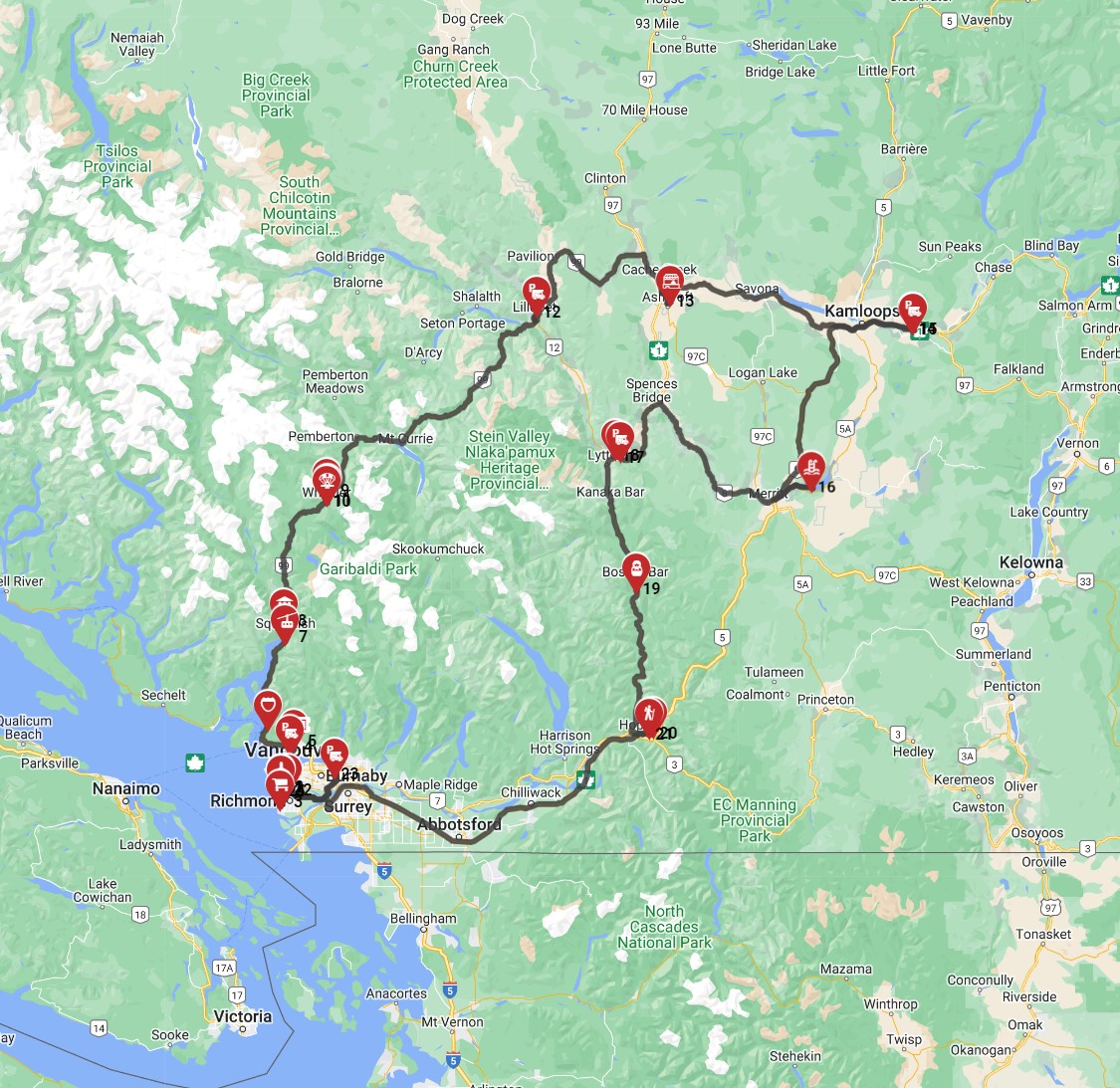
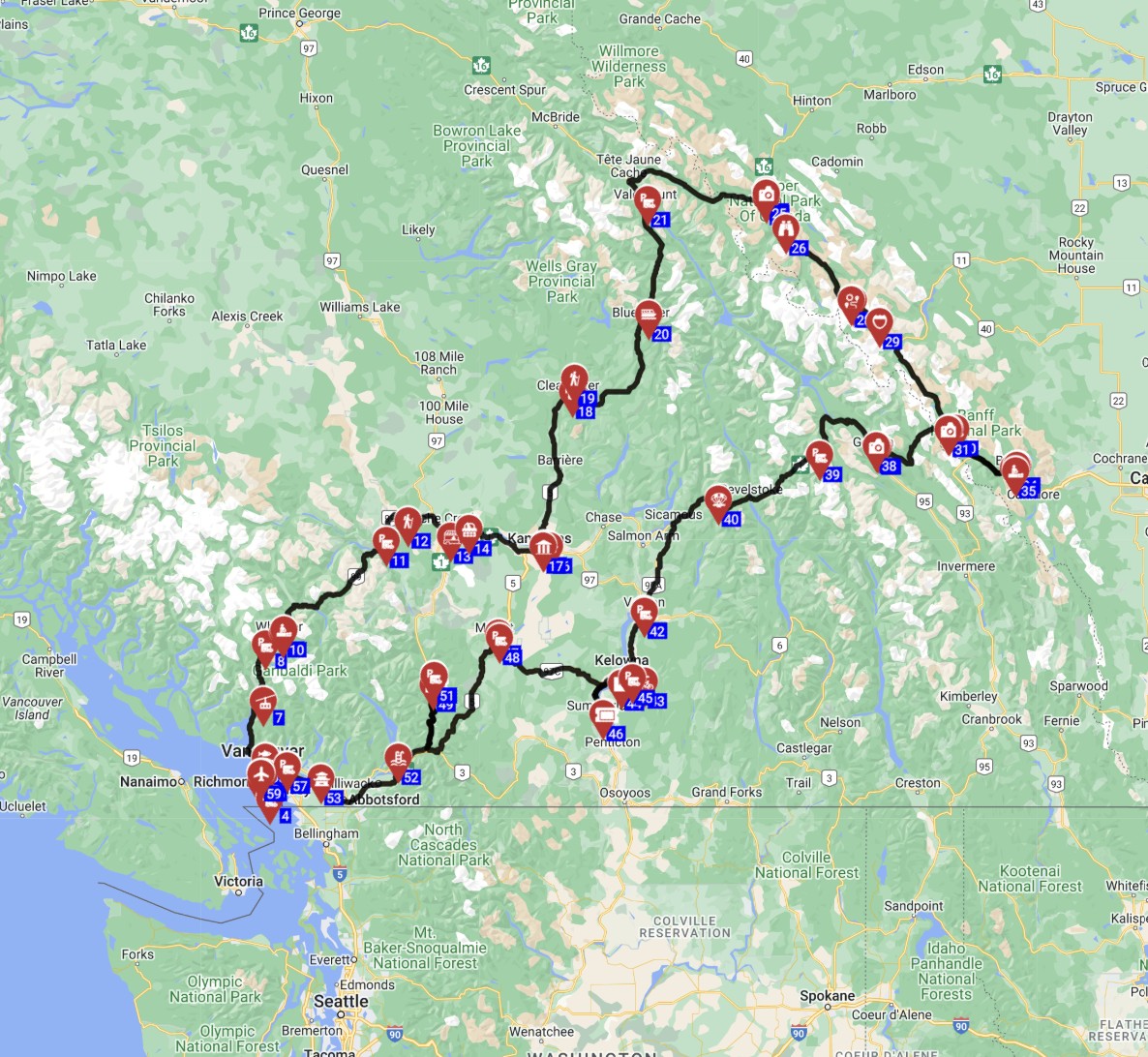
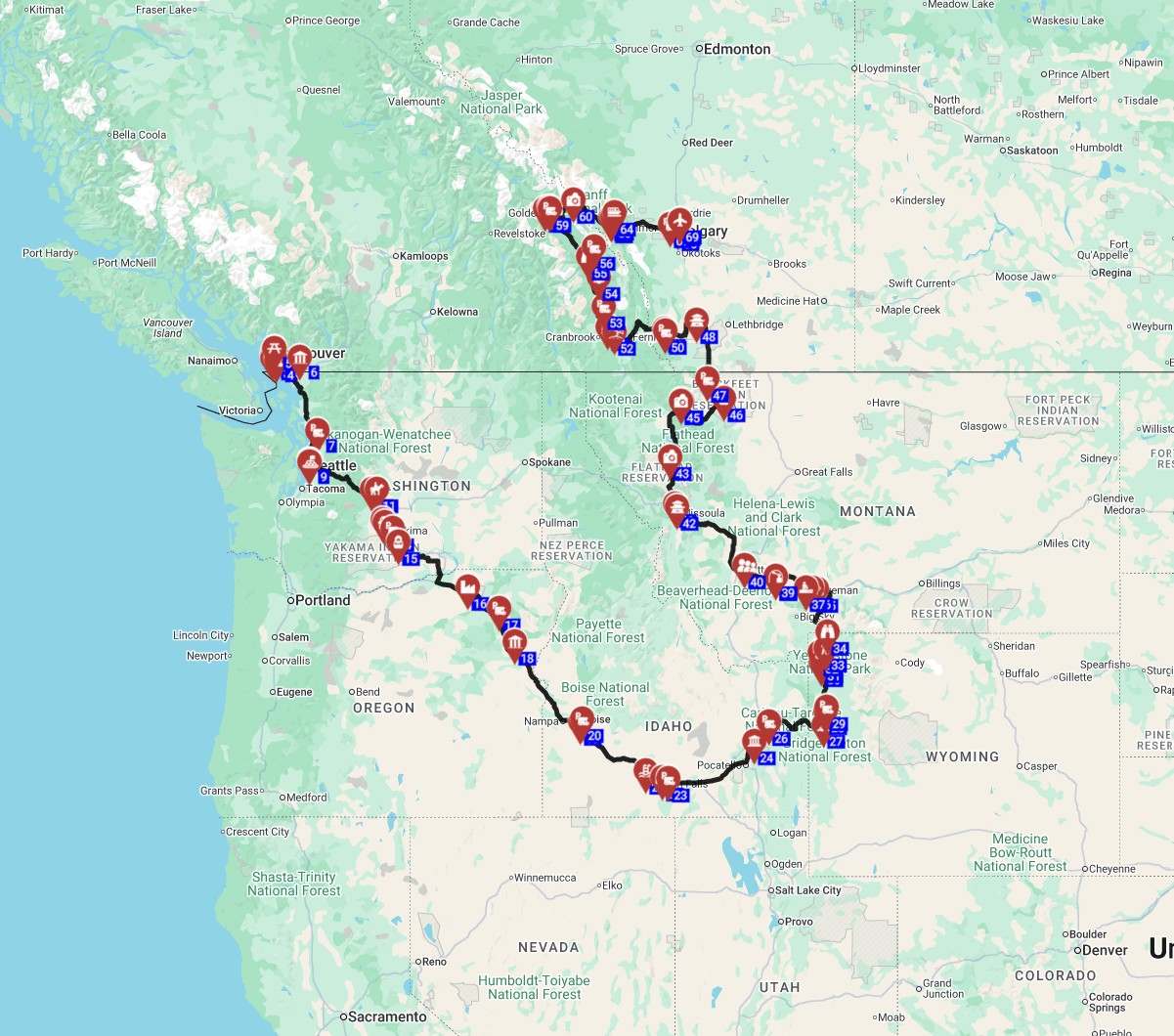
The '3-3-3 rule for RV living' typically refers to a full-time RV budgeting or organization strategy, which is distinct from the travel pacing rules mentioned for trips like a Vancouver Round Trip. This rule might suggest managing possessions by limiting them to three categories, or categorizing expenses for financial planning within the context of permanent RV residency. For family RV rentals in Vancouver, this 'living' rule is less relevant than the '3-3-3 travel rule' unless you are planning an exceptionally long-term rental or are exploring the concept of the RV lifestyle. Our focus at Bandana RV is exclusively on RV rentals for vacation travel, ensuring a temporary, exciting, and accessible experience for everyone. Always remember, Bandana does not cater to full-time RV living inquiries, but rather provides comprehensive solutions for your vacation road trip.
Is an RV considered a single family home?
No, an RV (Recreational Vehicle) is legally classified as a vehicle, not a single-family home, even though it provides temporary living amenities like a kitchen or shower. RVs are subject to motor vehicle laws, including registration, licensing, and insurance requirements, rather than residential property laws or building codes. Most municipalities, including Vancouver, have zoning bylaws that explicitly prohibit the permanent use of a rented RV as a primary residence on private or public land. This classification is vital for understanding where RVs can be parked overnight and clarifies their purpose as temporary dwellings for travel and recreation. With a rented RV, you have a mobile headquarters to venture out to national parks or explore various attractions in British Columbia, returning to designated campgrounds for overnight stays.
What country has the lowest driving age?
While some countries, like El Salvador, reportedly allow driving as young as 15 for certain vehicle types, Canada's minimum driving age is typically 16 for a learner's permit, with full licensure taking longer. For RV rentals in British Columbia, the minimum driver age is usually higher, often starting at 21 years old across most suppliers, and sometimes 25 for certain larger Class A motorhomes. Regardless of a driver's home country regulations, anyone operating a rented RV in British Columbia must meet the province's specific licensing and age requirements. This contrasts sharply with regions having significantly lower general driving ages, highlighting the stricter standards for operating larger vehicles like motorhomes. Bandana RV offers full transparency on age requirements, ensuring no surprises during your booking process.
How much does RV insurance cost in BC?
For family RV rentals in Vancouver, basic liability and collision insurance coverage is typically included within the overall rental rate provided by our suppliers like El Monte, Cruise America, Apollo, and Britz. The exact cost of RV insurance in British Columbia for private owners varies greatly, depending on factors such as the RV's value, class, usage, and the driver's history. Renters usually have the option to purchase supplemental coverage or collision damage waivers from the rental company to reduce deductibles and enhance protection, providing top-level deductible reimbursement for extra peace of mind. Always review your rental agreement thoroughly to understand the included insurance, deductible amounts, and any available additional coverage options. Our support team is here to help you compare final prices across suppliers, ensuring what you see is what you pay, with no surprise fees at pickup.
What You Shouldn't Miss
- Explore Stanley Park's Seawall: Rent bikes and enjoy the 10 km (6-mile) paved loop around the park, offering stunning views of the city, mountains, and ocean.
- Ride the Sea-to-Sky Gondola in Squamish: Just a 45-minute drive north of Vancouver on the RV-friendly Sea-to-Sky Highway (Hwy 99), this offers breathtaking panoramic views of Howe Sound and surrounding peaks.
- Visit Granville Island Public Market: Park your RV at a nearby oversized lot and take a short walk or Aquabus to explore local artisans, fresh produce, and delicious food stalls. Perfect for stocking your RV kitchen. Imagine yourself cooking up a storm with fresh local ingredients from the market. For more culinary inspiration on the go, check out our RV-friendly recipes playlist.
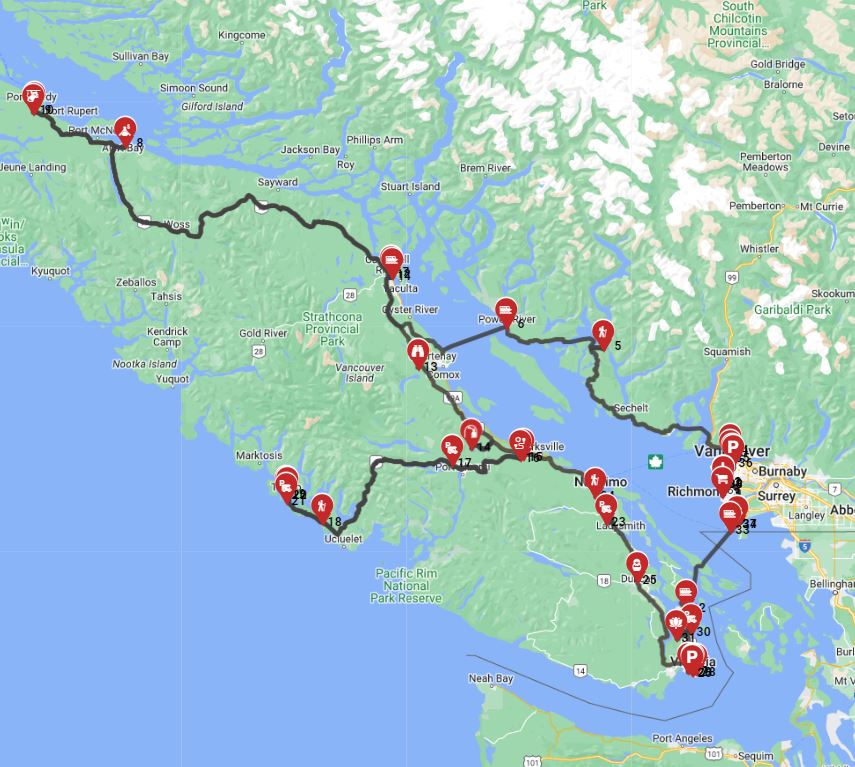
- Experience BC Ferries to Vancouver Island: Drive your RV onto a ferry from Tsawwassen or Horseshoe Bay and discover the charm of Victoria or the wilderness of Tofino. Be sure to book your RV spot well in advance during peak season.
- Hike in Lynn Canyon Park: Just north of the city, this park offers beautiful trails and a free suspension bridge that's a thrilling alternative to the Capilano Suspension Bridge.
- Discover top destinations, planning tips, all in one place! Looking for expert insights from Avi Bandana? Top 5 Adventures - recommendations from Avi Bandana.
Final Thoughts
Exploring Vancouver and its breathtaking surroundings by family RV rental is an adventure waiting to happen. With the right preparation regarding licensing, local road conditions, and RV-specific navigation tips, you'll find that driving a motorhome in this vibrant city and beyond is both manageable and incredibly rewarding. Remember our advice to travel slowly, allowing your family to truly soak in the stunning coastal scenery, majestic mountains, and welcoming culture of British Columbia. The flexibility of having your mobile home on wheels means you can tailor your week-long trip or extended road trip to suit your family's pace, creating memories that will last a lifetime.
At Bandana RV, we're with you before, during, and after your booking, ensuring full transparency and support. So, pack your bags, choose the perfect motorhome from our diverse fleet, and get ready to discover the magic of family RV driving in Vancouver. Your next great adventure is just a click away!
Find Motorhome Rentals in Vancouver