In This Guide
- Can You Drive an RV in Tokyo? License & Age Rules
- Road Conditions & Terrain in Tokyo
- RV Size Limits, Bridges & Restricted Zones
- Fuel: Diesel vs. Petrol & Cost per 100 km
- Tolls, Vignettes & Border Rules
- Driving Tips for family rv rental Travelers
- Recommended RV Class for Tokyo Roads
- Should I Choose a Compact Van Instead of a Large RV in Tokyo?
- Can I Park Anywhere? Free & Wild Camping Rules in Tokyo
- Can I Drive an RV Into the City Center? Heights, Tunnels & Local Signage
- What are the road rules in Japan for RVs?
- Where can I park an RV in Tokyo?
- What are the best RV routes near Tokyo?
- How much does it cost to rent an RV in Tokyo?
- Do I need an International Driving Permit for an RV in Japan?
- Is it easy to drive an RV in Japan?
- What is the cheapest way to RV in Japan?
Embarking on a family RV rental adventure in Tokyo and beyond offers an unparalleled freedom to explore Japan's captivating blend of ancient traditions and futuristic innovation. Imagine waking up to the gentle chirping of cicadas near Mount Fuji, then driving into a bustling metropolis to experience its vibrant culture, all from the comfort of your mobile home. With Bandana Caravan, we specialize in making these dreams a reality, providing full transparency and 24/7 pre-booking support to ensure your journey is smooth from the very first click. For live availability and current prices, start with our RV Rental Tokyo - Complete Guide 2026 guide, designed to help you discover the perfect family RV in Tokyo for your next incredible road trip.
🎬 Video coming soon
Can You Drive an RV in Tokyo? License & Age Rules
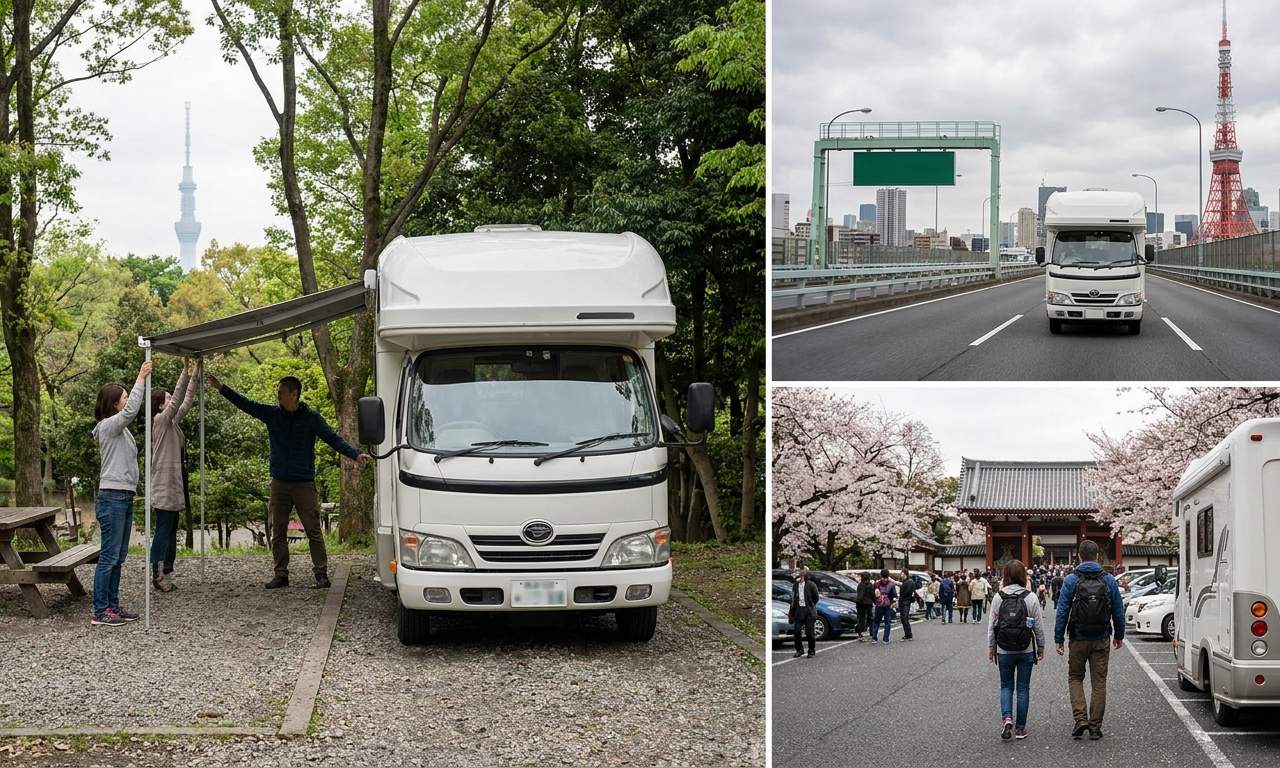
Yes, you can confidently drive a rented RV in Tokyo and throughout Japan with the correct documentation. Foreign visitors specifically need an International Driving Permit (IDP), which must be obtained in their home country before arriving in Japan.
This IDP serves as a translation of your valid domestic driver's license and is legally required, as covered in more detail in the "Do I need an International Driving Permit for an RV in Japan?" section below. The minimum driving age for all RV rentals in Tokyo through Bandana Caravan is 21 years old, with no young driver surcharges or vehicle class restrictions based on age, ensuring families and young couples have equal access to our diverse fleet, from compact campervans to spacious Class C motorhomes. For standard Class C - Alcove RVs, like those common in Bandana's fleet averaging 5 meters in length, a regular passenger car license (Category B on an IDP) is typically sufficient, as they generally weigh under 3.5 tons.
Road Conditions & Terrain in Tokyo
Tokyo boasts excellent, well-maintained roads and expressways, though urban areas can be densely packed and feature narrow streets that require careful navigation. While central Tokyo is predominantly flat, the diverse regions surrounding the metropolis, such as the popular Hakone or Nikko, feature mountainous terrain with winding roads, perfectly suitable for a slow, scenic RV driving experience. Road quality is consistently high across Japan, minimizing the wear and tear on your rented motorhome, but the sheer volume of urban traffic and the occasional narrow alleyways necessitate attentive driving. Remember, you can drive slowly and carefully, and you can drive almost anywhere without issues. No need to stress- just use common sense and pay attention.
RV Size Limits, Bridges & Restricted Zones
Most standard RVs, including Bandana's Class C - Alcove models averaging 5 meters in length, can comfortably navigate Tokyo's road network without encountering significant height or weight issues. Drivers should always remain vigilant for posted height limits, particularly when approaching older urban underpasses, tunnels, or residential districts with lower bridges, and consistently observe all weight limits indicated on signage. Fortunately, Tokyo does not typically enforce widespread environmental or low-emission zones that would restrict access for most RV rentals, but it is always wise to quickly check local signage for any temporary restrictions upon arrival to a specific area. Navigating with a rented RV is about embracing the journey and using common sense.
Fuel: Diesel vs. Petrol & Cost per 100 km
In Tokyo, petrol (gasoline) is significantly more common for RVs than diesel, with most family-sized rentals, like Bandana's Class C - Alcove motorhomes, operating on petrol engines. While specific fuel consumption data for every Tokyo rental fleet model isn't available, typical RVs in this class generally achieve between 10 to 15 liters per 100 km, depending heavily on driving style and traffic conditions. Fuel prices in Japan can be higher than in many Western countries; a current estimate for budgeting purposes is approximately ¥170-¥180 per liter for petrol. This means that a 100 km journey could cost between ¥1,700 and ¥2,700 in fuel, highlighting the importance of efficient route planning to manage ancillary trip costs. For budgeting all expenses, including fuel and campground fees, remember that RV PLANET routes allow you to itemize and track every expense along the way. On the routes offered through RV PLANET routes, you can itemize and track every expense along the way for easy budgeting.
Tolls, Vignettes & Border Rules
Japan's extensive expressway network, including the major arteries around Tokyo such as the Shuto Expressway and Tomei Expressway, operates on a comprehensive toll system, and there are no vignettes or fixed-period road tax stickers required for Japanese roads. Tolls are primarily distance-based, and utilizing an Electronic Toll Collection (ETC) card is highly recommended for both convenience and potential savings, as it can offer discounts of up to 50% on certain routes or during off-peak hours. Many Bandana RV rentals may offer ETC cards for pre-purchase, simplifying your travel and ensuring full price transparency from the outset. As an island nation, Japan naturally does not have land borders with neighboring countries, so international border rules are not applicable for an RV rental adventure within the country; your focus can remain purely on exploring the beauty of Japan.
Driving Tips for family rv rental Travelers
Planning regular stops is essential for family RV rental trips in Tokyo and Japan; aim for breaks every 2-3 hours at one of Japan's excellent Michi-no-Eki (roadside stations) or service areas, which offer amenities from restrooms to local food stalls. We recommend slow travel: max 100-150 km per day on average, allowing you to truly immerse yourself in the culture, food, and scenery of Japan. Utilize an ETC card, often available with your rental, to streamline toll payments and avoid fumbling with cash on Japan's numerous toll roads, helping to maintain a stress-free travel budget. Navigating smartly with an advanced GPS system (many rentals include English options) is invaluable, especially when encountering Tokyo's urban core, and consider driving during off-peak hours to avoid heavier traffic near major intersections like Shibuya Crossing. Familiarize yourself with local driving customs, such as indicating turns early and maintaining a respectful distance, especially in residential areas, to ensure a smooth journey. Finally, always be aware of your rented motorhome's dimensions, particularly its height and length, on narrow urban streets and when parking, to avoid unexpected obstacles.
Recommended RV Class for Tokyo Roads
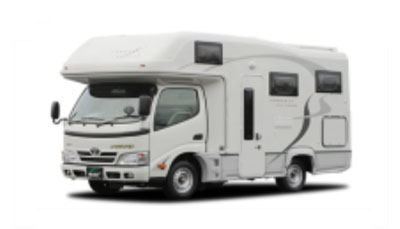
For most family RV rental experiences in Tokyo and its surrounding regions, a Class C - Alcove motorhome is highly recommended, offering an excellent balance of spacious living quarters and manageable maneuverability. Bandana's Class C - Alcove RVs in Tokyo average around 5 meters in length, a size that is generally well-suited for navigating Japanese roads, including suburban areas and accessible highways leading to popular destinations like the Fuji Five Lakes. This class typically provides ample sleeping places, often averaging 6 berths, and seating capacity for 3 to 6 adults, crucial for comfortable family trips or larger groups. The design of these vehicles ensures they are compact enough to handle most major routes and find suitable parking at campgrounds or Michi-no-Eki, while still offering all the amenities you’d expect from a home on wheels, including cooking facilities. If you plan to prepare meals on board, check out our RV-friendly recipes playlist for delicious and easy meal ideas.
Should I Choose a Compact Van Instead of a Large RV in Tokyo?
For most family RV rental experiences in Tokyo and across Japan, a full-sized RV, such as a Class C - Alcove motorhome, is often a superior choice for comfort and comprehensive amenities, as driving larger vehicles is generally not a significant issue outside of the most densely packed city centers. While a compact van or campervan might genuinely offer superior agility for navigating extremely tight historic village streets or very narrow mountain passes found in some remote rural areas, these instances are relatively rare on main tourist routes. However, the primary trade-off with a compact van is significantly less indoor space, fewer sleeping arrangements, and reduced amenities compared to a larger RV, which are often crucial for maintaining family comfort and enjoyment, especially on extended road trips. We pride ourselves on being true RV specialists, helping you find the perfect balance for your needs.
Can I Park Anywhere? Free & Wild Camping Rules in Tokyo
Wild camping or free overnight parking outside of designated areas is generally discouraged and often illegal in Tokyo and throughout Japan. Japan's extensive network of over 1,100 Michi-no-Eki (roadside stations) offers excellent facilities, including clean restrooms and local markets, and while many permit overnight parking, it's crucial to remember they are not formal campgrounds and typically do not allow setting up camp outside the vehicle, such as deploying awnings or outdoor furniture. Rules for overnight parking can vary by specific Michi-no-Eki and by region, so always check local regulations and follow local law before parking overnight. Prioritizing designated campgrounds or RV parks, especially those found in areas surrounding Tokyo, is the safest and most respectful option for overnight stays. For finding campsites and campgrounds during your trip, we recommend using RV PLANET (rvplan.net) - a great resource for locating available spots along your route.
Can I Drive an RV Into the City Center? Heights, Tunnels & Local Signage
Yes, you can generally drive a rented RV into Tokyo's city center, but it absolutely requires careful attention to signage due to the intricate network of narrow streets and heavy traffic patterns. Always pay close attention to local signage, especially for height limits on tunnels, underground parking garages (which larger RVs will likely not fit), and lower bridges, which are more common in dense urban areas like Shinjuku or Ginza. Be aware of residents-only streets or temporary access restrictions, often indicated by specific kanji characters, though many important signs include English translations. Rely on your advanced GPS system, many of which include warnings for height restrictions, to navigate successfully. With a Class C - Alcove motorhome around 5 meters in length, you'll find it manageable, just requiring a bit more focus than on wider highways. For detailed insights, you might want to review our "RV Travel Guide to Tokyo - Tips and Top Spots 2026" for further assistance on local driving challenges.
What are the road rules in Japan for RVs?
Driving a rented RV in Japan adheres to standard Japanese road rules, which include driving on the left side of the road, strict adherence to posted speed limits (typically 80-100 km/h on expressways and 40-60 km/h in urban areas), and a zero-tolerance policy for drunk driving. Specific to RVs, drivers must be mindful of their vehicle's dimensions for navigating narrower urban streets and be aware of the toll system on expressways. Road signs often feature both Japanese and English text, but a good GPS with English navigation is invaluable for clarity. It's also crucial to understand parking regulations; while temporary stops for sightseeing or shopping are generally fine, overnight parking is strictly restricted to designated areas such as campgrounds or specific Michi-no-Eki, making pre-planning your overnight stops essential. Bandana is committed to full transparency, ensuring you know all the rules and requirements upfront.
Where can I park an RV in Tokyo?
RV parking in Tokyo is primarily available at designated campgrounds or RV parks located on the outskirts of the city or in suburban areas like Chiba and Saitama, offering dedicated spots for various RV sizes. Within central Tokyo, suitable parking for larger RVs is extremely limited and challenging to find due to high density and strict parking regulations; consider adopting a 'park and ride' strategy. This involves parking your rented motorhome at a suburban campground, Michi-no-Eki, or a designated RV park outside the immediate city center, and then utilizing Tokyo's highly efficient public transportation system (trains and subways) to explore the urban core. Costs for RV parking in Tokyo-area campgrounds can vary but generally range from ¥3,000 to ¥6,000 per night, with smaller campervans sometimes finding more options in public parking lots slightly closer to the city. For discovering suitable parking and overnight spots, exploring RV PLANET (rvplan.net) is an excellent resource for your "RV Rental in Tokyo - Prices and Best Deals 2026" journey.
What are the best RV routes near Tokyo?
For family RV travel near Tokyo, recommended routes often explore the breathtaking scenic areas surrounding the urban core, allowing for a fantastic extended road trip. Destinations like the iconic Fuji Five Lakes region, the historic town of Hakone with its hot springs, or the beautiful Izu Peninsula offer a perfect balance of natural beauty, cultural sites, and RV-friendly infrastructure, including numerous campgrounds and Michi-no-Eki. These routes conveniently allow travelers to avoid the challenges of urban Tokyo driving while providing incredible experiences just a short drive away. Consider itineraries that include destinations like Nikko for its UNESCO World Heritage sites and stunning autumn colors, or Chiba's Boso Peninsula for relaxing coastal drives, both easily accessible via well-maintained expressways from Tokyo. Our "RV Travel Guide to Tokyo - Tips and Top Spots 2026" can provide even more route suggestions. Remember to travel slowly, max 100-150 km per day on average, to truly connect with the region.
How much does it cost to rent an RV in Tokyo?
The cost to rent a family RV in Tokyo, such as a popular Class C - Alcove motorhome, typically ranges from ¥15,000 to ¥35,000 per day, with prices varying dynamically based on several factors. These factors include the season (peak times like Golden Week, Obon, and the cherry blossom season will always be higher), the duration of your rental, and the specific amenities or age of the rented vehicle. Prices are fluid, much like flight tickets, and are set at the actual booking time. Budgeting for additional costs is crucial and includes comprehensive insurance (which should always be understood for foreign tourists), fuel, expressway tolls, and campground fees. For a complete financial overview, our "RV Rental in Tokyo - Prices and Best Deals 2026" provides detailed breakdowns, and exploring RV PLANET (rvplan.net) can help you budget ancillary costs along your chosen route plan.
Do I need an International Driving Permit for an RV in Japan?
Yes, an International Driving Permit (IDP) is legally required for foreign tourists to drive an RV or any motor vehicle in Japan, as per the 1949 Geneva Convention. Your IDP must be obtained in your home country before you travel to Japan, and it must always be presented alongside your valid domestic driver's license. It’s imperative to ensure your IDP clearly covers the correct vehicle category for the RV you intend to rent. For instance, a standard Class B license on an IDP is typically sufficient for Class C - Alcove motorhomes, which are common for family RV rental in Tokyo and are under 3.5 tons. Failure to possess a valid IDP can lead to legal issues and may invalidate your rental insurance, so this is a non-negotiable step in your preparation for an RV adventure in Japan.
Is it easy to drive an RV in Japan?
Driving a rented RV in Japan is generally straightforward due to the country's excellent road quality, clear signage, and high standards of driver etiquette, but it does require some adaptation for foreign travelers. You will need to adjust to left-hand traffic, which means driving on the left side of the road and navigating roundabouts clockwise. While major road signs include English, a reliable GPS with English navigation is invaluable for overcoming potential language barriers, particularly when seeking specific local services, dump stations, or in emergency situations. Cultural nuances include strict adherence to all road rules, operating quietly in campgrounds, and interacting respectfully with local communities, especially regarding waste disposal. Many of our first-time renters find it a smooth and enjoyable experience, especially when sticking to scenic routes and traveling slowly, averaging max 100-150 km per day, allowing time to appreciate Japan's unique charm. For more details on budgeting your trip, including fuel and tolls, check out our "Cheap RV Rental in Tokyo - Budget Guide 2026".
What is the cheapest way to RV in Japan?
The cheapest way to experience RV travel in Japan involves a combination of smart rental choices and diligent budgeting. Opt for smaller, more fuel-efficient campervans or compact Class C motorhomes, as these typically have lower daily rental rates and better fuel economy. Traveling during the off-season, such as late autumn or early spring (excluding cherry blossom season), and booking your rental well in advance can lead to significant savings. We offer a 25% planning discount for those who utilize rvplan.net for their route planning, which helps immensely. Minimize costs by utilizing free or low-cost Michi-no-Eki for overnight stays where permitted, rather than always paying for private campgrounds. Cooking meals in your RV is another excellent way to save on dining expenses, and remember, our RV-friendly recipes playlist has great ideas for delicious meals on the go. Additionally, budget-conscious travelers should consider pre-purchasing ETC cards for toll discounts and carefully managing fuel consumption by planning efficient routes through RV PLANET (rvplan.net), which helps itemize all your ancillary costs. For comprehensive pricing insights, consult "RV Rental Deals in Tokyo - Latest Offers 2026".
What You Shouldn't Miss
- **Mount Fuji & Lake Kawaguchiko**: Drive your rented motorhome to one of the Fuji Five Lakes, particularly Lake Kawaguchiko, for iconic views of Mount Fuji. Stay at a lakeside campground like Fujisan Y.H. Campsite for breathtaking sunrises.
- **Hakone National Park**: Explore the stunning natural beauty of Hakone, known for its hot springs, volcanic valleys (Owakudani), and scenic cruises on Lake Ashi. Look for RV-friendly parking at the Hakone Visitor Center.
- **Nikko National Park**: Head north to Nikko, a UNESCO World Heritage site, and immerse yourself in its ornate shrines and temples, especially Toshogu Shrine. The winding Irohazaka Road offers incredible views, manageable for careful RV drivers.
- **Izu Peninsula Coastal Drive**: Experience a captivating coastal road trip along the Izu Peninsula, south of Tokyo, with dramatic cliffs, beautiful beaches, and fresh seafood. RV parks are available in towns like Shimoda and Atami.
- **Michi-no-Eki Experience**: Discover the unique charm of Japan's roadside stations. Stop at Michi-no-Eki Hakone-toge for local produce and scenic views, or Michi-no-Eki Tomiura Biwa Club in Chiba for famous loquat products.
- Looking for expert insights from Avi Bandana? Top 5 Adventures — recommendations from Avi Bandana.
Final Thoughts
Driving a family RV in Tokyo, and indeed across Japan, is an adventure waiting to happen. With its impeccable roads, unique cultural experiences, and stunning natural beauty just beyond the city limits, an RV rental offers the perfect blend of freedom and comfort. We are here to support you with full transparency, expert advice, and the perfect rented motorhome to make your family's journey truly unforgettable.
So, whether you dream of exploring ancient temples, relaxing in hot springs, or simply enjoying the flexibility of your own mobile home, Tokyo is an exceptional starting point. Don't let urban driving myths deter you; with common sense and careful planning, your RV adventure will be nothing short of extraordinary.
Find Motorhome Rentals in Tokyo