In This Guide
- Can You Drive an RV in Switzerland? License & Age Rules
- Road Conditions & Terrain in Switzerland
- RV Size Limits, Bridges & Restricted Zones
- Fuel: Diesel vs. Petrol & Cost per 100 km
- Tolls, Vignettes & Border Rules
- Driving Tips for family rv rental Travelers
- Recommended RV Class for Switzerland Roads
- Should I Choose a Compact Van Instead of a Large RV in Switzerland?
- Can I Park Anywhere? Free & Wild Camping Rules in Switzerland
- Can I Drive an RV Into the City Center? Heights, Tunnels & Local Signage
- What is the best month to RV in Switzerland?
- Do you need special tires for RV in Switzerland?
- How much does an RV trip to Switzerland cost?
- Are RVs allowed on Swiss mountain passes?
- What do I need to prepare for an RV trip to Switzerland?
- Is Switzerland RV friendly?
- Is it worth RVing in Switzerland?
- Where can I find unique camping experiences in Switzerland?
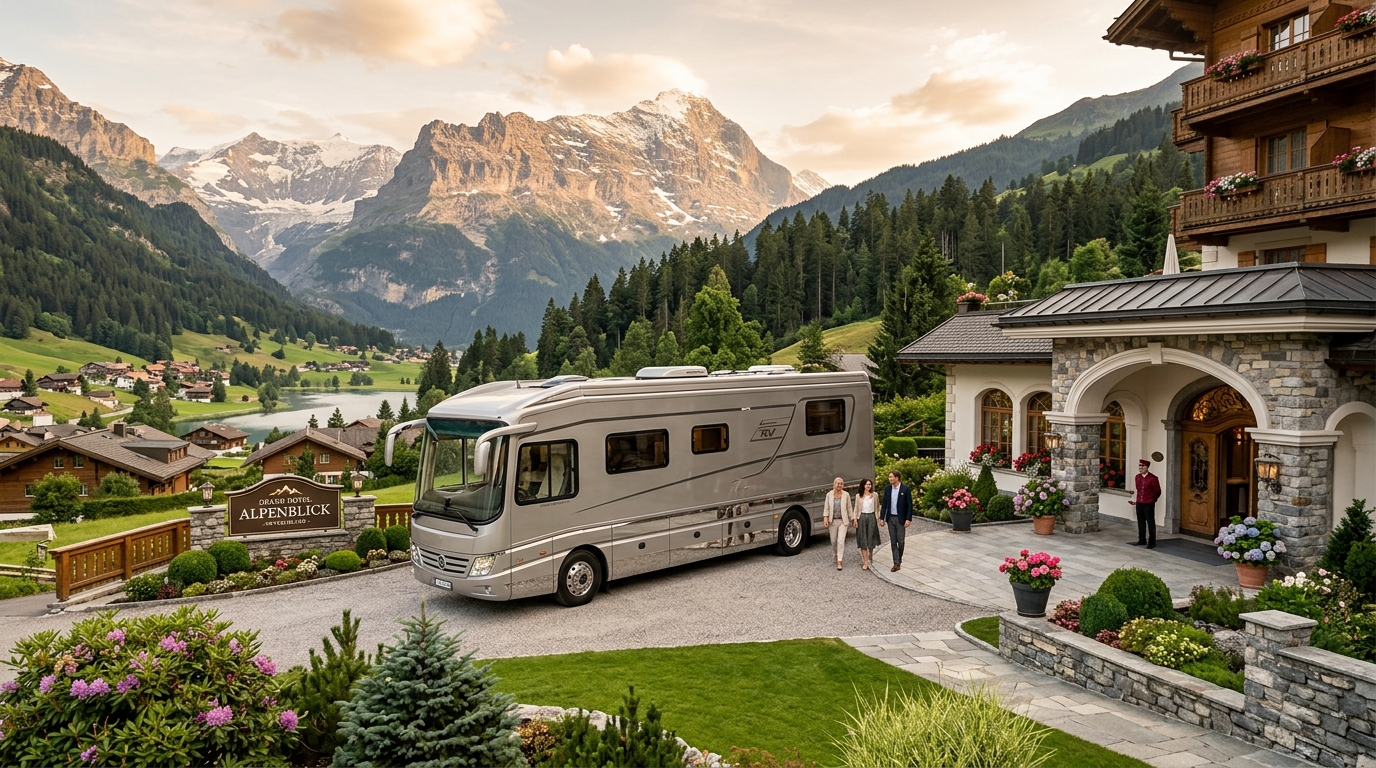
Imagine yourself winding through the majestic Alps, waking up to the sound of cowbells in a pristine valley, or parking beside a sparkling turquoise lake, all from the comfort of your rented home on wheels. Exploring Switzerland by family RV rental offers an unmatched sense of freedom and a truly immersive experience of this stunning country. From the dramatic peaks of the Eiger to the serene shores of Lake Geneva, a motorhome adventure lets you craft an itinerary perfectly suited for your family's pace and interests.
At Bandana RV, we've helped tens of thousands of travelers since 2001 discover the joy of RV travel across 5 continents, including the incredible landscapes of Switzerland. We're true RV specialists, not just a side department of a generic travel agency, which means we bring unmatched personal experience and attention to the smallest details of your journey. For live availability and current prices, start with our RV Rental Switzerland - Complete Guide 2026 guide.
Can You Drive an RV in Switzerland? License & Age Rules
Drivers with a standard B license can operate RVs up to 3,500 kg in Switzerland, which covers most campervans and many smaller semi-integrated models like the "Active Pop Top" or "V3" models. For larger RVs exceeding 3,500 kg, such as a full-sized Class C motorhome like the "Adak Argonaut 28 - Bronze" or some Class A integrated models, a C1 license (a light truck license) is typically required in Switzerland, necessitating a specific driving endorsement. The minimum driving age for renting an RV in Switzerland through Bandana is 21 years old, and there are no young driver surcharges or vehicle class restrictions based on age, making it accessible for a broader range of travelers. Foreign drivers need a valid national driving license; an International Driving Permit (IDP) is strongly recommended for non-EU/EFTA licenses to avoid any potential language barriers with authorities, though it is not strictly mandatory in all cases. Our commitment to full transparency means no hidden fees or surprises regarding licensing requirements, ensuring you know exactly what you need before you book your family RV rental.
Road Conditions & Terrain in Switzerland
Switzerland boasts excellent road quality, encompassing well-maintained highways, secondary routes, and stunning scenic mountain passes that are generally suitable for rented RVs. You can expect diverse terrain ranging from flat valleys and picturesque lakeshores to challenging alpine routes featuring steep gradients and winding roads. While main roads are typically wide and smooth, rural and mountain roads can be narrower and require careful navigation, especially for larger family RVs like a 7.5-meter Class C (Alcove) "Euro Deluxe" model. We always recommend slow travel, averaging a maximum of 100-150 km per day, allowing families to fully appreciate the stunning Swiss landscapes and safely adapt to varying road conditions. This approach also gives you more time to feel the place, connect to the culture, the food, and the scenery, making your motorhome trip a truly enriching experience. The quality of Swiss infrastructure is a testament to why it's such a popular destination for those seeking an RV adventure.
RV Size Limits, Bridges & Restricted Zones
Most rented RVs can comfortably navigate Swiss roads, but drivers should always be mindful of height and weight restrictions, particularly on smaller roads, in older villages, and within historic urban areas. Standard height limits for bridges and tunnels are clearly marked, often around 3.5 to 4 meters, so always consult local signage carefully. Environmental zones (Umweltzonen) are less prevalent in Switzerland than in some other European countries, but it is prudent to check for any specific city access restrictions that may apply to older diesel vehicles in certain urban centers. Ferries operating on Swiss lakes, such as Lake Lucerne or Lake Brienz, can accommodate RVs; however, booking ahead for larger vehicles is often advisable, especially during peak season, to ensure your spot and avoid delays. Being a true RV specialist, Bandana provides guidance on these specifics before your trip, so you can plan with confidence and no surprises.
Fuel: Diesel vs. Petrol & Cost per 100 km
The majority of Bandana's rental motorhomes operate on diesel fuel, which is widely available at service stations across Switzerland. Our fleet typically shows common fuel consumption averages of 10-12 Liters/100 km for Class SI (Semi-integrated) and Class C (Alcove) RVs, and 8-10 Liters/100 Km for Class B (Campervan) models. Fuel prices in Switzerland are generally higher than in neighboring countries, necessitating a careful budget for fuel expenses. While some rental RVs may include fuel discount cards (check with your specific supplier), it is wise to factor this significant cost into your overall trip planning. For transparent trip cost estimation and to track every expense along the way, RV PLANET routes offer itemized budgeting tools. On the routes offered through RV PLANET routes, you can itemize and track every expense along the way for easy budgeting.
Tolls, Vignettes & Border Rules
To use Swiss motorways (A-roads), all vehicles under 3.5 tonnes, including most rental RVs, require an annual vignette, which costs CHF 40 and is valid from December of the previous year to January 31st of the following year. For vehicles exceeding 3.5 tonnes, a heavy vehicle charge (LSVA) applies, typically managed via a special device or a daily flat fee, so verify your specific RV's weight. The vignette can be conveniently purchased at border crossings, post offices, petrol stations, or online, and must be correctly affixed to the windshield. If traveling from neighboring countries as part of an extended European adventure (for which our RV Rental Europe - Complete Guide 2026 is a great resource), be aware that Austria requires its own vignette and France operates a péage (toll) system, so plan accordingly for cross-border journeys. Our Rent&Plan service can help clarify these details for seamless border crossings.
Driving Tips for family rv rental Travelers
For family RV rental travelers in Switzerland, planning frequent stops, ideally every 2-3 hours, is key to an enjoyable journey, allowing children to stretch their legs and the driver to rest. Utilize Switzerland's numerous scenic picnic areas (Rastplätze) and viewpoints for meal breaks, offering picturesque settings and opportunities to save money on dining out. Always drive slowly and carefully, and you can drive almost anywhere without issues. No need to stress-just use common sense and pay attention. Familiarize yourself with specific Swiss road signs, particularly those indicating mountain pass closures, steep gradients, or height restrictions, which are crucial for RV safety. Consider renting an RV with an automatic transmission, such as a "Paradise Family 5" model, as it can significantly ease driving on Switzerland's often winding and hilly roads. Always drive defensively, maintain a safe distance, and be mindful of local traffic, especially the iconic yellow PostBuses on narrow mountain roads, which often have right-of-way and a distinctive three-tone horn to alert you.
Recommended RV Class for Switzerland Roads
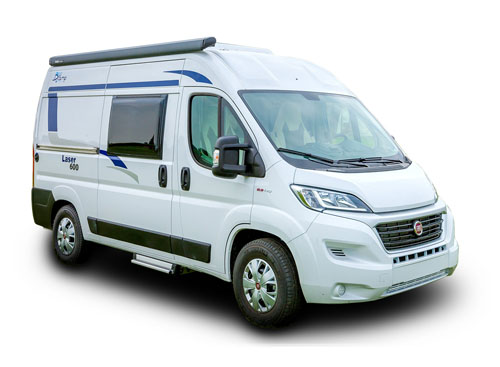
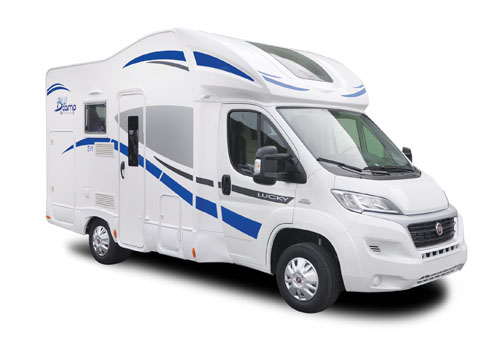
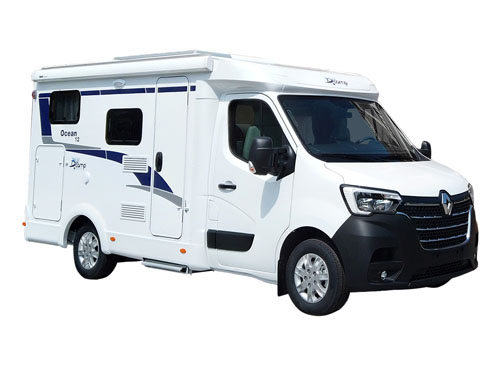
For families exploring Switzerland, a Class SI (Semi-integrated) or Class C (Alcove) RV offers an optimal balance of interior comfort and road maneuverability. Bandana's Class SI RVs, such as the "Active Standard Auto", typically average around 6.9 meters in length with 3-4 sleeping places, providing ample space for small to medium families without being overly cumbersome on mountain roads. Class C (Alcove) RVs, like the "Euro Deluxe" model averaging 7.5 meters in length with 5-6 sleeping places, are ideal for larger families needing more sleeping and living space, though they require slightly more cautious driving on tighter turns. Both classes offer sufficient ground clearance for most paved Swiss roads and well-maintained unpaved access roads leading to various campsites. When comparing options for your trip, consider our "Luxury RV Rental in Switzerland - Premium Prices 2026" guide for high-end options, or "Cheap RV Rental in Switzerland - Budget Guide 2026" for more economical choices, always keeping in mind that prices are dynamic and depend on availability and season.
Should I Choose a Compact Van Instead of a Large RV in Switzerland?
While a compact van (Class B Campervan), like our "Juliette 2-3" model averaging 5.8 meters in length, can offer greater maneuverability in tight city centers and very narrow mountain passes, most standard RVs are perfectly suitable for Switzerland's well-maintained roads. Compact campervans are indeed easier to park and navigate through historic villages or smaller roads. However, for a comfortable family RV rental experience, the enhanced indoor space, often including separate sleeping areas, and larger kitchen/bathroom facilities of a Class SI or C RV frequently outweigh the minor maneuverability benefits of a compact van. Unless your itinerary specifically prioritizes highly restricted urban areas or extremely challenging single-lane tracks, a larger RV generally provides a more comfortable and spacious family experience. Consider the benefits of having a full kitchen to prepare RV-friendly recipes playlist and more living space, which can be invaluable on a longer trip.
Can I Park Anywhere? Free & Wild Camping Rules in Switzerland
Wild camping and free overnight parking for RVs in Switzerland are generally prohibited outside of officially designated campsites and specific, tolerated areas. Regulations concerning overnight parking and camping vary significantly by canton (region) and even by individual municipality, with some areas strictly enforcing bans while others might tolerate it in very remote, high-altitude locations. For example, some cantons may allow an overnight stay above the tree line if no specific ban is posted, but this is rare and requires thorough research and local inquiry. Overnight stays in public parking lots, rest areas, or private land are typically not permitted without explicit permission from the landowner or local authorities. Always adhere to local laws, respect clear signage, and practice 'leave no trace' principles to protect the pristine Swiss environment and avoid fines. Rules vary by region, so always check local regulations and follow local law before parking overnight. For finding campsites and campgrounds during your trip, we recommend using RV PLANET (rvplan.net) - a great resource for locating available spots along your route.
Can I Drive an RV Into the City Center? Heights, Tunnels & Local Signage
Yes, you can generally drive an RV into Swiss city centers, but careful attention to local signage is absolutely crucial due to potential restrictions. Drivers must watch for height limits on underground parking garages and low bridges, and be aware of any environmental zones (though less common than in other European countries than, say, Germany). Many city centers feature narrow streets or pedestrian zones where RV access might be restricted or difficult, making peripheral parking and utilizing public transport often the best strategy. Always look for signs indicating 'Anlieger frei' (residents only) or specific vehicle type restrictions to avoid fines or getting stuck in unsuitable areas. Our advice remains consistent: drive slowly and carefully, and you can drive almost anywhere without issues. No need to stress - just use common sense and pay attention. If you're exploring cities like Geneva, our location hub page "RV Rental Geneva - Airport 2026" can offer more specific advice on picking up and navigating from there.
What is the best month to RV in Switzerland?
The best months for RVing in Switzerland, offering optimal weather and full accessibility to mountain passes, are typically June to September. Summer (July-August) provides the warmest temperatures, complete access to all high alpine routes like the Furka Pass, and a vibrant atmosphere with numerous festivals and outdoor activities. However, it also coincides with the highest tourist crowds and peak rental prices, as detailed in our "RV Rental in Switzerland - Prices and Best Deals 2026" guide. Spring (May-June) showcases blooming landscapes and fewer tourists, though some higher mountain passes might still be closed due to snow, and evening temperatures can be cool. Autumn (September-October) offers spectacular fall foliage, comfortable daytime temperatures, and significantly reduced tourist numbers, making it a wonderful time for scenic drives. Winter (November-April) RVing is feasible but requires specialized preparation for snow and cold, with a focus on specific winter sports regions as many scenic routes become inaccessible. For a more detailed seasonal breakdown, consider our "RV Rental Deals in Switzerland - Latest Offers 2026" for specific timeframes.
Do you need special tires for RV in Switzerland?
Yes, special tires are often required or highly recommended for RV travel in Switzerland, particularly during the colder months. Winter tires are legally mandatory if road conditions (snow, ice) necessitate them, generally between November 1st and April 30th, and are strongly advisable for any winter RV trips. Always check local forecasts and current road conditions. Snow chains must be carried in winter and used when indicated by road signs, especially on marked mountain passes, for both safety and legal compliance. While all-season tires might be sufficient for some, dedicated summer and winter tire sets offer superior safety and performance in Switzerland's varied climatic conditions. Ensure your rental supplier provides the appropriate tires for your travel season or inquire about adding them as an extra. Knowing these details upfront is part of our full transparency promise, so you're never caught by surprise.
How much does an RV trip to Switzerland cost?
The total cost of a family RV trip to Switzerland can vary significantly but generally ranges from CHF 1,500 to CHF 3,000+ per week, depending on the RV class, season, and chosen travel style. RV rental costs typically range from CHF 800-1,500 per week for a compact campervan (Class B) to CHF 1,500-2,500+ for a larger family RV (Class SI or C), with peak season prices being higher and dynamic. Campsite fees average CHF 30-70 per night for a family pitch with electrical hook-ups, varying based on location, amenities, and time of year. Fuel expenses are a significant budget factor; with Bandana's fleet averaging 10-12 Liters/100 km, budget approximately CHF 150-300 per week for fuel depending on your mileage and current prices. Food costs can be managed by cooking in your RV (budget CHF 100-200 per week for groceries), as dining out in Switzerland can be expensive. Remember to factor in the Swiss motorway vignette (CHF 40), potential tunnel tolls, and fees for activities and attractions into your comprehensive budget. For detailed budgeting and route planning, consider exploring RV PLANET routes, where you can itemize and track every expense along the way for easy financial management.
Are RVs allowed on Swiss mountain passes?
Yes, rented RVs are generally allowed on most Swiss mountain passes, offering access to breathtaking scenic routes, though some passes may have specific restrictions or seasonal closures. Major passes like Gotthard Pass, Grimsel Pass, and Furka Pass are popular and typically navigable for most RVs, but caution is advised on sharp bends and steep gradients. Always check the current status of mountain passes before embarking, especially outside of peak summer months, as many are closed due to snow and become inaccessible. Be aware of specific signage indicating weight, height, or length restrictions on certain narrower or older passes, and always yield to PostBuses which have priority on mountain routes. Our emphasis on slow travel is particularly relevant here, allowing you to safely navigate these stunning, yet sometimes challenging, roads. For detailed routes covering some of Switzerland's most beautiful passes, explore itineraries offered through RV PLANET.
What do I need to prepare for an RV trip to Switzerland?
Beyond booking your family RV rental and mapping your route, prepare for an RV trip to Switzerland by understanding local customs, ensuring connectivity, and having an emergency plan. Consider purchasing an e-SIM or a local SIM card upon arrival for reliable mobile data and GPS, as Wi-Fi in remote areas can be inconsistent. Pack versatile clothing for varied weather conditions, even in summer, including layers, rain gear, and sturdy walking shoes suitable for hiking in the Alps. Familiarize yourself with eco-friendly RVing practices, such as proper waste disposal at designated stations, conserving water in your RV's 82-liter fresh water tank (like the "Explorer" model from Cruise America), and minimizing your environmental impact in Switzerland's pristine natural areas. Have emergency contact numbers readily available, including roadside assistance (e.g., TCS for members), general emergency services (112 or 144 for ambulance), and mountain rescue (1414 for Rega helicopter rescue). Learn basic cultural etiquette, such as greeting locals (Grüezi), maintaining quiet in residential areas and campsites, and always respecting private property. Our supportive team is with you before and after booking to help coordinate these details.
Is Switzerland RV friendly?
Switzerland is exceptionally RV friendly, offering outstanding infrastructure, stunning landscapes, and a highly organized system for motorhome travel, making it an excellent destination for families. The country boasts a comprehensive network of high-quality campsites with modern amenities, catering to diverse preferences and ensuring comfortable stays. Roads are impeccably maintained, and while mountain passes can be challenging, they are generally navigable for most RV sizes, with clear signage throughout. Efficient public services, a strong focus on safety, and a respectful culture contribute to a positive and stress-free RVing experience. The ability to explore diverse regions, from majestic alpine peaks to serene lakeshores, at your own pace further enhances Switzerland's appeal for family RV adventures. As true RV specialists, we at Bandana recommend planning your journey with our pre-planned routes from rvplan.net to maximize your comfort and enjoyment in this magnificent country.
Is it worth RVing in Switzerland?
RVing in Switzerland is absolutely worth it for families seeking unparalleled flexibility, breathtaking natural beauty, and a unique, immersive way to explore the country's diverse landscapes. The freedom to effortlessly move between picturesque villages, majestic mountains, and tranquil lakes offers an unparalleled travel experience, with your accommodation always at hand. While Switzerland is known for its high cost of living, a rented RV allows for significant savings on accommodation and dining by enabling self-catering and choosing budget-friendly campsites. The convenience of having your 'home on wheels' with you reduces the hassle of packing and unpacking, making it particularly ideal and stress-free for families with children. The opportunity to connect deeply with nature, enjoy outdoor activities, and experience Switzerland's pristine environment up close makes RVing an unforgettable and highly recommended adventure. When planning your trip, remember our 25% planning discount for using rvplan.net for your itineraries.
Where can I find unique camping experiences in Switzerland?
Beyond traditional campgrounds, Switzerland offers unique camping experiences such as farm stays (Camping auf dem Bauernhof), private pitches, and lesser-known motorhome parks. Explore platforms like MyCabin or Nomady to discover private pitches often located on farms, vineyards, or other scenic private properties, providing a more intimate and authentic local experience. Many Alpine regions feature smaller, family-run campsites nestled in valleys or by lakes, offering local charm, direct access to hiking trails, and a quieter atmosphere. Consider searching for dedicated 'Stellplätze' (motorhome parking spots), which are often found in smaller towns or villages and provide basic amenities, often at a lower cost than larger holiday parks. For the truly adventurous, some very remote, high-altitude areas (generally above the tree line) may tolerate 'wild camping' with strict 'leave no trace' principles, though this requires thorough research and local inquiry into specific canton rules. Our Rent&Plan service can even help you find routes that incorporate these unique stops, giving you access to pre-planned routes by professionals.
What You Shouldn't Miss
- **The Interlaken Region:** Nestled between Lake Thun and Lake Brienz, Interlaken is the adventure capital, offering paragliding, canyoning, and boat trips. Park your RV in a nearby campground and explore the Jungfraujoch "Top of Europe" by train.
- **Lucerne and Lake Lucerne:** This picturesque city offers a blend of historic charm and natural beauty. Explore the Chapel Bridge and Lion Monument, then take a ferry (with your RV if booked ahead) across Lake Lucerne for stunning views.
- **Matterhorn Glacier Paradise (Zermatt):** While Zermatt itself is car-free, you can park your RV in nearby Täsch and take the train up to witness the iconic Matterhorn. Take a cable car to Europe's highest cable car station for unparalleled glacier views.
- **Grand Tour of Switzerland Sections:** Focus on sections of the renowned Grand Tour that pass through breathtaking alpine passes like Grimsel Pass and Susten Pass (open usually June-October). Remember to allow ample time for slow travel and photo stops.
- **Rhine Falls:** Europe's largest waterfall, located near Schaffhausen, offers a powerful natural spectacle. Park your motorhome and take a boat trip right up to the falls for an exhilarating experience.
- **The Lavaux Vineyards (UNESCO World Heritage Site):** On the shores of Lake Geneva, these terraced vineyards offer incredible views and wine-tasting opportunities. Find a local campsite and explore the charming villages on foot or by bicycle.
Looking for expert insights from Avi Bandana? Top 5 Adventures - recommendations from Avi Bandana.
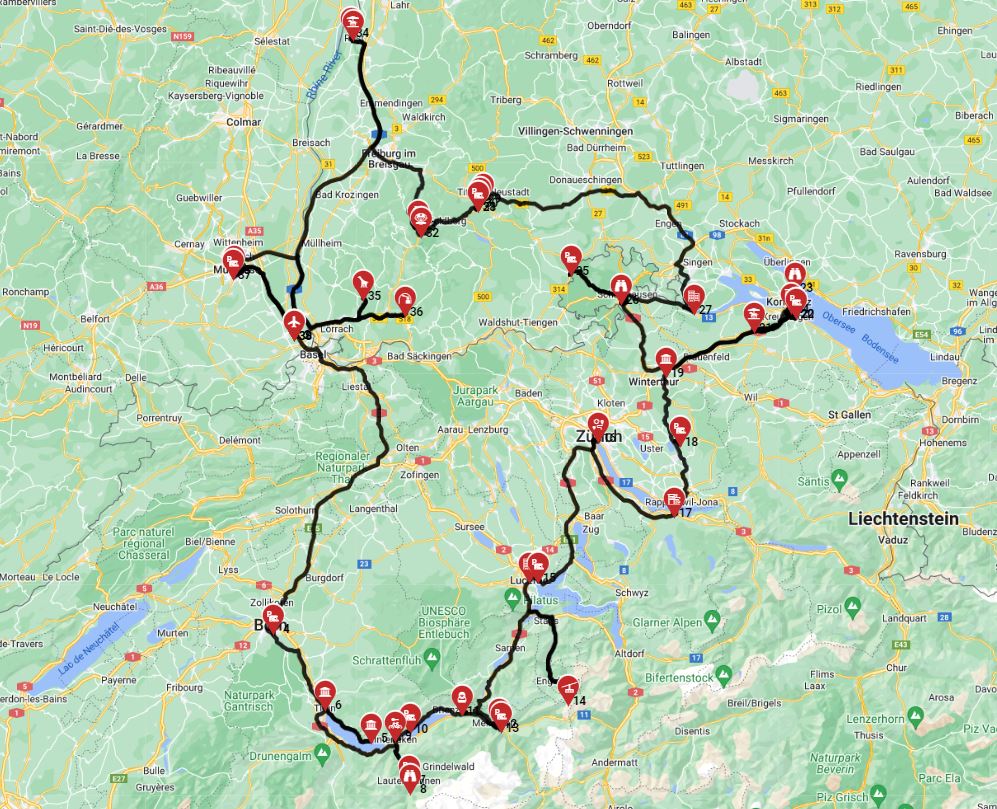
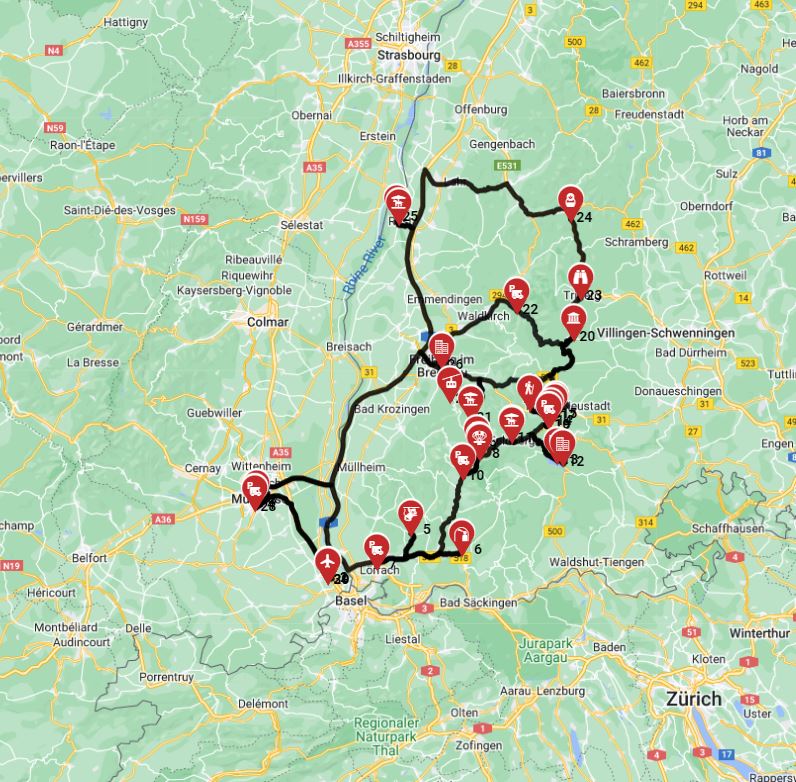
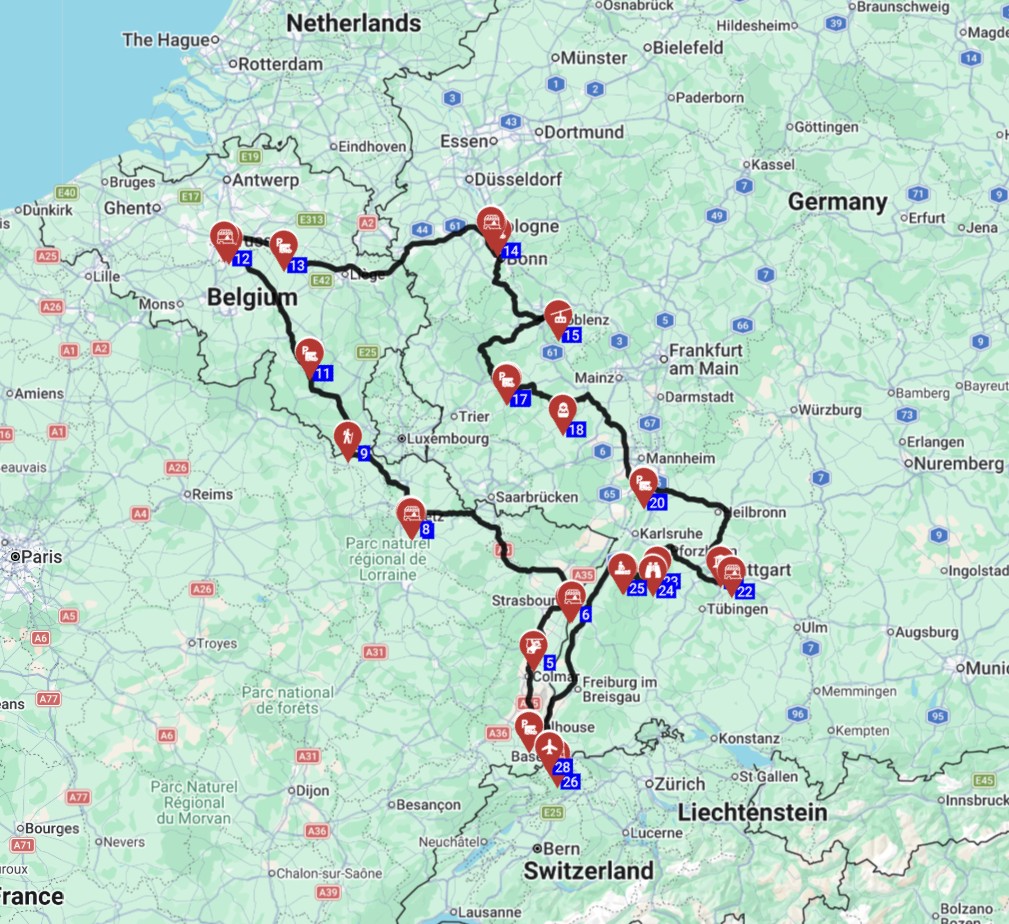
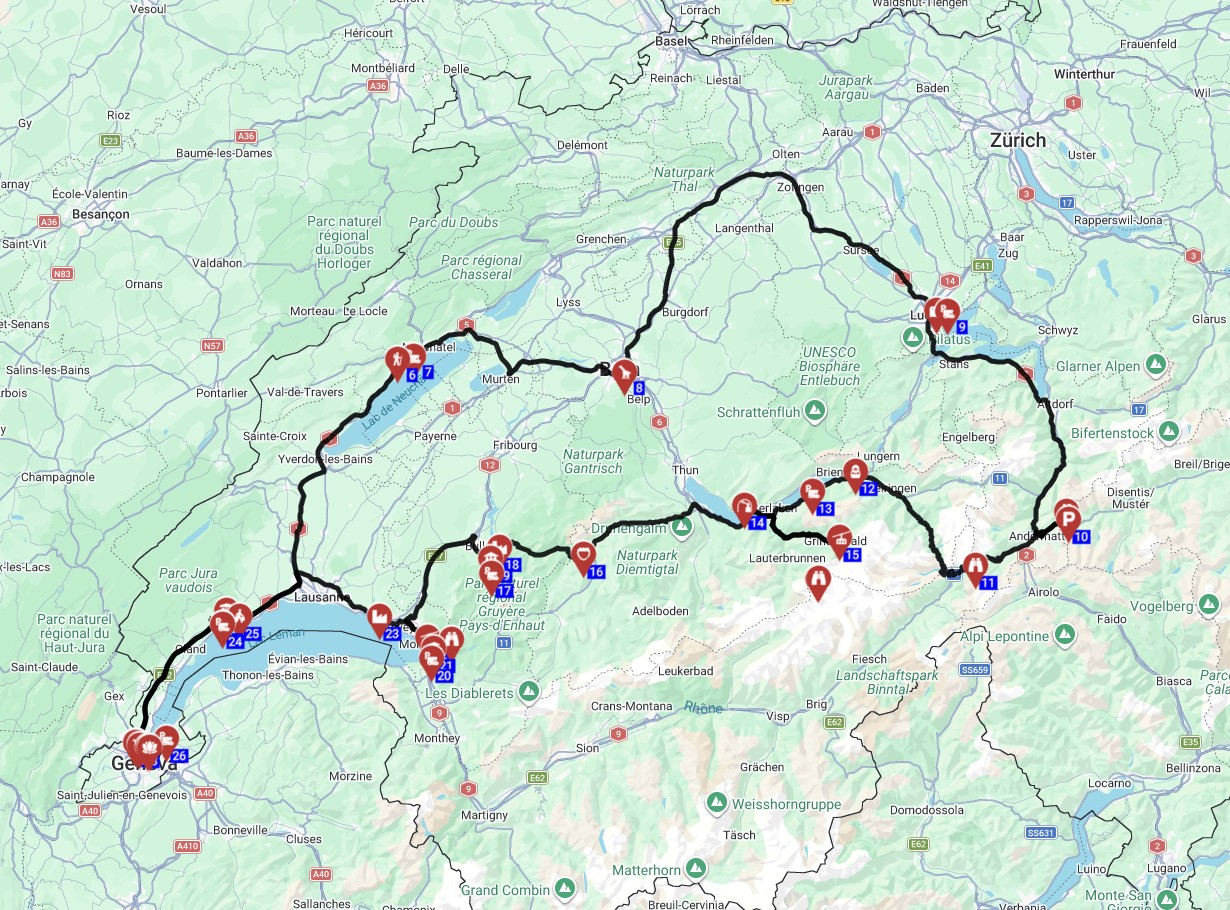
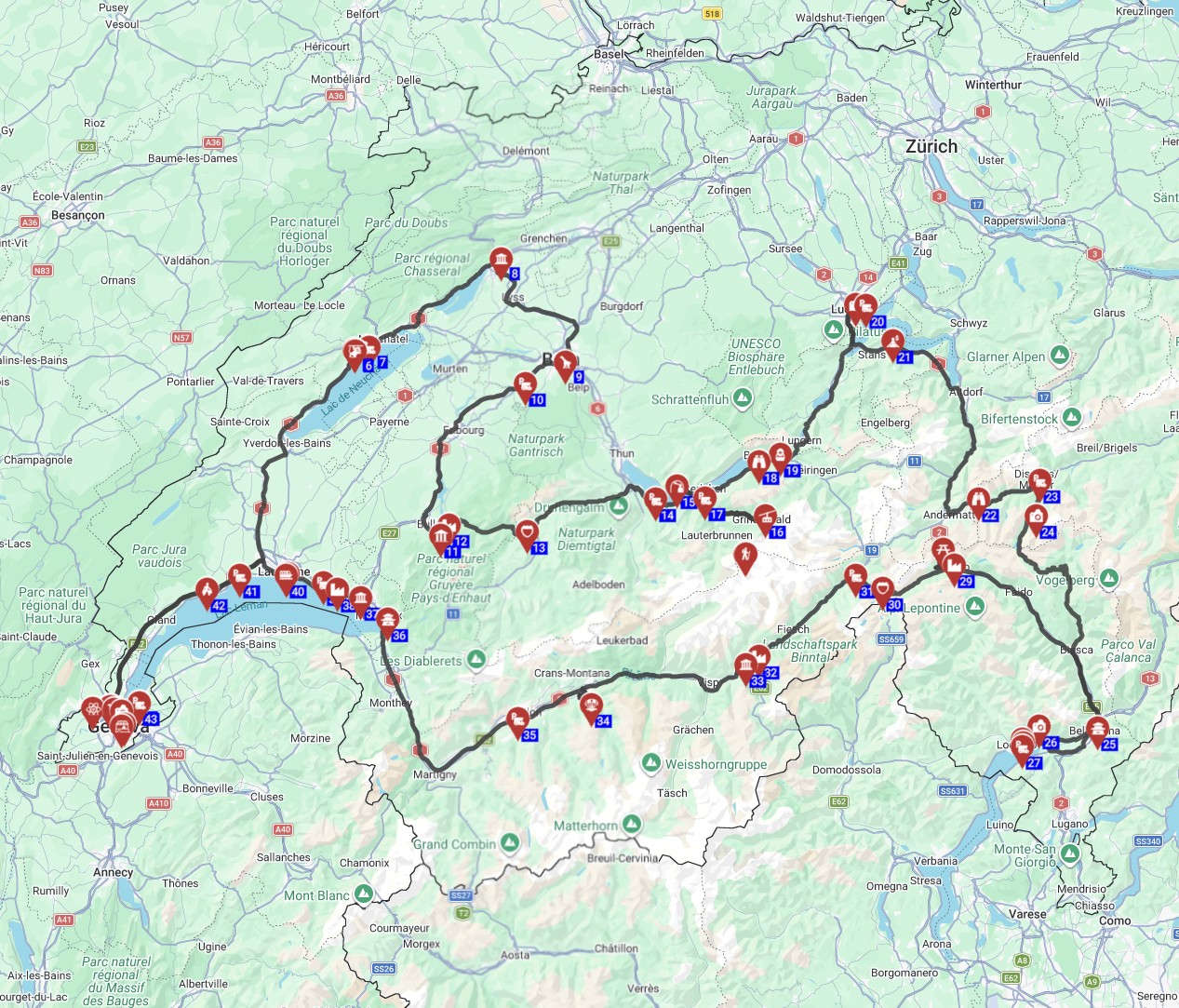
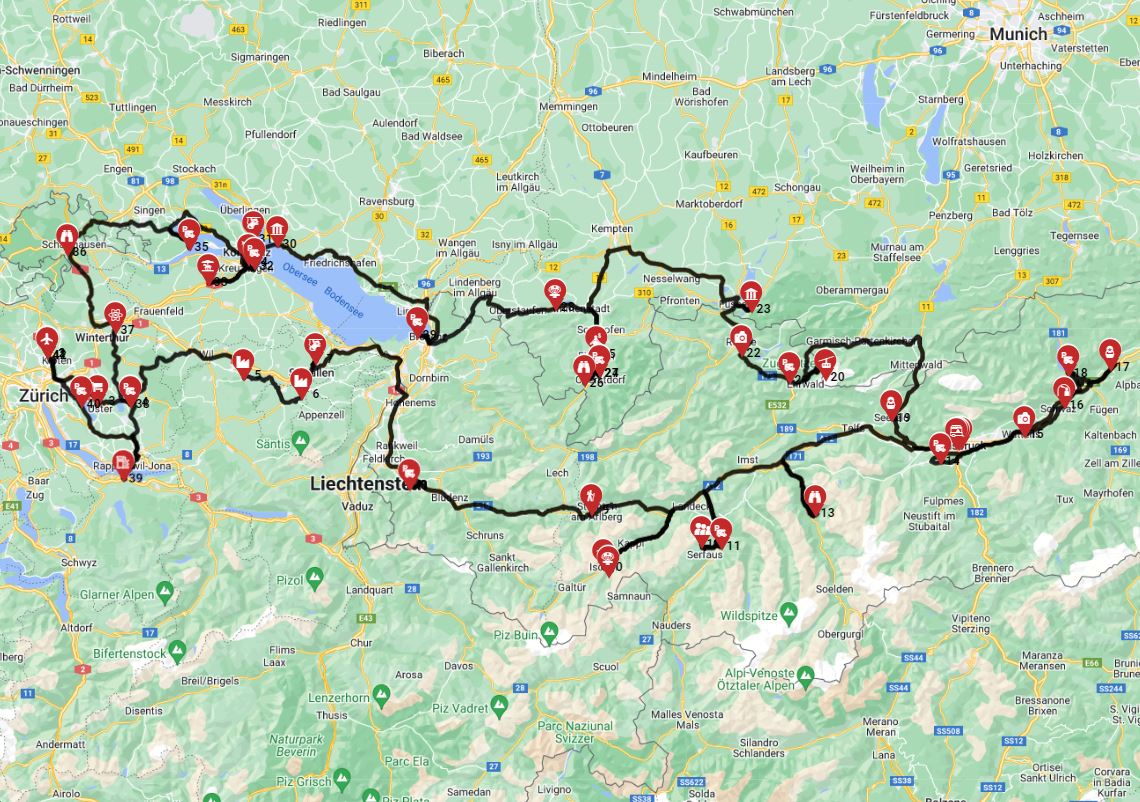
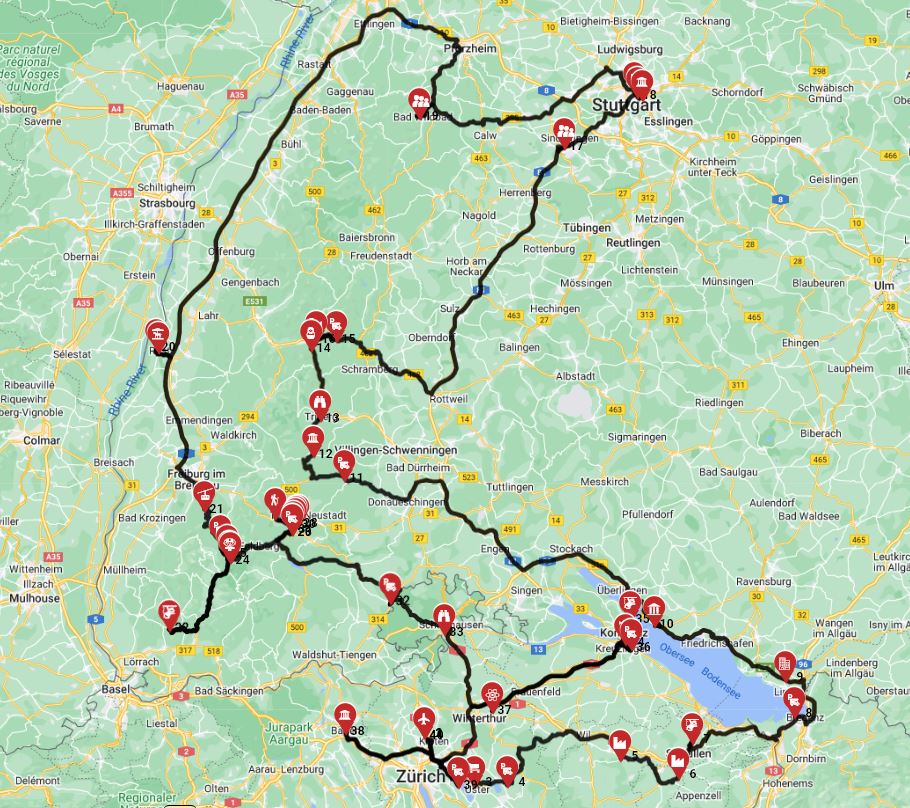
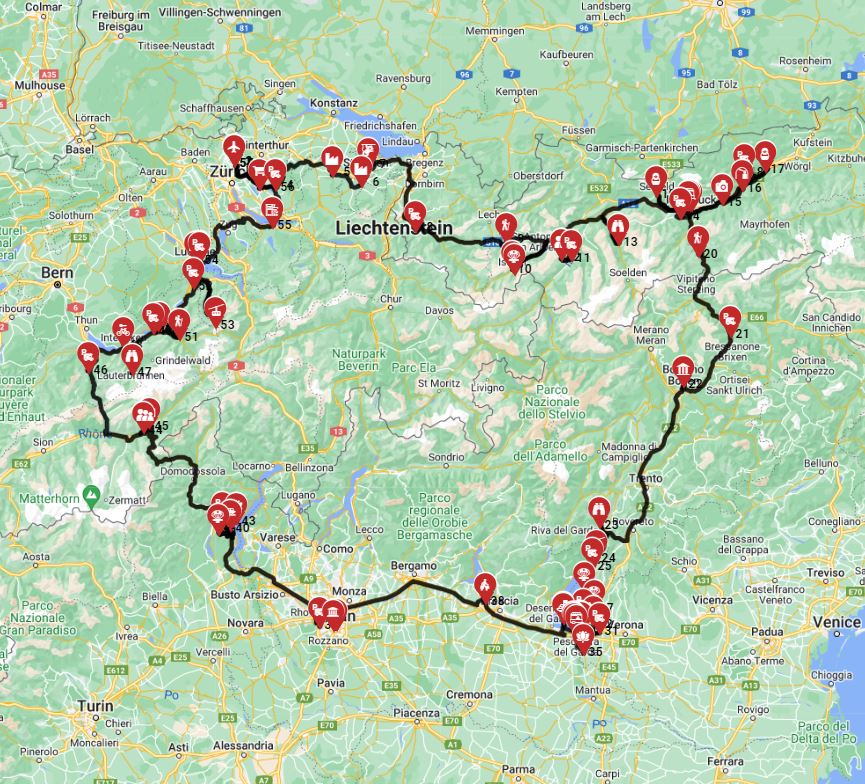
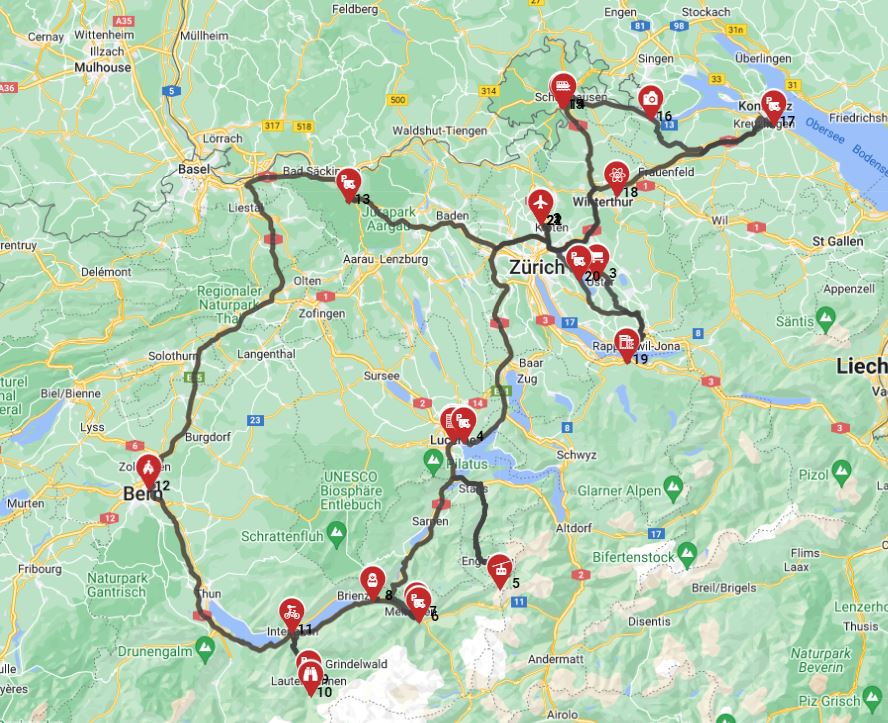
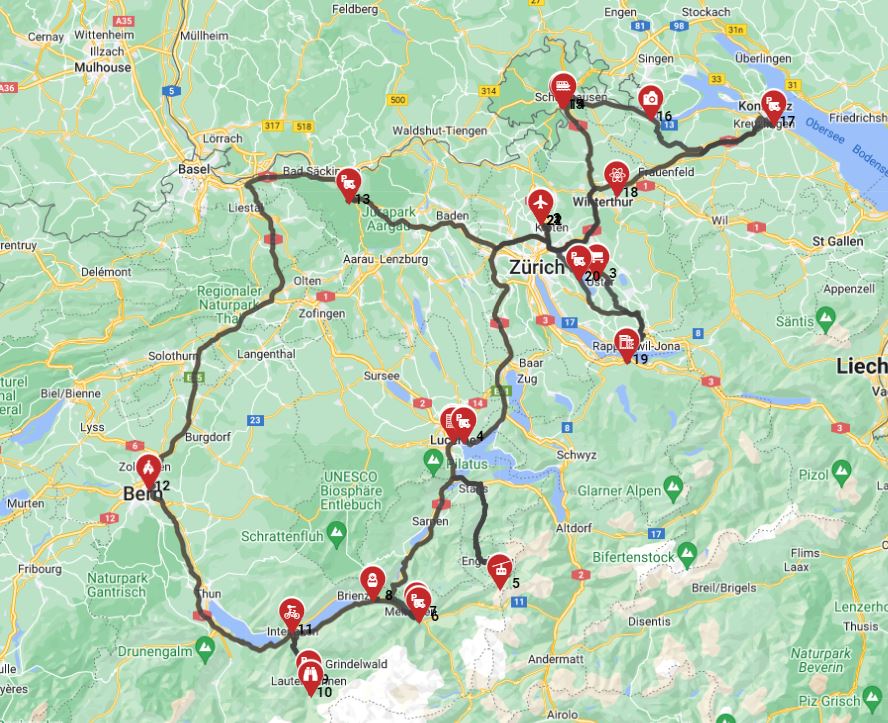
Our Rent&Plan service allows you to explore professionally designed itineraries, like the "Basel Roundtrip - Switzerland & Black Forest," a 16-day journey covering 1233.4 km and including 2 amusement parks, 5 natural features, and 4 museums, offering a fantastic blend of culture and adventure. Similarly, the "
🎬 Video coming soon
Final Thoughts
Embarking on a family RV adventure in Switzerland is more than just a trip; it's an opportunity to create lasting memories amidst some of the world's most spectacular scenery. With the flexibility of your own rented motorhome, you can dictate your pace, chase spontaneous detours, and savor every moment, from the highest peaks to the tranquil valleys. Whether you're a seasoned RVer or planning your first week-long trip, Switzerland offers an incredibly rewarding experience.
Remember, we handle the details, and you live the journey. Our dedicated support team is here to guide you through the pre-booking comparison, assist with your booking, and ensure smooth coordination before you even pick up your family RV. God is in the small details, and we take care of them. That's what makes the big difference in your travel experience.
So, get inspired for your next trip! Discover top destinations, planning tips, all in one place, and let Bandana help you plan a trip itinerary in advance with minimal effort and maximum enjoyment. Your Swiss RV dream awaits!