For live availability and current prices, start with our RV Rental Stavanger - Complete Guide 2026 guide.
In This Guide
- Can You Drive an RV in Stavanger? License & Age Rules
- Road Conditions & Terrain in Stavanger
- RV Size Limits, Bridges & Restricted Zones
- Fuel: Diesel vs. Petrol & Cost per 100 km
- Tolls, Vignettes & Border Rules
- Driving Tips for Family RV Rental Travelers
- Recommended RV Class for Stavanger Roads
- Should I Choose a Compact Van Instead of a Large RV in Stavanger?
- Can I Park Anywhere? Free & Wild Camping Rules in Stavanger
- Can I Drive an RV Into the City Center? Heights, Tunnels & Local Signage
- What is the 3 3 3 rule for RVs and campers?
- Is Norway RV Friendly?
- Can I Sleep in RV While Driving?
- Can an American 16 Year Old Drive in Norway?
Can You Drive an RV in Stavanger? License & Age Rules
Most standard RVs, typically those weighing up to 3,500 kg Total Permissible Mass (TPM), can be driven in Norway and Stavanger with a standard B driving license, equivalent to a regular car license. For larger RVs, specifically those between 3,501 kg and 7,500 kg, a C1 license is required. The minimum legal driving age in Norway for Category B and C1 vehicles is 18 years old. International drivers from non-EU/EEA countries are generally required to possess an International Driving Permit (IDP) alongside their national license to legally operate an RV. Rental companies in Norway often have their own age restrictions, typically starting at 21 years old, but potentially higher for larger RV classes.
Road Conditions & Terrain in Stavanger
The road network around Stavanger and throughout Norway is generally of high quality, featuring well-maintained paved surfaces. However, drivers should be prepared for narrow, winding routes, especially when exploring the scenic fjord landscapes. You'll also encounter steep inclines and numerous tunnels, which are common features of Norway's dramatic terrain. While most main roads are paved, some smaller, more rural routes might include gravel sections. Norway's breathtaking landscape, characterized by dramatic fjords and mountain passes, necessitates a slower, more cautious approach to driving. Families renting an RV should anticipate varied weather conditions, even during summer, and plan for a scenic, unhurried pace to truly appreciate the journey.
RV Size Limits, Bridges & Restricted Zones
When driving an RV in Norway, particularly around Stavanger, it is essential to always check signage for specific height and weight limits on tunnels, bridges, and certain ferry routes. Most main roads are designed to accommodate standard RV sizes, but narrower streets in urban centers or specific mountain passes may have restrictions. Larger RVs might also incur higher costs or require specific booking procedures on some ferry routes. Stavanger itself does not currently have strict environmental zones that would prohibit RVs, but drivers should remain mindful of local parking restrictions and narrow city streets that might pose challenges for larger vehicles. Always pay close attention to road signs for any specific vehicle restrictions.
Fuel: Diesel vs. Petrol & Cost per 100 km
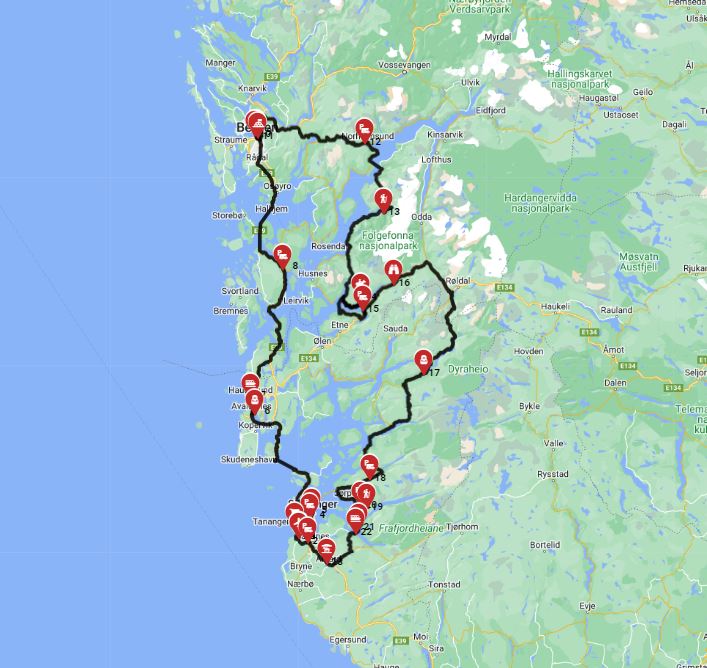
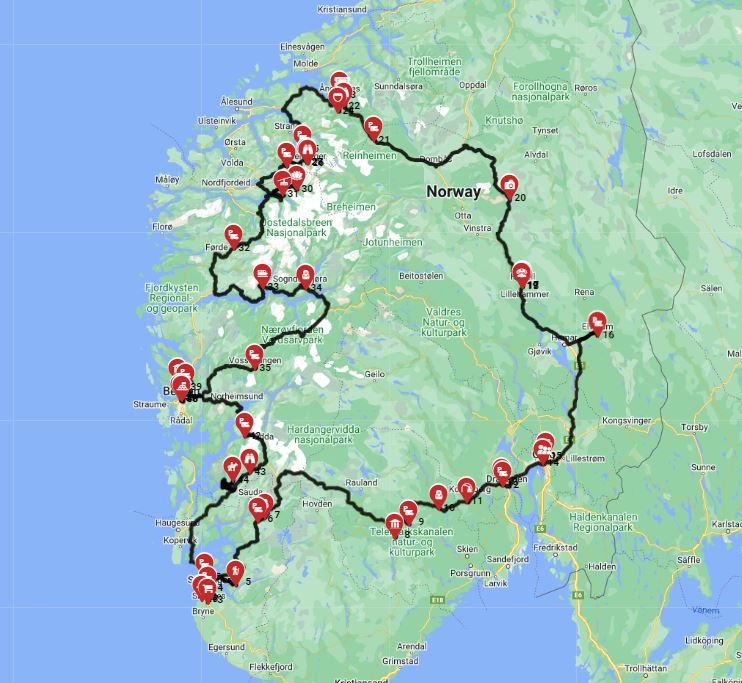
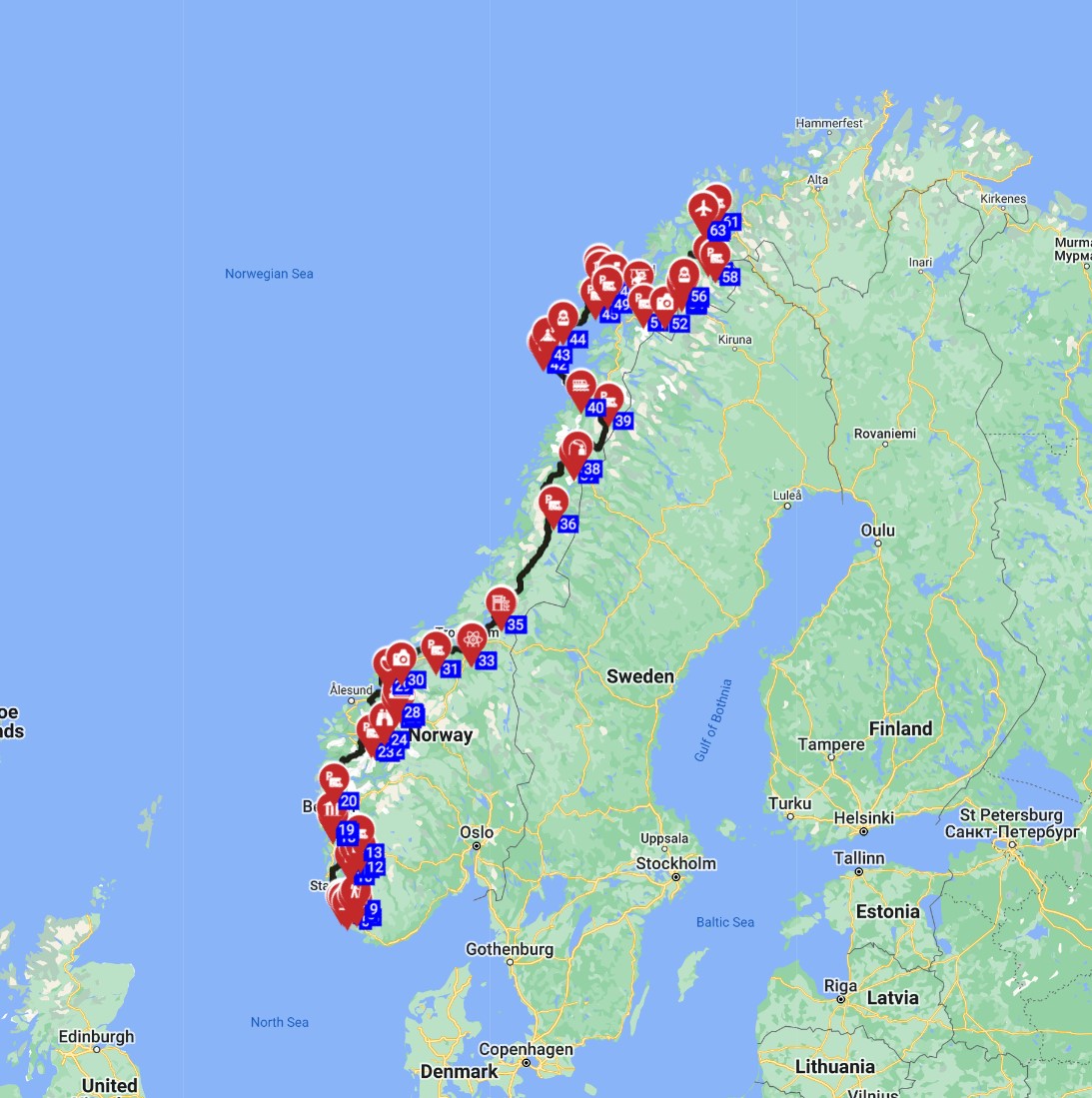
Diesel is the prevalent fuel type for RVs in Norway, and it is widely available at fuel stations across the country. Bandana's fleet of Class SI (Semi-integrated), C (Alcove), and A (Integrated) RVs typically consume between 10-12 liters per 100 km. For those opting for a more compact option, the Class B Camper Vans are generally more fuel-efficient, averaging around 8 liters per 100 km. It's important to budget for high fuel prices in Norway, as they are a significant factor in the overall cost of an RV trip. Some Bandana RV rentals may offer fuel discount cards or pre-payment options to help manage these expenses. On the routes offered through RV PLANET routes, you can itemize and track every expense along the way for easy budgeting.
Tolls, Vignettes & Border Rules
Norway utilizes an automatic toll system known as AutoPASS, where vehicles are registered by their license plate, and charges are typically handled post-rental by most RV companies. There are no physical vignettes to purchase in Norway; the AutoPASS system covers tolls across the entire country, including routes around Stavanger. To simplify billing and avoid potential fines, some Bandana RV rentals offer pre-purchased toll passes. Regarding border crossings, standard passport controls apply for entry into the Schengen area, but within the zone itself, there are no specific RV border rules that would typically affect your journey.
Driving Tips for Family RV Rental Travelers
To ensure a safe and enjoyable family RV trip in Stavanger, plan for frequent stops every 2-3 hours to prevent driver fatigue and allow everyone to stretch and enjoy the scenic routes. Familiarize yourself with Norway's AutoPASS toll system and how your chosen rental company processes these charges. Be prepared for frequent ferry crossings, which are an essential part of coastal travel in Norway and are paid for separately from road tolls. Maintain vigilance for wildlife, especially moose and reindeer, particularly during dawn and dusk when they are most active. Finally, ensure your rented RV carries the legally required emergency equipment, such as high-visibility vests for all occupants and a warning triangle.
Recommended RV Class for Stavanger Roads
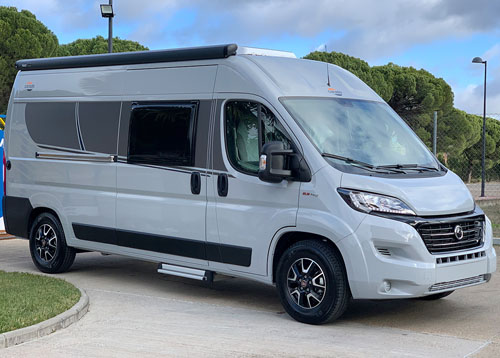
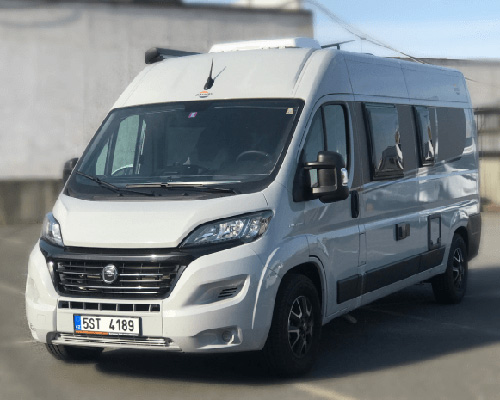
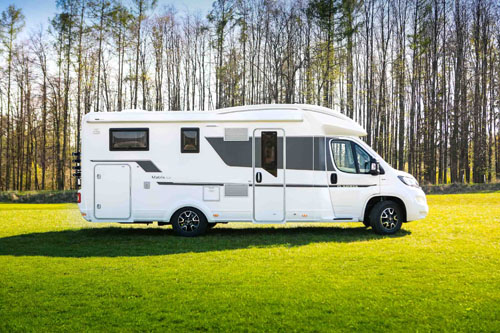
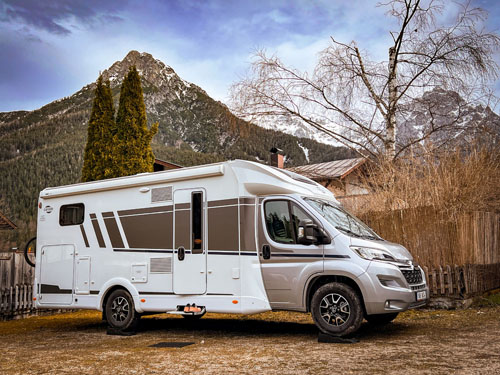
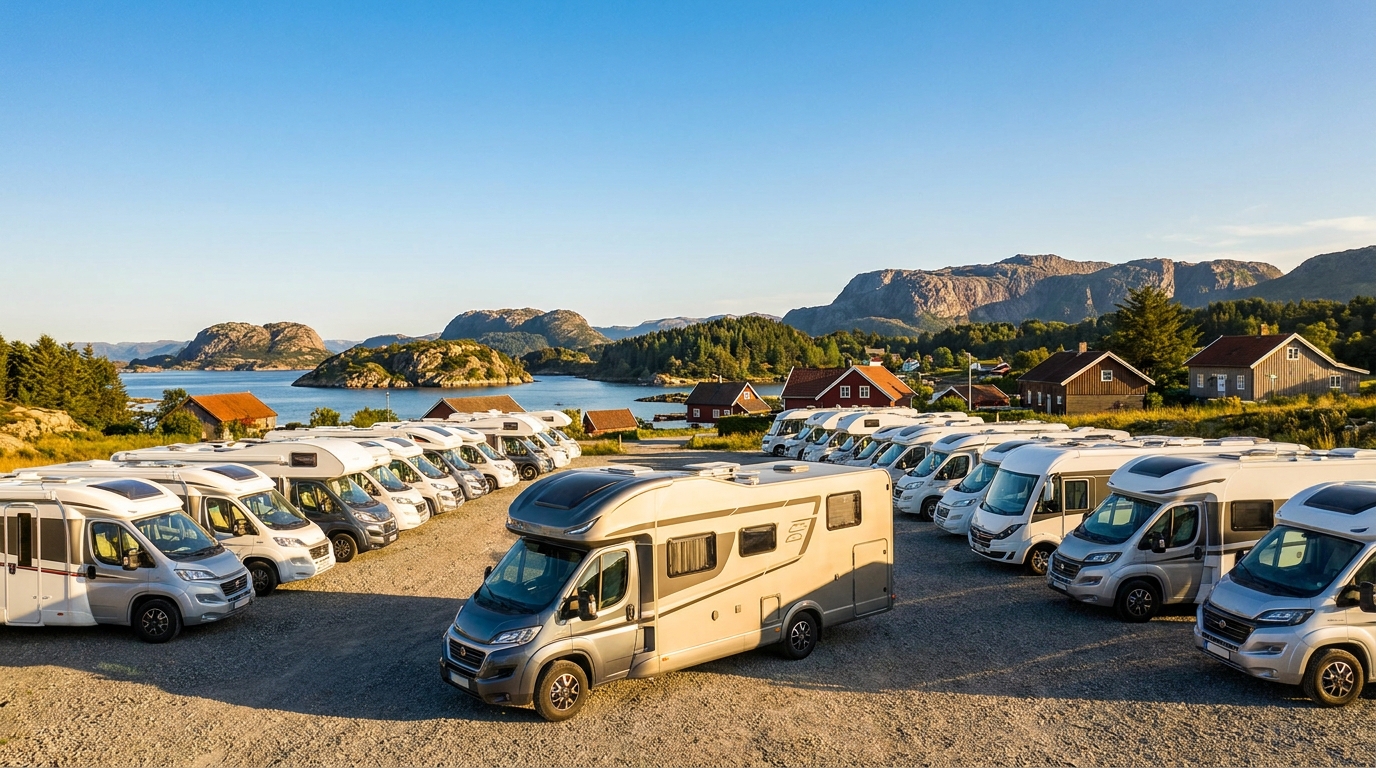
For navigating Stavanger's roads, the Class SI (Semi-integrated) motorhome is a popular choice, averaging about 6.8 meters in length and comfortably sleeping an average of 3.6 people (accommodating families of 2-4). It offers a great balance of maneuverability and living space. If you have a larger family, the Class C (Alcove) motorhome, averaging 7.4 meters and sleeping up to 5.9 people (accommodating families of 4-6), provides ample beds and a more generous living area. Both these classes typically consume 10-12 liters of fuel per 100 km. For couples or smaller families prioritizing agility and fuel efficiency, the Class B Camper Van (averaging 5.9 meters with about 8 liters/100 km consumption) is an excellent option.
Should I Choose a Compact Van Instead of a Large RV in Stavanger?
For family RV travel in Stavanger, the decision between a compact camper van and a larger RV often comes down to prioritizing driving ease versus on-board comfort. Larger RVs, such as the Class SI or Class C motorhomes, typically offer superior comfort, more living space, and dedicated amenities that are crucial for family trips. Most Norwegian roads, including those around Stavanger, can accommodate these larger vehicles. Compact camper vans (Class B) provide greater maneuverability for urban parking and navigating very narrow roads, and they are generally more fuel-efficient, consuming around 8 liters per 100 km. Ultimately, the benefits of increased interior space and dedicated facilities in a larger RV often outweigh the marginal maneuverability advantages of a compact van for a family vacation.
Can I Park Anywhere? Free & Wild Camping Rules in Stavanger
While Norway's 'allemannsretten' (right to roam) does permit wild camping on uncultivated land, this right generally does not extend to RVs, especially within and around Stavanger due to population density and private property considerations. For RV travelers, overnight parking and camping typically require the use of designated campsites or specific, authorized parking areas. Finding free or wild camping spots for RVs in Stavanger is challenging; official campsites are the primary and most responsible option. It is crucial for all RV travelers to practice responsible waste disposal, ensuring grey and black water are emptied only at designated facilities, which are most commonly found at campsites. Local regulations can vary, so it's always best to check local ordinances before parking overnight.
Can I Drive an RV Into the City Center? Heights, Tunnels & Local Signage
Generally, you can drive an RV into Stavanger's city center, but it requires careful attention to local signage, particularly for height restrictions and available parking. Stavanger features narrower streets and limited parking in its core, making it advisable to park at designated RV-friendly spots outside the immediate center and explore on foot or via public transport. Drivers should remain mindful of height and weight limits indicated on tunnels and bridges leading into and around the city. While Stavanger does not currently enforce emissions-based environmental zones that would restrict most RVs, it's always wise to check for any updated local regulations before your visit.
What is the 3 3 3 rule for RVs and campers?
The '3-3-3 rule' is an informal guideline for RV travel, suggesting drivers aim to travel no more than 300 miles (approximately 480 km) in a day. It also recommends arriving at your destination by 3 PM and staying at least 3 nights in each location. This approach promotes a relaxed pace, reduces driver fatigue, and allows ample time for setting up camp and thoroughly exploring a destination. In Norway, with its stunning, winding roads and numerous scenic stops, adhering to the spirit of the 3-3-3 rule can significantly enhance the family travel experience, allowing for more spontaneous discoveries and less rushed enjoyment of the landscape.
Is Norway RV Friendly?
Norway is exceptionally RV-friendly, offering stunning landscapes, well-maintained roads, and an extensive network of high-quality campsites equipped with essential amenities. The country's infrastructure, including roads and numerous car ferries necessary for exploring the coastal areas, is well-equipped to accommodate RVs of various sizes. A strong camping culture ensures ample facilities like electricity hookups, water, and waste disposal stations are available. While fuel, tolls, and ferries can represent significant expenses, the unparalleled scenic beauty and the freedom to explore at your own pace make RV travel an ideal way to experience Norway.
Can I Sleep in RV While Driving?
No, it is strictly illegal and highly dangerous for anyone to sleep or move freely in the living area of an RV while it is in motion on Norwegian roads. Norwegian traffic laws mandate that all occupants of a moving vehicle must be seated in designated seats and wear seatbelts. Unrestrained passengers risk severe injury in the event of sudden braking or an accident. All beds and bunks are intended for use exclusively when the RV is stationary and safely parked, ensuring the safety and well-being of all passengers.
Can an American 16 Year Old Drive in Norway?
No, an American 16-year-old cannot legally drive an RV or any standard passenger vehicle in Norway. The minimum legal driving age for a Category B license, which covers most RVs up to 3,500 kg, is 18 years old in Norway. Even if a 16-year-old possesses a valid driver's license from their home state, it will not be recognized for driving in Norway until they meet the Norwegian age requirement. Furthermore, RV rental companies in Norway often impose even higher age requirements, frequently 21 or 23, along with a minimum number of years for holding a valid license.
What You Shouldn't Miss
- Drive the scenic coastal roads of Rogaland county, exploring charming fishing villages and dramatic cliffs.
- Visit the historic Gamle Stavanger (Old Stavanger) to experience the well-preserved wooden houses of the 18th and 19th centuries.
- Take a ferry to explore the stunning Lysefjord and hike to the famous Preikestolen (Pulpit Rock) for breathtaking views.
- Discover Stavanger's vibrant street art scene, with many murals scattered throughout the city, easily accessible from designated RV parking areas.
- Experience the unique Jæren region, known for its expansive sandy beaches, perfect for coastal walks and enjoying the North Sea vistas.
Final Thoughts
Embarking on an RV adventure in Stavanger offers unparalleled freedom and a unique way to experience Norway's stunning landscapes. By understanding the local driving nuances, licensing requirements, and planning your route with resources like Bandana Caravan and RV PLANET, you're setting yourself up for a truly memorable journey. Remember to pack wisely, embrace the slower pace of travel, and savor the incredible experiences that await.
Ready to start planning your Norwegian road trip? We're here to help you find the perfect RV for your family's needs and budget. Get inspired for your next trip and discover top destinations, planning tips, and more!
Find Motorhome Rentals in Stavanger