For live availability and current prices, start with our RV Rental Spain - Complete Guide 2026 guide.
In This Guide
- Can You Drive an RV in Spain? License & Age Rules
- Road Conditions & Terrain in Spain
- RV Size Limits, Bridges & Restricted Zones
- Fuel: Diesel vs. Petrol & Cost per 100 km
- Tolls, Vignettes & Border Rules
- Driving Tips for family rv rental Travelers
- Recommended RV Class for Spain Roads
- Should I Choose a Compact Van Instead of a Large RV in Spain?
- Can I Park Anywhere? Free & Wild Camping Rules in Spain
- Can I Drive an RV Into the City Center? Heights, Tunnels & Local Signage
- How much does it cost to rent an RV in Spain compared to Italy?
- Where can you empty grey water in Spain?
- What SIM cards and apps are best for RV travel in Spain?
- What are some cultural etiquette tips for RVers in Spain?
- Is RV travel safe in Spain and how can I secure my vehicle?
- How long can you live in an RV in Spain?
Can You Drive an RV in Spain? License & Age Rules
Most drivers with a standard European B license can operate RVs up to 3,500 kg, which covers the majority of family-friendly rental models in Spain. For RVs exceeding 3,500 kg, a C1 license (up to 7,500 kg) or C license (over 7,500 kg) is required, which applies to some larger integrated or alcove models. The minimum driving age for RV rentals in Spain is typically 21-25, varying by rental company and specific vehicle class, regardless of your national license's minimum age. Non-EU citizens must carry a valid International Driving Permit (IDP) in conjunction with their national driver's license to legally drive an RV in Spain.
Road Conditions & Terrain in Spain
Spain features an excellent network of modern motorways (autopistas) and well-maintained national roads (nacionales), making RV travel generally comfortable and efficient. The country's diverse terrain includes everything from flat, expansive plains and coastal routes to challenging, winding mountain passes in regions like the Pyrenees, Picos de Europa, and Sierra Nevada, requiring careful driving for larger RVs. Rural and secondary roads, particularly in less-traveled areas, can be narrower and less forgiving, often encouraging a slower, more scenic pace, which is ideal for family travel. Planning routes to include regular stops and scenic viewpoints is recommended for family RV renters to enjoy the journey and ensure comfort.
RV Size Limits, Bridges & Restricted Zones
While there are no overarching maximum RV length or width restrictions in Spain for most rental vehicles, drivers must pay close attention to specific height limitations (commonly 3.5m-4.5m) found at tunnels, low bridges, and especially when attempting to access covered parking garages in urban areas. Major Spanish cities like Madrid and Barcelona have established Low Emission Zones (Zonas de Bajas Emisiones - ZBE) that restrict access for vehicles without a valid DGT environmental sticker, which must be obtained in advance for many older RVs. Larger RVs, such as Class C Alcove models (averaging 7.5 meters long from Bandana's global fleet) or Class A Integrated models, should exercise extreme caution and pre-plan routes to avoid the narrow, often inaccessible streets of historic city centers. For ferry travel, particularly to the Balearic Islands or other destinations, it is crucial to check specific length, weight, and booking requirements for RVs well in advance, as these can vary significantly.
Fuel: Diesel vs. Petrol & Cost per 100 km
The vast majority of family RV rentals in Spain operate on diesel fuel (gasóleo), which is readily available at petrol stations across the entire country. Based on Bandana's global fleet averages, Class B Camper Vans typically consume 8-10 Liters/100 km, Class SI Semi-integrated models average 10-11 Liters/100 km, and Class C Alcove RVs use 10-12 Liters/100 km. As of 2026, to estimate the cost per 100 km, multiply the average fuel consumption (e.g., 11 Liters/100 km) by the current diesel price per liter (e.g., if €1.60/liter, then approx. €17.60 per 100 km, subject to price fluctuations). Some rent-motorhome providers may offer specific fuel discount cards or provide information on filling stations that offer competitive prices, helping to manage overall trip expenses. On the routes offered through RV PLANET routes, you can itemize and track every expense along the way for easy budgeting.
Tolls, Vignettes & Border Rules
Spain utilizes a pay-per-use toll system (peajes) on its motorways, meaning there is no national vignette required; instead, drivers pay for the specific sections of road used, either at manual booths or via electronic systems. Toll prices vary by region and distance; budgeting for these costs on major routes, especially when traveling long distances or through popular areas, is essential. For cross-border travel into neighboring countries like France, a similar pay-per-use toll system is in place, whereas Portugal primarily uses electronic tolls that often require pre-registration or a transponder. To ensure a smooth family trip, some rent-motorhome RVs offer the option to pre-purchase toll passes or include onboard electronic toll devices (like Via-T) to avoid queues and potential fines, streamlining travel through toll points.
Driving Tips for family rv rental Travelers
Plan for frequent stops every 2-3 hours to allow children to stretch their legs, use facilities, and enjoy short breaks, perhaps incorporating playgrounds or scenic picnic spots. Prioritize safety by ensuring all passengers, especially children, are securely buckled, and all loose items inside the RV are stowed away to prevent movement during travel. Familiarize yourself with Spanish road signs and speed limits, which are strictly enforced, and be aware that mountain roads may require slower speeds and more cautious driving. Consider driving during cooler morning or late afternoon hours, particularly in summer, allowing for midday breaks to enjoy lunch, siestas, or activities, aligning with local customs. Using a GPS with RV-specific settings (if available) can help avoid unsuitable roads, narrow passages, and low bridges, ensuring a smoother journey for your family RV. For ideas you can prep on the road, watch our RV-friendly recipes playlist on YouTube.
Recommended RV Class for Spain Roads
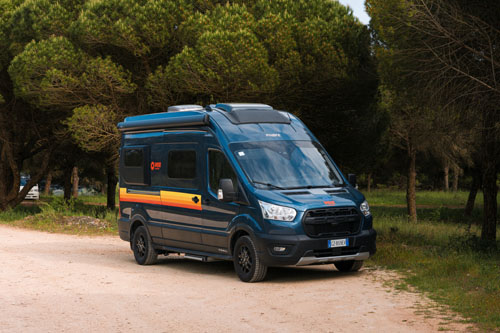
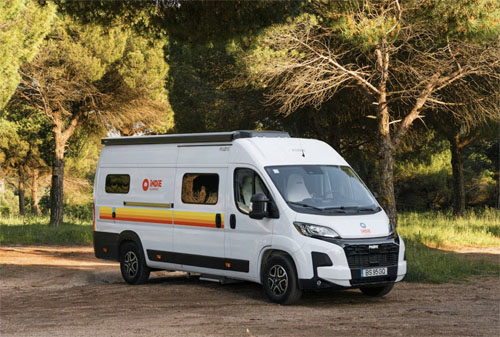
For families exploring Spain, Class SI (Semi-integrated) RVs and Class C (Alcove) models are highly recommended due to their excellent balance of comfortable living space and manageable size for Spanish roads. Class SI Semi-integrated RVs, averaging 6.9 meters in length with 3.8 sleeping places and suitable for 3.4 adults from Bandana's global fleet, offer good maneuverability for various terrains, from coastal routes to rural villages. Class C Alcove RVs, averaging 7.5 meters in length and providing 5.8 sleeping places for up to 4.4 adults, are ideal for larger families, offering ample interior space, though their higher profile may require extra vigilance for height restrictions in towns. Both classes provide sufficient amenities and storage, ensuring a comfortable family experience while navigating Spain's diverse landscapes and road conditions.
Should I Choose a Compact Van Instead of a Large RV in Spain?
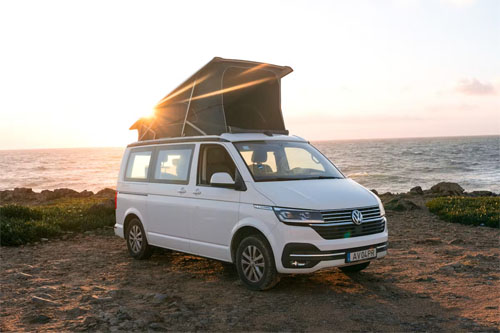
Choosing a compact campervan (Class B) instead of a large RV in Spain offers significantly greater maneuverability, making it easier to navigate narrow village streets, park in urban areas, and access more secluded spots, but this comes at the cost of interior space and amenities. While a larger RV (such as a Class SI or C) provides superior comfort, separate living and sleeping areas, and more storage capacity for family gear, it can present challenges in very tight historic city centers or on extremely narrow mountain roads. For families prioritizing comfort, dedicated facilities, and ample space for longer trips or with young children, the benefits of a larger RV often outweigh the minor driving complexities it might introduce. A Class B Camper Van, averaging 5.8 meters in length with 3.2 sleeping places for 2.7 adults from Bandana's fleet, is an excellent option for more adventurous families seeking flexibility and easier parking, provided they are comfortable with a more compact living environment.
Can I Park Anywhere? Free & Wild Camping Rules in Spain
In Spain, the legal distinction between 'parking' (estacionar) and 'camping' (acampar) is crucial: parking is generally allowed wherever regular vehicles can park, provided you remain within the vehicle's footprint and do not cause disturbance, while camping, involving extending awnings or setting out furniture, is strictly regulated. Wild camping, or 'acampar libre,' is largely prohibited throughout Spain, particularly in protected natural areas, national parks, and coastal zones, with violations carrying substantial fines, a key legal nuance often overlooked by visitors. Spain offers an extensive network of designated 'áreas de autocaravanas' (RV service areas), many of which are free or low-cost, providing legal overnight parking spots with essential services like fresh water and waste disposal, serving as a primary alternative to wild camping. Rules governing overnight parking and 'tolerated' wild camping spots vary significantly by autonomous community and local municipality, making it imperative for family RV renters to check local regulations and adhere to local law before parking overnight, utilizing apps like Park4Night for up-to-date information.
Can I Drive an RV Into the City Center? Heights, Tunnels & Local Signage
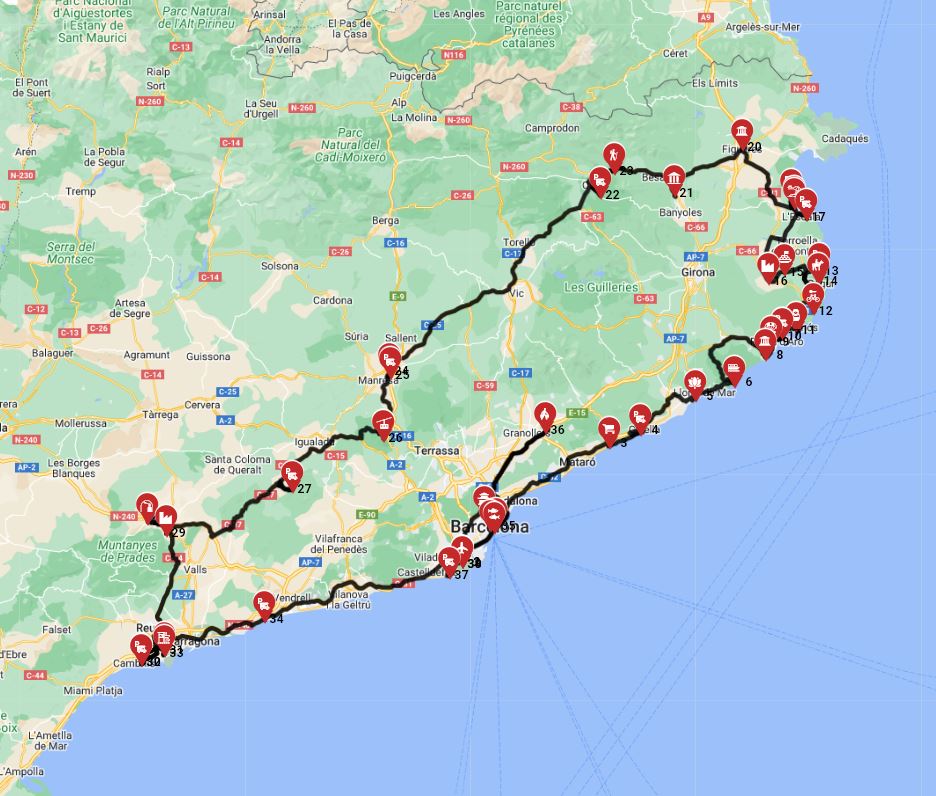
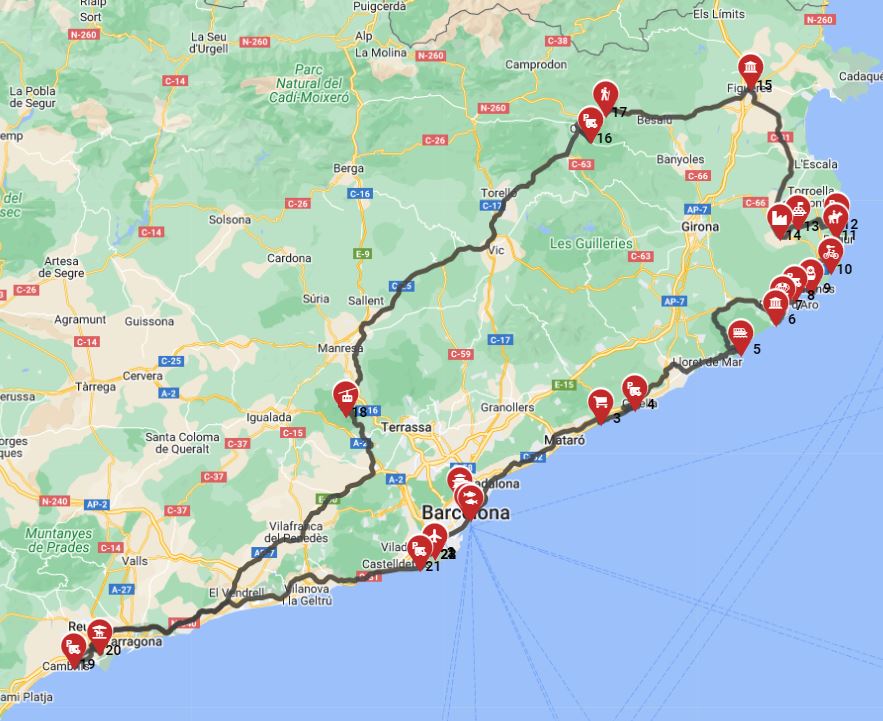
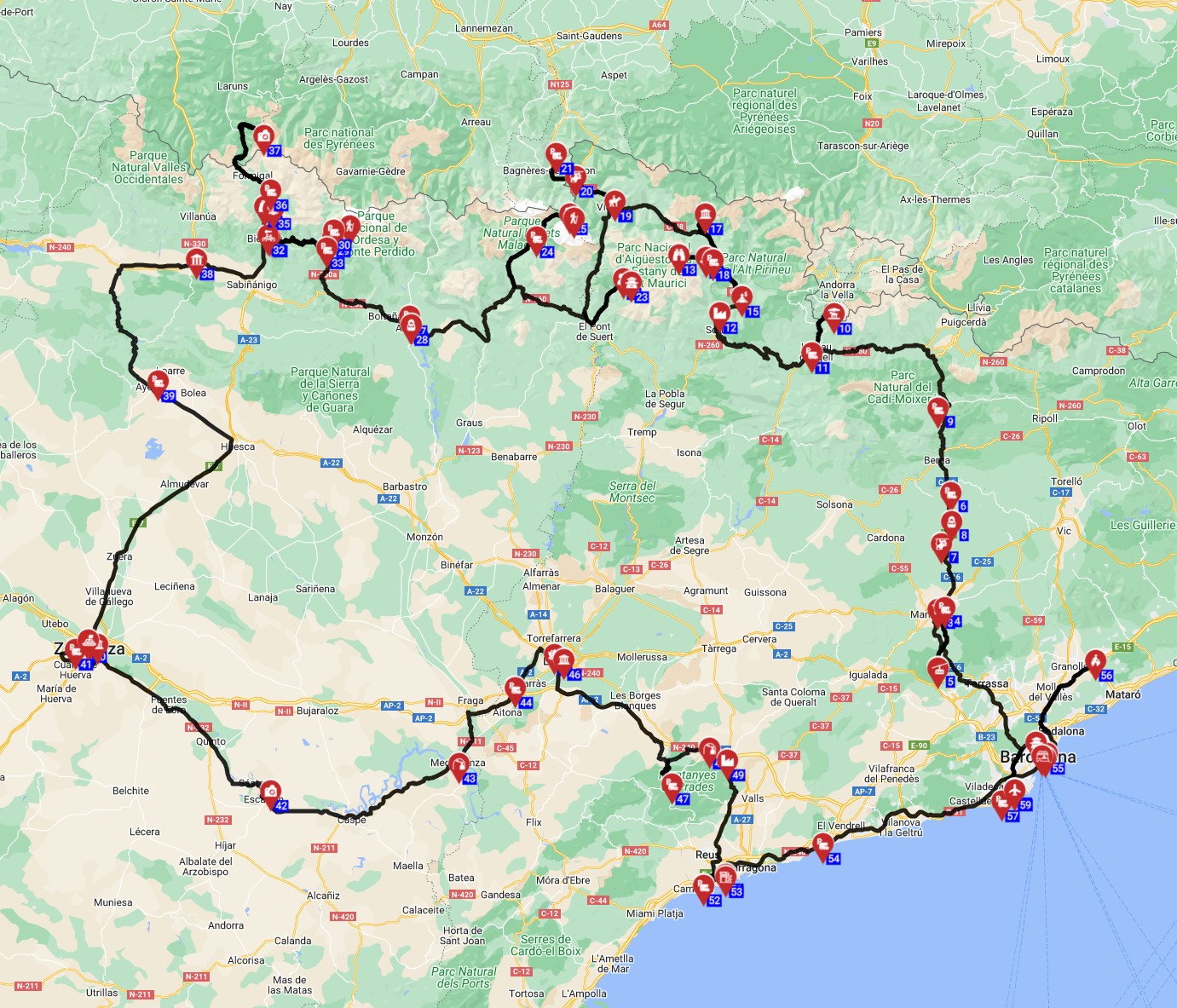
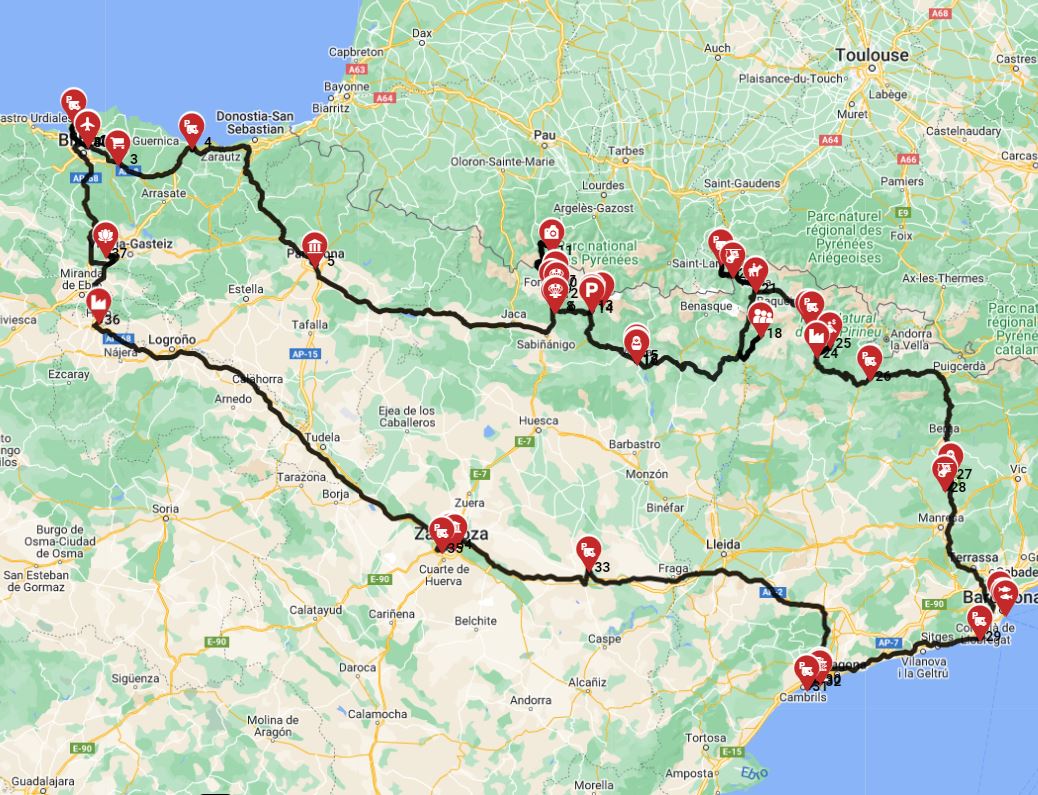
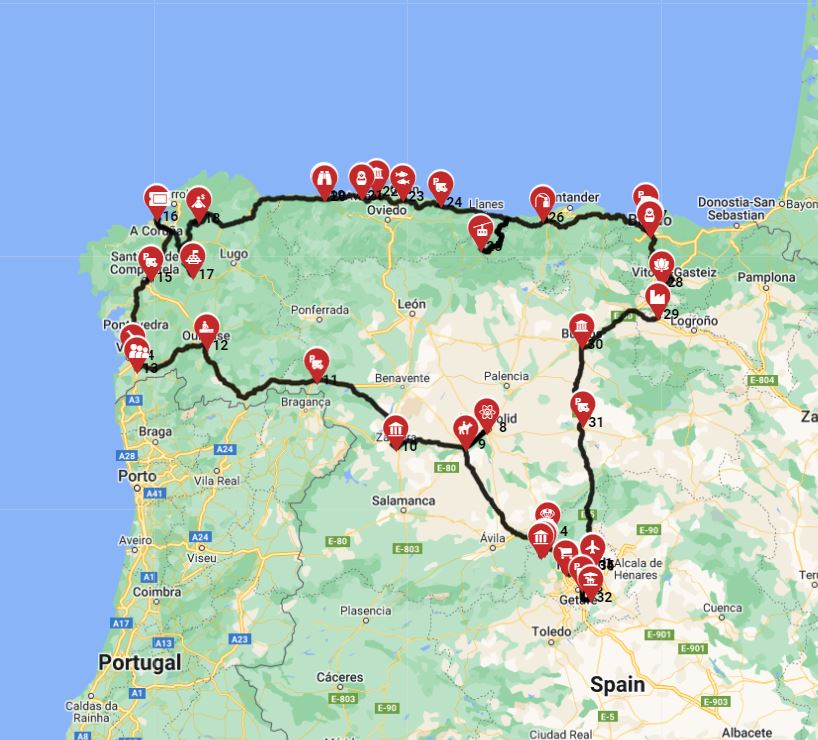
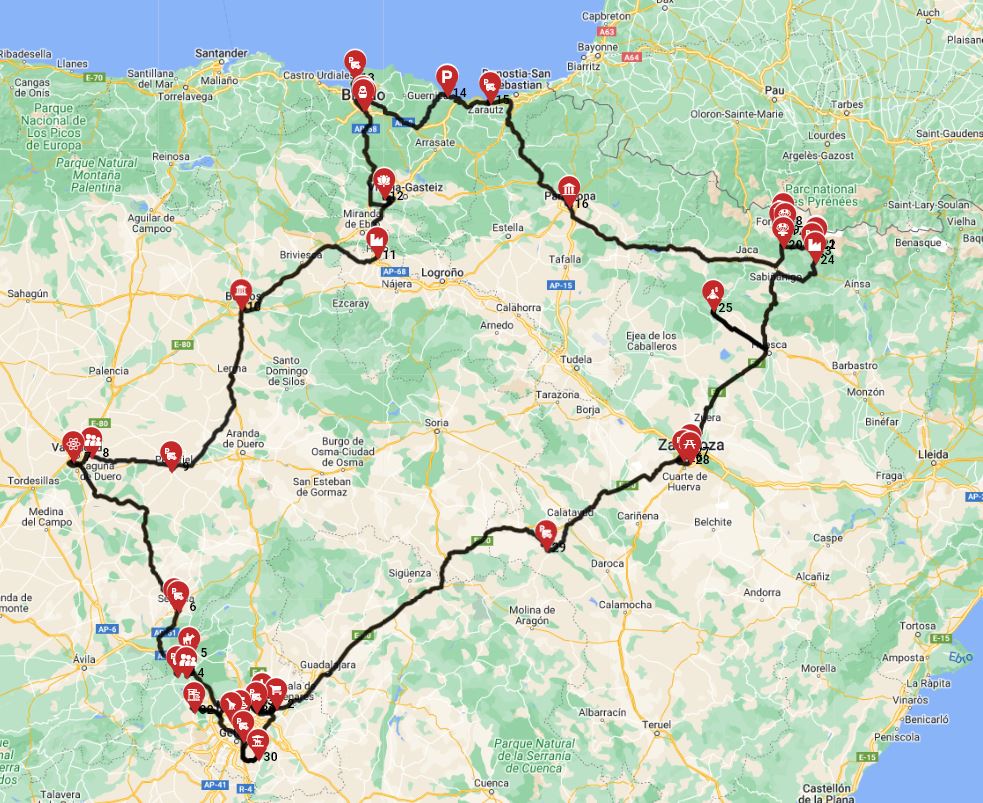
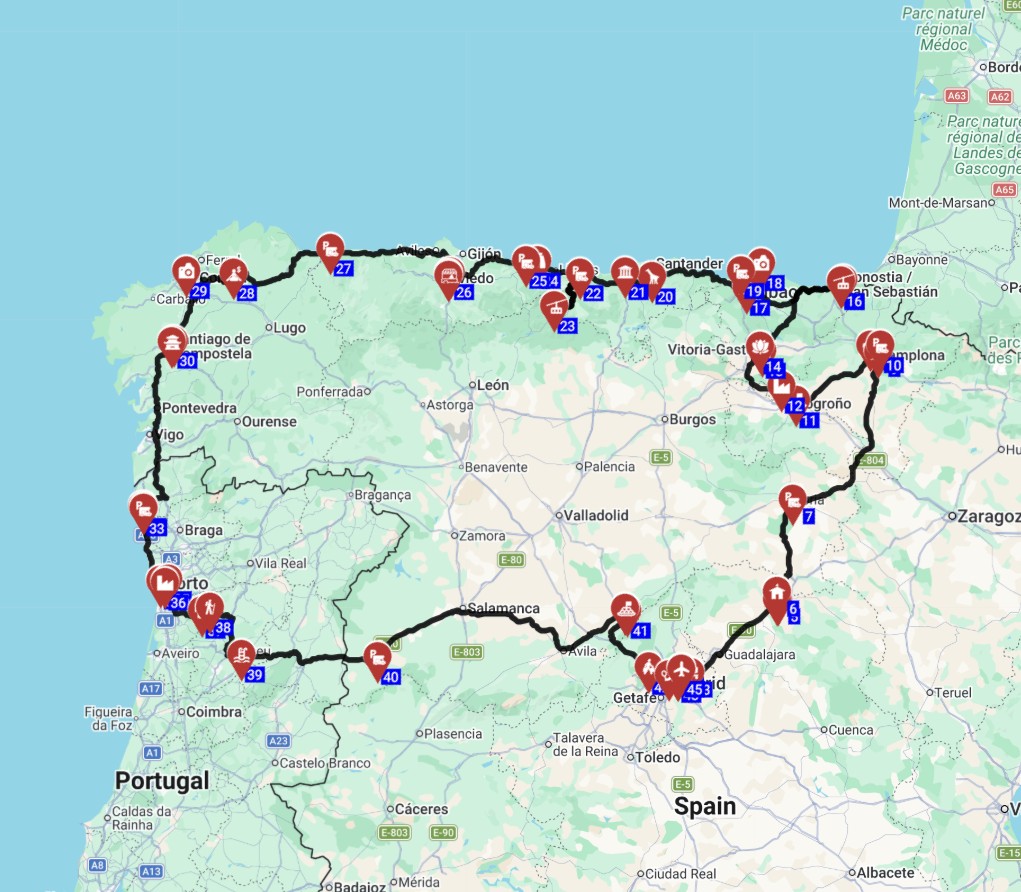
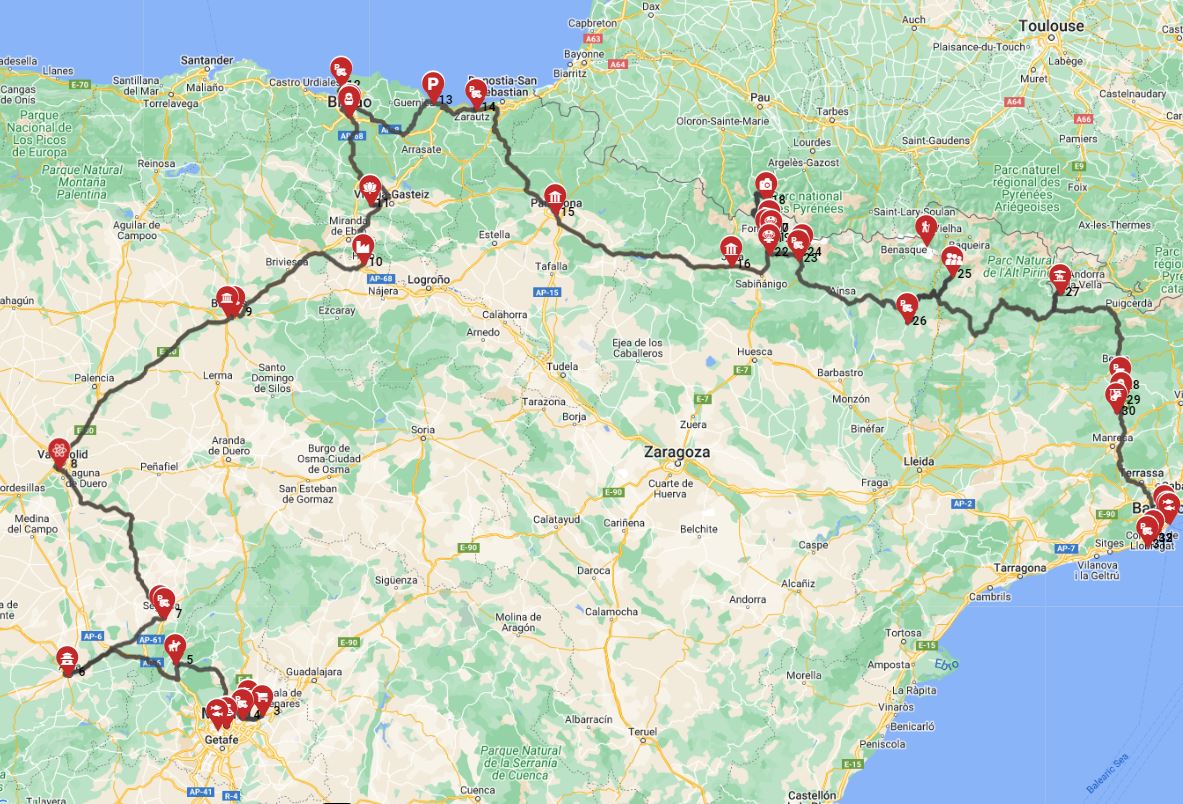
Yes, you can generally drive an RV into Spanish city centers, but meticulous attention to local signage, including height limits, environmental zones, and restricted access areas, is crucial. Many major Spanish cities, notably Madrid and Barcelona, have strict Low Emission Zones (ZBE) that may prohibit entry for certain vehicles or require a specific DGT environmental sticker. Drivers must always be vigilant for explicit height restrictions on tunnels, underpasses, and entering parking garages, as well as signs indicating 'Carga y Descarga' (loading/unloading only), 'Residentes' (residents only), or 'Prohibido el paso a vehículos pesados' (heavy vehicle prohibition) in historic districts. While the REGIONAL KNOWLEDGE block provides an 'RV Trip Overview for North Spain and the Pyrenees,' indicating diverse routes, it underscores the need to plan urban entries carefully to avoid unexpected restrictions or difficult maneuvers for larger RVs.
How much does it cost to rent an RV in Spain compared to Italy?
The cost of renting an RV in Spain is often competitive with, and frequently slightly more affordable than, a comparable rental in Italy, though prices fluctuate significantly based on factors like RV class, season, rental duration, and booking lead time. Beyond the rental fee, a comprehensive budget for RV travel in Spain should encompass fuel (approximately €17.60 per 100 km for diesel RVs based on 2026 estimates), varying campsite fees (from free 'áreas' to full-service sites at €30-€50+ per night), groceries (which tend to be cheaper than in Italy), and tolls. Spain benefits from a more extensive network of free or low-cost municipal 'áreas de autocaravanas' compared to Italy, offering a significant advantage for budget-conscious families to reduce accommodation costs. When comparing overall trip expenses, Spain generally allows for greater flexibility in managing costs, particularly for families willing to utilize local markets and less expensive overnight parking options, making it a potentially more economical choice for an RV holiday.
Where can you empty grey water in Spain?
In Spain, grey water (aguas grises) and black water (aguas negras) must be legally and hygienically emptied at designated service points, which include 'áreas de autocaravanas' (RV service areas), most official campsites, and a growing number of petrol stations specifically equipped for RV waste disposal. These facilities are clearly marked and provide dedicated drains for grey water, separate emptying points for chemical toilets, and access to fresh water refills, ensuring proper environmental management. Mobile applications such as Park4Night and Campercontact are invaluable tools for family RV renters, offering real-time, user-generated maps and information on the location, services available, and reviews of thousands of official and unofficial service points across both urban and rural Spain. It is illegal and environmentally damaging to empty waste water into public drains, natural areas, or unofficial spots, and adherence to local etiquette and regulations is expected from all RV travelers.
What SIM cards and apps are best for RV travel in Spain?
For reliable and cost-effective internet connectivity during an RV trip in Spain, purchasing a local prepaid SIM card from major Spanish providers like Orange, Vodafone, or Movistar is highly recommended, offering superior coverage and data allowances compared to international roaming plans. Dedicated mobile hotspots, paired with a local SIM, can provide a stable Wi-Fi connection for multiple devices, crucial for family entertainment, online navigation, and trip planning while off-grid or in transit. Essential apps for RV travel in Spain include Park4Night and Campercontact for locating campsites, service points, and overnight parking, Google Maps or Waze for real-time navigation and traffic updates, and local weather apps for safe trip planning, especially in diverse terrains. To enhance cultural immersion and navigate language barriers, consider using apps like Google Translate for instant translations and TheFork for restaurant bookings, helping families discover authentic local experiences beyond typical tourist trails.
What are some cultural etiquette tips for RVers in Spain?
When RVing in Spain, embracing local customs such as greeting locals with a polite '¡Hola!' or '¡Buenos días!' and a friendly smile, especially in smaller towns and at campgrounds, is highly appreciated and fosters positive interactions. Be mindful of Spanish meal times; lunch (comida) is typically the main meal and eaten later, between 2 PM and 4 PM, with dinner (cena) served well after 9 PM, so plan your dining and shopping around these hours. Making an effort with basic Spanish phrases like 'por favor' (please) and 'gracias' (thank you) can significantly enhance interactions in non-touristy areas and show respect for local culture, even if language barriers exist. Always dispose of waste responsibly in designated bins, respect natural spaces, and avoid excessive noise, particularly during siesta hours (mid-afternoon) and late evenings, to maintain harmonious relationships with local communities and fellow travelers.
Is RV travel safe in Spain and how can I secure my vehicle?
RV travel in Spain is generally considered very safe, particularly in established campgrounds and popular tourist areas, though like any travel destination, it requires common-sense precautions against petty crime. To secure your RV, always ensure all doors and windows are locked, even when you are inside the vehicle, and consider using additional security measures such as steering wheel locks, internal alarms, or wheel clamps when parked overnight. When parking in urban environments or making short stops, choose well-lit, busy areas or official, monitored parking facilities over secluded spots, and never leave valuables visible or unattended on dashboards or seats. In the event of a breakdown or emergency, familiarize your family with local emergency numbers (112 for all emergencies) and ensure your rental provider offers comprehensive roadside assistance with clear instructions for contacting local services.
How long can you live in an RV in Spain?
For non-EU citizens, living in an RV in Spain is subject to Schengen Area visa regulations, typically allowing stays of no more than 90 days within any 180-day period unless a specific long-stay visa or residency permit is obtained. EU citizens have greater freedom of movement and can stay in Spain for longer periods; however, for stays exceeding 90 days, it is generally required to register with local authorities (empadronamiento) and potentially apply for residency if planning a long-term stay. Practical considerations for extended RV living include securing long-term pitches at campsites, which often provide discounted rates, and navigating administrative challenges such as managing mail, banking, and official documentation without a fixed address. It is highly advisable to consult official Spanish government immigration resources or a legal expert for the most current and accurate information regarding visa requirements and residency implications for extended RV stays in Spain.
What You Shouldn't Miss
- Drive the scenic coastal roads: Explore routes like the Costa Brava or the Atlantic coast of Galicia, with plenty of opportunities for seaside stops.
- Experience the Pyrenees: Navigate mountain passes and discover charming villages in Spain's majestic Pyrenees mountains.
- Visit National Parks: Explore natural wonders like Picos de Europa or Doñana National Park, keeping in mind potential RV access restrictions.
- Discover Historic Cities: While navigating urban centers requires care, cities like Seville, Granada, or Valencia offer incredible history and culture accessible with thoughtful planning.
- Embrace Slow Travel: Maximize your RV experience by traveling slowly, averaging no more than 100-150 km per day, allowing time to connect with the culture, food, and scenery.
Final Thoughts
Embarking on an RV adventure in Spain offers unparalleled freedom to explore its diverse landscapes and rich culture at your own pace. With careful planning and an understanding of the local road conditions and regulations, you're set for an unforgettable family journey.
Whether you opt for a nimble campervan to navigate ancient streets or a spacious motorhome for extended explorations, Bandana Caravan is here to help you find the perfect vehicle. We're dedicated to making your RV rental experience transparent and stress-free, so you can focus on creating lasting memories.
Ready to plan your Spanish RV adventure? Start comparing vehicles and prices today to discover the ease and joy of motorhome travel.