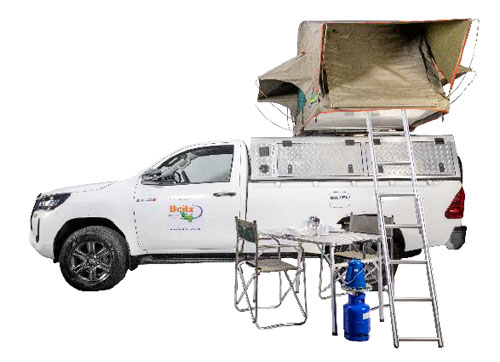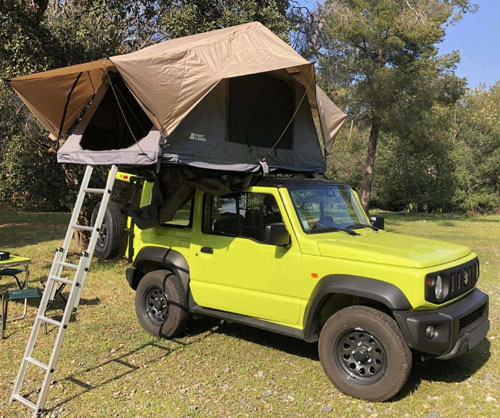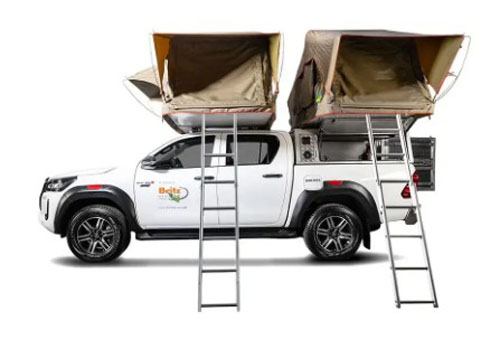
For live availability and current prices, start with our RV Rental South Africa - Complete Guide 2026 guide.
In This Guide
- Can You Drive an RV in South Africa? License & Age Rules
- Road Conditions & Terrain in South Africa
- RV Size Limits, Bridges & Restricted Zones
- Fuel: Diesel vs. Petrol & Cost per 100 km
- Tolls, Vignettes & Border Rules
- Driving Tips for Family RV Rental Travelers
- Recommended RV Class for South Africa Roads
- Should I Choose a Compact Van Instead of a Large RV in South Africa?
- Can I Park Anywhere? Free & Wild Camping Rules in South Africa
- Can I Drive an RV Into the City Center? Heights, Tunnels & Local Signage
- What is the average cost of renting an RV in South Africa?
- What are the best routes for an RV trip in South Africa?
- What are the rules for driving an RV in Kruger National Park?
- How do I find safe campsites and overnight parking for my RV in South Africa?
- What is the best time of year to rent an RV in South Africa?
- Are there specific safety precautions for RV travel in South Africa?
- What are the essential hookups and facilities for RVs in South African campsites?
- Can I take an RV across the border from South Africa to neighboring countries?
- How to budget for an RV trip in South Africa beyond the rental cost?
- How can RV travelers experience local culture and food in South Africa?
- What is cellphone service and Wi-Fi like for RVers in remote South Africa?
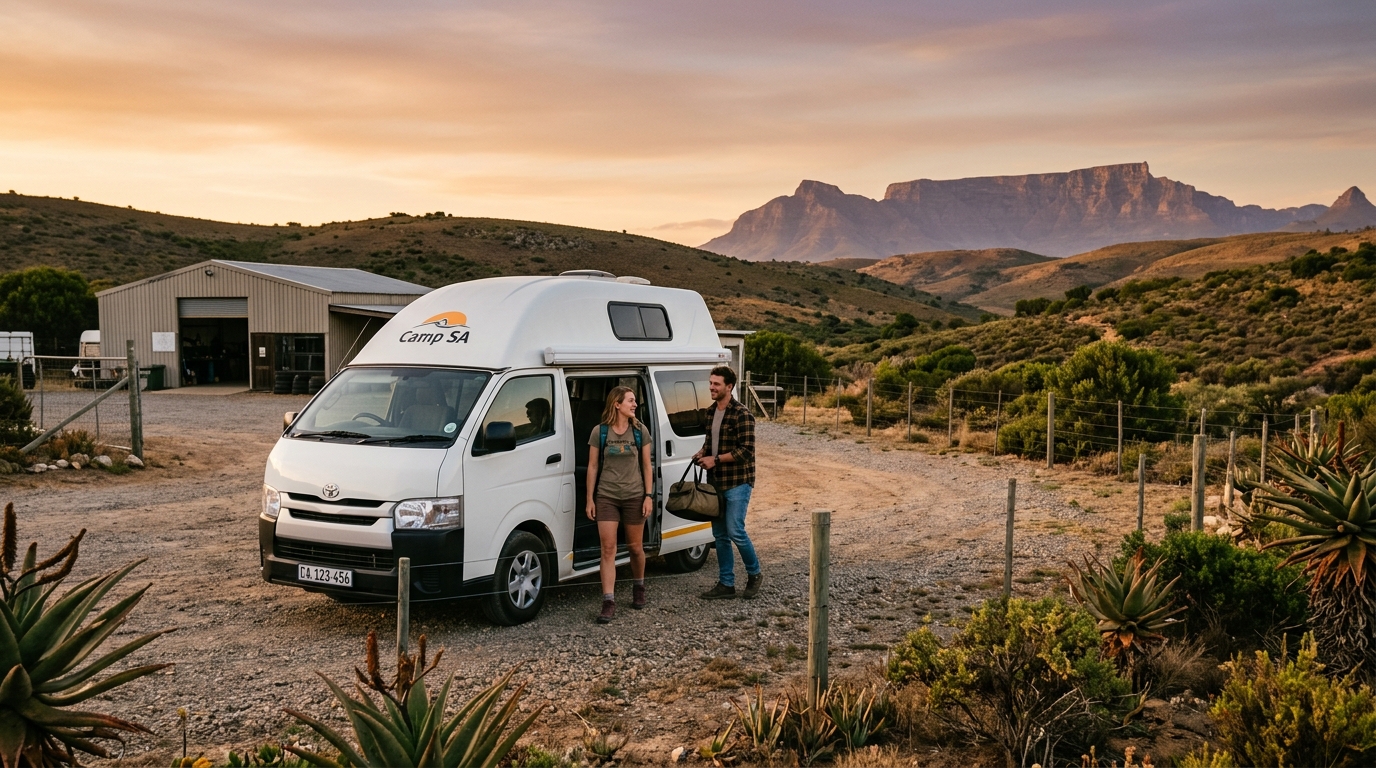
Imagine yourself and your family embarking on an unforgettable adventure through the diverse landscapes of South Africa, from the rugged coastlines to the wildlife-rich national parks, all from the comfort of your own rented motorhome. South Africa offers an incredible backdrop for a family RV trip, providing the freedom to explore at your own pace and create lasting memories. For live availability and current prices, start with our RV Rental South Africa - Complete Guide 2024 guide.
At Bandana RV, we understand that planning such a journey involves many questions. That's why we're here to provide authoritative and professional guidance, ensuring your family RV rental experience in South Africa is seamless and full of joy, with no hidden fees or surprises along the way. We're true RV specialists, dedicated to helping you discover the magic of the open road.
Can You Drive an RV in South Africa? License & Age Rules
Yes, you can confidently drive a rented RV in South Africa, as a standard Code B (or 08) South African driver's license is generally sufficient for RVs with a Gross Vehicle Mass (GVM) up to 3,500 kg.
Navigating the roads with a family-sized motorhome like the "MC 4-69" or "MC 4-32" from our diverse fleet is straightforward. These vehicles are designed for comfort and ease of driving, making them perfect for families. Always carry your driver's license, IDP (if applicable), and rental documents, as road checks can occur. Remember, driving slowly and carefully allows you to drive almost anywhere without issues, even in cities. No need to stress - just use common sense and pay attention to road signs and conditions.
Road Conditions & Terrain in South Africa
South Africa's national and major provincial roads are generally well-maintained tarmac, offering smooth driving for RVs across the country's vast distances. However, road conditions can vary significantly in rural areas, national parks, and remote regions, where gravel roads and uneven surfaces are common and require extra caution. The diverse terrain encompasses stunning landscapes, from expansive coastal highways and flat plains suitable for any motorhome to challenging mountainous passes along the Drakensberg, which demand careful driving and slower speeds.
For an optimal family RV trip, embracing slower speeds, especially on winding roads and unpaved sections, is key to safely enjoying the scenic beauty and ensuring a comfortable ride for everyone onboard. Remember, the goal is slow travel, averaging a maximum of 100-150 km per day, allowing you to truly feel the place, connect to the culture, the food, and the scenery. Proper preparation, including checking your rental RV's tires and fluid levels before setting off into less-developed areas, will contribute significantly to a worry-free adventure.
RV Size Limits, Bridges & Restricted Zones
Most rented recreational vehicles (RVs) will not encounter significant size limitations on South Africa's primary national road network, which is designed to accommodate a range of large vehicles. Drivers of larger RVs should always be attentive to local signage, particularly for bridge height clearances on secondary roads and railway crossings, as specific restrictions (e.g., 3.8 meters clearance) may apply. While strict environmental zones akin to some European cities are less common, certain urban areas or private estates might have access restrictions or limited parking for oversized vehicles, making pre-planning beneficial. Ferry limits are generally not a concern as RV travel in South Africa typically focuses on land routes, but specific rules would apply if using any localized ferry services.
When approaching towns or cities, it's always wise to look for specific RV parking areas or large commercial parking lots, rather than attempting to navigate very narrow historical streets. Drive slowly and carefully, and you can drive almost anywhere without issues. No need to stress - just use common sense and pay attention to road signs. Our team, as true RV specialists, recommends reviewing your planned route on RV PLANET (rvplan.net) to identify any potential road or bridge challenges specific to your rented motorhome size.
Fuel: Diesel vs. Petrol & Cost per 100 km
Most family RV rentals in South Africa, such as the MC 4-69 and MC 4-32 models commonly offered by our partners, are diesel-powered, consuming approximately 12 liters per 100 km, with diesel widely available across the country. Diesel is the predominant fuel type for larger motorhomes in South Africa, offering better fuel economy compared to petrol, which is typically found in smaller campervans or regular cars. Bandana's global fleet averages suggest Class SI - Semi-integrated motorhomes typically consume 10-11 Liters/100 km, and Class C - Alcove models average 10-12 Liters/100 km, providing a general guide for budgeting your fuel expenses. On the routes offered through RV PLANET routes, you can itemize and track every expense along the way for easy budgeting.
Fuel prices are regulated nationally in South Africa but do fluctuate, so it's advisable to factor in current rates and budget for a realistic cost per 100 km based on your chosen RV type and driving style. When planning your RV PLANET routes, you can itemize and track every expense, including fuel, for easy budgeting. While not universally offered, some RV rental companies may provide fuel discount cards; always inquire about such perks when booking your family RV rental in South Africa.
Tolls, Vignettes & Border Rules
South Africa operates electronic toll roads, primarily on major national routes such as the N1, N2, and N3, which can be paid via cash at manual booths or electronically via an e-tag system. There is no national vignette system in South Africa; tolls are paid per gantry or specific road section driven. For travelers planning to extend their RV trip into neighboring countries like Namibia, Botswana, or Lesotho, specific cross-border permits, original vehicle registration papers, and a letter of authorization from the rental company are essential and must be arranged well in advance.
Some RV rental agreements, including those from Bandana, allow for pre-purchasing toll passes or provide guidance on toll payment to help avoid unexpected fines, offering full transparency from the start. Our 24/7 support is available before and after your booking to clarify any questions regarding these regulations, ensuring you have peace of mind. Remember to confirm all requirements with your rental supplier and Bandana well ahead of your departure date, especially for one-way RV rental in South Africa or cross-border adventures.
Driving Tips for Family RV Rental Travelers
To ensure a safe and enjoyable family RV rental trip in South Africa, planning frequent breaks is essential for both comfort and safety, scheduling stops every 2-3 hours to allow children to stretch and for the driver to rest. Driving defensively is paramount: be mindful of varied local driving habits, potential livestock on rural roads, and always maintain safe following distances, especially with a larger rented vehicle. Before driving, ensure all internal belongings, cabinets, and appliances are securely fastened to prevent shifting or damage on uneven terrain, protecting both your family and your belongings.
Strictly respect posted speed limits, which are often lower for larger vehicles, and be particularly cautious in wildlife zones where animals may unexpectedly cross the road. Minimizing night driving is highly recommended due to reduced visibility, potential hazards like potholes or pedestrians, and varying road conditions, especially in rural areas. By adhering to these practical tips, your family will experience a smooth and secure journey across South Africa's breathtaking landscapes, making for a truly memorable experience.
Recommended RV Class for South Africa Roads
For families exploring South Africa, a Class SI - Semi-integrated or Class C - Alcove motorhome is often recommended due to a perfect balance of comfort, spaciousness, and manageable dimensions for diverse road conditions. Class SI - Semi-integrated models, with an average length of 6.9 meters and sleeping places for around 3-4 people, offer a great balance of maneuverability and interior living space for a comfortable journey. Class C - Alcove models, averaging 7.5 meters in length with sleeping capacity for 4-6 people, provide ample family space, often with dedicated sleeping areas and overhead sleeping berths (like those in an "Explorer" model with a bed over the cub of 160/220cm), making them ideal for longer trips with children.
Both Class SI and Class C motorhomes offer adequate ground clearance for most South African roads, from national highways to gravel routes in national parks, while providing all the amenities necessary for a comfortable family adventure. These larger RVs allow for comfortable cooking with a multi-burner gas stove and sufficient refrigeration, ensuring fresh meals on the go. Don't forget to check out our RV-friendly recipes playlist for meal inspiration!
Should I Choose a Compact Van Instead of a Large RV in South Africa?
While compact campervans (Class B) offer better maneuverability and fuel efficiency, larger RVs (Class SI, Class C) typically provide superior comfort, amenities, and living space that are crucial for families on extended South African road trips, without encountering significant access issues on most main routes. Compact vans, averaging 5.8 meters in length, are indeed easier to park and navigate through tighter urban streets or very narrow mountain passes. However, for a family RV rental, the added interior space, larger beds, built-in bathrooms, and expanded storage of a larger motorhome (e.g., a 6.9m Class SI or a 7.5m Class C) often outweigh the slight increase in maneuverability challenges.
South Africa's main road network is generally accommodating to larger RVs, making the trade-off for enhanced family comfort and amenities usually favorable towards bigger models. For a week-long trip with kids, having a separate dining area, a more spacious kitchen for preparing RV-friendly recipes playlist, and a dedicated shower and toilet can make a significant difference to the overall enjoyment and ease of your family adventure. As true RV specialists, we recommend prioritizing comfort for longer family journeys.
Can I Park Anywhere? Free & Wild Camping Rules in South Africa
No, wild camping or free camping is generally not permitted in South Africa, especially not in national parks, protected areas, and urban centers, requiring RV travelers to utilize designated campsites for overnight stays. South African law typically prohibits overnight parking on public land outside of established camping facilities. For your safety and security, it is highly recommended that RVers always stay at established caravan parks, national park camps, or private resorts that offer secure parking and essential amenities like 220V electrical hookups and fresh water.
Rules vary by region and municipality, so always check local regulations and follow local law before parking overnight. Using reliable resources like RV PLANET (rvplan.net) is invaluable for finding legitimate and safe campsites along your route. Even if you're a spontaneous traveler, many national and state parks reserve only 25-30% of their spots in advance, leaving the rest for first-come-first-serve. You'll find a spot; if not at the first campground, then the next one. It's always a good idea to call ahead before driving a long distance.
Can I Drive an RV Into the City Center? Heights, Tunnels & Local Signage
Yes, you can generally drive a rented RV into South African city centers, but drivers must remain vigilant for specific local signage indicating height restrictions, low bridges, or environmental zones. Major urban centers like Cape Town, Johannesburg, and Durban have main roads that are designed to accommodate RVs, but narrow side streets or older city sections may pose challenges for larger motorhomes. Always pay close attention to signs detailing maximum height clearances for tunnels and underpasses, as well as any specific parking restrictions for larger vehicles.
While environmental zones are not widespread in South Africa as they are in some other countries, careful observation of local signage is crucial. When exploring city centers, it's often more convenient to find designated RV parking areas on the outskirts and use public transport or ride-sharing services to reach central attractions. Drive slowly and carefully, and you can drive almost anywhere without issues. No need to stress - just use common sense and pay attention to your surroundings.
🎬 Video coming soon
What is the average cost of renting an RV in South Africa?
The average cost of renting an RV in South Africa varies significantly, from approximately $80-$200 USD per day, based on factors like RV class, rental duration (week-long, two-week, or extended road trip), season, specific amenities, and pickup location. Smaller campervans (Class B), such as a "Juliette 2-3" that sleeps 2-3 people, are generally more affordable, while larger, more luxurious integrated RVs (Class A) like the "Exclusive First" or spacious Alcove models (Class C) such as the "Family Sleeper (FS)" will command higher rental fees. Peak season (e.g., December-January, Easter holidays) typically sees higher prices compared to off-peak or shoulder seasons, where you might find "RV Rental Deals in South Africa - Latest Offers 2026".
Rental prices usually include basic insurance, but optional extras like unlimited mileage packages, additional drivers, bedding, kitchen kits, and cross-border permits will add to the overall cost. For full price transparency and to compare final prices across suppliers, our platform ensures what you see is what you pay, with no surprise fees at pickup. For a detailed breakdown, you might want to consult our "RV Rental in South Africa - Prices and Best Deals 2026" guide.
What are the best routes for an RV trip in South Africa?
Some of the best routes for an RV trip in South Africa include the Garden Route, Panorama Route, and coastal drives along the Wild Coast, offering diverse scenery and attractions perfect for family RV rental travelers. The Garden Route (N2 between Mossel Bay and Storms River) is renowned for its coastal forests, lagoons, and charming towns like Knysna and Plettenberg Bay, ideal for families seeking scenic drives and outdoor activities over a week-long period. The Panorama Route in Mpumalanga showcases dramatic landscapes like God's Window, Blyde River Canyon (the third-largest canyon in the world), and numerous waterfalls, providing excellent access to Kruger National Park for a thrilling safari adventure.
The Wild Coast (Eastern Cape) offers a rugged, unspoiled coastline and unique cultural experiences, though roads can be more challenging and slower-paced, ideal for travelers embracing the slow travel philosophy. Other popular options include exploring the picturesque Cape Winelands for wine tasting and gourmet food, the iconic Route 62 through the semi-arid Karoo for stunning desert landscapes, or the Elephant Coast in KwaZulu-Natal for marine wildlife and pristine beaches. For inspiration and professionally designed routes, check out RV PLANET routes, which can help you plan a trip itinerary in advance with minimal effort and maximum enjoyment, including options for "Family RV Rental in South Africa - Pricing Guide 2026".
What are the rules for driving an RV in Kruger National Park?
Driving a rented RV in Kruger National Park is permitted, but specific rules apply regarding speed limits, designated roads, gate times, and booking designated RV-friendly campsites well in advance. All vehicles, including motorhomes and campervans, must adhere to strict speed limits: 50 km/h on tarred roads and 40 km/h on gravel roads within the park to protect wildlife and ensure visitor safety. RVs must stay on designated public roads; off-road driving is strictly prohibited to preserve the natural environment and avoid damaging your vehicle.
Gate times are strictly enforced, with specific opening and closing hours that vary seasonally, so RVs must enter and exit by these times or face penalties. Campsites within Kruger (e.g., Skukuza, Satara, Lower Sabie) offer caravan and camping spots with amenities like 220V electrical hookups, but these are highly popular and require advance booking, especially for larger RVs during peak season (December-February and Easter holidays). Our advice for a family RV rental in South Africa is always to secure your spot well ahead of time. When planning your route, consider stopping at our city hubs like "RV Rental in Johannesburg - Complete Guide 2026" for local services before heading into the park.
How do I find safe campsites and overnight parking for my RV in South Africa?
Finding safe campsites and overnight parking for an RV in South Africa primarily involves utilizing established caravan parks, national park camps, and private resorts, as wild camping is generally not permitted for safety reasons. Reputable caravan parks, often members of national associations, provide secure, fenced facilities with essential amenities such as electricity (typically 220V), fresh water points, ablution blocks, and sometimes even security patrols for peace of mind. National parks (e.g., SANParks) and provincial reserves offer well-maintained and secure camping facilities, which are excellent options for experiencing nature safely, such as those near "RV Rental in George - Complete Guide 2026".
Always research and book campsites in advance, especially during peak seasons like December-February, to ensure availability and secure your spot. Check online reviews regarding safety and amenities for each location. For finding campsites and campgrounds during your trip, we recommend using RV PLANET (rvplan.net) - a great resource for locating available spots along your route. Avoid unlit or isolated areas for overnight parking, as wild camping is generally not permitted and can pose significant safety risks, particularly for families. We're with you before, during, and after your booking, providing support and information to make your journey enjoyable and secure.
What is the best time of year to rent an RV in South Africa?
The best time of year to rent an RV in South Africa significantly depends on your desired activities and regions of interest, with specific seasons offering optimal conditions for wildlife viewing, beach holidays, or wildflower excursions. May to September (winter) is excellent for wildlife viewing in Kruger and other game parks, as vegetation is sparse and animals congregate around water sources; days are generally clear and mild, though nights can be cold. September to November (spring) is ideal for viewing vibrant wildflowers in the Western Cape (Namaqualand) and for general touring with pleasant temperatures across many regions.
December to February (summer) is perfect for coastal activities, beach holidays, and exploring the Garden Route or areas around "RV Rental in Cape Town - Complete Guide 2026", but it's also peak tourist season with higher prices and larger crowds. March to April (autumn) offers mild weather across most regions, making it a good time for hiking, exploring cultural sites, and touring with fewer crowds than summer, providing a balance of pleasant weather and moderate pricing. Booking 3-6 months in advance for peak season rentals is highly recommended, while spontaneous travelers can often find last-minute availability in shoulder seasons.
Are there specific safety precautions for RV travel in South Africa?
RV travelers in South Africa should implement specific safety precautions including comprehensive route planning, diligently securing valuables, strictly avoiding night driving, and being acutely aware of local road conditions and potential wildlife encounters. Always plan your route in advance using reliable GPS and up-to-date maps, informing someone of your itinerary, especially if venturing into more remote areas. For personal security, keep all valuables out of sight, ensure your rented motorhome's doors and windows are locked, and be vigilant in public areas, always opting for secure, designated campsites overnight.
Strictly avoid driving at night due to reduced visibility, the potential for encountering hazards like potholes or pedestrians, and an increased crime risk in some areas. Be constantly aware of wildlife, particularly in rural and game park areas, driving slowly and scanning your surroundings for animals. Additionally, ensure your RV is always locked when unattended, and inquire with your rental supplier about additional security measures like alarms or immobilizers. Traveling with peace of mind means being prepared, and our top-level deductible reimbursement is an optional upgrade you can purchase for extra protection.
What are the essential hookups and facilities for RVs in South African campsites?
Essential hookups and facilities for RVs in South African campsites typically include electrical connections (often 220V, requiring suitable adapters), fresh water access, and designated waste disposal points, ensuring a comfortable and convenient family RV rental experience. Most established caravan parks and national park campsites provide 220V electricity, usually requiring a standard South African 3-pin plug (Type M) or a blue CEE form plug with an adapter, which your rental supplier can provide. Potable fresh water taps are commonly available at individual stands or communal points for easily refilling your RV's freshwater tank.
Campsites offer 'dump stations' or designated points for emptying grey water (from sinks and showers) and black water (from the toilet cassette), crucial for responsible RV travel. Clean communal shower and toilet facilities are standard at almost all registered campsites, often with hot water. Many sites also provide laundry facilities, communal braai (barbecue) areas perfect for cooking delicious RV-friendly recipes playlist, and sometimes Wi-Fi access, though coverage can vary, especially in more remote locations. Familiarizing yourself with these amenities will help you plan your stops effectively.
Can I take an RV across the border from South Africa to neighboring countries?
Yes, it is possible to take a rented RV across the border from South Africa to neighboring countries like Namibia, Botswana, or Lesotho, but this requires prior arrangement with the rental company for cross-border permits and insurance. Rental companies typically require advance notice, often several weeks, to prepare the necessary vehicle documentation, including a letter of authorization for border crossings. You will need to pay specific cross-border fees and potentially additional insurance surcharges for each country you plan to visit, which adds to the overall "One-Way RV Rental in South Africa - Price Guide 2026" considerations.
Familiarize yourself with the entry requirements, visa regulations, and specific driving laws for each neighboring country well before your trip. Border posts can be busy, especially during peak seasons; ensure all paperwork is meticulously in order to avoid delays. As true RV specialists, we recommend consulting our detailed "RV Rental Africa - Complete Guide 2026" for broader continental travel advice, and our team is always ready to assist with pre-booking comparison and post-booking coordination to ensure you have all the correct documentation.
How to budget for an RV trip in South Africa beyond the rental cost?
Budgeting for an RV trip in South Africa beyond the rental cost should comprehensively encompass expenses such as fuel, toll roads, national park entrance fees, campsite fees, groceries, and activity-specific costs. Fuel is often the largest variable cost; budget based on average consumption (e.g., 12 L/100 km for diesel RVs like the "MC 4-69" or "MC 4-32") and your planned mileage. Account for electronic tolls on major national routes; research estimated costs for your planned itinerary, which can be done through RV PLANET routes for itemized tracking.
Expect to pay approximately R200-R600 (around $10-$30 USD) per night for a powered RV site at established campsites, varying by location and facilities. Budget for daily conservation fees for all occupants if visiting national parks like Kruger National Park, as these are separate from campsite fees. Lastly, plan for daily food costs, and allocate funds for unique excursions like safaris, shark cage diving, cultural tours, or exploring vibrant local markets. Being honest and transparent about all potential costs upfront ensures no surprises and a more enjoyable trip. For a deeper dive, consider reviewing "RV Rental in South Africa - Prices and Best Deals 2026".
How can RV travelers experience local culture and food in South Africa?
RV travelers can profoundly experience local culture and food in South Africa by deliberately visiting local markets, dining at traditional eateries, engaging with community tourism initiatives, and exploring smaller towns beyond major tourist hubs. Explore vibrant markets like the Neighbourgoods Market in Johannesburg or the Oranjezicht City Farm Market in Cape Town for fresh local produce, unique crafts, and delicious street food. Seek out 'braai' (barbecue) spots, township restaurants, or 'shisa nyama' (traditional barbecue meat stalls) for authentic South African flavors that are often prepared outdoors.
Participate in guided township tours or cultural village visits, which offer insightful learning directly from local communities and directly support their economies. Keep an eye out for roadside stalls selling fresh fruit, biltong (cured meat), or 'vetkoek' (fried dough bread) for impromptu culinary discoveries that are both delicious and budget-friendly. Venturing off major tourist routes to smaller towns and villages often leads to more intimate and authentic local interactions. Remember that with a rented RV, your kitchen is always ready for you to experiment with local ingredients, making your trip a true culinary journey.
What is cellphone service and Wi-Fi like for RVers in remote South Africa?
Cellphone service in remote areas of South Africa can be intermittent, while Wi-Fi is generally available at larger campsites and certain tourist accommodations, but not consistently across all regions. Major networks like Vodacom, MTN, Cell C, and Telkom offer good coverage in urban centers like Durban and along main national roads. However, signal can drop significantly in very remote or mountainous regions, within certain national parks (like parts of Kruger National Park), and in the sparsely populated Karoo. Purchasing a local prepaid SIM card upon arrival, readily available at airports and shopping centers, is recommended for better connectivity and affordable data bundles, often costing around $10-$20 USD for initial setup and data.
Many established caravan parks and private resorts offer Wi-Fi, often for a fee or with limited data, but it's rarely high-speed or available at every individual RV site. For truly remote areas, especially if you're planning an extended road trip far off the beaten path, consider carrying a satellite communication device for emergencies or ensuring your planned route includes regular stops in areas with known mobile signal. Always prioritize safety, and remember our 24/7 support is available for pre-booking, booking, and post-booking coordination, making sure you feel supported every step of the way.
What You Shouldn't Miss
- **Safari in Kruger National Park:** No family RV trip to South Africa is complete without a self-drive safari in Kruger. Spend a few days exploring its vast landscapes, spotting the 'Big Five', and staying at one of its well-equipped RV campsites.
- **The Garden Route Coastal Drive:** This iconic 300 km route from Mossel Bay to Storms River offers stunning scenery, charming towns, lush forests, and numerous adventure activities suitable for families, easily navigable with any rented motorhome.
- **Explore Cape Town & the Cape Peninsula:** Drive your RV to the outskirts of Cape Town, then explore iconic sites like Table Mountain, Boulders Beach with its penguin colony, and the dramatic Cape Point. Don't forget our "RV Rental in Cape Town - Airport - Complete Guide 2026" for easy pickup.
- **Discover the Drakensberg Mountains:** Venture into this spectacular mountain range, a UNESCO World Heritage site, offering incredible hiking trails, San rock art, and breathtaking vistas. Perfect for slow travel with your family RV rental.
- **Experience the Karoo's Stargazing:** Head into the arid beauty of the Karoo for unparalleled stargazing. Find a remote, designated campsite and marvel at the clear night skies, a truly humbling experience away from city lights.
- Looking for expert insights from Avi Bandana? Top 5 Adventures - recommendations from Avi Bandana for South Africa.
Final Thoughts
A family RV rental adventure in South Africa is an invitation to explore a land of incredible beauty and vibrant culture at your own pace. With the right preparation, a reliable rented motorhome, and the support of experienced specialists, you're set for a journey filled with awe-inspiring wildlife, breathtaking landscapes, and heartwarming cultural encounters. Remember, traveling slowly, perhaps 100-150 km per day on average, allows you to truly immerse yourselves in each destination, creating memories that will last a lifetime.
We at Bandana RV are passionate about helping families like yours discover the magic of RV travel. We’re here to simplify the process, offering full transparency and support so you can focus on the excitement of the open road. Start comparing options today and prepare to make your family's South African dream trip a magnificent reality!
Get inspired for your next trip! Discover top destinations and planning tips, all in one place!