In This Guide
- Can You Drive an RV in Philadelphia? License & Age Rules
- Road Conditions & Terrain in Philadelphia
- RV Size Limits, Bridges & Restricted Zones
- Fuel: Diesel vs. Petrol & Cost per 100 km
- Tolls, Vignettes & Border Rules
- Driving Tips for rv rental Travelers
- Recommended RV Class for Philadelphia Roads
- Should I Choose a Compact Van Instead of a Large RV in Philadelphia?
- Can I Park Anywhere? Free & Wild Camping Rules in Philadelphia
- Can I Drive an RV Into the City Center? Heights, Tunnels & Local Signage
- What You Shouldn't Miss
- Why Book with Bandana Caravan
- Final Thoughts
- Frequently Asked Questions
Embarking on a family RV adventure in Philadelphia promises a unique blend of historical discovery and outdoor freedom, but navigating a larger vehicle in an urban setting requires some savvy preparation. With a rented motorhome, you're not just booking a vehicle; you're unlocking a mobile home base for exploring the City of Brotherly Love and beyond. Our extensive experience, stretching back to 2001 and helping tens of thousands of travelers, means we genuinely know RV travel and love helping people discover it. For live availability and current prices, start with our RV Rental Philadelphia - Complete Guide 2024 guide.
Can You Drive an RV in Philadelphia? License & Age Rules
Yes, you can generally drive a rented RV in Philadelphia, as a standard Class C driver's license is typically sufficient for operating most recreational vehicles in Pennsylvania, specifically those with a Gross Vehicle Weight Rating (GVWR) under 26,001 pounds. For the vast majority of rental motorhomes, including Class B campervans, Class C alcoves, and most Class A models, your regular car license is all you need. The minimum age for renting an RV in Philadelphia is 21, and Bandana Caravan proudly offers options without additional young driver surcharges or vehicle class restrictions based on age, making RV travel accessible to more adventurers.
While larger Class A motorhomes exceeding 26,000 lbs GVWR may require a non-commercial Class B or Class A license from the Pennsylvania Department of Transportation (PennDOT), these are less common for rental fleets. For international visitors, an International Driving Permit (IDP) is recommended to accompany your valid foreign driver's license, though it's not strictly mandatory in all cases for rented RVs. We encourage you to always double-check with your specific rental supplier for any particular requirements, and as true RV Specialists, we're here to offer full transparency on all licensing details before you book your next Philadelphia adventure.
Road Conditions & Terrain in Philadelphia
Philadelphia's road conditions present a varied driving experience, from well-maintained major interstate highways like I-95 and I-76 to older, often narrower, and sometimes pothole-ridden city streets that demand careful navigation for RV drivers. The terrain within Philadelphia is predominantly flat, which simplifies driving somewhat, but venturing into the surrounding regions of Pennsylvania will introduce you to rolling hills and some steeper grades, particularly if you head towards the Appalachian foothills.
Urban density is a primary challenge, with congested traffic, frequent stops, and tight turns common in the city center, especially around historical areas like Old City or Society Hill. Drivers should anticipate slower travel speeds and factor in extra time for maneuvering a larger rented motorhome, such as a Class C "cruise america rv rental example Explorer" (7.1m length), through these environments. Remember, drive slowly and carefully, and you can drive almost anywhere without issues. No need to stress - just use common sense and pay attention, especially when considering a scenic route plan found on rvplan.net.
RV Size Limits, Bridges & Restricted Zones
RV drivers in Philadelphia must be acutely aware of their rented vehicle's height and length due to numerous low bridge clearances, particularly on historic roads and certain interstate underpasses within the city. Many bridges, especially under railroad lines and older parkways like parts of Kelly Drive, can have clearances as low as 10-12 feet (3-3.6 meters), posing a significant hazard for taller motorhomes, where a standard Class C can be 3.5 meters high.
While Philadelphia does not have specific environmental zones restricting RVs based on emissions, noise ordinances and vehicle size limits on smaller residential streets are enforced. Always know your rented RV's exact dimensions and adhere strictly to posted height and weight limit signage to avoid serious incidents or fines. Some historic districts or residential areas may also have restrictions on oversized vehicles or require specific permits for parking, necessitating prior research. Our commitment to full transparency means we want you to be aware of these considerations, ensuring no surprises during your adventure. You can find detailed information by exploring itineraries like "RV Travel Guide to Philadelphia - Tips and Top Spots 2024" which covers practical considerations.
Fuel: Diesel vs. Petrol & Cost per 100 km
Most larger rental RVs, particularly Class C motorhomes and many Class B campervans, operate on diesel fuel, which is widely available across Pennsylvania and often offers better fuel efficiency than petrol (gasoline). Smaller campervans may run on petrol. Based on Bandana's global fleet averages, fuel consumption typically ranges from 8-10 Liters/100 km for Class B Camper Vans such as the "rv rental denver example Category Van" (with features like "Ideal for a couple" and "RV size - Small"), 10-11 Liters/100 km for Class SI Semi-integrated RVs like the "2 Berth Rover" ("RV size - Medium"), and 10-12 Liters/100 km for Class C Alcove models, like a "4 Berth Adventurer" ("RV size - Large").
The cost per 100 km will vary significantly based on current fuel prices in Pennsylvania, which can fluctuate; drivers should budget for potentially higher fuel expenses in urban areas like Philadelphia. For comprehensive budgeting and to itemize every expense like fuel, tolls, and campground fees along your journey, explore RV PLANET routes, a fantastic resource for planning ahead. Always ensure your fuel tank is adequately filled, especially when venturing on longer trips from Philadelphia, perhaps extending into "RV Rental Maryland - Complete Guide 2024" territories. On the routes offered through RV PLANET routes, you can itemize and track every expense along the way for easy budgeting.
Tolls, Vignettes & Border Rules
Pennsylvania features extensive toll roads, most notably the Pennsylvania Turnpike, which can significantly impact travel costs for RV renters in and around Philadelphia. The E-ZPass system is the primary method for electronic toll collection across the state, and cash payment options are increasingly being phased out or incur higher rates, so having an E-ZPass transponder or a compatible system is highly recommended. Many of our partner suppliers, like El Monte and Cruise America, offer options to pre-purchase toll passes or include transponders with your rental, which can help avoid fines and streamline travel through tolling zones.
For one-way RV rentals in Philadelphia or travel to neighboring states like New Jersey or New York, be aware of their respective toll systems and potential bridge or tunnel tolls, such as those to cross the Delaware River. Understanding these costs upfront helps maintain full transparency in your travel budget. Planning your route and factoring in tolls can be easily done with RV PLANET, and as a bonus, using rvplan.net offers a 25% Planning Discount on our professionally crafted routes, which include detailed expense tracking. You can find more financial planning advice in "One-Way RV Rental in Philadelphia - Price Guide 2024".
Driving Tips for rv rental Travelers
Successfully navigating Philadelphia in a rented RV involves smart planning and careful driving. Utilize an RV-specific GPS or navigation app that accounts for vehicle height, weight, and length to meticulously plan your route and avoid low bridges and restricted roads around central Philadelphia. Always pre-plan your route, identifying RV-friendly parking options or campgrounds on the outskirts before entering dense urban areas like Center City or around Independence Hall.
When driving your rented motorhome, practice wide turns and allow for significantly longer braking distances than you would in a standard car, especially on busy city streets. When traveling with family, plan for frequent stops every 2-3 hours to prevent driver fatigue and allow passengers to stretch and enjoy the scenery, which is especially important with a larger vehicle like a Class C "MHC28" (7.3m length). Be aware of local traffic laws, pedestrian crossings, and school zones, as enforcement can be strict in Philadelphia's residential and commercial districts. We recommend traveling slowly, averaging max 100-150 km per day, to truly connect with the culture and scenery. Our team of true RV specialists is with you before and after your booking for any coordination needs, offering the support you need for a smooth trip.
Recommended RV Class for Philadelphia Roads
For navigating Philadelphia's urban and suburban roads most effectively, a Class B Camper Van or a smaller Class SI Semi-integrated RV is generally recommended due to their superior maneuverability. These smaller, more agile rented motorhomes, like an "rv rental denver example Category Van" (approx. 5.8m length, 8-10 Liters/100 km fuel consumption), are easier to park and handle on narrow streets, fitting more seamlessly into the city landscape. They often feature essentials like a shower and toilet, offering convenience without the bulk of larger vehicles.
Class SI Semi-integrated RVs, with an average length of 6.9m, provide more interior space while remaining relatively compact compared to larger classes, consuming around 10-11 Liters/100 km. While Class C Alcove (avg 7.5m) and Class A Integrated (avg 7.5m) RVs offer more amenities and sleeping places, their increased size can make navigating tight city streets and finding suitable parking significantly more challenging. However, remember that you can drive almost anywhere with a larger RV; just exercise extra caution and planning. For luxury options, consider "Luxury RV Rental in Philadelphia - Premium Prices 2024" where Class A motorhomes might be featured.
Should I Choose a Compact Van Instead of a Large RV in Philadelphia?
Choosing a compact Class B camper van over a larger rented RV can significantly enhance maneuverability and ease of parking when primarily exploring central Philadelphia and its immediate surroundings. Compact vans, like a "2 Berth Hi Top" campervan, are often easier to drive through narrow city streets, fit into standard parking spaces (when available), and navigate areas with lower clearance limits, making quick stops at local attractions much simpler. They offer a front air condition and are ideal for a couple, providing essential comforts in a smaller footprint.
However, larger RVs (Class C, SI, or A), such as a "24' Class C Motorhome" with a length of 7.46m and sleeping capacity for 5, offer substantially more living space, amenities, and comfort for longer trips or larger groups. While these can present urban driving challenges, they are perfectly manageable with careful driving and planning. Your choice should balance the need for urban access with desired onboard comfort and amenities; for extensive city exploration, a compact van is advantageous, but for comfort and destination camping, a larger RV might be preferred, parking further out and using public transport into the city. Remember, drive slowly and carefully, and you can drive almost anywhere without issues. For more budget-conscious decisions, refer to "Cheap RV Rental in Philadelphia - Budget Guide 2024".
Can I Park Anywhere? Free & Wild Camping Rules in Philadelphia
Free or wild camping (boondocking) is generally not permitted within Philadelphia city limits or in most developed areas of Pennsylvania, due to strict local ordinances and private property laws. Overnight parking for rented RVs on public streets in Philadelphia is typically prohibited or strictly regulated, often requiring special permits or being limited to specific zones and times, making it an unreliable and risky option. Philadelphia’s parking enforcement is robust, so attempting to park illegally can result in tickets, fines, or even towing.
Travelers seeking secure and legal overnight stays for their rented RVs should plan to utilize designated RV parks, private campgrounds, or secure permission for parking on private land within a reasonable driving distance of Philadelphia. Campgrounds like Philadelphia South KOA, located conveniently nearby, offer full hookups and amenities. Always verify specific local regulations and adhere to posted signage; violating parking rules can result in fines or towing. For finding campsites and campgrounds during your trip, we recommend using RV PLANET (rvplan.net) - a great resource for locating available spots along your route. You'll find spots there; if not at the first campground, then the next one. Always call ahead before driving.
Can I Drive an RV Into the City Center? Heights, Tunnels & Local Signage
Yes, you can generally drive a rented RV into Philadelphia's city center, but it requires diligent attention to your vehicle's dimensions, local signage, and navigating dense traffic and historic infrastructure. Drivers must pay close attention to posted height limits for tunnels, low bridges, and parking garages, which are common in older urban areas and can often be as low as 10-12 feet (3-3.6 meters). For instance, a Class C "Motorhome MC4 Gold" might stand over 3 meters tall.
Be aware of local traffic patterns, one-way streets, and restrictions on oversized vehicles in certain historic or pedestrian-heavy districts like the areas around Independence Hall or the Reading Terminal Market. Planning your route ahead of time using RV-specific navigation and being prepared for limited parking options will help ensure a smoother experience when driving a rented RV in central Philadelphia. Drive slowly and carefully, and you can drive almost anywhere without issues. No need to stress - just use common sense and pay attention to your surroundings and posted signs. Our partners like El Monte and Cruise America provide detailed vehicle dimensions, offering you full transparency upfront.
What You Shouldn't Miss
When you rent an RV in Philadelphia, you're setting yourself up for an incredible journey through history and natural beauty. Here are some top recommendations:
- Explore Historic Philadelphia: Park your RV at a nearby campground and take public transport or a rideshare into the city. Dedicate a full day to walking the streets where America was born: see the Liberty Bell, Independence Hall, and the Betsy Ross House. Imagine the stories these walls could tell!
- Wander through Wissahickon Valley Park: Experience the urban oasis of Fairmount Park, and walk or bike along the scenic 5.3-mile "Forbidden Drive," a unique way to enjoy nature within the city. This offers a fantastic break from city driving and a chance to get some fresh air.
- Delaware River Waterfront: Enjoy the vibrant atmosphere of the waterfront, perhaps catching a concert at Penn's Landing or simply enjoying a meal with a view of the river. Remember that preparing meals in your RV kitchen can be a joyful experience, and for some inspiration, check out our RV-friendly recipes playlist.
- Day Trip to Valley Forge National Historical Park: Just a short drive from Philadelphia, immerse yourself in the site of the 1777-78 winter encampment of the Continental Army. It's a sprawling, beautiful park perfect for an afternoon of exploration and offers ample parking for your rented motorhome.
- Discover Local Markets: Don't miss Reading Terminal Market, one of America's oldest and largest public markets. It's a feast for the senses, offering incredible local food, crafts, and culture. Pick up fresh ingredients to cook up a storm back in your RV!
Looking for expert insights from Avi Bandana? Top 5 Adventures - recommendations from Avi Bandana
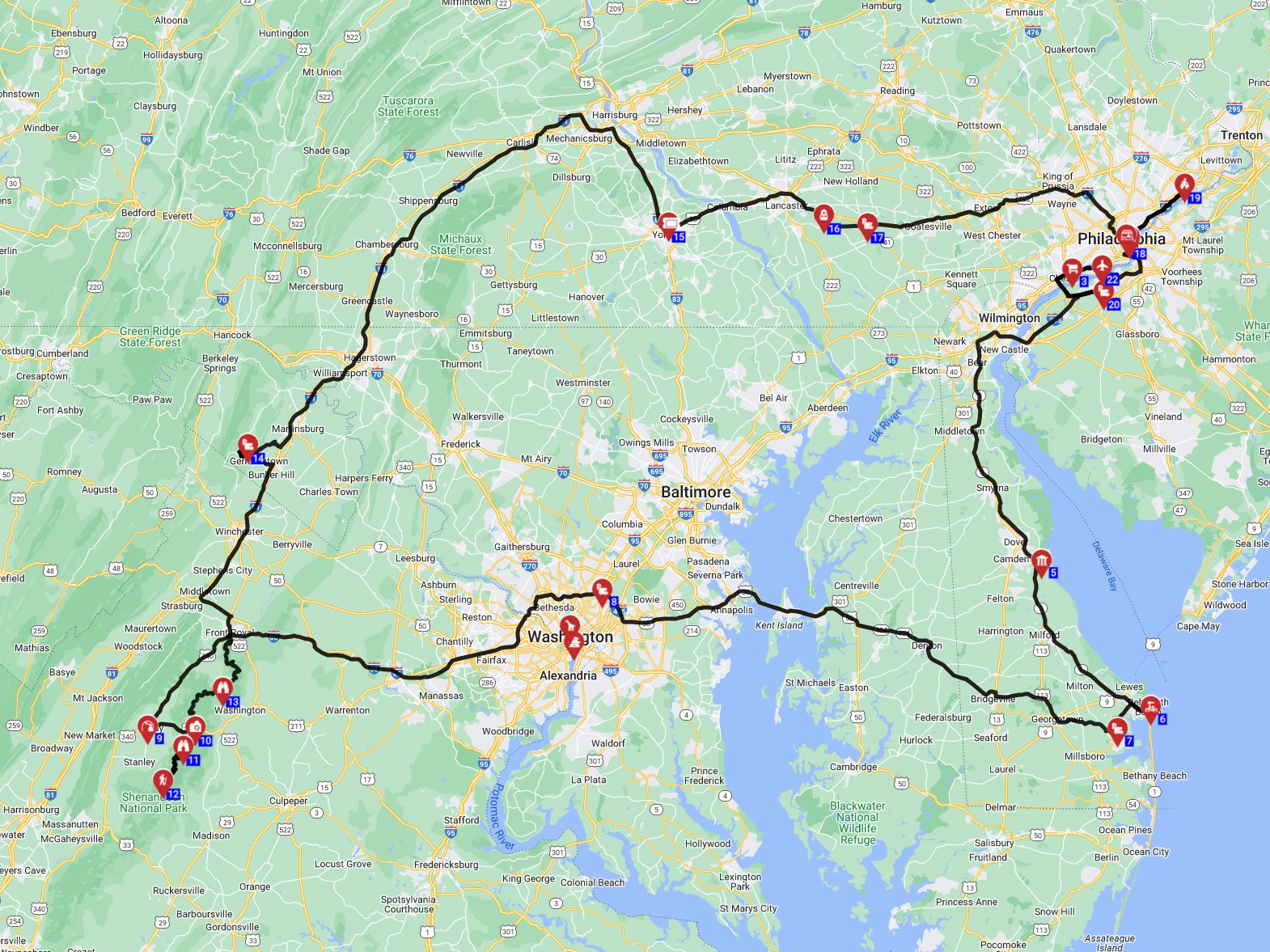
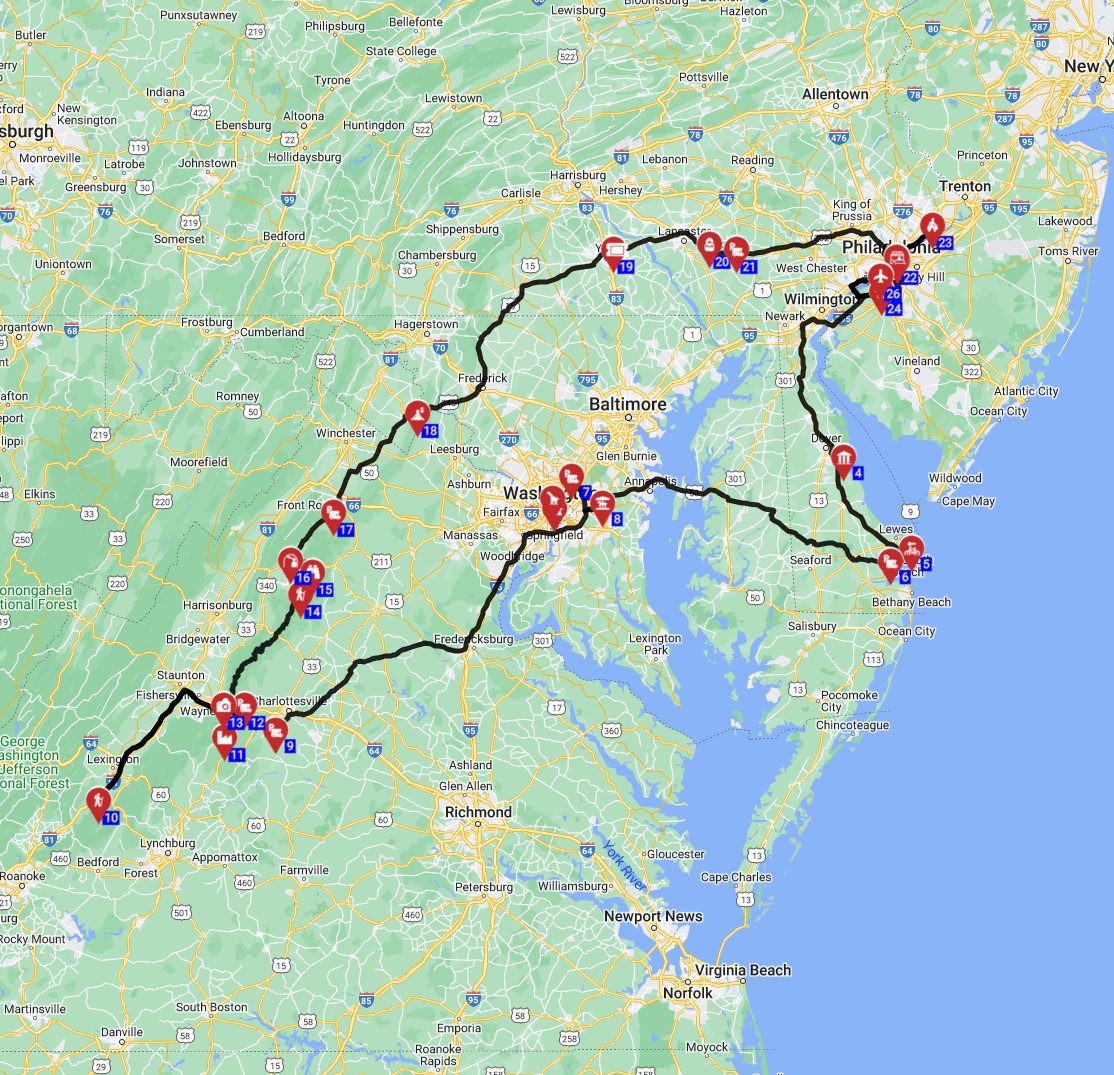
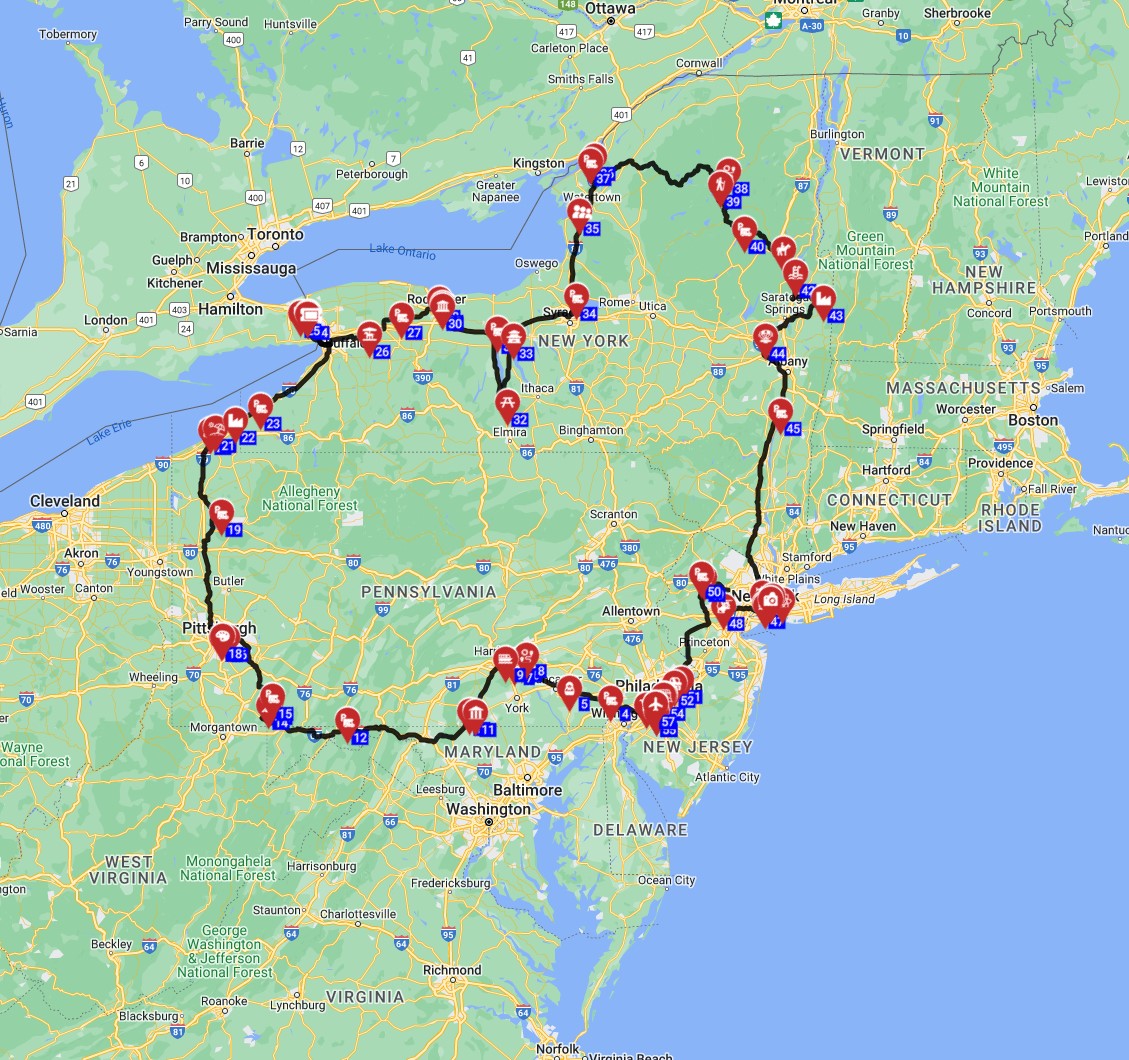
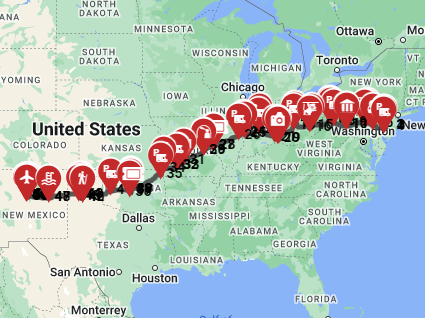
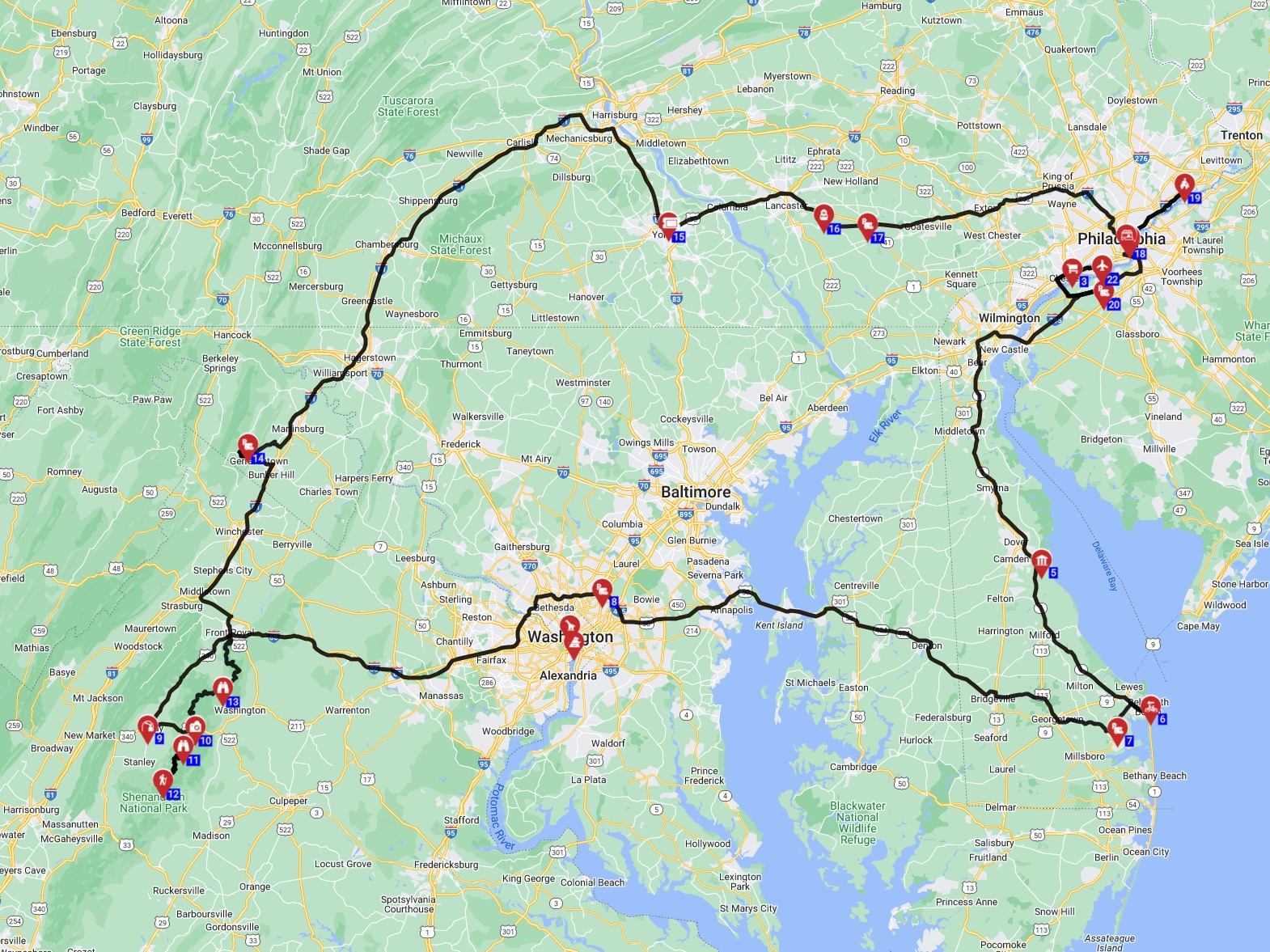
As true RV specialists, we believe in sharing the best routes and experiences. Avi Bandana, our founder, has personally scouted numerous locations to bring you curated adventures. Here are some routes that begin or feature Philadelphia prominently:
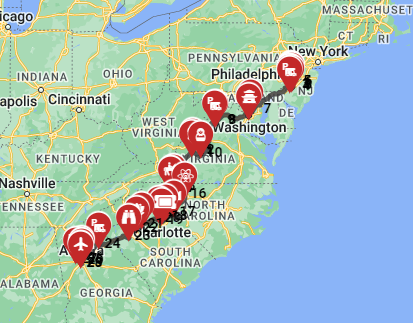
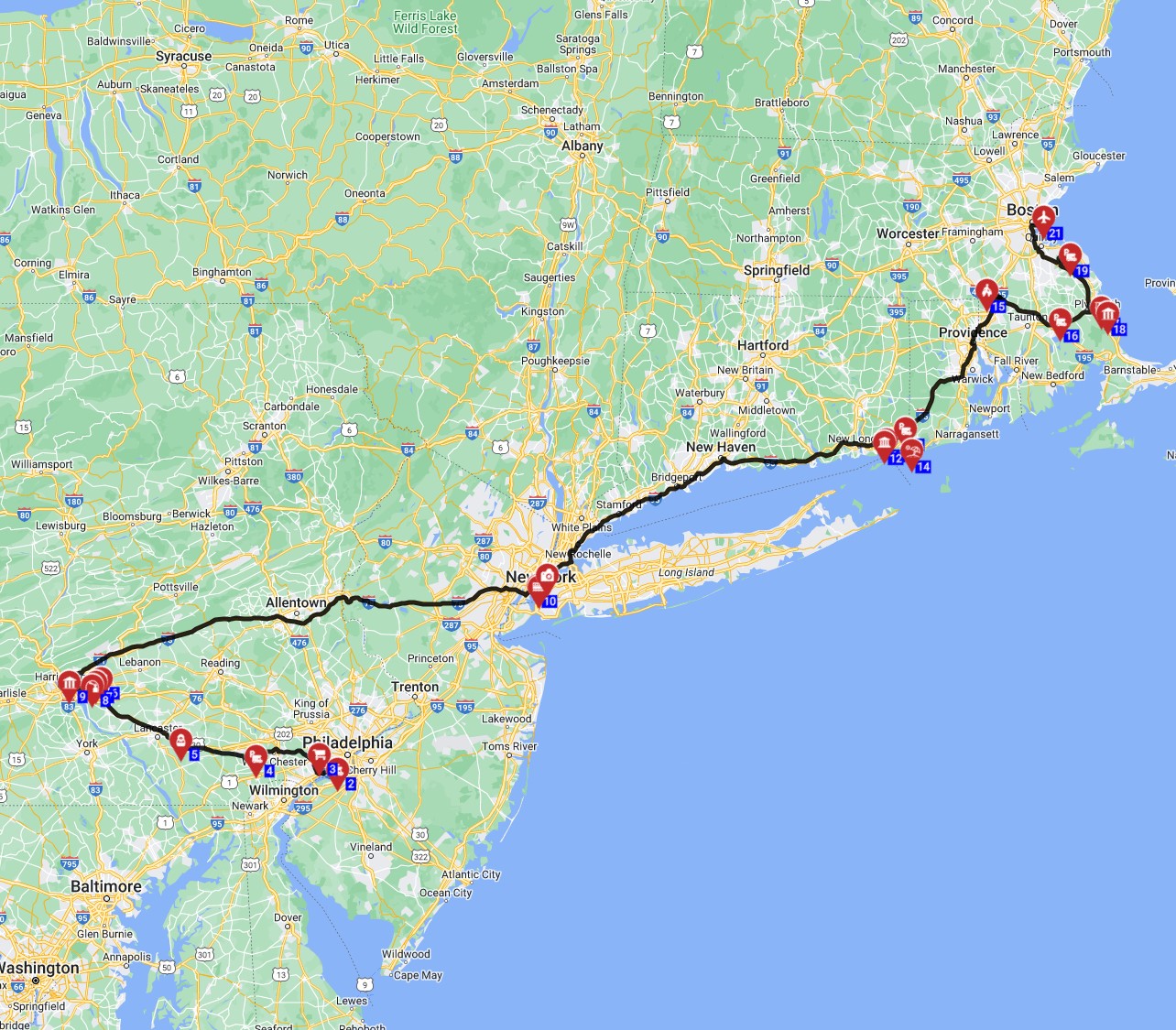
This "Chicago to Philadelphia - Freedom Wheels: From Chicago to Philly" route plan is a 15-day, 2305.8 km journey packed with variety, including 1 Amusement Park, 1 Aquarium, 1 Art Gallery, and 3 Heritage sites, perfect for families seeking a broad American experience in their rented RV.
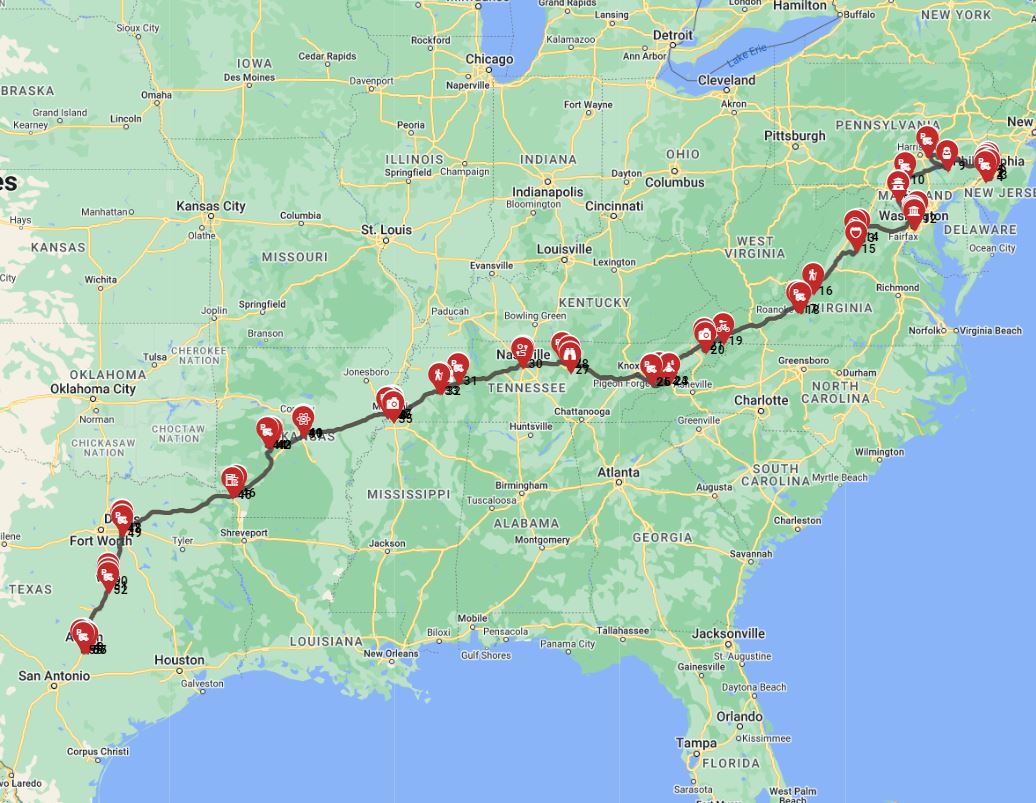
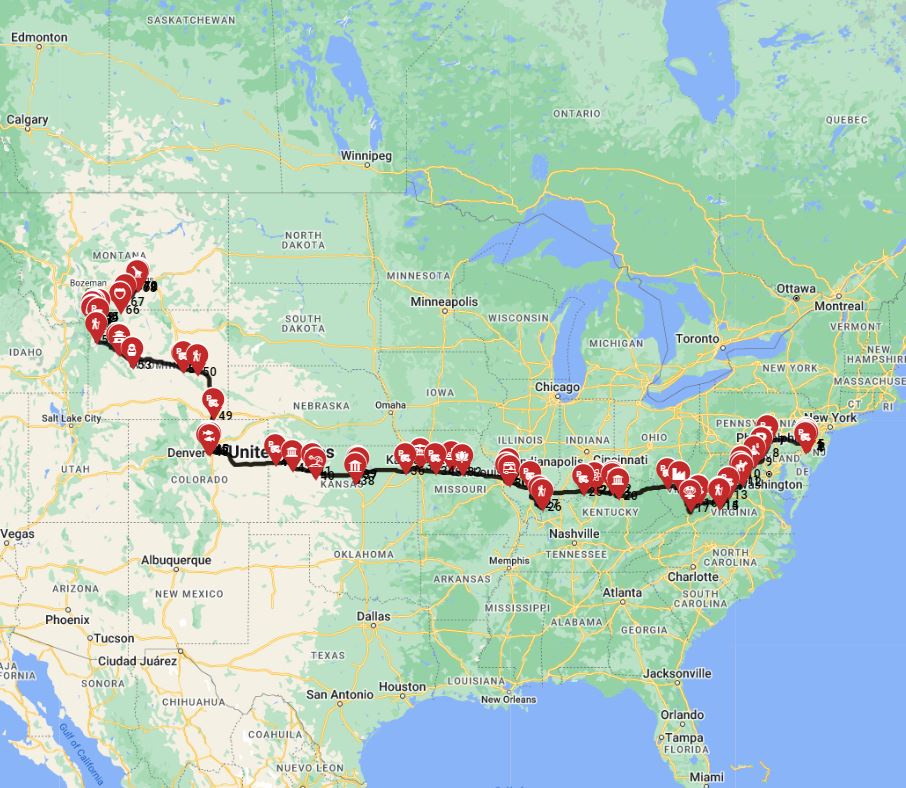
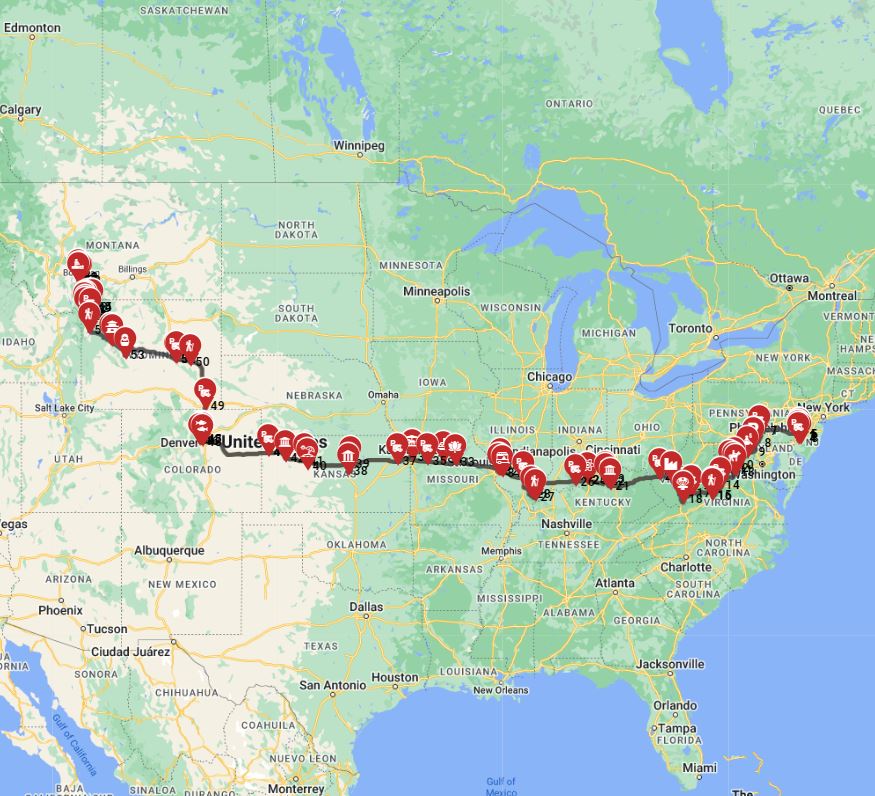
For a grand cross-country journey, consider the "
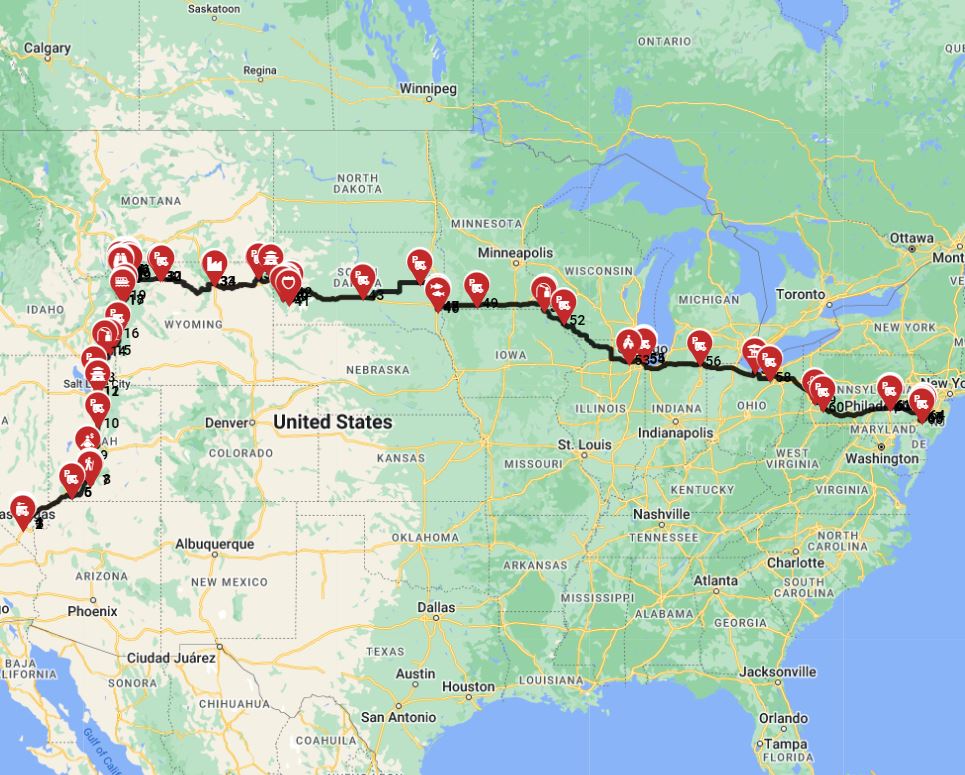
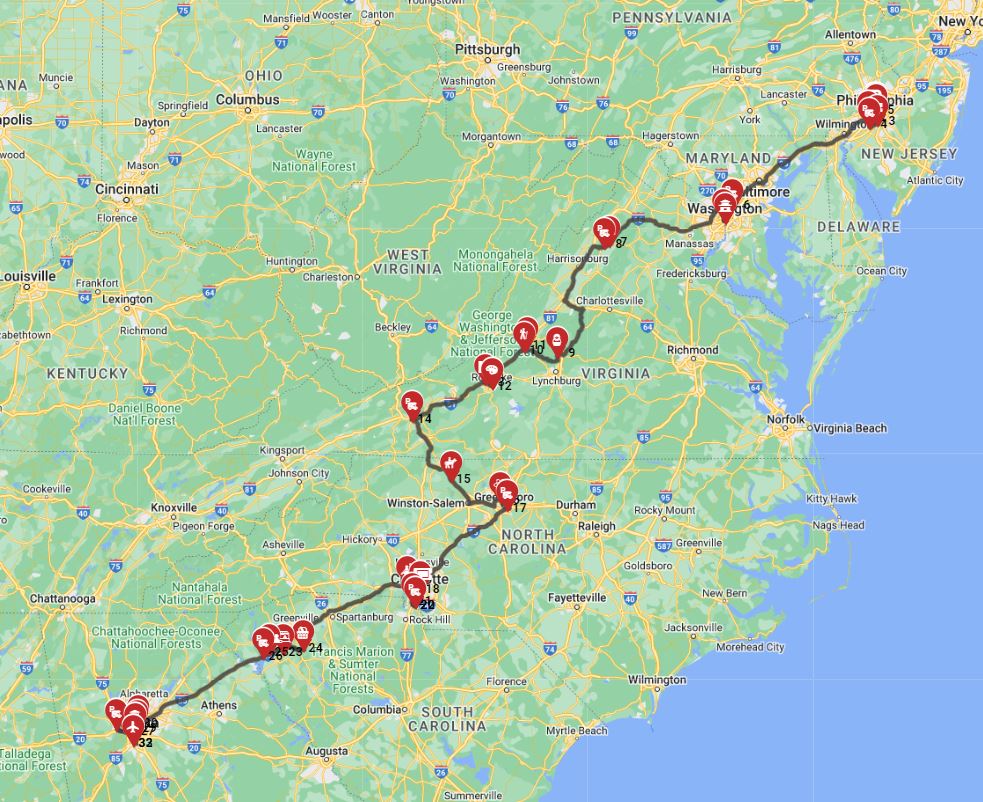
If your focus is solely on the region, the "
Final Thoughts
Driving a rented RV in Philadelphia opens up a world of adventure, allowing your family to explore historic landmarks and scenic routes with the comfort of your own mobile retreat. While urban navigation requires attention to detail, especially concerning vehicle dimensions and local regulations, the freedom and flexibility a motorhome offers are truly unparalleled. Remember to plan your stops, embrace the journey, and drive at a leisurely pace to soak in every moment.
With Bandana Caravan, you’re backed by over two decades of RV travel expertise and a commitment to transparent pricing and genuine support. We're here to ensure your Philadelphia RV rental experience is stress-free and full of wonderful memories. Imagine preparing a delicious meal in your campervan after a day of sightseeing, or simply enjoying the sunset from your chosen campground.
Ready to chart your course and create unforgettable family moments? Discover top destinations, planning tips, and all the tools you need in one place!
Find Motorhome Rentals in Philadelphia