In This Guide
- Can You Drive an RV in Namibia? License & Age Rules
- Road Conditions & Terrain in Namibia
- RV Size Limits, Bridges & Restricted Zones
- Fuel: Diesel vs. Petrol & Cost per 100 km
- Tolls, Vignettes & Border Rules
- Driving Tips for family rv rental Travelers
- Recommended RV Class for Namibia Roads
- Should I Choose a Compact Van Instead of a Large RV in Namibia?
- Can I Park Anywhere? Free & Wild Camping Rules in Namibia
- Can I Drive an RV Into the City Center? Heights, Tunnels & Local Signage
- How to Plan a Detailed RV Itinerary in Namibia?
- What RV Features are Essential for Namibia's Terrain?
- What is a Comprehensive Pre-Trip Checklist for an RV Rental in Namibia?
- What are the Challenges of Remote RV Travel in Namibia and How to Prepare?
- How to Practice Sustainable and Responsible RV Travel in Namibia?
- What are Cultural Etiquette Tips for RV Travelers in Namibia?
- What Specific Advice is There for Families with Children on an RV Trip in Namibia?
- What are Namibia's Road Conditions Like Across Different Regions?
- What Unique Experiences Beyond Safari Can You Have with an RV in Namibia?
Namibia offers one of the most incredible family RV adventures on the African continent, a land of vast open spaces, stunning deserts, and abundant wildlife. Imagine waking up to the sunrise painting the Sossusvlei dunes orange, or spotting desert-adapted elephants from the comfort of your own rented motorhome. Exploring Namibia by RV provides unparalleled freedom and flexibility, allowing families to discover hidden gems and iconic landmarks at their own pace. At Bandana RV, we understand the thrill of such a journey and aim to make your planning as smooth and transparent as the Namibian horizon.
For live availability and current prices, start with our RV Rental Namibia - Complete Guide 2026 guide. We are true RV specialists, dedicated exclusively to motorhome travel, ensuring you receive expert advice and support before, during, and after your booking, with full transparency and no hidden fees.
Can You Drive an RV in Namibia? License & Age Rules
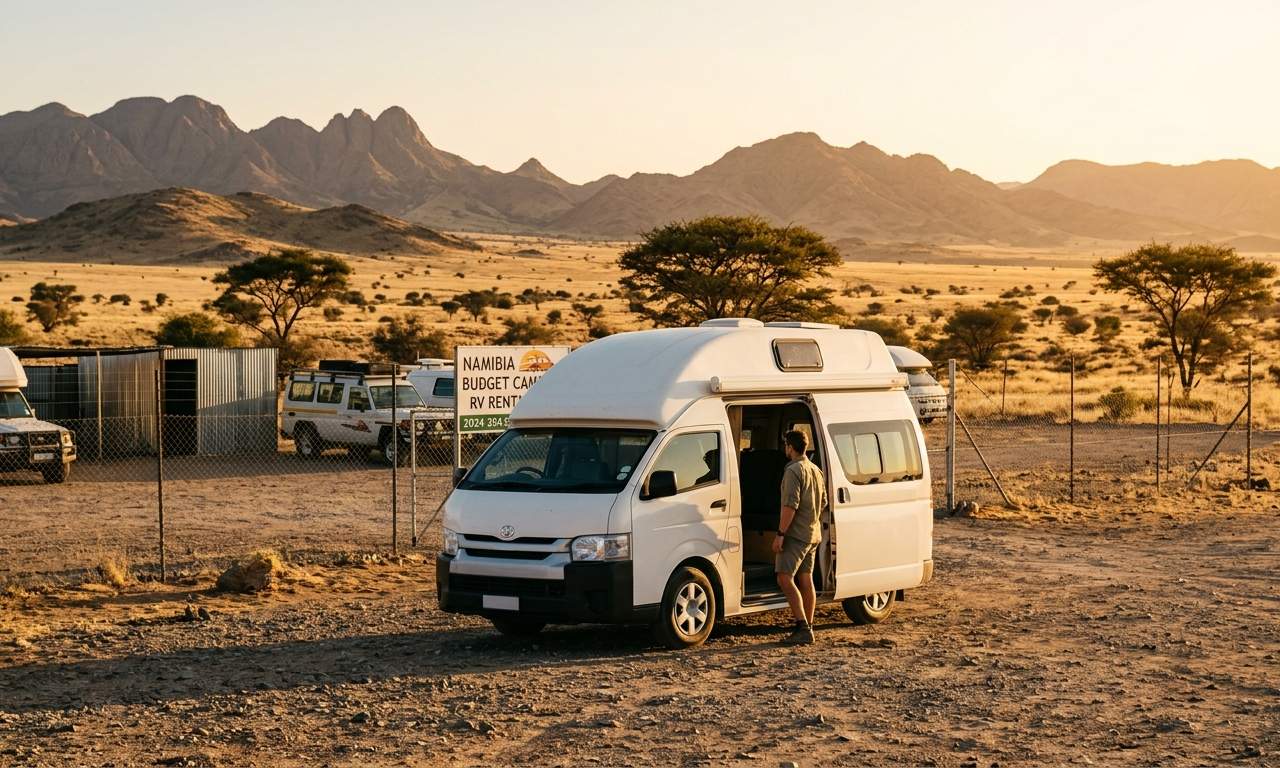
Yes, you can absolutely drive a rented RV in Namibia with a standard car driver's license (Category B or Code 08), provided the vehicle's Gross Vehicle Mass (GVM) does not exceed 3,500 kg. For international visitors, an International Driving Permit (IDP) is highly recommended, although not always strictly mandatory in all cases, as it provides a translation of your home country's license. The minimum driver age for most motorhome rentals in Namibia is 21 years, with no young driver surcharges or vehicle class restrictions based on age when booking through Bandana RV, making it accessible for a wider range of families and adventurers.
Navigating Namibia's diverse landscapes in a rented motorhome offers incredible freedom, allowing you to create unforgettable family memories. Our direct partnerships with over 50 leading RV suppliers worldwide, including trusted names like Apollo and Britz, mean we can offer a wide selection of suitable vehicles for your Namibian adventure. Whether you're considering a more compact campervan or a spacious family motorhome, ensure all drivers meet the age and licensing requirements to ensure a seamless and worry-free experience.
Road Conditions & Terrain in Namibia
Namibia's road network primarily consists of well-maintained gravel (C-roads) and tarred (B-roads) surfaces, allowing for comfortable travel in a rented RV across vast distances. Expect extensive stretches of corrugated gravel roads, particularly on C-roads and some D-roads, which require slower speeds of 60-80 km/h to prevent punctures, ensure safety, and maintain vehicle control. While some remote areas, such as specific tracks within national parks or conservancies, may feature sandy conditions best navigated by 4x4-capable vehicles or experienced drivers, the main tourist routes are generally accessible with a standard 2WD motorhome. We recommend driving slowly and carefully, paying attention to road conditions, and taking time to appreciate the vast landscapes and unique wildlife that make Namibia such a special destination.
Understanding Namibia's varying road conditions is key to planning a successful RV trip. B-roads are paved highways connecting major cities like Windhoek, Swakopmund, and Lüderitz, providing smooth travel at higher speeds. C-roads, often the main arteries to national parks and smaller towns, are graded gravel and can vary from smooth to heavily corrugated depending on recent maintenance and traffic. D-roads are minor district roads, typically rougher and less maintained. It's crucial to reduce tire pressure slightly on corrugated gravel roads to improve traction and comfort, and always re-inflate to recommended levels before returning to tar roads. For finding campsites and campgrounds during your trip, we recommend using RV PLANET (rvplan.net) - a great resource for locating available spots along your route, often with detailed information on accessibility.
RV Size Limits, Bridges & Restricted Zones
Generally, Namibia does not have restrictive height or weight limits for rented RVs on major routes, making it highly accommodating for various motorhome sizes. Low bridges are a rare concern outside of urban centers; however, drivers should always observe local signage for any specific restrictions. Access to certain national parks, such as parts of the Skeleton Coast, Namib-Naukluft National Park (especially some remote tracks to Sossusvlei), or private conservancies, may require specific permits or even particular vehicle types, sometimes 4x4, so verifying in advance is essential. Environmental zones, common in Europe for emission control, are less prevalent in Namibia, but responsible travel dictates staying on marked roads and respecting park regulations to protect fragile ecosystems.
While larger Class C motorhomes are generally well-suited for Namibia's roads, always check the specific vehicle dimensions against any potential low clearances if you plan to venture off the main routes. These are usually well-marked. Many of the most stunning destinations, from Etosha National Park to the Fish River Canyon, are perfectly accessible with a standard rented RV. Remember, with a rented motorhome, you have the flexibility to explore, but responsible planning ensures a smooth and enjoyable trip for everyone.
Fuel: Diesel vs. Petrol & Cost per 100 km
Most rented RVs in Namibia, particularly the Class C Alcove and Class SI Semi-integrated models favored by Bandana's global fleet, primarily run on diesel fuel. These vehicles typically consume approximately 10-12 Liters per 100 km, depending on the terrain, driving style, and RV size. Fuel stations are readily available in towns and at major intersections but can become sparse in more remote areas, necessitating careful route planning and possibly carrying extra fuel in approved containers for longer stretches. Average fuel costs fluctuate, making it advisable to budget accordingly for your extended road trip. When planning your route with RV PLANET routes, you can itemize and track every expense, including fuel, for easy budgeting. On the routes offered through RV PLANET routes, you can itemize and track every expense along the way for easy budgeting.
Always fill up your rented motorhome's fuel tank whenever you see a station, especially before heading into remote regions. It’s also wise to check your oil and water levels regularly, particularly if you're covering long distances on dusty roads. Understanding your RV's fuel type and consumption is vital for a smooth journey across Namibia's vast landscapes, preventing unexpected delays and ensuring peace of mind.
Tolls, Vignettes & Border Rules
Namibia generally does not have toll roads or vignettes for its public road network, simplifying budgeting for your RV trip within the country. However, if your itinerary includes traveling to neighboring countries like South Africa or Botswana, you will need to check specific entry requirements, vehicle permits, and potential road tolls or border crossing fees in advance. It is critical to ensure all vehicle documentation, including a Letter of Authorization from your RV rental company, is readily available and current for any border crossings. Some Bandana RV rental agreements may offer services to help facilitate cross-border travel paperwork, providing you with more peace of mind.
Planning for international travel in a rented motorhome requires thorough preparation. Ensure your passports and visas are in order for all family members. It’s also wise to have a copy of your rental agreement and vehicle registration readily accessible. Our 24/7 support team can assist with pre-booking questions regarding cross-border travel policies and the necessary documentation from our partner suppliers like El Monte and Apollo, ensuring you’re fully prepared for your grand African adventure.
Driving Tips for family rv rental Travelers
Prioritizing safety by driving at conservative speeds, especially on Namibia's gravel roads (typically 60-80 km/h), is crucial to prevent punctures and maintain control of your rented RV. Plan regular stops every 2-3 hours, particularly for families with children, offering opportunities for stretching, snacks, and restroom breaks. Always carry sufficient water, extra fuel if venturing off main routes, and ensure your vehicle has at least one spare tire and the necessary repair kit, as distances between services can be vast. Be constantly mindful of Namibia's abundant wildlife, especially at dawn and dusk, as animals frequently cross roads. Consider opting for an automatic transmission RV for easier driving on varied terrain, enhancing comfort during your extended road trip.
When driving a rented motorhome, remember that visibility can be reduced by dust clouds from oncoming vehicles on gravel roads, so slowing down is essential. On our comparison platform, you can find a range of vehicles perfect for a family RV rental in Namibia, many offering automatic transmissions for a smoother drive. Always remember to travel slowly, aiming for a maximum of 100-150 km per day on average, to truly feel the place, connect to the culture, the food, and the stunning scenery that Namibia offers.
Recommended RV Class for Namibia Roads
For family RV rentals in Namibia, Class C Alcove and Class SI Semi-integrated motorhomes from Bandana's fleet are highly recommended due to their excellent balance of comfort, capability, and suitability for the country's diverse roads. Class C Alcove RVs, typically averaging 7.5 meters in length and accommodating around 4-6 people, offer ample sleeping and living space for families, with features like spacious dining areas and full kitchens, similar to a "Comfort Family" model with 5.8 sleeping places. Class SI Semi-integrated RVs, at an average length of 6.9 meters and sleeping 2-4 people, provide a good compromise for smaller families or those seeking slightly more maneuverability while still offering comfortable amenities. Both classes generally provide sufficient ground clearance for Namibia's common gravel roads, ensuring a comfortable yet robust travel experience.
When choosing your rented RV, consider the number of travelers and desired amenities. A "Group E" or "Category Family 5" model offers generous space for 6-7 people, while a "Category Small" or "Camper Van Plus - V600" is ideal for smaller groups or couples. Our role as true RV specialists means we can help you compare options from our direct partnerships with over 50 leading suppliers worldwide, guiding you to the perfect motorhome or campervan for your Namibian adventure. You can upgrade to a top-level deductible for extra peace of mind, allowing you to focus on the journey ahead.
Should I Choose a Compact Van Instead of a Large RV in Namibia?
While compact campervans (like Bandana's Class B models, averaging 5.8 meters in length) offer enhanced maneuverability, a larger RV is often a better choice for family comfort in Namibia, given the long distances and lack of extremely tight urban centers. Larger rented RVs provide significantly more living space, more extensive cooking facilities (like a 3-burner gas stove and a 150-liter refrigerator in a "C-30" Class C motorhome), and often larger fresh water (e.g., 151 liters in a "CA-25") and fuel tanks, which are crucial for remote Namibian travel. Namibia's roads are generally wide enough to accommodate larger motorhomes, and parking at designated campsites is rarely an issue for bigger vehicles. A compact van might be preferred for very adventurous couples or solo travelers planning extensive off-road excursions where minimal size is critical, but for families, the trade-off in space and self-sufficiency often isn't worth it on longer trips.
The vastness of Namibia means you'll spend considerable time in your rented vehicle, and a larger RV provides a more comfortable "home on wheels." Having space for children to move around, dedicated dining areas, and a full bathroom significantly enhances the family travel experience. Our range of family rv rental options in Namibia caters to various needs, ensuring you find a motorhome that perfectly balances comfort and adventure for your specific trip.
Can I Park Anywhere? Free & Wild Camping Rules in Namibia
Wild camping is generally discouraged and often illegal in Namibia, particularly within national parks, private reserves, and privately owned farmland. Travelers are strongly advised to utilize designated campsites, which are plentiful across the country, often well-equipped with facilities like ablution blocks, braai (BBQ) areas, and water availability, and offer enhanced security. Many private game farms and conservancies also provide established camping spots with varying amenities, offering unique experiences. Rules can vary by region or specific landowner, so always check local regulations and adhere to local law before parking your rented motorhome overnight to avoid fines or safety risks.
Respecting local laws and private property is paramount when exploring Namibia by RV. Booking campsites in advance, especially during peak season, is highly recommended. Many national parks and state parks reserve only 25-30% of spots for online booking, with the rest available on a first-come, first-serve basis. Reassure yourself: you'll find a spot; if not at the first campground, then the next one. Always call ahead before driving a long distance. For finding campsites and campgrounds during your trip, we recommend using RV PLANET (rvplan.net) - a great tool for locating available spots along your route, ensuring you always have a safe and legal place to stay.
Can I Drive an RV Into the City Center? Heights, Tunnels & Local Signage
Yes, you can generally drive a rented RV into city centers in Namibia, as urban areas like Windhoek and Swakopmund are accustomed to accommodating larger tourist vehicles. Pay close attention to local signage regarding parking restrictions, one-way streets, and any rare height or weight limits, though these are uncommon for standard motorhomes or campervans. Tunnels and low bridges are not significant concerns in Namibian urban areas, unlike in some European cities. Be aware of designated pedestrian zones or residents-only streets, which might limit access in smaller, historic areas. Driving slowly and carefully, and using common sense and paying attention, will allow you to navigate almost anywhere without issues, without needing to stress about vehicle size.
Finding parking for a larger rented RV in city centers might require a bit more planning, but it's typically manageable. Look for designated tourist parking areas or larger shopping center parking lots. Our focus is on making your journey enjoyable and stress-free, and navigating cities in Namibia by RV is a part of that adventure. Cities like Walvis Bay and Windhoek are equipped to handle larger vehicles, allowing you to access amenities and attractions easily.
How to Plan a Detailed RV Itinerary in Namibia?
A detailed RV itinerary in Namibia requires meticulous planning of daily driving times, allowing for slower speeds (e.g., 60 km/h average on gravel roads) and frequent stops for sightseeing, particularly when traveling with family. Identify specific fuel stops in advance, as distances between towns and services can be significant (over 300 km in some desert regions), and confirm their opening hours. Research campgrounds, such as Namibia Wildlife Resorts (NWR) camps or private lodges, for each night, noting their specific features like ablution blocks, braai facilities, and water availability. Integrate activities like game drives in Etosha, dune climbing at Sossusvlei, or cultural visits, factoring in travel time to and from your RV park. Rent&Plan routes, pre-planned by professionals via RV PLANET (rvplan.net), can offer a 25% planning discount, providing expertly crafted itineraries tailored for RV travel in Namibia, helping you avoid common planning pitfalls and maximize your adventure.
Planning your meals is also part of a great RV itinerary. Imagine cooking up a delicious dinner on board your rented RV under the Namibian stars! For inspiration, check out our RV-friendly recipes playlist on YouTube. Remember to carry enough groceries, especially for fresh produce, as selections can be limited in smaller towns. Slow travel, averaging max 100-150 km per day, is the key to truly experiencing Namibia's magic.
🎬 Video coming soon
What RV Features are Essential for Namibia's Terrain?
Essential RV features for navigating Namibia's varied terrain include good ground clearance (at least 20 cm is ideal for gravel roads) to minimize the risk of undercarriage damage on uneven tracks. Ample fresh water (e.g., a 150-liter tank) and fuel tank capacities (over 100 liters) are crucial given the long distances between supply points in remote regions, ensuring self-sufficiency for several days. A robust solar panel setup is highly beneficial for extended off-grid camping, allowing battery charging for lights, fridges, and devices without relying solely on shore power or generators. Additionally, consider a vehicle with durable tires suitable for gravel, and always ensure at least one spare tire and the necessary repair kit are included in your rented motorhome.
Many of Bandana RV's partner suppliers offer motorhomes like the "cruise america rv rental example Explorer" with a 75-liter fuel tank and 82-liter fresh water tank, or even larger Class C models like the "C-30" with 208-liter fuel and 151-liter fresh water tanks, perfect for longer stretches. These features allow you to venture deeper into Namibia's stunning landscapes, from the dunes of Sossusvlei to the wildlife-rich Etosha. Choosing a well-equipped rented RV ensures your comfort and safety, transforming a road trip into a truly self-sufficient adventure.
What is a Comprehensive Pre-Trip Checklist for an RV Rental in Namibia?
A comprehensive pre-trip checklist for a family RV rental in Namibia should begin with confirming visa requirements for all travelers and obtaining an International Driving Permit (IDP) for non-English licenses. Verify if specific permits are needed for certain areas like the Skeleton Coast National Park or particular conservancies, which can sometimes be pre-arranged with your rental company. Consult a travel clinic for required vaccinations (e.g., Hepatitis A, Typhoid) and recommended prophylactics for malaria-risk areas (e.g., northern Etosha region). Organize local currency (Namibian Dollar) for smaller purchases and emergency contacts for both your rental company and local services. Lastly, pack for varying climates, from hot desert days (35°C+) to cool desert nights (5-10°C), including sturdy shoes, sun protection, and warm layers.
Beyond these essentials, ensure your rented motorhome includes comprehensive insurance, and consider upgrading to a top-level deductible for extra peace of mind. Familiarize yourself with the vehicle's operation before you leave the rental station. This pre-planning ensures a seamless and enjoyable adventure for your family. As true RV specialists, we're with travelers before, during, and after their booking, handling the details so you can live the journey.
What are the Challenges of Remote RV Travel in Namibia and How to Prepare?
Challenges of remote RV travel in Namibia include water and fuel scarcity in vast regions like the Namib Desert or Kaokoveld, necessitating carrying extra supplies of at least 20-30 liters of water and additional fuel containers. Connectivity can be limited, with mobile data only reliable in major towns; consider renting a local SIM card for sporadic mobile data or a satellite phone for emergencies in truly isolated areas. Prepare for potential breakdowns by having roadside assistance contacts readily available, basic repair tools (e.g., tire repair kit), and knowing how to change a tire. In case of medical emergencies far from services, carry a comprehensive first-aid kit, know the nearest medical facilities on your route, and be aware of emergency numbers (e.g., 10111 for police, 061-211111 for medical emergencies in Windhoek). Communication and self-reliance are key for a safe remote RV trip.
Always inform someone of your route and expected arrival times, especially when embarking on longer stretches of remote driving in your rented motorhome. This transparency and preparation are critical. Planning your route with RV PLANET (rvplan.net) can help you identify these remote stretches and plan your supplies accordingly. Their detailed itineraries also allow you to itemize and track every expense, including emergency supplies and fuel, for easy budgeting.
How to Practice Sustainable and Responsible RV Travel in Namibia?
Practicing sustainable RV travel in Namibia involves minimizing your environmental impact by staying strictly on marked roads and paths to protect fragile desert ecosystems from unnecessary disturbance. Adhere to strict wildlife viewing ethics, maintaining a safe distance (e.g., 25 meters from large animals) and never disturbing animals or their habitats with noise or sudden movements. Manage waste responsibly by carrying out all trash, including organic waste and grey water, and disposing of it properly at designated sites, leaving no trace behind. Support local communities by purchasing goods and services from local vendors, respecting cultural norms, and visiting community-based tourism initiatives, ensuring your visit benefits local populations.
As you explore Namibia with your rented campervan, remember that you are a guest in a unique and delicate environment. Conserve water and electricity, use eco-friendly products, and be mindful of your overall footprint. Traveling slowly, perhaps max 100-150 km per day on average, allows you to take time to feel the place, connect to the culture, the food, and the scenery, fostering a deeper appreciation and promoting sustainable tourism.
What are Cultural Etiquette Tips for RV Travelers in Namibia?
When interacting with local communities in Namibia, particularly in rural areas or when visiting indigenous groups like the Himba, always ask for permission before taking photographs of people, respecting their privacy and beliefs. Dress modestly, especially when visiting villages or religious sites, to show respect for local customs. Engage with a friendly greeting (a simple "hello" or learning a few basic phrases in local languages like Oshiwambo or Afrikaans goes a long way), and be mindful of personal space. If you wish to show appreciation, consider giving small, appropriate gifts like school supplies to children through a local school or community leader, rather than direct handouts, which can inadvertently create a begging culture.
Namibia is a melting pot of diverse cultures, and showing respect for local traditions enhances your travel experience immensely. Your rented motorhome provides a fantastic base for cultural immersion, allowing you to visit local markets, craft centers, and even community-run campsites. Remember, a genuine smile and respectful curiosity can open doors to incredible cultural exchanges and enrich your family RV adventure.
What Specific Advice is There for Families with Children on an RV Trip in Namibia?
For families with children on an RV trip in Namibia, prioritize safety by ensuring car seats are properly installed for younger children and all passengers wear seatbelts, especially on gravel roads. Plan shorter driving days, ideally no more than 3-4 hours of active driving, and incorporate frequent stops at child-friendly attractions, like wildlife viewing points, picnic spots, or designated play areas at campsites. Pack engaging activities, books, and games for long stretches in the RV, and ensure a steady supply of snacks and drinks to keep children comfortable and hydrated in the dry climate. Choose campsites with amenities like swimming pools or playgrounds, and be vigilant about potential wildlife hazards (e.g., snakes, scorpions) around the camp by keeping tent flaps closed and children supervised. A well-equipped kitchen in your rented motorhome makes preparing healthy, kid-friendly meals easy.
Creating a comfortable and entertaining environment within your rented campervan is key to happy family travel. Many of our Class C Alcove models, like a "Group G" motorhome with 7 sleeping places, offer spacious living areas and bunk beds, perfect for families. Remember, travel slowly, max 100-150 km per day on average, allowing for spontaneous stops and giving children ample time to explore and connect with Namibia's unique natural wonders.
What are Namibia's Road Conditions Like Across Different Regions?
Namibia's road conditions vary significantly across regions, with B-roads (major tarred highways) offering smooth travel between main cities like Windhoek, Swakopmund, and Lüderitz, suitable for maintaining higher speeds (up to 120 km/h for cars, RVs generally slower). C-roads, the backbone of rural travel, are typically well-graded gravel roads but can become corrugated, dusty, or sandy, especially during dry seasons, requiring speeds of 60-80 km/h. D-roads, minor district roads, are often less maintained gravel or dirt tracks, necessitating slower speeds (40-60 km/h) and more caution. Specific areas like Sossusvlei (last 5 km to Sossusvlei and Deadvlei) and parts of Damaraland or Kaokoveld feature deep sandy tracks that may necessitate 4x4 capability or careful driving with deflated tires for two-wheel-drive RVs, often requiring transfers to specialized vehicles. Always adjust your speed to conditions and remain attentive.
Before embarking on an extended road trip to a specific region, research the latest road reports and conditions. Local advice from rental companies or tourist information centers is invaluable. A rented motorhome, particularly a sturdy Class C or SI, is designed to handle these conditions, providing a robust platform for your journey across Namibia. For broader context on RV travel, you might also find our "RV Rental Africa - Complete Guide 2026" informative.
What Unique Experiences Beyond Safari Can You Have with an RV in Namibia?
Beyond traditional safaris, a rented RV in Namibia opens up unique experiences like world-class stargazing at designated Dark Sky Reserves, such as the NamibRand Nature Reserve, offering unparalleled astrophotography opportunities directly from your campsite. Explore Namibia's rich geology by visiting ancient rock formations, petrified forests near Khorixas (dating back 280 million years), and dramatic geological sites in Damaraland or the Fish River Canyon. Discover specific hiking trails in national parks like the Naukluft Mountains, offering breathtaking views and opportunities for independent exploration. You can also engage in unique cultural experiences by visiting Himba villages or local markets in towns like Opuwo or Rundu, providing insight into the diverse indigenous cultures of Namibia, all accessible with the flexibility of your rented motorhome.
With a rented camper or motorhome, you have a mobile headquarters to venture out to national parks, coastal towns like Swakopmund, and remote desert outposts, creating an itinerary uniquely yours. Whether you’re marveling at the 'Fairy Circles,' exploring the haunting beauty of the Skeleton Coast, or simply enjoying the vast silence of the desert, an RV trip in Namibia promises unforgettable moments for the entire family. Consider One-Way RV Rental in Namibia - Price Guide 2026 if you wish to start or end your adventure in a different city, maximizing your exploration time.
What You Shouldn't Miss
- **Sossusvlei & Deadvlei:** Witness the towering red sand dunes, some over 300 meters high, and the ghostly white clay pan of Deadvlei, especially breathtaking at sunrise or sunset.
- **Etosha National Park:** Enjoy exceptional wildlife viewing, particularly around the floodlit waterholes at camps like Halali, where animals gather day and night.
- **Fish River Canyon:** Stand at the edge of Africa's largest canyon, a geological marvel offering dramatic vistas and hiking opportunities.
- **Swakopmund & Walvis Bay:** Explore the coastal towns for adventure activities like quad biking, sandboarding, or marine wildlife cruises to see seals and dolphins.
- **Damaraland:** Discover ancient rock art at Twyfelfontein, a UNESCO World Heritage site, and seek out the incredible desert-adapted elephants and rhinos.
- **NamibRand Nature Reserve:** Experience unparalleled stargazing in Africa's first International Dark Sky Reserve, a truly magical experience for the whole family.
Looking for expert insights from Avi Bandana? Top 5 Adventures - recommendations from Avi Bandana.
Final Thoughts
Embarking on a family RV adventure in Namibia is an extraordinary way to discover this land of dramatic contrasts and unparalleled natural beauty. With the right preparation and a spirit of adventure, your rented motorhome becomes more than just a vehicle; it's your mobile home base, offering comfort and flexibility as you traverse deserts, encounter unique wildlife, and witness breathtaking celestial displays.
Remember, we're here to support you every step of the way, ensuring a transparent booking process and peace of mind. So, pack your bags, prepare your itinerary, and get ready for an unforgettable journey through Namibia, a destination that promises to inspire and create lasting memories for your entire family.
Discover top destinations, planning tips, all in one place! Plan a trip itinerary in advance with minimal effort and maximum enjoyment. Check Namibia RV Rental Prices Now and start your adventure.