
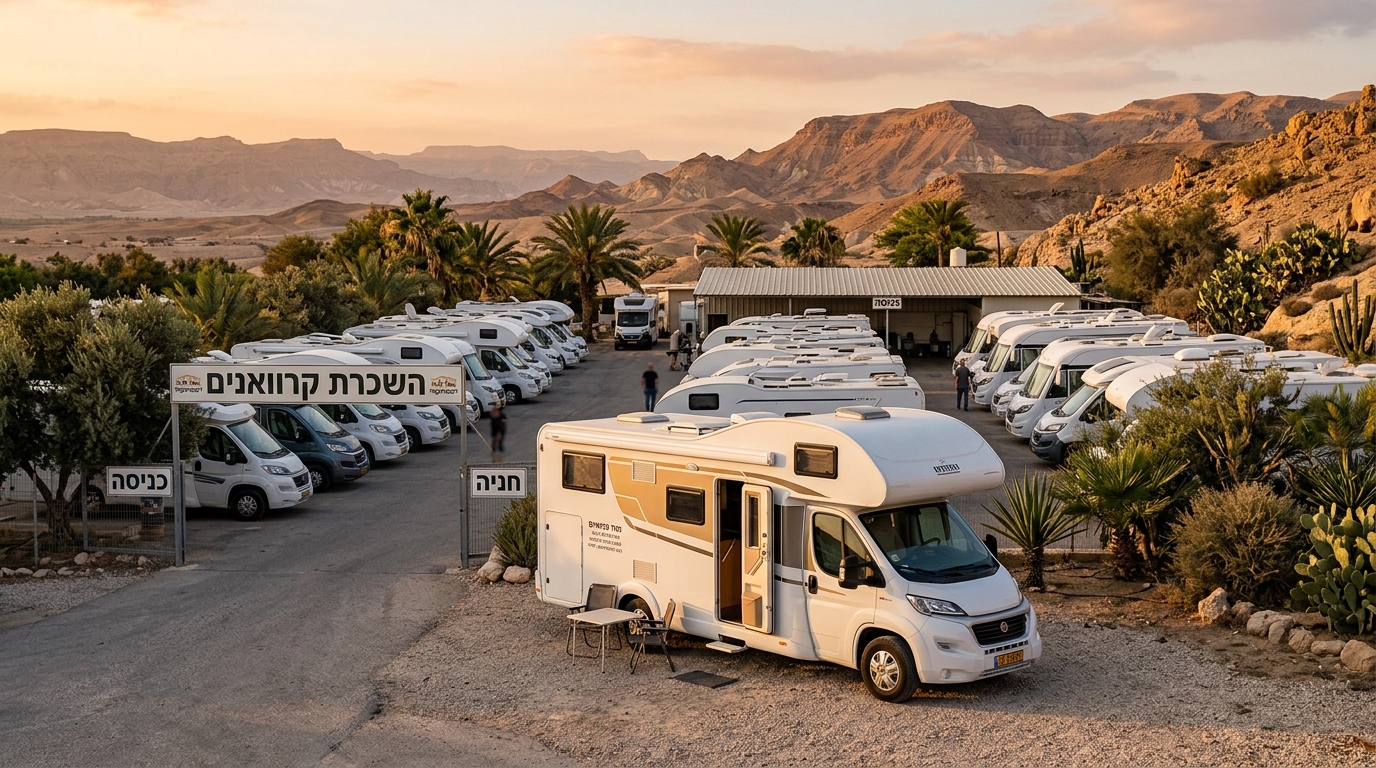
For live availability and current prices, start with our RV Rental Israel - Complete Guide 2026 guide.
In This Guide
- Can You Drive an RV in Israel? License & Age Rules
- Road Conditions & Terrain in Israel
- RV Size Limits, Bridges & Restricted Zones
- Fuel: Diesel vs. Petrol & Cost per 100 km
- Tolls, Vignettes & Border Rules
- Driving Tips for family rv rental Travelers
- Recommended RV Class for Israel Roads
- Should I Choose a Compact Van Instead of a Large RV in Israel?
- Can I Park Anywhere? Free & Wild Camping Rules in Israel
- Can I Drive an RV Into the City Center? Heights, Tunnels & Local Signage
- What are the requirements for renting an RV in Israel?
- Is it safe to travel in an RV in Israel?
- What is the best time of year to RV in Israel?
- Are there RV parks in Israel?
- How much does it cost to rent an RV in Israel?
- Can I take an RV to Jordan from Israel?
- What are the cultural considerations for RV travel in Israel?
- Where can I find accessible RV campsites in Israel?
Can You Drive an RV in Israel? License & Age Rules
Yes, you can absolutely drive an RV in Israel. For most rental RVs, which typically weigh under 3.5 tons, a standard B-class driver's license issued in your home country is sufficient. It's highly recommended for foreign drivers to obtain an International Driving Permit (IDP) to supplement their national license, as this can facilitate smoother interactions with local authorities and rental providers. The minimum driver age for renting an RV in Israel is generally 21, though some suppliers may require renters to be 25, particularly for larger vehicle classes. Always verify the specific age and licensing requirements with your chosen rental company when booking your family rv rental in Israel.
Road Conditions & Terrain in Israel
Israel boasts a varied road network catering to RV travel. Major highways, such as the modern Route 6, offer smooth, multi-lane driving. However, as you venture into rural areas, historical sites, or mountainous regions like the Galilee, Golan Heights, and Judean Mountains, you'll encounter narrower, winding roads that require slower speeds and increased driver awareness, especially when piloting a larger family rv rental. The overall road quality is generally good, though some older routes might present varied surfaces. Embracing slower travel allows you to truly appreciate Israel's diverse landscapes and ensures a comfortable journey for your family.
RV Size Limits, Bridges & Restricted Zones
While Israel doesn't have widespread, specific RV size restrictions like some European countries, drivers must always be vigilant about posted height and weight limits on bridges, tunnels, and within city centers. Major roads typically accommodate standard RV dimensions without issue, but historical city centers or older infrastructure might feature lower underpasses. Always be aware of your rented RV's specific dimensions—height, width, and length—and strictly adhere to all local signage to ensure safe passage and avoid potential fines or hazards. Weight limits can apply to some older bridges, so utilizing RV-friendly GPS routing is a good precaution.
Fuel: Diesel vs. Petrol & Cost per 100 km
The majority of rental RVs in Israel are diesel-powered, and diesel fuel is readily available at service stations nationwide. Globally, a Class C (Alcove) RV typically consumes around 10-12 liters per 100 km, while smaller Class B (Camper Van) models are more fuel-efficient, averaging 8-10 liters per 100 km. Fuel prices in Israel are regulated and can be comparable to European rates, so it's wise to budget for fuel as a significant travel expense. Confirm with your rental provider if any fuel discount cards or specific refueling arrangements are available. On the routes offered through RV PLANET routes, you can itemize and track every expense along the way for easy budgeting.
Tolls, Vignettes & Border Rules
Israel primarily uses an electronic toll system, most notably on Highway 6 (Kvish 6). These roads operate without physical toll booths, with charges typically applied electronically based on license plate recognition. There is no general vignette system in Israel; tolls are paid per usage. Many rental RVs are equipped with a transponder for automatic toll payment, with charges usually added to your rental agreement. It's crucial to note that taking a rental RV into neighboring countries like Jordan or Egypt is generally prohibited by rental agreements due to complex insurance and logistical challenges. Always confirm international travel permissions directly with your RV rental company well in advance.
Driving Tips for family rv rental Travelers
When traveling with family in an RV in Israel, plan for frequent stops, ideally every 2-3 hours, to allow children to stretch and refresh. Be mindful of Israel's unique driving laws and parking regulations, which can be strict in historical cities, necessitating pre-planning for parking spots. Pay close attention to religious holiday driving restrictions, especially during Shabbat (Friday sunset to Saturday sunset), when public transport may be limited and certain roads in religious neighborhoods might be closed. Practicing defensive driving is essential, as Israeli drivers can be assertive; maintaining awareness and ample space is key. Always adhere to posted speed limits, as speed cameras and police presence are common. For budget-conscious families, consider pre-paying any available toll passes to avoid potential surcharges from the rental company.
Recommended RV Class for Israel Roads
For family RV travel in Israel, a Class SI (Semi-integrated) or Class C (Alcove) motorhome generally offers the best balance of comfort and maneuverability. For instance, a Class SI RV, averaging around 6.9 meters in length and typically sleeping up to 3-4 people, provides ample living space without being overly cumbersome for Israel's diverse roads. Larger Class C models, averaging 7.5 meters and accommodating up to 5-6 people, are ideal for bigger families, offering more sleeping capacity and interior room. These classes usually provide adequate ground clearance for varied terrain and are manageable for parking in most accessible areas, though city centers require more planning.
Should I Choose a Compact Van Instead of a Large RV in Israel?
While a compact campervan (Class B) offers superior maneuverability for navigating Israel's narrower city streets and historic centers, larger RVs (Class SI or C) provide significantly more comfort and living space crucial for families on extended trips. Compact vans, typically around 5.8 meters long, are easier to park and drive in urban environments, making them suitable for couples or smaller families prioritizing agility. Larger RVs, averaging 6.9-7.5 meters, offer dedicated sleeping areas, more comprehensive kitchens, and integrated bathrooms. Most main roads and national highways in Israel are suitable for larger RVs; challenges usually arise only in densely populated or historically preserved areas. The decision ultimately balances driving ease against on-board amenities.
Can I Park Anywhere? Free & Wild Camping Rules in Israel
Wild camping, or boondocking, is generally not officially permitted or widely practiced in Israel due to land ownership, security concerns, and local regulations. Designated RV parks and organized campgrounds are the primary and recommended options for overnight parking, offering essential facilities like water, electricity, and waste disposal. Attempting to park overnight outside of official sites may lead to legal issues, safety risks, or lack of necessary services. It is crucial to prioritize safety by utilizing established campsites and respecting private property signage. Always check local regulations and confirm with your rental provider or local tourism offices before planning any overnight parking outside designated areas.
Can I Drive an RV Into the City Center? Heights, Tunnels & Local Signage
Driving an RV into most Israeli city centers is generally possible, but it requires careful attention to specific local signage and an awareness of your vehicle's dimensions. Drivers must heed posted height limits for tunnels, underpasses, and multi-story car parks, especially in older urban areas like Jerusalem. Narrow streets in ancient city sections or some residential areas can be challenging for larger RVs; consider parking on the outskirts and utilizing public transport or taxis for exploration. While widespread environmental zones are uncommon, always watch for signs indicating resident-only parking or access restrictions for larger vehicles. Diligent observation of local road signs is critical for safe urban navigation.
What are the requirements for renting an RV in Israel?
To rent an RV in Israel, you'll need a valid driver's license from your home country, ideally supplemented by an International Driving Permit (IDP) for non-Hebrew licenses. Renters must meet the minimum age requirement, typically 21 or 25 years old, with potential age restrictions for larger RV classes. A major credit card is essential for the security deposit and rental payments. Some rental companies may also require a minimum driving experience of 2-3 years. Comprehensive insurance coverage is mandatory, so verify what's included in your rental price and consider additional coverage options for added peace of mind.
Is it safe to travel in an RV in Israel?
Traveling in an RV throughout Israel is generally considered safe, thanks to its robust infrastructure and low crime rates in tourist-frequented areas. It is advisable to stay informed about current events and consult official government travel advisories for any specific regional concerns. Standard travel safety precautions, such as securing valuables and locking doors, should always be observed. Utilizing established RV parks and campgrounds for overnight stays enhances security and ensures access to necessary amenities. While most areas are safe, maintaining situational awareness, particularly near border regions or in politically sensitive areas, is always prudent.
What is the best time of year to RV in Israel?
The ideal times for an RV trip in Israel are spring (March to May) and autumn (September to November), when the weather is generally mild and pleasant across most regions. Spring offers comfortable temperatures, lush landscapes, and blooming wildflowers, perfect for outdoor activities and touring historical sites. Autumn provides warm days, cooler nights, and fewer crowds compared to summer, making it excellent for exploring desert and coastal areas. Summer can be intensely hot, especially inland, while winter brings cooler temperatures and rain, though it can offer a unique experience with fewer tourists.
Are there RV parks in Israel?
Yes, Israel features a growing network of dedicated RV parks and organized campgrounds, often situated near popular national parks, historical sites, and scenic routes. These facilities typically offer essential hookups including electricity, fresh water, and waste disposal, along with amenities like showers and restrooms. Many RV parks are found along the Mediterranean coast, by the Sea of Galilee, in the Negev Desert, and near major attractions, providing convenient overnight stops. Advance booking is highly recommended, especially during peak seasons and Jewish holidays, to secure a spot and ensure facility availability.
How much does it cost to rent an RV in Israel?
The cost of renting an RV in Israel varies widely, generally ranging from $150 to $400+ USD per night, influenced by the RV's class, rental season, duration, and included amenities. Compact campervans tend to be on the lower end, while larger models command higher prices due to their size and features. Peak seasons, such as spring holidays and autumn, typically see increased rental rates due to demand. Beyond the rental fee, a realistic daily budget should account for fuel costs, campsite fees (often $30-$60 per night), potential tolls, groceries, and activity entrance fees. Consider budgeting for comprehensive insurance, which may be an additional cost.
Can I take an RV to Jordan from Israel?
Taking a rental RV from Israel into Jordan is generally not permitted by most Israeli RV rental companies due to complex insurance restrictions and international border crossing regulations. Rental agreements typically explicitly prohibit crossing national borders with the vehicle, and insurance coverage often becomes void outside of Israel. Cross-border travel with rental vehicles involves intricate customs procedures and specific permits that are rarely granted for temporary RV rentals. For those wishing to visit Jordan, the common recommendation is to cross the border via local transport and then arrange separate vehicle hire within Jordan. Always confirm any international travel possibilities with your rental provider well in advance.
What are the cultural considerations for RV travel in Israel?
RV travelers in Israel should be highly aware of Shabbat (Friday sunset to Saturday sunset), during which many businesses close, public transport may be limited, and driving in some religious neighborhoods might be restricted. Dress modestly when visiting holy sites, ensuring shoulders and knees are covered as a sign of respect. Be mindful of Israel's diverse cultural tapestry and respect local customs in both Jewish and Arab communities. Planning your itinerary around major Jewish and Muslim holidays is also wise, as these can affect traffic and crowd levels at popular attractions, requiring flexibility.
Where can I find accessible RV campsites in Israel?
Accessible RV campsites are increasingly available in Israel, with a growing number of national park campgrounds and private RV parks offering facilities designed for travelers with mobility needs. Look for official websites of Israeli national parks and private campgrounds, which often detail specific accessibility features like accessible restrooms and paved parking spots. It is highly recommended to contact individual campsites directly to confirm the availability and specifics of accessible amenities. Advance booking is crucial for accessible sites, especially during peak travel seasons, as these spots can be limited.
What You Shouldn't Miss
- Drive along the scenic coastal roads of the Mediterranean Sea, stopping at charming towns like Caesarea or Acre.
- Explore the ancient fortress of Masada, accessible via a cable car, offering breathtaking views of the Dead Sea.
- Visit the Sea of Galilee, a serene freshwater lake surrounded by historical and religious sites, perfect for a leisurely RV stop.
- Experience the unique landscape of the Ramon Crater in the Negev Desert, offering hiking and stargazing opportunities.
- Journey south to Eilat on the Red Sea for a change of scenery, with opportunities for diving and enjoying the desert climate.
- Discover Jerusalem's Old City, a UNESCO World Heritage site, though navigating larger RVs within the immediate vicinity requires careful planning and parking consideration.
Final Thoughts
Renting an RV in Israel offers a unique and flexible way to explore the country's diverse landscapes and rich history. By understanding the driving regulations, road conditions, and cultural considerations, you can plan a memorable and smooth family adventure.
Whether you're drawn to the ancient cities, the stunning desert vistas, or the serene Galilee region, an RV provides the perfect mobile base for your discoveries. Remember to book in advance, especially during peak seasons, to secure your preferred vehicle and ensure a seamless journey. Get inspired for your next trip and start planning your Israeli RV adventure with confidence!
Discover top destinations, planning tips, all in one place! Plan a trip itinerary in advance with minimal effort and maximum enjoyment.
