In This Guide
- Can You Drive an RV in Iceland? License & Age Rules
- Road Conditions & Terrain in Iceland
- RV Size Limits, Bridges & Restricted Zones
- Fuel: Diesel vs. Petrol & Cost per 100 km
- Tolls, Vignettes & Border Rules
- Driving Tips for family rv rental Travelers
- Recommended RV Class for Iceland Roads
- Should I Choose a Compact Van Instead of a Large RV in Iceland?
- Can I Park Anywhere? Free & Wild Camping Rules in Iceland
- Can I Drive an RV Into the City Center? Heights, Tunnels & Local Signage
- What are the Total Costs for a Family RV Trip in Iceland?
- What are the Best Seasons for RV Travel in Iceland?
- What are the Rules for Responsible RV Tourism in Iceland?
- How Can Families Experience Local Culture and Food in Iceland by RV?
- What are the Best Itineraries and Hidden Gems for Family RV Trips in Iceland?
- How to Prepare for Emergencies and F-Roads on an Iceland RV Trip?
- What Technology and Connectivity Do I Need for an RV Trip in Iceland?
- Can I Bring My Pet on an RV Trip to Iceland?
Can You Drive an RV in Iceland? License & Age Rules
Yes, you can absolutely drive a rented RV in Iceland, with standard licensing requirements generally applying to most motorhome and campervan classes. For vehicles up to 3,500 kg, a standard B-category driver's license is sufficient, which covers the majority of family RVs like Class B Camper Vans or many smaller Class C and Class SI models. If you opt for a larger motorhome exceeding 3,500 kg, an appropriate higher license category, such as C1 or C, would be required as per standard international regulations, though most family rentals fall within the B-category limit. The minimum driver age for RV rentals in Iceland is 21 years old across Bandana's suppliers, with no young driver surcharges or vehicle class restrictions based on age, ensuring equitable access for all eligible adventurers. Foreign drivers must hold a valid driver's license from their home country, and an International Driving Permit (IDP) is recommended for visitors from non-English-speaking countries, although it is not mandatory in most cases. We believe in full transparency, so you'll always know the precise requirements upfront with no hidden surprises when you book your family RV rental in Iceland.
Road Conditions & Terrain in Iceland
Iceland's main roads, particularly the famous Ring Road (Route 1), are generally well-maintained and paved, making them highly suitable for family RV travel. The terrain in Iceland is incredibly diverse, transitioning from flat coastal plains to winding mountain roads, requiring careful driving and reduced speeds, especially on unpaved secondary routes where gravel sections can be common. For adventurous families, driving a rented RV in Iceland encourages a slow, scenic pace, allowing you to fully immerse yourselves in the diverse landscapes, from dramatic volcanic fields to stunning glaciers, ensuring every moment is savored. It's crucial to be prepared for rapidly changing weather conditions, even during the summer months, as sudden shifts in wind, rain, or fog can impact visibility and road surfaces. Always remember our advice: travel slowly, typically a maximum of 100-150 km per day on average, to truly connect with the culture, food, and scenery of this extraordinary island. Unpaved F-roads, found mostly in the Highlands, are strictly restricted to 4x4 vehicles and are generally not suitable or permitted for most standard 2WD family motorhomes or campervans due to river crossings and rough, challenging terrain.
RV Size Limits, Bridges & Restricted Zones
While Iceland generally accommodates rented RVs, drivers should be aware of potential height and weight restrictions, particularly on older bridges and in some tunnels, though these are typically well-marked. There are no widespread environmental zones that restrict RV access in Iceland's major towns like Reykjavik, allowing you freedom to explore urban areas without additional permits. However, specific F-roads, which are mountain roads predominantly found in the Highlands, are strictly restricted to 4x4 vehicles and are generally not suitable or permitted for most standard family RVs due to unbridged river crossings and extremely rough terrain. Attempting to drive a 2WD RV on an F-road can invalidate your insurance and lead to substantial fines, so always check your rental agreement carefully. For specific routes or ferries to islands like Vestmannaeyjar, it's essential to confirm vehicle dimensions with the ferry operator in advance, as length and weight limits frequently apply for sea crossings. We believe in full transparency, ensuring you have all the necessary information to plan your Icelandic RV adventure without any hidden surprises.
Fuel: Diesel vs. Petrol & Cost per 100 km
Most family RVs in Bandana Caravan's diverse fleet available for rental in Iceland, including Class SI (Semi-integrated), Class C (Alcove), and Class B (Camper Van) models, typically run on diesel fuel, which is widely available at service stations across the country. For example, Bandana's Class SI RVs typically consume around 10-11 Liters/100 km, while Class C Alcove RVs average 10-12 Liters/100 km, and Class B Camper Vans average 8-10 Liters/100 km, providing a range of fuel efficiency options for your trip. Fuel prices in Iceland are generally higher than in many other countries, so it is wise to budget accordingly, with diesel costs fluctuating and potentially impacting up to 25-35% of your total travel expenses. When planning your route with RV PLANET routes, you can itemize and track every expense, including fuel, along the way for easy budgeting and no surprises. While some local rent-motorhome providers might offer fuel discount cards, it's always best to inquire about these upon pickup to help mitigate costs over longer trips around the island. On the routes offered through RV PLANET routes, you can itemize and track every expense along the way for easy budgeting.
Tolls, Vignettes & Border Rules
Iceland does not have a widespread system of national tolls or vignettes for its road network; most roads across the country are free for all vehicles, including rented RVs and campervans. The only active toll road in Iceland is for the Vaðlaheiðargöng tunnel, located near Akureyri in the North. This toll can be conveniently paid online at vegagjald.is or at designated payment points within 24 hours of passing through. As an island nation, Iceland has no land borders, which means that once you arrive via ferry or plane and pick up your RV rental, no complex border crossing rules or additional permits apply. This simplifies your travel planning significantly. Some RV rental providers may offer pre-purchased toll passes for tunnels like Vaðlaheiðargöng as an optional add-on, which can streamline your journey and help you avoid potential fines, aligning with our commitment to full transparency and a hassle-free experience.
Driving Tips for family rv rental Travelers
When traveling with a family in a rented RV in Iceland, prioritizing frequent stops every 1.5-2 hours is essential for bathroom breaks, snacks, and stretching to keep everyone comfortable and spirits high. It's crucial to respect Iceland's strict speed limits, which are typically 90 km/h on paved roads and 80 km/h on gravel roads, as speeding fines are substantial; driving defensively ensures safety for your family and fellow travelers. Iceland's weather is notoriously unpredictable, so continuously monitor official sources like road.is for real-time road conditions and closures, and vedur.is for weather forecasts before setting out each day. Always keep a supply of water and snacks in your motorhome, particularly on longer stretches between towns, and utilize the many scenic picnic areas. Furthermore, be keenly aware of livestock, especially sheep, which often graze freely near roads; always be prepared to slow down or stop for animals. Remember our philosophy: travel slowly, maximum 100-150 km per day on average, to fully feel the place and connect to the culture, the food, and the stunning scenery.
Recommended RV Class for Iceland Roads
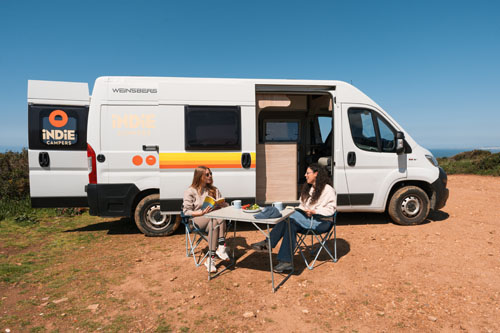
For family RV travel in Iceland, Class C (Alcove) or Class SI (Semi-integrated) motorhomes are highly recommended, offering a robust balance of comfort and practical drivability across the country's diverse road conditions. Bandana Caravan's Class C (Alcove) RVs, like the "24' Class C Motorhome" with 5 sleeping places or the "6 Berth Deluxe", typically average 7.5 meters in length and offer generous living spaces, providing ample room for larger families and ensuring comfort on extended journeys. Meanwhile, Class SI (Semi-integrated) RVs, such as the "2 Berth Rover" or "Active Standard Select" (which can accommodate up to 4 people), with an average length of 6.9 meters and around 3-4 sleeping places, are an excellent option for smaller families or couples, offering good maneuverability without sacrificing essential amenities like a shower and toilet. Both classes feature robust construction suitable for navigating Iceland's roads, ensuring a comfortable and secure family adventure. While our partners also offer some fantastic campervans, for families, the extra space often makes a big difference.
Should I Choose a Compact Van Instead of a Large RV in Iceland?
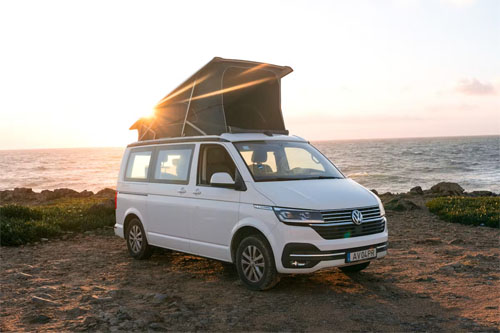
While a compact van, such as one of Bandana's Class B Camper Vans averaging 5.8 meters in length with fuel efficiency of 8-10 Liters/100 km, offers superior maneuverability and better fuel economy, a larger RV often provides significantly more comfort and indoor space for families embarking on an Icelandic adventure. For families, the added living space, dedicated sleeping areas- for example, a Class C offers multiple sleeping arrangements, like a bed over the cub and a rear double bed, ideal for a family of 2+2 - and larger kitchens in a full-sized RV can greatly enhance the travel experience, especially during Iceland's unpredictable weather. Larger RVs also typically come with full bathroom facilities, which can be a significant convenience for families. Iceland's main roads are generally wide enough to comfortably accommodate larger RVs without difficulty, so concerns about navigating tight historic city centers or extremely narrow mountain passes are less common than in some other European destinations. No need to stress - just use common sense and pay attention when driving; you can drive almost anywhere without issues. Opt for a compact campervan if your family is small (2-3 people), prioritizes maximum flexibility, and plans to mostly eat out or cook simple meals, but choose a larger motorhome like a Class C if you need more living, sleeping, and storage space for an extended trip with more people.
Can I Park Anywhere? Free & Wild Camping Rules in Iceland
Wild camping and overnight parking in rented RVs or campervans outside of designated campsites are largely prohibited and heavily restricted across Iceland to protect its incredibly fragile natural environment. To ensure responsible tourism, avoid substantial fines, and contribute to the preservation of Iceland's pristine landscapes, RV travelers must exclusively park overnight at official campsites. Fortunately, Iceland boasts a plentiful network of well-equipped campsites throughout the country, offering essential facilities such as fresh water, waste disposal points, and often electrical hookups. Adhering to the 'Leave No Trace' principles is crucial: always pack out all rubbish, avoid driving off-road (even on seemingly barren moss), do not disturb vegetation or wildlife, and consistently respect private property. Rules can vary slightly by region and municipality, so always check local regulations and follow local laws before parking overnight. At Bandana Caravan, we believe God is in the small details, and responsible camping is one of the most important ones for an enjoyable and respectful trip.
Can I Drive an RV Into the City Center? Heights, Tunnels & Local Signage
Yes, you can generally drive a rented RV into most city centers in Iceland, including its capital, Reykjavik, as there are no widespread height or weight restrictions explicitly barring motorhomes or campervans from central areas. Always pay close attention to local signage for specific parking regulations, potential height limits for multi-story car parks or underpasses, and any residents-only streets to ensure smooth navigation. While larger RVs are usually fine on main city thoroughfares, finding convenient parking can be a challenge in congested areas of Reykjavik; in such cases, consider parking on the outskirts and utilizing the efficient public transport system or walking to explore the city's attractions. Rest assured, significant low bridges or narrow tunnels are rare on major routes within Icelandic towns, and any such restrictions will always be clearly signposted in advance. Drive slowly and carefully, and you can drive almost anywhere without issues. No need to stress - just use common sense and pay attention.
What are the Total Costs for a Family RV Trip in Iceland?
The total cost for a family RV trip in Iceland extends significantly beyond just the rental fees, encompassing major ancillary expenses like fuel, campground fees, groceries, activities, and miscellaneous costs, all of which vary by trip duration and seasonality. Fuel typically represents a major expense in Iceland, with prices generally among the highest in Europe; for instance, a Class C motorhome averaging 10-12 Liters/100 km could see fuel account for 25-35% of your total budget. Campsite fees are another primary cost, typically ranging from 2,000-5,000 ISK (approximately 15-35 EUR/USD) per night for an RV pitch with electricity, with some offering family passes for longer stays. Food costs can be managed effectively by cooking most meals in your RV kitchen using locally purchased groceries; for RV-friendly recipes playlist, check out our YouTube channel. However, factor in occasional restaurant meals and unique local food experiences at farmers' markets. Allocate a significant portion of your budget for activities such as national park entry fees (while rare, some attractions might charge for parking), whale watching tours, visits to geothermal hot springs, and other excursions, which can easily add 50-150 EUR/USD per person per activity. To help manage these diverse costs, remember that when planning with RV PLANET routes, travelers can itemize and track every expense along the way for easy budgeting.
What are the Best Seasons for RV Travel in Iceland?
The best seasons for family RV travel in Iceland are typically the summer months, from June to August, primarily due to the mild weather, exceptionally long daylight hours, and full accessibility of most roads and campsites, offering the widest range of experiences. During summer, average temperatures hover around 10-15°C, and with nearly 24-hour daylight, families can enjoy extended sightseeing and outdoor activities. Both remote campsites and even some accessible F-roads (for those with 4x4 rented campers) are generally open. Shoulder seasons, including May, September, and early October, offer a compelling balance of fewer crowds and potentially lower prices for your RV rental, plus an increased chance of witnessing the spectacular Northern Lights, though some services might have reduced hours and certain roads may begin to close. While winter RV travel (November to April) presents unique and often challenging conditions with limited daylight, frequently freezing temperatures, and common road closures due to snow or extreme winds, it can be a magical experience for well-prepared adventurers seeking solitude and the Northern Lights. Many national and state parks reserve only 25-30% of their spots in advance, leaving the rest for first-come-first-serve, so even spontaneous travelers can often find a spot; if not at the first campground, then the next one. Always call ahead before driving to confirm availability, especially in peak season or shoulder months.
What are the Rules for Responsible RV Tourism in Iceland?
Responsible RV tourism in Iceland demands strict adherence to local regulations, particularly those concerning environmental protection and respecting private property, which are vital to preserve its delicate and unique ecosystems. It is universally illegal to wild camp or park overnight outside of designated campsites or private land without explicit permission from the landowner; always utilize official campsites that provide proper waste disposal and essential facilities. Practicing 'Leave No Trace' principles rigorously is crucial: always pack out all trash, avoid driving off-road (including on fragile moss and sensitive vegetation), do not disturb wildlife, and minimize your overall impact on the natural environment. Beyond environmental considerations, supporting local businesses and communities is an integral part of responsible tourism; purchase goods and services locally, seek out authentic dining experiences, and engage with local festivals or events. Our philosophy at Bandana Caravan emphasizes an unmatched personal experience, and attention to the smallest details, which includes fostering respectful and sustainable travel practices to ensure Iceland remains pristine for future generations.
How Can Families Experience Local Culture and Food in Iceland by RV?
Families traveling by a rented RV in Iceland can deeply immerse themselves in local culture and authentic food experiences by actively seeking out opportunities beyond typical tourist stops and large grocery stores. Look for local farmers' markets or roadside stands, particularly in towns along the Ring Road or larger regional centers, where you can purchase fresh produce, artisanal cheeses, homemade bread, and other unique Icelandic goods directly from producers. Attending local festivals and events, often advertised in town tourist information centers, provides invaluable insights into Icelandic traditions, music, and culinary customs. Utilizing your RV's well-equipped kitchen to prepare meals using these locally sourced ingredients enhances the cultural experience and offers a budget-friendly way to enjoy fresh Icelandic fare. Don't be afraid to seek out unique dining experiences in smaller villages or farm-to-table restaurants accessible by motorhome, offering traditional Icelandic dishes like lamb, seafood, and hearty rye bread, creating lasting family memories. Our RV PLANET routes can help you discover these authentic local spots along your journey.
What are the Best Itineraries and Hidden Gems for Family RV Trips in Iceland?
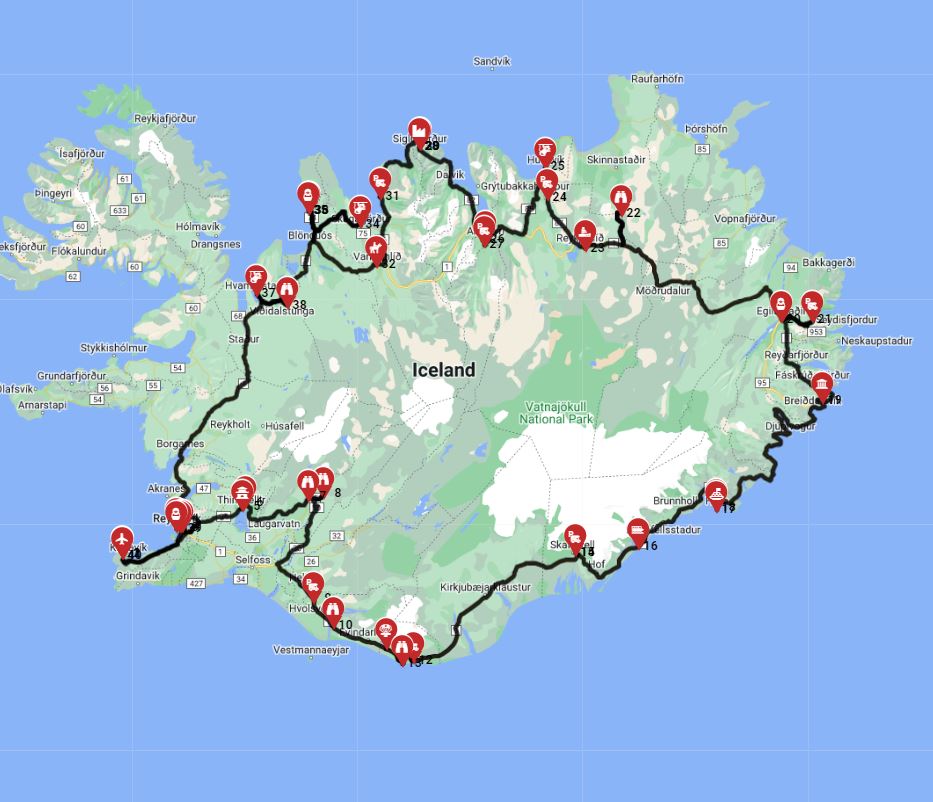
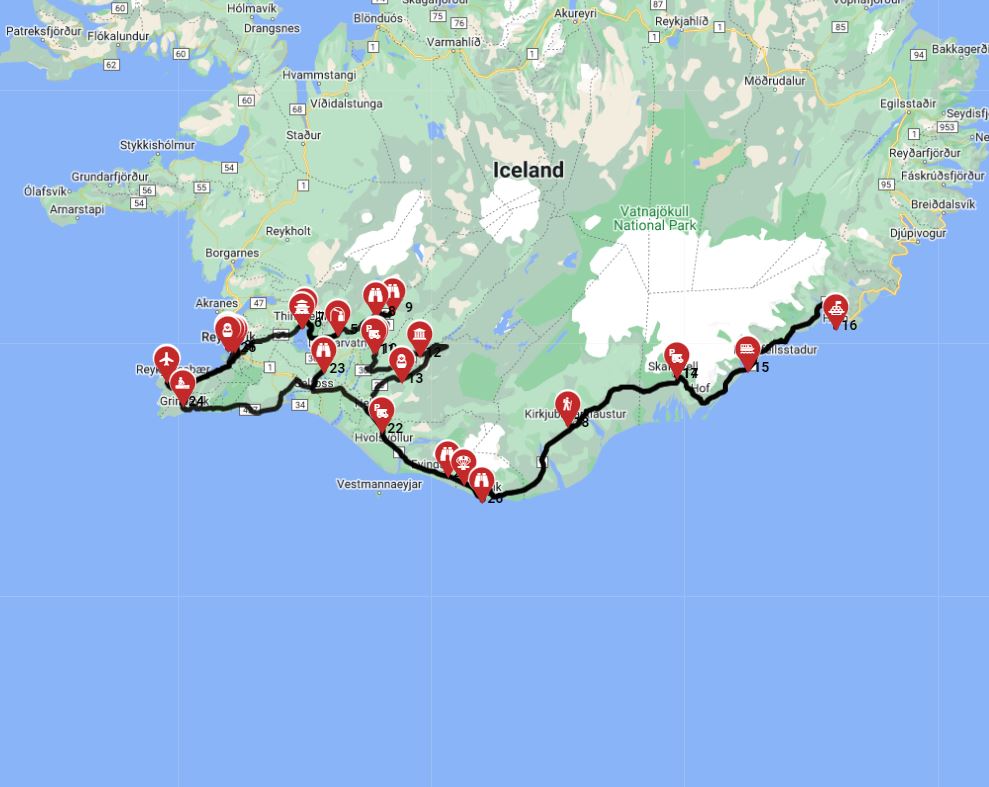
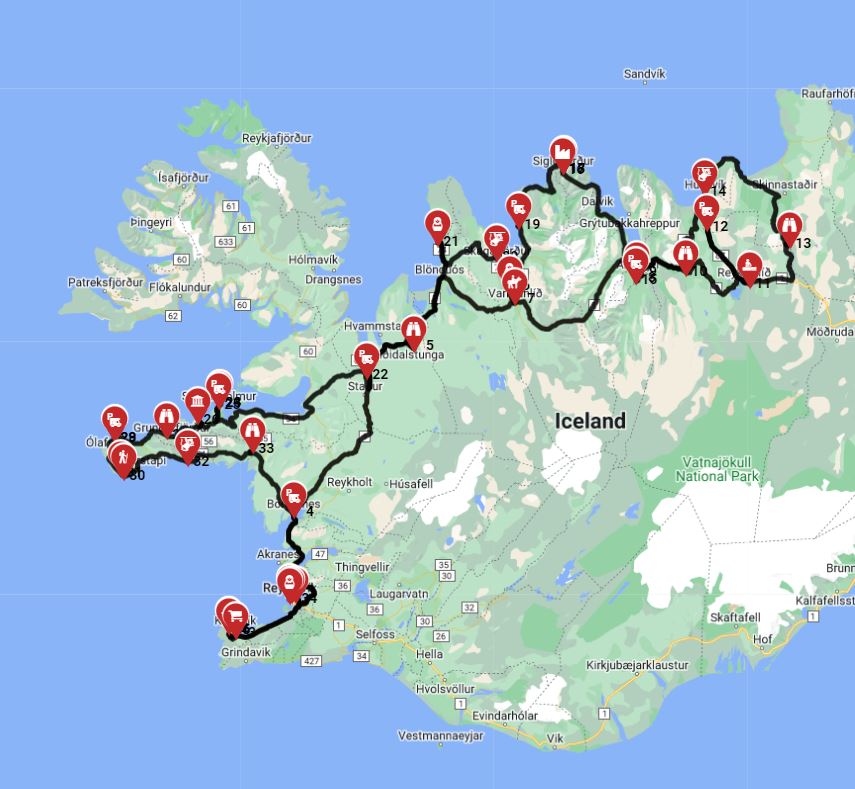
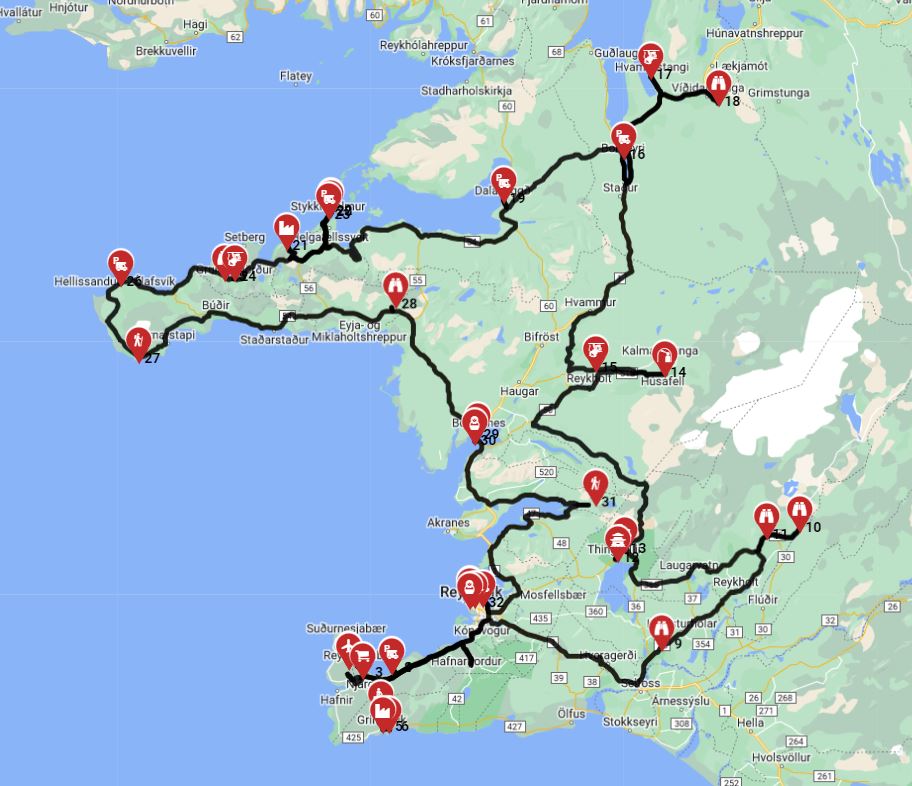
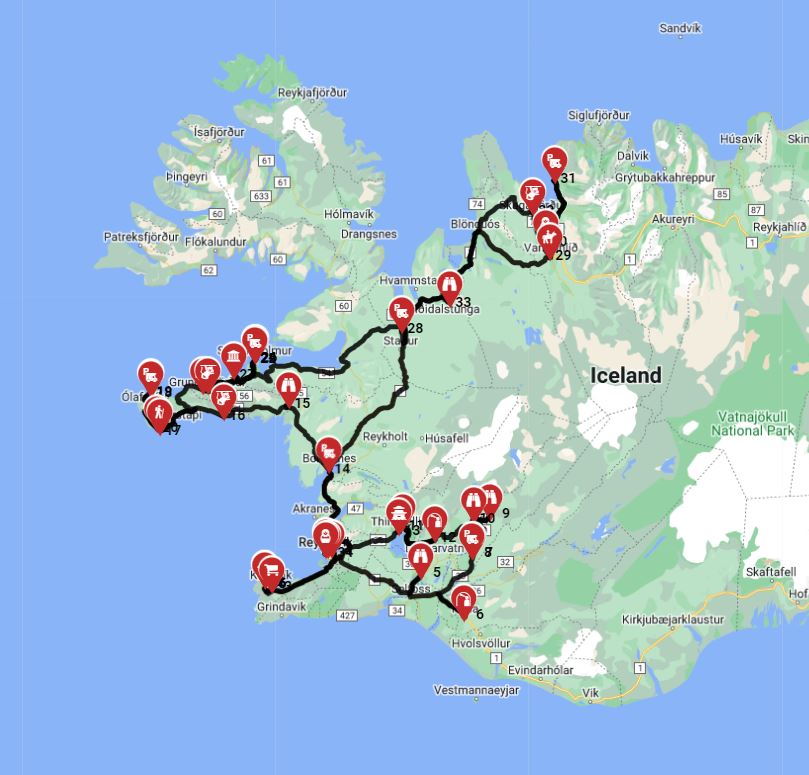
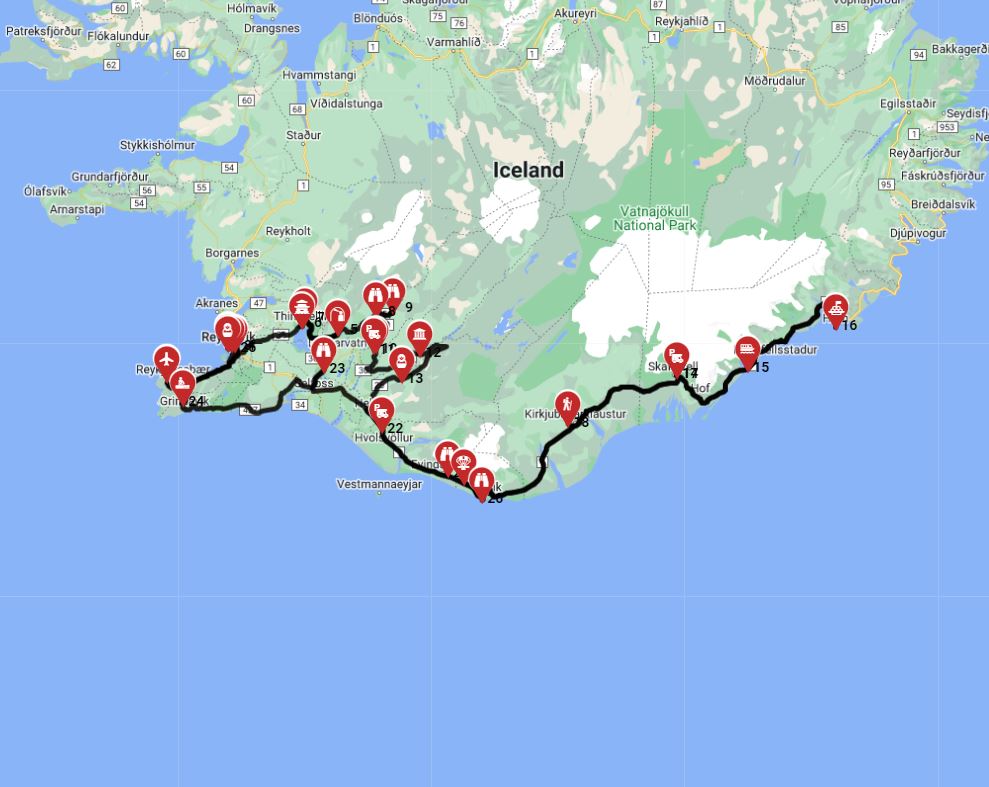
Beyond the immensely popular Ring Road, families can explore Iceland's hidden gems by planning itineraries that include less-traveled routes and specific regions highly accessible by a rented RV, offering unique cultural and natural experiences. For a comprehensive adventure, consider the "Iceland - Full ring road" route plan, a 15-day journey covering approximately 2045.2 km that guides you from Reykjavik to Reykjavik, encompassing wildlife watches, a botanical garden, natural features, and traditional visits. For those with less time, the "
How to Prepare for Emergencies and F-Roads on an Iceland RV Trip?
Advanced emergency preparedness is crucial for an Iceland RV trip, especially when venturing into remote areas or considering F-roads, which require specific safety protocols and equipment. For remote breakdowns, ensure your rental RV has comprehensive roadside assistance coverage and carry a fully charged satellite phone or personal locator beacon (PLB) as mobile service can be unreliable in the Highlands. Always monitor weather forecasts from vedur.is and real-time road conditions from road.is daily; carry extra blankets, food, and water, especially in colder months, for unexpected delays or severe weather-related emergencies. F-roads are strictly for 4x4 vehicles only and are generally unsuitable for standard family RVs; if you rent a 4x4 camper (like some "Category Van 4x4" models available from our partners), ensure you are experienced with river crossings and rough terrain, and never drive a standard RV on a road marked 'F' unless explicitly permitted by your rental agreement and vehicle class, as this can void your insurance. Inform someone of your itinerary, including expected departure and arrival times, especially when traveling in less populated regions or attempting challenging routes.
What Technology and Connectivity Do I Need for an RV Trip in Iceland?
Practical technology and reliable connectivity are essential for navigation, safety, and staying connected during an RV trip in Iceland, particularly when exploring its more remote areas. Download offline maps, such as Google Maps or Maps.me, for navigation, as cellular service can be spotty outside of populated areas, and consider specialized apps like 'Park4Night' for easily locating campsites and facilities. Many RV rental providers offer portable Wi-Fi devices or built-in Wi-Fi hotspots as optional add-ons, ensuring connectivity for route planning, communication, and entertainment, though coverage may still be limited in very remote regions. Carry power banks and a car inverter for charging multiple devices, as consistent shore power might not always be available, especially during daytime excursions exploring Iceland's natural wonders. For staying connected in truly remote locations where standard Wi-Fi or mobile service might fail, a satellite phone or a local SIM card with a robust data plan is recommended, providing a reliable communication backup. Using these tools will help make your journey smoother and safer.
Can I Bring My Pet on an RV Trip to Iceland?
Bringing pets on an RV trip to Iceland is highly restricted due to stringent Icelandic import regulations, making it generally impractical for most travelers. Iceland maintains very strict animal import laws, meticulously designed to protect its native animal population from diseases, requiring extensive quarantine periods, numerous vaccinations, and complex paperwork that must be initiated months in advance. Furthermore, most RV rental companies in Iceland do not permit pets in their vehicles due due to hygiene, maintenance, and allergy concerns for subsequent renters. Even if you were to navigate the import process, finding pet-friendly accommodations or attractions across the country would be challenging. If you are considering pet travel, thoroughly research the official Icelandic Food and Veterinary Authority (MAST) regulations well in advance, as the process is complex, costly, and often results in multi-week quarantines that are incompatible with a typical RV rental vacation. For most families, it's simpler to arrange pet care at home while enjoying your Icelandic adventure.
What You Shouldn't Miss
Looking for expert insights from Avi Bandana? Top 5 Adventures - recommendations from Avi Bandana:
- **Drive the Entire Ring Road (Route 1):** Experience the full spectrum of Iceland's diverse landscapes, from the South Coast's black sand beaches to the Eastfjords' dramatic cliffs and the North's geothermal areas. Plan for at least a week-long trip, ideally 10-14 days, to fully appreciate its 1,332 km.
- **Explore the Golden Circle's Iconic Sights:** Witness the powerful Gullfoss waterfall, the erupting Strokkur geyser at Geysir, and the historical wonders of Þingvellir National Park. This route is a perfect introduction to Iceland for any family rv rental.
- **Relax in a Geothermal Spa:** While the Blue Lagoon is famous, consider a visit to lesser-known, equally stunning spots like the Secret Lagoon or Myvatn Nature Baths for a more authentic and often less crowded experience.
- **Chase the Northern Lights (Seasonal):** If traveling in the shoulder seasons (September-October) or winter, use your flexible RV to position yourselves away from city lights for optimal viewing of the Aurora Borealis.
- **Hike to Waterfalls and Glaciers:** Iceland is home to thousands of waterfalls. Take short, family-friendly hikes to Seljalandsfoss (where you can walk behind the falls) or Skogafoss, and explore the Sólheimajökull glacier tongue on a guided tour.
- **Discover the Snæfellsnes Peninsula:** Often called "Iceland in Miniature," this peninsula offers a condensed version of the country's diverse scenery, including a majestic glacier, charming fishing villages, and dramatic coastal cliffs- perfect for a shorter, two-week adventure or as an add-on to the Ring Road.
Final Thoughts
Exploring Iceland with a family RV rental is an adventure like no other, offering the freedom to chase waterfalls, witness volcanic landscapes, and immerse yourselves in stunning nature at your own pace. With Bandana Caravan, you're not just renting a vehicle; you're gaining a partner dedicated to ensuring your trip is seamless, transparent, and filled with incredible memories. We're here to provide the expertise and support you need before, during, and after your booking, so you can focus on the joy of discovery.
Remember to embrace the philosophy of slow travel, allowing ample time to soak in the beauty, connect with the local culture, and savor every moment with your loved ones. Iceland truly is a destination best experienced on the open road in a comfortable motorhome or campervan.
Get inspired for your next trip! Discover top destinations, planning tips, all in one place. Plan a trip itinerary in advance with minimal effort and maximum enjoyment.
🎬 Video coming soon