In This Guide
- Can You Drive an RV in Greece? License & Age Rules
- Road Conditions & Terrain in Greece
- RV Size Limits, Bridges & Restricted Zones
- Fuel: Diesel vs. Petrol & Cost per 100 km
- Tolls, Vignettes & Border Rules
- Driving Tips for family rv rental Travelers
- Recommended RV Class for Greece Roads
- Should I Choose a Compact Van Instead of a Large RV in Greece?
- Can I Park Anywhere? Free & Wild Camping Rules in Greece
- Can I Drive an RV Into the City Center? Heights, Tunnels & Local Signage
- How Do RV Ferries Work in Greece? Booking & Costs
- How Much Does an RV Trip in Greece Cost? A Full Budget Breakdown
- What are the Specific Driving Challenges for RVs in Greece?
- What Documents and Licenses Do I Need to Rent an RV in Greece?
- How Do I Prepare My RV for a Greek Road Trip? Water, Waste & Power
- What Are the Seasonal Considerations for RV Travel in Greece?
- What Cultural Etiquette Should RV Travelers Know in Greece?
- What Are the Best RV-Friendly Itineraries for Families in Greece?
Can You Drive an RV in Greece? License & Age Rules
Most standard RVs in Greece, specifically those up to 3,500 kg, can be driven with a Class B driving license, which is the same license category required for typical family cars. This means that for a majority of popular rental motorhomes and campervans, your regular car license is perfectly sufficient, removing any need for special permits or additional training. For larger RVs that exceed a Gross Vehicle Weight Rating (GVWR) of 3,500 kg, a higher license category such as C1 or C may be required, but these are less common in the rental fleet for family trips. Rental companies across Greece generally enforce a minimum driver age of 21, and often require drivers to have held their license for a minimum of 2 years, without imposing young driver surcharges for any vehicle class. Non-EU/EEA citizens driving a rented RV in Greece should carry an International Driving Permit (IDP) in addition to their valid national driver's license, even though it's not strictly mandatory in all cases, it is highly recommended for smooth interactions with local authorities and rental providers. It's always best practice to check specific supplier requirements for the particular family rv you intend to rent in Greece to ensure full compliance.Road Conditions & Terrain in Greece
Greek road conditions vary significantly across the country, ranging from well-maintained national highways to narrower, winding provincial roads, especially prevalent in mountainous regions like the Peloponnese Peninsula and parts of central Greece.
While major routes connecting cities such as Athens and Thessaloniki are generally smooth asphalt and well-suited for a comfortable motorhome journey, be prepared for a mix of older paved roads and occasional gravel sections when venturing off the main arteries to explore charming villages or secluded beaches.
The terrain across Greece is predominantly mountainous, meaning RV travel often involves navigating steep inclines, sharp bends, and consequently, slower average speeds. This slower pace is actually ideal for scenic family driving, allowing you to truly take in the stunning panoramic views and dramatic landscapes at a leisurely pace, adhering to our recommendation to travel slowly-max 100-150 km per day on average. Urban areas, particularly historic centers like those in Athens or Heraklion, can present challenges with dense traffic and very narrow streets, requiring careful navigation even for experienced RV drivers. Drive slowly and carefully, and you can drive almost anywhere without issues. No need to stress - just use common sense and pay attention.
RV Size Limits, Bridges & Restricted Zones
While Greece generally accommodates motorhome travel, drivers should be mindful of specific height, width, and weight restrictions that may apply on certain roads, tunnels, or bridges.
Low bridges and narrow passageways are more common in older towns and rural areas, so it's essential to know your rented RV's exact dimensions and always observe local signage carefully to avoid any issues. Environmental or low-emission zones are not as prevalent in Greece as they are in some other European countries, but we always recommend checking for specific city regulations before entering major urban centers like Athens to ensure compliance.
For RV ferry bookings, particularly when planning to explore islands like Crete, exact vehicle dimensions are critical as pricing and space allocation are strictly based on your motorhome's length and height, making prior reservations crucial for popular routes to secure your spot and fair pricing. Remember, our full transparency policy ensures no hidden fees when booking your family rv rental in Greece through us.
Fuel: Diesel vs. Petrol & Cost per 100 km
Most rental RVs and motorhomes in Greece run on Diesel, which is readily available at service stations across the country, making it convenient for your family's journey.
For a Class SI (Semi-integrated) RV, our Bandana fleet typically consumes approximately 10-11 Liters/100 km, while a Class C (Alcove) RV averages 10-12 Liters/100 km. Compact Class B (Camper Van) RVs generally offer better fuel efficiency, with our fleet averaging 8-10 Liters/100 km. Fuel prices in Greece, like most European countries, fluctuate daily, so budgeting for approximately 10-12 Liters per 100 km will provide a realistic estimate for your trip's fuel costs, which currently hover around €1.80 per Liter. Some rental RVs may include fuel discount cards, which can offer small savings on your journey. On the routes offered through RV PLANET routes, you can itemize and track every expense along the way for easy budgeting.
When planning your route with RV PLANET routes, you can itemize and track every expense, including fuel, along the way for easy budgeting and to avoid any surprises. Remember, full transparency is one of our core promises - what you see is what you pay.
Tolls, Vignettes & Border Rules
Greece primarily utilizes a barrier toll system on its major highways, meaning drivers pay at specific toll booths rather than relying on a vignette system as found in some other European nations.
Toll charges are calculated per section of the highway and typically increase with vehicle size, with larger RVs and motorhomes falling into higher categories than standard cars. Payments at toll booths can usually be made with cash or credit/debit cards, though having small change in Euros is always advisable for quicker passage. There are no specific additional border rules for RVs entering Greece from neighboring EU countries beyond standard identification and vehicle documentation checks, making cross-border travel relatively straightforward within the Schengen Area. We recommend planning your route carefully, and some rental motorhomes offer the option of pre-purchasing toll passes or electronic transponders, which can streamline travel and help avoid potential fines for missed payments.
Driving Tips for family rv rental Travelers
For family RV rental travelers in Greece, planning frequent stops is crucial, especially when traveling with children, allowing for stretching, snacks, and restroom breaks every 2-3 hours to keep everyone comfortable and happy.
Utilize a reliable GPS system, ideally one with RV-specific settings, to help navigate away from overly narrow or challenging roads that might be unsuitable for larger motorhomes. Greek driving habits can be assertive, so exercising defensive driving and anticipating sudden stops or maneuvers from other drivers is important for safety. Factor in longer travel times than you might expect for similar distances in other countries due to Greece's winding roads, mountainous terrain, and the opportunity to stop and soak in the scenery. We always recommend slow travel, averaging max 100-150 km per day, to truly feel the place and connect with the culture. For enhanced family travel comfort, consider opting for a rented RV with an automatic transmission, which can significantly reduce driving fatigue on Greece's often hilly and winding routes. Remember, our 24/7 support means real people are behind you before, during, and after your booking, ready to assist with any questions you have about your rental.
Recommended RV Class for Greece Roads
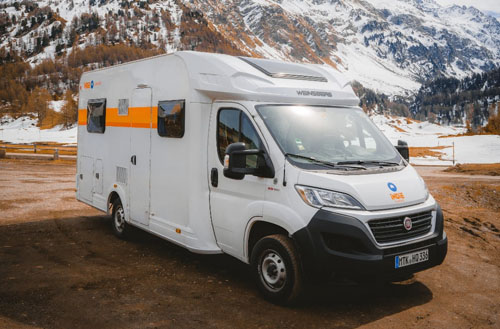
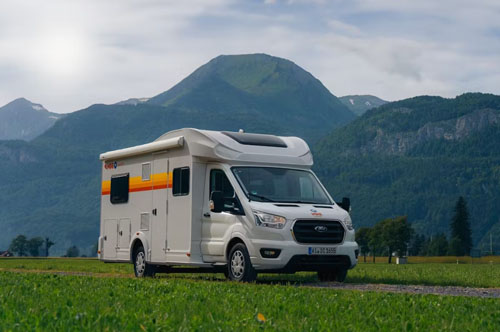
For family RV rentals in Greece, a Class SI - Semi-integrated motorhome offers an excellent balance of interior comfort and exterior maneuverability, making it a highly recommended option for diverse Greek roads. Our Bandana fleet includes popular Class SI models averaging 6.9 meters in length, providing a comfortable space for approximately 3-4 sleeping places, ideal for small to medium-sized families. This class remains manageable on winding Greek roads and when navigating into smaller villages. Alternatively, for larger families needing more sleeping capacity and generous interior space, a Class C - Alcove RV is a strong contender. These models, averaging 7.5 meters in length with around 5-6 sleeping places, prioritize family comfort during extended trips through Greece. While slightly longer, Class C motorhomes are still a perfectly viable option for exploring the country's main attractions and family-friendly routes, especially when following our advice to drive slowly and carefully.Should I Choose a Compact Van Instead of a Large RV in Greece?
While a compact campervan (Class B) offers maximum maneuverability for navigating Greece's diverse roads, larger RVs (Class SI or Class C) are generally well-suited for driving in Greece, with enhanced comfort and indoor space often outweighing the slight maneuverability gains for family travel.
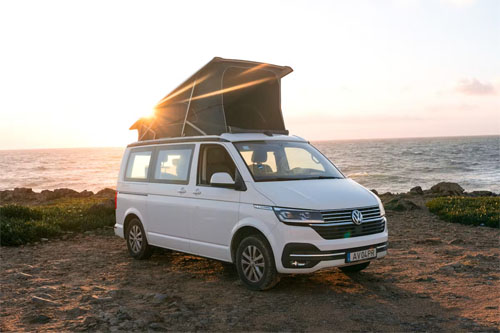
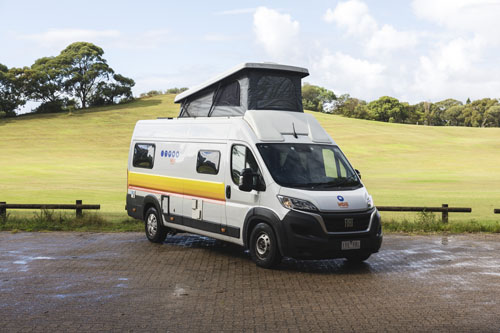
A compact van, such as Bandana's Class B fleet averaging 5.8 meters in length, genuinely helps when tackling extremely tight historic centers, very narrow mountain passes, or finding parking in crowded tourist spots on the islands. However, for a family, the enhanced living space, additional amenities, and separate sleeping areas offered by a larger rented motorhome or campervan can significantly improve the overall comfort and enjoyment of a week-long or extended road trip.
The trade-off between a compact van's agility and a larger RV's family-friendly features should be weighed based on your itinerary's specific demands and your family's comfort priorities. Remember, when comparing options for your family rv rental in Greece, our platform provides full transparency on vehicle sizes and features so you can choose what truly fits your travel style without surprises.
Can I Park Anywhere? Free & Wild Camping Rules in Greece
Wild camping, or free camping outside of officially designated areas, is generally prohibited by law across Greece, though the nuances of enforcement can vary by region and local authorities.
While strict enforcement varies, especially in more remote areas, it's safest to assume that overnight parking for sleeping in a rented RV is restricted to official campsites or private properties with explicit permission from the owner. In some areas, locals or taverna owners might tolerate informal overnight parking in their lots if you ask politely and perhaps patronize their establishment, a unique display of Greek 'philoxenia' (hospitality). Designated campsites are plentiful throughout Greece, particularly in popular tourist regions and islands, offering essential facilities such as water, electricity hook-ups, and waste disposal. For finding campsites and campgrounds during your trip, we recommend using RV PLANET (rvplan.net) - a great resource for locating available spots along your route. You'll find a spot. If not at the first campground, then the next one. Call ahead before driving.
Can I Drive an RV Into the City Center? Heights, Tunnels & Local Signage
Generally, yes, you can drive a rented RV into most Greek city centers, but exercising caution and paying very close attention to local signage is absolutely crucial for a smooth experience.
Be highly vigilant for specific height limits, particularly when approaching tunnels, low bridges, and underground parking garages, which are often unsuitable for larger motorhomes or campervans. Narrow streets, especially prevalent in older and historic districts such like the Plaka in Athens or the Old Town of Rhodes, can present significant challenges for larger RVs, making navigation difficult and parking nearly impossible. While Greece does not widely implement environmental zones with specific access restrictions for RVs as some other European cities do, always double-check local regulations for major cities like Athens or Thessaloniki before entry.
Our recommendation is often to consider parking your RV on the outskirts of major cities or at designated RV parking areas near public transport links, and then use buses or trams to explore the central attractions. Drive slowly and carefully, and you can drive almost anywhere without issues. No need to stress - just use common sense and pay attention.
How Do RV Ferries Work in Greece? Booking & Costs
RV ferry travel in Greece typically requires advance booking, especially during peak season (June-September) and for popular island routes such as to the Cyclades or Crete, as space for vehicles, particularly larger RVs, can be limited.
Booking is usually done online directly through ferry operator websites or reputable third-party platforms, where you'll need to specify your rented RV's exact length, height, and weight to ensure correct pricing and space allocation. Ferry costs for RVs are significantly higher than for standard cars, as they are calculated based on vehicle dimensions, with prices varying greatly depending on the route (e.g., mainland to Cyclades vs. Ionian islands), the ferry company, and the time of year, often costing €100-€300+ per RV for a one-way journey. On-board amenities for RVers typically include access to deck areas, cafeterias, and seating lounges; overnight ferries may offer cabin options, though RVs remain on the car deck. Getting on and off the ferry requires following crew instructions precisely; RVs are often among the first to board and last to disembark, needing ample space for maneuvering onto tight ramps.
How Much Does an RV Trip in Greece Cost? A Full Budget Breakdown
A comprehensive RV trip budget for Greece goes beyond just the rental fees, encompassing essential expenses like fuel, tolls, ferry charges, campsite costs, food, and a contingency for potential unexpected expenses.
Rental fees for a family RV in Greece vary significantly by season, RV class, and rental duration, typically ranging from €80-€200+ per day, with attractive discounts often available for longer rentals of a week or more. Fuel costs, predominantly for Diesel, should be estimated using average consumption rates (e.g., 10-12 Liters/100 km for most RVs) multiplied by current Greek fuel prices, which are dynamic and can fluctuate, and your planned mileage. Tolls on major highways add to the cost, with RVs typically paying higher rates per section than cars; budgeting €20-€40+ for longer routes like Athens to Thessaloniki is a realistic estimate. Ferry fees to the islands represent a significant expense, often costing €100-€300+ per RV per one-way journey, depending on distance and vehicle size.
Average campsite costs range from €25-€50 per night for a family, including electricity and essential facilities, while a food budget of €40-€70 per day can comfortably cover groceries purchased for cooking in your RV and occasional taverna meals. For delicious and easy meals on the go, check out our RV-friendly recipes playlist. We always recommend allocating an additional 10-15% of your total budget for unexpected expenses like minor repairs, attraction entry fees, or emergency medical needs. When you plan your route with RV PLANET routes, you can easily itemize and track every expense along the way, ensuring full transparency in your budgeting.
What are the Specific Driving Challenges for RVs in Greece?
Specific driving challenges for rented RVs in Greece include navigating very narrow mountain roads with sharp hairpin bends, which are particularly prevalent in picturesque regions like the Peloponnese and central Greece.
City driving, especially in older towns and historic centers like Rhodes Old Town or Corfu, presents difficulties due to congested traffic, often extremely limited street width, and a general scarcity of suitable parking for larger vehicles. Parking availability in popular tourist spots and archaeological sites can be quite limited, frequently requiring RVs to park further away on the outskirts and use alternative public transport or walk to explore the central attractions. Understanding local road signs, which are primarily in Greek with some English translations, and adapting to local driving habits, which can be assertive and less predictable, are crucial for safe and stress-free travel. Drive slowly and carefully, and you can drive almost anywhere without issues. No need to stress - just use common sense and pay attention. Finally, beware of unmarked speed bumps and occasional poorly maintained road surfaces that can jar an RV and its contents, so maintaining a moderate speed is always a good idea.
What Documents and Licenses Do I Need to Rent an RV in Greece?
To rent an RV in Greece, you will primarily need a valid national driver's license corresponding to the RV's weight category; specifically, a Class B license is sufficient for motorhomes up to 3,500 kg, which covers the vast majority of rental fleet options for families.
Non-EU/EEA citizens are strongly recommended to also present an International Driving Permit (IDP) alongside their national license, as it's often requested by authorities, though not always legally mandatory. A valid passport or national ID card is always required for identification purposes during the rental process. You will also need a major credit card for the security deposit, which is standard practice across all RV rental companies, and remember, with Bandana Caravan, there are no hidden fees, only full transparency on all charges.
It is essential to have a copy of your rental agreement and comprehensive travel insurance, which should ideally cover medical emergencies, trip cancellations, and any potential RV damage not fully covered by the rental company's basic insurance; you can also upgrade to a top-level deductible reimbursement for extra peace of mind through Bandana Caravan.
How Do I Prepare My RV for a Greek Road Trip? Water, Waste & Power
Preparing your rented RV for a Greek road trip involves careful management and understanding of your water, waste, and power systems to ensure a comfortable and self-sufficient journey for your family.
For water, always ensure your fresh water tank is full before departing from a campsite and proactively locate potential refill points at upcoming campsites or designated service areas, as finding potable water in more remote areas can be challenging. Waste management requires precise awareness of grey and black water disposal stations, which are readily available at official campsites and some larger petrol stations, but always strictly prohibited in undesignated areas to maintain Greece's natural beauty. For power, ensure you have European 2-pin electrical adapters for campsite hook-ups (230V) and consider bringing portable power banks for charging smaller devices, or utilize your RV's 12V outlets for off-grid power. Lastly, investigate internet options such as purchasing a local Greek SIM card for mobile data upon arrival or renting a portable WiFi hotspot, as reliable public WiFi can be scarce outside major towns and tourist hubs.
What Are the Seasonal Considerations for RV Travel in Greece?
Seasonal considerations for RV travel in Greece extend beyond simply choosing the 'best time,' profoundly impacting your comfort, ferry schedules, and the level of crowd management you'll encounter on your family adventure.
Summer (July-August) brings intense heat, often exceeding 35°C (95°F), necessitating consistent use of the RV's air conditioning and diligent seeking of shaded parking spots to remain comfortable, especially during midday. Ferry schedules, particularly to smaller islands or less popular routes, can be significantly reduced or altered during the off-season (October-April), requiring meticulous planning and flexibility in your itinerary. Peak season (June-September) sees substantial crowds at popular tourist attractions, beaches, and campsites, making advance bookings for both ferries and accommodations highly advisable. Spring (April-May) and Autumn (September-October) generally offer milder weather, fewer crowds, and vibrant natural scenery, providing a more comfortable and authentic RV experience for exploring ancient sites and coastal beauty, though some smaller establishments might be closed in early spring or late autumn.
What Cultural Etiquette Should RV Travelers Know in Greece?
RV travelers in Greece will greatly benefit from understanding local cultural etiquette to foster positive interactions and enhance their family's experience, starting with basic greetings like 'Kalimera' (Good morning) and 'Efharisto' (Thank you) which are always appreciated.
Greeks highly value 'philoxenia' (hospitality), so approaching locals with respect and a friendly demeanor, especially when asking for directions or permission for informal overnight parking, is often met with warmth and helpfulness. When visiting religious sites such as monasteries or churches, it is respectful for all family members to dress modestly, ensuring shoulders and knees are covered. While a common practice in many countries, avoid direct eye contact that might be perceived as overly aggressive, and understand that certain hand gestures can have different meanings locally. Tipping is appreciated but not mandatory in most eateries; a small amount for good service, often by simply rounding up the bill, is customary in restaurants or cafes.
What Are the Best RV-Friendly Itineraries for Families in Greece?
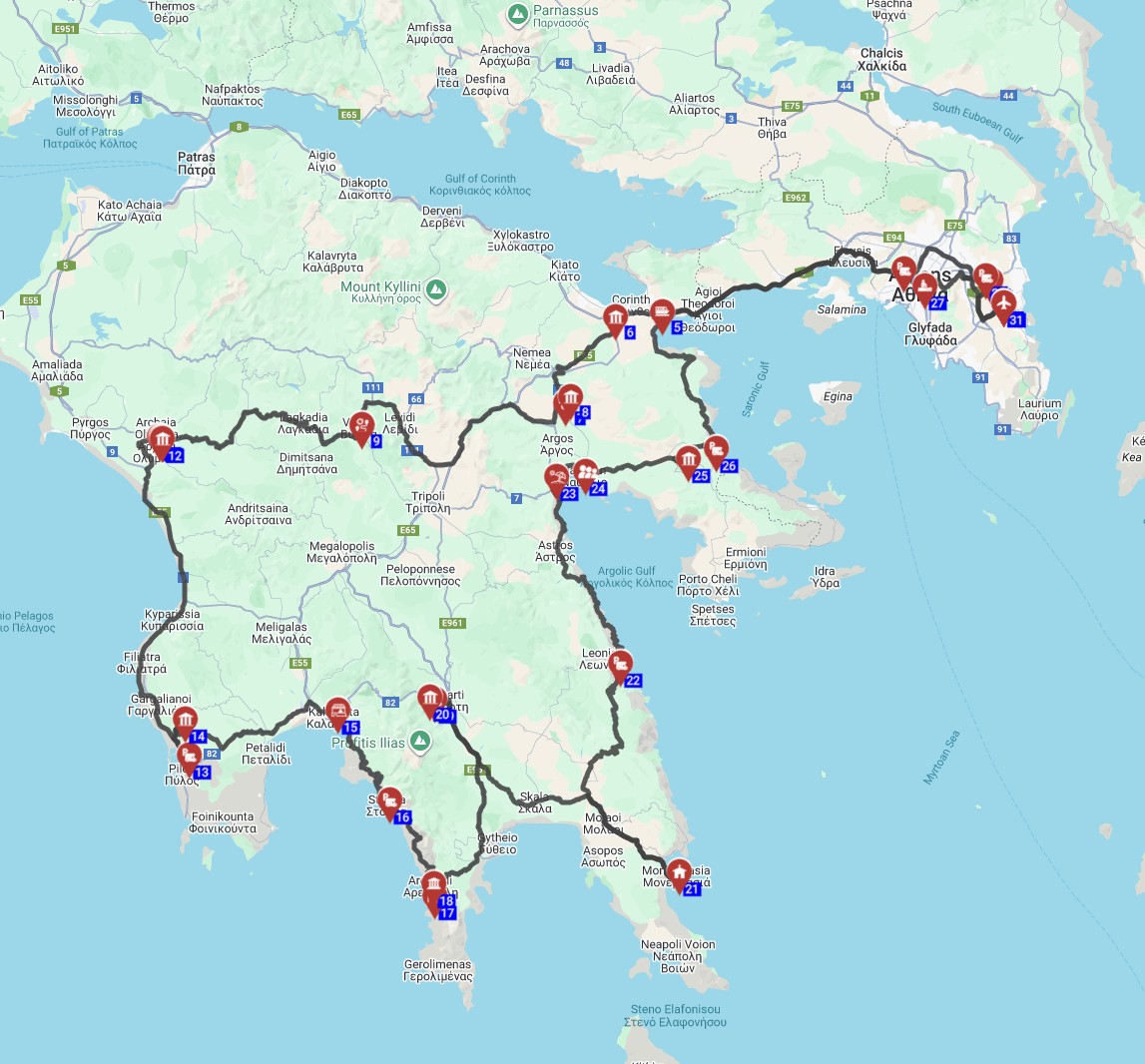
For families exploring Greece by rented RV, the Peloponnese Peninsula offers one of the most RV-friendly itineraries, combining stunning coastlines, ancient historical sites, and accessible mountain villages into a diverse and enriching road trip.
A recommended route for the Peloponnese typically avoids overly challenging mountain passes, focusing instead on well-maintained regional roads that offer breathtaking scenery and smooth travel. Suggested accessible attractions perfect for families include the beautiful beaches of Mani, the expansive archaeological site of Olympia (which often has ample parking for larger vehicles), and the impressive castles of Monemvasia and Mystras, which provide historical learning with plenty of space for children to explore. For families, a duration of 10-14 days for the Peloponnese allows for a relaxed pace, incorporating frequent beach days and ample opportunities to immerse in local culture and delicious food without feeling rushed. Other excellent family-friendly options for RV rental in Greece include exploring the less crowded northern regions like Halkidiki, known for its beautiful beaches and organized campsites, or discovering central Greece's historical sites with a focus on serene lakeside camping. For expertly crafted route plans and detailed daily itineraries, we highly recommend checking out the 1,300+ pre-planned routes across 5 continents available through our sister company, RV PLANET (rvplan.net); by utilizing their professional route planning, you can also enjoy a 25% planning discount. Looking for expert insights from Avi Bandana? Top 5 Adventures - recommendations from Avi Bandana.
What You Shouldn't Miss
- **The Peloponnese Peninsula**: Explore ancient Olympia, the castles of Monemvasia, and the beaches of Mani, enjoying a blend of history and stunning coastal drives.
- **Meteora Monasteries**: Witness the awe-inspiring monasteries perched atop colossal rock pillars, accessible via well-maintained roads and offering designated parking for RVs.
- **Halkidiki's Beaches**: Discover the three peninsulas of Halkidiki, famous for their crystal-clear waters and family-friendly organized campsites.
- **Delphi's Oracle**: Visit the ancient sanctuary of Delphi, a UNESCO World Heritage site, and immerse yourselves in Greek mythology with panoramic mountain views.
- **Coastal Drives of Crete**: While requiring ferry travel for your motorhome, Crete offers incredible coastal routes like the drive along the south coast to Matala, known for its caves and vibrant village life.
- **Vikos Gorge, Zagori**: Drive through the Pindus Mountains to marvel at the world's deepest canyon, with RV-accessible viewpoints like Oxia offering spectacular vistas.
Final Thoughts
Embarking on a family RV adventure in Greece is an invitation to create unforgettable memories, exploring ancient history and stunning natural beauty at your own pace. With a rented motorhome or campervan, you have the flexibility to chase the sun along endless coastlines, discover hidden tavernas, and immerse yourselves in the vibrant Greek culture, all while enjoying the comfort of your mobile home.
Remember to embrace the philosophy of slow travel; take your time, savor each moment, and let the magic of Greece unfold around you. From navigating winding mountain roads to hopping between picturesque islands, every day promises a new discovery. We're here to support you every step of the way, from comparing prices across suppliers to coordinating your pickup.
So, gather your loved ones, pack your bags, and get ready for the Greek adventure of a lifetime. The open roads of Greece are calling! Discover top destinations, planning tips, all in one place!
Ready to plan your unforgettable journey? Compare Motorhome Prices for Greece today!