For live availability and current prices, start with our RV Rental England - Complete Guide 2026 guide.
In This Guide
- Can You Drive an RV in England? License & Age Rules
- Road Conditions & Terrain in England
- RV Size Limits, Bridges & Restricted Zones
- Fuel: Diesel vs. Petrol & Cost per 100 km
- Tolls, Vignettes & Border Rules
- Driving Tips for family rv rental Travelers
- Recommended RV Class for England Roads
- Should I Choose a Compact Van Instead of a Large RV in England?
- Can I Park Anywhere? Free & Wild Camping Rules in England
- Can I Drive an RV Into the City Center? Heights, Tunnels & Local Signage
- Are RVs popular in England?
- What is the best month to RV in England?
- What are the best RV routes in England for families?
- What is the average cost to rent an RV in England for a family?
- What is the cheapest way to RV in England?
- How do I find family-friendly campsites in England?
- Managing Utilities and Connectivity on Your RV Trip
- Respecting Local Culture and Etiquette in England
- Pre-Trip Checklist for Your England RV Adventure
Exploring the charming countryside, historic cities, and stunning coastlines of England with a rented family RV offers unparalleled freedom and flexibility. Whether you dream of navigating picturesque country lanes or cruising along motorways to iconic destinations, understanding the local driving nuances is key to a smooth adventure. For live availability and current prices, start with our RV Rental England - Complete Guide 2024 guide, which provides a comprehensive overview of everything you need for your family RV trip.
🎬 Video coming soon
Can You Drive an RV in England? License & Age Rules
Yes, you can absolutely drive an RV or motorhome in England, provided you meet the standard licensing and age requirements. Most standard UK and EU driving licenses, specifically Category B, permit you to drive RVs and campervans up to 3,500 kg MAM (Maximum Authorised Mass), which covers a large selection of popular family motorhomes and campervans. For larger RVs exceeding 3,500 kg MAM, drivers who passed their test after 1 January 1997 typically require a Category C1 license.
For international visitors, a valid national driving license is essential. An International Driving Permit (IDP) is highly recommended for drivers from non-English speaking countries, though it is not mandatory in all cases. The minimum driver age for RV rental in England is typically 21 years old, and Bandana RV proudly does not impose young driver surcharges or vehicle class restrictions based on age, making family RV adventures accessible to more travelers. We believe in full transparency, so you'll always know the requirements upfront.
Road Conditions & Terrain in England
England's road network is generally well-maintained, offering a mix of smooth motorways (M-roads) for long-distance travel and extensive A-roads connecting major towns and cities. However, in rural areas like Cornwall, the Cotswolds, and the Lake District, you should anticipate narrow country lanes, often lined with ancient hedgerows and stone walls, which demand careful and slower driving. While England lacks the towering mountain passes found in regions like the Alps, hilly and winding roads are common in picturesque areas such as the Peak District and the South West, perfect for a scenic, unhurried RV journey.
Urban areas, on the other hand, feature denser traffic and a high number of roundabouts, requiring drivers of rented motorhomes and campervans to be attentive and confident. Strategic route planning is always recommended for RVs in cities to navigate potential height or width restrictions. Remember, driving slowly and carefully allows you to drive almost anywhere without issues, so there's no need to stress-just use common sense and pay attention to your surroundings.
RV Size Limits, Bridges & Restricted Zones
When driving a rented RV in England, vigilance regarding vehicle dimensions is crucial due to the prevalence of low bridges and narrow roads. Low bridges are a common feature, particularly on older routes, with clearances often starting around 2.7 meters (9 feet) but sometimes significantly lower; always check signage meticulously before proceeding. Weight limits on various bridges and smaller roads are also common, especially in historic or rural areas, restricting vehicles over a certain Gross Vehicle Weight (GVW).
Furthermore, several English cities have implemented environmental zones, such as the London Ultra Low Emission Zone (ULEZ) and various Clean Air Zones (CAZs) in cities like Birmingham and Bristol. These zones impose charges on vehicles that do not meet specific emission standards. Before your trip, it's wise to check your rented motorhome's compliance to avoid unexpected fines. While larger vehicles may incur higher fees on cross-channel ferries, all Bandana RV rentals are motorhomes or campervans, specifically avoiding towable RVs, making ferry bookings straightforward. Our goal is full transparency, so you'll understand any potential charges before you travel.
Fuel: Diesel vs. Petrol & Cost per 100 km
Most rental RVs and motorhomes in England operate on diesel, which is readily available at service stations throughout the country. For Bandana's semi-integrated RVs (Class SI), the average fuel consumption is typically 10-11 Liters/100 km, while larger alcove RVs (Class C) usually average 10-12 Liters/100 km. More compact campervans (Class B) are even more fuel-efficient, averaging around 8-10 Liters/100 km.
Fuel prices in England tend to be higher than in many other European nations, so it's wise to budget approximately £1.70-£1.90 per liter for diesel as of 2024. To estimate your fuel costs, multiply your planned travel distance by your chosen RV's fuel efficiency; for example, an RV consuming 11 Liters/100 km over a 1000 km trip would use approximately 110 liters of fuel. For comprehensive budgeting, remember that RV PLANET routes allow travelers to itemize and track every expense along the way, helping you manage your total trip cost effectively. On the routes offered through RV PLANET routes, you can itemize and track every expense along the way for easy budgeting.
Tolls, Vignettes & Border Rules
England does not implement a national vignette system like some other European countries; instead, tolls are typically applied to specific roads or crossings on a pay-as-you-go basis. The most notable tolled motorway is the M6 Toll in the Midlands, designed to bypass congestion on the free M6. Additionally, charges apply for the Dartford Crossing (part of the M25 east of London), with both usually payable online or via pre-registered accounts.
London also operates a Congestion Charge for central areas and an Ultra Low Emission Zone (ULEZ), both of which require payment for non-compliant vehicles or during specific hours. Make sure to check if your rental motorhome meets the ULEZ standards if you plan to drive into central London. Within England, there are no internal border rules to consider; however, if you extend your journey to Scotland or Wales, standard vehicle dimensions and weight considerations for specific roads will still apply, just as they do throughout England. For broader planning, our "RV Rental Europe - Complete Guide 2024" provides an excellent overview of continental driving rules.
Driving Tips for family rv rental Travelers
Effective route planning is paramount for a relaxed family RV trip in England; always use RV-specific GPS or navigation apps that can account for your vehicle's height, width, and weight to avoid unexpected narrow roads or low bridges. Drive slowly, aiming for a maximum of 100-150 km per day on average, to truly absorb the scenery and culture. Take frequent breaks every 2-3 hours, especially with children, incorporating scenic stops or playgrounds to combat driver fatigue and keep everyone refreshed.
Mastering England's numerous roundabouts is essential; remember to yield to traffic approaching from the right and use your turn signals clearly. Always drive on the left side of the road and be mindful of speed limits, which are often lower on rural roads. With Bandana RV, we provide clear information and support before your trip, so you feel confident behind the wheel. We're true RV specialists, not just a travel agency side department, ensuring you get expert advice.
Recommended RV Class for England Roads
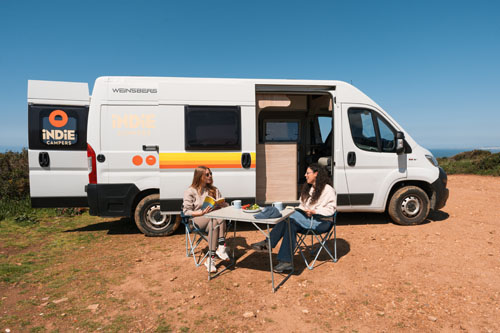
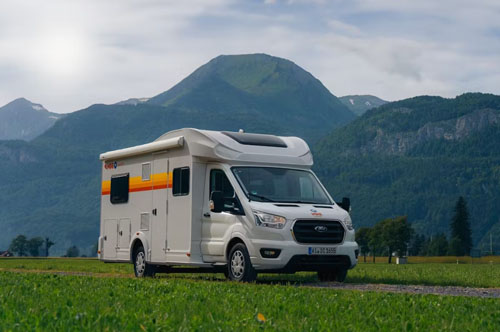
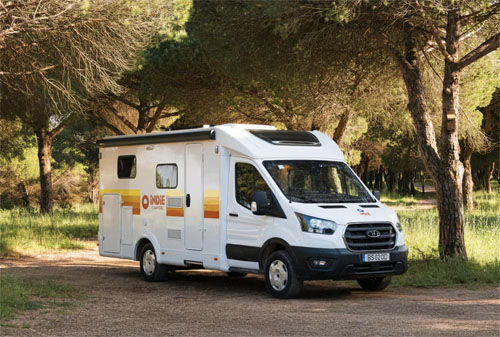
For families balancing comfort with maneuverability on England's diverse roads, a Class SI (Semi-integrated) RV or a Class B (Camper Van) is often an ideal choice. Bandana's Class SI RVs, with an average length of 6.9 meters, comfortably sleep 3-4 people while remaining agile enough for country lanes and smaller towns. These include models like the "2 Berth Tamar" or "Active Compact Select".
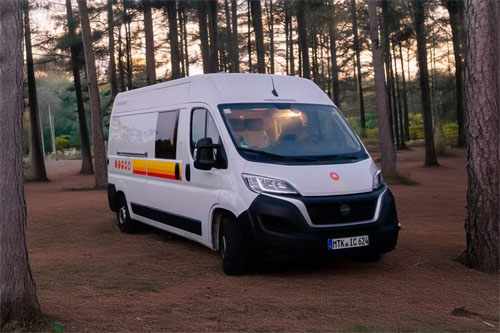
Class B Camper Vans, typically averaging 5.8 meters in length, such as the "Active Bunk Auto" or "Juliette 2-3", offer superior agility, making them perfect for navigating extremely narrow roads and securing easier parking in many of England's charming villages. While larger Class C (Alcove) RVs average 7.5 meters and provide more sleeping capacity (around 5-6 people, like the "6 Berth Deluxe"), they might necessitate more cautious driving on the tightest routes. Ultimately, your best choice depends on your family's size and comfort preferences for your English adventure.
Should I Choose a Compact Van Instead of a Large RV in England?
The choice between a compact van and a larger RV in England hinges on your priorities for interior comfort versus the extent of exploring exceptionally tight, historic areas. A compact campervan, such as Bandana's Class B Camper Vans (averaging 5.8m), undeniably offers superior maneuverability and simpler parking in bustling urban centers or on very remote country lanes, often ideal for couples or small families. However, a larger motorhome provides significantly more living space, kitchen amenities, and dedicated sleeping areas, which can be crucial for the comfort of a family with kids on a week-long trip.
Most rental RVs, even larger Class C models like the "24' Class C Motorhome", can navigate England's primary roads and many popular tourist destinations without significant issues; any perceived difficulty in driving larger vehicles is often overstated for routes that are planned well. If your itinerary heavily features extremely narrow village streets and frequent city center parking, a compact van might be preferable. Otherwise, a larger RV delivers a much more comfortable and spacious family living experience, allowing you to easily prepare meals (check out our RV-friendly recipes playlist for inspiration!) and relax after a day of exploration.
Can I Park Anywhere? Free & Wild Camping Rules in England
In England, wild camping is generally prohibited on public or private land without explicit permission from the landowner, a significant difference from some other European countries. For legal overnight stays in your rented motorhome, you'll need to seek out designated spots. Options include some pub car parks (always ask permission inside), specific laybys, or 'Aire'-like facilities, which may offer free or low-cost stopovers for self-contained RVs.
For more reliable and often picturesque overnight options, consider certified locations (CLs/CSs) managed by the Caravan and Motorhome Club or Camping and Caravanning Club. These sites, often located on farms or private estates, offer basic facilities at a lower cost (typically £10-£30 per night) than full-service campsites. Rules for overnight parking vary significantly by region and landowner, so always verify local regulations and assume permission is required before settling in for the night. You'll find a spot; if not at the first campground, then the next one. It's always a good idea to call ahead before driving.
Can I Drive an RV Into the City Center? Heights, Tunnels & Local Signage
Yes, you can generally drive a rented RV or motorhome into most city centers in England, but meticulous attention to signage and advance planning are absolutely essential. English cities, particularly historic ones, frequently have height restrictions, width limits, and low bridges, which can pose challenges for larger vehicles. Always be on the lookout for these local signs.
London, for example, operates a Congestion Charge and an Ultra Low Emission Zone (ULEZ) that apply to vehicles entering designated central areas. Non-compliant RVs will incur charges during specific hours. Other cities across England are also implementing Clean Air Zones (CAZs) or have residents-only parking restrictions, so it's wise to research the specific rules for any city you plan to visit. If navigating directly into the core isn't appealing, many cities offer park-and-ride options or RV-friendly parking outside the immediate center, providing convenient public transport links. Drive slowly and carefully, and you can drive almost anywhere without issues. No need to stress-just use common sense and pay attention.
Are RVs popular in England?
Yes, RVs, commonly referred to as motorhomes or campervans, are exceptionally popular in England, with a thriving and continuously growing community of enthusiasts and renters. The allure of RV travel in England stems from the freedom it grants to explore the country's diverse landscapes, from the rugged coastlines of the South West to the serene beauty of its National Parks, all at your own pace. This popularity has fostered a robust infrastructure, including a wide array of campsites, certified locations (CLs/CSs), and diverse rental options to suit every family size and budget.
An increasing number of families are choosing RV holidays for both staycations and longer trips, appreciating the unique blend of adventure and home comforts that a rental motorhome provides. The "RV Rental Deals in England - Latest Offers 2024" highlights this demand, showcasing competitive pricing and wide availability from Bandana's direct partnerships with 50+ leading RV suppliers worldwide, including trusted names like Apollo and Britz.
What is the best month to RV in England?
The best months to experience RV travel in England are typically May, June, and September, as they offer the most favorable balance of pleasant weather, extended daylight hours, and more manageable tourist crowds. July and August, while providing the warmest temperatures and a vibrant peak season atmosphere, also bring larger crowds, higher prices for campsites and attractions, and increased traffic congestion on popular routes.
Spring (April-May) and early autumn (September-October) reveal England's landscapes in their most beautiful hues, with milder temperatures perfect for exploring, better campsite availability, and potentially lower rental rates. Winter RV travel (November-March) is certainly possible for the adventurous, but be aware that many campsites offer limited facilities or close entirely, and driving conditions can be more challenging due to colder temperatures and shorter daylight hours. Our "RV Rental in England - Prices and Best Deals 2024" can help you compare options across seasons.
What are the best RV routes in England for families?
England boasts numerous family-friendly RV routes, with consistently popular choices including the South West Coast (Cornwall & Devon), the breathtaking Lake District, and the idyllic Cotswolds. The South West Coast offers stunning beaches, historical sites like Tintagel Castle, and family attractions such as the Eden Project, with routes well-suited for Bandana's semi-integrated RVs, featuring a fresh water tank of around 82 Liters and ample space.
The Lake District, a UNESCO World Heritage site, provides magnificent scenery, gentle hikes suitable for children, and abundant watersports on its many lakes. This region is ideal for rental RVs up to 7 meters in length, though some roads can be winding and require caution. For a picturesque and leisurely journey, the Cotswolds present charming villages, rolling hills, and numerous farm parks, best explored with a more compact RV like a Class B Camper Van due to its narrow lanes and often tight parking. We always recommend slow travel, averaging 100-150 km per day, to truly immerse yourselves in the culture and scenery. Consider these professionally planned routes:
What is the average cost to rent an RV in England for a family?
The average cost to rent an RV in England for a family typically ranges from £800 to £1,500 per week, but this can vary significantly based on several factors. Expect prices for a comfortable family motorhome or campervan to be higher during peak season (July-August) and school holidays, often reaching £1,200-£1,800+ per week. Off-peak rentals in spring or autumn are usually more budget-friendly, with weekly prices potentially starting around £700-£1,000 for a well-equipped model like a 4-berth Class C motorhome.
Beyond the base rental fee, remember to budget for ancillary costs such as fuel (averaging 10-12 Liters/100 km for most RVs, at £1.70-£1.90 per liter in 2024), campsite fees (which can average £25-£50 per night), tolls, and any optional insurance excess reduction. Bandana RV offers full price transparency, so you'll never encounter hidden fees or surprises. You can upgrade to a top-level deductible for extra peace of mind, an optional enhancement to your travel insurance. For a detailed breakdown, our "Cheap RV Rental in England - Budget Guide 2024" offers more specific cost estimations.
What is the cheapest way to RV in England?
The cheapest way to enjoy an RV trip in England involves a combination of strategic booking, vehicle choice, and smart budgeting for your trip expenses. Renting during the shoulder seasons (April-May, September-October) or outside of major school holidays will significantly reduce your rental costs compared to peak summer rates. Opting for a smaller, more fuel-efficient campervan (like Bandana's Class B models, averaging 8-10 Liters/100 km) will not only save on diesel expenses but can also result in lower ferry or toll charges due to smaller dimensions.
To minimize overnight costs, utilize certified locations (CLs/CSs) offered by touring clubs or approved pub stopovers (like those found via Brit Stops), which are often cheaper than full-service campsites or even free if you make a purchase. Preparing most of your meals in your rental RV's kitchen can lead to substantial savings on food expenses; our RV-friendly recipes playlist offers great ideas. Keep an eye out for "Weekly RV Rental in England - Pricing 2024" deals, as longer rental durations often provide better daily rates.
How do I find family-friendly campsites in England?
Finding family-friendly campsites in England is straightforward, thanks to a robust network of online resources and dedicated camping clubs. The websites of the Caravan and Motorhome Club and the Camping and Caravanning Club are excellent starting points, listing thousands of sites across the country, including smaller, often quieter Certified Locations (CLs/CSs) on private land that are perfect for families seeking a more intimate experience. Online directories such as Pitchup.com and Campsites.co.uk also provide extensive search filters, allowing you to easily find sites with amenities like playgrounds, swimming pools, or kids' clubs.
Booking well in advance is highly recommended, especially if you're traveling during peak season or school holidays, as the most popular family sites with desirable facilities fill up quickly. Many national parks also offer campgrounds that can be reserved online. For finding campsites and campgrounds during your trip, we recommend using RV PLANET (rvplan.net) - a great resource for locating available spots along your route, ensuring you'll always find a comfortable place to stay. You'll find a spot. If not at the first campground, then the next one. Call ahead before driving.
Managing Utilities and Connectivity on Your RV Trip
Effectively managing utilities and connectivity is vital for a comfortable RV trip in England. Finding water fill-up stations and waste disposal points is essential for all motorhome and campervan travelers; most paid campsites provide these services, and some larger fuel stations or dedicated service points may offer them for a fee. Reliable 230V electricity hook-ups are standard at nearly all commercial campsites, ensuring you can charge devices and power your onboard appliances effortlessly.
Mobile data coverage across England is generally good in populated areas, but it can become patchy or even unavailable in remote regions like parts of national parks or along certain coastal stretches. To ensure consistent internet access, especially if you rely on online navigation or entertainment, consider purchasing a local SIM card with a generous data plan or researching portable mobile Wi-Fi hotspots. These options ensure you stay connected and can plan your next steps on RV PLANET routes without interruption.
Respecting Local Culture and Etiquette in England
Embracing and respecting local culture and etiquette will greatly enhance your family RV trip in England. When driving your rented motorhome through charming villages and rural areas, always proceed slowly and considerately, especially on narrow lanes, and be mindful of pedestrians, cyclists, and any free-roaming livestock. If you plan to enjoy traditional English hospitality, familiarize yourself with pub etiquette: typically order food and drinks at the bar, be polite to staff, and maintain reasonable noise levels, particularly in family-friendly establishments.
Crucially, always respect private land by never trespassing or attempting to park overnight without explicit permission, even if an area appears undeveloped. Adhere to 'leave no trace' principles at all times: dispose of all waste properly in designated facilities, and leave natural areas exactly as you found them to help preserve England's unique beauty for everyone. Bandana RV encourages responsible travel, and our specialist knowledge helps you integrate seamlessly into your destination.
Pre-Trip Checklist for Your England RV Adventure
A thorough pre-trip checklist ensures a smooth and stress-free RV adventure in England. First, confirm that all drivers possess the correct license category for the rental RV's weight; for most family motorhomes, a standard Category B license is sufficient, but always carry your physical license and an International Driving Permit (IDP) if your national license is not in English. Second, verify your travel insurance covers RV rental and any planned activities, and consider an optional upgrade to a top-level deductible for extra peace of mind.
Packing for England's famously variable weather is key: layers are your best friend, including waterproof jackets, warm jumpers, and lighter clothing, regardless of the season. Finally, conduct a comprehensive pre-departure vehicle check with your supplier, covering tire pressure, fluid levels, and lights, and thoroughly familiarize yourself with your specific RV's height, width, and weight before setting off. Our full transparency means no hidden fees at pickup, making your departure worry-free. For more planning inspiration, check out our "RV Rental Europe - Complete Guide 2024".
What You Shouldn't Miss
- Explore the Lake District's Wonders: Immerse your family in England's largest National Park with its stunning fells, lakes, and charming villages. Enjoy a boat ride on Windermere or a gentle hike suitable for all ages.
- Journey Through the Historic Cotswolds: Wander through honey-colored stone villages like Bibury and Bourton-on-the-Water, experiencing quintessential English charm. Find cozy pubs for a traditional meal and discover local crafts.
- Discover Ancient History at Stonehenge: Witness the awe-inspiring prehistoric monument of Stonehenge, a UNESCO World Heritage site, and imagine the mysteries of its builders.
- Coastal Charms of Cornwall: Head south to Cornwall for spectacular beaches, surfing lessons, and the dramatic cliffs of Tintagel Castle, steeped in Arthurian legend.
- Visit a Traditional English Pub: Experience true local culture by stopping at a country pub. Enjoy a hearty meal and perhaps a local ale, many of which offer special "Brit Stop" overnight parking for RVs.
- Dive into London's Vibrant Energy: Park your RV outside the central zone and use public transport to explore iconic landmarks like the Tower of London, Buckingham Palace, and the British Museum.
Looking for expert insights from Avi Bandana? Top 5 Adventures - recommendations from Avi Bandana
Final Thoughts
Driving a family RV or motorhome through England is an experience filled with discovery, freedom, and unforgettable moments. From navigating winding country lanes to exploring bustling city centers, England's diverse landscapes and rich history are best savored at a slow, deliberate pace. With the right preparation and a reliable rental, your family can create cherished memories, enjoying the comfort of your mobile home base.
Remember, Bandana RV is here to support you every step of the way, from comparing the best deals on family RV rentals in England to offering expert advice and pre-planned routes. We're passionate about making your RV adventure as smooth and enjoyable as possible, providing full transparency and dedicated support.
So, why wait? Imagine yourself and your loved ones on an extended road trip, discovering hidden gems and iconic landmarks across this beautiful country. Start planning your extraordinary family RV trip to England today!
In This Guide
- Can You Drive an RV in England? License & Age Rules
- Road Conditions & Terrain in England
- RV Size Limits, Bridges & Restricted Zones
- Fuel: Diesel vs. Petrol & Cost per 100 km
- Tolls, Vignettes & Border Rules
- Driving Tips for family rv rental Travelers
- Recommended RV Class for England Roads
- Should I Choose a Compact Van Instead of a Large RV in England?
- Can I Park Anywhere? Free & Wild Camping Rules in England
- Can I Drive an RV Into the City Center? Heights, Tunnels & Local Signage
- Are RVs popular in England?
- What is the best month to RV in England?
- What are the best RV routes in England for families?
- What is the average cost to rent an RV in England for a family?
- What is the cheapest way to RV in England?
- How do I find family-friendly campsites in England?
- Managing Utilities and Connectivity on Your RV Trip
- Respecting Local Culture and Etiquette in England
- Pre-Trip Checklist for Your England RV Adventure
Exploring the charming countryside, historic cities, and stunning coastlines of England with a rented family RV offers unparalleled freedom and flexibility. Whether you dream of navigating picturesque country lanes or cruising along motorways to iconic destinations, understanding the local driving nuances is key to a smooth adventure. For live availability and current prices, start with our RV Rental England - Complete Guide 2024 guide, which provides a comprehensive overview of everything you need for your family RV trip.
🎬 Video coming soon
Can You Drive an RV in England? License & Age Rules
Yes, you can absolutely drive an RV or motorhome in England, provided you meet the standard licensing and age requirements. Most standard UK and EU driving licenses, specifically Category B, permit you to drive RVs and campervans up to 3,500 kg MAM (Maximum Authorised Mass), which covers a large selection of popular family motorhomes and campervans. For larger RVs exceeding 3,500 kg MAM, drivers who passed their test after 1 January 1997 typically require a Category C1 license.
For international visitors, a valid national driving license is essential. An International Driving Permit (IDP) is highly recommended for drivers from non-English speaking countries, though it is not mandatory in most cases. The minimum driver age for RV rental in England is typically 21 years old, and Bandana RV proudly does not impose young driver surcharges or vehicle class restrictions based on age, making family RV adventures accessible to more travelers. We believe in full transparency, so you'll always know the requirements upfront.
Road Conditions & Terrain in England
England's road network is generally well-maintained, offering a mix of smooth motorways (M-roads) for long-distance travel and extensive A-roads connecting major towns and cities. However, in rural areas like Cornwall, the Cotswolds, and the Lake District, you should anticipate narrow country lanes, often lined with ancient hedgerows and stone walls, which demand careful and slower driving. While England lacks the towering mountain passes found in regions like the Alps, hilly and winding roads are common in picturesque areas such as the Peak District and the South West, suitable for scenic, slower-paced RV travel.
Urban areas feature denser traffic and a high number of roundabouts, requiring drivers of rented motorhomes and campervans to be attentive and confident. Strategic route planning is always recommended for RVs in cities to navigate potential height or width restrictions. Remember, driving slowly and carefully allows you to drive almost anywhere without issues, so there's no need to stress-just use common sense and pay attention.
RV Size Limits, Bridges & Restricted Zones
When driving a rented RV in England, vigilance regarding vehicle dimensions is crucial due to the prevalence of low bridges and narrow roads. Low bridges are a common feature, particularly on older routes, with clearances often starting around 2.7 meters (9 feet) but sometimes significantly lower; always check signage meticulously before proceeding. Weight limits on various bridges and smaller roads are also common, especially in historic or rural areas, often restricting vehicles over a certain Gross Vehicle Weight (GVW).
Furthermore, several English cities have implemented environmental zones, such as the London Ultra Low Emission Zone (ULEZ) and various Clean Air Zones (CAZs) in cities like Birmingham and Bristol. These zones impose charges on vehicles that do not meet specific emission standards. Before your trip, it's wise to check your rented motorhome's compliance to avoid unexpected fines. While larger vehicles may incur higher fees on cross-channel ferries, all Bandana RV rentals are motorhomes or campervans, specifically avoiding towable RVs. Our goal is full transparency, so you'll understand any potential charges before you travel.
Fuel: Diesel vs. Petrol & Cost per 100 km
Most rental RVs and motorhomes in England operate on diesel, which is readily available at service stations throughout the country. For Bandana's semi-integrated RVs (Class SI), the average fuel consumption is typically 10-11 Liters/100 km, while larger alcove RVs (Class C) usually average 10-12 Liters/100 km. More compact campervans (Class B) are even more fuel-efficient, averaging around 8-10 Liters/100 km.
Fuel prices in England tend to be higher than in many other European nations, so it's wise to budget approximately £1.70-£1.90 per liter for diesel as of 2024. To estimate your fuel costs, multiply your planned travel distance by your chosen RV's fuel efficiency; for example, an RV consuming 11 Liters/100 km over a 1000 km trip would use approximately 110 liters of fuel. For comprehensive budgeting, remember that RV PLANET routes allow travelers to itemize and track every expense along the way, helping you manage your total trip cost effectively.
Tolls, Vignettes & Border Rules
England does not implement a national vignette system like some other European countries; instead, tolls are typically applied to specific roads or crossings on a pay-as-you-go basis. The most notable tolled motorway is the M6 Toll in the Midlands, designed to bypass congestion on the free M6. Additionally, charges apply for the Dartford Crossing (part of the M25 east of London), with both usually payable online or via pre-registered accounts.
London also operates a Congestion Charge for central areas and an Ultra Low Emission Zone (ULEZ), both of which require payment for non-compliant vehicles or during specific hours. Make sure to check if your rental motorhome meets the ULEZ standards if you plan to drive into central London. Within England, there are no internal border rules to consider; however, if you extend your journey to Scotland or Wales, standard vehicle dimensions and weight considerations for specific roads will still apply, just as they do throughout England. For broader planning, our "RV Rental Europe - Complete Guide 2024" provides an excellent overview of continental driving rules.
Driving Tips for family rv rental Travelers
Effective route planning is paramount for a relaxed family RV trip in England; always use RV-specific GPS or navigation apps that can account for your vehicle's height, width, and weight to avoid unexpected narrow roads or low bridges. Drive slowly, aiming for a maximum of 100-150 km per day on average, to truly absorb the scenery and culture. Take frequent breaks every 2-3 hours, especially with children, incorporating scenic stops or playgrounds to combat driver fatigue and keep everyone refreshed.
Mastering England's numerous roundabouts is essential; remember to yield to traffic approaching from the right and use your turn signals clearly. Always drive on the left side of the road and be mindful of speed limits, which are often lower on rural roads. With Bandana RV, we provide clear information and support before your trip, so you feel confident behind the wheel. We're true RV specialists, not just a travel agency side department, ensuring you get expert advice.
Recommended RV Class for England Roads
For families balancing comfort with maneuverability on England's diverse roads, a Class SI (Semi-integrated) RV or a Class B (Camper Van) is often an ideal choice. Bandana's Class SI RVs, with an average length of 6.9 meters, comfortably sleep 3-4 people while remaining agile enough for country lanes and smaller towns. These include models like the "2 Berth Tamar" or "Active Compact Select".
Class B Camper Vans, typically averaging 5.8 meters in length, such as the "Active Bunk Auto" or "Juliette 2-3", offer superior agility, making them perfect for navigating extremely narrow roads and securing easier parking in many of England's charming villages. While larger Class C (Alcove) RVs average 7.5 meters and provide more sleeping capacity (around 5-6 people, like the "6 Berth Deluxe"), they might necessitate more cautious driving on the tightest routes. Ultimately, your best choice depends on your family's size and comfort preferences for your English adventure.
Should I Choose a Compact Van Instead of a Large RV in England?
The choice between a compact van and a larger RV in England hinges on your priorities for interior comfort versus the extent of exploring exceptionally tight, historic areas. A compact campervan, such as Bandana's Class B Camper Vans (averaging 5.8m), undeniably offers superior maneuverability and simpler parking in bustling urban centers or on very remote country lanes, often ideal for couples or small families. However, a larger motorhome provides significantly more living space, kitchen amenities, and dedicated sleeping areas, which can be crucial for the comfort of a family with kids on a week-long trip.
Most RVs, even larger ones, can navigate England's main roads and many popular tourist destinations without significant issues; the perceived difficulty in driving larger vehicles is often overstated for well-planned routes. If your itinerary heavily features extremely narrow village streets and frequent city center parking, a compact van might be preferable. Otherwise, a larger RV delivers a much more comfortable and spacious family living experience, allowing you to easily prepare meals (check out our RV-friendly recipes playlist for inspiration!) and relax after a day of exploration.
Can I Park Anywhere? Free & Wild Camping Rules in England
In England, wild camping is generally prohibited on public or private land without explicit permission from the landowner, a significant difference from some other European countries. For legal overnight stays in your rented motorhome, you'll need to seek out designated spots. Options include some pub car parks (always ask permission inside), specific laybys, or 'Aire'-like facilities, which may offer free or low-cost stopovers for self-contained RVs.
For more reliable and often picturesque overnight options, consider certified locations (CLs/CSs) managed by the Caravan and Motorhome Club or Camping and Caravanning Club. These sites, often located on farms or private estates, offer basic facilities at a lower cost (typically £10-£30 per night) than full-service campsites. Rules for overnight parking vary significantly by region and landowner, so always verify local regulations and assume permission is required before settling in for the night. You'll find a spot; if not at the first campground, then the next one. It's always a good idea to call ahead before driving.
Can I Drive an RV Into the City Center? Heights, Tunnels & Local Signage
Yes, you can generally drive a rented RV or motorhome into most city centers in England, but meticulous attention to signage and advance planning are absolutely essential. English cities, particularly historic ones, frequently have height restrictions, width limits, and low bridges, which can pose challenges for larger vehicles. Always be on the lookout for these local signs.
London, for example, operates a Congestion Charge and an Ultra Low Emission Zone (ULEZ) that apply to vehicles entering designated central areas. Non-compliant RVs will incur charges during specific hours. Other cities across England are also implementing Clean Air Zones (CAZs) or have residents-only parking restrictions, so it's wise to research the specific rules for any city you plan to visit. If navigating directly into the core isn't appealing, many cities offer park-and-ride options or RV-friendly parking outside the immediate center, providing convenient public transport links. Drive slowly and carefully, and you can drive almost anywhere without issues. No need to stress-just use common sense and pay attention.
Are RVs popular in England?
Yes, RVs, commonly referred to as motorhomes or campervans, are exceptionally popular in England, with a thriving and continuously growing community of enthusiasts and renters. The allure of RV travel in England stems from the freedom it grants to explore the country's diverse landscapes, from the rugged coastlines of the South West to the serene beauty of its National Parks, all at your own pace. This popularity has fostered a robust infrastructure, including a wide array of campsites, certified locations (CLs/CSs), and diverse rental options to suit every family size and budget.
An increasing number of families are choosing RV holidays for both staycations and longer trips, appreciating the unique blend of adventure and home comforts that a rental motorhome provides. The "RV Rental Deals in England - Latest Offers 2024" highlights this demand, showcasing competitive pricing and wide availability from Bandana's direct partnerships with 50+ leading RV suppliers worldwide, including trusted names like Apollo and Britz.
What is the best month to RV in England?
The best months to experience RV travel in England are typically May, June, and September, as they offer the most favorable balance of pleasant weather, extended daylight hours, and more manageable tourist crowds. July and August, while providing the warmest temperatures and a vibrant peak season atmosphere, also bring larger crowds, higher prices for campsites and attractions, and increased traffic congestion on popular routes.
Spring (April-May) and early autumn (September-October) reveal England's landscapes in their most beautiful hues, with milder temperatures perfect for exploring, better campsite availability, and potentially lower rental rates. Winter RV travel (November-March) is certainly possible for the adventurous, but be aware that many campsites offer limited facilities or close entirely, and driving conditions can be more challenging due to colder temperatures and shorter daylight hours. Our "RV Rental in England - Prices and Best Deals 2024" can help you compare options across seasons.
What are the best RV routes in England for families?
England boasts numerous family-friendly RV routes, with consistently popular choices including the South West Coast (Cornwall & Devon), the breathtaking Lake District, and the idyllic Cotswolds. The South West Coast offers stunning beaches, historical sites like Tintagel Castle, and family attractions such as the Eden Project, with routes well-suited for Bandana's semi-integrated RVs, featuring a fresh water tank of around 82 Liters and ample space.
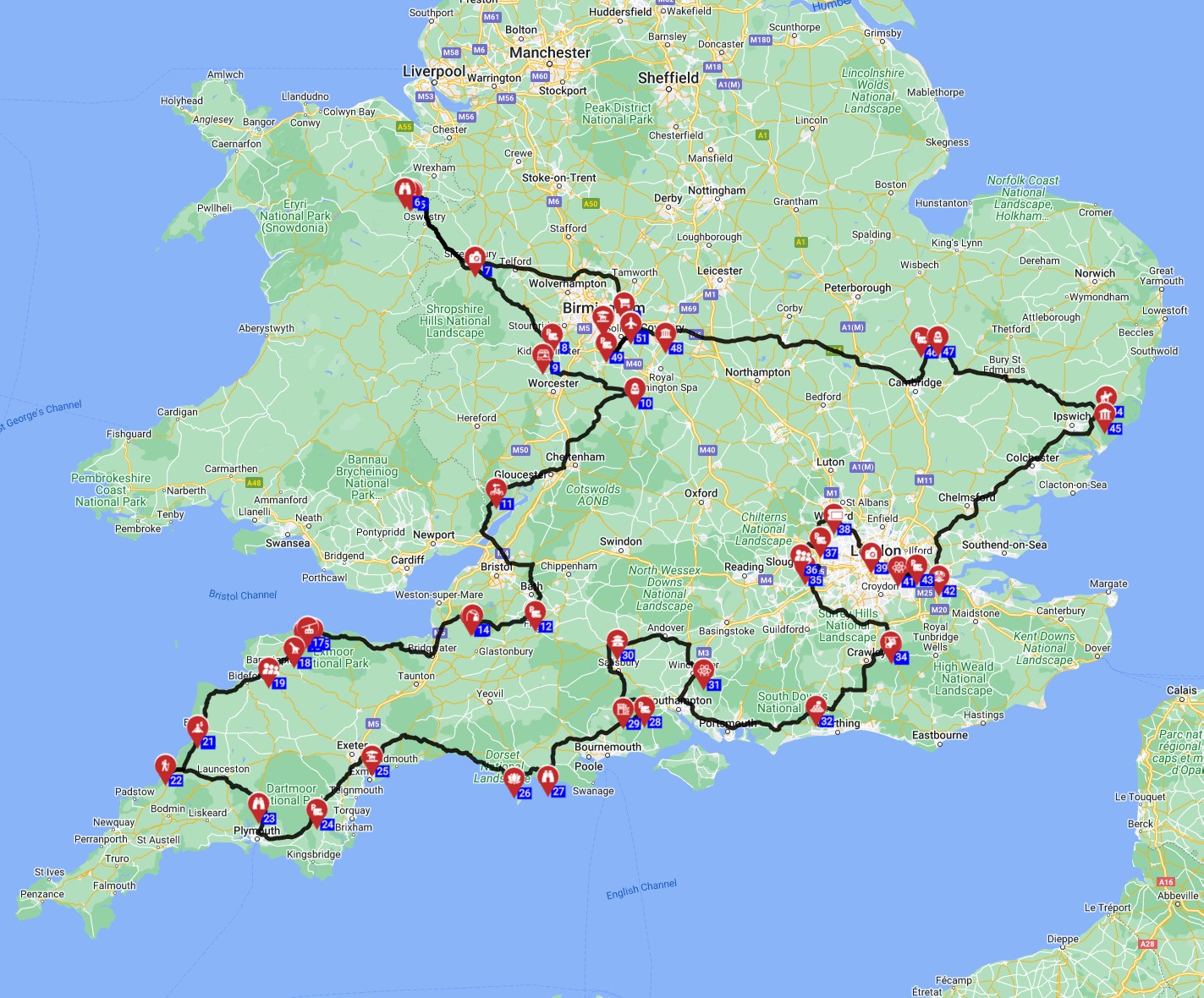
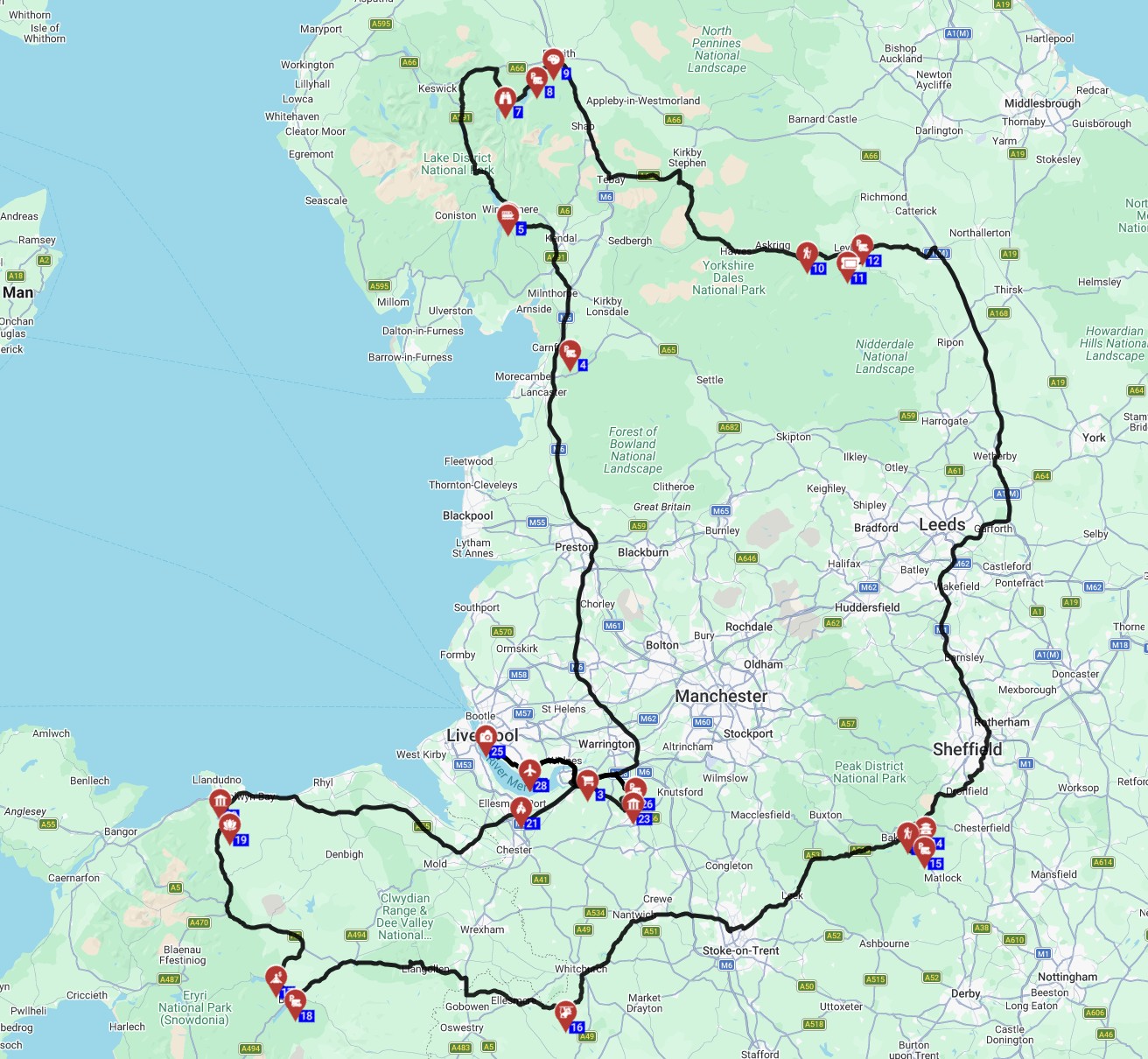
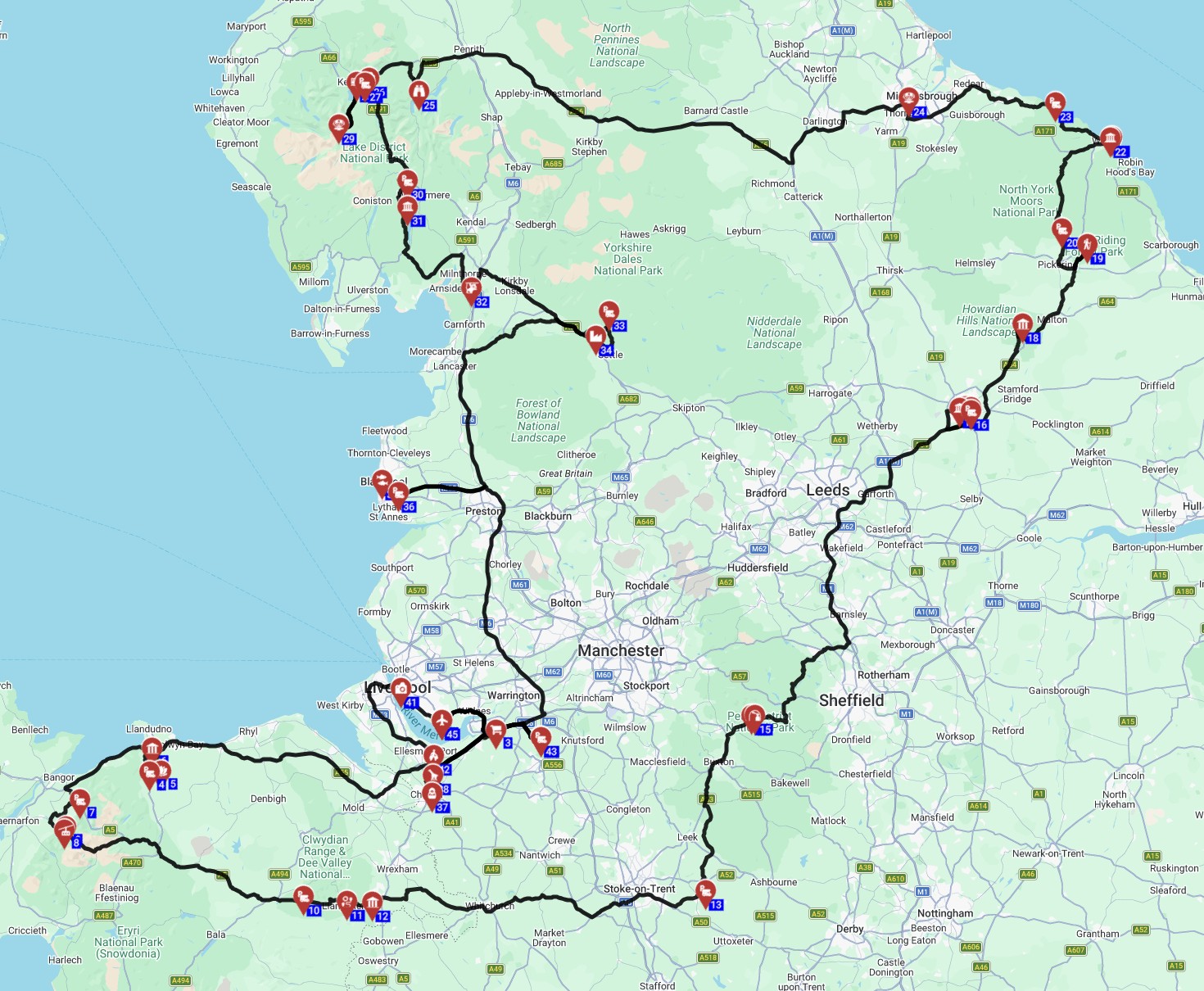
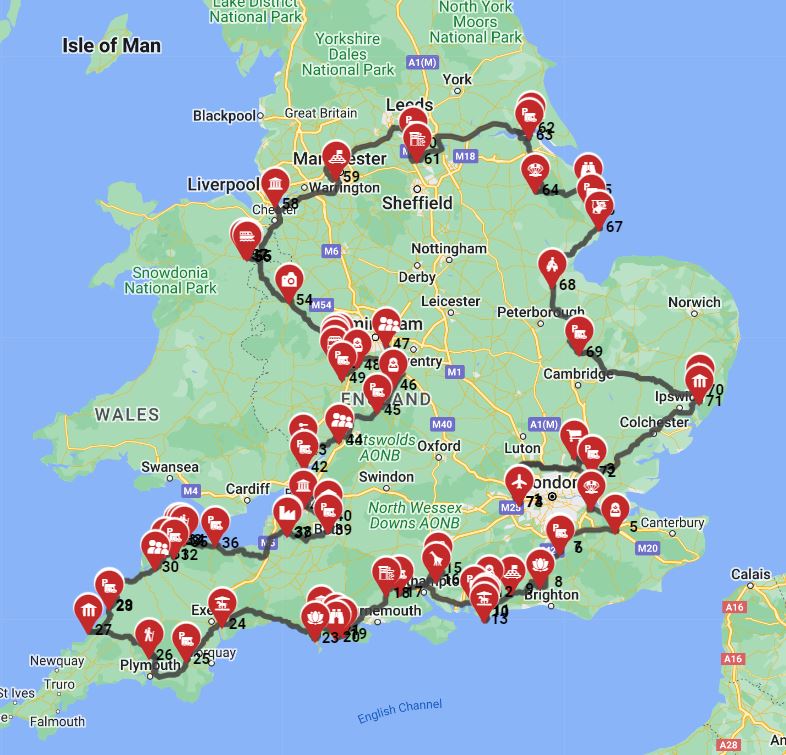
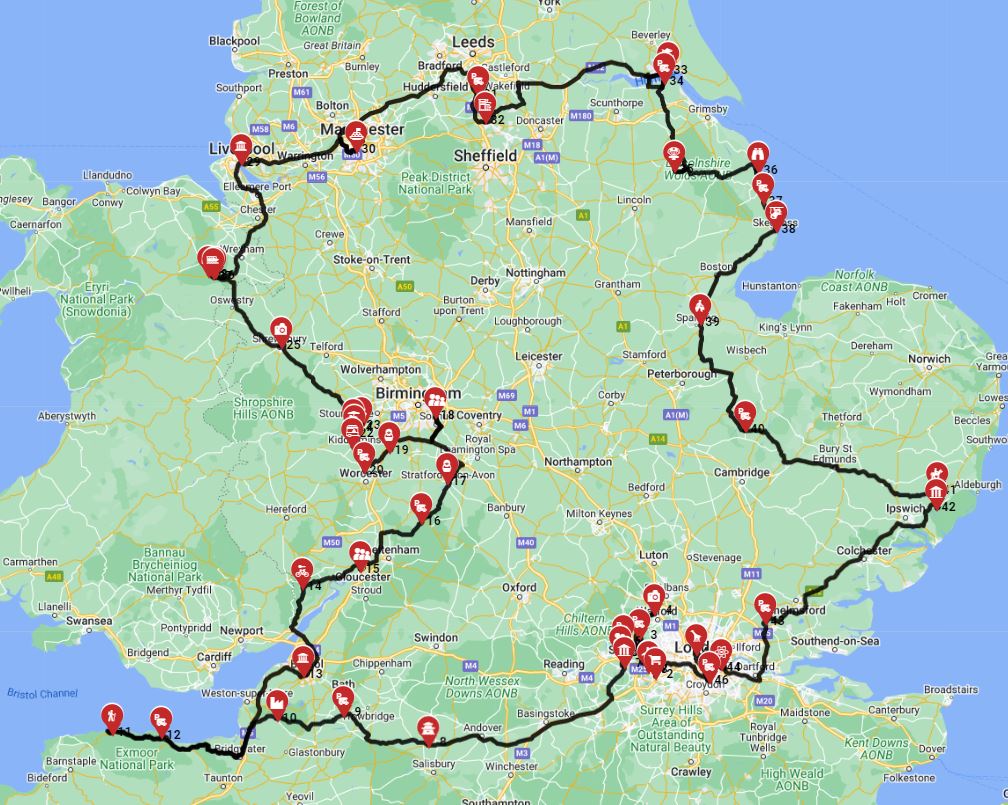
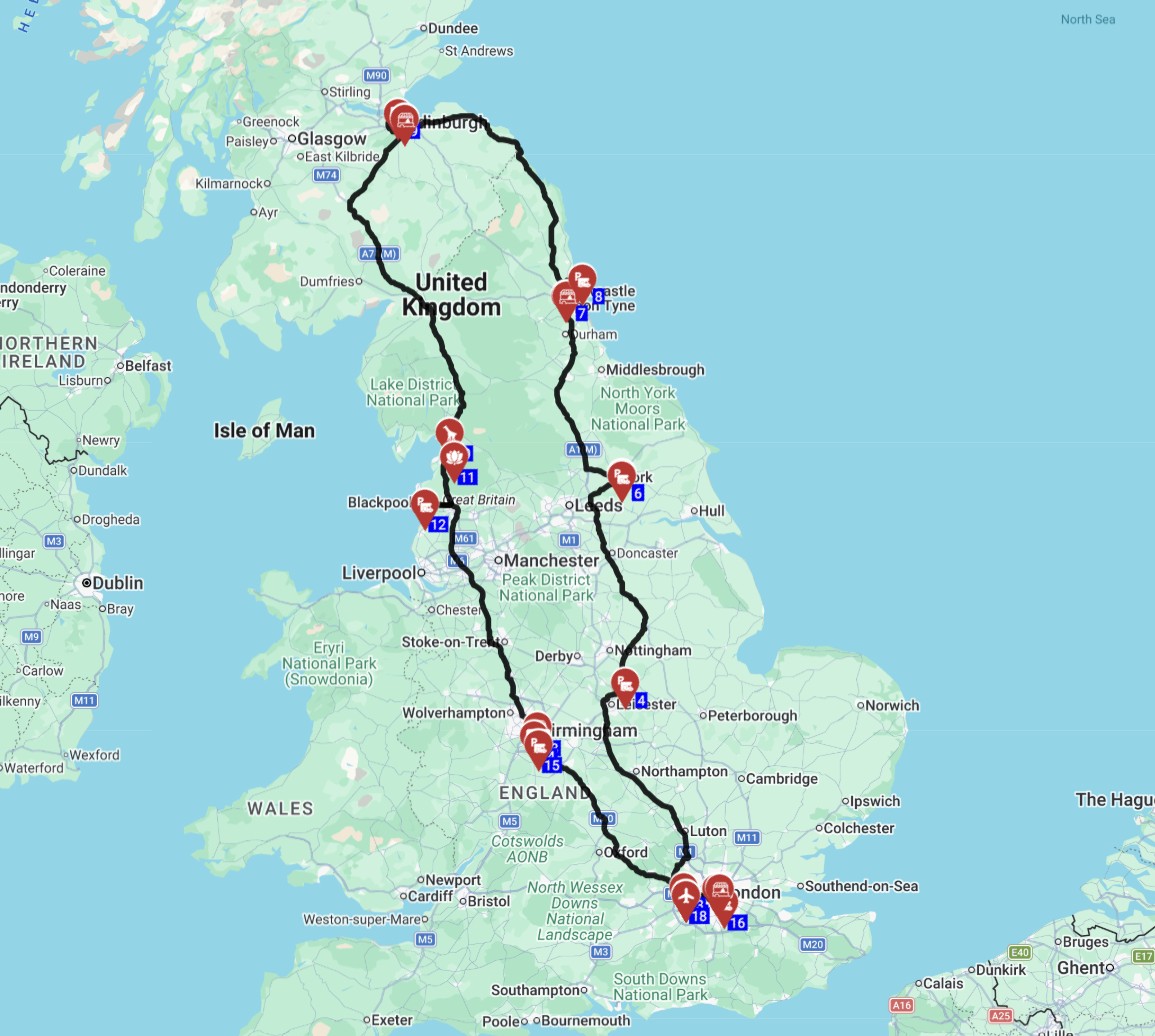
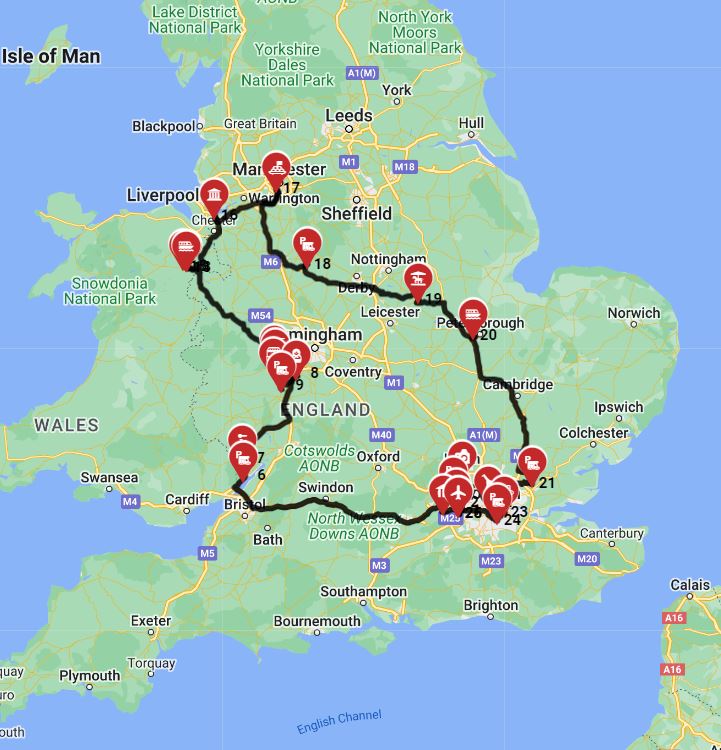
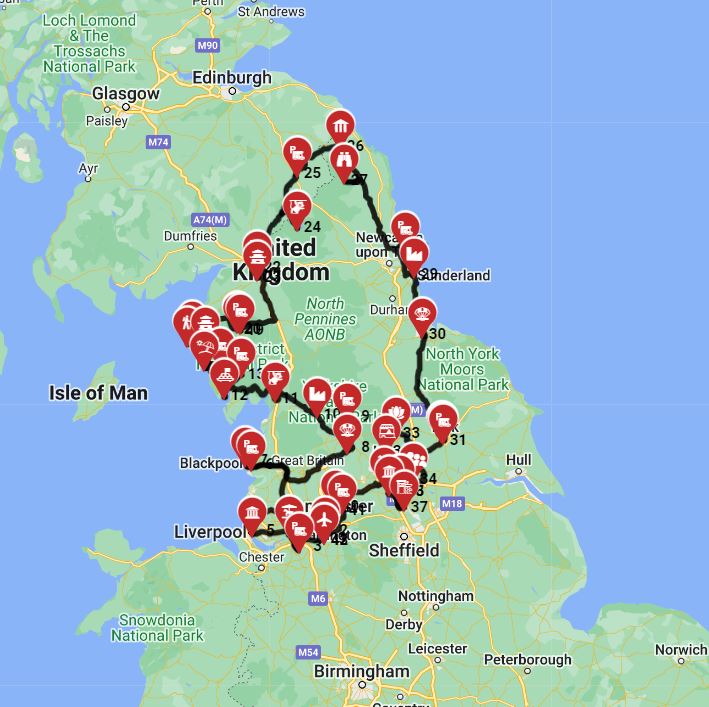
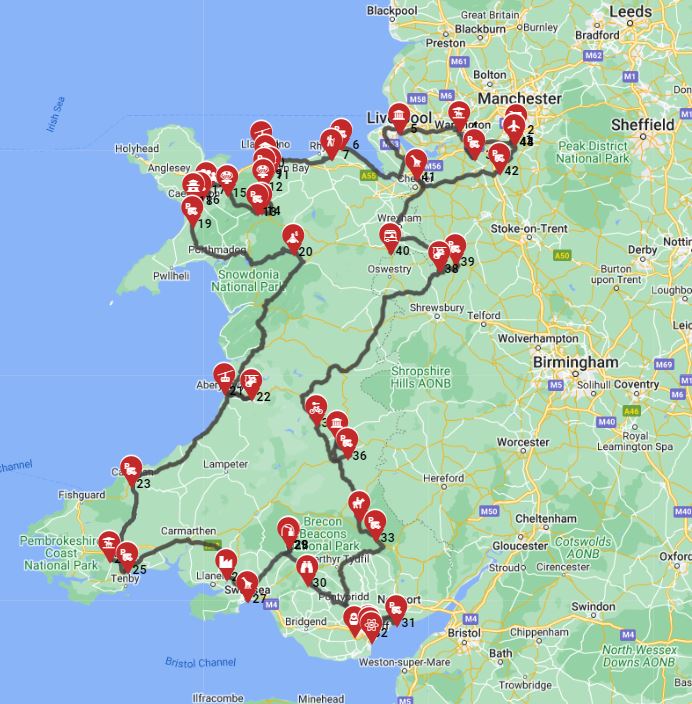
The Lake District, a UNESCO World Heritage site, provides magnificent scenery, gentle hikes suitable for children, and abundant watersports on its many lakes. This region is ideal for rental RVs up to 7 meters in length, though some roads can be winding and require caution. For a picturesque and leisurely journey, the Cotswolds present charming villages, rolling hills, and numerous farm parks, best explored with a more compact RV like a Class B Camper Van due to its narrow lanes and often tight parking. We always recommend slow travel, averaging 100-150 km per day, to truly immerse yourselves in the culture and scenery. Consider these professionally planned routes:
What is the average cost to rent an RV in England for a family?
The average cost to rent an RV in England for a family typically ranges from £800 to £1,500 per week, but this can vary significantly based on several factors. Expect prices for a comfortable family motorhome or campervan to be higher during peak season (July-August) and school holidays, often reaching £1,200-£1,800+ per week. Off-peak rentals in spring or autumn are usually more budget-friendly, with weekly prices potentially starting around £700-£1,000 for a well-equipped model like a 4-berth Class C motorhome.
Beyond the base rental fee, remember to budget for ancillary costs such as fuel (averaging 10-12 Liters/100 km for most RVs, at £1.70-£1.90 per liter in 2024), campsite fees (which can average £25-£50 per night), tolls, and any optional insurance excess reduction. Bandana RV offers full price transparency, so you'll never encounter hidden fees or surprises. You can upgrade to a top-level deductible for extra peace of mind, an optional enhancement to your travel insurance. For a detailed breakdown, our "Cheap RV Rental in England - Budget Guide 2024" offers more specific cost estimations.
What is the cheapest way to RV in England?
The cheapest way to enjoy an RV trip in England involves a combination of strategic booking, vehicle choice, and smart budgeting for your trip expenses. Renting during the shoulder seasons (April-May, September-October) or outside of major school holidays will significantly reduce your rental costs compared to peak summer rates. Opting for a smaller, more fuel-efficient campervan (like Bandana's Class B models, averaging 8-10 Liters/100 km) will not only save on diesel expenses but can also result in lower ferry or toll charges due to smaller dimensions.
To minimize overnight costs, utilize certified locations (CLs/CSs) offered by touring clubs or approved pub stopovers (like those found via Brit Stops), which are often cheaper than full-service campsites or even free if you make a purchase. Preparing most of your meals in your rental RV's kitchen can lead to substantial savings on food expenses; our RV-friendly recipes playlist offers great ideas. Keep an eye out for "Weekly RV Rental in England - Pricing 2024" deals, as longer rental durations often provide better daily rates.
How do I find family-friendly campsites in England?
Finding family-friendly campsites in England is straightforward, thanks to a robust network of online resources and dedicated camping clubs. The websites of the Caravan and Motorhome Club and the Camping and Caravanning Club are excellent starting points, listing thousands of sites across the country, including smaller, often quieter Certified Locations (CLs/CSs) on private land that are perfect for families seeking a more intimate experience. Online directories such as Pitchup.com and Campsites.co.uk allow you to filter by family-friendly amenities such as playgrounds, swimming pools, or kids' clubs.
Booking well in advance is highly recommended, especially if you're traveling during peak season or school holidays, as the most popular family sites with desirable facilities fill up quickly. Many national parks also offer campgrounds that can be reserved online. For finding campsites and campgrounds during your trip, we recommend using RV PLANET (rvplan.net) - a great resource for locating available spots along your route, ensuring you'll always find a comfortable place to stay. You'll find a spot. If not at the first campground, then the next one. Call ahead before driving.
Managing Utilities and Connectivity on Your RV Trip
Effectively managing utilities and connectivity is vital for a comfortable RV trip in England. Finding water fill-up stations and waste disposal points is essential for all motorhome and campervan travelers; most paid campsites provide these services, and some larger fuel stations or dedicated service points may offer them for a fee. Reliable 230V electricity hook-ups are standard at nearly all commercial campsites, ensuring you can charge devices and power your onboard appliances effortlessly.
Mobile data coverage across England is generally good in populated areas, but it can become patchy or even unavailable in remote regions like parts of national parks or along certain coastal stretches. To ensure consistent internet access, especially if you rely on online navigation or entertainment, consider purchasing a local SIM card with a generous data plan or researching portable mobile Wi-Fi hotspots. These options ensure you stay connected and can plan your next steps on RV PLANET routes without interruption.
Respecting Local Culture and Etiquette in England
Embracing and respecting local culture and etiquette will greatly enhance your family RV trip in England. When driving your rented motorhome through charming villages and rural areas, always proceed slowly and considerately, especially on narrow lanes, and be mindful of pedestrians, cyclists, and any free-roaming livestock. If you plan to enjoy traditional English hospitality, familiarize yourself with pub etiquette: typically order food and drinks at the bar, be polite to staff, and maintain reasonable noise levels, particularly in family-friendly establishments.
Crucially, always respect private land by never trespassing or attempting to park overnight without explicit permission, even if an area appears undeveloped. Adhere to 'leave no trace' principles at all times: dispose of all waste properly in designated facilities, and leave natural areas exactly as you found them to help preserve England's unique beauty for everyone. Bandana RV encourages responsible travel, and our specialist knowledge helps you integrate seamlessly into your destination.
Pre-Trip Checklist for Your England RV Adventure
A thorough pre-trip checklist ensures a smooth and stress-free RV adventure in England. First, confirm that all drivers possess the correct license category for the rental RV's weight; for most family motorhomes, a standard Category B license is sufficient, but always carry your physical license and an International Driving Permit (IDP) if your national license is not in English. Second, verify your travel insurance covers RV rental and any planned activities, and consider an optional upgrade to a top-level deductible for extra peace of mind.
Packing for England's famously variable weather is key: layers are your best friend, including waterproof jackets, warm jumpers, and lighter clothing, regardless of the season. Finally, conduct a comprehensive pre-departure vehicle check with your supplier, covering tire pressure, fluid levels, and lights, and thoroughly familiarize yourself with your specific RV's height, width, and weight before setting off. Our full transparency means no hidden fees at pickup, making your departure worry-free. For more planning inspiration, check out our "RV Rental Europe - Complete Guide 2024".
What You Shouldn't Miss
- Explore the Lake District's Wonders: Immerse your family in England's largest National Park with its stunning fells, lakes, and charming villages. Enjoy a boat ride on Windermere or a gentle hike suitable for all ages.
- Journey Through the Historic Cotswolds: Wander through honey-colored stone villages like Bibury and Bourton-on-the-Water, experiencing quintessential English charm. Find cozy pubs for a traditional meal and discover local crafts.
- Discover Ancient History at Stonehenge: Witness the awe-inspiring prehistoric monument of Stonehenge, a UNESCO World Heritage site, and imagine the mysteries of its builders.
- Coastal Charms of Cornwall: Head south to Cornwall for spectacular beaches, surfing lessons, and the dramatic cliffs of Tintagel Castle, steeped in Arthurian legend.
- Visit a Traditional English Pub: Experience true local culture by stopping at a country pub. Enjoy a hearty meal and perhaps a local ale, many of which offer special "Brit Stop" overnight parking for RVs.
- Dive into London's Vibrant Energy: Park your RV outside the central zone and use public transport to explore iconic landmarks like the Tower of London, Buckingham Palace, and the British Museum.
Looking for expert insights from Avi Bandana? Top 5 Adventures - recommendations from Avi Bandana
Final Thoughts
Driving a family RV or motorhome through England is an experience filled with discovery, freedom, and unforgettable moments. From navigating winding country lanes to exploring bustling city centers, England's diverse landscapes and rich history are best savored at a slow, deliberate pace. With the right preparation and a reliable rental, your family can create cherished memories, enjoying the comfort of your mobile home base.
Remember, Bandana RV is here to support you every step of the way, from comparing the best deals on family RV rentals in England to offering expert advice and pre-planned routes. We're passionate about making your RV adventure as smooth and enjoyable as possible, providing full transparency and dedicated support.
So, why wait? Imagine yourself and your loved ones on an extended road trip, discovering hidden gems and iconic landmarks across this beautiful country. Start planning your extraordinary family RV trip to England today!