In This Guide
- Can You Drive an RV in Croatia? License & Age Rules
- Road Conditions & Terrain in Croatia
- RV Size Limits, Bridges & Restricted Zones
- Fuel: Diesel vs. Petrol & Cost per 100 km
- Tolls, Vignettes & Border Rules
- Driving Tips for family rv rental Travelers
- Recommended RV Class for Croatia Roads
- Should I Choose a Compact Van Instead of a Large RV in Croatia?
- Can I Park Anywhere? Free & Wild Camping Rules in Croatia
- Can I Drive an RV Into the City Center? Heights, Tunnels & Local Signage
- How much does it cost to rent an RV in Croatia for a family?
- What are the best family-friendly campsites in Croatia?
- Where can I find RV dump stations and fresh water in Croatia?
- What are unique, off-the-beaten-path experiences for RV families in Croatia?
- How can I ensure responsible and sustainable RV travel in Croatia?
Can You Drive an RV in Croatia? License & Age Rules
Driving a rented RV in Croatia is accessible for most drivers, as a standard national driver's license is typically sufficient. Specifically, a B category license, valid for vehicles up to 3,500 kg maximum authorized mass (MAM) and accommodating up to 8 passenger seats, covers the majority of RV classes, including Class B Camper Vans, Class SI Semi-integrated motorhomes, and many Class C Alcove RVs. For larger motorhomes exceeding 3,500 kg MAM, a C1 license or its equivalent is generally required.
The minimum driver age for RV rentals in Croatia is commonly 21 years old. However, it's important to note that some rental companies may have a higher minimum age of 25, particularly for larger or more premium RV classes. Additionally, younger drivers (typically under 25) may incur a surcharge. For international visitors from outside the EU/EEA, it is essential to carry an International Driving Permit (IDP) alongside your national license. This IDP serves to translate your existing driving qualifications into a format recognized internationally, facilitating smooth interactions with local authorities.
Understanding these requirements beforehand ensures a hassle-free start to your Croatian RV adventure. Always confirm the specific licensing and age policies with your chosen rental provider, as variations can occur. Bandana Caravan simplifies this by comparing options across multiple suppliers, highlighting any age restrictions or surcharges upfront.
Road Conditions & Terrain in Croatia
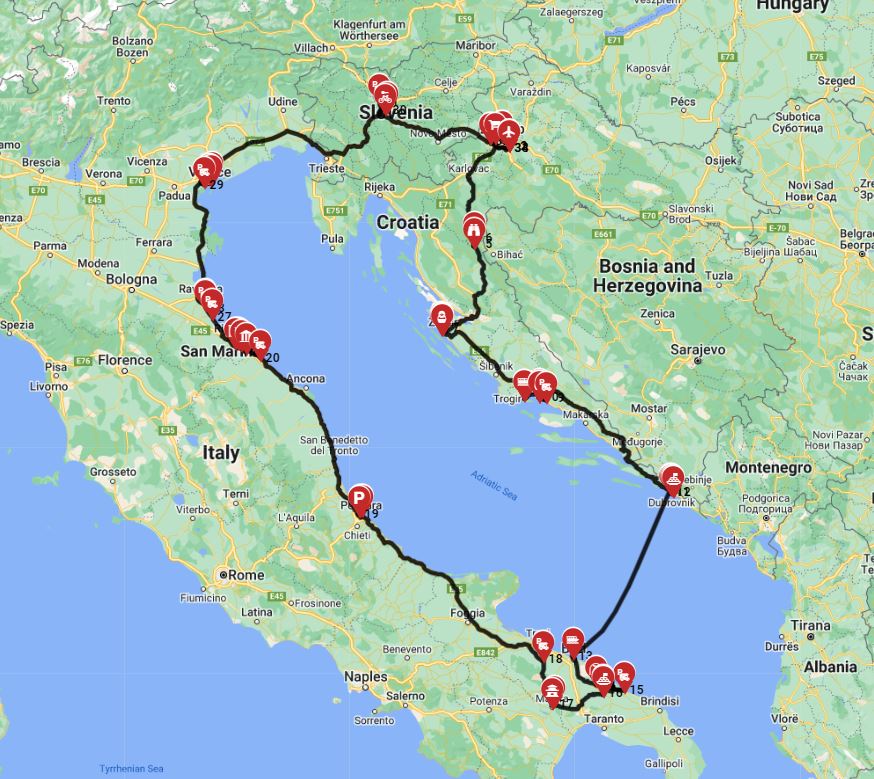
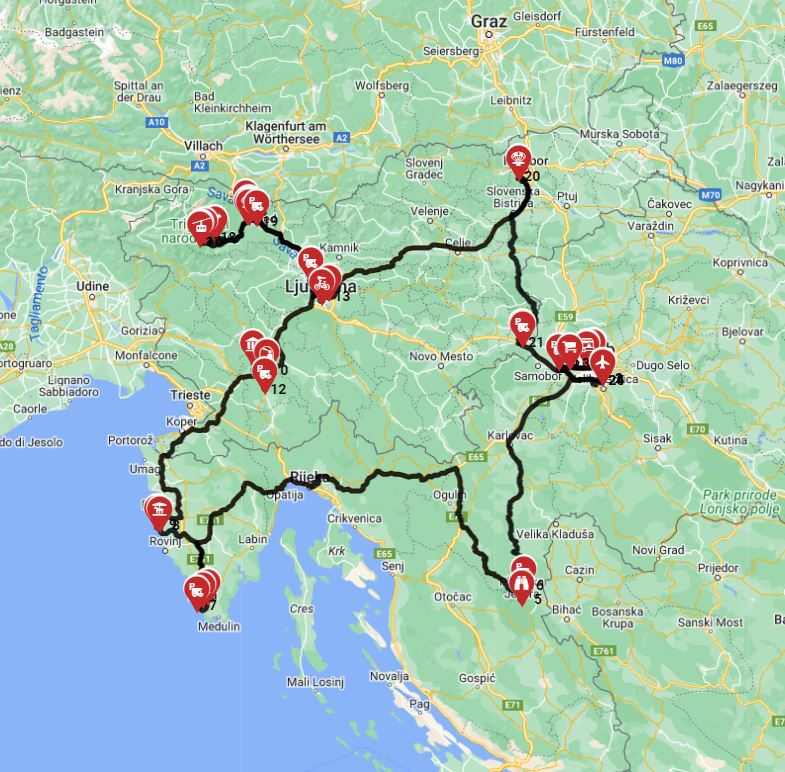
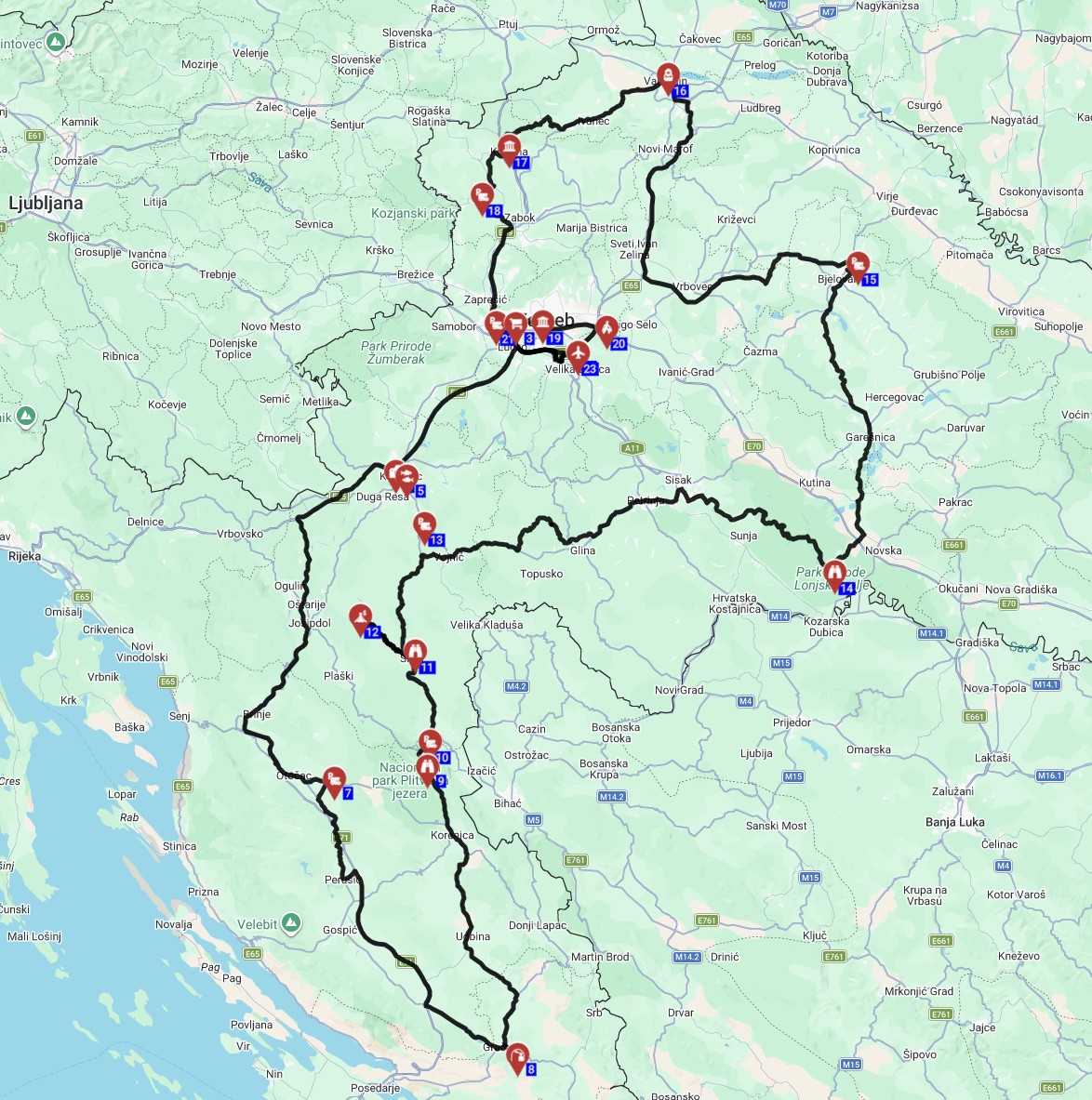
Croatia's road network is generally well-maintained, particularly its extensive system of toll highways, such as the A1 and A3. These major routes are excellent for RV travel, offering smooth passage between key regions and cities. However, as you venture towards the coast, you'll encounter the scenic, yet often narrower, D8 highway, which winds along the Adriatic. Driving larger RVs on these coastal roads requires extra caution, slower speeds, and attentive maneuvering, especially around blind curves. On the routes offered through RV PLANET routes, you can itemize and track every expense along the way for easy budgeting.
The terrain can vary significantly. Mountainous areas, including regions like Velebit and Biokovo, feature steep inclines, descents, and sharp turns. RV drivers should be prepared for these conditions, ensuring they select appropriate gears and maintain safe speeds. Access roads leading to more secluded destinations, such as certain campsites, national park areas, or hidden beaches, may be unpaved or gravel. Navigating these requires a slower pace and awareness of your RV's ground clearance.
Driving in urban centers and historic towns presents its own set of challenges. Narrow streets, pedestrian zones, and limited parking are common. For a more relaxed exploration of city centers with a rented RV, it's often best to park on the outskirts in designated RV-friendly lots and utilize public transport or walk.
RV Size Limits, Bridges & Restricted Zones
While Croatia's primary road network is generally accommodating for standard RV sizes, drivers must remain vigilant regarding specific height and weight restrictions. These are particularly relevant for older bridges, tunnels, and entrances to certain historic city centers, where clearances can be significantly lower than on main highways. Posted height limits are often around 4 meters, but drivers should always look for and adhere to signage indicating lower clearances.
For those planning island-hopping adventures, ferry services are essential. These services typically categorize vehicles based on length—common brackets include under 5 meters, 5-7 meters, and over 7 meters. This categorization directly impacts pricing. For instance, Bandana's Class SI Semi-integrated RVs, averaging 6.9 meters, and Class C Alcove RVs, averaging 7.5 meters, will likely fall into higher price brackets for ferry crossings, so factor this into your budget.
Croatia does not have widespread mandatory environmental zones that restrict vehicle types, unlike some other European countries. However, it's always prudent to watch for local signage in urban areas that might indicate specific restrictions for larger vehicles. To proactively avoid challenging routes, utilizing a GPS system or navigation app that supports RV-specific dimensions (height, weight, length) is highly recommended. This ensures you're directed along suitable roads, preventing unexpected encounters with restricted zones.
Fuel: Diesel vs. Petrol & Cost per 100 km
Diesel (Eurodiesel) is the predominant fuel type for RVs in Croatia and is widely available at service stations throughout the country. Petrol (Eurosuper 95 and 98) is also common, primarily for passenger cars and smaller vehicles. Bandana's fleet data provides useful insights into fuel consumption for different RV classes.
For example, Class SI Semi-integrated RVs typically consume between 10-11 liters per 100 km, while the larger Class C Alcove RVs consume slightly more, around 10-12 liters per 100 km. Based on an average diesel price of €1.50 per liter, the estimated fuel cost for a Bandana Class SI RV would range from approximately €15.00 to €16.50 per 100 km.
Fuel prices in Croatia are subject to market fluctuations and government regulations, so it's advisable to check current prices before your trip and monitor them during your travels. Some rental companies may offer benefits like fuel discount cards or provide guidance on managing fuel costs, which can be a significant part of your overall travel budget. For accurate trip cost estimations, remember to factor in these fuel expenses, especially for longer itineraries.
Tolls, Vignettes & Border Rules
Croatia primarily utilizes a pay-as-you-go toll system for its highways. This means there's no national vignette (toll sticker) required for all roads; instead, tolls are collected for specific highway sections at toll booths or via electronic means. Toll prices are determined by the vehicle category—RVs generally fall into Category II for most highways—and the distance traveled. Payment options include cash (in HRK or EUR), credit cards, or the ENC (Electronic Toll Collection) system, which can streamline transit and offer discounts.
When planning multi-country itineraries, be aware that toll systems differ. For instance, neighboring Slovenia and Hungary use vignettes, which must be purchased in advance. Traveling through the Neum Corridor, a short stretch of Bosnian territory that splits Croatia's coastline, is a common experience for RVers. While this transit is usually quick and visa-free for most nationalities, it's crucial to have valid passports for all occupants, vehicle registration documents, and your international motor insurance certificate (Green Card) readily available for border crossings.
To simplify toll payments, some rental companies, including those in the rent-motorhome network, may offer pre-purchased ENC toll passes or provide clear instructions on how to pay tolls. This can help avoid potential fines and ensure smoother travel throughout your journey.
Driving Tips for family rv rental Travelers
Plan Frequent Stops: Traveling with children requires a different rhythm. Schedule breaks every 2-3 hours to allow everyone to stretch, have snacks, and use the restroom. Integrate these stops into your route planning for a more relaxed journey.
Navigate with RV-Specific GPS: Ensure your navigation system or app is set to RV dimensions (height, weight, length). This crucial step helps you avoid narrow roads, low bridges, and weight-restricted areas, leading you on safer and more suitable routes.
Secure Loose Items: Before you start driving each day, take a moment to ensure all items inside the RV are stowed securely. This includes everything from kitchenware and appliances to personal belongings, preventing them from shifting or becoming hazards during transit.
Embrace Slow Travel: Croatia's charm is often found in its scenic detours and unexpected stops. Allow ample travel time to enjoy these moments, adapt to winding roads, and truly soak in the beauty of the landscape.
Master Parking Safely: Practice maneuvering your rented RV, especially reversing. Always use a spotter when navigating tight spaces. Prioritize spacious, designated RV parking areas or campsites over risky street parking, particularly in busy towns.
Recommended RV Class for Croatia Roads
For family RV travel in Croatia, Bandana's global fleet offers excellent options. We highly recommend Class SI (Semi-integrated) and Class C (Alcove) RVs. These classes provide a superb balance of comfort, ample living space, and manageable dimensions that are well-suited for Croatia's diverse road conditions.
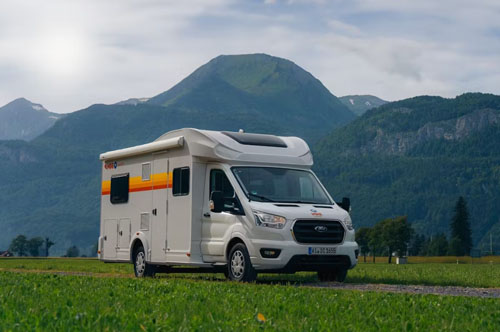
Bandana's Class SI Semi-integrated RVs, typically around 6.9 meters long and accommodating about 3-4 sleeping places, offer a comfortable retreat for smaller families. They remain relatively agile, making them a practical choice for navigating winding coastal routes. For larger families or those desiring more interior space, Bandana's Class C Alcove RVs, averaging 7.5 meters and providing sleeping for 5-6, are ideal. Despite their size, these RVs are well-equipped for Croatia's main roads and highways, offering spacious living areas.
Both these recommended classes come equipped with essential amenities like kitchens and bathrooms, crucial for family convenience on longer trips. Their moderate lengths generally ensure compatibility with most ferry services and are suitable for a wide range of campsites. While Class B Camper Vans are highly maneuverable, their smaller living space might be a compromise for families on extended journeys. Conversely, larger Class A Integrated RVs, while luxurious, can be less agile in tighter situations. Therefore, the Class SI and Class C motorhomes present the most practical and comfortable solution for exploring Croatia.
Should I Choose a Compact Van Instead of a Large RV in Croatia?
The choice between a compact van (like Bandana's Class B Camper Vans) and a larger RV (Class SI or Class C) for your Croatian road trip depends heavily on your travel style and priorities. Compact vans, typically averaging 5.8 meters, offer superior maneuverability. This makes them excellent for navigating Croatia's tight historic city centers, narrow coastal roads, and finding parking spaces more easily. They also tend to be more fuel-efficient, consuming around 8-10 liters per 100 km, which is a significant plus for budget-conscious travelers or couples prioritizing ease of driving.
However, for families requiring more sleeping capacity—Bandana's Class C models sleep up to 6—or desiring greater living space for relaxation and indoor activities, a larger Class SI or Class C RV offers significant advantages. These larger vehicles provide dedicated shower and toilet facilities, more generous living areas, and often more storage, enhancing comfort on longer trips. Croatia's main highways and most regional roads are well-maintained and can easily accommodate these larger RVs, meaning the maneuverability benefit of a compact van is primarily relevant in congested urban cores or on very remote, unpaved tracks.
Ultimately, the decision hinges on your itinerary. If your plans involve extensive time exploring compact city centers and prioritizing ease of parking, a compact van might be the better fit. Conversely, if you value spacious living quarters at campsites and comfortable travel across diverse landscapes, a larger RV often provides a more enjoyable trade-off for a family.
Can I Park Anywhere? Free & Wild Camping Rules in Croatia
When it comes to overnight stays in your rented RV in Croatia, it's crucial to understand the regulations. Wild camping, or free overnight parking outside of designated campsites, is generally illegal throughout Croatia and can result in significant fines. This strict policy is in place primarily for environmental protection, preservation of natural beauty, and management of tourism, especially along the popular coast and within national parks.
The recommended and legal approach for family RV travelers is to utilize the numerous official campsites and RV parks available across the country. These locations are not only legal but also well-equipped, offering secure parking and essential facilities. You'll typically find access to electricity hook-ups, fresh water refills, and waste disposal stations (grey and black water). Many also provide family-friendly amenities such as playgrounds, swimming pools, and organized activities, ensuring a comfortable and convenient stay.
To avoid penalties and ensure a smooth trip, always plan your overnight stops at recognized campsites or RV parks. These are clearly signposted throughout Croatia, making them easy to locate. Familiarizing yourself with local regulations and respecting them is key to a responsible and enjoyable RV adventure.
Can I Drive an RV Into the City Center? Heights, Tunnels & Local Signage
While it's often possible to drive an RV into the outer areas of most Croatian cities, direct access to historic city centers can be challenging for larger vehicles. These areas frequently feature very narrow streets, pedestrian-only zones, and limited parking, which are unsuitable for or restrict RV access. It’s essential to pay close attention to local signage, especially those indicating height limits for tunnels or low bridges, weight restrictions, and streets designated for residents only before attempting to enter any urban core.
The most practical approach for exploring city centers with a rented RV is typically to park on the periphery of the city. Look for designated, often paid, RV-friendly parking lots situated outside the immediate city center. From these locations, you can then utilize public transport, taxis, or simply enjoy a walk into the heart of the city, offering a more relaxed experience.
To help you navigate these situations effectively, always use a GPS system that allows you to input your RV's dimensions. This feature is invaluable for identifying potential restrictions along your route and avoiding unexpected challenges when navigating complex urban environments.
How much does it cost to rent an RV in Croatia for a family?
The cost of renting an RV in Croatia for a family can vary significantly, with daily rates typically ranging from €70 to €200 or more. These costs are influenced by several factors, including the RV class, the duration of your rental, the season, the mileage included, and any additional services or optional equipment you choose. For instance, Class B Camper Vans are generally the most budget-friendly option, while larger, more amenity-rich Class C Alcove or Class A Integrated RVs, which offer more space and sleeping capacity ideal for families, will be at the higher end of the price spectrum.
Peak season, typically from June through August, will see the highest rental prices due to increased demand. Traveling during the shoulder seasons—April to May and September to October—often provides a better balance, offering pleasant weather for exploring while also presenting more affordable rates. The off-season, from November to March, generally has the lowest prices, but be aware that weather conditions might be less predictable, and some attractions or services may have limited availability.
When budgeting for your trip, remember that rental costs usually cover basic insurance and a set amount of mileage. However, common additional expenses include fuel, tolls, campsite fees (which can range from €30-€80+ per night for a family pitch depending on location and amenities), any extra mileage charges, and optional equipment rentals like bike racks or GPS. For transparent cost breakdowns and to manage your budget effectively, explore routes and options on RV PLANET routes, where you can itemize and track every expense along the way.
What are the best family-friendly campsites in Croatia?
Croatia offers a fantastic selection of family-friendly campsites, particularly along its stunning Istrian and Dalmatian coastlines. These campsites are renowned for their comprehensive amenities, which often include swimming pools, dedicated playgrounds, organized animation programs for children, and direct access to beautiful beaches. This ensures a comfortable and entertaining stay for the whole family.
Some of the most popular regions for family camping include Istria, with gems like Camping Lanterna and Istra Premium Camping Resort, and the Kvarner Bay, featuring the Krk Premium Camping Resort. In Dalmatia, Zaton Holiday Resort and Camp Galeb are highly regarded for their family-oriented facilities and activities. These sites typically provide full hook-ups (electricity, water, waste disposal), laundry facilities, on-site restaurants and shops, and sports courts, catering to a variety of needs.
Be prepared for varying daily fees, which can range from €30 to €80+ per night for a family pitch, depending on the season, pitch size, and location (e.g., seafront pitches are often premium). Given their popularity, especially during peak season (June-August), advance booking is strongly recommended to secure a spot at these highly sought-after family campsites. You might also find early-bird discounts available if you plan ahead!
Where can I find RV dump stations and fresh water in Croatia?
Finding essential RV services like dump stations for grey and black water, along with fresh water refill points, is generally straightforward in Croatia. The most reliable and widespread locations for these services are the official campsites scattered throughout the country. Most well-equipped campsites provide dedicated facilities for these needs, ensuring a comfortable experience for RV travelers.
In addition to campsites, many larger petrol stations, particularly those located along major highways, also offer services for emptying waste tanks and refilling fresh water. Sometimes, a small fee may apply for using these facilities at petrol stations. To pinpoint specific service points, especially when traveling outside major cities or along less-traveled routes, utilizing dedicated RV apps or websites such as Park4Night or Campercontact can be extremely helpful.
For propane (LPG) refills, you'll find them at many petrol stations equipped with LPG pumps. It is vital, however, to ensure your rented RV has the correct adapter—often an ACME or Dish adapter is needed for European systems—to connect to local cylinders. Should you require mechanical repairs, major cities like Zagreb, Split, Rijeka, and Zadar have authorized service centers for common RV chassis brands (e.g., Fiat Ducato, Ford Transit). However, locating specialized RV repair services in smaller towns can be more challenging, so it's always wise to travel with a basic RV repair kit for minor issues.
What are unique, off-the-beaten-path experiences for RV families in Croatia?
Beyond the popular coastal destinations, Croatia offers a wealth of unique off-the-beaten-path experiences perfect for family RV adventurers. Exploring the rural interior, venturing to lesser-known islands via ferry, or immersing yourselves in agritourism can provide authentic cultural interactions and a deeper connection with the country's diverse landscapes and traditions.
Consider exploring continental Croatia, venturing inland to regions like Slavonia or Lika-Senj. Here, families can discover charming traditional villages, hike through lush national parks such as Risnjak or Northern Velebit, and experience authentic rural life far from the main tourist crowds. For island exploration, bypass the more frequented islands like Hvar or Brač and head to gems such as Cres, Lošinj, or Vis. These islands offer a more tranquil experience with pristine nature, quaint fishing villages, and distinct local cuisine, all accessible by RV-friendly ferries.
Agritourism is another fantastic avenue for discovery. Staying at family-run farm stays, many of which offer RV pitches, in regions like Istria or the Dalmatian hinterland, provides children with opportunities to interact with farm animals and learn about local produce. Enjoying homemade meals is a true highlight. Lastly, explore lesser-known nature parks. While Plitvice Lakes and Krka are must-sees, consider parks like Papuk, Žumberak, or the Lastovo Archipelago for unique landscapes, kayaking, cycling, and incredible stargazing opportunities without the crowds. For ideas you can prep on the road, watch our RV-friendly recipes playlist on YouTube.
How can I ensure responsible and sustainable RV travel in Croatia?
Responsible and sustainable RV travel in Croatia is about minimizing your environmental footprint, respecting local cultures and communities, and strictly adhering to regulations. By doing so, you help preserve the country's stunning natural beauty for future generations and foster positive interactions with local people.
Minimize Waste: Actively reduce plastic usage, sort your rubbish correctly, and always dispose of waste responsibly at designated recycling and waste disposal points, particularly within campsites. Proper waste management is crucial for protecting Croatia's pristine environments.
Conserve Resources: Be mindful of your water and electricity consumption in your RV, especially when enjoying off-grid moments. Conserve fresh water and limit energy use to essentials. Every small effort contributes to a larger impact.
Respect Nature and Wildlife: Stick to marked paths when visiting national parks and nature reserves. Avoid disturbing local wildlife, and under no circumstances engage in wild camping, as it can damage fragile ecosystems and is illegal. Adhering to these guidelines ensures Croatia's natural heritage is protected.
Support Local Communities: Make an effort to purchase local produce, handicrafts, and services from small, local businesses. This practice directly contributes to the Croatian economy and fosters authentic cultural exchanges, enriching your travel experience.
Follow Local Laws: Always respect traffic laws, speed limits, and particularly the strict rules against wild camping. Adherence not only prevents fines but also ensures a positive image for RV tourism in Croatia, making future visits even more welcome.
What You Shouldn't Miss
- Drive the scenic coastal D8 highway, taking in breathtaking Adriatic views while being mindful of RV size on winding sections.
- Explore the Plitvice Lakes National Park (book tickets in advance!) or the Krka National Park for stunning waterfalls and natural beauty, accessible via RV-friendly routes to nearby parking.
- Visit historic cities like Split and Dubrovnik, parking your RV outside the city center and using local transport to explore the ancient streets and UNESCO sites.
- Take an RV-friendly ferry to one of Croatia's beautiful islands, such as Hvar or Brač, for a unique blend of culture, beaches, and stunning landscapes.
- Discover the Istrian Peninsula, known for its charming hilltop towns like Motovun and its excellent local cuisine and wineries, easily accessible by RV.
- Experience the magic of the Dalmatian coast, perhaps stopping in Zadar to see the Sea Organ and Greeting to the Sun, or venturing inland to explore national parks like Paklenica.
Final Thoughts
Embarking on an RV adventure in Croatia offers an unparalleled way to experience its stunning coastline, charming islands, and rich history. With careful planning and the right vehicle, your family can create unforgettable memories exploring this beautiful Mediterranean gem at your own pace.
Remember to book your chosen RV well in advance, especially if traveling during peak season, to secure the best availability and rates. Utilize resources like RV PLANET (rvplan.net) for route planning and campsite discovery. With Bandana Caravan, you're not just renting an RV; you're gaining a partner dedicated to making your Croatian motorhome holiday smooth, transparent, and utterly magical. Get inspired for your next trip!
Discover top destinations, planning tips, and the freedom of the open road all in one place. Plan a trip itinerary in advance with minimal effort and maximum enjoyment. Get ready to explore Croatia's diverse landscapes and vibrant culture from the comfort and convenience of your rented RV!