In This Guide
- Can You Drive an RV in Cape Town? License & Age Rules
- Road Conditions & Terrain in Cape Town
- RV Size Limits, Bridges & Restricted Zones
- Fuel: Diesel vs. Petrol & Cost per 100 km
- Tolls, Vignettes & Border Rules
- Driving Tips for family rv rental Travelers
- Recommended RV Class for Cape Town Roads
- Should I Choose a Compact Van Instead of a Large RV in Cape Town?
- Can I Park Anywhere? Free & Wild Camping Rules in Cape Town
- Can I Drive an RV Into the City Center? Heights, Tunnels & Local Signage
- What do I need to know before renting an RV in Cape Town?
- What is the best time of year to RV in Cape Town?
- Is RV camping safe in South Africa?
- Can I cross borders with a rented RV from Cape Town?
- What are the best RV rental companies in Cape Town?
- How much does it cost to rent an RV in Cape Town?
- What are the best family-friendly RV parks near Cape Town?
- What are some good itineraries for an RV trip from Cape Town?
Can You Drive an RV in Cape Town? License & Age Rules
Yes, you can drive an RV in Cape Town with a standard South African driver's license. A Code 8 (now Code B) license is sufficient for RVs with a Gross Vehicle Mass (GVM) of up to 3,500 kg, which typically includes most smaller and mid-sized family RVs available for rent. For larger motorhomes, such as some Class C or Class A models that exceed 3,500 kg GVM, a higher license category like a Code C1 or EC is legally required. The minimum driver age for renting an RV in Cape Town is commonly set at 23 or 25 years old by rental companies, regardless of national license laws. Foreign drivers need a valid license from their home country, preferably in English or accompanied by an International Driving Permit (IDP) for official translation purposes.
Road Conditions & Terrain in Cape Town
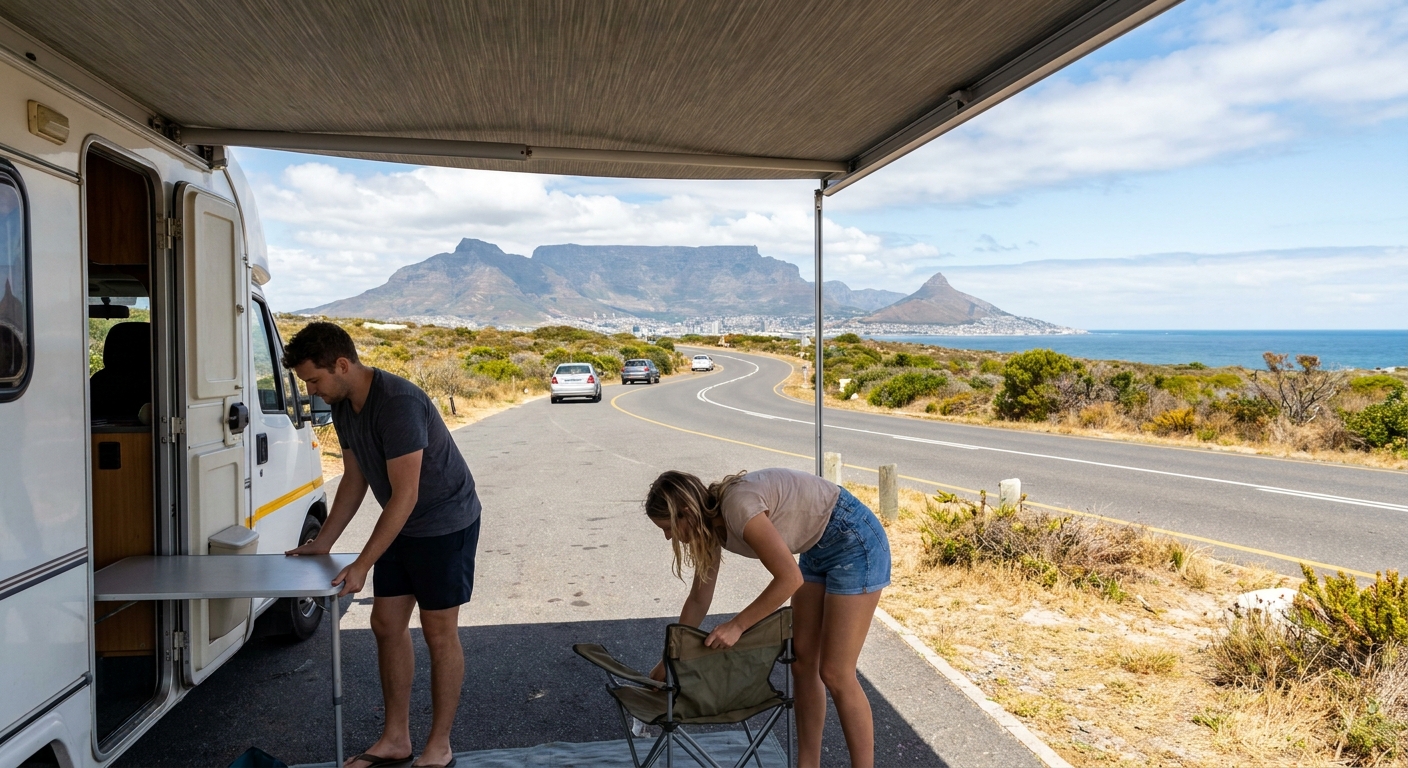
Cape Town and the surrounding Western Cape province offer generally excellent road conditions, with well-maintained tarred highways and scenic routes highly suitable for family RV travel. Major routes like the N1 and N2 are smooth, but be prepared for diverse terrain including winding mountain passes, such as the Du Toitskloof Pass, and potentially some gravel or uneven access roads when heading to more remote campsites or attractions. Driving an RV through these varying landscapes requires a cautious approach, encouraging slower, more deliberate driving to ensure comfort for all passengers and to fully appreciate the stunning vistas. While urban areas in Cape Town can experience congestion during peak hours, the primary roads are wide enough to accommodate RVs, linking easily to coastal drives and the popular wine routes.
RV Size Limits, Bridges & Restricted Zones
Generally, there are no widespread specific RV size limits or height restrictions on the main roads and highways in Cape Town and the Western Cape that would impede typical family RV travel. Most bridges and underpasses offer ample clearance, often well over 4 meters, but drivers should always remain vigilant for local signage, especially when entering older town centers, parking garages, or specific private estates. Cape Town does not implement environmental zones or low-emission areas that restrict RV access based on vehicle type or age. While using RVs for ferry transport is not common within the immediate Cape Town area, it's always advisable to inquire about specific weight and length limits if planning to use any specialized transport or enter national parks with unique access rules.
Fuel: Diesel vs. Petrol & Cost per 100 km
Most family RVs available for rental in Cape Town, including those in Bandana's fleet, primarily run on diesel fuel, which is readily available at service stations throughout South Africa. Bandana's Class B - Camper Vans typically achieve fuel consumption rates between 6-11 liters per 100 km, while larger Class SI - Semi-integrated and Class C - Alcove models average around 12 liters per 100 km. As of 2026, the average cost per 100 km for an RV in Cape Town can range from ZAR 120 to ZAR 200, depending on the specific RV model, driving conditions, and prevailing diesel prices. Some rent-motorhome RVs may include fuel discount cards or loyalty programs, offering potential savings on your family's travel expenses.
Tolls, Vignettes & Border Rules
South Africa operates a toll system on specific national highways, such as sections of the N1 and N2 originating from Cape Town, which RV travelers will encounter. Unlike some European countries, South Africa does not use a vignette system; tolls are paid per plaza, usually via cash, card, or an electronic tag system like SANRAL. For cross-border travel from Cape Town to neighboring countries like Namibia, Botswana, or Lesotho, explicit prior permission from the rental company is mandatory, along with specific permits and often additional insurance. Some rent-motorhome RVs offer the option to pre-purchase toll passes or provide clear guidance on navigating toll routes to simplify travel and avoid potential fines. On the routes offered through RV PLANET routes, you can itemize and track every expense along the way for easy budgeting.
Driving Tips for family rv rental Travelers
When driving a family RV in Cape Town, plan for frequent stops, ideally every 2-3 hours, allowing children to stretch their legs, use facilities, and explore roadside attractions, making the journey more enjoyable for the entire family. Always adhere strictly to posted speed limits, being aware that in South Africa, heavier vehicles like RVs may have specific lower speed limits on certain roads. Be prepared for strong winds, particularly Cape Town's 'Cape Doctor,' which can significantly affect RV stability—reduce speed and maintain a firm grip on the steering wheel. Familiarize yourself with South African traffic laws, including road signage and right-of-way rules, and remember that driving is on the left-hand side of the road. Consider opting for an RV with an automatic transmission, as it can significantly ease driving, especially in Cape Town's urban traffic and when navigating mountainous terrain, providing a more relaxed experience for the driver.
Recommended RV Class for Cape Town Roads
For family RV rentals traversing Cape Town's roads and surrounding regions, both **Class B - Camper Vans** and **Class SI - Semi-integrated** models are highly recommended due to their excellent balance of maneuverability and comfortable living amenities. Class B - Camper Vans, with an average length of 5.6 meters and typically sleeping up to 3 adults, are ideal for smaller families seeking an agile vehicle that is easy to park and navigate on diverse road types. Class SI - Semi-integrated RVs, averaging 6.7 meters in length and comfortably accommodating 4 adults, offer more spacious interiors, dedicated sleeping areas, and larger kitchens while remaining manageable on most major and secondary routes around Cape Town. Both classes provide sufficient ground clearance for accessing varied campsites and adequate power for tackling the region's scenic mountain passes without being overly cumbersome.
Should I Choose a Compact Van Instead of a Large RV in Cape Town?
While a compact van may offer a slight advantage in extremely tight city parking or very narrow rural lanes, a larger RV generally provides significantly more comfort, living space, and amenities, which often proves more beneficial for a family RV trip in Cape Town. Cape Town's primary road network, including popular tourist routes and access to major attractions, is well-suited for all standard RV sizes, meaning larger models like Bandana's Class SI - Semi-integrated (avg. 6.7m) or Class C - Alcove (avg. 6.7m) are easily manageable. A compact van (e.g., a Class B - Camper Van with an average length of 5.6m) is genuinely helpful if your family prioritizes maximum agility, intends to spend extensive time in bustling urban centers, or plans to explore very remote, unpaved tracks. For families desiring ample sleeping capacity, a fully equipped kitchen, separate bathroom facilities, and generous storage for extended trips, the enhanced comfort and convenience of a larger RV typically outweigh the minor maneuverability benefits of a compact van. For ideas you can prep on the road, watch our RV-friendly recipes playlist on YouTube.
Can I Park Anywhere? Free & Wild Camping Rules in Cape Town
Free or wild camping is generally not permitted or advised in Cape Town and throughout most of South Africa, particularly within urban areas, national parks, or on private land. Overnight parking in undesignated public areas, roadside lay-bys, or beaches is typically against local bylaws and can present significant safety and security risks for RV travelers. Designated RV parks, private campgrounds, and national park campsites are the only legal and recommended options for overnight stays in your family RV in the Cape Town region. Rules vary by specific location and land ownership, so always check local regulations and adhere to all laws before parking overnight, prioritizing secure and authorized camping facilities for your family's safety.
Can I Drive an RV Into the City Center? Heights, Tunnels & Local Signage
Yes, you can generally drive an RV into Cape Town's city center, as major arterial roads and main thoroughfares are designed to accommodate larger vehicles, though mindful navigation is always recommended. Always pay close attention to local signage indicating height limits for specific parking garages, underpasses, or historical areas, although most street-level routes offer ample clearance for standard RVs. Cape Town features several tunnels, for example, within the CBD and along coastal roads, which are typically suitable for RVs, but drivers should observe any specific restrictions posted at their entrances. Be aware of 'residents-only' parking zones, loading bays, or areas with restricted access; plan to utilize designated RV-friendly parking lots or public parking bays that can accommodate your vehicle's size.
What do I need to know before renting an RV in Cape Town?
Before renting an RV in Cape Town, thoroughly understand your chosen vehicle's specifications, including its size, sleeping capacity, fuel type, and any specific driving requirements to ensure it meets your family's needs and comfort levels. Key considerations also include comprehensive insurance coverage (carefully review policy details), specific driving license requirements for foreign visitors (e.g., IDP), and any mileage limitations or additional fees from the rental company. Familiarize yourself with South African driving laws, including left-hand traffic, typical speed limits for RVs, and be prepared for varying road quality on non-major routes. Plan your itinerary by pre-booking popular campsites, especially during peak season, and research RV-specific logistics such as water refill points, waste disposal facilities, electricity hook-ups, and mobile internet solutions along your planned route.
What is the best time of year to RV in Cape Town?
The best time of year to embark on a family RV trip in Cape Town is typically during the warm, dry summer months from **November to February**, offering ideal weather for outdoor activities, beaches, and scenic drives. During this peak season, expect long, sunny days and comfortable temperatures, though popular attractions and RV parks will be busier, making advance bookings essential. The shoulder seasons of **September-October (spring)** and **March-April (autumn)** also present excellent conditions with pleasant temperatures, fewer crowds, and often more favorable rental rates. Cape Town's winter (May-August) brings cooler, wetter weather, which can be challenging for some RV activities but offers lush landscapes, unique whale-watching opportunities, and the advantages of off-peak travel.
Is RV camping safe in South Africa?
RV camping in South Africa, especially within designated campgrounds and national parks, is generally safe when travelers adhere to common-sense security practices and maintain vigilance. To enhance safety, always prioritize staying in secure, reputable RV parks or campsites that feature perimeter fencing, controlled access, and ideally 24-hour security personnel. Implement personal security measures such as ensuring all RV doors and windows are locked, not leaving valuables in plain sight, and utilizing campsite safes or secure storage for important items. When driving, practice secure parking strategies by choosing well-lit, visible areas, avoid driving at night in unfamiliar or rural regions, and remain aware of your surroundings, particularly in urban environments or at fuel stations. In the rare event of a breakdown, immediately contact your rental company's emergency roadside assistance, remaining with your RV in a safe, visible location if possible, or moving to a populated area if safe to do so.
Can I cross borders with a rented RV from Cape Town?
Crossing international borders with a rented RV from Cape Town into neighboring countries like Namibia, Botswana, or Lesotho is possible, but it strictly requires prior arrangement and explicit written permission from your RV rental company. You will need specific cross-border documentation, including a Letter of Authorization from the rental company, certified copies of vehicle registration papers, and often additional insurance coverage specifically for international travel. Each country has its own visa requirements for foreign nationals and may impose specific road taxes or permits, such as a carbon tax for Botswana; ensure all necessary paperwork is obtained and understood well in advance of your departure. Always confirm with your rental provider the exact procedures, associated costs, and any limitations or restrictions on cross-border travel with their specific RV fleet before finalizing your itinerary.
What are the best RV rental companies in Cape Town?
The best RV rental companies in Cape Town are characterized by a diverse and well-maintained fleet, comprehensive insurance options, 24/7 roadside assistance, and consistently positive customer reviews. Look for companies that provide thorough vehicle briefings, transparent pricing without hidden fees, and flexible pickup/drop-off locations to accommodate your family's travel plans. Consider factors such as the average age of the rental fleet, the availability of essential amenities (e.g., air conditioning, child seats), and what extras are included in your standard rental package. Bandana offers a range of family-friendly RVs in Cape Town, including agile Class B - Camper Vans, spacious Class SI - Semi-integrated, and roomy Class C - Alcove models, catering to various group sizes and comfort preferences.
How much does it cost to rent an RV in Cape Town?
The total cost to rent an RV in Cape Town for a family trip varies significantly based on the RV class, rental duration, season, and specific inclusions, necessitating a comprehensive budget beyond just the base rental fee. Expect daily rental rates for a family RV to range from ZAR 1,200 to ZAR 3,500+ during 2026, with smaller Class B - Camper Vans typically at the lower end and larger Class C - Alcove or Class SI - Semi-integrated models at the higher end. Beyond rental fees, budget for fuel (e.g., 6-12 liters/100km depending on RV class, averaging ZAR 120-200 per 100km), diverse campsite fees (ranging from ZAR 250 to ZAR 800+ per night for a powered site), and national park entry permits (typically ZAR 100-400+ per person). Additional expenses include groceries (average ZAR 500-1000 per day for a family), activity costs, toll road charges, and potential unexpected costs such as extra mileage fees, cleaning charges, or insurance deductibles, all of which should be factored into your total budget. For finding campsites and campgrounds during your trip, check out RV PLANET routes — a great resource for locating available spots along your route.
What are the best family-friendly RV parks near Cape Town?
The best family-friendly RV parks near Cape Town offer essential amenities, secure environments, and convenient proximity to attractions, which are crucial for a comfortable and enjoyable family trip. Highly-rated options include Imhoff Caravan Park in Kommetjie (known for beach access), Kleinplasie Holiday Resort in Worcester (featuring a water park), and Kogelberg Nature Reserve near Kleinmond (ideal for nature lovers with good basic facilities). When choosing, look for parks offering full hookups (electricity, water, waste disposal), clean ablution blocks, laundry facilities, playgrounds for children, and robust security measures like controlled access and patrolling. When booking, verify seasonal availability, specific pitch sizes to accommodate your RV, current price ranges (which can vary significantly from ZAR 250 to ZAR 800+ per night for a powered site), and review recent guest feedback regarding amenities and overall safety.
What are some good itineraries for an RV trip from Cape Town?
Good itineraries for an RV trip from Cape Town often combine iconic landmarks with opportunities for local immersion and exploring unique, off-the-beaten-path destinations. A classic **Garden Route** adventure can be tailored for RVs, extending beyond popular stops to include lesser-known towns like Sedgefield, or exploring cultural sites like the Cango Caves near Oudtshoorn. For a unique local experience, consider the **West Coast Wildflower Route** (seasonal, August-September), exploring quaint coastal towns like Paternoster and Langebaan, interacting with local fishing communities, and sampling fresh seafood. Another excellent option is an inland journey through the **Breede River Valley Wine Region**, combining family-friendly wine tastings (many farms accommodate RVs) with cultural interactions in charming small towns and scenic mountain drives. Always plan for responsible travel by supporting local businesses, respecting natural environments, and engaging respectfully with communities along your chosen RV route. For live availability and current prices, start with our RV Rental Cape Town - Complete Guide 2026 guide.
What You Shouldn't Miss
- Drive the scenic coastal routes like Chapman's Peak Drive (check RV restrictions) or the more RV-friendly Clarence Drive for breathtaking ocean vistas.
- Explore Kirstenbosch Botanical Gardens, a world-renowned garden showcasing endemic flora, easily accessible by RV and offering ample parking.
- Visit the V&A Waterfront, a bustling hub for shopping, dining, and entertainment, with accessible parking options for larger vehicles.
- Take a cable car trip up Table Mountain for panoramic views of the city and coastline – an iconic Cape Town experience.
- Discover the Cape Winelands, visiting charming towns like Stellenbosch and Franschhoek, with many wine estates offering RV parking and tasting experiences.
- Embark on a day trip to Cape Point and the Cape of Good Hope Nature Reserve, keeping an eye out for ostriches and baboons (secure your RV food!).
Final Thoughts
Renting a family RV in Cape Town opens up a world of possibilities for adventure and exploration. With Bandana Caravan, you can navigate the booking process with confidence, knowing you're getting transparent pricing and dedicated support. Imagine the freedom of the open road, the breathtaking scenery of the Western Cape, and the convenience of having your accommodation and transport all in one!
Whether you're planning a leisurely journey through the winelands or an adventurous coastal drive, an RV provides the perfect mobile base for your family's unforgettable South African experience. Get inspired for your next trip!
Find Family RV Rentals in Cape Town