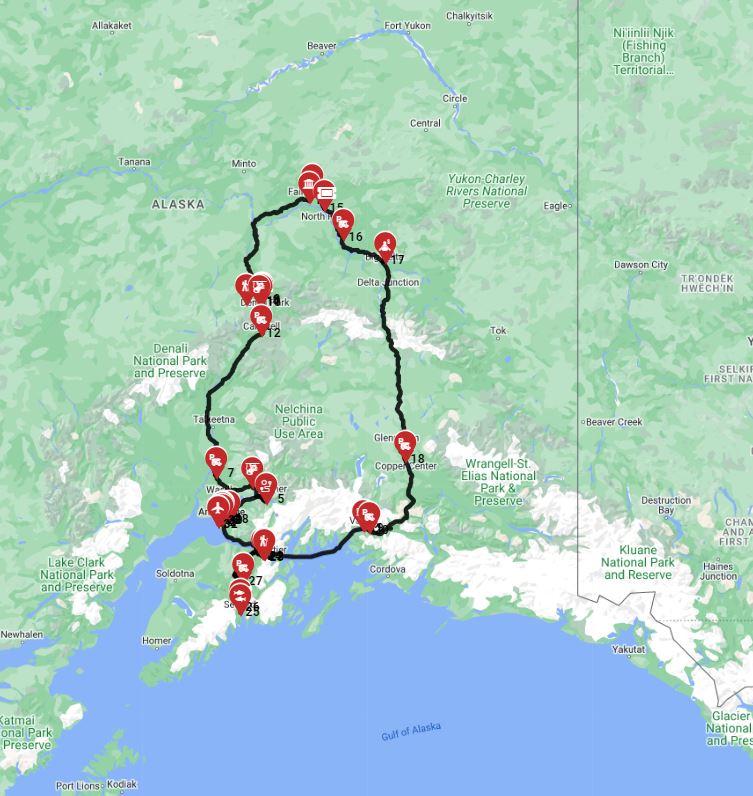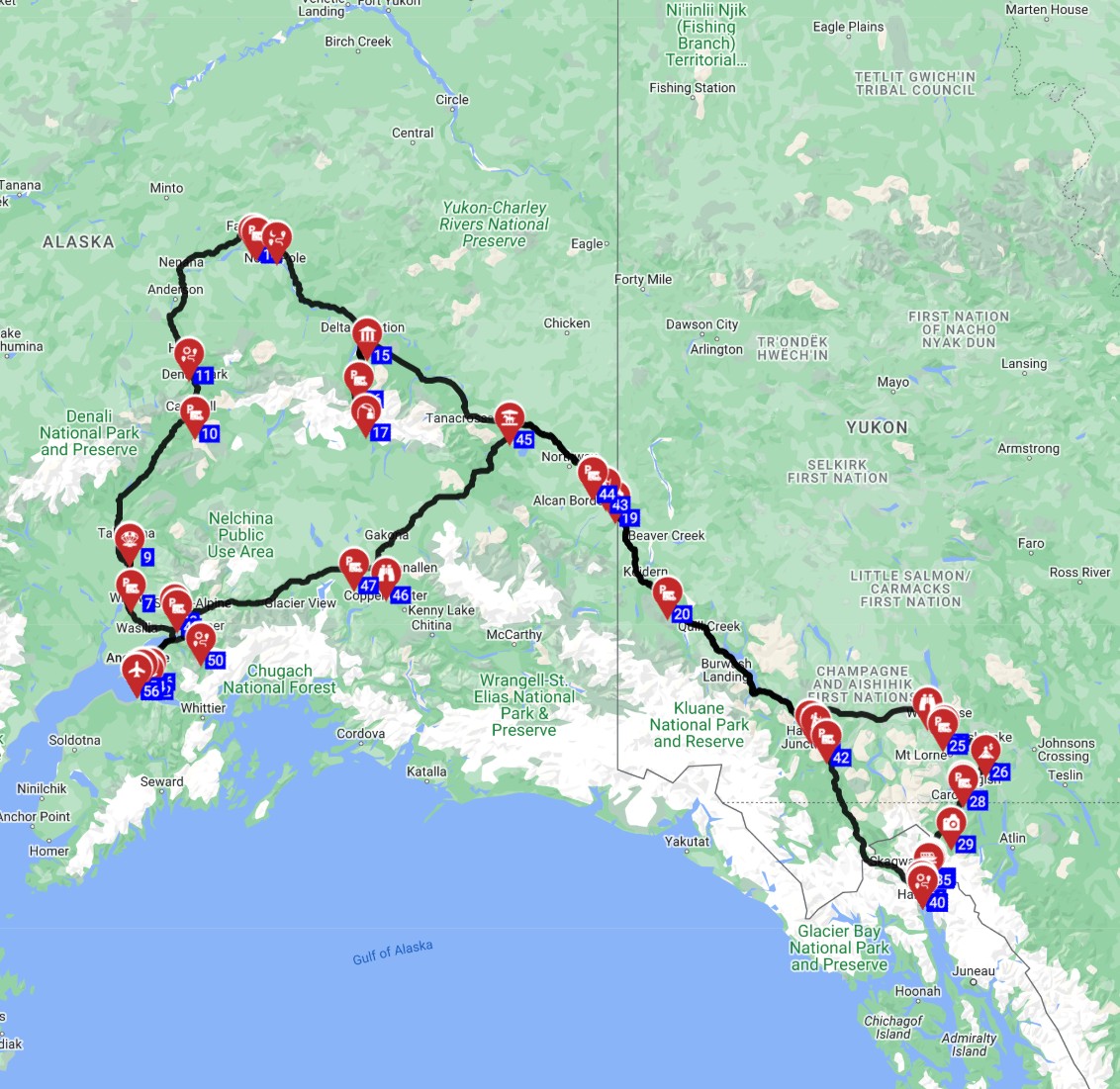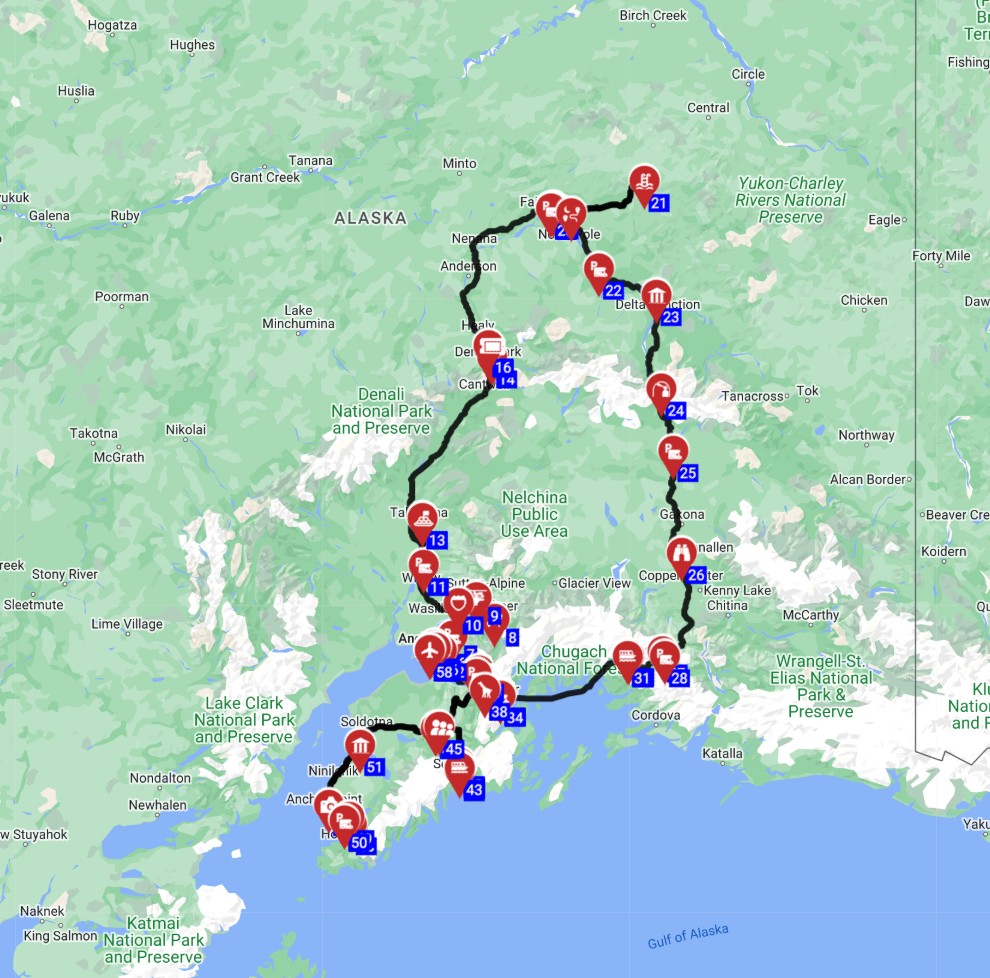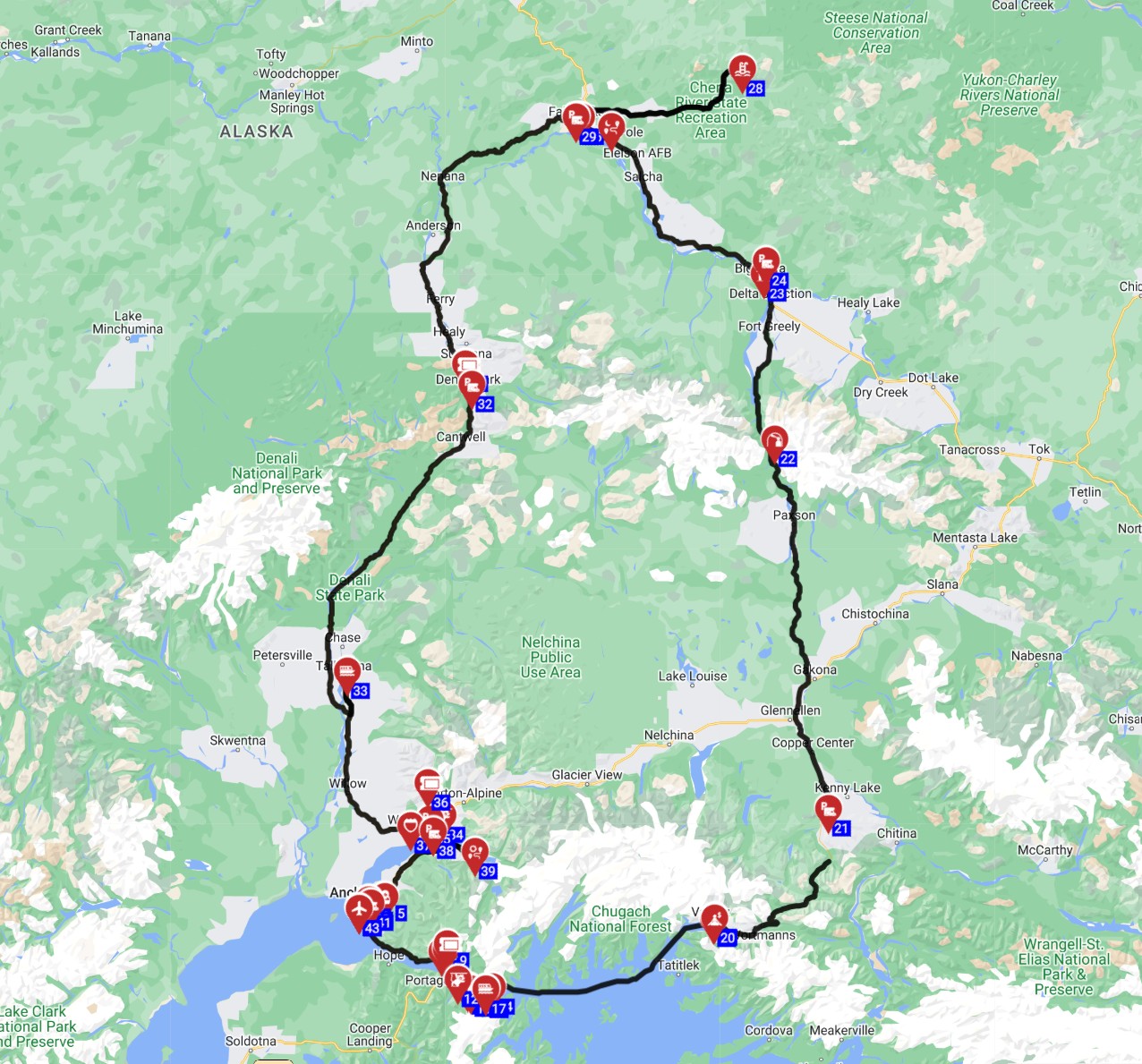
For live availability and current prices, start with our RV Rental Anchorage - Complete Guide 2026 guide.
In This Guide
- Can You Drive an RV in Anchorage? License & Age Rules
- Road Conditions & Terrain in Anchorage
- RV Size Limits, Bridges & Restricted Zones
- Fuel: Diesel vs. Petrol & Cost per 100 km
- Tolls, Vignettes & Border Rules
- Driving Tips for Family RV Rental Travelers
- Recommended RV Class for Anchorage Roads
- Should I Choose a Compact Van Instead of a Large RV in Anchorage?
- Can I Park Anywhere? Free & Wild Camping Rules in Anchorage
- Can I Drive an RV Into the City Center? Heights, Tunnels & Local Signage
Exploring Anchorage and the stunning Alaskan wilderness with your family in a rented motorhome is an unparalleled adventure. As true RV specialists, we at Bandana RV understand that planning your trip involves more than just picking a vehicle; it's about confidently navigating the routes and experiencing the destination. With our full transparency and commitment to no hidden fees, you can focus on the excitement of the journey. For live availability and current prices, start with our RV Rental Anchorage - Complete Guide 2024 guide, which offers comprehensive information to help you compare final prices across 50+ suppliers so you don't have to.
Can You Drive an RV in Anchorage? License & Age Rules
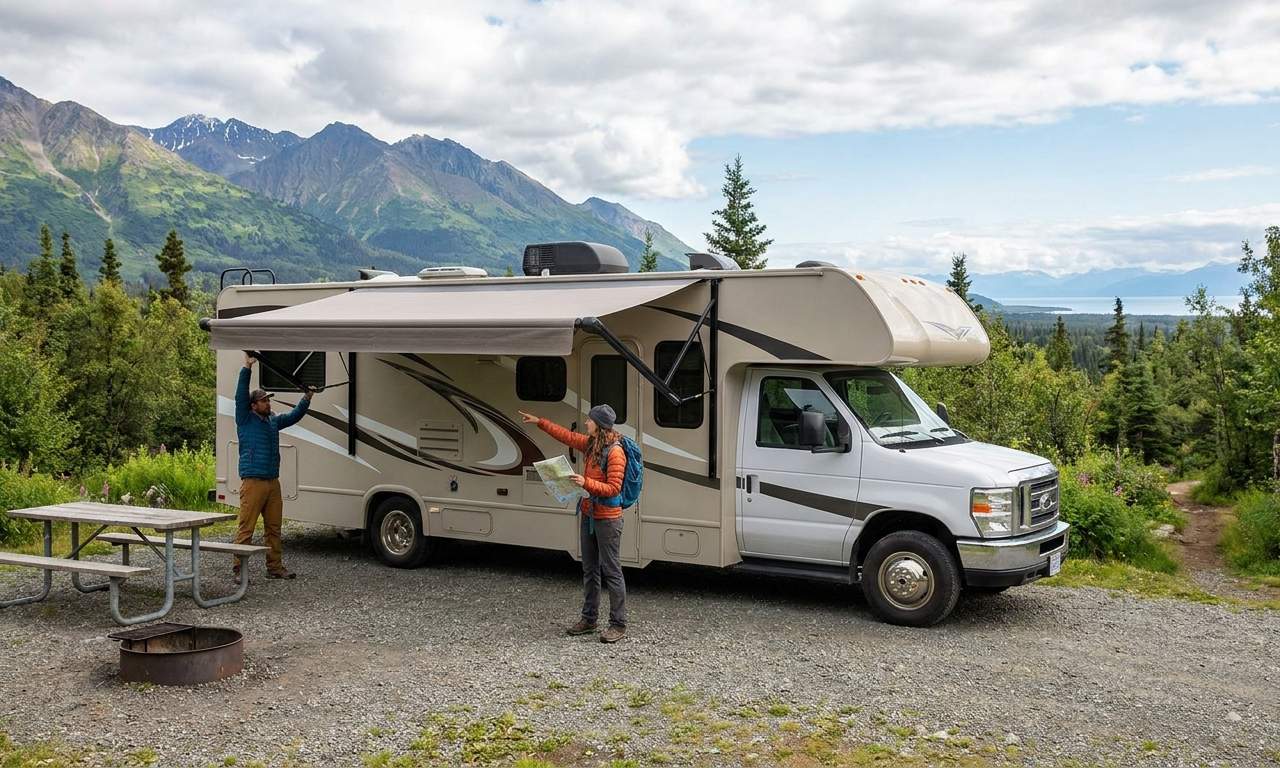
Yes, you can absolutely drive a rented RV in Anchorage with a standard driver's license. In Anchorage and throughout Alaska, a typical Class D driver's license is sufficient for operating most recreational vehicles, provided the RV's gross vehicle weight rating (GVWR) is under 26,001 pounds (11,793 kg). The minimum driver age for an RV rental in Anchorage is 21 years, with no young driver surcharges or vehicle class restrictions based on age, making it accessible for a wide range of travelers. Foreign drivers can legally operate an RV in Alaska with a valid driver's license from their home country, though an International Driving Permit (IDP) is recommended for non-English licenses to avoid potential communication issues during traffic stops, and is valid for up to 90 days of driving.
We believe in straightforward information, which is why Bandana RV ensures you have all the facts upfront, including about licensing. Understanding these rules is a key part of our Rent&Plan philosophy, ensuring you travel with peace of mind. For those looking into specific itineraries and detailed planning, check out the "RV Travel Guide to Anchorage - Tips and Top Spots 2024" for expert advice.
Road Conditions & Terrain in Anchorage
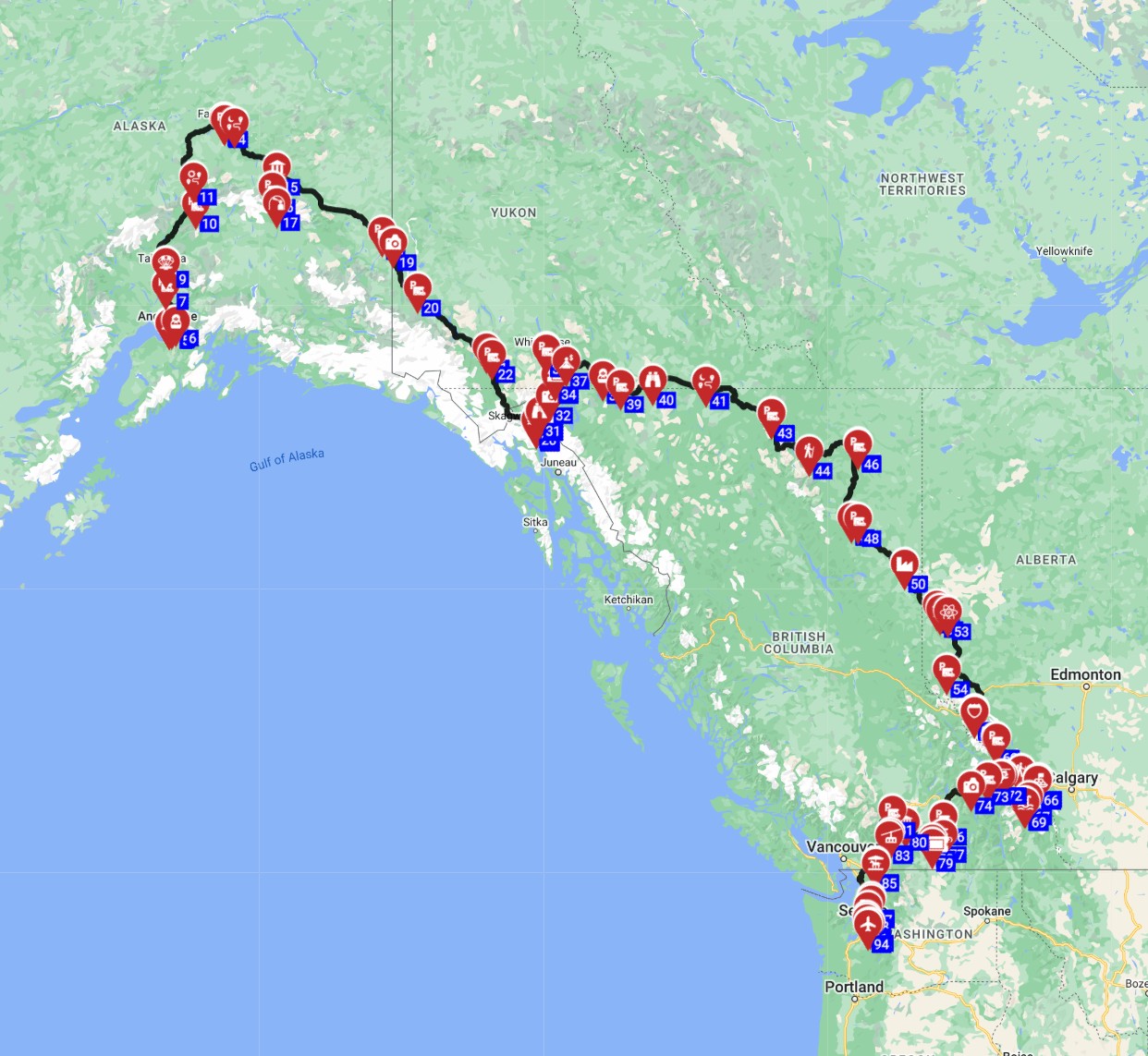
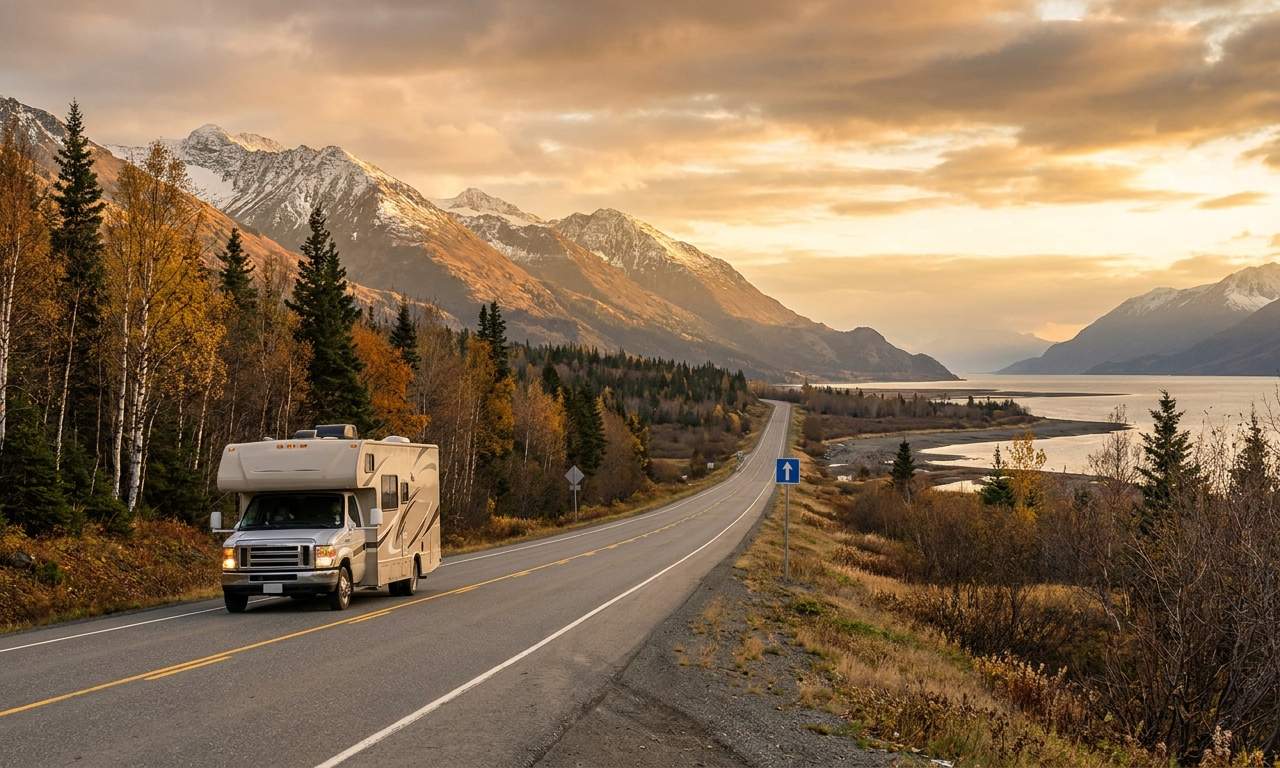
Road quality around Anchorage offers a mix of well-maintained major highways and adventurous rural routes. Major thoroughfares such as the Glenn Highway, leading northeast, and the Seward Highway, stretching south towards the Kenai Peninsula, are paved and generally in good condition. However, rural routes and roads to popular destinations or scenic overlooks in the vast Alaskan landscape may involve gravel sections. Anchorage's diverse terrain transitions from urban areas to mountainous and coastal regions, so drivers should be prepared for winding roads, ascents, and descents, particularly on breathtaking scenic routes like the Turnagain Arm stretch of the Seward Highway.
🎬 Video coming soon
Alaska is famously known for frost heaves, which are significant bumps and uneven surfaces created by the freezing and thawing of groundwater. These can appear on paved roads and necessitate slower speeds and increased caution, especially for larger motorhomes. Furthermore, long stretches without services are common outside urban areas; therefore, planning your fuel stops, provisions, and fresh water carefully is essential. Remember to travel slowly, aiming for an average of no more than 100-150 km per day, to truly absorb the stunning Alaskan scenery and allow for unexpected road conditions. If you're wondering about costs, our "RV Rental in Anchorage - Prices and Best Deals 2024" article has more details on what to expect.
RV Size Limits, Bridges & Restricted Zones
Alaska generally does not impose restrictive height or weight limits that would impede typical family RVs on its main routes. Most standard bridges and overpasses in the Anchorage area and along major highways are designed to accommodate large motorhomes and campervans without issue. For instance, you won't find unexpected low bridges on the drive from Anchorage International Airport (ANC) along the Glenn Highway. However, it is always a wise practice to observe posted signage for specific bridges, tunnels, or park roads, as some smaller, older routes or specific camping loops within national or state parks might have vehicle length restrictions. Environmental zones are not typically a concern for recreational RVs in Alaska.
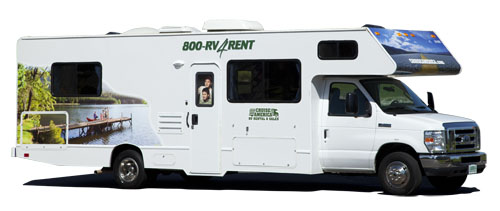
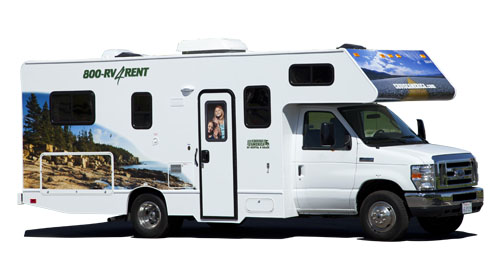
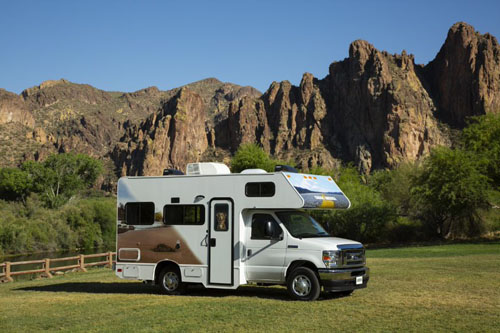
Choosing the right size of rented RV is key for comfort and ease of driving. For example, a Class C - Alcove motorhome, like an 'rv rentals example Comfort Class' which is ideal for a family of 2+2, offers ample space while still being manageable on Alaskan roads. Our team of true RV specialists can guide you through the options, ensuring full transparency about vehicle capabilities for your planned adventures.
Fuel: Diesel vs. Petrol & Cost per 100 km
Both diesel and petrol (gasoline) are widely available in Anchorage and along major Alaskan highways, though you'll find fewer stations in very remote areas, making careful planning essential. Many of Bandana RV's Class C - Alcove motorhomes, which average 7.8m in length with 5.8 sleeping places, are petrol-powered. These RVs typically consume between 23-30L/100km. For example, if petrol costs $1.50/L, driving 100 km would cost approximately $34.50-$45.00. Class B - Camper Vans, like the 'hire campervan example Paradise S/T' (averaging 6m in length with 2.6 sleeping places), are generally more fuel-efficient, consuming around 13-19.5L/100km, which would cost $19.50-$29.25 per 100 km at the same price.
Fuel prices in Alaska can be higher than in the Lower 48 states due to transportation costs, so budgeting for this is important. We recommend filling up when you see opportunities, especially before heading into sparsely populated regions. On RV PLANET routes, you can itemize and track every expense along the way for easy budgeting, helping you manage these ancillary costs effectively. For further details on overall trip expenses, refer to our "Cheap RV Rental in Anchorage - Budget Guide 2024". On the routes offered through RV PLANET routes, you can itemize and track every expense along the way for easy budgeting.
Tolls, Vignettes & Border Rules
Alaska stands out because it does not utilize tolls or vignettes on its public roads, making RV travel straightforward without the need for special passes or fees. This simplifies budgeting and route planning, as you won't encounter unexpected charges on state highways or bridges around Anchorage. There are also no immediate neighboring countries for land border crossings directly from Anchorage, as it is deep within Alaska. If your multi-week adventure takes you towards Canada, crossing into Canadian territory would require all occupants to have appropriate travel documents, including valid passports and any necessary visas. It is always best to check current travel requirements for Canada well in advance of your trip, as Bandana RV focuses on providing pre-booking and booking support.
Driving Tips for Family RV Rental Travelers
Driving a rented family RV in Anchorage and throughout Alaska offers breathtaking views, but it also requires mindful navigation. We always recommend planning frequent stops, especially with family. Aim for breaks every 2-3 hours for stretching, snacks, and restroom use, taking advantage of numerous scenic pull-offs and rest areas. Always be vigilant for wildlife, particularly moose, bears, and caribou, which can appear suddenly on roads near Anchorage and on highways like the Seward Highway. Reduce your speed, especially at dawn and dusk, when animals are most active. Carrying an emergency kit and knowing your roadside assistance plan is crucial, as services can be extremely limited in vast stretches of Alaska.
Alaska's roads, with their unique challenges like frost heaves and winding sections, demand a slower, more deliberate driving style than typical highways; embrace the scenic pace and remember our recommendation for slow travel, max 100-150 km per day. Always depart with a full tank of fuel and sufficient fresh water, especially when venturing to remote areas, as stations and dump sites can be far apart. Preparing meals on the go in your RV's kitchen can be a joy; find inspiration with our RV-friendly recipes playlist. And remember, a standard car driver's license is sufficient for all motorhome classes you'll find in Alaska. No need for a special license or CDL.
Recommended RV Class for Anchorage Roads
For family RV rentals in Anchorage, Class C - Alcove motorhomes are highly recommended. These vehicles strike an excellent balance between spacious amenities and manageable driving size for Alaskan roads. For instance, a typical Class C - Alcove is around 7.8m in length and comfortably sleeps 5-6 people, making it perfect for families. Models like the '24' Class C Motorhome' (length 7.46m, sleeps 5) or '29' Class C Motorhome' (length 8.84m, sleeps 7) offer ample living space and are still very practical for navigating both highways and most campground spots.
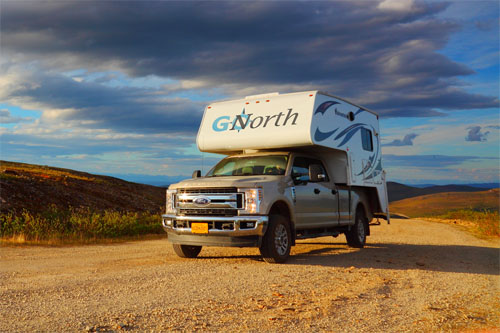
Alternatively, Class TC - Truck Campers, like a '4x4 Truck Camper Gold' (average 6m in length) are an excellent choice for smaller families or couples seeking more maneuverability, particularly on gravel roads or access routes to remote trails, offering a rugged, go-anywhere feel. While Class A - Integrated motorhomes (averaging 9.1m) offer spacious luxury, their larger footprint may be less ideal for some tighter campground spots or very remote, unpaved routes, but they are perfectly suitable for main highways and established state park campgrounds. Ultimately, your choice should align with your family's size and comfort preferences, as well as your intended route. We, as true RV specialists, help you find the best fit.
Should I Choose a Compact Van Instead of a Large RV in Anchorage?
Generally, there is no issue driving any RV size in Anchorage or on major Alaskan routes, so for a family, the comfort and indoor space of a larger RV often outweigh the minor maneuverability advantages of a compact van. A spacious Class C or Class A motorhome provides separate sleeping areas, a full kitchen, and a bathroom, which are significant comforts for an extended family road trip through Alaska. Consider the 'rv rentals utah example Sunrise Escape' (length 7.6m, sleeps 5) for a comfortable family option.
A compact Class B - Camper Van, averaging 6.1m in length (like the '2 Berth Hi Top' model), might genuinely help for navigating unpaved, narrower access roads to certain trailheads or very tight, primitive campsites, as well as for easier parking in crowded urban areas like downtown Anchorage. However, for a week-long trip or longer with a family, a larger RV like a Class C - Alcove provides significantly more living space, sleeping capacity, kitchen facilities, and storage, which are often better trade-offs for Alaskan adventures where amenities are greatly appreciated after a day of exploring. If maximum agility for spontaneous detours to truly off-the-beaten-path locations is your top priority, a compact van is suitable, but for general family comfort and amenities, a larger RV is usually preferred and perfectly manageable.
Can I Park Anywhere? Free & Wild Camping Rules in Anchorage
In and around Anchorage, designated campgrounds are the primary and most reliable locations for overnight RV parking. This includes popular municipal campgrounds like Russian River Campground and state park campgrounds such as Eagle River Campground, which offer a range of amenities. While wild camping, also known as dispersed camping, is generally permitted on Bureau of Land Management (BLM) lands across Alaska, it's crucial to adhere to Leave No Trace principles and be aware of specific local regulations. These areas are typically outside developed zones and require self-sufficiency.
It is typically not permitted to park and sleep overnight in a rented RV on city streets, in most public parking lots, or on private property without explicit permission in Anchorage. Always look for signage indicating "No Overnight Parking" or "No Camping." Rules vary significantly by region and land ownership, so always check local regulations and follow local law before parking overnight, especially within specific city limits, state parks, or national parks. Many national and state parks reserve only 25-30% of their spots, with the rest available first-come-first-serve, so you will find a spot. If not at the first campground, then the next one; always call ahead before driving. For finding campsites and campgrounds during your trip, we recommend using RV PLANET (rvplan.net) - a great resource for locating available spots along your route and planning your itinerary.
Can I Drive an RV Into the City Center? Heights, Tunnels & Local Signage
Yes, you can almost always drive a rented RV into the city center of Anchorage without encountering significant height or tunnel restrictions. The city's infrastructure is generally accommodating for standard motorhome sizes. While general driving around downtown Anchorage is usually fine, finding suitable parking for a large RV can be challenging. It's best to look for designated oversized vehicle parking or peripheral lots, or plan to park your RV at a nearby campground and use local transportation like Anchorage's bus system or ride-sharing services to explore the urban core. For specific parking needs, calling local visitor centers is a good strategy.
Always pay close attention to local signage, particularly for height limits on parking garages (which RVs typically cannot enter), one-way streets, or residents-only parking zones. Anchorage does not have environmental zones that restrict RV access based on emissions, simplifying city navigation. Remember, driving slowly and carefully, and using common sense and paying attention, will allow you to drive almost anywhere in Anchorage without issues, no matter the size of your motorhome. This transparency is part of our commitment at Bandana RV, ensuring no surprises.
What You Shouldn't Miss
- Explore Chugach State Park: Drive a rented campervan along the winding roads of Chugach State Park, just outside Anchorage, and discover hiking trails like the popular Flattop Mountain Trail for panoramic views of the city and surrounding wilderness.
- Visit the Alaska Wildlife Conservation Center: A short drive south on the Seward Highway, this accredited sanctuary offers guaranteed sightings of Alaskan wildlife in large enclosures, perfect for families to learn about moose, bears, and more.
- Journey to Matanuska Glacier: Take your motorhome on a scenic drive northeast along the Glenn Highway to the Matanuska Glacier, North America's largest glacier accessible by road. Consider a guided ice-trekking tour for an unforgettable experience.
- Discover Girdwood and Alyeska Resort: Drive your RV south along the Turnagain Arm on the Seward Highway to the charming town of Girdwood. Enjoy the Alyeska Resort's aerial tram for stunning mountain and glacier views, or explore local shops and eateries.
- Portage Valley & Begich Boggs Visitor Center: Continue past Girdwood into Portage Valley to see multiple glaciers and the informative Begich Boggs Visitor Center. This area is rich with short hiking opportunities and scenic pull-offs for your rented motorhome.
- Anchorage Museum at Rasmuson Center: Immerse your family in Alaskan history, art, and culture at the Anchorage Museum, located downtown. Its diverse exhibits offer a great indoor activity for any weather.
Looking for expert insights from Avi Bandana? Top 5 Adventures - recommendations from Avi Bandana
Final Thoughts
Driving a family RV through Anchorage and the vast, wild beauty of Alaska is an adventure that promises unforgettable memories. From navigating diverse terrain to spotting urban moose, every mile offers a new discovery. By keeping these driving tips in mind, choosing the right motorhome, and embracing the slow travel philosophy, you and your family are set for an incredible journey.
At Bandana RV, we're dedicated to making your RV rental experience in Anchorage as smooth and enjoyable as possible. With our transparent pricing, expert planning resources like RV PLANET, and committed support, you can embark on your Alaskan adventure with complete confidence. Let us help you find the perfect family RV and prepare for the road ahead, where every turn reveals a new wonder.
Find Motorhome Rentals in Anchorage