In This Guide
- Can You Drive an RV in Africa? License & Age Rules
- Road Conditions & Terrain in Africa
- RV Size Limits, Bridges & Restricted Zones
- Fuel: Diesel vs. Petrol & Cost per 100 km
- Tolls, Vignettes & Border Rules
- Driving Tips for family rv rental Travelers
- Recommended RV Class for Africa Roads
- Should I Choose a Compact Van Instead of a Large RV in Africa?
- Can I Park Anywhere? Free & Wild Camping Rules in Africa
- Can I Drive an RV Into the City Center? Heights, Tunnels & Local Signage
- Can I drive in South Africa with a US driver's license?
- Which countries are RV friendly?
- How many people can you have in an RV while driving?
- What is the largest RV you can drive without a special license?
- Is it safe to drive through Africa?
- Can your family ride in an RV while it drives?
- Can I drive an American RV with a car license in the UK?
- Can a foreigner get a South African license?
Africa offers an unparalleled adventure for families seeking to explore diverse landscapes and incredible wildlife from the comfort of a rented motorhome or campervan. Imagine waking up to the sounds of the bush, with a freshly brewed coffee in hand, ready for a day of discovery. Planning a family RV trip across this vast continent requires some specialized knowledge, and that's exactly what we at Bandana RV specialize in. For live availability and current prices, start with our RV Rental Africa - Complete Guide 2026 guide, your go-to resource for a successful journey.
Can You Drive an RV in Africa? License & Age Rules
Yes, you can absolutely drive a rented RV in most African countries with the proper documentation. A valid foreign driver's license, often accompanied by an International Driving Permit (IDP), is generally required for driving an RV in most African countries for short-term visits. Drivers must typically be at least 21 years old for most rental motorhomes and campervans, with no young driver surcharges for any vehicle class, making it accessible for a wide range of adventurous families. Standard B-category licenses usually cover RVs up to 3,500 kg (7,700 lbs) Gross Vehicle Mass (GVM), which includes the majority of Class B campervans, Class C alcove motorhomes, and Class SI semi-integrated models available for rental. Insurance for foreign drivers and cross-border vehicle permits are crucial and should be arranged in advance through your rental provider for full peace of mind. We pride ourselves on full transparency, ensuring no hidden fees or surprises when it comes to vital travel requirements like these.
Road Conditions & Terrain in Africa
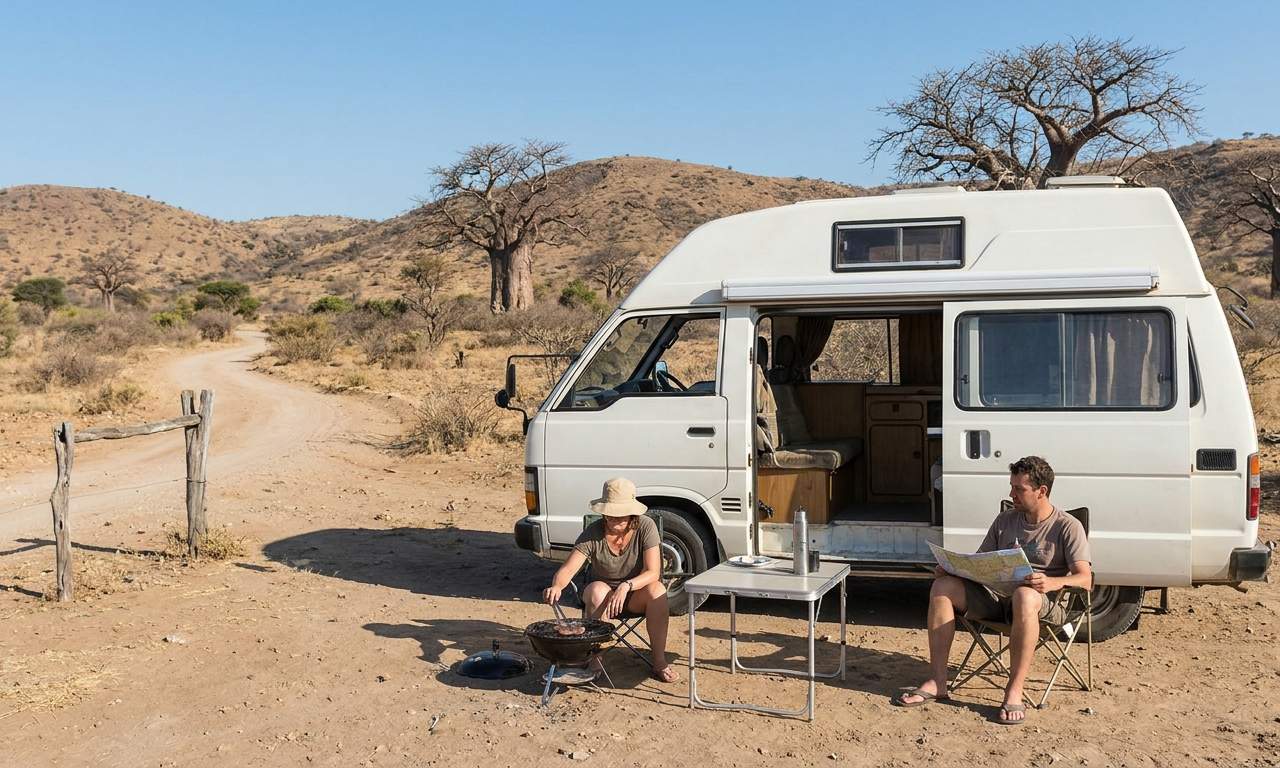
African road conditions vary dramatically, providing a dynamic driving experience. You can expect anything from well-maintained highways in major urban areas and popular tourist routes to corrugated gravel roads, sand tracks, and unpaved routes in rural and game reserve areas. Tar roads are common between major cities, particularly in Southern Africa (e.g., Namibia and South Africa), but expect occasional potholes, particularly after rainy seasons. Driving a rented RV in Africa often involves diverse terrain, including mountain passes, long stretches of flat desert, and potential water crossings, necessitating careful navigation and slower speeds. For a family RV rental adventure, planning for slow, scenic driving with frequent stops every 2-3 hours is highly advisable to manage varying road conditions and truly immerse yourselves in the journey. Remember, travel slowly, max 100-150 km per day on average, to take time to feel the place, connect to the culture, the food, and the scenery.
RV Size Limits, Bridges & Restricted Zones
While explicit height or weight restrictions for rented RVs are less common on major African routes compared to some European cities, drivers must remain vigilant for low bridges, especially on older infrastructure or rural roads. Environmental zones are not widely implemented for motorhomes or campervans in Africa, but certain national parks or protected areas may have vehicle restrictions based on size or type, particularly concerning 4x4 requirements in deep safari areas. Ferry limits, if applicable for specific routes (e.g., across lakes or rivers in countries like Tanzania or Uganda), will often prioritize smaller vehicles; larger RVs should confirm capacity and booking well in advance. Always pay attention to local signage, especially in towns and near river crossings, which might indicate weight or height limitations for your rented mobile home.
Fuel: Diesel vs. Petrol & Cost per 100 km
Most RVs available for rent in Africa, including Bandana's diverse fleet, run on diesel fuel, which is generally more widely available in remote areas than petrol. For instance, our Class SI - Semi-integrated RVs typically consume 10-11 Liters/100 km, while Class C - Alcove RVs average 10-12 Liters/100 km. You might find specific models like the MC 4-69 and MC 4-32 in South Africa averaging 12 liters per 100 km. Fuel costs in Africa can fluctuate significantly by country and region; budgeting for 10-15 Liters/100 km and checking current local prices is essential for trip planning. Always refuel whenever possible in remote areas, as distances between stations can be vast. For budgeting and tracking all ancillary costs, RV PLANET routes allow travelers to itemize every expense, helping you manage your adventure without surprises. On the routes offered through RV PLANET routes, you can itemize and track every expense along the way for easy budgeting.
Tolls, Vignettes & Border Rules
Tolls are common on major highways in countries like South Africa, typically paid at toll gates with cash or card; vignettes (pre-paid road tax stickers) are not a prevalent system for rented RVs in Africa. For cross-border travel within Southern Africa, expect varying procedures including vehicle inspection, passport checks, and potential fees for temporary import permits for the RV. It's crucial to ensure all vehicle documentation, such as registration, insurance papers, rental agreement, and a letter of authorization from the rental company, is readily accessible for border officials. Bandana's rental motorhomes do not typically come with pre-purchased toll passes for Africa, so drivers should plan to pay tolls directly at the booths.
Driving Tips for family rv rental Travelers
Planning your daily distances carefully is paramount, especially when traveling with children, so incorporate frequent stops every 2-3 hours for breaks, stretching, and snacks. Always drive defensively, anticipate unexpected road hazards like pedestrians, livestock, and unannounced speed bumps, and maintain a safe following distance. Prioritize secure parking for overnight stays, opting for established campsites, guarded parking lots, or lodges, especially in urban areas. For families, consider a rented RV with an automatic transmission for easier driving, and ensure all occupants are buckled in properly with appropriate car seats for younger children, making safety a top priority. Our extensive network of direct partnerships with 50+ leading RV suppliers worldwide, including trusted names like Apollo and Britz, means we can help you find a vehicle that perfectly suits your family's needs for safety and comfort.
Recommended RV Class for Africa Roads
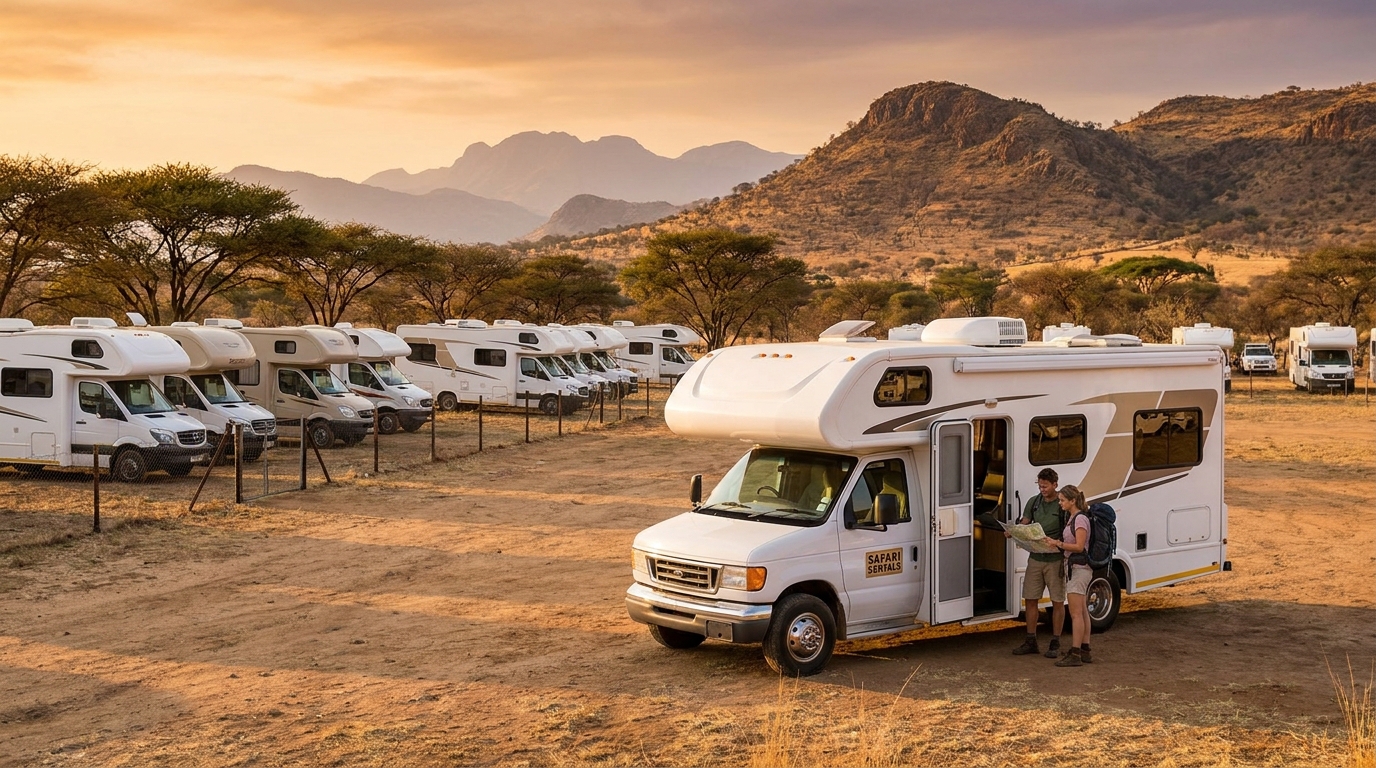
For diverse African roads and a comfortable family experience, Class SI - Semi-integrated and Class C - Alcove RVs are generally recommended, offering a good balance of comfort and capability. Class SI - Semi-integrated RVs, with an average length of 6.9 meters and sleeping 3-4 people (like the "2 Berth Tamar" or "2 Berth Rover"), provide easier maneuverability without sacrificing essential family space. Class C - Alcove RVs, averaging 7.5 meters in length and sleeping 5-6 people (like the "29′ Class C Motorhome" or "6 Berth Deluxe"), are ideal for larger families, offering more interior space and often higher ground clearance (though not explicitly a 4x4 for off-roading). While specific 4x4 campers are available for more rugged adventures, standard Class C or SI models are generally sufficient for main routes and well-maintained gravel roads in popular RV destinations like South Africa and Namibia. When comparing different rental options, explore "RV Rental in Africa - Prices and Best Deals 2026" to find a suitable vehicle for your family's needs.
Should I Choose a Compact Van Instead of a Large RV in Africa?
For most family RV travel in Africa, a larger motorhome or campervan generally offers superior comfort and indoor space, which often outweighs the slight maneuverability advantage of a compact van on main routes. While compact campervans (like Bandana's Class B - Camper Van, averaging 5.8m in length, such as the "2 Berth Hi Top" or "Active Standard") are easier to navigate in tight city centers or narrow mountain passes, most RV-friendly African destinations have adequate infrastructure for larger vehicles. The added living space, dedicated beds, and amenities of a Class C - Alcove or Class SI - Semi-integrated RV significantly enhance the family travel experience, especially during inclement weather or extended stays. A compact van might be genuinely helpful for adventurous couples or small families prioritizing extreme off-road capability where large RVs cannot go, but for typical family RV tourism, bigger is often better for comfort and convenience.
Can I Park Anywhere? Free & Wild Camping Rules in Africa
Free or wild camping is generally discouraged and often illegal in most parts of Africa due to safety concerns, land ownership, and conservation regulations. In Southern Africa, particularly in popular tourist regions like Namibia and South Africa, designated campsites in national parks, private reserves, and commercial caravan parks are widely available and highly recommended for safety and access to facilities. These official sites offer security, amenities like ablution blocks, and often stunning locations, catering specifically to motorhome and campervan travelers. Rules vary by region, so always check local regulations and follow local law before parking overnight; never assume an unmarked spot is suitable for wild camping. For finding campsites and campgrounds during your trip, we recommend using RV PLANET (rvplan.net) - a great resource for locating available spots along your route.
Can I Drive an RV Into the City Center? Heights, Tunnels & Local Signage
Yes, you can generally drive a rented RV into city centers in Africa, particularly in larger cities where roads are built to accommodate commercial vehicles. Drive slowly and carefully, and you can drive almost anywhere without issues. No need to stress - just use common sense and pay attention. Always pay close attention to local signage, which will indicate height limits for tunnels, low bridges, or covered parking garages, as well as any environmental zones or residents-only streets. In cities like Cape Town or Johannesburg, major roads are typically accessible, but smaller, historic areas might present challenges for larger RVs; research specific routes if planning to explore very old or congested districts. Look out for signs denoting parking restrictions; while street parking for motorhomes might be limited, designated parking lots on the city outskirts or at attractions are often available.
Can I drive in South Africa with a US driver's license?
Yes, a valid US driver's license is accepted for driving a rented RV in South Africa, but it must be accompanied by an International Driving Permit (IDP) translated into English. The IDP acts as an official translation of your domestic license and is required by South African law for foreign visitors. Ensure your US license is current and that both it and your IDP are carried with you at all times while driving. Rental companies in South Africa will typically require both your valid US license and your IDP before releasing an RV for your journey.
Which countries are RV friendly?
South Africa and Namibia are widely considered the most RV-friendly countries in Africa, boasting excellent infrastructure for motorhome travel, including well-maintained roads and numerous dedicated campsites. Botswana, particularly its more accessible southern regions and national parks, is also popular for self-drive tours, though often requiring 4x4 equipped campers for deeper exploration. Other countries like Kenya and Tanzania offer RV experiences, but often with a focus on more rugged overland expeditions and fewer traditional RV campsites. The "RV friendliness" of a country in Africa often correlates with its tourism infrastructure, road quality, and the availability of secure overnight parking options.
🎬 Video coming soon
How many people can you have in an RV while driving?
The number of people allowed in a rented RV while driving is dictated by the number of legally fitted and functional seatbelts in the vehicle. Bandana's Class C - Alcove RVs typically have 4-6 seatbelts (e.g. "32′ Class C Motorhome"), while Class SI - Semi-integrated models usually accommodate 3-4 people with seatbelts (e.g. "2 Berth Rover"), aligning with their average sleeping capacities. It is illegal and unsafe for anyone to ride in an RV without a seatbelt, or in parts of the vehicle not designed for passenger occupancy during transit (e.g., in beds or bathrooms). When renting, always confirm the exact number of seatbelts provided to ensure all family members can travel safely and legally.
What is the largest RV you can drive without a special license?
In most jurisdictions, including typical African countries like South Africa, a standard car license (Category B or equivalent) allows you to drive a rented RV with a Gross Vehicle Mass (GVM) up to 3,500 kg (7,700 lbs). The majority of common rental motorhomes, such as Bandana's Class SI - Semi-integrated (average length 6.9m) and many Class C - Alcove (average length 7.5m) models, fall within this 3,500 kg limit. Larger, heavier RVs, particularly Class A - Integrated models (though less common for rental in Africa) or very substantial Class C units exceeding 3,500 kg, may require a higher license category (e.g., C1 or C), similar to light truck licenses. Always check the specific GVM of your chosen rental RV and your local licensing authority's regulations to ensure you hold the correct license for your "Luxury RV Rental in Africa - Premium Prices 2026" or any other class.
Is it safe to drive through Africa?
Driving through popular tourist regions of Africa, particularly Southern Africa, can be a safe and incredibly rewarding experience when adhering to responsible travel practices and taking necessary precautions. Key safety measures include thorough route planning, avoiding driving at night, staying on well-trafficked roads, securing valuables, and being aware of your surroundings. For wildlife encounters, maintain safe distances from animals, especially large game, and adhere to national park regulations. Always research specific regional safety advisories, utilize secure campsites for overnight stays, and ensure reliable communication methods (e.g., local SIM card, satellite phone for remote areas). Remember, Bandana RV provides top-level deductible reimbursement as an optional upgrade for extra peace of mind, allowing you to travel confidently.
Can your family ride in an RV while it drives?
Yes, your family can ride safely in a rented RV while it drives, provided everyone occupies a seat with a properly fastened seatbelt. It is illegal and extremely dangerous for passengers to be in sleeping areas, standing, or otherwise unsecured while the RV is in motion. Ensure infants and young children are in appropriate car seats or booster seats, securely anchored according to safety standards. Plan for comfort by having snacks, drinks, and entertainment accessible, but always prioritize safety by ensuring everyone is buckled in for the entire journey.
Can I drive an American RV with a car license in the UK?
While this question specifically pertains to driving an American RV in the UK, it is not directly relevant to family RV rental in Africa, where licensing requirements differ. However, applying the general principle, driving a rented RV in any foreign country, including African nations, requires adherence to that country's specific licensing laws. In Africa, most standard rental RVs (like Bandana's Class SI or C motorhomes) can be driven with a regular car license, provided the Gross Vehicle Mass (GVM) is under 3,500 kg. Always verify your specific license category against the RV's GVM and the legal requirements of each African country you plan to visit for a smooth trip.
Can a foreigner get a South African license?
A foreigner can apply for a South African driver's license if they hold a valid South African residence permit (e.g., work permit, permanent residency) and meet the eligibility criteria. Tourists or short-term visitors, however, cannot obtain a South African driver's license; they are expected to use their valid foreign license accompanied by an International Driving Permit (IDP). The process for obtaining a South African license as a resident involves theoretical and practical driving tests, similar to local citizens. For a family RV rental trip in Africa, relying on your home country's license and an IDP is the standard and correct procedure.
What You Shouldn't Miss
- Safari in Kruger National Park, South Africa: Witness the "Big Five" from the comfort of your rented motorhome on self-drive routes, staying at well-equipped camps like Skukuza or Lower Sabie.
- Stargazing in Namib-Naukluft National Park, Namibia: Park your campervan near Sossusvlei and marvel at some of the darkest skies on Earth, with incredible views of the Milky Way.
- Garden Route Coastal Drive, South Africa: Traverse this stunning 300-kilometer stretch of diverse landscapes, from forests to lagoons, with plenty of RV parks like those in Knysna or Wilderness.
- Victoria Falls in Zambia/Zimbabwe: Experience the thundering spectacle of one of the world's largest waterfalls, easily accessible with a rented motorhome from nearby towns like Livingstone.
- Okavango Delta Fringe, Botswana: Explore the edges of this unique wetland ecosystem in a sturdy rented RV, with opportunities for mokoro (dugout canoe) trips and abundant birdlife viewing.
Final Thoughts
Embarking on a family RV adventure in Africa is an extraordinary way to create lasting memories, offering unparalleled freedom and flexibility. With the right preparation, a reliable rented motorhome or campervan, and a spirit of adventure, you’re set for an unforgettable journey across breathtaking landscapes and vibrant cultures. Remember to take it slow, soak in the surroundings, and embrace the unique rhythm of African travel.
At Bandana RV, we're with you every step of the way, from comparing final prices across 50+ suppliers to ensuring you have all the information you need for a safe and enjoyable trip. Get inspired for your next trip! Discover top destinations and planning tips, all in one place, and plan a trip itinerary in advance with minimal effort and maximum enjoyment.
Your African RV dream is closer than you think. Find family RV rentals in Africa now and begin planning your ultimate road trip!