In This Guide
- Experience Family RV Camping in Windhoek, Namibia
- Where to Camp in Windhoek - Top Options
- Campground Types in Windhoek (National, Private, Wild)
- Featured RV Park or Campground in Windhoek
- Hookups & Amenities - What to Expect
- Booking Windows & Reservations in Windhoek
- Nearby Supermarkets & Resupply Points
- Best RV Class for Camping in Windhoek
- How to Save on Campgrounds in Windhoek
- How much does an RV trip to Namibia cost for a family?
- What are the road conditions and driving tips for RVs in Namibia?
- Is RV camping safe in Windhoek and Namibia?
- What amenities and services are available for RVs in Namibia?
- What should a family pack for an RV trip to Namibia?
- What You Shouldn't Miss
- Why Book with Bandana Caravan
- Final Thoughts
- Frequently Asked Questions
Experience Family RV Camping in Windhoek, Namibia
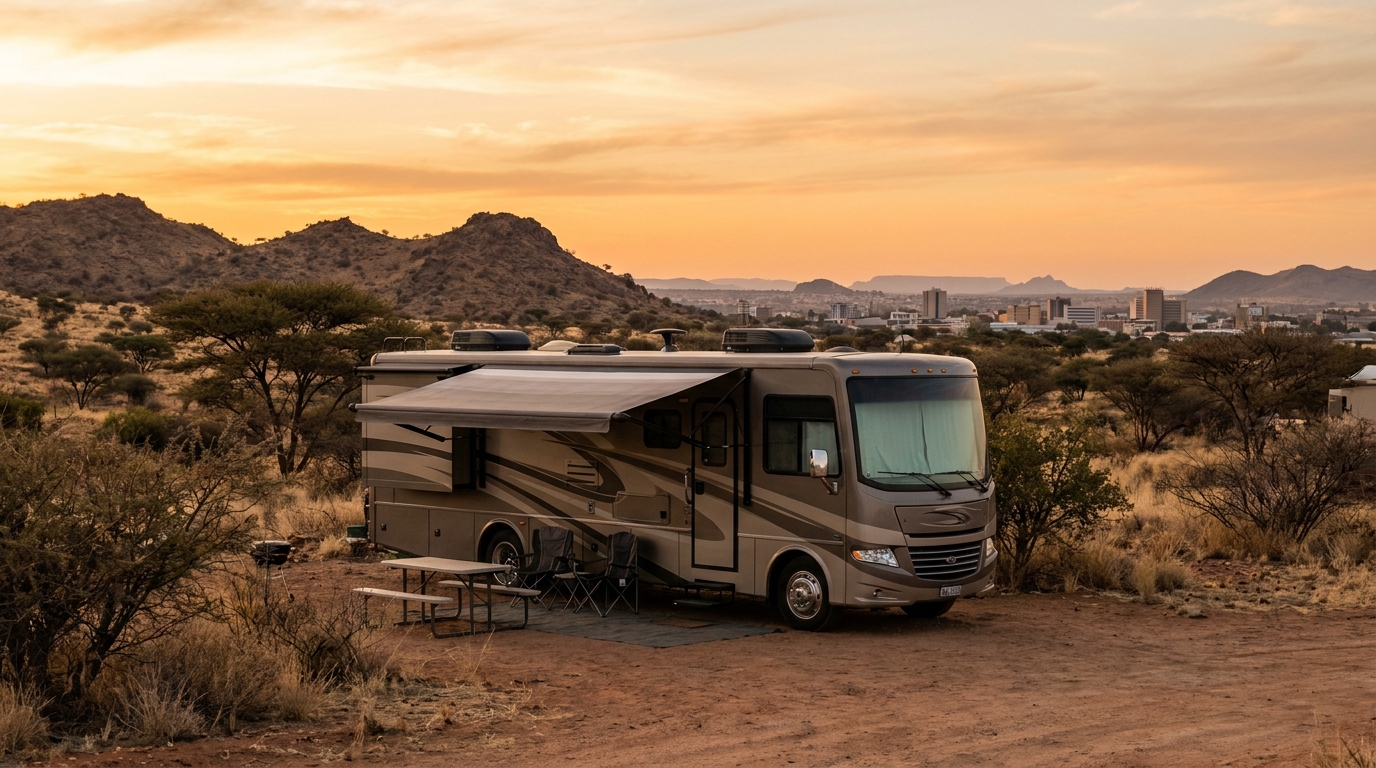
Embarking on a family RV camping adventure in Windhoek, Namibia, promises unforgettable experiences, blending the comfort of a mobile home with the wild beauty of Southern Africa. Windhoek, as the capital, serves as an excellent starting point for exploring Namibia's diverse landscapes, offering convenient access to RV rental services and essential amenities. For live availability and current prices, start with our RV Rental Windhoek - Complete Guide 2026 guide, which provides comprehensive insights into securing your ideal family vehicle. With Bandana RV, you're tapping into over 20 years of expertise, ensuring every detail of your family's journey is meticulously cared for, making your vacation planning smooth and stress-free. Imagine waking up to the sounds of nature, with your family right there, ready to discover a new horizon together.🎬 Video coming soon
Where to Camp in Windhoek - Top Options
Windhoek and its surrounding areas offer a convenient mix of public and private campsites, providing families with easy access to amenities while enjoying Namibia's unique nature. Many family-friendly campgrounds can be found just north or east of the city, typically within a 30-60 minute drive, offering essential facilities and secure environments. These sites often feature dedicated RV pitches, electrical hookups, and clean ablution blocks. For broader context on RV experiences across the country, consider reviewing RV Rental Namibia - Complete Guide 2026.Campground Types in Windhoek (National, Private, Wild)
RV campers in Windhoek and across Namibia can choose between national park campgrounds, private resorts, and limited opportunities for legal wild camping, each offering distinct experiences. National park sites, often managed by Namibia Wildlife Resorts (NWR), provide basic facilities like ablution blocks and water points within breathtaking scenic areas such as Daan Viljoen Game Reserve, located just 24 km west of Windhoek. Private campgrounds, commonly found along major routes like the B1 highway leading out of Windhoek, typically offer more extensive amenities such as pools, restaurants, and reliable electrical hookups (220-240V). Wild camping is generally restricted to designated areas on private land or specific conservancies with prior permission and is not broadly legal or recommended within city limits or public lands without explicit consent, emphasizing the importance of planning for secure overnight stops.Featured RV Park or Campground in Windhoek
When selecting an RV park in Windhoek, families should prioritize locations offering secure facilities, easy access to major roads, and essential amenities for a comfortable stay. A prime example is the facilities at Daan Viljoen Game Reserve, located within a national park just outside the city, providing dedicated RV pitches, potable water, and clean ablution blocks amidst natural scenery. Proximity to supermarkets and local attractions, such as the Grove Mall of Namibia on Frankie Fredericks Street for resupply, can significantly enhance convenience for family trips, allowing you to stock up easily before heading into more remote areas.Hookups & Amenities - What to Expect
RV campgrounds in Windhoek typically offer standard hookups including 220-240V electricity, water, and often grey/black water dump stations, though availability can vary by site, especially at more rustic national park camps. Many private sites, like those outside the main city center near the B6 highway towards Hosea Kutako International Airport, provide additional amenities such as communal ablution blocks with hot showers, laundry facilities, and sometimes limited Wi-Fi access that may require an additional fee. It is advisable for RVers to carry universal adapters for electrical connections and ensure their vehicle can accommodate standard Namibian power outlets.Booking Windows & Reservations in Windhoek
For family RV rentals in Windhoek, it is highly recommended to book popular national park campgrounds and private resorts several months in advance, especially during Namibia's peak season from June to October. While some national parks, like Etosha, might reserve a percentage of spots (often 25-30%) for first-come, first-served arrivals, spontaneous travelers should always call ahead to confirm availability before driving long distances into remote areas. Booking in advance secures your preferred spot and provides peace of mind, though you will almost certainly find a place, if not at the first campground, then at a nearby alternative. We believe in transparency, so you'll always compare final prices across suppliers, with no surprise fees at pickup.Nearby Supermarkets & Resupply Points
Families renting an RV in Windhoek will find numerous supermarkets for resupply, making it easy to stock up on groceries and essentials before heading out. Major chains like Shoprite, Checkers, and Woermann Brock are prevalent throughout Windhoek, with large branches found in shopping centers like Maerua Mall or Wernhil Park in the city center, offering a wide range of products suitable for self-catering RV trips. It is highly advisable to do a major stock-up in Windhoek before venturing into more remote areas of Namibia, such as the road to Sossusvlei or Damaraland, where options for provisions become scarce. Planning your meals and using our RV-friendly recipes playlist can enhance your journey.Best RV Class for Camping in Windhoek
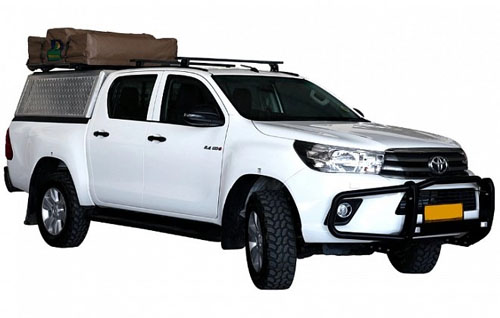
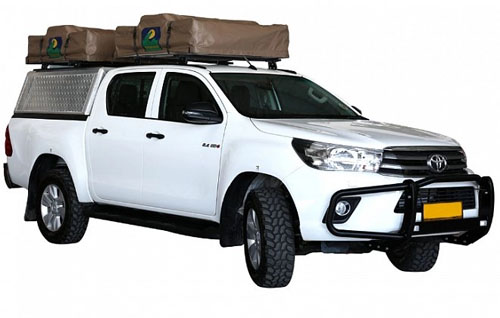
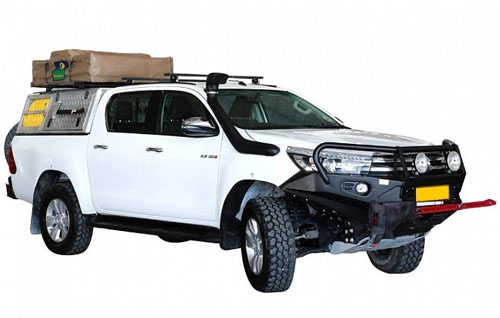
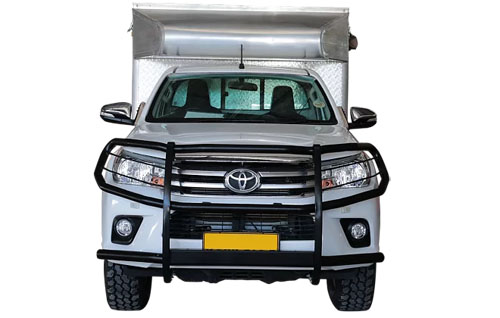
The best RV class for camping in Windhoek and exploring Namibia depends on your family's size and desired level of comfort and ruggedness. For smaller families or couples (averaging 2-3 people) seeking maneuverability and efficiency on diverse roads, Class TC Truck Campers are popular, with an average length of 5.4 meters and fuel consumption around 12 liters per 100 km from Windhoek's fleet. These vehicles, like the Patagonia Camper 4x4 double cab, often include 4-wheel drive, front air conditioning, and a small RV size, ideal for tackling Namibia's varied terrain. Larger families (up to 4 adults and 2 children) might prefer a Class C Alcove RV, which offers more space and sleeping capacity with an average length of 6.7 meters and similar fuel efficiency (12 liters/100km). Models like the 24' Class C Motorhome can sleep up to 5 and include a generator, shower, and toilet, making them perfect for longer trips. These larger motorhomes provide the amenities of a home, including multiple double beds and a fully equipped kitchen. Regardless of your choice, a standard car driver's license is sufficient for all motorhome classes in Namibia.How to Save on Campgrounds in Windhoek
Families can significantly reduce campground costs in Windhoek and Namibia by utilizing discount cards, booking during shoulder seasons, and opting for longer stays. Many RV rental companies, like our partners, may offer campground discount cards that can provide savings at participating sites across Namibia, including some near Windhoek. Choosing municipal or regional campgrounds over private luxury resorts, such as those within government-run game reserves, can be more budget-friendly, with rates often ranging from N$150 to N$300 per night for a family of four, compared to N$400+ at premium private parks. Staying for three or more nights often qualifies for discounted weekly rates, and for groups, sharing hookups or splitting costs at larger sites can further optimize expenses for a more affordable family RV rental in Windhoek.How much does an RV trip to Namibia cost for a family?
The cost of a family RV trip to Namibia typically includes rental fees, fuel, campsite fees, national park permits, and provisioning, all of which vary dynamically based on season and availability. For instance, a one-week family RV rental for 4-6 people during peak season (June-October) might range from $1,000 to $2,500 for the vehicle alone, while a two-week trip could be $2,000 to $4,500. Fuel costs, averaging around 12 liters per 100 km for common RV classes available in Windhoek, will be a significant factor given Namibia's vast distances. National park entrance fees (e.g., N$150 per adult per day, plus N$50 vehicle entry for foreign visitors in 2026) and campsite fees (ranging from N$150-N$400 per night for a family) contribute significantly to the overall budget, making pre-planning crucial. Local provisioning in Windhoek's supermarkets, like Checkers in Maerua Mall, can be cost-effective, and planning meals and buying in bulk helps manage grocery expenses. For detailed budgeting and to itemize every expense along your journey, exploring RV PLANET routes is highly recommended, offering comprehensive itineraries.What are the road conditions and driving tips for RVs in Namibia?
Road conditions in Namibia vary significantly, with major routes like the B1 from Windhoek to Swakopmund being paved, but many scenic and remote areas feature gravel or corrugated roads that require specific RV driving techniques. For challenging terrains, 4x4 capable RVs or truck campers, such as the "Patagonia Camper 4x4 double cab" mentioned previously, are often recommended for their robustness and higher ground clearance. When driving a rented RV on gravel roads, it's crucial to reduce speed to about 60-80 km/h, maintain a safe following distance to avoid dust and flying stones, and be vigilant for common hazards like sand patches, potholes, and unexpected wildlife that can appear even during the day. Drive slowly and carefully, and you can drive almost anywhere without issues. No need to stress - just use common sense and pay attention. Regular tire checks and carrying essential recovery gear, such as a spare tire, jack, and basic tools, are crucial for family safety and self-sufficiency. Remember, travel slowly, max 100-150 km per day on average, to truly connect with the scenery.Is RV camping safe in Windhoek and Namibia?
RV camping in Windhoek and across Namibia is generally safe, especially within established campgrounds and national parks, but requires adherence to specific safety protocols to ensure a worry-free family adventure. To enhance personal security, always lock your rented RV, avoid driving at night due to increased wildlife activity and poor visibility, and be aware of your surroundings in urban areas like central Windhoek. When encountering wildlife on roads or at campsites, such as in Daan Viljoen Game Reserve, maintain a respectful distance and never feed animals. For navigating remote areas, inform someone of your itinerary, carry emergency communication devices (like a local SIM for mobile coverage in populated areas or a satellite phone for truly remote spots), and ensure your RV is well-equipped for self-sufficiency. You can upgrade to a top-level deductible for extra peace of mind during your trip.What amenities and services are available for RVs in Namibia?
RV travelers in Namibia can find essential amenities and services, though availability decreases significantly in remote regions, necessitating careful planning before departing Windhoek. In Windhoek and larger towns like Swakopmund, finding dump stations, water refill points, and propane (LPG) gas is relatively straightforward at major petrol stations along the B1 or dedicated service centers. Connectivity, including mobile signal (mostly MTC or Telecom Namibia) and internet access, is generally reliable in urban centers and along major routes but becomes sporadic or nonexistent in very remote areas of Namibia. Carrying a local SIM card or a portable satellite communication device is recommended for maintaining emergency communication in remote Namibian regions. For detailed route plans and points of interest, consider our Rent&Plan service.What should a family pack for an RV trip to Namibia?
A specialized packing list for a family RV trip to Namibia should consider the varied climate, potential activities, and the imperative for self-sufficiency in remote regions. Essential items include lightweight, breathable clothing for hot days (up to 35°C in summer) and warmer layers for cool desert nights (dropping to 10°C or lower), sun protection (wide-brimmed hats, high-SPF sunscreen, and quality sunglasses), and sturdy closed-toe shoes for hiking on varied terrain. Beyond personal items, families should pack a comprehensive first-aid kit, effective insect repellent, sufficient water purification tablets or bottled water (at least 5 liters per person per day is recommended for remote areas), non-perishable food for several days, and basic vehicle recovery gear like a shovel and tow rope. Don't forget binoculars for wildlife viewing, cameras, and power bank chargers for electronic devices compatible with Namibian 220-240V power outlets.What You Shouldn't Miss
- **Etosha National Park:** Spend at least 3-4 days exploring Etosha, one of Africa's premier wildlife destinations, home to four of the "Big Five" and offering numerous waterholes where wildlife congregates.
- **Sossusvlei & Deadvlei:** Witness the iconic towering red dunes and petrified trees of Sossusvlei, ideally visiting at sunrise or sunset for spectacular photo opportunities.
- **Swakopmund's Coastal Charm:** Enjoy the German colonial architecture, adventure activities (like quad biking or sandboarding), and fresh seafood in Swakopmund, roughly a 4-hour drive from Windhoek.
- **Spitzkoppe:** Camp under the stars at the "Matterhorn of Namibia," a group of bald granite peaks offering stunning rock formations and ancient bushman paintings.
- **Fish River Canyon:** Marvel at the second-largest canyon in the world, offering breathtaking panoramic views from various viewpoints.
- **Looking for expert insights from Avi Bandana?** Top 5 Adventures - recommendations from Avi Bandana.
Final Thoughts
Planning a family RV camping trip in Windhoek offers a unique blend of adventure, flexibility, and comfort, making it an ideal way to explore the wonders of Namibia. From securing the perfect rental to navigating the local terrain and finding the best campsites, Bandana RV is here to support you every step of the way. We want your family to experience the joy of discovering new places, creating lasting memories without the stress of hidden fees or uncertain logistics. Remember to embrace the slow travel philosophy – average 100-150 km per day – to truly soak in the stunning landscapes, rich culture, and incredible wildlife that Namibia offers. With our expert advice, transparent pricing, and extensive network of suppliers, your dream family RV adventure in Windhoek is closer than you think. Start comparing today and get ready to hit the road! Find Motorhome Rentals in WindhoekOn the routes offered through RV PLANET routes, you can itemize and track every expense along the way for easy budgeting.