In This Guide
- Where to Camp in Tokyo - Top Options
- Campground Types in Tokyo (National, Private, Wild)
- Featured RV Park or Campground in Tokyo
- Hookups & Amenities - What to Expect
- Booking Windows & Reservations in Tokyo
- Nearby Supermarkets & Resupply Points
- Best RV Class for Camping in Tokyo
- How to Save on Campgrounds in Tokyo
- What are the rules for RV travel in Japan?
- Can you rent an RV in Japan?
- How much does it cost to rent an RV in Tokyo?
- How hard is it to drive an RV in Japan?
- What is the best time of year to RV in Japan?
- Where can I park my RV in Tokyo?
- Can I take my pet in a rental RV in Tokyo?
Embarking on a family RV camping adventure in Tokyo offers a unique blend of urban exploration and tranquil nature escapes, providing freedom and flexibility for travelers of all ages. Imagine navigating the futuristic streets of Shibuya and then retreating to a peaceful campground surrounded by lush forests or serene lakes just a short drive away. For live availability and current prices, start with our RV Rental Tokyo - Complete Guide 2026 guide. Bandana Caravan, founded in 2001, has over 20 years of experience helping tens of thousands of travelers explore the world by RV, and we are true RV specialists, not just a travel agency side department. We’re here to help you discover the joy of RV travel in Japan, offering full transparency with no hidden fees and 24/7 support from real people.
Where to Camp in Tokyo - Top Options
While true wilderness camping within Tokyo's immediate core is limited, several well-equipped campgrounds and RV parks are accessible within a 1-2 hour drive of the city center, offering convenient basecamps for exploring the region. Campgrounds near Lake Okutama, such as Campsite Hikawa, offer natural settings for families with activities like hiking and fishing. Coastal campgrounds in Chiba or Kanagawa prefectures, like Tateyama Campsite, provide seaside access perfect for beach days. Alternatively, consider locations on the outskirts, such as those in Saitama or Yamanashi prefectures, for a balance of nature and city access; these sites often feature amenities like clean showers, cooking facilities, and playgrounds.
Campground Types in Tokyo (National, Private, Wild)
In Japan, RVers primarily choose between private campgrounds, municipal or prefectural sites, and designated roadside stations (Michi-no-Eki) for overnight stays, as true wilderness "boondocking" is generally not permitted or culturally accepted. Private campgrounds near Tokyo, like those managed by Campify or Snow Peak, offer a wide range of amenities, from full hookups (typically 100V with Type A/B outlets) to glamping options, often with English-speaking staff and online booking. Municipal and prefectural campgrounds, usually found in parks or natural areas on Tokyo's periphery (e.g., in Chichibu-Tama-Kai National Park or Fuji-Hakone-Izu National Park region), tend to be more basic and affordable, providing a local experience with fewer frills. Michi-no-Eki (Roadside Stations) are excellent and culturally accepted for overnight "shachuhaku" (car camping), offering clean restrooms, local produce markets, and sometimes even hot springs; however, hookups are rare, and extended stays are discouraged. Wild camping or boondocking is strictly discouraged and often illegal in Japan, reflecting a strong cultural emphasis on respect for private property and public spaces, so stick to designated areas for your rented RV.
Featured RV Park or Campground in Tokyo
When seeking an RV-friendly base near Tokyo, look for facilities that cater to larger vehicles and offer amenities crucial for families, such as spacious sites, clean restrooms, and proximity to public transport for city access. Campsite Hikawa in Okutama, about 2 hours west of central Tokyo, is a popular choice offering spacious riverside sites, clean facilities including showers and a shop, and easy access to hiking trails. Another excellent option is the RV Park near Lake Kawaguchiko in Yamanashi Prefecture, providing stunning views of Mount Fuji and convenient access to the Fuji Five Lakes area, just a 1.5-hour drive from Tokyo. Prioritize campgrounds with dedicated RV spaces, as standard tent sites may be too small for a motorhome rental.
Hookups & Amenities - What to Expect
Most private and well-equipped municipal campgrounds around Tokyo provide essential hookups and amenities for RVers, though availability and standards can vary significantly. Electric hookups are common at private campgrounds, typically offering 100V with standard Japanese Type A/B outlets, so remember to bring an adapter if your appliances are 120V/240V. Water hookups are available at many sites, providing potable water, and dump stations for grey and black water are also usually provided, ensuring proper waste disposal. For cooking delicious meals in your campervan rental, check out our RV-friendly recipes playlist. WiFi is increasingly common, especially at newer or larger private parks, but can be spotty or limited to common areas; consider a portable WiFi device or local SIM card for reliable connectivity. Most campgrounds offer coin-operated laundry machines and shared shower facilities, which are usually meticulously clean, reflecting Japan's high standards of cleanliness. Expect other amenities like clean restrooms, communal cooking areas, and often play areas for children, which are highly valued in Japanese camping culture. On the routes offered through RV PLANET routes, you can itemize and track every expense along the way for easy budgeting.
Booking Windows & Reservations in Tokyo
For family RV trips near Tokyo, planning and booking campgrounds in advance, especially during peak seasons like Golden Week (late April-early May) or summer holidays (July-August), is highly recommended to secure preferred spots. Many popular private campgrounds open reservations months in advance, so booking 3-6 months out for peak travel times is advisable. Spontaneous travelers will find some flexibility, particularly during off-peak seasons or at less sought-after municipal sites; however, calling ahead before driving to a campground is crucial to confirm availability. Even in national park areas, many campgrounds reserve only 25-30% of spots for advance bookings, with the remainder available on a first-come, first-served basis. You will almost certainly find a place to stay with your rented motorhome, even if it means trying a second or third campground, as Japan has a good network of facilities, but for families, securing a confirmed spot avoids unnecessary stress and travel with children.
Nearby Supermarkets & Resupply Points
Resupplying your family RV near Tokyo is incredibly convenient, with major supermarket chains and convenience stores readily available throughout suburban and regional areas surrounding the city. Look for large supermarkets like Aeon, Ito-Yokado, Life, or Seiyu, which offer a wide range of groceries, fresh produce, and household items, and are often found in shopping centers near main roads. Convenience stores (Konbini) such as 7-Eleven, FamilyMart, and Lawson are ubiquitous and perfect for quick snacks, drinks, and essential toiletries, often open 24/7. Many Michi-no-Eki (roadside stations) also feature local produce markets, providing an excellent opportunity to sample regional specialties and support local farmers. Plan your grocery stops before heading to more remote camping areas, as options become sparser further from urban centers, especially when traveling slowly, around 100-150 km per day, to truly connect with the local culture and food. Our RV PLANET routes can help you itemize and track all your expenses, including groceries.
Best RV Class for Camping in Tokyo
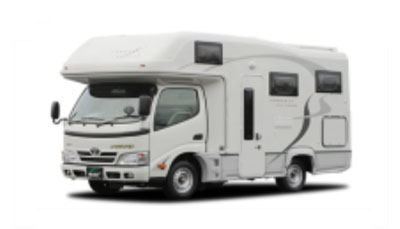
For family RV camping around Tokyo, a compact yet spacious Class C - Alcove motorhome offers an ideal balance of comfort for families and maneuverability for Japanese roads. Bandana's Class C - Alcove units, averaging around 5 meters in length, such as the `cruise america example Explorer` (7.1m long, sleeps 4) or a `Category Family 5` (7m long, sleeps 6), are well-suited for families of 2+2 or 2 couples. This size is significantly more manageable on Japan's often narrower roads and in tighter parking areas, a critical consideration when navigating closer to urban areas or charming local towns. The ample sleeping capacity ensures enough room for a family, while amenities like a kitchenette, dining area, and toilet enhance the camping experience. Even with a rented RV, a smaller motorhome like these offers better flexibility for parking compared to larger American-style RVs, especially if you plan to use it as a basecamp outside the immediate city center.
How to Save on Campgrounds in Tokyo
To reduce family RV camping costs around Tokyo, leveraging discount programs, choosing municipal sites, and strategic booking can significantly lower expenses. Inquire about specific campground discount cards or partnerships that can offer savings on nightly rates at participating parks, some of which can save you up to 10-15%. Traveling during shoulder seasons, such as late spring (after Golden Week) or early autumn (before peak foliage), often provides lower rates and fewer crowds than the busy summer months. Municipal and regional campgrounds, typically ranging from ¥3,000 to ¥6,000 per night, are generally more affordable than private resorts which can be ¥5,000 to ¥8,000+, offering good value with basic but clean facilities. Consider extended stays, as some campgrounds offer weekly or monthly rates that provide substantial savings compared to nightly bookings, ideal for families planning a longer adventure. If traveling with another family, sharing a larger site or booking adjacent spots might sometimes offer better value.
What are the rules for RV travel in Japan?
RV travel in Japan requires adherence to specific traffic laws, cultural etiquette, and designated parking regulations, which differ from many Western countries. Drivers must adjust to driving on the left side of the road and using right-hand drive vehicles, with International Driving Permits (IDP) being mandatory for foreign visitors. Japan's expressway system is extensive and often involves tolls, which can be paid with cash or an ETC card for convenience, so budget for potentially high toll costs. Proper waste disposal is paramount; use designated dump stations at campgrounds or Michi-no-Eki, and never dispose of grey or black water indiscriminately, as it is strictly prohibited. Maintain low noise levels, especially at night, in all parking and camping areas to respect local residents and fellow travelers. At Michi-no-Eki, while allowed for overnight stays, treat them as rest stops, not permanent campgrounds; do not set up chairs, awnings, or BBQ grills. Drive slowly and carefully, and you can drive almost anywhere without issues. No need to stress - just use common sense and pay attention, especially in older towns and residential areas where streets can be narrow. For more insights, refer to the "RV Rental Japan - Complete Guide 2026" on our blog.
Can you rent an RV in Japan?
Yes, RV rentals are readily available in Japan, with numerous local and international companies offering a range of vehicles suitable for family adventures, particularly around major cities like Tokyo. Rental providers like Bandana Caravan partner with various local operators to offer diverse fleets. Options range from compact Kei-campers, which are small, fuel-efficient, and perfect for navigating narrow Japanese roads, to larger Class C motorhomes suitable for families, such as Bandana's Class C - Alcove units like the `24 Class C Motorhome` (7.46m long, sleeps 5). It's advisable to book well in advance, especially for family-sized RVs during peak travel seasons, as demand can be high. Typically, renting an RV requires an International Driving Permit (IDP) in conjunction with your home country's standard driver's license.
How much does it cost to rent an RV in Tokyo?
The total cost of an RV rental trip around Tokyo encompasses not only the rental fee but also significant expenses for tolls, fuel, and campground fees, which can vary widely. Rental fees for a Class C - Alcove motorhome suitable for families can range from ¥15,000 to ¥30,000+ per day, depending on the season, rental duration (longer rentals often have lower daily rates), and specific features. Japanese expressways have high tolls; for example, a trip from Tokyo to Mount Fuji (Kawaguchiko area) can cost several thousand yen (around ¥3,000 - ¥5,000) one-way, so factor this into your budget. Fuel costs, subject to market fluctuations, typically hover around ¥160-¥180 per liter, and a Class C - Alcove motorhome might achieve around 6-10 km/liter (14-23 MPG). Nightly fees for private campgrounds generally range from ¥3,000 to ¥8,000, while municipal sites can be less, often around ¥2,000 to ¥5,000. Michi-no-Eki offer free overnight stays but usually lack hookups. For comprehensive insights into costs, refer to our "RV Rental in Tokyo - Prices and Best Deals 2026" guide.
How hard is it to drive an RV in Japan?
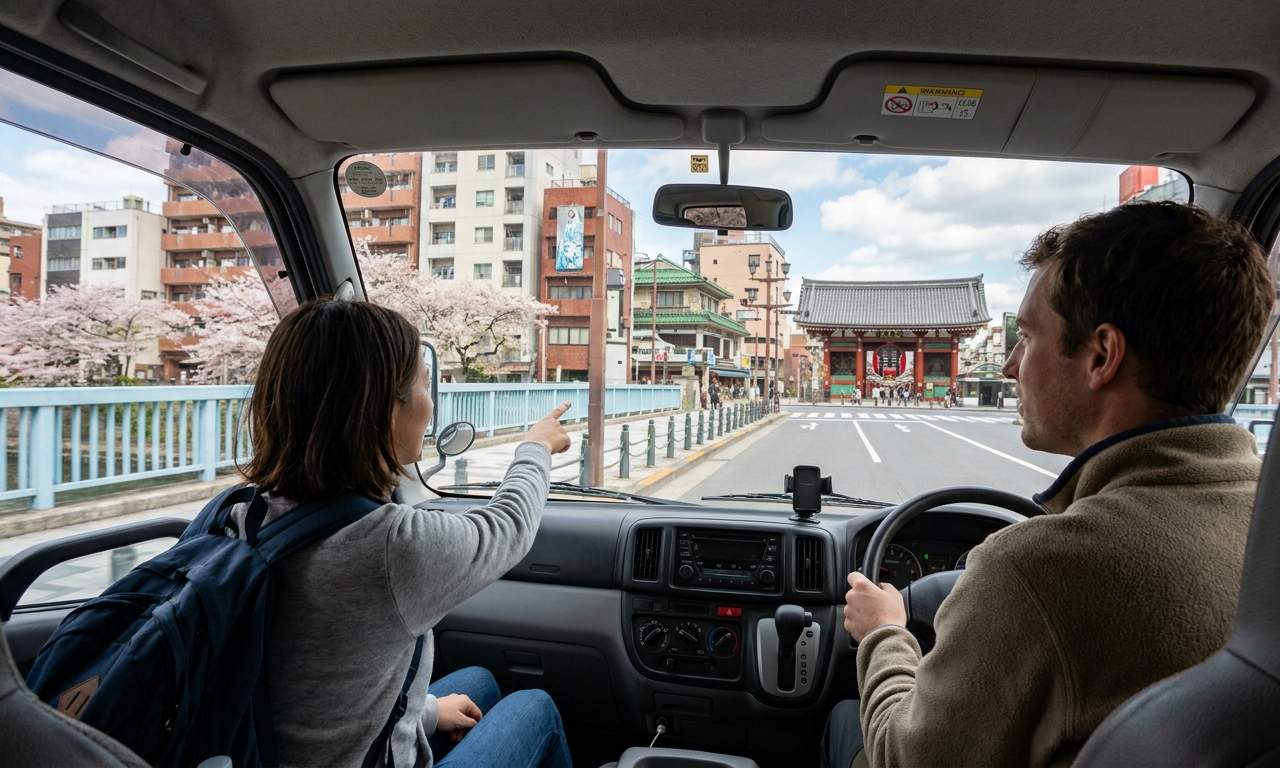
Driving an RV in Japan, particularly near and within Tokyo, presents unique challenges such as narrow roads and complex navigation, but is manageable with careful planning and awareness. Many Japanese roads, especially in residential areas, rural towns, and older city districts like Asakusa or Yanaka, are considerably narrower than those in North America or Europe, requiring vigilance and careful maneuvering. Modern GPS systems (often built into rental RVs) are highly recommended, but be prepared for complex intersections and signage that may be primarily in Japanese, making an International Driving Permit (IDP) with a translation helpful. Foreign drivers must adjust to driving on the left side of the road and right-hand drive vehicles, which takes some practice. Tokyo's traffic can be dense, especially during peak hours around Shinjuku or Shibuya; consider using public transport for city exploration and parking your RV as a "basecamp" on the outskirts. Drive slowly and carefully, and you can drive almost anywhere without issues. No need to stress - just use common sense and pay attention. Finding suitable parking for an RV in dense urban centers like Tokyo can be very difficult and expensive; specialized RV parking is scarce. Opting for a smaller, compact RV like Bandana's 5-meter Class C - Alcove greatly improves maneuverability and parking options.
What is the best time of year to RV in Japan?
The best time to RV in Japan for families depends on desired activities, with spring (March-May) and autumn (September-November) generally offering the most pleasant weather and scenic beauty. Spring brings mild temperatures (10-20°C or 50-68°F) and the stunning cherry blossoms, making it ideal for outdoor activities, though campgrounds can be busy, especially during Golden Week. Summer (June-August) is hot and humid, with a rainy season in June, making it less comfortable for extended city exploration, but perfect for coastal camping or mountain escapes where temperatures are cooler; booking air-conditioned RVs is highly recommended. Autumn boasts crisp, clear weather (15-25°C or 59-77°F) and breathtaking fall foliage, making it a prime RVing season with pleasant temperatures and generally manageable crowds outside of specific leaf-peeping hotspots. Winter (December-February) is cold, with snow in northern and mountainous regions; it's suitable for winter sports enthusiasts, but many campgrounds may close, and road conditions require caution, sometimes necessitating snow tires or chains for higher elevations. For more seasonal tips, see our "RV Travel Guide to Tokyo - Tips and Top Spots 2026".
Where can I park my RV in Tokyo?
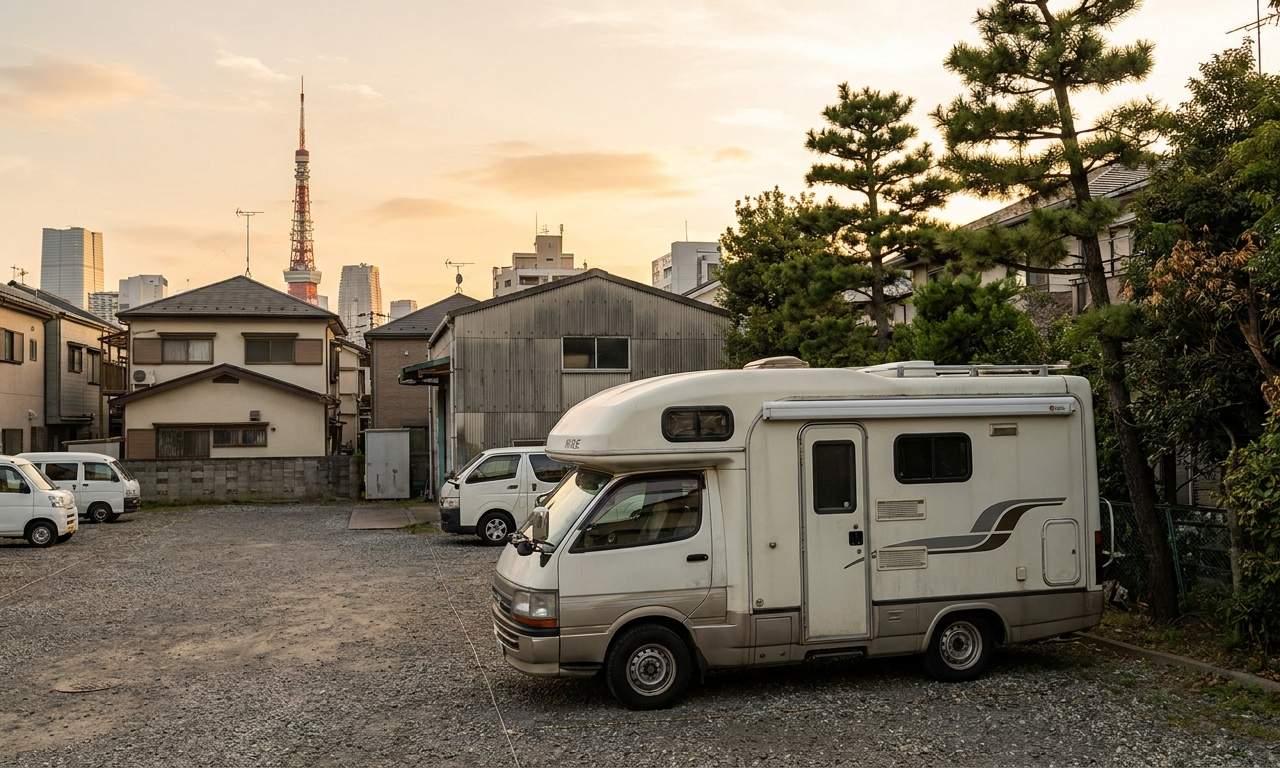
Finding overnight or day parking for an RV directly within central Tokyo is highly challenging and generally not recommended due to limited space and high costs; instead, consider designated campgrounds or Michi-no-Eki on the city's periphery as a basecamp. Central Tokyo has very few parking options suitable for larger vehicles like RVs, and those that exist (e.g., large commercial parking garages near Tokyo Station or Shinjuku) are often expensive (¥1,000+ per hour) and designed for standard cars, with height restrictions. The most practical approach for family RV travel is to park your motorhome at a campground or Michi-no-Eki located an hour or two outside central Tokyo, such as those near Lake Kawaguchiko or in Chiba, then use Japan's excellent public transportation (trains, buses) to commute into the city for sightseeing. Michi-no-Eki (roadside stations) along expressways leading into Tokyo offer free overnight parking, restrooms, and sometimes amenities, serving as a convenient launchpad. Dedicated campgrounds in nearby prefectures provide secure parking with amenities, and many are conveniently close to train stations. Be aware of any potential future or current emission zone regulations that might affect older or larger diesel vehicles if driving into certain city areas, although this is less common for modern rental motorhomes.
Can I take my pet in a rental RV in Tokyo?
Traveling with pets in a rental RV in Tokyo is possible, but requires careful planning due to specific regulations, cultural norms, and the need to find pet-friendly accommodations and facilities. Verify that your chosen RV rental company explicitly allows pets in their vehicles, as many have restrictions or additional cleaning fees (typically ranging from ¥5,000 to ¥10,000). Not all campgrounds in Japan are pet-friendly, so research and book sites that welcome animals in advance, often requiring pets to be leashed and kept quiet. Pets are generally not allowed on public transportation (trains, buses) unless confined in a carrier and meeting specific size/weight requirements, which limits city exploration with pets if your RV is parked far out. Be mindful of local etiquette; pets are often not allowed inside shops, restaurants, or temples/shrines, and always clean up after your pet promptly. If bringing your own pet from abroad, Japan has strict import regulations, including vaccinations, microchipping, and potential quarantine periods, so renting locally is usually simpler for pet owners.
What You Shouldn't Miss
- **Mount Fuji & Fuji Five Lakes:** Drive your rented motorhome to the iconic Mount Fuji region, just 1.5-2 hours from Tokyo, to enjoy scenic views, hiking, and lake activities. Park at one of the many RV-friendly campgrounds around Lake Kawaguchiko for a breathtaking experience.
- **Hakone Open-Air Museum:** Explore this unique outdoor art museum in Hakone, about 1.5 hours southwest of Tokyo, perfect for families to enjoy art in a natural setting. It’s easily accessible from nearby campgrounds and offers a relaxing escape from city bustle.
- **Enoshima Island & Coastal Drive:** Take your campervan rental south to the Shonan Coast (Kanagawa Prefecture), about an hour from Tokyo, to visit Enoshima Island. Enjoy fresh seafood, coastal views, and a relaxed beach atmosphere.
- **Chichibu-Tama-Kai National Park:** For a more rugged nature experience, head to this vast national park west of Tokyo, offering numerous hiking trails, river activities, and serene campgrounds. It's a fantastic spot for families seeking outdoor adventures with their RV.
- **Traditional Kawagoe Old Town:** Discover "Little Edo" in Kawagoe, Saitama Prefecture, a historic town about an hour north of Tokyo. Stroll through traditional streets, sample local sweets, and experience a glimpse of old Japan, with several Michi-no-Eki nearby for convenient parking.
Final Thoughts
Exploring Tokyo and its surrounding natural beauty in a rented family RV offers an unparalleled sense of adventure and flexibility. From navigating the vibrant city with smart planning to unwinding at a peaceful lakeside campground, Japan provides a unique backdrop for unforgettable family memories. Remember to travel slowly, averaging no more than 100-150 km per day, allowing your family to truly feel the place, connect to the rich culture, savor the delicious food, and immerse yourselves in the stunning scenery.
With Bandana Caravan's commitment to full transparency, reliable 24/7 support, and expert planning resources like RV PLANET, you have a trusted partner every step of the way. We're dedicated to making your RV journey in Tokyo as joyful and seamless as possible. So, gather your loved ones, choose the perfect motorhome, and get ready to discover the magic of Japan on your terms.
Find Motorhome Rentals in Tokyo