In This Guide
- Where to Camp in Spain - Top Options
- Campground Types in Spain (National, Private, Wild)
- Featured RV Park or Campground in Spain
- Hookups & Amenities - What to Expect
- Booking Windows & Reservations in Spain
- Nearby Supermarkets & Resupply Points
- Best RV Class for Camping in Spain
- How to Save on Campgrounds in Spain
- Is it worth renting an RV in Spain?
- How much does it cost to rent an RV in Spain?
- Can you just park an RV anywhere in Spain?
- What is the best month to RV in Spain?
- What are the rules for motorhomes in Spain?
- What are the best places to visit in Spain in an RV?
- What is the average cost of camping in Spain?
- Is Spain RV friendly?
- How much do tolls cost in Spain for an RV?
- Can I take my dog in a motorhome to Spain?
- Top Cities for RV Rental in Spain
- Country-Wide Practical Info for RV Travelers in Spain
Imagine your family waking up to the gentle sounds of the Mediterranean, enjoying breakfast with a view of snow-capped Pyrenees, or exploring ancient Roman ruins all from the comfort of your rented motorhome. Spain is an unparalleled destination for family RV camping, offering a vibrant mix of culture, stunning landscapes, and kid-friendly adventures. With a rented RV, you have the freedom to craft an unforgettable journey that caters to every family member's interests, from bustling cities like Barcelona (to participate in festivals) to serene coastal retreats.
For live availability and current prices, start with our RV Rental Spain - Complete Guide 2026 guide. We at Bandana RV are true RV specialists, not just a travel agency side department. We love helping families like yours discover the magic of the open road in places like Spain, handling the details so you can live the journey. We pride ourselves on full transparency, ensuring no hidden fees or surprises.
Where to Camp in Spain - Top Options
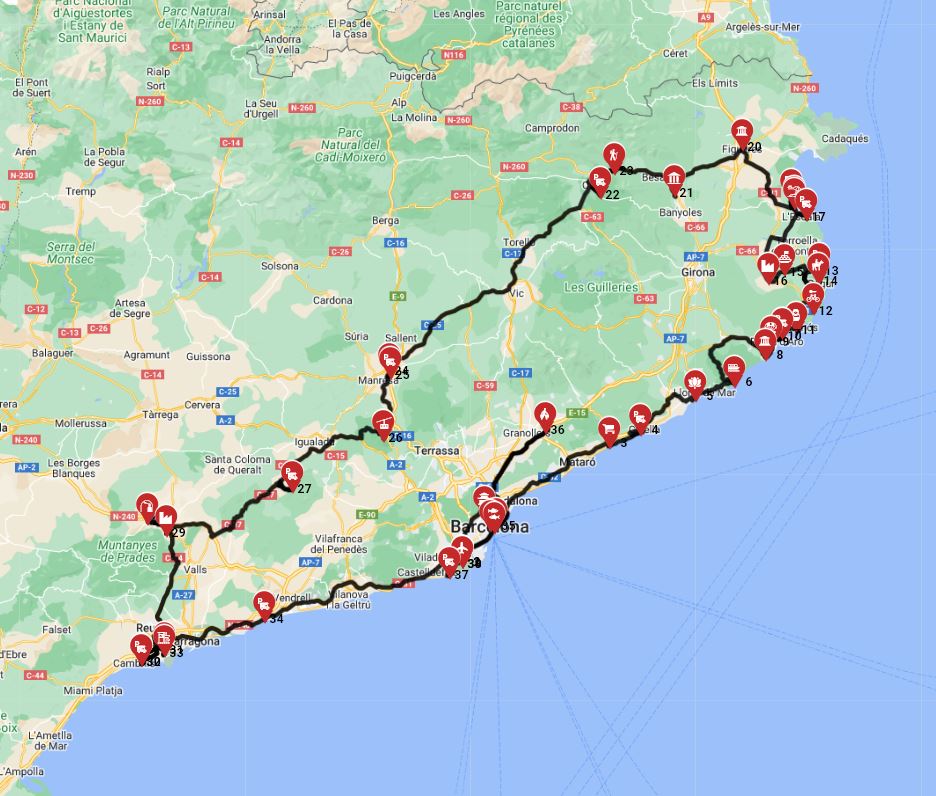
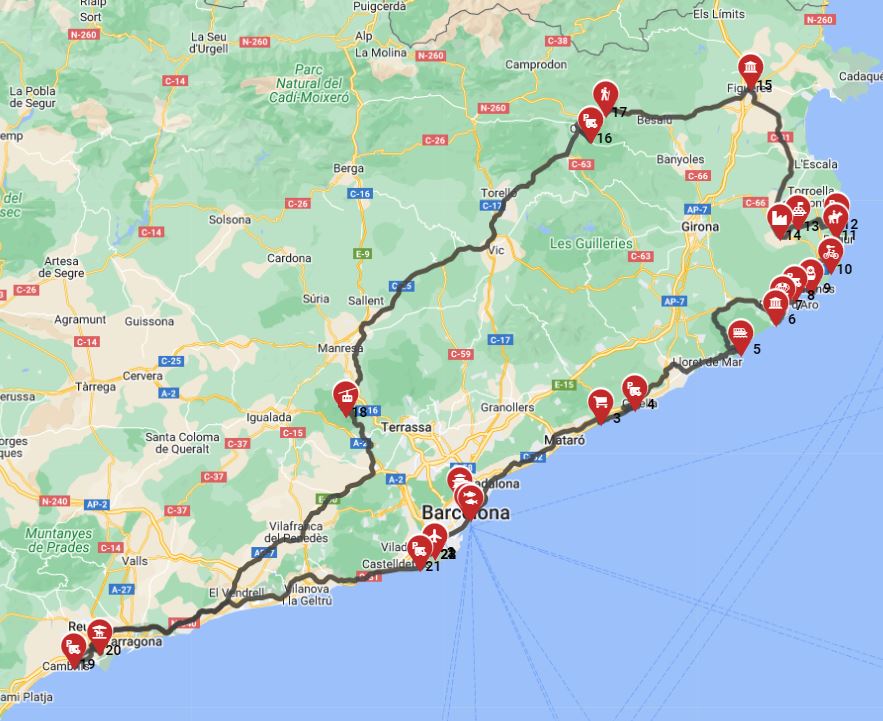
Spain offers diverse camping experiences for families, ranging from sun-drenched coastal beaches to dramatic mountainous regions and historical cities. Consider regions like Andalucía in the south for its rich cultural depth and consistently warm weather, ideal for exploring cities such as Seville and Granada with comfortable RV parks. Catalonia, located in the northeast, provides a vibrant blend of city life, Mediterranean coasts, and accessible campgrounds near destinations like Barcelona - Airport. For families seeking more rugged mountain adventures, the Pyrenees offer numerous campsites nestled amongst breathtaking peaks and charming villages. Many popular tourist areas, national parks, and coastal towns feature well-equipped campgrounds suitable for families, often providing easy access to local attractions and activities. Traveling slowly, aiming for a maximum of 100-150 km per day, allows your family to truly feel the place, connect to the local culture, savor the food, and appreciate the diverse scenery. For example, a two-week adventure could comfortably cover the coastal areas of Valencia and Alicante.Campground Types in Spain (National, Private, Wild)
Spain features a mix of official private campgrounds, a smaller number of national and natural park sites, and specific regulations regarding 'wild camping' that RV travelers should understand. Private campgrounds (camping privados) are the most common type and are generally the best option for families, offering extensive amenities such as electricity (typically 230V, requiring a Type F or E continental European plug adapter), fresh water hookups, modern showers, and often inviting swimming pools or children's playgrounds. National and Natural Park campgrounds are fewer and often more basic, providing unparalleled access to Spain's incredible natural beauty; booking these far in advance, especially during peak travel times, is crucial as spots can be limited. Wild camping (pernocta, or overnight parking) with a rented RV is generally tolerated but not explicitly legal in many areas, particularly along popular coasts and within protected environmental zones. To avoid fines and ensure responsible travel for your family, it is always recommended to seek out designated parking or official campsites.Featured RV Park or Campground in Spain
When choosing an RV park in Spain, families should prioritize sites that offer a comprehensive range of amenities, activities, and convenient access to local points of interest. Look for campgrounds that include playgrounds, swimming pools, and organized family-friendly activities to keep children entertained. Many top-rated campgrounds across Spain, especially in popular regions like the Costa Brava or near major cities, provide full hookups (electricity, water, grey/black water disposal), reliable Wi-Fi (though sometimes at an extra charge), laundry facilities, and on-site restaurants or shops, ensuring a comfortable and convenient stay for everyone. Prioritizing locations that offer cultural immersion opportunities, such as proximity to local markets or charming villages, allows your family to truly experience Spanish life beyond typical tourist spots. For instance, Camping & Bungalows Laguna Village in Andalusia offers direct beach access and a large pool complex, perfect for a family-focused week-long trip.Hookups & Amenities - What to Expect
Most private campgrounds in Spain offer essential hookups that are crucial for a comfortable family RV trip, including electricity (typically 230V outlets), fresh water connections, and convenient grey/black water disposal points. Families can generally expect clean and well-maintained toilet and shower facilities, which are often a priority for quality RV parks. Many sites, especially those catering to families, include additional amenities like Wi-Fi (though connectivity can sometimes be unreliable or come with an extra charge), dedicated laundry services, inviting swimming pools, and engaging children's play areas. Less common are individual BBQ areas at every pitch, but communal grilling spots are frequently available for shared use. On-site shops or restaurants are also frequent additions, enhancing convenience for families who prefer not to leave the campground for every meal. For those planning to cook inside their rented motorhome, having a good kitchen setup with a stove and refrigerator is standard; you can find inspiration and ideas in our RV-friendly recipes playlist.Booking Windows & Reservations in Spain
For families planning an RV trip to Spain, booking campgrounds well in advance is highly recommended, especially during peak season (June-August), national holidays, and school vacation periods, to secure desired spots and amenities. Popular coastal areas and national park campgrounds, like those near Picos de Europa, can fill up months ahead. However, spontaneous travelers need not worry excessively, as many national and state parks reserve only 25-30% of their spots for advance booking; the rest are allocated on a first-come, first-served basis. This means you will almost certainly find a spot, even if not at the first campground, then the next one. Always call ahead before driving a long distance, especially when arriving later in the day. Many larger private campgrounds also offer day-to-day availability outside of peak times, providing flexibility for those who prefer less structured itineraries. Remember that early birds might catch the best deals, with some suppliers offering discounts for bookings made 90+ days out.Nearby Supermarkets & Resupply Points
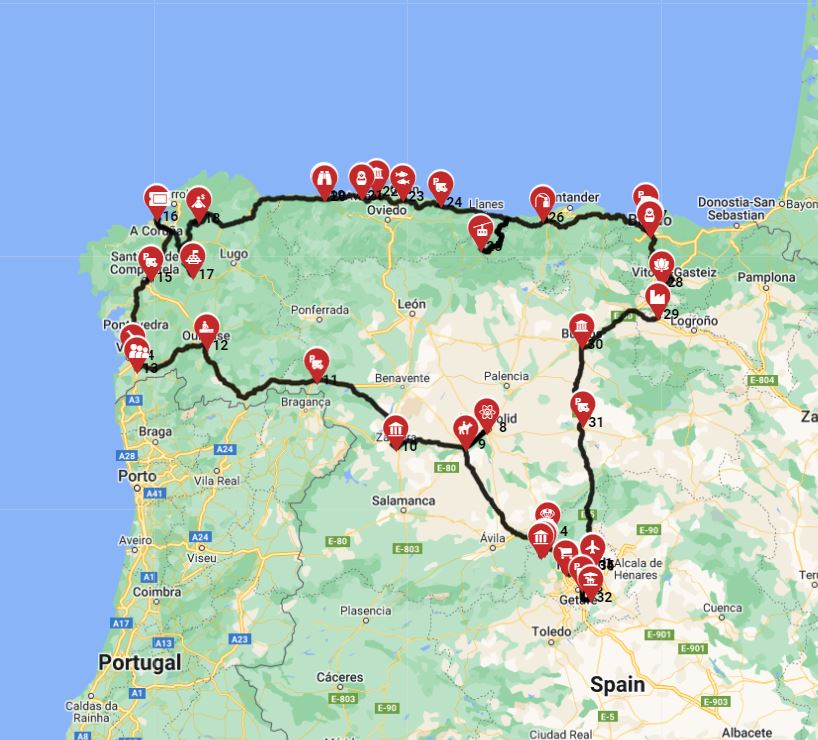
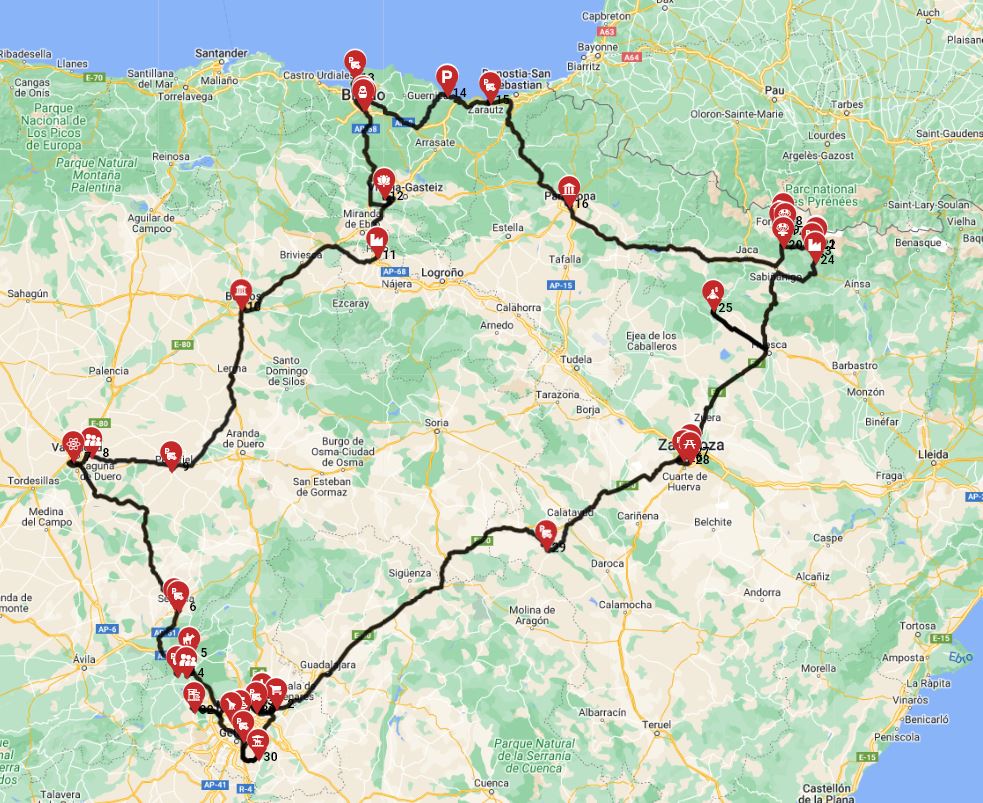
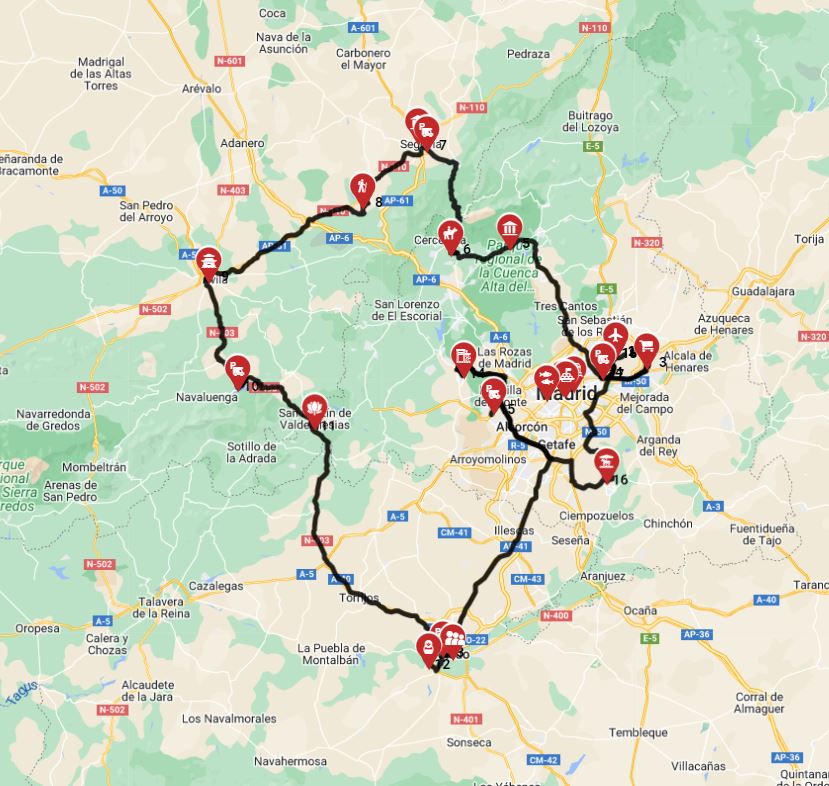
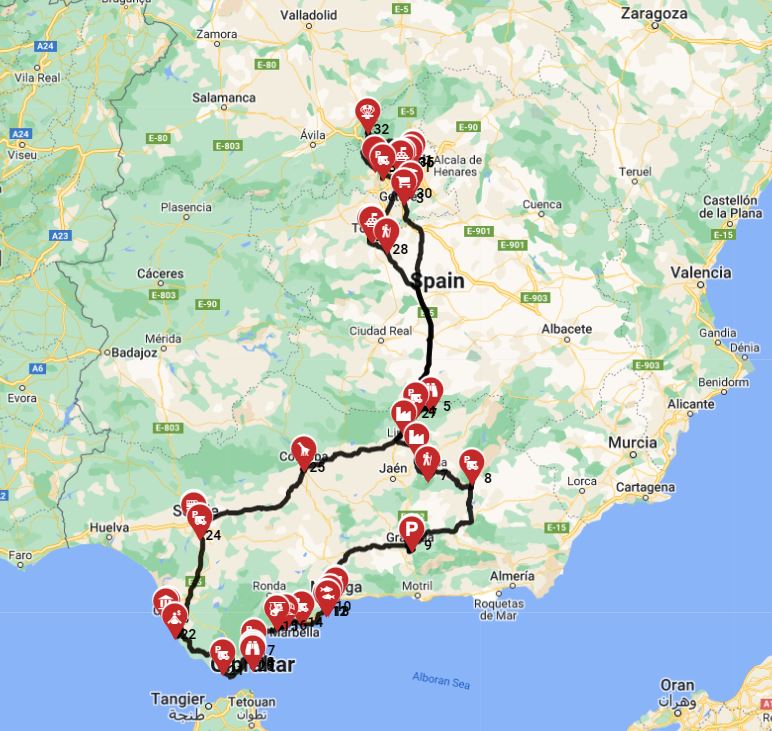
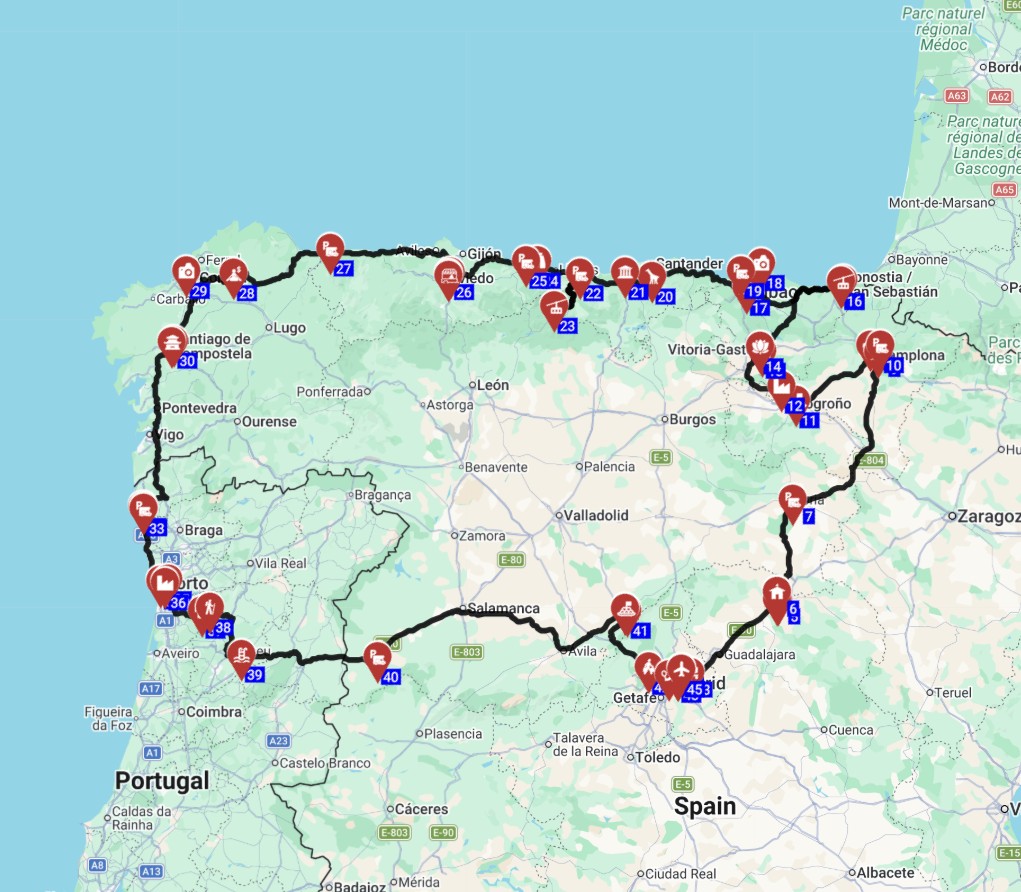
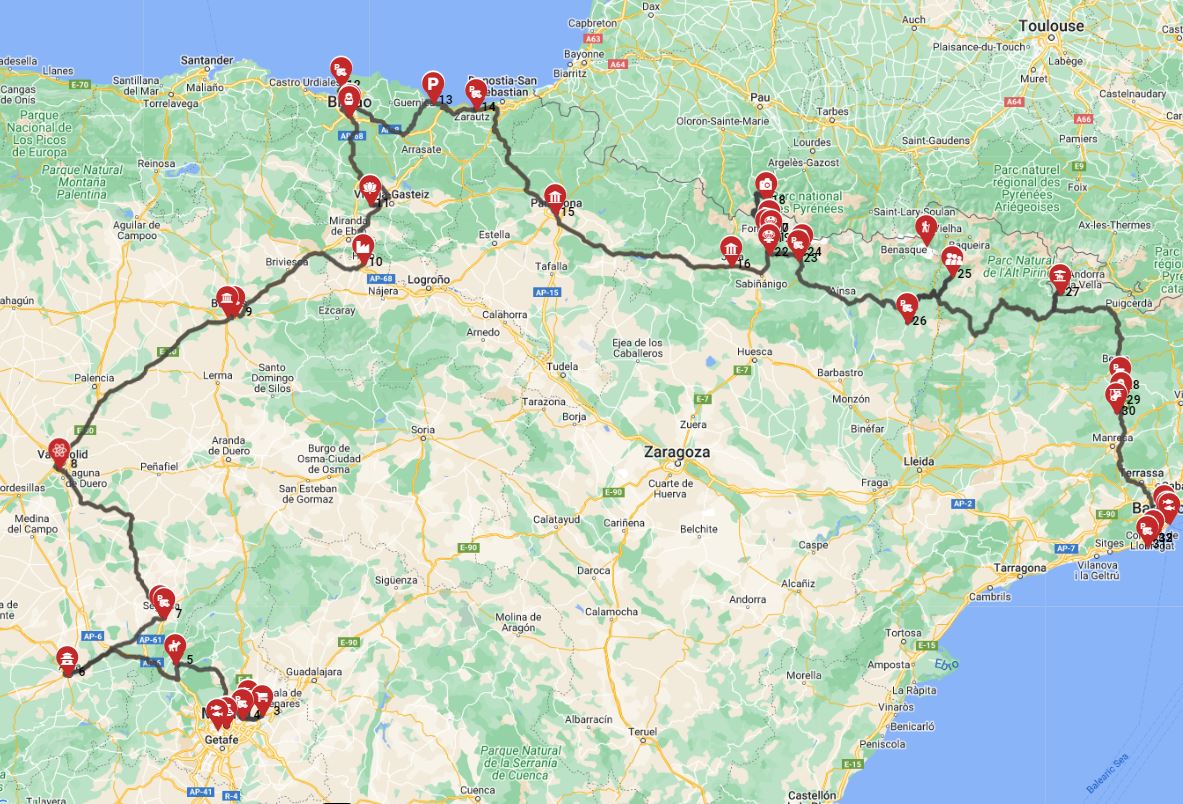
For convenient resupply during your family RV trip in Spain, major supermarket chains like Mercadona, Carrefour, Lidl, and Dia are widely available across the country, especially near towns and cities. These supermarkets offer a comprehensive range of groceries, fresh produce, and household essentials at competitive prices, making it easy to stock your rented RV kitchen for family meals. To truly immerse yourselves in local culture and find fresh, regional specialties for your RV meals, seek out municipal markets (mercados municipales) in towns and cities. These vibrant markets are perfect for sourcing local ingredients, experiencing authentic Spanish flavors, and interacting with local vendors, adding a unique dimension to your culinary adventures on the road. Remember that on RV PLANET routes, travelers can itemize and track every expense, including groceries, for easy budgeting throughout their journey.Best RV Class for Camping in Spain
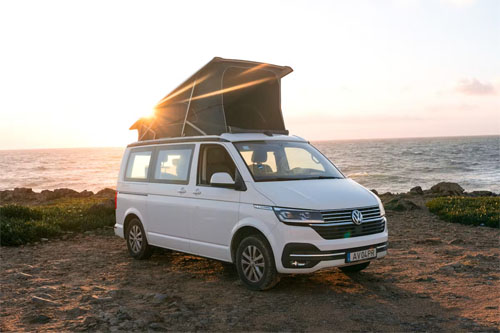
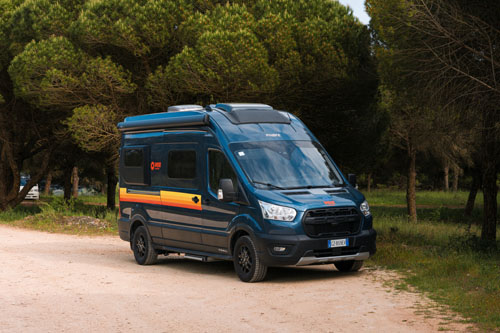
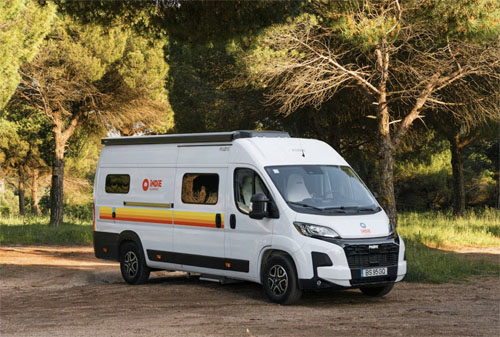
For family RV camping in Spain, the Class C - Alcove and Class SI - Semi-integrated motorhomes are generally excellent choices, balancing comfort, space, and maneuverability. Class C - Alcove RVs, with an average length of 7.5 meters and sleeping up to 5-7 people from Bandana's fleet data, are ideal for larger families, providing ample sleeping capacity and storage for everyone's gear. These models typically have a fuel consumption of around 10-12 liters per 100 kilometers. Class SI - Semi-integrated models, averaging 6.9 meters in length and sleeping around 3-4 people, offer a more compact option suitable for smaller families, balancing interior space with easier navigation on narrower Spanish roads and slightly better fuel efficiency (10-11 liters per 100 kilometers). For those seeking a more adventurous, agile experience or for couples and smaller families, a Class B - Camper Van (averaging 5.8 meters, sleeping 2-3 people) could also be suitable, especially for navigating historic city centers or reaching more secluded natural spots, though with less interior space. Whichever you choose, a standard car driver's license is sufficient for all motorhome classes in Spain.How to Save on Campgrounds in Spain
To significantly save on campground costs in Spain, families can implement several strategies that maximize value and flexibility. Consider utilizing campground discount cards, which are often available through rental providers or international camping clubs, offering substantial savings at participating sites. Booking during the shoulder season (spring or autumn, typically April to early June and September to October) instead of peak summer will result in considerably lower rates and fewer crowds, enhancing the family experience. Opt for municipal or regional campgrounds over private resorts, as they typically offer more budget-friendly rates, sometimes as low as €15-€25 per night. Additionally, consider staying for three or more nights at one location to often qualify for weekly discounts or special offers. For adventurous families, exploring options for 'área de servicio' (service areas) which are designated free overnight parking spots for RVs, though they typically lack amenities, can also reduce costs significantly.Is it worth renting an RV in Spain?
Renting an RV in Spain is highly worthwhile for families seeking flexibility, adventure, and the freedom to explore diverse landscapes at their own pace. An RV allows families to bypass rigid itineraries, wake up to new views daily, and carry all necessary comforts for children, making travel with young ones significantly easier and more enjoyable. It provides a unique opportunity for cultural immersion, enabling access to remote villages and stunning natural parks often missed by traditional tours, fostering deeper family bonding experiences on a week-long trip or longer. For families looking for a flexible travel option, a rented campervan or motorhome offers the independence to follow the sun or chase cultural events, from the bustling streets of Barcelona (to participate in festivals) to the quiet beaches of the Costa de la Luz.How much does it cost to rent an RV in Spain?
The cost to rent an RV in Spain typically ranges from €80 to €200 per night, varying significantly based on the RV class, rental season (peak summer is highest), duration of your trip, and included amenities. A Class C - Alcove, ideal for families, might average around €120-€180 per night during peak season, while a more compact Class SI - Semi-integrated could be €100-€160. Beyond the daily rental fee, families should budget for additional costs including fuel (Bandana's fleet averages 10-12 liters per 100 kilometers for larger models), tolls, campground fees (average €20-€40 per night), groceries, and potential extras like optional top-level deductible reimbursement for peace of mind. For precise figures and to compare final prices across suppliers, use a trusted comparison platform like Bandana. Remember that prices are dynamic, much like flight tickets, and the final price is set at the actual booking time. For managing these ancillary costs, RV PLANET routes allow travelers to itemize and track every expense along the way for easy budgeting.Can you just park an RV anywhere in Spain?
While Spain's laws surrounding overnight RV parking are nuanced, you cannot generally 'just park an RV anywhere'; specific regulations prohibit wild camping in many sensitive natural areas and along coastlines. Overnight parking (pernocta) in a rented RV is often tolerated in designated parking areas as long as you are 'parked' and not 'camped' (i.e., no awnings out, no chairs, no leveling jacks), but always verify local signage and regulations to avoid issues. Many municipalities have specific rules, and fines can apply for non-compliance, particularly in tourist hotspots. For responsible and worry-free travel, especially with family, it is strongly recommended to utilize official campgrounds or dedicated RV service areas (áreas de servicio) which provide facilities and legal parking, upholding sustainable travel practices. Drive slowly and carefully, and you can drive almost anywhere without issues, but always use common sense and pay attention to local signs.What is the best month to RV in Spain?
The best months to RV in Spain for families are typically the shoulder seasons: April to early June and September to October, offering pleasant weather, fewer crowds, and often lower prices. During these months, average temperatures are comfortable for outdoor activities, making sightseeing, hiking, and camping enjoyable without the intense summer heat or the peak season congestion. Traveling in the shoulder season also provides a better opportunity to engage with local culture, find available spots in popular campgrounds, and experience authentic Spanish life without peak tourist congestion. While summer (July-August) offers warm weather and vibrant festivals, it's also the busiest and most expensive period for RV rentals and campgrounds, requiring bookings much further in advance. For example, a two-week adventure in September could involve exploring the cultural gems of Andalucía or the coastal beauty of Valencia.What are the rules for motorhomes in Spain?
Motorhome rules in Spain generally follow standard European traffic laws, requiring drivers to adhere to posted speed limits, carry appropriate documentation (a standard car driver's license is sufficient for all motorhome classes, but an International Driving Permit (IDP) is recommended for visitors from non-English-speaking countries), vehicle registration, and valid insurance. Specific to RVs, all passengers, including children, must use seatbelts while the vehicle is in motion, and children's car seats must comply with Spanish regulations for safety. You can drive almost anywhere without issues, including in cities, by driving slowly and carefully. No need to stress - just use common sense and pay attention to signs. Understanding basic Spanish RV-specific phrases, such as 'agua potable' for drinking water or 'vaciado de aguas grises' for grey water disposal, can greatly assist in navigating local services and unexpected situations, especially in rural areas where English might be less prevalent.What are the best places to visit in Spain in an RV?
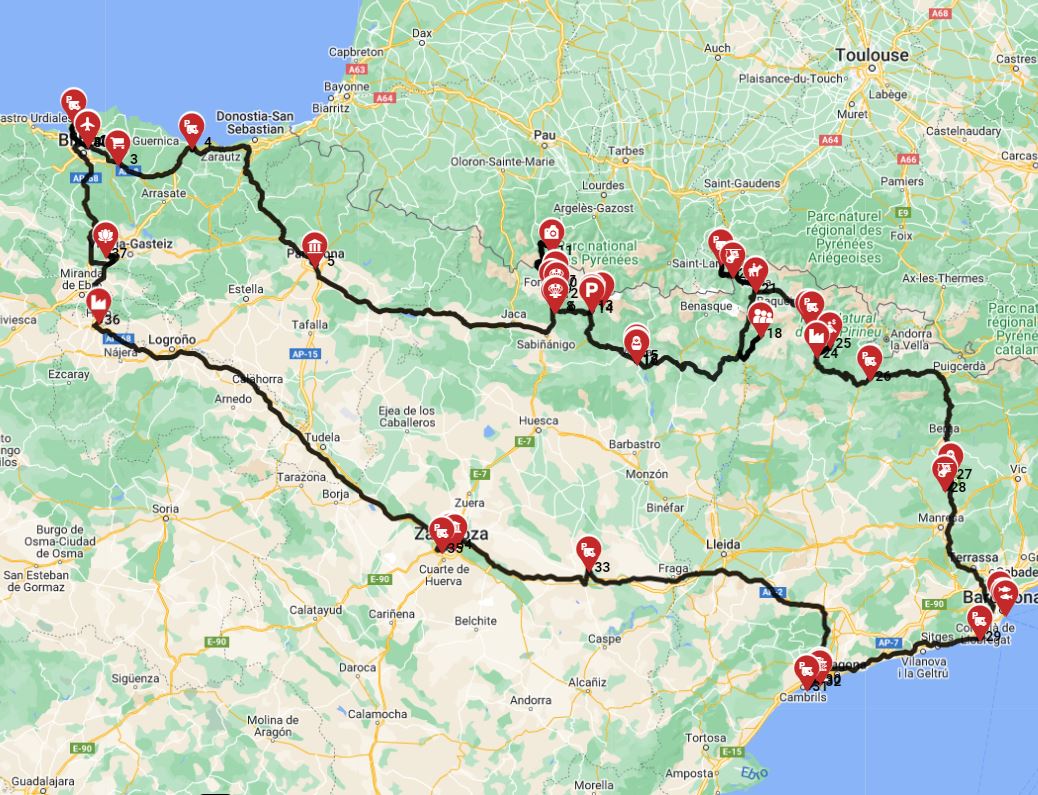
Spain offers an incredible array of RV-friendly destinations for families, from the sunny beaches of the Costa del Sol and the historic cities of Andalusia (Seville, Granada, Córdoba) to the stunning Pyrenees mountains and the dramatic landscapes of the Tabernas Desert in Almería. For a unique cultural immersion and family adventure, explore lesser-known regions like Extremadura, with its Roman ruins, medieval towns, and exceptional birdwatching opportunities, or embark on a dedicated olive oil route in Jaén, offering unique insights and RV-friendly stops at local producers for tastings. Consider themed routes such as a section of the Camino de Santiago for spiritual hikers, or specific wine routes (e.g., La Rioja, Ribera del Duero) which often feature bodegas welcoming RVs for overnight stays and tasting experiences, providing excellent food and drink opportunities tailored for RVers. Traveling slowly, max 100-150 km per day on average, allows you to take time to feel the place, connect to the culture, the food, and the scenery of each unique destination.What is the average cost of camping in Spain?
The average cost for a family RV pitch in a Spanish campground typically ranges from €20 to €40 per night, with prices varying based on the season, specific location, and the level of amenities offered. Private campgrounds, especially those near popular tourist destinations like coastal resorts or major cities such as Barcelona, often fall on the higher end of this spectrum, particularly during July and August. More basic municipal or rural sites will be more affordable, sometimes available for as little as €15 per night outside of peak season. This cost generally includes a pitch for your rented RV or campervan, access to electricity hookups, fresh water, and communal facilities like showers and toilets, making it a cost-effective option for family accommodation compared to hotels, especially for an extended road trip.Is Spain RV friendly?
Spain is generally considered very RV-friendly, with a well-developed network of campgrounds and services, alongside a growing appreciation for motorhome tourism, making it an excellent destination for family RV adventures. The country's diverse landscapes, from the extensive coastline to the rugged interior, and its excellent road infrastructure, cater well to mobile travelers. While some narrow streets in very old towns can be challenging for larger vehicles, plenty of designated RV parking areas (áreas de servicio) provide convenient facilities. Drive slowly and carefully, and you can drive almost anywhere without issues. Truly experiencing local Spanish RV culture involves understanding customs like siesta times for business closures, adapting to later meal schedules, and engaging respectfully with communities beyond typical tourist hotspots. This supportive environment makes Spain an inviting place to embark on a two-week RV adventure.How much do tolls cost in Spain for an RV?
Toll costs in Spain for a rented RV can add a significant expense to a family trip, with rates varying based on the distance traveled and the specific highway, as RVs are typically charged at a higher category (Category 2, or 'pesados') than standard cars. Many of Spain's main highways (autopistas) are toll roads, especially those offering direct routes between major cities. For longer stretches, costs can range from €20-€30 or more. To manage budgeting, families can plan routes that prioritize toll-free national roads (autovías and carreteras nacionales) where possible, or use online toll calculators to estimate costs for specific journeys, acknowledging that these routes may take longer. Our RV PLANET routes can help you plan your itinerary to account for or avoid tolls, offering full transparency on potential expenses.Can I take my dog in a motorhome to Spain?
Yes, you can absolutely take your dog in a rented motorhome or campervan to Spain, as many campgrounds and public spaces are increasingly pet-friendly, making it a viable option for families traveling with their canine companions. Ensure your pet has all necessary vaccinations, a microchip, and an up-to-date EU Pet Passport from your veterinarian to facilitate entry into Spain. Be aware that some campgrounds may charge a small additional fee for pets (typically €3-€5 per night) or have specific rules regarding leashes and designated pet areas. When planning your itinerary, seek out dog-friendly beaches, hiking trails, and attractions, and consider local customs regarding pets in restaurants or shops. Always have plenty of water and shade available for your dog, especially in warmer regions. For more specific details, you might consult resources on Pet-Friendly RV Rental in Spain - Pricing 2026.Top Cities for RV Rental in Spain
Spain offers numerous fantastic cities to start your family RV adventure, each with unique charm and access to diverse landscapes. When you book with Bandana Caravan, you’re connecting with direct partnerships with over 50 leading RV suppliers worldwide, including trusted names like Apollo and Britz, ensuring a wide selection in key locations.- Barcelona: A vibrant city offering culture, architecture, and nearby beaches. Ideal for families looking to combine city exploration with coastal relaxation, or even RV Rental in Barcelona (to participate in festivals).
- Alicante: Known for its beautiful beaches and historic castle, Alicante is a gateway to the Costa Blanca. Consider starting your trip from Alicante or Alicante - Airport for easy access to the coast and inland attractions.
- Almeria: Home to Europe's only desert, the Tabernas Desert, Almeria offers a unique landscape for exploration. Renting from Almeria or Almeria - Airport opens up opportunities for cinematic drives and coastal visits.
- A Coruña: Located in Galicia, this northwestern city offers stunning coastal scenery and delicious seafood. Picking up your RV at A Coruña - Airport is a great way to explore the verdant landscapes of Green Spain.
- Madrid: While a major city, Madrid serves as an excellent central hub for picking up an RV and venturing out to historic towns like Toledo or the Sierra de Guadarrama mountains. Drive slowly and carefully, and you can drive almost anywhere without issues.
Country-Wide Practical Info for RV Travelers in Spain
Navigating Spain in a rented motorhome is generally straightforward, but a few country-specific tips will enhance your family's travel experience. Spain drives on the right side of the road, and all vehicles must carry a reflective vest and two warning triangles in case of a breakdown. Speed limits for motorhomes generally adhere to European standards: 120 km/h on autopistas and autovías, 90 km/h on national roads, and 50 km/h in urban areas. Drive slowly and carefully in cities; there's no need to stress, just use common sense and pay attention. For emergencies, the universal number is 112. Fuel types are typically diesel (gasóleo) and petrol (gasolina), widely available at service stations. For connectivity, purchasing a local SIM card from providers like Orange, Vodafone, or Movistar offers affordable data plans for navigation and staying in touch. We've been helping tens of thousands of travelers explore the world by RV since our founding in 2001, covering over 50 countries with local expertise.What You Shouldn't Miss
- The Alhambra in Granada: A stunning Moorish palace and fortress, a UNESCO World Heritage site, offering incredible history and breathtaking architecture that will captivate both adults and children.
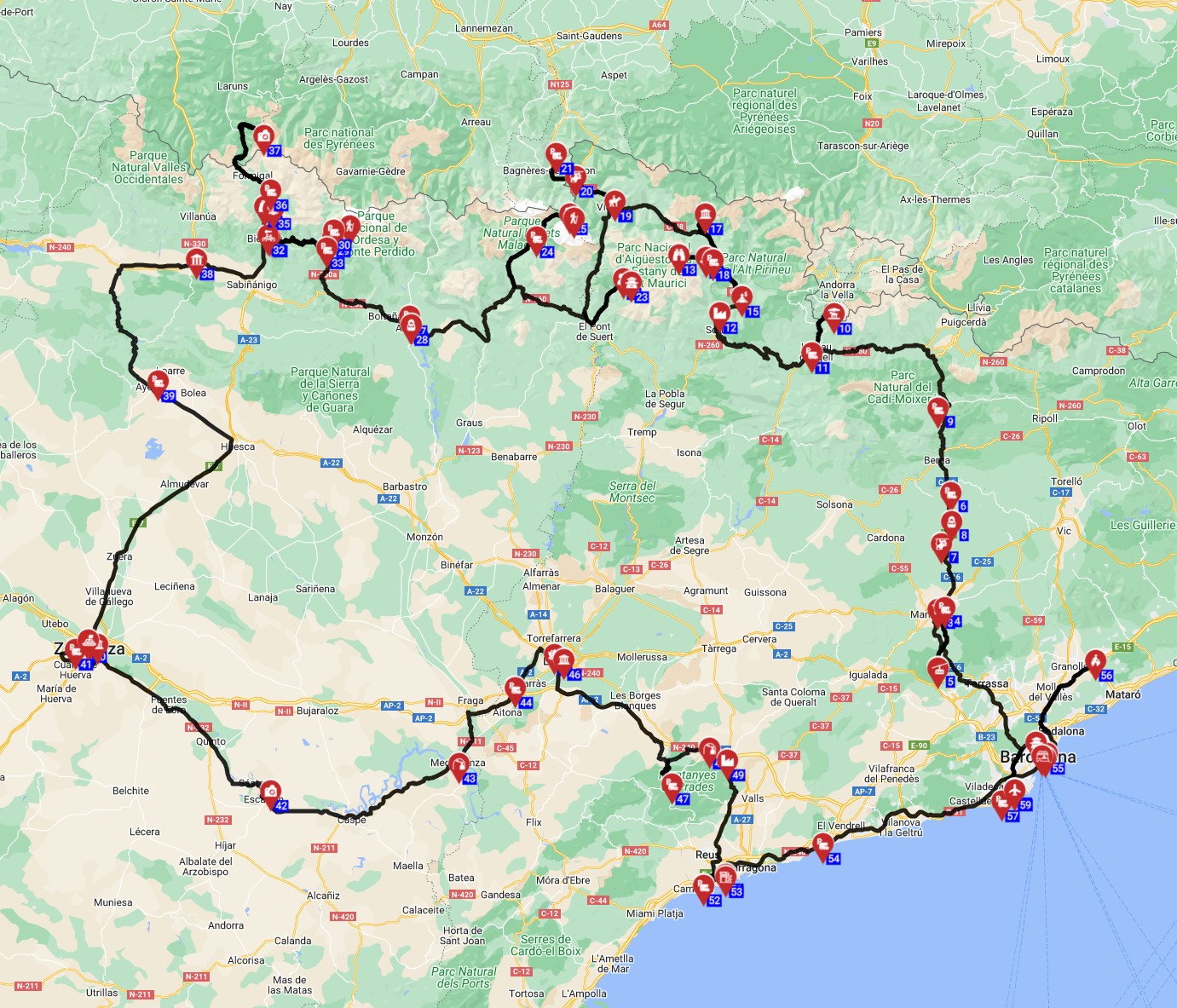
- Parque Nacional de Ordesa y Monte Perdido: Explore the majestic Pyrenees with family-friendly hikes and stunning waterfalls. Camp nearby for easy access to trails suitable for various ages.
- City of Arts and Sciences in Valencia: A futuristic complex with an IMAX cinema, an interactive science museum, and Europe's largest oceanarium - perfect for a day of educational fun.
- Playa de Bolonia, Cádiz: Visit one of Spain's most unspoiled beaches, featuring ancient Roman ruins (Baelo Claudia) directly on the sand, combining beach time with a history lesson.
- Cordoba's Mezquita-Cathedral: Witness the unique fusion of Islamic and Christian architecture in this awe-inspiring landmark, a true highlight of Andalusian culture.
Looking for expert insights from Avi Bandana? Top 5 Adventures - recommendations from Avi Bandana.
Final Thoughts
Spain truly offers an incredible canvas for family RV camping, blending historical richness, diverse natural beauty, and a welcoming culture that makes for an unforgettable adventure. With the flexibility of your rented motorhome, you're free to chase flamenco, explore Roman aqueducts, or simply relax on a pristine beach. Remember to travel slowly, perhaps 100-150 km per day on average, allowing your family to deeply connect with each place, its food, and its unique charm. Whether you're a meticulous planner or a spontaneous explorer, Spain has something for every family. From securing a spacious Class C motorhome for a two-week adventure to finding charming campgrounds with full amenities, your journey awaits. We at Bandana RV are here to support you from the moment you start dreaming until your booking is confirmed, offering full transparency and expert guidance every step of the way. So, pack your bags, rally the family, and get ready for the Spanish road trip of a lifetime. The open roads, warm sun, and vibrant culture of Spain are calling!On the routes offered through RV PLANET routes, you can itemize and track every expense along the way for easy budgeting.