In This Guide
- Where to Camp in South America - Top Options
- Campground Types in South America (National, Private, Wild)
- Featured RV Park or Campground in South America
- Hookups & Amenities - What to Expect
- Booking Windows & Reservations in South America
- Nearby Supermarkets & Resupply Points
- Best RV Class for Camping in South America
- How to Save on Campgrounds in South America
- What is the 3-3-3 rule for RV travel?
- Which South American country is best for family travel?
- What is the 4-4-4 rule for RV travel?
- Can you RV in South America?
- What is the 3 3 3 rule for RV camping?
- Are there RV parks in the country of Panama?
- What is the most family friendly country in South America?
- What is the 4 4 4 rule for RV camping?
- What is the 200 rule for camping?
- What does FF mean in camping?
- What You Shouldn't Miss
- Why Book with Bandana Caravan
- Final Thoughts
- Frequently Asked Questions
Embarking on a family RV camping adventure in South America offers unparalleled freedom to explore incredible landscapes and vibrant cultures. With a rented motorhome, your family has a mobile home base, allowing you to discover everything from the dramatic peaks of the Andes to the pristine beaches of Brazil at your own pace. For live availability and current prices, start with our RV Rental South America - Complete Guide 2026 guide.
Where to Camp in South America - Top Options
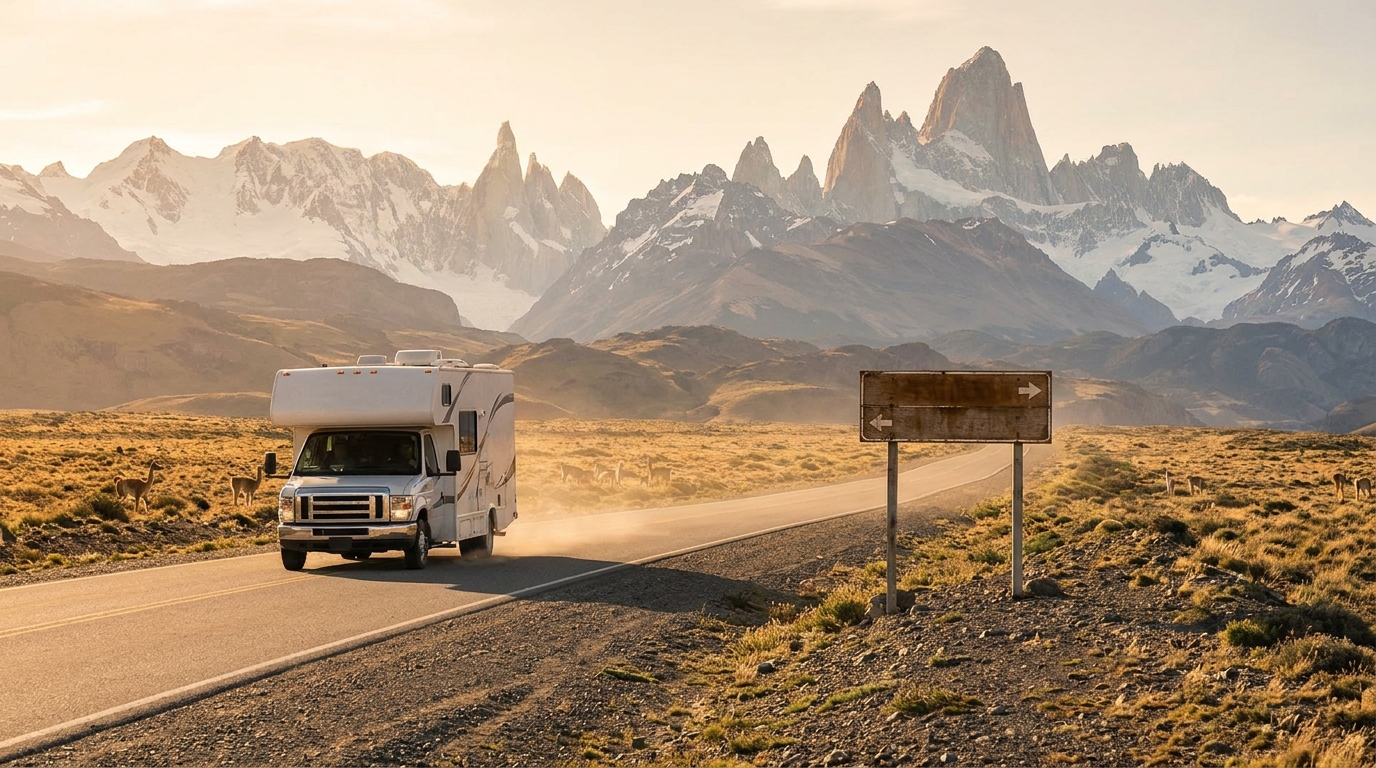
South America offers diverse camping experiences for your family RV rental, ranging from remote national parks to unique private estancias. Patagonia, spanning Chile and Argentina, is particularly renowned for its breathtaking wilderness camping opportunities in national parks like Torres del Paine and Los Glaciares. Travelers seeking high-altitude adventures will find stunning sites in the Ecuadorian Andes, offering dramatic vistas and cooler climates. Brazil’s coastal regions, conversely, provide more developed private campgrounds that cater to families with a preference for amenities. Alternatives to traditional RV parks, which are fewer than in North America, include seeking permission to stay overnight at gas stations, police stations, or even hostels that offer parking for your rented campervan.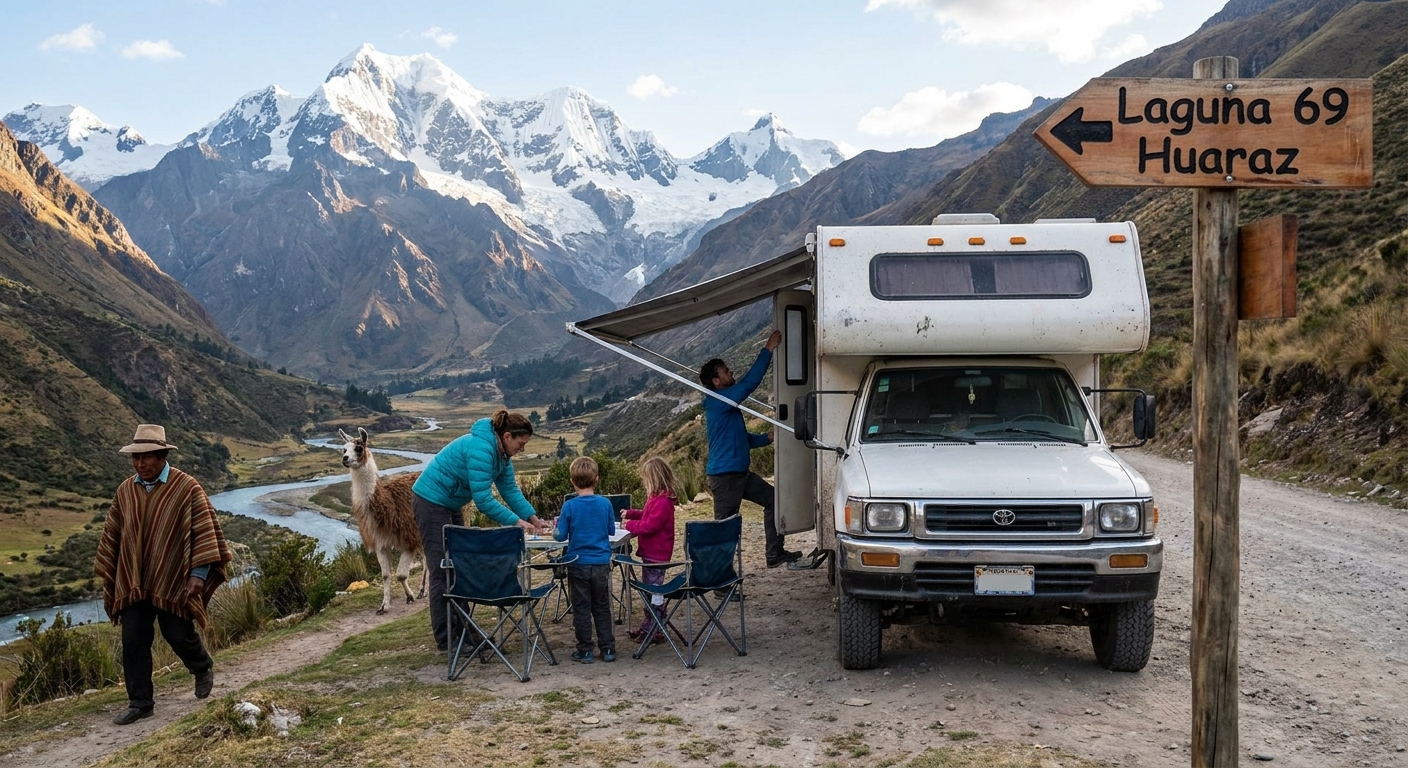
Campground Types in South America (National, Private, Wild)
South America's camping landscape for a rented RV differs significantly from North America or Europe, featuring fewer traditional, amenity-rich RV parks. National Park campsites, such as those in Torres del Paine or Los Glaciares, typically offer stunning scenery but often come with basic facilities and limited or no hookups. Private campgrounds, though present, vary greatly in quality and available amenities, from simple grassy plots to more established sites near popular tourist areas. Wild camping, also known as boondocking, is a widely practiced and often tolerated option, especially in remote regions, but requires cultural sensitivity and prior local permission (e.g., from *estancia* owners or police) to ensure both safety and respect for local customs. When considering these options for your family motorhome adventure, understanding local regulations and practicing 'Leave No Trace' principles are crucial for responsible travel.Featured RV Park or Campground in South America
When searching for a desirable RV park or campground in South America for your family rental motorhome, prioritize establishments that provide clear communication in multiple languages and offer basic, reliable amenities. The best family-friendly options will typically include secure parking, consistent access to fresh water, and clean sanitary facilities, even if full hookups are a rarity. It is essential to choose locations with positive reviews, particularly focusing on safety and hospitality, especially when traveling with children. Many "campgrounds" may be more modest, basic plots, or designated parking areas within larger private properties, rather than the expansive, resort-style RV parks found in other continents. For pre-planned routes that include suitable camping options, consider exploring the itineraries offered through RV PLANET (rvplan.net).Hookups & Amenities - What to Expect
RV hookups and amenities in South America are generally more basic than what travelers might expect in North America or Europe, requiring a preparedness for self-sufficiency during your rental motorhome trip. Electricity, often 220V and necessitating appropriate adapters, and water connections can be inconsistent or require manual setup, while dedicated dump stations are frequently rudimentary or entirely absent. Travelers should anticipate limited or sporadic Wi-Fi access, especially outside major urban areas, and be prepared for basic laundry facilities or handwashing. Showers might offer cold water or limited hot water availability, and modern, private bathroom facilities are not guaranteed, even at some private campgrounds. It is essential to travel with a robust battery system, ample water storage, and a flexible mindset for effectively managing your resources. When planning your route, RV PLANET routes allow travelers to itemize and track every expense, including potential costs for amenities or refills, along the way for easy budgeting.Booking Windows & Reservations in South America
While South America often allows for spontaneous RV travel, families planning an RV rental should consider booking popular national park campsites and preferred private campgrounds in advance, especially during peak seasons like December through February. Many national park campgrounds, particularly in sought-after regions such as Patagonia, typically release a limited percentage, often between 25% and 30%, of their spots for online reservations, with the remaining majority available on a first-come, first-served basis. For spontaneous travelers, calling ahead to check availability before driving long distances is highly recommended, as roadside signs for campgrounds are less common than in other continents. Families can be reassured that while their first-choice location might be fully booked, suitable alternatives are almost always available, often just a short drive away, providing valuable flexibility for their journey.Nearby Supermarkets & Resupply Points
Resupplying your family rental RV in South America is generally straightforward in most towns and cities, but it requires careful planning when venturing into more remote or rural areas. Major supermarket chains like Jumbo, Coto (Argentina), Tottus, Lider (Chile), Éxito (Colombia), or Carrefour are commonly found in urban centers, offering a wide selection of groceries and household supplies for your journey. In smaller towns and villages, local *mercados* (markets) or *minimarkets* (mini-supers) are excellent sources for fresh produce, local specialties, and essential items, though their selection might be more limited. Always make sure to stock up on sufficient provisions, including drinking water and non-perishable food, before you head into national parks or sparsely populated regions, as services can be infrequent and distant. For preparing delicious meals on the go, explore our RV-friendly recipes playlist.Best RV Class for Camping in South America
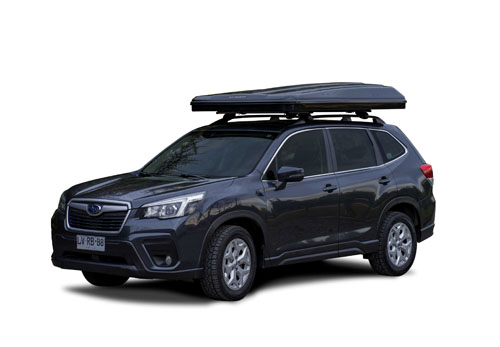
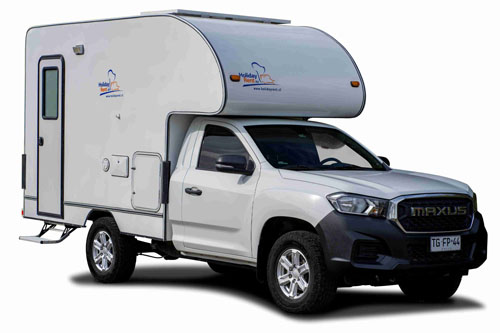
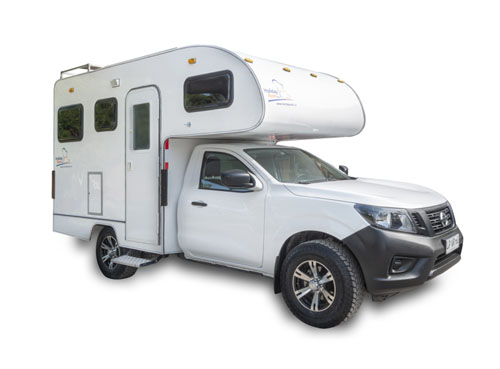
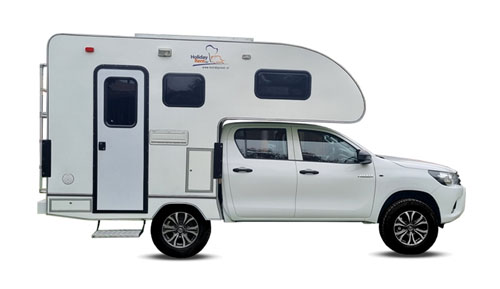
For family RV camping in South America, smaller, more maneuverable, and robust rental RV classes such as Class B Camper Vans or Class SI Semi-integrated vehicles are frequently recommended due to the continent's diverse road conditions and access challenges. Class B Camper Vans, often around 5.8 meters in length and typically accommodating 2-3 people, offer excellent agility for navigating varied terrains, including unpaved roads and narrower city streets, while consuming an economical around 10 Liters/100 km of fuel. Class SI Semi-integrated RVs, with an average length of 6.9 meters and sleeping 2-4 people, strike a good balance of comfort and practicality, making them suitable for families desiring more space without significantly compromising maneuverability, typically consuming 10-11 Liters/100 km. While larger Class C Alcove RVs (average 7.5 meters, sleeping up to 6) offer ample living space, they might be less suitable for very remote or challenging routes.🎬 Video coming soon
How to Save on Campgrounds in South America
To effectively save money on campgrounds during your family RV rental in South America, consider leveraging specific discount cards, planning your travel during the shoulder seasons, and prioritizing municipal or regional sites over more expensive luxury private resorts. Utilizing campground discount cards, which may be available through certain rental providers or local tourism offices, can often lead to significant savings on daily or weekly rates. Traveling during the shoulder seasons, typically spring (September-November) and autumn (March-May), frequently results in lower prices and fewer crowds compared to the bustling peak summer travel months. Opting for municipal, regional, or national park campgrounds, which are generally more affordable, rather than upscale private resorts, helps reduce overall trip costs. Additionally, extending your stay for three or more nights can often unlock more economical weekly rates compared to daily fees, and if permitted, sharing campsites or hookups with other groups can further split expenses.What is the 3-3-3 rule for RV travel?
The 3-3-3 rule for RV travel in South America recommends driving no more than 300 miles (approximately 480 km) in a single day, settling into your chosen campsite by 3 PM, and staying for a minimum of 3 nights at each location. This guideline is designed to prevent driver fatigue, ensuring everyone arrives at their destination refreshed and with ample daylight for setting up camp. It also encourages a slower, more immersive travel pace, which is ideal for truly experiencing the diverse cultures and breathtaking scenery South America has to offer. For families, adhering to this rule helps prevent burnout on long journeys and provides children with a stable environment for play and relaxation.Which South American country is best for family travel?
Argentina and Chile are widely regarded as among the best South American countries for family RV travel due to their extensive natural beauty, diverse family-friendly activities, and relatively developed tourist infrastructure. Both nations offer an incredible array of landscapes, from the awe-inspiring glaciers and mountains of Patagonia to the charming vineyards and expansive coastlines, providing endless opportunities for outdoor family adventures. These countries generally boast higher safety standards and more accessible services for international tourists compared to some other regions, contributing to a more comfortable and reassuring experience for families. Peru, with its rich history and iconic sites like Machu Picchu, also offers unique family experiences, though the RV infrastructure there might be less developed than in the Southern Cone. You can find more details in our Cheap RV Rental in South America - Budget Guide 2026 and Luxury RV Rental in South America - Premium Prices 2026 articles.What is the 4-4-4 rule for RV travel?
The 4-4-4 rule for RV travel is a variation of the 3-3-3 rule, suggesting that RVers drive no more than 400 miles (approximately 640 km) per day, aim to stop and set up camp by 4 PM, and remain at each location for a minimum of 4 nights. This rule is often favored by more experienced RV travelers or those planning an extended family RV rental in South America with a larger area to cover. It offers a bit more flexibility in daily mileage while still emphasizing longer stays at each destination. For families, this approach can be a good balance if they are comfortable with slightly longer driving days, ensuring enough time for deeper exploration and less frequent relocation stress.Can you RV in South America?
Yes, RVing in South America is absolutely possible and offers an incredibly immersive and adventurous way to experience the continent's diverse landscapes and cultures, though it demands meticulous planning and preparation. Successfully navigating the bureaucracy and logistics, such as obtaining necessary temporary import permits and ensuring adequate international insurance, is crucial for multi-country travel. Comprehensive safety protocols, including implementing vehicle security strategies and understanding local crime patterns, are essential considerations for a worry-free journey. Vehicle preparedness for the continent's unique road conditions, including robust ground clearance and appropriate tire types, is vital for a smooth trip. Successfully undertaking a family RV rental in South America involves embracing the challenges and rewards of an overland adventure while being well-informed and culturally sensitive.What is the 3 3 3 rule for RV camping?
The 3-3-3 rule for RV camping is identical to the 3-3-3 rule for RV travel, stipulating that campers in South America should aim to drive no more than 300 miles, settle into their campsite by 3 PM, and remain at that site for at least 3 nights. This rule's primary benefit for family RV camping is fostering a relaxed and enriching travel pace, allowing ample time to unpack, set up, and thoroughly explore the surroundings without feeling rushed. By avoiding constant movement, families can better enjoy local attractions, engage with communities, and create lasting memories without the pressure of daily travel. It’s a practical guideline to ensure the 'camping' aspect of an RV rental trip doesn't get overshadowed by excessive 'driving'.Are there RV parks in the country of Panama?
While Panama has some facilities that cater to RVers, traditional, full-service North American-style RV parks with extensive hookups and amenities are not as widespread as in other regions. Renters of an RV or campervan in Panama will typically find more basic campsites, often located at hotels, hostels, or informal parking areas where permission has been granted by property owners. These sites may offer essential services such as water and electricity, but a full array of amenities, including sewer hookups, dedicated dump stations, or extensive laundry facilities, is less common. Panama serves as a crucial transit point for those traveling between Central and South America, so understanding the more basic camping infrastructure is key for smooth planning. For details on one-way rentals, check our Weekend RV Rental in South America - Pricing 2026 and Last-Minute RV Rental in South America - What to Expect 2026 articles.What is the most family friendly country in South America?
Argentina and Chile frequently stand out as the most family-friendly countries in South America for RV travel due to their compelling combination of safety, diverse natural attractions, and developed tourism infrastructure. These countries offer a wide array of activities suitable for all ages, from accessible hikes in national parks and exciting wildlife viewing to engaging cultural experiences in vibrant cities. They generally provide a relatively stable and welcoming environment for international visitors, which is a key consideration for families seeking peace of mind. Their stunning landscapes, particularly the Patagonian regions, offer ample space for children to explore and connect with nature, making for truly memorable family adventures in a rented motorhome.What is the 4 4 4 rule for RV camping?
The 4-4-4 rule for RV camping, mirroring the 4-4-4 rule for RV travel, advises limiting daily driving to 400 miles (approximately 640 km), arriving at the campsite by 4 PM, and extending stays to a minimum of 4 nights at each location. This guideline is beneficial for families seeking a balanced approach between covering significant distances and thoroughly immersing themselves in their chosen destinations. By adhering to this rule, families can reduce the frequency of packing and unpacking their rental camper, allowing for a more settled and enjoyable camping experience. It's particularly useful for those planning an extended family RV rental in South America, where deeper engagement with fewer locations can often be more rewarding than rushing through many. You can explore longer itineraries in our Long-Term RV Rental in South America - Monthly Rates 2026 guide.What is the 200 rule for camping?
The '200 rule' in camping generally refers to the guideline of maintaining at least 200 feet (approximately 60 meters) of distance between your campsite and natural water sources, other campers, or established trails. This rule is a crucial component of 'Leave No Trace' principles, aiming to minimize environmental impact, preserve natural habitats, and ensure privacy for all outdoor enthusiasts. When wild camping or finding informal spots for your rental motorhome in South America, understanding and applying this rule helps protect sensitive ecosystems and respects local land use. It also contributes significantly to personal safety and reduces the likelihood of disturbing wildlife or other people in remote areas.What does FF mean in camping?
In camping terminology, 'FF' most commonly stands for 'Full Hookups,' indicating that a campsite provides access to all three essential utilities: electricity, fresh water, and a sewer connection. Campsites labeled 'FF' offer the highest level of convenience for RVers, allowing them to power their appliances, fill their water tanks, and drain their wastewater directly at their site. While prevalent in North American and European RV parks, full hookup (FF) sites are less common in South America, especially outside of major tourist centers or purpose-built RV resorts. Families planning an RV rental in South America should anticipate that many campgrounds may only offer partial hookups (e.g., just electricity and water) or be 'dry camping' (boondocking) sites without any utilities.What You Shouldn't Miss
- Patagonia's Glaciers: Witness the awe-inspiring Perito Moreno Glacier in Argentina, where massive ice calvings create unforgettable spectacles.
- Andean Highlands: Drive through the stunning landscapes of the Ecuadorian or Peruvian Andes, experiencing local culture and vibrant markets.
- Brazilian Coastline: Explore the diverse beaches and lush rainforests along Brazil’s extensive coastline in your rented campervan.
- Atacama Desert: Venture into Chile's Atacama Desert for otherworldly landscapes, clear night skies, and unique geological formations.
- Route of the Seven Lakes: Traverse Argentina's scenic Ruta de los Siete Lagos for picturesque views of turquoise lakes and towering peaks.
- Looking for expert insights from Avi Bandana? Top 5 Adventures - recommendations from Avi Bandana.
Final Thoughts
Planning a family RV camping trip through South America promises an extraordinary adventure filled with breathtaking scenery and unforgettable cultural encounters. Remember to embrace the slower pace of travel, aiming for about 100-150 km per day, allowing your family ample time to truly connect with each destination. With careful planning for logistics and a flexible attitude towards amenities, your rental motorhome can be the perfect vessel for exploration. We are here to support you at every step, offering clear pricing and expert advice. Start comparing motorhome rentals in South America today, and get ready to create cherished memories that will last a lifetime. Discover top destinations, planning tips, all in one place!On the routes offered through RV PLANET routes, you can itemize and track every expense along the way for easy budgeting.