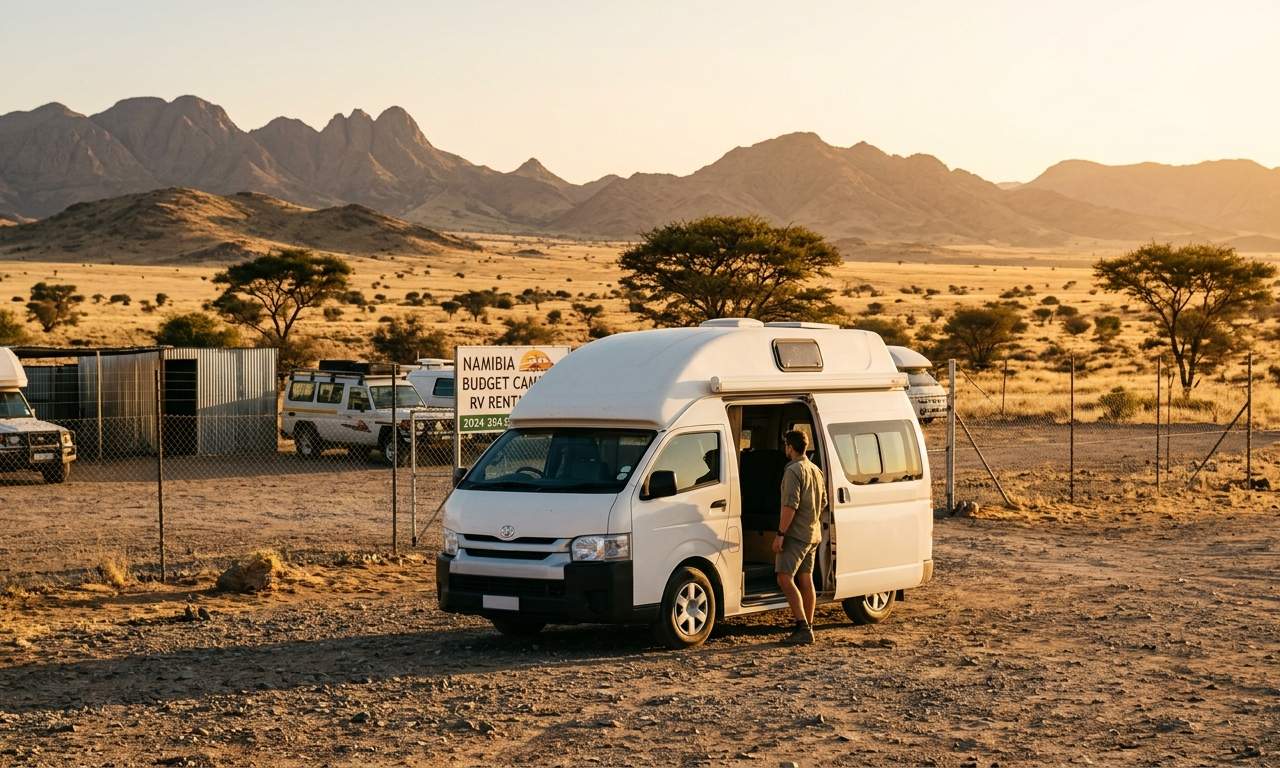
For live availability and current prices, start with our RV Rental Namibia - Complete Guide 2026 guide.
In This Guide
- Where to Camp in Namibia - Top Options
- Campground Types in Namibia (National, Private, Wild)
- Featured RV Park or Campground in Namibia
- Hookups & Amenities - What to Expect
- Booking Windows & Reservations in Namibia
- Nearby Supermarkets & Resupply Points
- Best RV Class for Camping in Namibia
- How to Save on Campgrounds in Namibia
- Is RV travel safe in Namibia?
- How much does it cost to RV in Namibia?
- Is Namibia cheap or expensive?
- Do you need a 4x4 for Namibia?
- What are the best places to visit in Namibia by RV?
- What is the best time of year to RV in Namibia?
- Can you wild camp in Namibia?
- What documents do I need to rent an RV in Namibia?
- Is driving in Namibia difficult?
- What You Shouldn't Miss
- Why Book with Bandana Caravan
- Final Thoughts
- Frequently Asked Questions
Imagine your family waking up to the vast, open landscapes of Namibia, with the promise of adventure stretching out before you. Renting a motorhome in this incredible Southern African nation offers an unparalleled sense of freedom, allowing you to explore iconic deserts, abundant wildlife parks, and dramatic coastlines at your own pace. With a rented RV, every sunrise is a new vista, and every stop is a memory in the making.
For those ready to embark on such an unforgettable journey, our RV Rental Namibia - Complete Guide 2024 provides all the essential information to help you plan your trip, from choosing the right vehicle to navigating local regulations. We at Bandana RV specialize in making your dream RV adventure a reality, with full transparency and dedicated support every step of the way.
Where to Camp in Namibia - Top Options
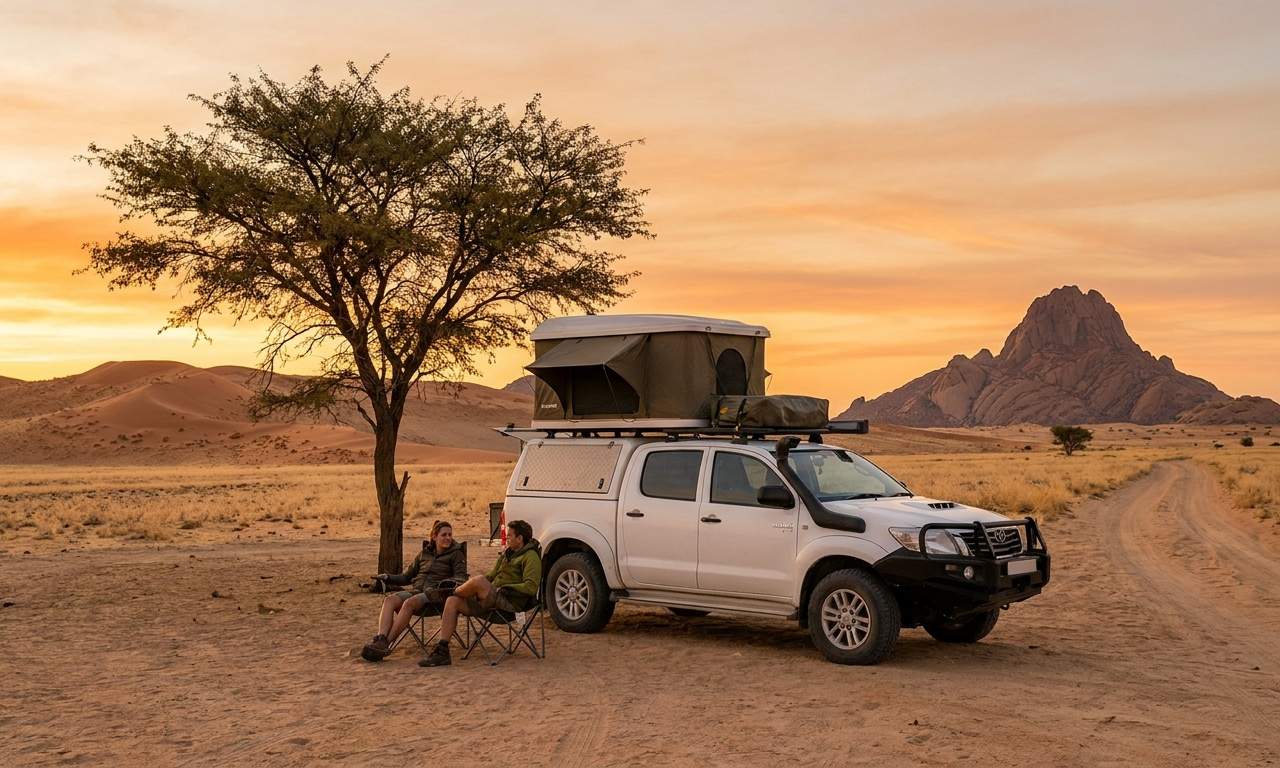
Namibia offers diverse and captivating camping experiences, from well-equipped national park sites to truly remote wilderness spots. For families, securing a spot in one of the iconic destinations is key to experiencing Namibia's natural wonders comfortably. Etosha National Park, for example, is world-renowned for its exceptional wildlife viewing, with excellent campsites like Okaukuejo and Halali offering convenient facilities right by floodlit waterholes, increasing your chances of seeing rhinos or elephants from your camp chair after dark. Another must-visit is Sossusvlei, where sites near Sesriem Canyon provide crucial early access to the towering red dunes for spectacular sunrise photographic opportunities. These popular locations often require advance booking, especially if you're targeting peak season from July to October. For a rugged coastal adventure, consider exploring the Skeleton Coast, while coastal towns like Swakopmund and Walvis Bay offer private campgrounds with a wider range of amenities, including pools and restaurants, perfect for a family stopover and marine activities.
Campground Types in Namibia (National, Private, Wild)
Namibia features three primary types of campgrounds, each offering a unique experience for family RV travelers. National park campgrounds, managed by Namibia Wildlife Resorts (NWR), are typically more basic but provide unparalleled locations for wildlife and popular attractions within fenced, secure areas. These sites allow you to immerse your family directly in nature, often with essential facilities like communal ablution blocks and braai (barbecue) areas. Private campgrounds, found in towns and on private reserves, cater to a higher comfort level, frequently offering more amenities such as swimming pools, restaurants, Wi-Fi (often slow or only near reception), and guided tours. For adventurous spirits, wild camping, also known as freedom camping or bush camping, is generally tolerated in very remote, unfenced areas outside of national parks and private land. However, it's crucial to always exercise caution, seek local advice, and ensure you leave no trace, respecting the environment and any potential landowners. Strictly speaking, explicit legality for wild camping varies by region, so prudence and calling ahead to confirm are key for a responsible and worry-free experience.
Featured RV Park or Campground in Namibia
When selecting an RV park in Namibia, prioritizing features that enhance both comfort and access to the country's breathtaking natural wonders is essential, especially for families. An ideal family-friendly RV park often offers spacious sites, ample shaded areas to escape the intense desert sun, and consistently clean ablution blocks with reliable hot showers. Many top-tier private campgrounds, for example, might also include a swimming pool, which is a fantastic amenity for kids and adults alike after a day of exploring. Proximity to major attractions, like the entrance to a national park or a popular scenic drive, can significantly minimize travel time and maximize family enjoyment. Look for locations that provide easy access to local activities, such as guided safaris, desert excursions, or cultural experiences. Strong security measures, including fencing and regular patrols, offer peace of mind when traveling with children and valuable gear. Additionally, sites offering family-specific amenities, such as play areas or communal braai facilities, can enrich the camping experience, allowing for memorable evenings cooking together. For finding campsites and campgrounds during your trip, we recommend using RV PLANET (rvplan.net) - a great resource for locating available spots along your route.
Hookups & Amenities - What to Expect
Most well-established RV campgrounds in Namibia, particularly private and some national park sites, offer a range of hookups and amenities essential for comfortable family travel. Electrical hookups are standard at most powered sites, typically providing 220-240V, which requires a Type M South African plug adapter for international visitors. Fresh water points are also commonly available, though water pressure can sometimes vary in very remote areas, so carrying a full tank and conserving water is always a good idea. Dump stations for both grey and black water are widely accessible, either at individual RV sites or as central facilities within the campground. While Wi-Fi is often available at private lodges and larger campsites, particularly near reception areas, its speed and reliability can be inconsistent, and it rarely extends to individual RV sites. For those planning to create delicious meals on the go, clean ablution blocks with hot showers and laundry facilities (either self-service or a service option) are standard at most mid-range to upscale campgrounds, making longer trips more manageable. Prepare your favorite meals from scratch with our RV-friendly recipes playlist. On the routes offered through RV PLANET routes, you can itemize and track every expense along the way for easy budgeting.
Booking Windows & Reservations in Namibia
For family RV rentals in Namibia, especially during the busy peak season (July-October), planning and booking both your RV and accommodations well in advance is highly recommended to secure your desired spots. National park campgrounds, managed by NWR, are particularly popular and often release only 25-30% of their spots for advance reservations, with the remaining allocation available on a first-come, first-served basis. While spontaneous travelers may find availability, particularly outside peak season or in less frequented areas, calling ahead to confirm space before driving long distances is a prudent strategy, especially when traveling with children. Private campgrounds generally offer more flexibility but can still fill up, especially those located near popular attractions like Sossusvlei or Swakopmund. No need to stress about securing a spot - you will almost certainly find a place to camp. If not at the first campground, then generally at the next one down the road, though it might require a small detour. For additional planning insights, consider checking out our "Weekly RV Rental in Namibia - Pricing 2024" route plans.
Nearby Supermarkets & Resupply Points
Stocking your family RV in Namibia is crucial for comfortable and self-sufficient remote travel, with major towns offering well-stocked supermarkets and smaller settlements providing essential basic supplies. In larger urban centers like Windhoek, Swakopmund, and Walvis Bay, you’ll find recognizable chains such as Shoprite, Checkers, and Spar. These stores offer a comprehensive range of groceries, fresh produce, meat, and household items, making them ideal for a major resupply before venturing into national parks or remote areas where options are significantly limited. As you travel through smaller towns and rural areas, roadside stores and fuel stations often stock basic necessities, including bottled water, canned goods, and essential snacks, but expect a much-reduced selection. Always carry extra water, non-perishable food, and a sufficient supply of cash, as card facilities may not be available or reliable in very remote locations. Planning your stops strategically for provisions is a smart move for a smooth family RV trip. On RV PLANET routes, travelers can itemize and track every expense along the way for easy budgeting.
Best RV Class for Camping in Namibia
For family RV camping in Namibia, Class C Alcove and Class SI Semi-integrated motorhomes from Bandana’s diverse fleet are often ideal choices, expertly balancing space, comfort, and maneuverability. Class C Alcove RVs, with an average length of 7.5 meters and sleeping capacity for approximately 5-6 people, provide ample space for larger families, often including an over-cab bed for additional sleeping arrangements. These motorhomes typically feature a spacious living area, a fully equipped kitchen, and a private bathroom, ensuring self-sufficient travel even in remote regions. For smaller families or those preferring a more streamlined vehicle, Class SI Semi-integrated motorhomes, averaging 6.9 meters in length and sleeping around 3-4 people, offer a comfortable experience with similar amenities. When budgeting for fuel, which is a significant ancillary cost in Namibia, expect Class C Alcove models to average 10-12 Liters/100 km and Class SI Semi-integrated models to average 10-11 Liters/100 km. Both classes are well-suited for navigating Namibia’s varied road conditions, providing a mobile home base for your family adventure.
How to Save on Campgrounds in Namibia
Families renting an RV in Namibia can significantly reduce their camping costs by employing smart strategies and being flexible. Firstly, exploring whether your rental provider, such as Bandana, offers campground discount cards or passes for national parks and private resorts can yield substantial savings. Traveling during the shoulder seasons, typically April-May and November, instead of the peak dry season (June-October), often results in lower campsite rates and generally fewer crowds, enhancing your experience. Opting for municipal or lesser-known regional campgrounds over upscale private resorts can also provide substantial savings, though you might find amenities to be more basic. Many campgrounds offer more economical weekly rates compared to nightly stays, making longer stops in one location a cost-effective choice for families. Furthermore, if you are traveling with another family or group in a separate RV, sharing hookups or splitting the cost of larger sites can contribute to overall savings. Planning your route and booking accommodations efficiently can certainly help manage your budget for a memorable trip, and our "Cheap RV Rental in Namibia - Budget Guide 2024" offers more tips.
Is RV travel safe in Namibia?
RV travel in Namibia is generally considered safe, provided travelers adhere to comprehensive safety protocols, especially concerning wildlife, remote areas, and personal security. Wildlife encounters are common, particularly within national parks like Etosha, so always maintain a safe distance from animals, drive cautiously, and never feed wild animals. When venturing into remote areas, ensure your rented RV is well-maintained and fully stocked with extra fuel, sufficient water, and emergency supplies. Communication devices like satellite phones are highly recommended as cell service can be intermittent or nonexistent in isolated regions. Specific crime prevention measures include securing all valuables, avoiding driving at night whenever possible, and always locking your vehicle, even when present at a campsite. Be prepared for potential vehicle breakdowns in isolated regions by carrying basic tools, spare tires, and having emergency contacts readily available. With careful planning and common sense, a family RV trip in Namibia can be an incredibly safe and rewarding adventure.
How much does it cost to RV in Namibia?
The total cost of RV travel in Namibia for families can vary significantly, encompassing RV rental fees, fuel, national park entrance fees, various permits, food, and unexpected incidentals. RV rental costs represent a primary expense, with dynamic pricing based on vehicle class (e.g., Class C Alcove motorhomes average 10-12 Liters/100 km fuel consumption), season, and rental duration. Families should budget for this first, keeping in mind that prices change daily like airline tickets. Fuel consumption is a major ongoing cost due to the long distances between attractions; with fuel prices fluctuating, diligent planning of fuel stops is essential. National park entrance fees, such as for Etosha, can range from approximately NAD 100-150 per adult per day, plus a vehicle fee of around NAD 50, which quickly adds up for a family on an extended trip. Additionally, specific permits may be required for restricted areas like Sossusvlei pre-sunrise entry. Allocating funds for comprehensive food and water provisioning from supermarkets in major towns, along with a buffer for potential unexpected incidentals like tire repairs on gravel roads, will help ensure a smooth journey. For detailed route plans and an itemized breakdown of potential expenses, explore RV PLANET routes to help manage your budget effectively.
Is Namibia cheap or expensive?
Namibia can be considered a moderately expensive destination for family RV travel, particularly when accounting for specialized vehicle rentals, the long distances covered, and the costs associated with national park fees and permits. While local goods and services, such as groceries from major supermarkets in towns like Windhoek, can be relatively affordable, the specialized nature of RV rentals and the significant fuel costs for extensive travel across the vast country can elevate overall expenses. Accommodation at national park campsites or upscale private lodges tends to be pricier, offering a higher level of comfort and amenities. However, budget-friendly campsites, especially those run by municipalities or offering basic facilities, provide a more economical alternative for savvy travelers. The considerable distances between key attractions mean substantial fuel expenditure, which can quickly add to the overall trip cost, especially for larger family RVs like Class C motorhomes with 10-12 Liters/100 km consumption. To effectively manage costs, consider self-catering meals from local supermarkets and prioritizing free or low-cost activities like scenic drives, hiking, and spectacular star-gazing opportunities in areas like the NamibRand Nature Reserve. Our "RV Rental in Namibia - Prices and Best Deals 2024" guide offers more budget-friendly strategies.
Do you need a 4x4 for Namibia?
While not all of Namibia's main tourist routes strictly require a 4x4 RV, specific challenging roads and remote destinations necessitate a 4x4 vehicle for safe and accessible travel. Many primary routes to popular destinations, including those leading to Etosha National Park and major towns like Windhoek and Swakopmund, are on well-maintained tar roads or adequately graded gravel surfaces, making them suitable for standard 2x4 RVs. However, routes to iconic attractions such as the final 5 kilometers to the Sossusvlei dunes (where a shuttle is otherwise required), certain remote areas in Damaraland, or riverbeds often demand 4x4 capabilities due to deep sand or rough terrain. Gravel roads, which are prevalent throughout Namibia and make up a significant portion of the road network, can be treacherous, prone to punctures, and very dusty. A 4x4 RV provides superior ground clearance and traction, offering increased safety, comfort, and the ability to access more off-the-beaten-path experiences. Always research your intended route thoroughly and confirm vehicle requirements with your RV rental provider, as a 4x4 certainly enhances your exploration options and peace of mind.
What are the best places to visit in Namibia by RV?
Namibia offers exceptional RV destinations for families, ensuring a memorable adventure through diverse landscapes. Etosha National Park is a must-visit for unparalleled wildlife viewing, with well-equipped campsites and numerous waterholes that allow for incredible animal observations directly from your rented motorhome. Sossusvlei, with its towering red dunes, provides breathtaking desert landscapes and unique opportunities for sunrise and sunset photography, easily accessible with an RV for early morning entries. The majestic Fish River Canyon, Africa's largest canyon, offers stunning viewpoints and seasonal hiking trails, with nearby campsites serving as a convenient base. Coastal towns like Swakopmund and Walvis Bay provide a refreshing contrast, offering marine activities such as dolphin cruises, quad biking in the dunes, and comfortable private RV parks with amenities perfect for families. Traveling slowly, aiming for a maximum of 100-150 km per day on average, allows you ample time to feel the place, connect to the local culture, savor the food, and fully appreciate the stunning scenery that Namibia has to offer. For more detailed route plans and points of interest, consider our "RV Driving Deals in Namibia - Routes and Savings 2024".
What is the best time of year to RV in Namibia?
The best time of year for a family RV trip in Namibia is generally during the dry season, from May to October, which offers optimal wildlife viewing and comfortable driving conditions. During this period, temperatures are pleasant, rainfall is minimal, and animals congregate around shrinking waterholes, making game spotting in Etosha National Park particularly rewarding and consistent. The dry season also means less muddy roads, which is a significant advantage for RV travel, though dust can still be a factor on gravel roads. The shoulder seasons, spanning April-May and November, can also be excellent, offering good weather, fewer crowds, and potentially lower prices before the peak season truly begins. While the rainy season, from December to March, brings lush green landscapes and spectacular thunderstorms, some roads may become impassable, and wildlife viewing can be more challenging due to animals being dispersed across wider areas with abundant water sources. For luxury RV rental in Namibia, securing your booking during these prime months is highly advised.
Can you wild camp in Namibia?
Wild camping, also known as freedom camping or bush camping, is generally tolerated in very remote, unfenced areas of Namibia outside of national parks and private concessions, but it is not explicitly legal everywhere. It is crucial for RV travelers to exercise extreme caution and demonstrate utmost respect for the fragile environment when considering wild camping, always ensuring you leave no trace and are not on private land without explicit permission. National parks and established wildlife reserves strictly prohibit wild camping to protect the diverse wildlife and manage visitor impact; within these areas, designated campsites must always be used. For responsible wild camping, choose secluded spots far from human settlements and any water sources, properly bury human waste, pack out all trash, and remain highly aware of potential wildlife encounters. Always prioritize safety, and if there's any doubt about a location, opt for an established campground. Seeking local advice from communities or tourism operators can also help identify suitable and safe wild camping locations for your family RV adventure.
What documents do I need to rent an RV in Namibia?
To rent an RV in Namibia, families typically need to present a valid driver's license from their home country, an International Driving Permit (IDP), a passport, and a major credit card for the rental deposit. Your domestic driver's license must be valid, held for a minimum of two years, and preferably in English or accompanied by a certified translation if from a non-English-speaking country. An International Driving Permit (IDP) is strongly recommended for all foreign visitors and is often legally required by local authorities, as it provides a translation of your domestic license into multiple languages. Your passport is essential for identification purposes and any necessary visa requirements for entry into Namibia, which should be thoroughly checked prior to your travel dates. A major credit card (Visa or MasterCard are widely accepted) is necessary for the security deposit, which can be substantial depending on the RV class, and for final payment of the rental. Ensuring you have a sufficient credit limit available is also important. Always double-check with your specific rental supplier for any additional unique documentation requirements.
Is driving in Namibia difficult?
Driving a rented motorhome in Namibia can present unique challenges, but it is generally manageable for experienced drivers who are prepared for varied road conditions and long distances. The primary difficulty stems from the prevalence of gravel roads, which constitute a significant portion of the country's network. These roads require slower speeds, increased attention to corrugations, loose surfaces, and vigilance for potential punctures. It's advisable to drive at a maximum of 80 km/h on gravel roads to maintain control and reduce wear on the vehicle. Long distances between towns mean extended driving days, emphasizing the need for adequate rest, carrying sufficient fuel (especially for larger RVs averaging 10-12 Liters/100 km), and planning your stops strategically. Wildlife on roads, particularly at dusk and dawn in areas bordering national parks, poses a significant hazard, so always drive cautiously and be prepared for sudden animal crossings. While navigating is generally straightforward on main routes, a reliable GPS, up-to-date physical maps, and prior knowledge of specific permit requirements for restricted areas are crucial for a smooth family trip. Drive slowly and carefully, and you can drive almost anywhere without issues. No need to stress - just use common sense and pay attention. For additional guidance, consult our "RV Driving Deals in Namibia - Routes and Savings 2024" itineraries.
What You Shouldn't Miss
- **Etosha National Park:** Spend at least 3-4 days exploring the diverse wildlife around the numerous waterholes, especially the floodlit ones at Okaukuejo, Halali, and Namutoni, directly from your RV campsite.
- **Sossusvlei & Deadvlei:** Experience the breathtaking red dunes at sunrise or sunset. Secure a permit for early entry to capture the iconic contrasts of Deadvlei.
- **Swakopmund & Walvis Bay:** Enjoy a change of scenery with coastal activities like catamaran cruises to see seals and dolphins, quad biking in the dunes, or exploring the German colonial architecture.
- **Fish River Canyon:** Visit Africa's largest canyon, offering dramatic viewpoints and seasonal hiking opportunities. Spend a night at a nearby campsite under Namibia's famous dark skies.
- **Damaraland:** Search for desert-adapted elephants and rhinos in this rugged, scenic region. Explore ancient rock art at Twyfelfontein, a UNESCO World Heritage site.
Looking for expert insights from Avi Bandana? Top 5 Adventures - recommendations from Avi Bandana
🎬 Video coming soon
Final Thoughts
A family RV camping adventure in Namibia is more than just a vacation; it's an immersive journey into one of Africa's most stunning and untamed landscapes. From the golden dunes of Sossusvlei to the wildlife-rich plains of Etosha, the freedom of a rented motorhome allows your family to connect with nature and each other in a truly unique way. With the practical advice on campgrounds, vehicle choices, and local conditions, you're now well-equipped to plan your epic road trip.
Remember to embrace the philosophy of slow travel, allowing 100-150 km per day on average, to fully absorb the beauty and culture of this incredible country. Our commitment at Bandana RV is to provide you with full transparency, peace of mind with top-level deductible options, and the expert support of true RV specialists. We're with you before, during, and after your booking to ensure your trip is as smooth and enjoyable as possible.
So, gather your family, pick your ideal motorhome, and prepare for an adventure that will create cherished memories for years to come. Your Namibian RV journey awaits!
Compare Motorhome Prices for Namibia