
In This Guide
- Where to Camp in Israel - Top Options
- Campground Types in Israel (National, Private, Wild)
- Featured RV Park or Campground in Israel
- Hookups & Amenities - What to Expect
- Booking Windows & Reservations in Israel
- Nearby Supermarkets & Resupply Points
- Best RV Class for Camping in Israel
- How to Save on Campgrounds in Israel
- How to rent an RV in Israel?
- What are the best RV rental options in Israel?
- What is the best time of year to RV in Israel?
- How much does it cost to rent an RV in Israel?
- Is it safe to RV camp in Israel?
- Are there specific RV routes or itineraries for families in Israel?
- What are the rules for wild camping or boondocking in Israel?
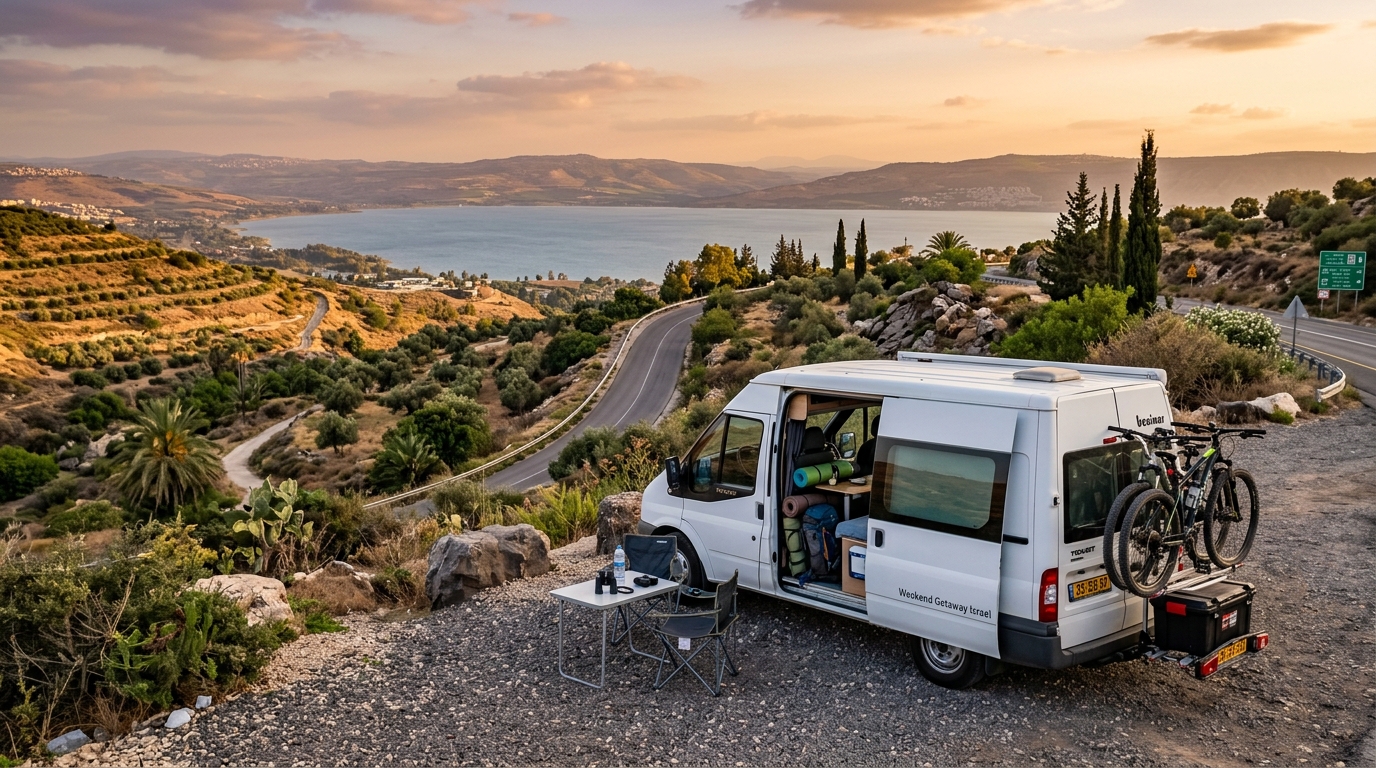
Exploring Israel with a rented RV or motorhome offers families an unparalleled adventure, combining historical wonders, stunning landscapes, and kid-friendly outdoor experiences. Imagine waking up to the serene Sea of Galilee, stargazing in the vast Negev Desert, or enjoying a fresh breakfast near the vibrant Mediterranean coast, all from the comfort of your mobile home. At Bandana, we genuinely love helping families discover the magic of RV travel, and we're with you every step of the way, ensuring full transparency with no hidden fees and supportive assistance from day one until your booking is confirmed. For live availability and current prices, start with our RV Rental Israel - Complete Guide 2026 guide.
Where to Camp in Israel - Top Options
Top RV camping destinations for families in Israel include the lush Galilee region, the historic Negev Desert, and the Mediterranean coast, each offering unique landscapes and experiences. The Galilee area, rich in history and natural beauty, is ideal for nature lovers, providing easy access to the Sea of Galilee, numerous hiking trails, and ancient sites. You could spend a week exploring the region, kayaking on the Jordan River, and visiting sites like Capernaum and Nazareth. For families seeking a unique adventure, the Negev Desert is perfect for stargazing in an internationally recognized 'Dark Sky Park' like the Ramon Crater, experiencing Bedouin culture, and exploring designated off-road trails. The Mediterranean Coast provides proximity to beautiful beaches, vibrant cities like Tel Aviv, and historical coastal towns such as Akko and Caesarea, allowing a blend of relaxation and cultural exploration. Remember to travel slowly, max 100-150 km per day on average, to truly connect to the culture, food, and scenery.
Campground Types in Israel (National, Private, Wild)
Israel offers diverse RV camping experiences ranging from well-equipped national park sites and private campgrounds to more adventurous wild camping, though specific regulations for the latter are a grey area. National park campgrounds typically provide basic facilities like fresh water and sometimes electricity, and are often located in scenic natural or historical sites. These sites, managed by the Israel Nature and Parks Authority, require advance booking, especially during peak seasons like Jewish holidays. Private campgrounds offer more extensive amenities such as full electrical hookups (220V), showers, and dump stations, sometimes even including pools or Wi-Fi, generally at a higher cost. For finding campsites and campgrounds during your trip, we recommend using RV PLANET (rvplan.net) - a great resource for locating available spots along your route. Wild camping, or boondocking, is generally tolerated in certain undeveloped areas, particularly in the vast Negev Desert, but it is not explicitly regulated. Campers should exercise discretion, adhere to 'Leave No Trace' principles, and strictly avoid private land, active military zones, or protected nature reserves. It's an adventure to be sure, offering incredible solitude and stargazing opportunities, but requires careful planning for water and waste management. On the routes offered through RV PLANET routes, you can itemize and track every expense along the way for easy budgeting.
Featured RV Park or Campground in Israel
When selecting an RV park in Israel, families should prioritize sites offering essential amenities like 220V electrical hookups, fresh water access, and sewage dump stations, along with child-friendly facilities or proximity to desired attractions. A prime example is the Ein Gedi Camp Lodge near the Dead Sea, which offers powered sites, modern facilities, and breathtaking views of the Dead Sea and surrounding desert landscape. This location is particularly beneficial for families due to its proximity to family-friendly activities such as the Ein Gedi Nature Reserve for hiking and the Dead Sea for unique floating experiences. Look for reliable 220V electricity, accessible fresh water points, and convenient grey/black water dump stations at any campground you choose. Beyond practicalities, prioritize campgrounds that feature playgrounds, open spaces, and safe environments for children, or offer direct access to family-oriented activities like beaches or nature trails. Always consider locations that balance natural beauty with proximity to supermarkets for resupply and key tourist attractions without requiring extensive driving on narrow roads.
🎬 Video coming soon
Hookups & Amenities - What to Expect
RV campers in Israel can expect varying levels of hookups and amenities, with most dedicated campgrounds providing 220V electrical hookups, fresh water, and often dump stations, though services like Wi-Fi and laundry are less consistently available. Standard voltage for electricity is 220V, and travelers will typically need a European two-pin or Schuko plug adapter. Fresh water refills are generally accessible, and grey/black water dump stations are common at established campgrounds, ensuring you can manage your waste responsibly. Showers are frequently offered, though sometimes coin-operated, so carrying small change is a good idea. Wi-Fi access may be limited to common areas or sporadic, and laundry facilities are rare at campgrounds. Propane refills are available in larger towns at specialized gas stations, so plan your refills strategically. Keep in mind that amenities might be simpler than what you're accustomed to in North America, but they are functional and serve their purpose for a comfortable RV rental experience in Israel.
Booking Windows & Reservations in Israel
For family RV rentals in Israel, booking campgrounds significantly in advance is advisable, especially during peak seasons like holidays or summer, although many national park campgrounds reserve a portion of their spots for first-come, first-served arrivals. If you're planning a trip during peak season (July-August, Passover, and Sukkot), booking 3-6 months ahead is highly recommended, as campgrounds fill up quickly. For shoulder seasons (March-May, excluding Passover, or September-November, excluding Sukkot), booking a few weeks to a month ahead is usually sufficient. It's reassuring to know that many national park campgrounds only release 25-30% of their spots for advance reservations, leaving the majority for spontaneous, first-come, first-served arrivals on the day. So, while advance booking offers peace of mind, it's often possible to find a spot by calling ahead on the day, even if it means trying a second or third campground. Always call the specific campground directly before driving there to confirm availability, particularly when traveling with children. We handle the details, you live the journey, with personal service from day one until your booking is confirmed.
Nearby Supermarkets & Resupply Points
RV families in Israel can easily resupply at major supermarket chains found in most towns and cities, such as Shufersal (including its various formats like 'Deal' and 'Sheli'), Rami Levy, and Victory, which offer a wide range of groceries and household items. These large chains are prevalent across Israel, making it convenient to stock your rented motorhome's kitchen with fresh ingredients. Remember that supermarkets typically operate with reduced hours or may be closed entirely on Shabbat (Friday evening to Saturday evening) and Jewish holidays, so plan your shopping trips accordingly. For fresh produce, spices, and a truly authentic cultural experience, don't miss visiting local 'shuks' (markets) in cities like Jerusalem or Tel Aviv. Here, you can immerse yourself in the vibrant atmosphere and find unique local delicacies. Budgeting for these experiences is easy with RV PLANET routes, where travelers can itemize and track every expense along the way for easy budgeting. If you're keen on cooking delicious meals in your RV, check out our RV-friendly recipes playlist for inspiration.
Best RV Class for Camping in Israel
For family RV camping in Israel, Class C Alcove and Class SI Semi-integrated RVs are generally the most suitable, balancing comfortable living space for families with manageable vehicle dimensions for navigating the country's diverse road network. Class C - Alcove motorhomes are ideal for larger families, typically accommodating 4.4 adults and 5.8 sleeping places, with an average length of 7.5 meters. These offer ample space and often a separate sleeping area above the cab, though their size can require a bit more attention on very narrow roads or for city parking. Their fuel consumption is typically 10-12 Liter/100 km. A popular choice within this category might be the 'MHC24' model. Class SI - Semi-integrated motorhomes provide a good compromise for smaller families, averaging 3.4 adults and 3.8 sleeping places, with an average length of 6.9 meters. These are more compact and maneuverable than Class C, making them suitable for a wider range of roads and easier parking, while still providing comfort. Their fuel consumption is typically 10-11 Liter/100 km. For couples or very small families, a Class B - Camper Van is best, averaging 2.7 adults and 3.2 sleeping places at an average length of 5.8 meters. These offer maximum maneuverability for city driving and accessing tighter spots, ideal for more adventurous boondocking, with fuel consumption around 8-10 Liter/100 km. Drive slowly and carefully, and you can drive almost anywhere without issues. No need to stress - just use common sense and pay attention.
How to Save on Campgrounds in Israel
Families can save on RV campgrounds in Israel by utilizing discount cards, opting for shoulder season travel, and choosing more budget-friendly national or municipal sites over private resorts. While specific international discount cards might have limited applicability in Israel, it's always worth inquiring with your rental provider, such as Bandana, if they offer or accept any partnerships that could provide savings on daily rates. Traveling in spring (March-May, excluding Passover) or autumn (September-November, excluding Sukkot) avoids peak season crowds and higher prices, offering pleasant weather and generally lower accommodation costs. Opting for national park campgrounds or municipal sites typically proves more affordable than private RV resorts that boast extensive amenities. Additionally, many campgrounds provide discounted weekly rates compared to booking night-by-night, making longer stays more economical. If you're traveling with other RVs, inquire about group rates or the possibility of sharing hookups where permitted to further reduce costs. For more ways to manage your budget, check our "Cheap RV Rental in Israel - Budget Guide 2026" which provides detailed insights.
How to rent an RV in Israel?
Renting an RV in Israel typically involves selecting a reputable rental company, choosing an RV size suitable for your family and travel plans, confirming insurance details, and understanding local driving regulations before pickup. Begin by researching providers like Bandana that specialize in RV rentals and offer a fleet appropriate for family travel. We have direct partnerships with 50+ leading RV suppliers worldwide, ensuring you have the best options. For families, Class C Alcove (averaging 4.4 adults) or Class SI Semi-integrated (averaging 3.4 adults) are popular choices, balancing space with maneuverability. Next, ensure your rental includes comprehensive insurance coverage, typically third-party liability and a collision damage waiver. Clarify deductibles and any additional coverage options, remembering that upgrading to a top-level deductible is an optional purchase for extra peace of mind. Drivers usually need to be at least 21 years old with a valid national driver's license; an International Driving Permit (IDP) is highly recommended for visitors from non-English-speaking countries but not mandatory. Finally, familiarize yourself with the RV's operation, emergency contacts, and Israeli road rules during a pre-trip briefing at the rental depot.
What are the best RV rental options in Israel?
The best RV rental options for families in Israel generally include Class C (Alcove) and Class SI (Semi-integrated) motorhomes, offering a strong balance of living space, comfort, and maneuverability for diverse Israeli road conditions. Class C (Alcove) RVs, with an average length of 7.5 meters and sleeping capacity for 5.8 people (4.4 adults), are ideal for larger families. These models, like a typical 'Euro Deluxe' or 'MHC30' from our partners, provide ample living space and often a distinct sleeping area above the cab. Their fuel consumption is typically 10-12 Liter/100 km. Class SI (Semi-integrated) motorhomes, averaging 6.9 meters in length and accommodating 3.8 sleepers (3.4 adults), offer a more streamlined profile, making them slightly easier to navigate on narrower Israeli roads and in urban environments, with typical fuel consumption of 10-11 Liter/100 km. For smaller families or those prioritizing maximum agility, Class B (Camper Van) models, averaging 5.8 meters, 3.2 sleepers (2.7 adults), are excellent for urban exploration and accessing tighter spots, consuming around 8-10 Liter/100 km, though offering less interior space. Given Israel's varied infrastructure, including narrow ancient city streets and winding mountain roads, a more compact Class SI or Class B can offer greater flexibility than larger Class A vehicles. For a deeper dive into pricing, explore our "RV Rental in Israel - Prices and Best Deals 2026" guide.
What is the best time of year to RV in Israel?
The best time of year for family RV travel in Israel is typically spring (March to May) and autumn (September to November), as these seasons offer mild, pleasant weather across most regions, avoiding extreme temperatures and holiday crowds. Spring features comfortable temperatures for outdoor activities, vibrant wildflowers, and generally clear skies, perfect for exploring the Galilee or coastal areas; however, be mindful that Passover can significantly increase rental costs and campground occupancy. Autumn offers similarly mild and enjoyable weather, ideal for touring and enjoying coastal areas, though Sukkot, another major holiday, can also impact availability and prices. Summer (June-August) is characterized by intense heat, especially in the southern regions like the Dead Sea and Eilat, which can make RV travel less comfortable due to reliance on air conditioning and crowded popular sites. Winter (December-February), while relatively mild in central and southern areas, can bring significant rain and even snow to the north (Galilee, Golan Heights), potentially impacting travel plans and road conditions for RVs. Always be prepared for considerable temperature differences between regions; it's common for the mountainous north to be cool while the desert south is hot on the same day.
How much does it cost to rent an RV in Israel?
The total cost of an RV trip in Israel for families extends beyond the rental fee, encompassing significant expenses for fuel, campground fees, food, and potential hidden costs such as tolls, parking, and insurance nuances. RV rental costs in Israel are dynamic, changing daily based on availability, seasonality, and supplier marketing decisions, similar to flight tickets. Expect higher daily rates during peak summer and holiday periods. Fuel costs in Israel are relatively high; budget for average consumption, with Bandana's Class SI RVs typically using 10-11 Liter/100 km and Class C RVs 10-12 Liter/100 km. Campground fees range from approximately ₪50-150 NIS ($13-$40 USD) per night for basic national park sites to ₪200-400+ NIS ($53-$107+ USD) for private RV parks with full hookups and extensive amenities. A family of four budgeting for food can expect to spend an estimated ₪200-400 NIS ($53-$107 USD) per day for groceries if self-catering, which is significantly cheaper than dining out. Additional costs to account for include potential tolls (e.g., Highway 6), parking fees in cities (which can be expensive and hard to find for RVs), insurance deductibles, and propane refills. For more detailed budgeting insights, our "Cheap RV Rental in Israel - Budget Guide 2026" offers comprehensive advice.
Is it safe to RV camp in Israel?
RV camping in Israel is generally safe, with low crime rates in tourist areas, but a focus on emergency preparedness and respectful cultural integration significantly enhances the family travel experience. Israel is a secure country with a strong security presence, so standard precautions like securing valuables and locking doors on your rented motorhome are advisable. Driving safety is good; roads are well-maintained, though urban traffic can be dense, especially in major cities like Tel Aviv. Adhere to local speed limits and be aware of assertive driving styles, but don't let it deter you. For emergency preparedness, keep local emergency numbers handy: 100 for police, 101 for ambulance (Magen David Adom), and 102 for fire. Rental companies provide roadside assistance for breakdowns, ensuring you're never stranded. High-quality hospitals and clinics are accessible in all major cities, so ensure your travel insurance covers medical emergencies. For cultural integration and etiquette, be mindful of local customs, especially around Shabbat and religious holidays when some services may be closed. Dress modestly when visiting holy sites and always dispose of waste responsibly, adhering to 'Leave No Trace' principles. You'll find that Israelis are generally very welcoming and helpful to tourists.
Are there specific RV routes or itineraries for families in Israel?
Several family-friendly RV routes and itineraries in Israel move beyond major tourist hubs, allowing exploration of unique regions like the Ramon Crater or the Galilee, combining historical sites with nature and adventure. A popular week-long route often starts in the lush Galilee (Sea of Galilee, Golan Heights) for nature and history, moves through central Israel (e.g., Caesarea, Tel Aviv for coastal and urban experiences), and concludes in the Negev Desert (Ramon Crater, Timna Park) for unique landscapes and stargazing. The Negev offers stunning desert landscapes and hiking opportunities; always stick to marked RV-suitable roads, carry extra water, and inform others of your route for safety. A Coastal & Historical Tour focuses on Israel's Mediterranean coast from Rosh HaNikra to Ashkelon, integrating visits to ancient port cities like Akko, Caesarea, and Jaffa with relaxing beach time. To enhance the trip, incorporate stops for age-appropriate activities such as kayaking on the Jordan River, snorkeling in Eilat, visiting animal farms, or exploring interactive historical sites. Cultural immersion can be achieved by visiting local markets (shuks) for fresh produce, engaging with local communities, and understanding religious customs, particularly during Sabbath and holidays when businesses may close. We specialize in providing pre-planned routes by professionals through our Rent&Plan service on RV PLANET (rvplan.net), offering 1,300+ options across 5 continents, and you can get a 25% planning discount for using it!
What are the rules for wild camping or boondocking in Israel?
Wild camping or boondocking in Israel is generally tolerated in certain undeveloped areas, particularly within the vast Negev Desert, but it is not explicitly regulated by a 'right to roam' law, requiring campers to be highly mindful of private property, military zones, and declared nature reserves. While not strictly illegal in many rural or remote areas, wild camping lacks clear legal definitions; it's safest to assume it's tolerated rather than officially permitted. Strictly avoid camping on private land without permission, within national parks (outside designated campgrounds), nature reserves, archaeological sites, or active military zones, as these are protected areas. Look for informal dirt parking areas near hiking trails or natural attractions, especially in the Negev, but always check for 'no camping' signs before setting up. Wild camping means no access to fresh water or dump stations, so plan accordingly by filling tanks and locating designated facilities in advance at established campgrounds or service stations. Adhere strictly to 'Leave No Trace' principles: pack out all trash, avoid open fires unless explicitly permitted and safe, and minimize your impact on the environment and local communities.
What You Shouldn't Miss
- Float in the Dead Sea: Experience the unique sensation of floating effortlessly in the world's lowest point, and cover yourself in mineral-rich mud for a natural spa treatment.
- Explore Ancient Jerusalem: Wander through the Old City's quarters, visit the Western Wall, Church of the Holy Sepulchre, and Dome of the Rock, immersing yourself in millennia of history.
- Hike in Ramon Crater: Discover the geological marvels of the Makhtesh Ramon in the Negev Desert, with diverse hiking trails suitable for various fitness levels and incredible stargazing opportunities at night.
- Kayaking on the Jordan River: In the lush Galilee region, enjoy a refreshing family kayaking or rafting trip down the Jordan River.
- Visit Caesarea National Park: Explore the impressive ruins of Herod the Great's ancient port city, with a Roman theater, hippodrome, and stunning Mediterranean views.
- Snorkel in Eilat's Red Sea: Head south to Eilat for crystal-clear waters and vibrant coral reefs, perfect for snorkeling or diving with colorful marine life.
- Looking for expert insights from Avi Bandana? Top 5 Adventures - recommendations from Avi Bandana
Final Thoughts
Embarking on a family RV camping trip in Israel offers an incredible blend of adventure, culture, and natural beauty. From the vibrant energy of Tel Aviv to the ancient spirituality of Jerusalem, and the serene beauty of the Galilee to the stark majesty of the Negev, a rented motorhome provides the freedom and flexibility to create truly unforgettable memories with your loved ones. Remember our advice: travel slowly, embrace the local culture, and let the journey unfold at its own pace.
We've covered the essentials, from choosing the right RV class for Israel's unique roads to finding family-friendly campgrounds and understanding local customs. With Bandana as your trusted partner, you're not just renting a vehicle; you're gaining a supportive travel companion committed to transparency and exceptional service. We take care of the small details - that's what makes the big difference, so you can focus on living the journey.
Ready to plan your family's next great adventure? Compare family RV rentals in Israel today and discover the perfect mobile home for your trip!
Find Family RV Rentals in Israel