In This Guide
- Where to Camp in Iceland - Top Options
- Campground Types in Iceland (National, Private, Wild)
- Featured RV Park or Campground in Iceland
- Hookups & Amenities - What to Expect
- Booking Windows & Reservations in Iceland
- Nearby Supermarkets & Resupply Points
- Best RV Class for Camping in Iceland
- How to Save on Campgrounds in Iceland
- What Pre-Trip Preparations are Essential for an Iceland RV Journey
- How to Budget for an RV Rental in Iceland
- Should I Choose a 2WD or 4x4 RV for Iceland
- How to Practice Sustainable RV Travel in Iceland
- What are Key Safety Tips for RVing in Iceland
- How to Stay Connected While RVing in Remote Iceland
- What are the Cultural Etiquette Tips for RV Travel in Iceland
- Where are Iceland's Hidden Gems for RV Travelers
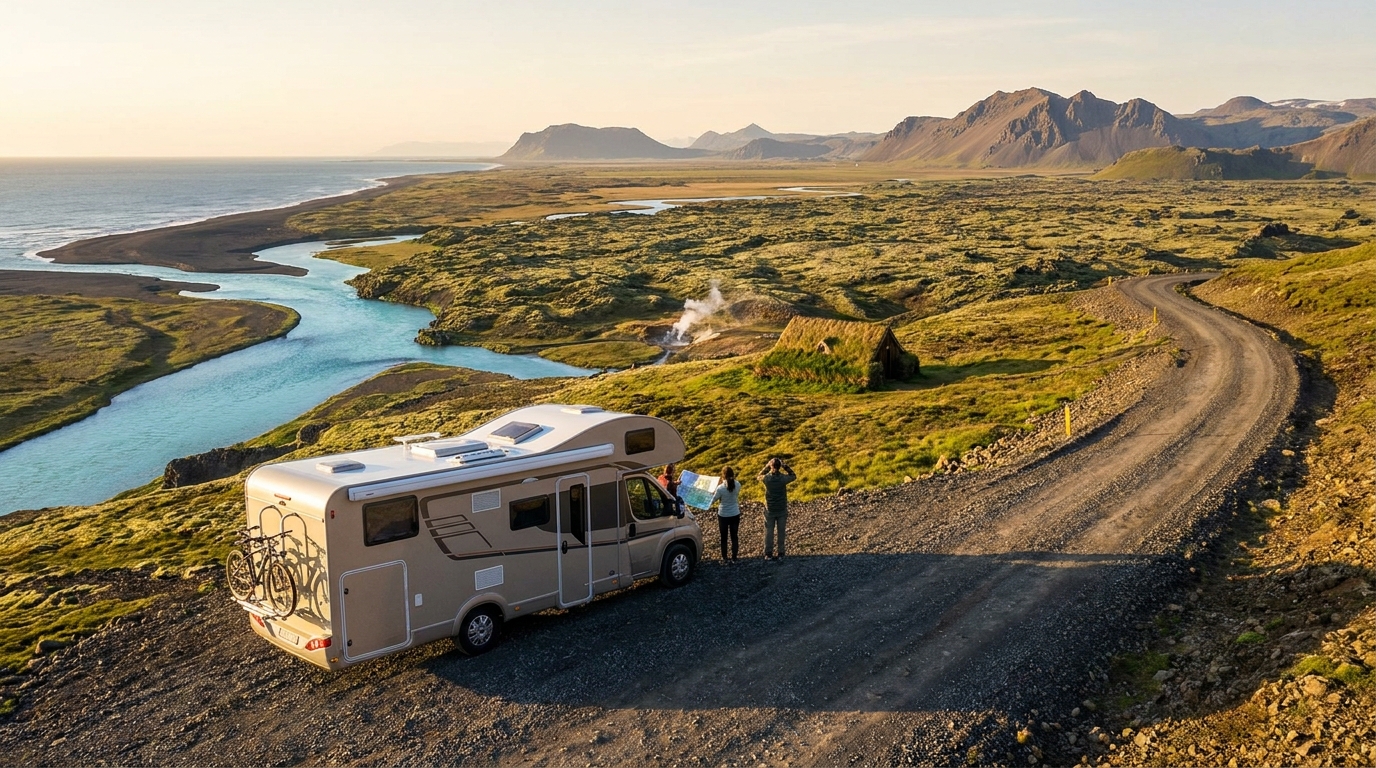
Iceland, with its dramatic landscapes of glaciers, volcanoes, and geothermal wonders, offers an unparalleled adventure for families traveling by RV. Imagine waking up to the sounds of a nearby waterfall, preparing breakfast in your rented motorhome, and stepping outside to breathe in the crisp, pure air before a day of exploration. For live availability and current prices for your Icelandic adventure, start with our RV Rental Iceland - Complete Guide 2026.
Renting a family RV in Iceland provides the freedom and flexibility to explore this stunning island at your own pace, creating unforgettable memories for everyone. With a cozy mobile home, you can easily traverse the famous Ring Road, explore the Golden Circle, or venture into the less-traveled Westfjords. As true RV specialists, Bandana Caravan has been helping tens of thousands of travelers explore the world by RV since 2001, offering direct partnerships with 50+ leading RV suppliers worldwide, including popular names like El Monte and Apollo. Our full transparency policy means you'll never encounter hidden fees or surprises.
Driving any RV size in Icelandic cities, including the capital Reykjavik, is entirely manageable. Drive slowly and carefully, and you can drive almost anywhere without issues. There's no need to stress; just use common sense and pay attention to road signs, and your family will be navigating Iceland's unique roads like pros.
Where to Camp in Iceland - Top Options
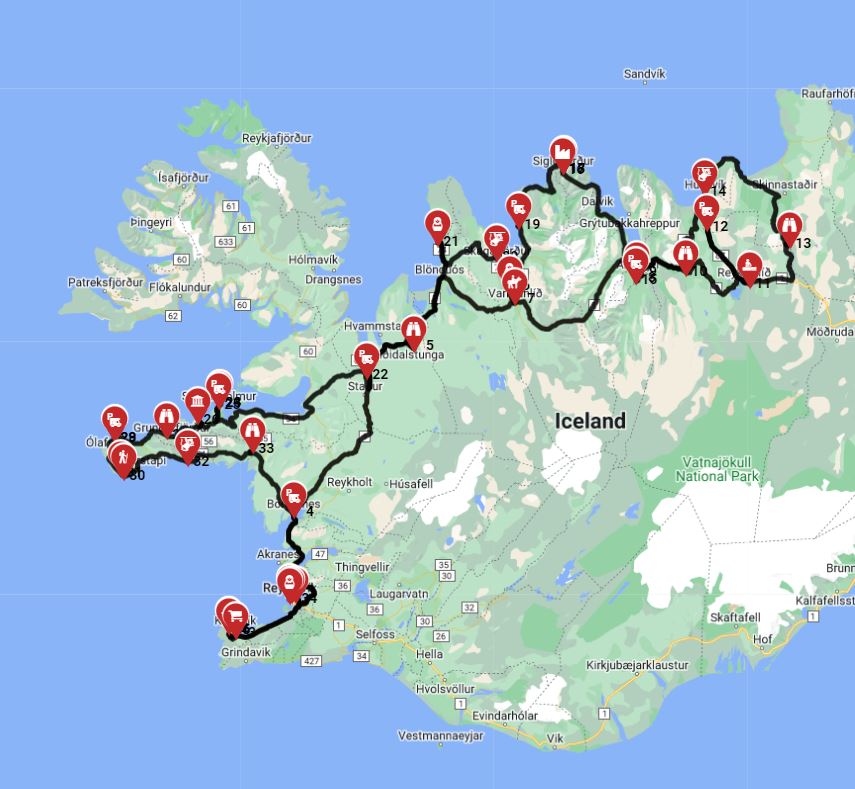
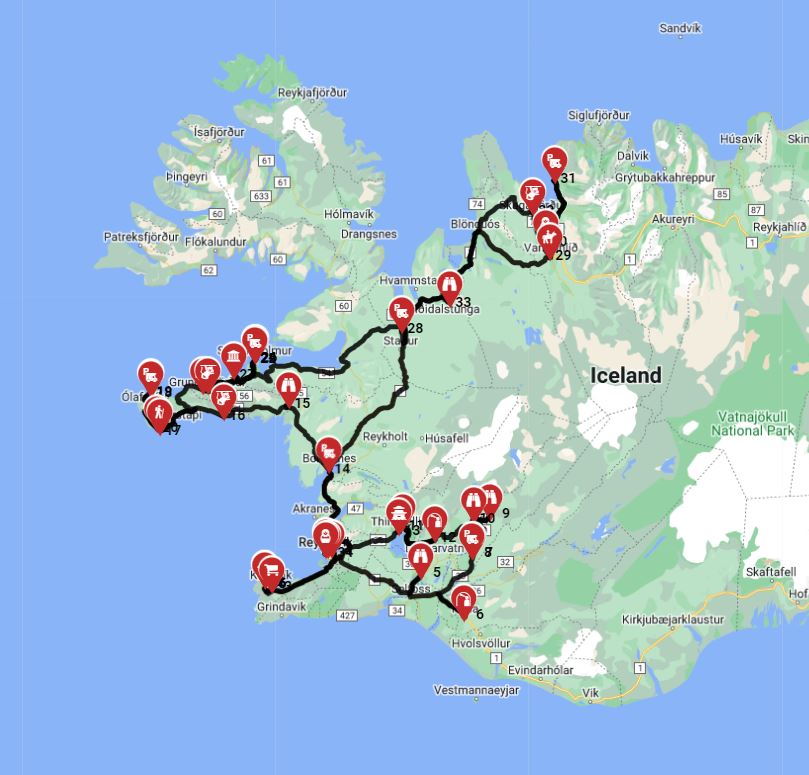
Iceland offers a diverse range of camping options for families, from well-equipped sites near the Golden Circle to more rustic spots in the Westfjords, with many concentrated around major attractions and along the Ring Road. Popular regions for RV camping include the Golden Circle area, the scenic South Coast, the Snaefellsnes Peninsula, and the remote Westfjords. Many campgrounds, especially those near popular tourist routes, offer facilities suitable for families, often including playgrounds and accessible amenities, making them ideal for a family rv rental in Iceland.
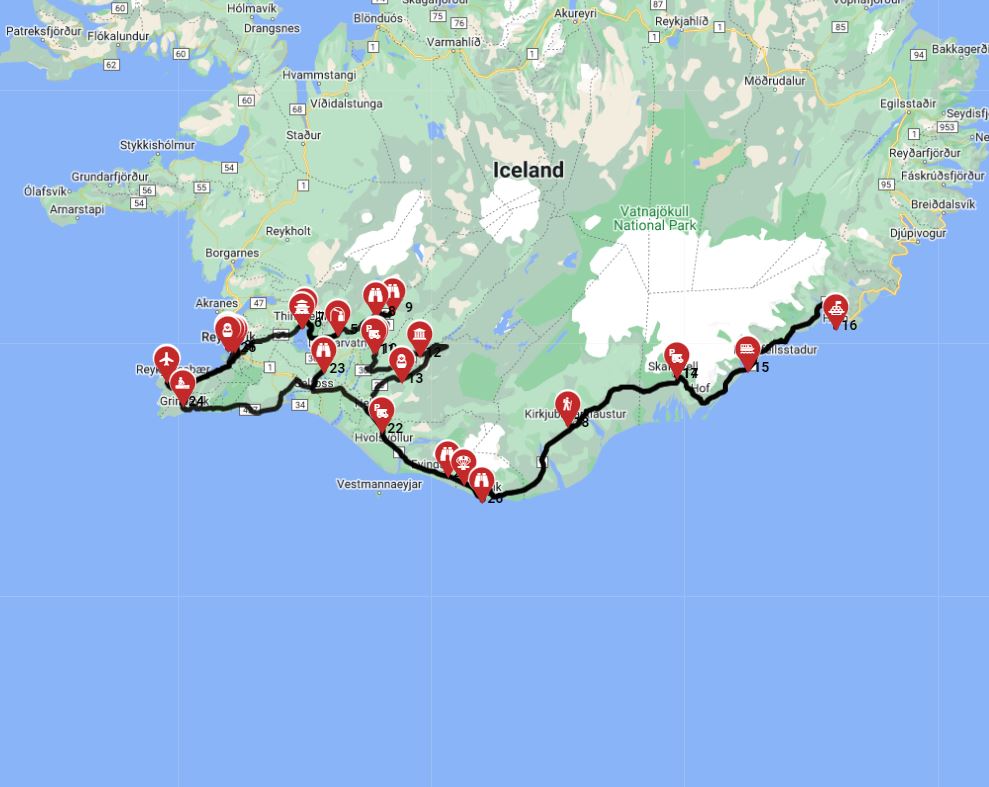
Along the South Coast, Skógar Campground is a favorite, located right at the base of Skógafoss waterfall, offering stunning views and hiking opportunities directly from your motorhome. For geothermal experiences, the Reykjadalur Hot Spring Thermal River area has nearby camping options that provide access to natural hot springs. In the Golden Circle, Tjaldsvæðið Þingvellir (Þingvellir National Park Campground) offers a central location for exploring historical and geological sites, including Silfra fissure, which is ideal for a week-long trip.
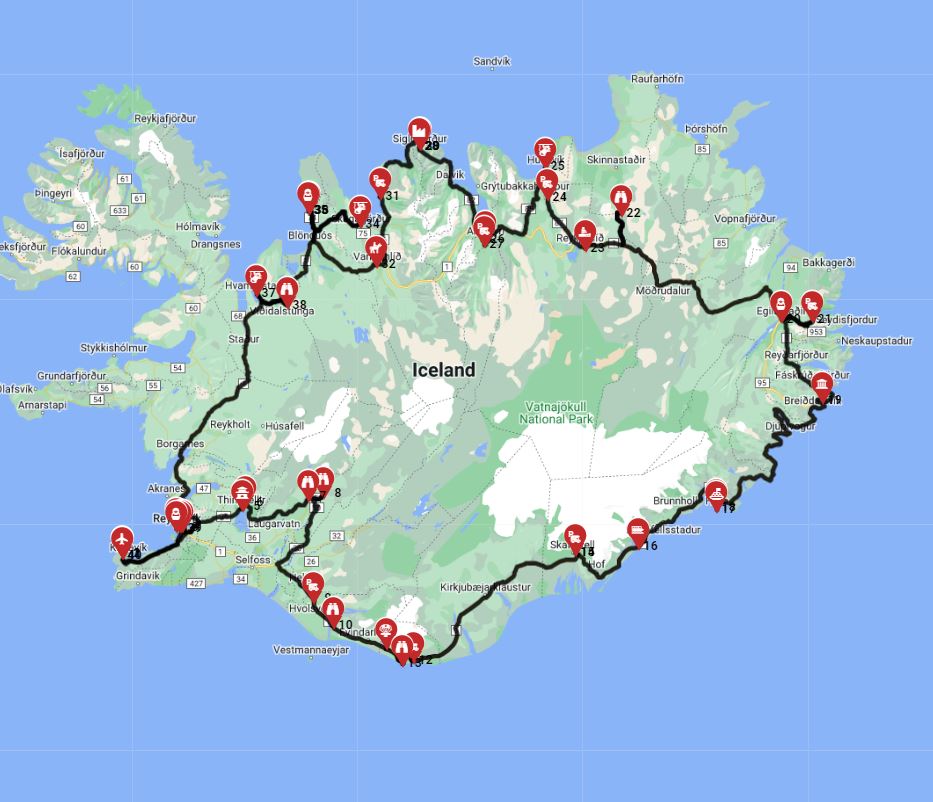
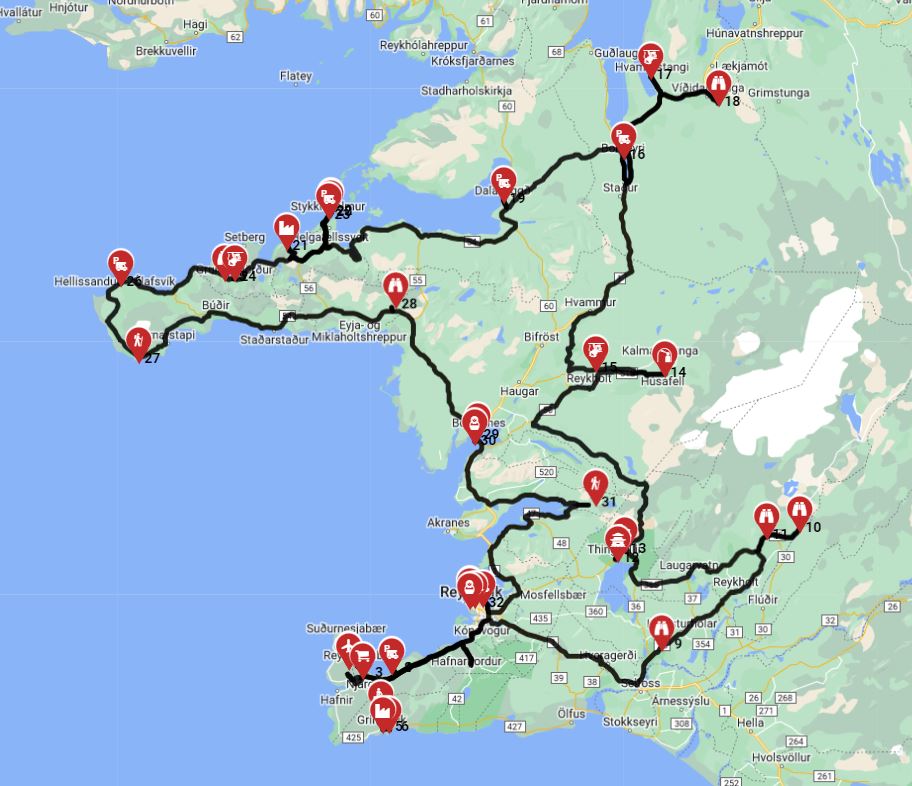
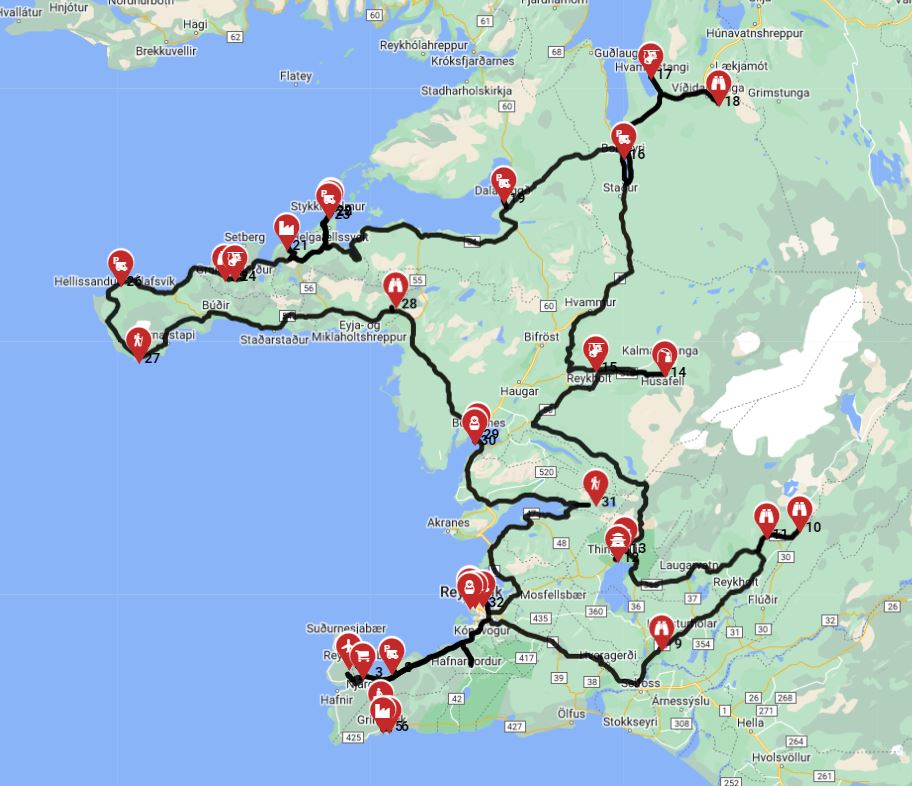
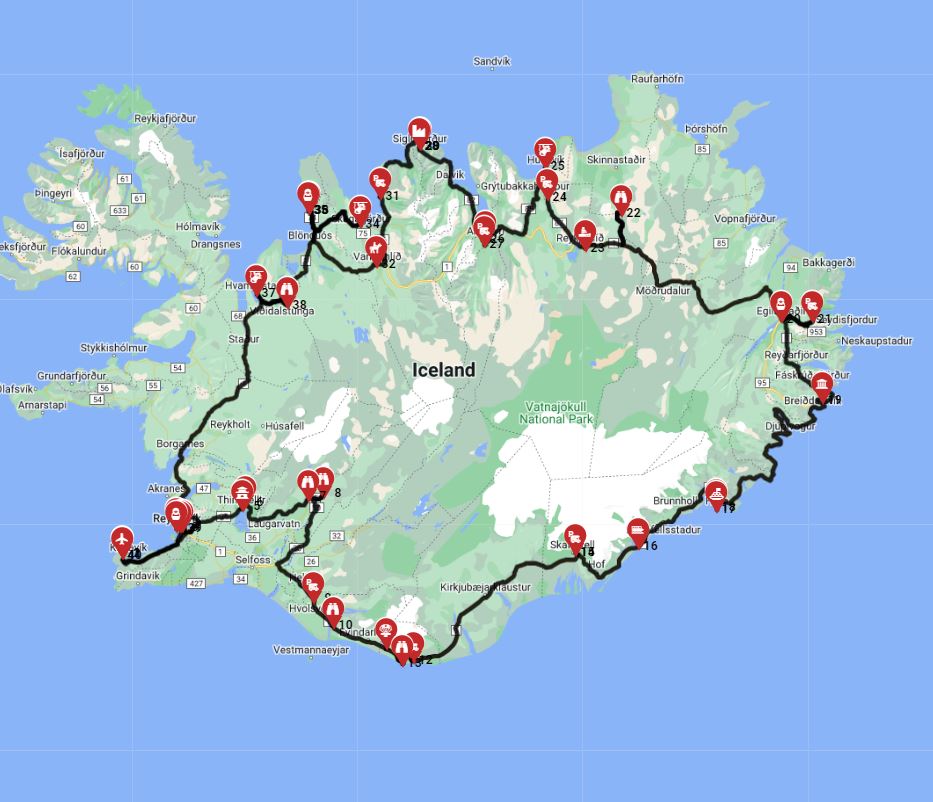
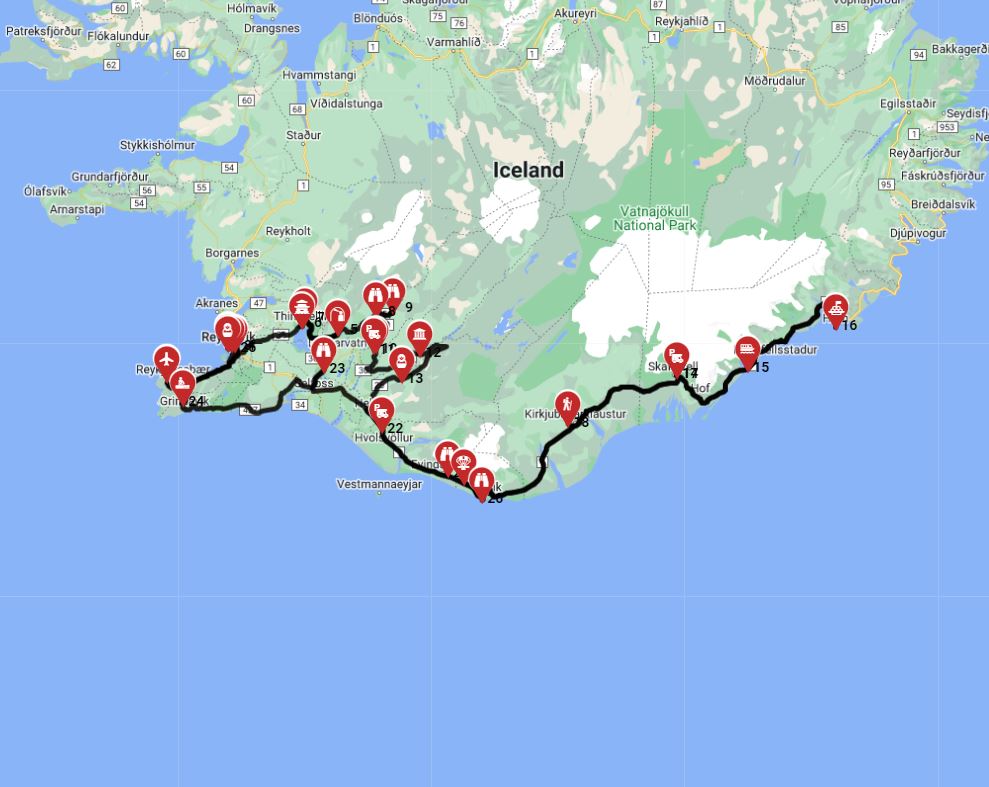
The Snaefellsnes Peninsula provides access to scenic coastal routes and the iconic Kirkjufell mountain, with several smaller campgrounds like Ólafsvík Campground. When planning your route, remember to travel slowly, max 100-150 km per day on average. This allows ample time to truly feel the place, connect to the culture, the food, and the scenery, ensuring your family enjoys every moment of your rented motorhome adventure. Check out RVPLAN.NET for pre-planned routes and to itemize every expense along the way for easy budgeting. On the routes offered through RV PLANET routes, you can itemize and track every expense along the way for easy budgeting.
Campground Types in Iceland (National, Private, Wild)
Iceland features primarily national and private campgrounds, with strict laws largely prohibiting wild camping to protect its delicate environment. National or municipal campgrounds are often more basic, budget-friendly, and common in remote areas, providing essential facilities like toilets and cold water access. Private campgrounds typically offer more extensive amenities, are often located near towns or popular tourist spots, and may come at a higher cost, but often include warm showers and electricity hookups.
Wild or freedom camping for RVs is legally restricted across Iceland; motorhomes and campervans must always stay in designated campgrounds, and heavy fines are imposed for illegal wild camping to preserve Iceland's fragile ecosystem. This regulation helps protect the incredibly sensitive moss and delicate landscapes that are easily damaged. When planning your adventure, it’s essential to respect these laws. Many municipalities now offer inexpensive, often basic, designated parking areas for overnight stays if a full-service campground isn't needed, but these are still official sites. For finding campsites and campgrounds during your trip, we recommend using RV PLANET (rvplan.net) - a great resource for locating available spots along your route.
Featured RV Park or Campground in Iceland
When selecting an RV park in Iceland, families should look for locations offering essential amenities such as electricity, fresh water, waste disposal, and convenient access to local attractions or services. Prioritize campgrounds with family-friendly features like playgrounds, communal cooking areas, and warm showers to enhance your travel experience with a rented mobile home. Seek out parks that serve as strategic bases for exploring specific regions, whether it's the iconic Golden Circle or the dramatic South Coast, allowing for easier day trips and less driving.
🎬 Video coming soon
For example, the campsite at Grindavík, near the Blue Lagoon, offers excellent facilities, including a playground for children and easy access to shops and restaurants. It's a strategic base for exploring the Reykjanes Peninsula and offers amenities like 220V electricity and dump stations. Another fantastic option is Hamragarðar Campground near Seljalandsfoss waterfall, which boasts beautiful natural surroundings, although amenities might be simpler. Remember, opting for locations that provide both practical amenities and a gateway to key attractions ensures a balanced and enjoyable family RV adventure in Iceland. Comparing final prices across suppliers helps ensure you find a great rental and know exactly what you pay, with no surprise fees at pickup.
Hookups & Amenities - What to Expect
Icelandic campgrounds typically offer essential hookups including electricity (220-240V, European two-pin plug), fresh water, and grey/black water dump stations, with additional amenities varying by site. Electricity hookups are generally 220-240V, using European Type F (Schuko) or Type C plugs, so non-European devices may require adapters. Most sites provide fresh water access for refilling your RV's tank and dedicated points for disposing of grey and black water.
Beyond basic hookups, many campgrounds offer amenities such as hot showers (sometimes coin-operated, costing around 300-500 ISK), laundry facilities, Wi-Fi (often paid or limited, generally found in reception areas), communal kitchens, and playgrounds. It's always a good idea to bring your own power adapters for European sockets and ensure your rented motorhome has a suitable extension cord. For meals on the go, check out our RV-friendly recipes playlist to prepare delicious and easy meals in your RV's kitchen.
While some remote or national park sites might have fewer amenities, more established private campgrounds often cater extensively to families, offering comfortable and convenient stays. Remember that Bandana Caravan offers 24/7 support for pre-booking inquiries, ensuring you have all the information before you even set off.
Booking Windows & Reservations in Iceland
While many national park campgrounds in Iceland operate on a first-come, first-served basis, families traveling during peak season (June-August) or with larger RVs should consider booking popular private campgrounds in advance, especially near major attractions. For peak season travel, making reservations at popular private campgrounds is highly recommended to secure your spot and reduce stress for families. Booking 3-6 months ahead is a good practice, particularly for spots along the Golden Circle or South Coast.
During shoulder or off-peak seasons (May/September), there's more flexibility, and it's often possible to find available spots upon arrival. Many national and state parks reserve only 25-30% of spots; the rest are first-come, first-serve. Reassure yourselves: you'll find a spot. If not at the first campground, then the next one. It's always a smart move to call ahead to a campground to check for availability before driving a significant distance, particularly with a family in tow. This flexibility is one of the joys of a rented campervan adventure.
Nearby Supermarkets & Resupply Points
Families can easily resupply their RVs throughout Iceland, with major supermarkets concentrated in larger towns and along the Ring Road, ensuring fresh groceries and essentials are always within reach. Look for popular Icelandic supermarket chains such as Bónus (known for its pink pig logo), Krónan, and Nettó, which generally offer good value and a wide selection of food and household items. These stores are plentiful in towns like Selfoss, Akureyri, and Egilsstaðir, allowing for easy replenishment during your two-week adventure.
While larger towns provide ample resupply opportunities, smaller villages may have limited local shops with higher prices, necessitating forward planning when venturing into remote regions like the Westfjords or central highlands. It's wise to stock up on staples and non-perishables when you encounter a larger supermarket. Cooking in your rented motorhome is an excellent way to save money and enjoy family meals with a view. Remember that on RV PLANET routes, travelers can itemize and track every expense along the way for easy budgeting, including groceries.
Best RV Class for Camping in Iceland
For family camping in Iceland, Class C (Alcove) and Class SI (Semi-integrated) RVs generally offer the best balance of space, comfort, and maneuverability, accommodating 4-5 adults while being suitable for most Icelandic roads. These classes are excellent choices for an extended road trip with family.
Class C - Alcove RVs, averaging 7.1m in length (like the "cruise america rv rental example Explorer" with a length of 7.1m and sleeping 4 people), are ideal for larger families needing ample sleeping and living space, typically consuming 11 Liters/100 km of fuel. These are often equipped with a Bed Over Cub (160/220cm) and a Double Bed (163/210cm).
Class SI - Semi-integrated RVs, with an average length of 6.9m and sleeping 3-4 people (like the "MH4-5 - SIF" at 6.58m and sleeping 4), offer a comfortable option for smaller families, balancing interior space with easier driving at a typical fuel consumption of 9-11 Liters/100 km. Vehicles like the "V2L" at 5.99m are also excellent campervan choices for smaller groups, with 2 seats in the front and 2 in the rear. For a family of 5-6, consider a 6-berth motorhome with features like a refrigerator, shower, and toilet, ensuring a comfortable trip.
Class B - Camper Vans (avg 5.8m, sleeping 2-3 people, like the "Active Pop Top" or "Combi Van") are excellent for active families prioritizing maneuverability and efficiency (8-10 Liters/100 km). Class A - Integrated RVs (avg 7.5m, sleeping 4-6 people, e.g., "Class A - Thor ACE 30" with 6 sleeping places) offer luxury but can be less nimble, consuming 8-12 Liters/100 km. Class TC - Truck Campers (avg 5.5m, sleeping 2-3 people, e.g., "4x4 Camper B - TYR") provide 4x4 capability, making them suitable for adventurous couples or small families targeting F-roads, though they are generally smaller and consume 12-17 Liters/100 km. Your standard car driver's license is sufficient for all these motorhome classes, with a minimum rental age of 21 and no young driver surcharges.
How to Save on Campgrounds in Iceland
To save on campground costs in Iceland, families should leverage discount cards, opt for shoulder seasons, and choose municipal or regional campgrounds over more expensive private resorts. Utilizing campground discount cards, such as the Icelandic Camping Card (which covers 28 campsites for up to 30 nights for two adults and up to four children under 16, costing around €179), can significantly reduce nightly rates at participating sites across Iceland. This card offers substantial savings, especially on longer trips.
Traveling during the shoulder seasons (May/early June or September) not only offers lower campground prices, often 15-20% less than peak season rates, but also provides a more relaxed experience with fewer crowds. Choosing municipal or regional campgrounds, which are typically more affordable (e.g., €20-€30 per night) than private resorts (which can be €35-€45+), can help stretch your budget, though amenities might be more basic. Consider longer stays (e.g., 3+ nights) at some campgrounds, as they may offer weekly rates that are more economical per night than daily bookings. Bundling services like showers or electricity can also lead to small savings.
What Pre-Trip Preparations are Essential for an Iceland RV Journey
Essential pre-trip preparations for an Iceland RV journey include securing your RV rental well in advance, thoroughly researching your route, understanding local driving laws, and packing appropriate gear for Iceland's famously variable weather conditions. Booking your rented motorhome 6-12 months out, especially for peak summer travel, is advisable to ensure availability and potentially better rates. Remember, prices are dynamic, changing daily based on availability, seasonality, and supplier marketing decisions, so early booking often yields better value.
Ensure your RV rental is mechanically sound, particularly checking brakes, tires, and the heating system, which are crucial for navigating challenging Icelandic conditions. Downloading essential apps such as Veður (weather), Road.is (road conditions), Aurora Forecast (northern lights), and offline maps like Google Maps or Maps.me for reliable navigation in areas with limited connectivity is highly recommended. Beyond standard packing, include layered clothing (wool or synthetic), waterproof and windproof outerwear, sturdy waterproof footwear, warm hats and gloves, a comprehensive first-aid kit, and emergency supplies like extra blankets and non-perishable food. Bandana Caravan's 25% planning discount for using rvplan.net for your pre-planned routes can also help streamline your preparations.
How to Budget for an RV Rental in Iceland
Budgeting for an RV rental in Iceland requires accounting for the rental cost itself, significant fuel expenses, daily campground fees, groceries, activities, and a crucial contingency fund for unexpected expenses. RV rental costs vary widely by class, season, and duration; for example, a Class C motorhome can range from €150-€300 per day in shoulder season to €350-€500+ in peak summer; booking several months in advance often secures better rates. Fuel is a major expense in Iceland, with diesel prices typically higher than in many countries; for instance, Bandana's global fleet average for Class C RVs is 10-12 Liters/100 km, so plan your fuel budget accordingly based on your estimated mileage (a full Ring Road trip of 1,322 km would require approximately 130-160 liters of fuel). The overall cost for a two-week trip for a family of four can range from €4,000 to €8,000+, depending on the season and chosen activities.
Expect campground fees to range from €20-€40 per night for an RV pitch, often with additional charges of €5-€10 for electricity and showers. Save significantly on food costs by primarily cooking your own meals in your rented motorhome and shopping at budget supermarkets like Bónus and Krónan, which can cut food expenses by 50% compared to dining out. Always allocate an additional 10-15% of your total budget as a contingency for unforeseen circumstances, such as minor repairs or unexpected detours. By utilizing RV PLANET routes, travelers can itemize and track every expense along the way for easy budgeting, providing full transparency on total trip costs.
Should I Choose a 2WD or 4x4 RV for Iceland
The choice between a 2WD or 4x4 RV in Iceland depends heavily on your planned itinerary and the season, as 4x4 vehicles are mandatory for accessing F-roads and highly recommended for winter travel. 2WD RVs are perfectly suitable for driving the Ring Road (Route 1) and most paved main roads during the summer months (June-September), offering better fuel efficiency (e.g., 9-12 Liters/100 km for a Class C motorhome) and lower rental costs. These vehicles, such as a "MH4-5 - SIF" or "V2L" campervan, are ideal for exploring major attractions and accessible campgrounds.
4x4 RVs (often Class TC - Truck Campers like the "Patagonia Camper 4x4 double cab" or specially modified campervans) are essential if you plan to explore Iceland's interior Highlands via F-roads, which are unpaved mountain roads typically open only from July to August and require specific vehicle capabilities and sometimes river crossings. Beyond F-roads, a 4x4 vehicle provides additional safety and traction, making it a prudent choice for travel during the shoulder seasons or winter (October-April) when road conditions can be unpredictable with snow, ice, and gravel. Always review your rental agreement carefully, as most standard 2WD RVs (like Class C or SI) are explicitly prohibited from F-roads, and using them on such roads can invalidate your insurance. For safe winter RV driving in Iceland, a 4x4 is highly advisable, as covered in our Winter RV Driving in Iceland - Safety Guide 2026.
How to Practice Sustainable RV Travel in Iceland
Practicing sustainable RV travel in Iceland involves strictly adhering to 'leave no trace' principles, respecting stringent wild camping restrictions, conserving precious resources, and minimizing your environmental footprint to protect the island's uniquely fragile ecosystem. Always stay on marked roads and trails; driving off-road is illegal and causes irreversible damage to Iceland's delicate moss, flora, and volcanic landscapes, which can take decades or even centuries to recover. This is not a suggestion, but a crucial legal and ethical requirement.
Strictly adhere to wild camping laws for RVs by always utilizing designated campgrounds, as illegal overnight parking can result in significant fines (up to €500) and environmental harm. Properly manage all waste by using designated recycling and disposal facilities at campgrounds, and never leave any litter behind. Conserve water and electricity, especially in more remote areas where resources can be limited; be mindful of your consumption by taking shorter showers and turning off lights when not needed. Respect natural sites by not disturbing wildlife, picking plants, or altering any geological formations, maintaining the pristine state of Iceland's nature. Traveling slowly, as we always recommend, allows you to appreciate these natural wonders without rushing, fostering a deeper connection and sense of responsibility.
What are Key Safety Tips for RVing in Iceland
Key safety tips for RVing in Iceland include maintaining vigilant driving due to unique road hazards, preparing for rapid and unpredictable weather changes, understanding emergency procedures, and taking specific precautions in remote areas. Iceland's weather is notoriously unpredictable; always check the latest forecasts (Veður.is) and be prepared for strong winds (gusts up to 50 m/s or 110 mph are not uncommon), heavy rain, fog, or even sudden snow, which can quickly change road conditions. High winds, especially on bridges and open plains, can significantly impact RV stability, so drive slowly and be prepared to pull over if necessary.
Be aware of common road hazards such as free-roaming sheep (especially in summer), gravel roads that require reduced speed (recommended 80 km/h on paved, 60 km/h on gravel) and gentle braking, narrow single-lane bridges, and blind hills. Carry essential emergency supplies including a fully charged phone, a power bank, a comprehensive first-aid kit, emergency blankets, and extra food and water; remember that Iceland's national emergency number is 112. When venturing into remote regions, inform someone of your route and estimated return time, and consider carrying a satellite communication device for areas with no mobile reception. If traveling during winter, ensure your RV is equipped with studded tires (often standard in winter rentals) and always heed official road closures and warnings from Road.is due to ice and heavy snow. Drive slowly and carefully, and you can drive almost anywhere without issues. No need to stress - just use common sense and pay attention.
How to Stay Connected While RVing in Remote Iceland
Staying connected while RVing in remote Iceland can be reliably achieved through purchasing local SIM cards for mobile data, renting portable Wi-Fi hotspots, and ensuring you have robust charging solutions for all your devices. Upon arrival, consider purchasing a pre-paid local SIM card from providers like Síminn, Vodafone, or Nova at Keflavík Airport (KEF) or major supermarkets, which offer good mobile data coverage along the Ring Road and in most populated areas, although coverage can be spotty in the Highlands and some Westfjords areas. A 10 GB data plan typically costs around €25-€35.
Many RV rental companies offer portable Wi-Fi hotspots for rent, providing a dedicated and often more reliable internet connection for multiple devices compared to tethering from a phone; these usually cost €10-€15 per day. Ensure your rented motorhome has sufficient USB ports or 220V outlets; bringing a power inverter for 12V sockets and portable power banks for backup can be invaluable for charging devices in remote locations or during extended off-grid stays. When planning your itinerary, consider the "
What are the Cultural Etiquette Tips for RV Travel in Iceland
Respecting local customs and the pristine environment is paramount for RV travelers in Iceland, encompassing an understanding of private land boundaries, proper hot spring etiquette, and mindful interactions with locals. Always respect private land by observing 'No Trespassing' signs and never camping on private property without explicit landowner permission; stick to designated campgrounds or official overnight parking spots to avoid fines. When visiting public pools or natural hot springs, it is a non-negotiable cultural norm to shower naked before entering, demonstrating respect for hygiene standards, typically for at least 3-5 minutes with soap.
Icelanders are generally reserved yet friendly and helpful; a simple 'Halló' (hello) or 'Takk fyrir' (thank you) is always appreciated. Adhere strictly to 'leave no trace' principles to protect Iceland's cherished natural beauty; dispose of all waste properly in designated bins at campgrounds and never drive off marked roads. Exercise caution around free-roaming sheep on roads, as they have the right of way, and always park your RV only in designated areas, avoiding blocking roads or private access. Taking the time to understand and follow these norms will significantly enhance your family's extended road trip experience in Iceland.
Final Thoughts
Exploring Iceland in a family RV offers an unparalleled adventure, combining the comforts of home with the freedom to discover the island's breathtaking natural wonders at your own pace. From the convenience of well-equipped campgrounds to the thrill of uncovering hidden gems, a rented motorhome provides the perfect base for creating lasting family memories. Embrace the spirit of slow travel, allowing yourselves to truly immerse in the unique culture and stunning landscapes of this incredible destination.
With careful planning and the support of experienced RV specialists like Bandana Caravan, your family RV camping trip to Iceland will be an unforgettable journey. Remember to check out our "RV Rental Europe - Complete Guide 2026" for broader European travel, or delve deeper into local opportunities with our "Cheap RV Rental in Iceland - Budget Guide 2026" and "RV Rental in Iceland - Prices and Best Deals 2026" resources.
Get inspired for your next trip! Discover top destinations, planning tips, all in one place! Plan a trip itinerary in advance with minimal effort and maximum enjoyment. Compare Family rv Rental Prices for Iceland today!