In This Guide
- Is England good for camping?
- What is the best way to explore England with family?
- What are the best places to visit in England for families?
- What is the best time of year to RV in England?
- How much does it cost to rent an RV in England?
- How much does it cost to rent a motorhome in UK for 2 weeks?
- How much does it cost to camp in England?
- Where to Camp in England - Top Options
- Campground Types in England (National, Private, Wild)
- Can you wild camp in a motorhome in England?
- Where can I park an RV overnight in England?
- Featured RV Park or Campground in England
- Hookups & Amenities - What to Expect
- Booking Windows & Reservations in England
- Nearby Supermarkets & Resupply Points
- Best RV Class for Camping in England
- What is the most popular type of RV in the UK?
- What is the difference between a motorhome and an RV in the UK?
- Is it easy to drive an RV in England?
- What do I need to know about driving an RV in England?
- Do I need an international driving permit to drive an RV in England?
- How to Save on Campgrounds in England
- What You Shouldn't Miss
- Why Book with Bandana Caravan
- Final Thoughts
- Frequently Asked Questions
Is England good for camping?
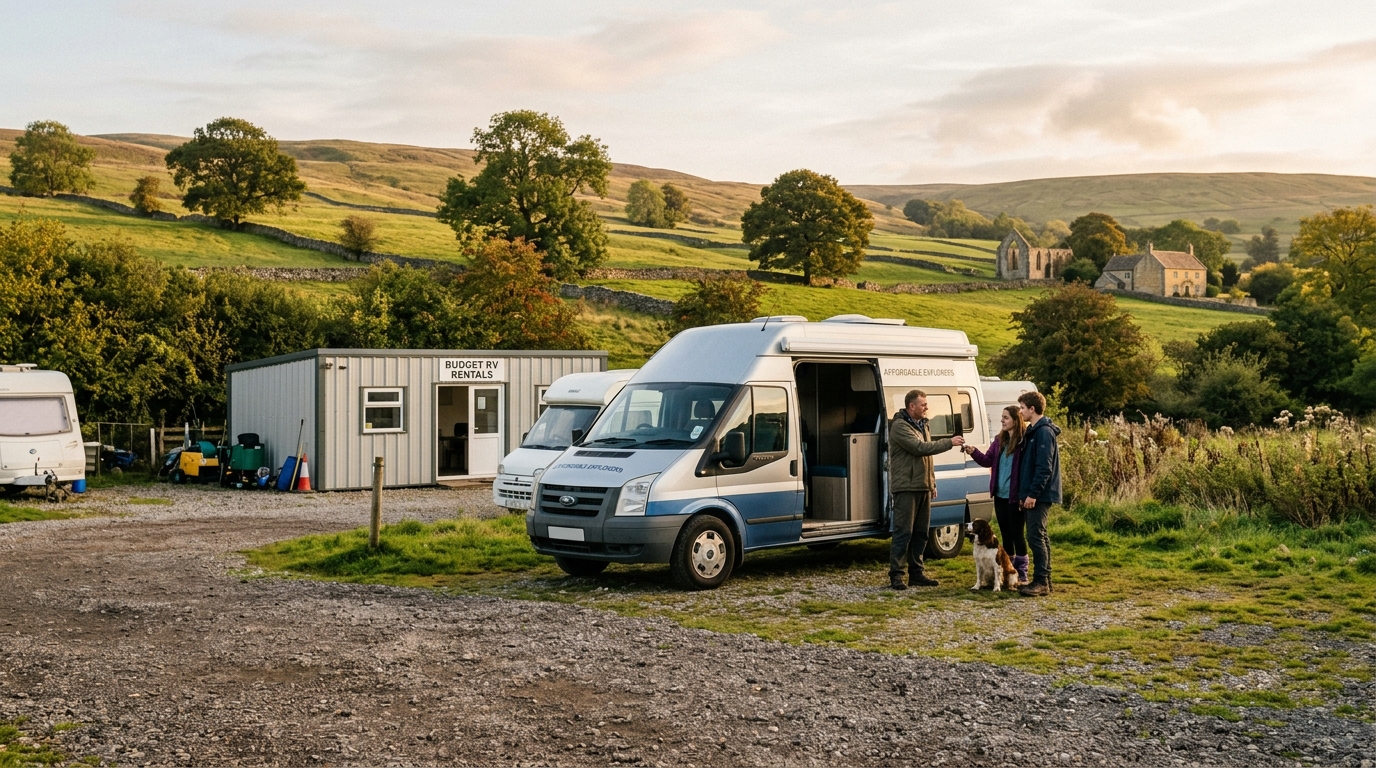
England offers diverse and rewarding camping experiences for families, with numerous well-equipped campsites and scenic natural beauty across the country. A rented RV provides an excellent way to discover England's charm, allowing you to explore everything from dramatic coastal views to ancient historical sites at your family’s own pace. This flexible travel style is ideal for families seeking freedom and direct access to both nature and cultural attractions. For live availability and current prices, start with our RV Rental England - Complete Guide 2026 guide.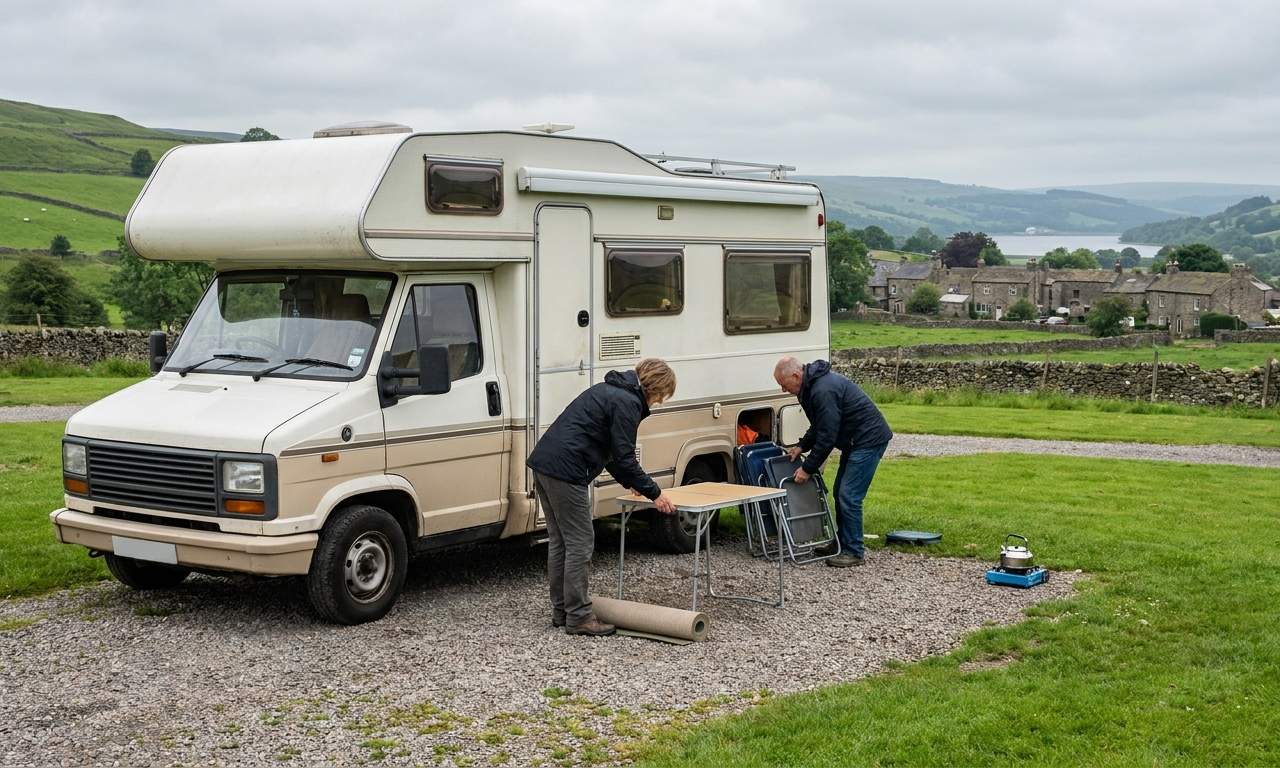
What is the best way to explore England with family?
Exploring England with family by rented RV provides unparalleled flexibility and comfort, allowing you to discover both popular attractions and off-the-beaten-path destinations at your own pace. An RV facilitates spontaneous travel, accommodating various family schedules and preferences, from leisurely mornings to late-night stargazing. This mode of travel offers a unique blend of adventure and home-like convenience, perfect for extended family road trips. Bandana Caravan specializes in helping families compare RV options and book the perfect motorhome for their English adventure, ensuring full transparency with no hidden fees and dedicated 24/7 support during the planning and booking process.What are the best places to visit in England for families?
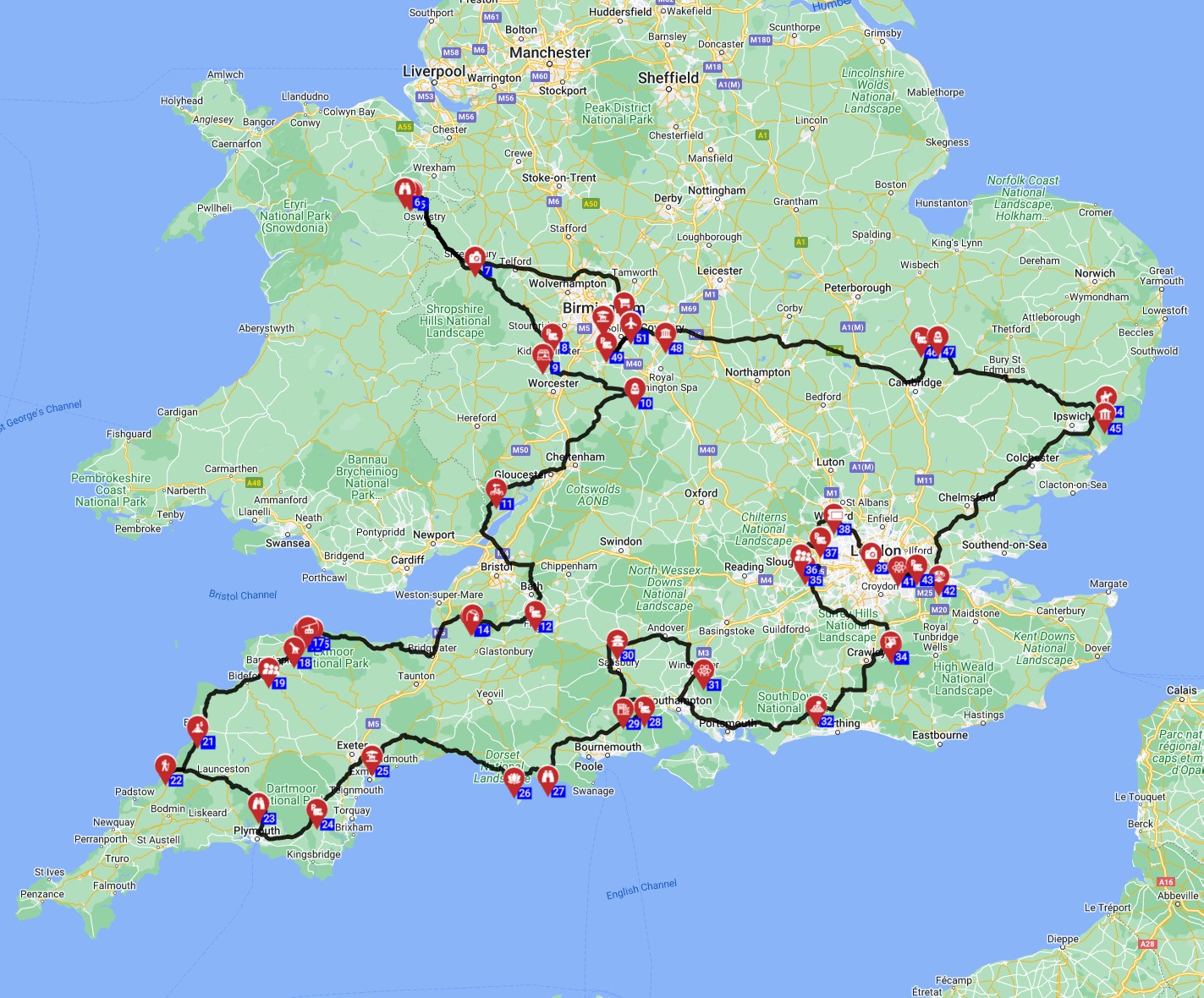
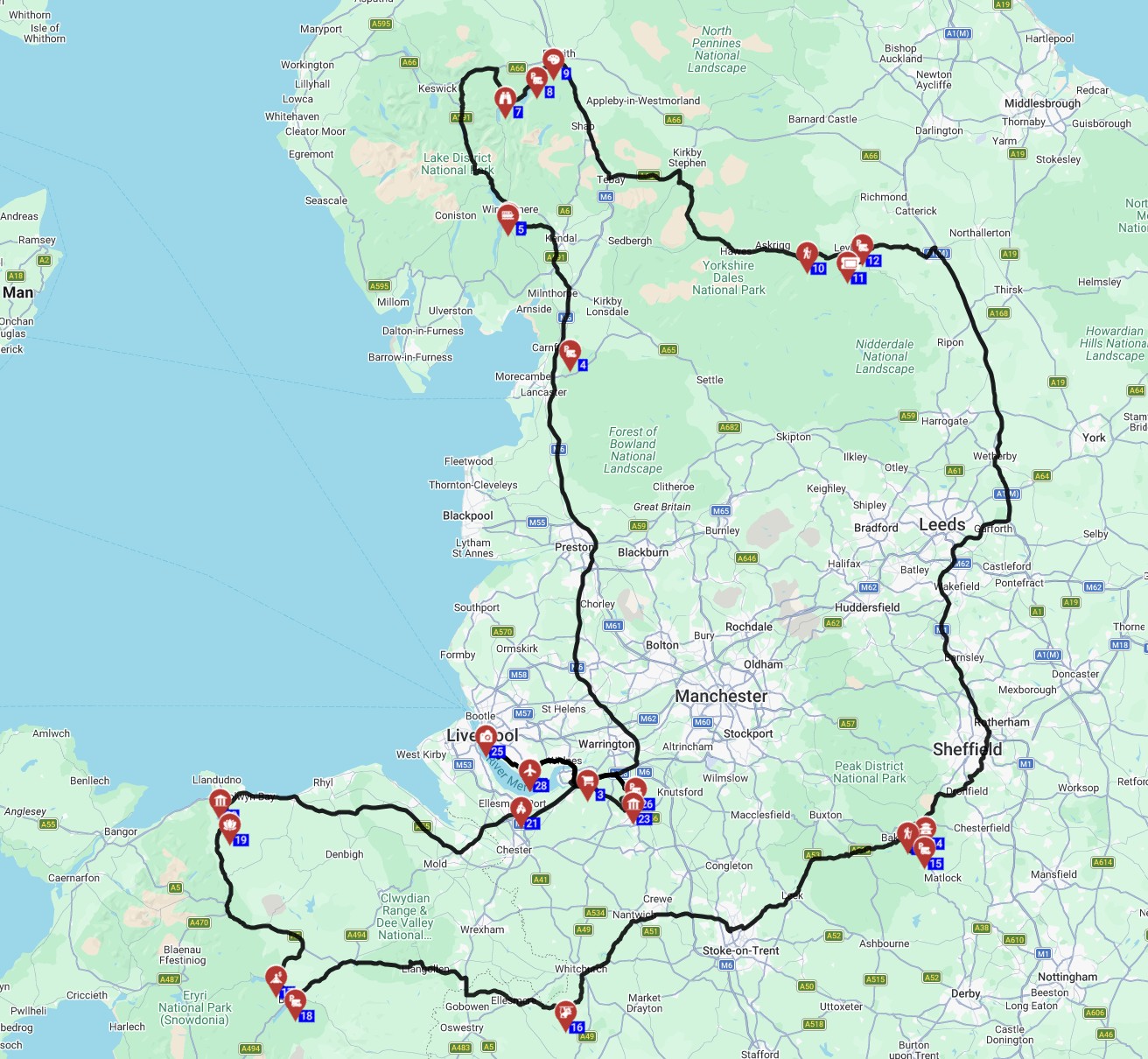
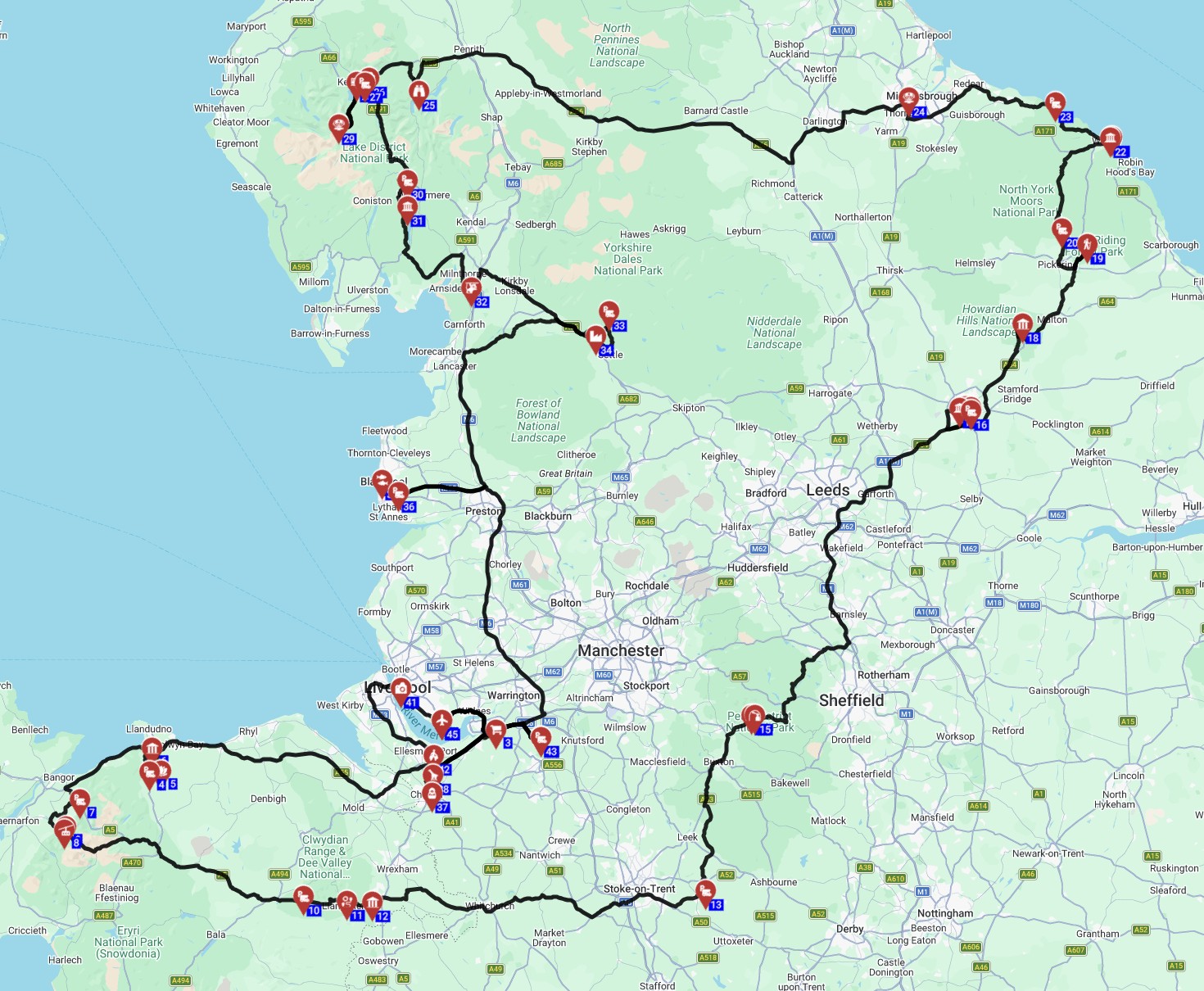
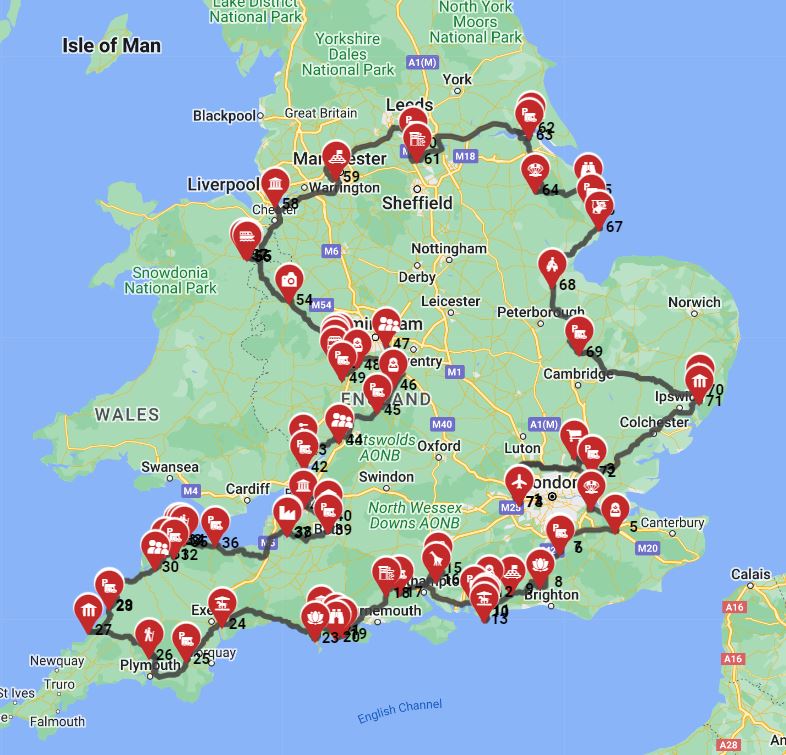
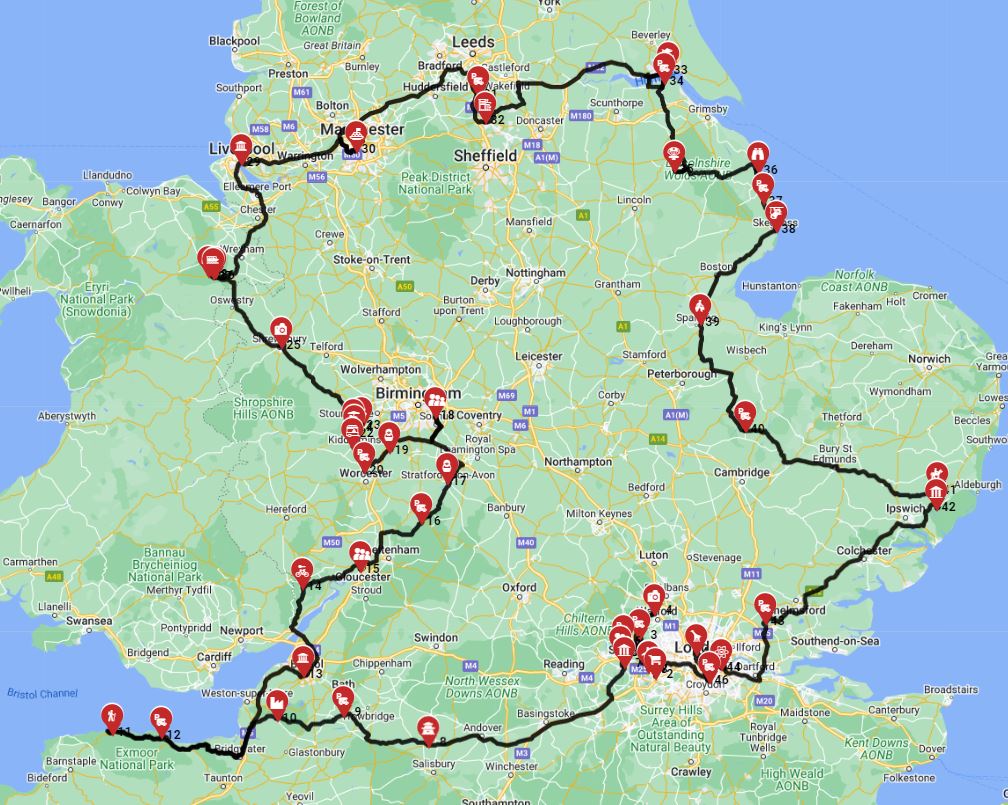
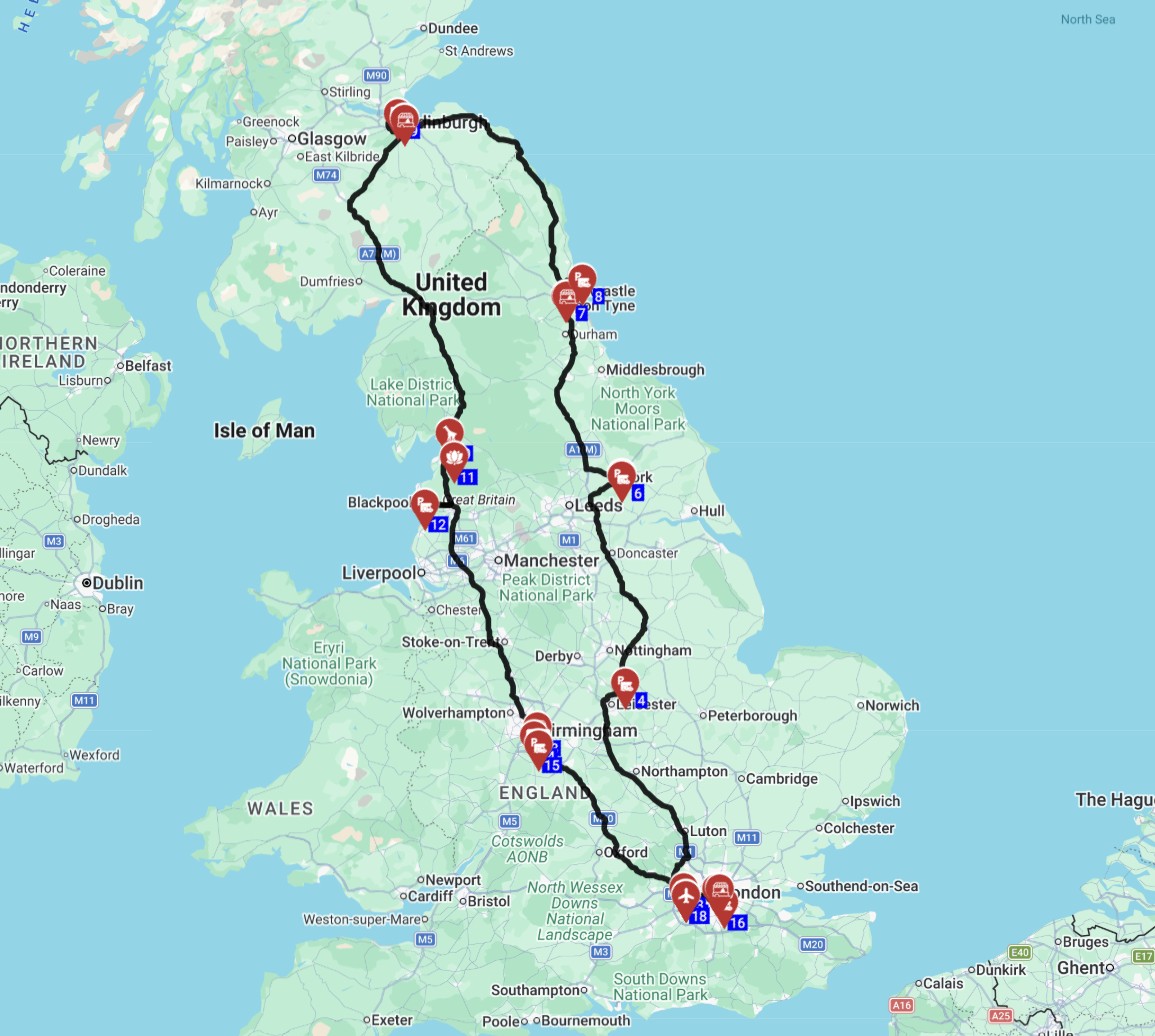
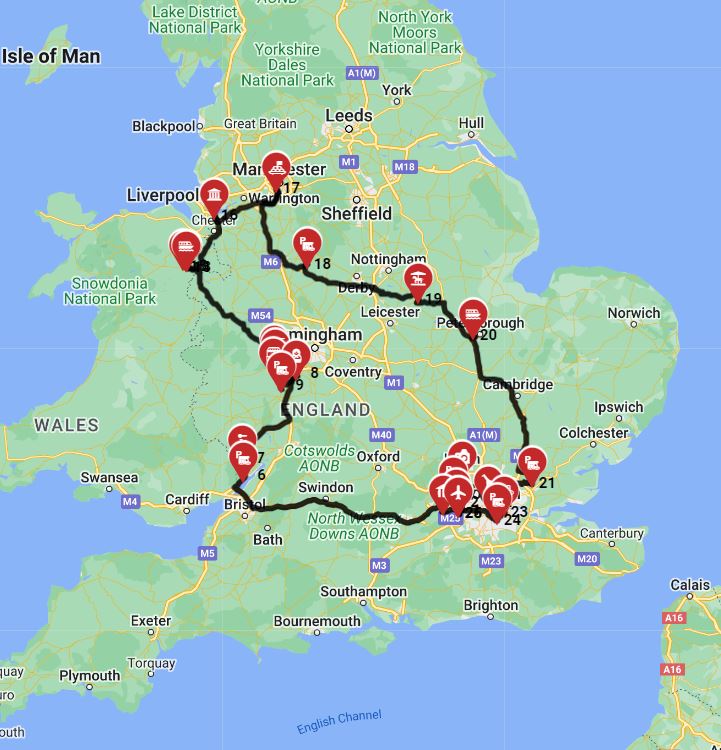
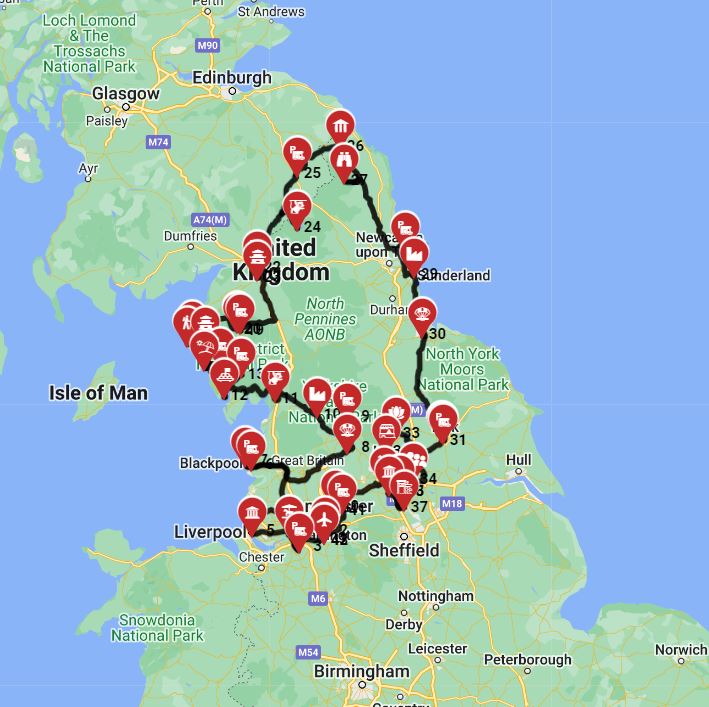
For families, England offers a wealth of RV-friendly destinations including the stunning Lake District, the historic Jurassic Coast, the charming coastline of Cornwall, and cultural cities like York and Bath. National Parks like the Peak District or New Forest provide ample outdoor activities and scenic drives suitable for families, offering everything from hiking trails to wildlife spotting. To immerse in local culture, seek out vibrant local markets for authentic goods, explore family-friendly sections of traditional pubs (many offering overnight stopovers for RVs), and check for unique regional festivals during your travel dates. Consider a leisurely pace, traveling a maximum of 100-150 km per day on average, to truly connect with the culture, food, and scenery.What is the best time of year to RV in England?
The best time of year to RV in England for families is typically late spring (May-June) and early autumn (September-October), offering milder weather, fewer crowds, and often lower prices than peak summer. While summer (July-August) offers the warmest weather and longest days, it also brings the highest prices and busiest campsites, requiring earlier booking. Regardless of the season, always pack layers and waterproof gear, and be prepared for changeable weather, as England's climate can be unpredictable. Winter travel can be charming with fewer tourists, though some campsites and attractions may have reduced hours.How much does it cost to rent an RV in England?
The cost to rent an RV in England varies significantly based on RV class, rental duration, season, and provider, making prices dynamic like airline tickets. For instance, a compact Class B Camper Van from Bandana's global fleet averages 5.8m in length, ideal for maneuverability, and consumes around 8-10 Liter/100 Km, impacting overall fuel expenses. Beyond the base rental fee, a detailed budget breakdown should consider fuel (which is generally higher in the UK than in North America), daily campsite fees (typically £20-£50 per night), insurance nuances, potential tolls (such as the M6 Toll road), and activity costs. Booking further in advance or traveling during shoulder seasons can often result in more favorable rates.How much does it cost to rent a motorhome in UK for 2 weeks?
Renting a motorhome in the UK for a two-week period can range from £1,000 to £3,000+ ($1,250-$3,750 USD equivalent, as prices are dynamic), depending on the motorhome size, season, and features. For a family of 4, a Class C Alcove motorhome, averaging 7.5m in length with 4.4 adult sleeping places from Bandana's global fleet, will typically incur higher rental costs but provides more living and sleeping space. This budget should also account for the average fuel consumption, which for a Class C is around 10-12 Liter/100 km, specific insurance coverages, and a per-night estimate for camping fees. When planning your budget, remember that prices change daily based on availability, so checking current rates with Bandana Caravan for England RV rentals is crucial for accurate figures. For tracking all your expenses seamlessly, consider utilizing RV PLANET routes where you can itemize every cost along the way.How much does it cost to camp in England?
Campsite fees in England typically range from £20 to £50 ($25-$60 USD) per night for an RV pitch with electric hookups, varying significantly by location, amenities offered, and the season. Expect to pay higher prices at popular holiday parks, sites with extensive facilities like swimming pools and entertainment, and during peak summer months or school holidays. Budget campgrounds or more basic sites, especially during the shoulder seasons (May-June, September-October), can offer more economical options for families looking to save on their adventure.Where to Camp in England - Top Options
England offers diverse camping options from scenic coastal sites in Cornwall to tranquil countryside retreats in the Cotswolds and family-friendly holiday parks near historic cities like Bath. The New Forest National Park is known for its unique free-roaming wildlife and numerous campsites, providing a truly immersive natural experience. For stunning coastal vistas and fossil hunting, explore the comprehensive facilities found around the coastal regions of Dorset's Jurassic Coast. Many national and state parks reserve only 25-30% of their spots for advance booking, with the rest available on a first-come, first-served basis, especially outside peak periods. Remember, you'll find a spot; if not at the first campground, then the next one. It's always a good idea to call ahead before driving to a new location to confirm availability.Campground Types in England (National, Private, Wild)
England features three primary types of camping: National Park Authority sites, private campgrounds, and regulated 'wild camping'. National Park Authority sites are often more rustic with fewer amenities but offer unparalleled natural beauty. Private campgrounds, like those offered by Camping and Caravanning Club or the Caravan and Motorhome Club, typically provide extensive facilities, from electric hookups (requiring a UK 3-pin plug adapter for 240V) to hot showers and sometimes even entertainment. While true wild camping in a rented motorhome is largely prohibited outside of specific designated zones, mostly in parts of Dartmoor National Park with explicit landowner permission, many private landowners or pubs may offer informal overnight stays by arrangement. Understanding these distinctions is crucial for planning your route, as private sites generally require advance bookings, while national park sites may have more limited facilities.Can you wild camp in a motorhome in England?
True 'wild camping' in a rented motorhome is generally illegal in England, with exceptions only in specific designated areas within Dartmoor National Park, typically requiring prior landowner permission. Overnight parking is sometimes tolerated in remote car parks or lay-bys, but local signage should always be checked, and explicit permission is required for private land. It is always safer and more reliable to use official campsites or designated motorhome stopovers to avoid legal issues and ensure access to necessary facilities like waste disposal points. Always use common sense and pay attention to local regulations.Where can I park an RV overnight in England?
Overnight RV parking in England is typically restricted to official campsites, designated motorhome stopovers (sometimes called 'aires' or 'stopovers'), or private land with explicit owner permission. Many traditional English pub car parks also allow overnight stays for patrons, often expecting you to dine or drink there; always check with the landlord first to avoid any issues. For specific RV-friendly parking in towns, look for signs indicating 'motorhome parking' or consult apps and websites designed for RVers to locate available spots. When driving in cities or narrow streets, simply drive slowly and carefully, and you can drive almost anywhere without issues. No need to stress - just use common sense and pay attention.Featured RV Park or Campground in England
For a truly family-friendly experience, Sandy Balls Holiday Village, located within the New Forest National Park in Hampshire, is an excellent choice. This popular park offers full hookups, swimming pools, extensive play areas, and evening entertainment, providing a secure and amenity-rich environment for families. When choosing any featured park, consider sites with robust safety and security measures, clear emergency procedures, and comprehensive roadside assistance options to ensure peace of mind throughout your family trip. Such parks are ideal bases for exploring the surrounding natural beauty and nearby attractions.Hookups & Amenities - What to Expect
Most English campgrounds offer essential hookups including electric hookups (typically 240V, requiring a UK 3-pin plug adapter), fresh water, and waste disposal points for both grey and black water. Wi-Fi availability varies greatly; some sites offer it free, others charge, and signal strength can be inconsistent, so consider a personal mobile data plan or booster for reliable connectivity. Common amenities also include hot showers, clean toilet blocks, and laundry facilities, ensuring practical comfort throughout your family RV trip. It's always a good idea to confirm specific amenities directly with the campground when booking.Booking Windows & Reservations in England
For popular destinations and during peak season (school holidays, June-August), families should book RV campsites in England several months in advance to secure preferred spots, especially for larger pitches or specific facilities. While many national park campgrounds may only release a portion of spots for reservation (e.g., 25-30%), leaving the rest for first-come, first-served, it's always recommended to call ahead for availability before driving to a spontaneous location. Spontaneous travelers might find luck in shoulder seasons or at less popular sites, but advance booking minimizes stress for families, allowing you to focus on enjoying your rented motorhome adventure.Nearby Supermarkets & Resupply Points
Keeping your rented RV stocked in England is easy with major supermarket chains widely available, including Tesco, Sainsbury's, Asda, and Morrisons. These stores are found in most towns and cities, often with large car parks suitable for RVs, making resupply simple and convenient. Smaller convenience stores or local markets, especially those highlighted on RV PLANET routes, can also provide fresh produce and essentials in more rural areas, offering a taste of local fare. Imagine preparing a delicious meal in your motorhome kitchen with fresh ingredients you just picked up - for some inspiration, check out our RV-friendly recipes playlist.Best RV Class for Camping in England
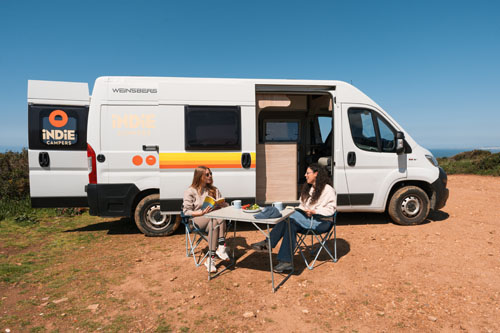
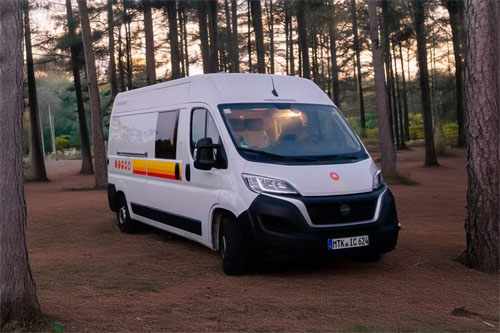
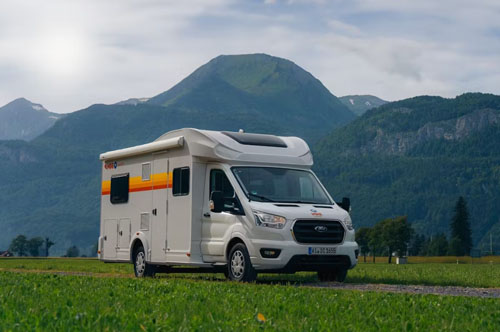
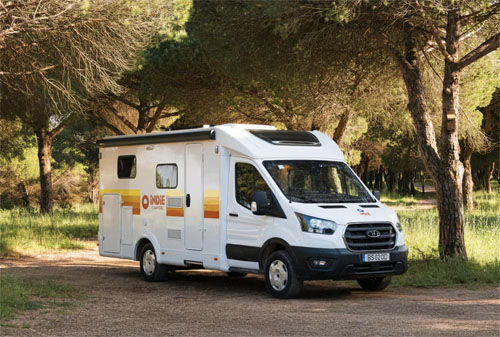
For family RV camping in England, a Class B Camper Van (averaging 5.8m length, 3.2 sleeping places from Bandana's global fleet) or a Class SI Semi-integrated motorhome (averaging 6.9m length, 3.8 sleeping places) are generally ideal. These classes are preferred due to England's narrower roads, tighter parking spaces, and lower bridges compared to North America, offering a better balance of space and maneuverability. While Class C Alcove models (averaging 7.5m length, with a "Bed Over Cub - 160/209cm" as seen in a 'F4' model and 5.8 sleeping places, as in a 'MHIC' model from Bandana's global fleet) offer more space for larger families, they can be more challenging to maneuver on historic routes and in crowded areas. When selecting your rental, remember Bandana Caravan offers top-level deductible reimbursement as an optional upgrade, providing extra peace of mind regardless of vehicle size.What is the most popular type of RV in the UK?
Semi-integrated motorhomes (Class SI) and campervans (Class B) are among the most popular types of RVs in the UK, favored for their balance of comfort, maneuverability on narrower roads, and fuel efficiency. Class SI vehicles from Bandana's global fleet average 6.9m in length with 3.8 sleeping places, while Class B Camper Vans average 5.8m with 3.2 sleeping places, making them practical for UK touring. For North American RVers, understanding these distinctions helps in choosing a suitable rental that handles UK road conditions better than larger, wider American-style RVs, ensuring a smoother journey.What is the difference between a motorhome and an RV in the UK?
In the UK, the terms 'motorhome' and 'campervan' are commonly used, while 'RV' (Recreational Vehicle) is a broader umbrella term more prevalent in North America. Motorhomes typically refer to larger, fully integrated units (similar to Class A or C in North America), whereas campervans are smaller, van-based conversions (akin to Class B). North American RVers should note that UK vehicles are generally smaller, often diesel-powered, and operate with left-hand drive, requiring adaptation from larger, gasoline-powered American RVs. Regardless of terminology, Bandana Caravan offers a wide range of rented motorhomes and campervans to suit your family's needs in England.Is it easy to drive an RV in England?
Driving a rented RV in England presents unique challenges, particularly for North American visitors accustomed to larger vehicles and wider roads, but it is manageable with careful planning and adaptation to left-hand driving. Navigating England's unique road infrastructure, which includes narrow country lanes, compact parking, and particularly low bridges (especially in historic towns), requires vigilance and practice. Smaller RV classes like campervans or semi-integrated models significantly ease the driving experience compared to larger North American-style RVs. Remember, drive slowly and carefully, and you can drive almost anywhere without issues. No need to stress - just use common sense and pay attention.What do I need to know about driving an RV in England?
When driving a rented RV in England, key considerations include adapting to left-hand traffic, understanding UK road signs (which differ from North American ones), being acutely aware of vehicle dimensions (especially height for low bridges), and navigating narrow rural roads. Specific advice for North American RVers includes practicing left-hand turns, being mindful of roundabout etiquette, and knowing your vehicle's exact length and height to avoid potential hazards. Ensure your rental includes comprehensive insurance with clarity on excess nuances, and be prepared for higher fuel costs and potential tolls like the M6 Toll road. A standard car driver's license is sufficient for all motorhome classes, but an International Driving Permit (IDP) is recommended for visitors from non-English-speaking countries.Do I need an international driving permit to drive an RV in England?
North American visitors generally do not need an International Driving Permit (IDP) to drive an RV in England if their domestic driving license is valid and recognizable (e.g., printed in English). However, it is advisable to carry an IDP as it provides a translation of your license in multiple languages, which can be useful for rental companies, local authorities, or in case of an emergency. Always confirm current requirements with your RV rental provider and official government sources before your trip. For all Bandana RV rentals, the minimum driver age is 21 years old, with no young driver surcharges or vehicle class restrictions based on age.How to Save on Campgrounds in England
To save on campground costs in England, consider utilizing discount cards (such as those often offered by rental companies or camping clubs), booking during the shoulder seasons (May-June, September-October), and opting for municipal or regional campgrounds over more expensive private resorts. Taking advantage of weekly rates by staying three or more nights at a single location can also reduce the average nightly cost. Additionally, for groups, sharing hookups or choosing non-electric pitches can further minimize expenses. Remember to travel slowly, averaging a maximum of 100-150 km per day, allowing you to fully enjoy each destination and find hidden gems for budget-friendly camping.🎬 Video coming soon
What You Shouldn't Miss
- **The Lake District National Park:** Explore stunning fells, shimmering lakes, and charming villages. Perfect for family hikes, boat trips, and reconnecting with nature.
- **The Jurassic Coast:** Discover 185 million years of geological history along England's only natural World Heritage Site. Kids will love fossil hunting on the beaches of Lyme Regis or Charmouth.
- **Cornwall's Beaches & Coastal Towns:** From surfing at Newquay to exploring Tintagel Castle, Cornwall offers a blend of adventure and history. Enjoy fresh seafood and the vibrant local atmosphere.
- **Historic York:** Walk the ancient city walls, visit York Minster, and explore the Shambles, a medieval street. Don't miss the National Railway Museum, a hit with all ages.
- **The New Forest National Park:** Experience unique landscapes where wild ponies and cattle roam freely. Plenty of family-friendly campsites and cycling trails await.
- **Bath's Roman Baths:** Step back in time at this incredibly preserved Roman site. Combine it with a walk through the Georgian architecture and Pulteney Bridge for a truly memorable experience.
Looking for expert insights from Avi Bandana? Top 5 Adventures - recommendations from Avi Bandana
Final Thoughts
An RV adventure through England promises an unforgettable family experience, offering the freedom to discover ancient history, stunning natural landscapes, and charming local culture at your own pace. With careful planning and the right rented motorhome or campervan, you'll create cherished memories that last a lifetime. Remember our advice: travel slowly, embrace the local atmosphere, and let the journey unfold. Whether you're a meticulous pre-planner or prefer spontaneous detours, England's diverse offerings and welcoming campsites are ready for you. We at Bandana Caravan are here to support you every step of the way, from comparing prices across top suppliers to providing transparent booking and excellent post-booking coordination. Get inspired for your next trip! Discover top destinations and planning tips, all in one place, with Bandana Caravan.On the routes offered through RV PLANET routes, you can itemize and track every expense along the way for easy budgeting.