In This Guide
- Can You Drive an RV in Windhoek? License & Age Rules
- Road Conditions & Terrain in Windhoek
- RV Size Limits, Bridges & Restricted Zones
- Fuel: Diesel vs. Petrol & Cost per 100 km in Windhoek
- Tolls, Vignettes & Border Rules for RVs in Namibia
- Driving Tips for RV Rental Travelers in Namibia
- Recommended RV Class for Windhoek Roads
- Should I Choose a Compact Van Instead of a Large RV in Windhoek?
- Can I Park Anywhere? Free & Wild Camping Rules in Windhoek
- Can I Drive an RV Into the City Center of Windhoek? Heights, Tunnels & Local Signage
- How Much Does an RV Trip in Namibia Cost? (Beyond Rental Fees)
- What Type of RV is Best for Namibia's Terrain: 4x4 Campervan or 2WD Motorhome?
- Which RV Parks & Campgrounds are Best in Windhoek and Nearby?
- What are Essential RV Safety Tips for Driving in Namibia?
- What are the Best RV-Friendly Activities in Windhoek and Its Surroundings?
- Where Can I Find Water, Waste Disposal, and RV Services in Namibia?
- How Do Seasons Impact RV Travel in Namibia?
- What are Sustainable RV Travel Practices for Namibia?
Imagine yourself embarking on an unforgettable adventure through the vast landscapes of Namibia, with Windhoek as your vibrant starting point. Renting an RV in Windhoek offers unparalleled freedom to explore this stunning country at your own pace. For live availability and current prices, start with our RV Rental Windhoek - Complete Guide 2026 guide.
Can You Drive an RV in Windhoek? License & Age Rules
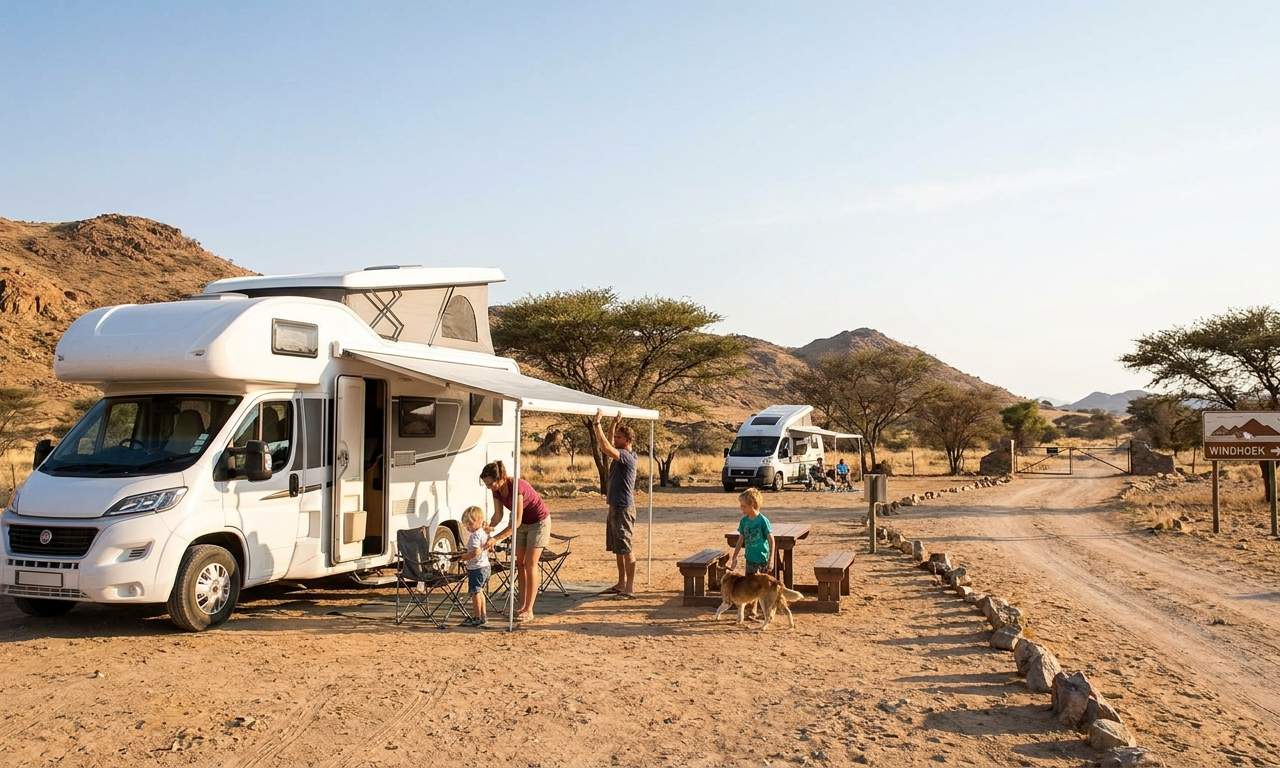
To drive an RV in Windhoek, a standard B-category driving license is typically sufficient for vehicles up to 3,500 kg, which covers most rental campervans and motorhomes available from Bandana's partner suppliers like Apollo and Britz. Drivers must generally be at least 21 years old to rent an RV in Windhoek, and there are no young driver surcharges or vehicle class restrictions based on age. Foreign visitors need a valid national driver's license from their home country, often accompanied by an International Driving Permit (IDP) translated into English, to legally drive in Namibia; while an IDP is recommended for non-English speaking licenses, it is not mandatory in all cases. For RVs exceeding 3,500 kg, a higher license category (e.g., C1 or C) would be required, though these larger Class A motorhomes are less common for leisure rentals in the region.
Navigating the roads of Windhoek and beyond with a rented motorhome or campervan is an exciting prospect. The licensing requirements are straightforward, designed to make RV travel accessible for most international visitors. Our goal at Bandana is to make the process as clear and transparent as possible, ensuring no surprises when you arrive to pick up your vehicle.
Road Conditions & Terrain in Windhoek
Windhoek itself features mostly well-maintained tarred roads, providing a smooth start to your adventure, but venturing outside the city quickly introduces varied terrain, primarily gravel (dirt) roads, which are common throughout Namibia. Namibia's gravel roads can range from smooth and well-graded to heavily corrugated, sandy, or stony, requiring slower speeds and careful driving, especially for rented RVs. Expect significant corrugation on some routes, particularly after periods of heavy rain or high traffic, which can impact driving comfort and speed for different RV types. Driving an RV on these diverse roads demands attention to maintenance levels and adjusting speed to suit the conditions, with slower, scenic driving generally recommended for safety and comfort. Don't let the gravel roads intimidate you; they are part of the authentic Namibian experience. To better prepare for the journey, consider consulting our "RV Rental Namibia - Complete Guide 2026" for broader context.
RV Size Limits, Bridges & Restricted Zones
Windhoek generally has no specific height or weight restrictions that would significantly hinder standard RV travel within the city, with most infrastructure easily accommodating common rental motorhomes. Low bridges or tunnels are rare in Windhoek and on major Namibian routes; however, drivers should always pay attention to local signage, particularly when entering smaller towns or rural areas. Environmental zones are not typically a concern for RV travel in Windhoek or Namibia, but access to national parks and protected areas is regulated by park fees and specific entry rules. There are no ferry limits to consider for RV travel directly within Windhoek or its immediate surrounds, as the city is inland.
Fuel: Diesel vs. Petrol & Cost per 100 km in Windhoek
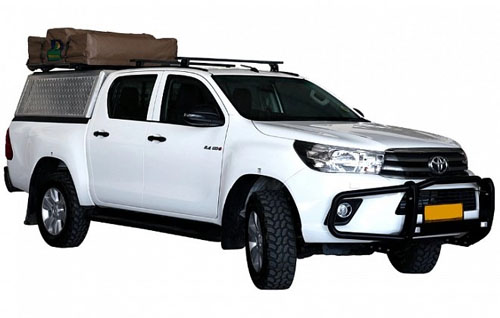
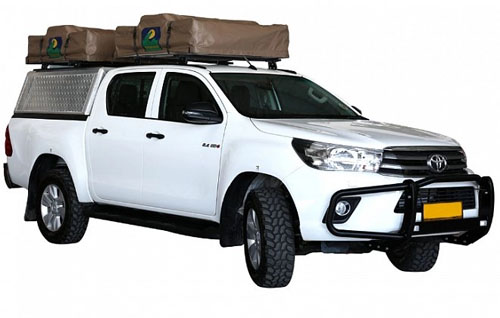
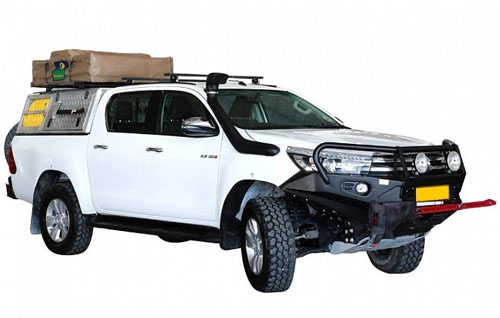
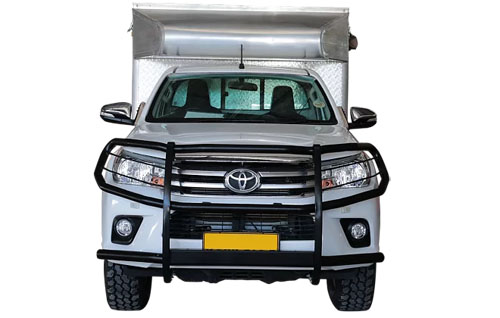
Most RVs available for rent in Windhoek, including Bandana's Class TC - Truck Camper (e.g., Patagonia Camper 4x4 double cab) and larger Class C - Alcove models (e.g., C-30), run on diesel fuel, which is widely available across Namibia. Based on typical fleet data, common fuel consumption for these RV classes is approximately 12 liters per 100 km for both Truck Campers and larger Semi-integrated/Alcove models. Assuming an average diesel price of approximately N$20 per liter (N$ being Namibian Dollar, roughly equivalent to ZAR), the estimated fuel cost per 100 km for an RV in Windhoek is around N$240. While fuel stations are frequent in urban areas, it is crucial to refuel whenever possible in remote regions due to potentially long distances between service points. For budgeting your total trip cost, remember that on RV PLANET routes, travelers can itemize and track every expense along the way. On the routes offered through RV PLANET routes, you can itemize and track every expense along the way for easy budgeting.
Tolls, Vignettes & Border Rules for RVs in Namibia
Namibia generally does not have extensive toll roads or require vignettes for its national road network, meaning RV travelers will not encounter these specific costs within the country. This simplifies budgeting significantly for your journey from Windhoek. For cross-border travel to neighboring countries like Botswana or South Africa, specific vehicle import permits, road user charges, and carbon taxes may apply, which must be arranged in advance at border posts. When planning to cross borders with a rental RV from Windhoek, it is essential to inform the rental company in advance to ensure you have the necessary documentation, such as a letter of authorization, to prevent delays or fines. Some rental agreements may include specific restrictions or additional fees for international travel, so clarifying border rules with your rental provider is paramount. Our team is here to assist with pre-booking comparisons and booking support, ensuring you have the right information before you go.
Driving Tips for RV Rental Travelers in Namibia
Driving a rented RV in Namibia requires a mindful approach to ensure a safe and enjoyable journey. Drive defensively and at reduced speeds: Namibia's varied road conditions, especially gravel, require lower speeds (recommended 80 km/h on gravel) to maintain control and avoid punctures; reduce speed even further when encountering wildlife. Prioritize safety & security: Always secure your RV when unattended, avoid driving at night due to poor visibility and wildlife hazards, and park in designated, secure campgrounds. Carry a fully charged mobile phone and emergency contacts. Plan your route and fuel stops diligently: Distances between towns can be vast, so meticulously plan your route, ensuring you have enough fuel and supplies for each leg of your journey, especially for families who might need more frequent stops. Be prepared for emergencies: Carry sufficient water, a spare tire (and know how to change it), basic tools, and a first-aid kit; understand emergency procedures for breakdowns or accidents, particularly in remote areas. Understand gravel road dynamics: Braking distances are longer on gravel; avoid sudden steering changes, and be mindful of corrugation and loose surfaces that can affect RV stability. Remember, travel slowly, max 100-150 km per day on average, to truly connect with the culture, food, and scenery.
Recommended RV Class for Windhoek Roads
For diverse Namibian roads, including gravel routes outside Windhoek, the Class TC - Truck Camper (e.g., Patagonia Camper 4x4 double cab with an average length of 5.4m) is highly recommended due to its robust nature and often superior ground clearance, making it ideal for navigating varied terrain. These models are built on 4x4 chassis, offering a great blend of off-road capability and compact size, crucial for accessing remote campsites or wildlife viewing spots. For travelers planning to stick predominantly to tarred main roads and well-maintained gravel roads, a Class SI - Semi-integrated (avg. length 6.7m) or Class C - Alcove (avg. length 6.7m like the 'cruise america rv rental example Explorer') offers more indoor comfort and space without significant maneuverability issues in most areas. While larger RVs like the 7-berth 'C-30' Class C models are comfortable, their longer wheelbase and potentially lower ground clearance might limit access to very rough tracks, making them more suitable for family-oriented trips on established routes. For more detailed insights, check out our "RV Travel Guide to Windhoek - Tips and Top Spots 2026" which often includes vehicle-specific advice.
Should I Choose a Compact Van Instead of a Large RV in Windhoek?
Generally, driving a large RV in Windhoek presents no significant issues, as city roads and main arteries are spacious enough, and larger vehicles often provide superior comfort and living space, especially for longer trips. Drive slowly and carefully, and you can drive almost anywhere without issues. No need to stress - just use common sense and pay attention. A compact van (e.g., a 4x4 campervan) genuinely helps when planning to tackle extremely narrow, sandy, or very rough tracks where higher ground clearance and better maneuverability are essential, or if aiming for specific remote campsites. However, for most tourist routes and established campgrounds around Windhoek and throughout Namibia, a larger RV (such as a Semi-integrated or Alcove model like the 'rv rentals utah example Sunrise Escape') offers a better trade-off between comfortable indoor amenities, storage, and ease of driving on major roads. The decision often hinges on your itinerary: if extreme off-roading is a priority, a compact 4x4 campervan is superior; otherwise, a larger RV provides a more comfortable 'home on wheels' experience.
Can I Park Anywhere? Free & Wild Camping Rules in Windhoek
In Windhoek and throughout Namibia, free or wild camping is generally not permitted without explicit permission from landowners or local authorities, particularly within national parks, private reserves, or communal lands. Namibia emphasizes designated campsites and private lodges for overnight stays to protect its fragile ecosystems and ensure visitor safety, making organized camping the standard. While there are no specific regional data watchouts for Windhoek regarding parking outside designated areas, unauthorized overnight parking can lead to fines, security risks, and environmental damage. Rules vary by region- always check local regulations and follow local law before parking overnight, opting for registered RV parks or campsites for secure and compliant accommodation. For tips on finding spots, our "Cheap RV Rental in Windhoek - Budget Guide 2026" often highlights cost-effective camping solutions.
Can I Drive an RV Into the City Center of Windhoek? Heights, Tunnels & Local Signage
Yes, you can generally drive an RV into the city center of Windhoek without major restrictions, as the city's infrastructure is accommodating to larger vehicles. Drivers should always pay attention to local signage, especially regarding speed limits, one-way streets, and any designated parking zones, though specific height limits for tunnels or low bridges are not common within central Windhoek. Environmental zones or residents-only streets that restrict RV access are not a common feature of Windhoek's city planning, allowing for relatively unhindered access. Parking for larger RVs might be more challenging to find directly in the bustling central business district around Independence Avenue compared to designated parking areas or hotel/campground facilities on the city's outskirts.
How Much Does an RV Trip in Namibia Cost? (Beyond Rental Fees)
A comprehensive budget for an RV trip in Namibia extends beyond just the rental fee, encompassing significant costs like fuel, national park entry fees, and varied camping fees. Fuel consumption, especially on Namibia's extensive gravel roads, is a major expenditure, with costs estimated around N$240 per 100 km for typical rental RVs (based on 12 l/100 km at N$20/liter diesel). National park fees (e.g., Etosha, Namib-Naukluft) typically range from N$150 to N$200 per person per day for international visitors, plus a vehicle fee (e.g., N$50 per day). Camping fees vary widely, from around N$200-N$400 per person per night at basic public campsites to N$500-N$1000+ at private, well-equipped resorts, often including water refills and dump station access near Windhoek. Allocate additional funds for water refills, gas bottle exchanges (for cooking on board, check out our RV-friendly recipes playlist!), occasional RV mechanics/spare parts (especially for remote areas), and a substantial emergency fund to cover unexpected repairs or medical situations. For finding the best deals, our "RV Rental in Windhoek - Prices and Best Deals 2026" guide offers great insights.
What Type of RV is Best for Namibia's Terrain: 4x4 Campervan or 2WD Motorhome?
For navigating Namibia's diverse terrain, a 4x4 campervan (such as Bandana's Class TC - Truck Camper models like the "4x4 Scout Adventure Truck Camper Gold") is often essential for accessing remote areas, sandy tracks, and unmaintained gravel roads, offering superior traction, ground clearance, and robust suspension. Features like high ground clearance, heavy-duty tires (often with a second spare), and a strong 4x4 drivetrain are critical for handling corrugation, soft sand, and potential river crossings, common in regions like Damaraland or the Kaokoveld. A 2WD motorhome (like Bandana's Class SI or Class C, such as a 4-berth 'cruise america rv rental example Explorer') is highly suitable for Namibia's tarred highways and well-graded gravel roads, providing more comfort and interior space for families, but its capabilities are limited on challenging off-road tracks. When choosing, consider your itinerary: if iconic destinations accessible by main roads are your focus, a 2WD motorhome is comfortable; for true adventure, wildlife safaris into less-traveled areas, or wet season travel, a 4x4 campervan is indispensable. For those seeking premium options, our "Luxury RV Rental in Windhoek - Premium Prices 2026" showcases top-tier choices.
Which RV Parks & Campgrounds are Best in Windhoek and Nearby?
For RV travelers starting in Windhoek, several highly-rated parks offer excellent amenities and serve as convenient bases for local exploration or as a first/last stop. Arebbusch Travel Lodge in Windhoek provides spacious, well-maintained RV sites with electricity, water, and often private ablutions, plus amenities like a restaurant, pool, and shuttle services, making it ideal for families. Windhoek Gardens Guest House and similar establishments often offer secure camping spots for smaller RVs, blending hotel convenience with basic camping facilities, perfect for a city stopover. For a more natural setting close to the city, consider sites within a short drive, like Daan Viljoen Game Park (about 20 km west of Windhoek), which offers basic but scenic camping, allowing for wildlife viewing right from your RV. When booking, especially during peak season, ensure you reserve well in advance and confirm amenities like power, water, and waste disposal points suitable for your RV type. You'll find spots, and if not at the first campground, then the next one. Call ahead before driving to confirm availability.
What are Essential RV Safety Tips for Driving in Namibia?
RV safety in Namibia necessitates strict adherence to road rules and vigilance, particularly concerning wildlife encounters and nighttime driving. Absolutely avoid driving at night in Namibia, as animals (kudu, springbok, cattle) are highly active and roads are poorly lit, posing extreme collision risks. Always park your RV in secure, designated campgrounds or monitored areas, such as Arebbusch Travel Lodge, ensure all windows and doors are locked when leaving the vehicle, and avoid displaying valuables. Carry a satellite phone or high-frequency radio for remote areas where cell service is unreliable, have comprehensive first aid, and know how to perform basic vehicle checks and tire changes. Be constantly alert for wildlife, especially at dawn and dusk; slow down significantly upon sighting animals, do not feed them, and maintain a safe distance. Our goal is to provide honest and transparent support from pre-booking comparisons to post-booking coordination, ensuring you're well-prepared.
What are the Best RV-Friendly Activities in Windhoek and Its Surroundings?
Windhoek serves as a vibrant starting point for RV adventures, offering unique urban experiences before venturing into Namibia's wilderness. Within the city, RV travelers can visit the iconic Christuskirche, explore the Independence Memorial Museum for a deep dive into Namibian history, or browse local crafts at the Post Street Mall flea market. For RV-friendly nature close to Windhoek, Daan Viljoen Game Park (about 20 km west) allows for self-drive game viewing, hiking trails, and offers camping facilities suitable for RVs. Unique experiences include a sundowner drive at a lodge near Windhoek or enjoying local Namibian cuisine at places like Joe's Beerhouse on Independence Avenue, which often has ample parking. Local services for RVs, such as supermarkets for stocking up, fuel stations (like those along Sam Nujoma Drive), and basic workshops, are readily available within Windhoek, making it an excellent resupply point. If you're looking for last-minute opportunities, our "RV Rental Deals in Windhoek - Latest Offers 2026" might reveal some unexpected treasures.
Where Can I Find Water, Waste Disposal, and RV Services in Namibia?
Access to essential RV services like potable water, grey/black water disposal points, and mechanics requires strategic planning, especially in Namibia's remote areas. Most established RV parks and campgrounds (both public and private) across Namibia, including those in and around Windhoek like Arebbusch Travel Lodge, provide facilities for refilling potable water and dumping grey/black water; always inquire upon booking to confirm availability and location. Major towns like Windhoek, Swakopmund, and Walvis Bay have well-equipped RV mechanics and a reasonable supply of spare parts, particularly for common vehicle brands (e.g., Toyota, Ford). Cell service (MTC is the primary provider) is generally reliable in and around towns and along major routes but becomes sparse to non-existent in vast remote areas and national parks. Wi-Fi is typically available at most lodges and higher-end campsites but should not be relied upon as a constant; consider purchasing a local SIM card for better connectivity in populated zones. Don't forget that you can upgrade to a top-level deductible for extra peace of mind when renting through Bandana, knowing you're well-covered.
How Do Seasons Impact RV Travel in Namibia?
Namibia's distinct wet (November-April) and dry (May-October) seasons significantly influence road conditions, campsite accessibility, and wildlife viewing for RV travelers. The wet season is characterized by occasional heavy rains and thunderstorms, which can transform gravel roads into muddy, challenging tracks, potentially causing temporary closures, river crossings to become impassable, and reducing accessibility to some campsites around Windhoek and further afield. The dry season offers generally excellent road conditions with less mud, but dust and corrugation on gravel roads can increase; this period is optimal for wildlife viewing as animals congregate around fewer water sources. Optimal wildlife viewing for RVers is typically during the dry winter months (June-August), when vegetation is sparse and animals are more easily spotted at waterholes in Etosha National Park. Planning your RV trip around the seasons is crucial: the dry season ensures easier travel and better wildlife, while the wet season brings lush landscapes but demands higher caution and potential route adjustments. For maximum flexibility, exploring our "One-Way RV Rental in Windhoek - Price Guide 2026" can help tailor your journey to the seasons.
What are Sustainable RV Travel Practices for Namibia?
Practicing sustainable RV travel in Namibia is crucial to preserving its fragile ecosystems and supporting local communities. Always dispose of all waste responsibly at designated points, pack out everything you pack in, and avoid littering, especially in sensitive areas like Daan Viljoen Game Park. Respect wildlife by maintaining a safe distance from animals, never feeding them, and adhering to national park rules regarding speed limits and off-road driving to minimize disturbance. Namibia is a water-scarce country; be mindful of water consumption in your RV, and conserve electricity whenever possible. Support local communities by purchasing goods and services from local businesses, engaging with local guides, and considering visiting community-run campsites or projects to ensure your tourism directly benefits the local population. By traveling consciously, you contribute to the beauty and longevity of Namibia for future generations.
🎬 Video coming soon
What You Shouldn't Miss
- Explore Christuskirche and Independence Memorial Museum: Start your Windhoek adventure with these iconic landmarks for a blend of history and stunning architecture right in the city center.
- Wildlife Spotting at Daan Viljoen Game Park: Just a short drive west of Windhoek, this game park offers excellent self-drive opportunities to see various antelopes and zebras, perfect for a day trip with your rented RV.
- Savor Local Cuisine at Joe's Beerhouse: Experience a Windhoek institution known for its unique atmosphere and hearty Namibian dishes. There's often ample parking for larger vehicles nearby.
- Sundowner Drive with Panoramic Views: Many lodges surrounding Windhoek offer sundowner excursions with breathtaking views of the Khomas Hochland mountains, a truly magical end to an adventurous day.
- Visit the Craft Centre in Tal Street: Discover authentic Namibian arts, crafts, and souvenirs, supporting local artisans and taking a piece of Namibia home with you.
Looking for expert insights from Avi Bandana? Top 5 Adventures - recommendations from Avi Bandana
Final Thoughts
Exploring Windhoek and the wider Namibian landscape with a rented RV is an adventure unlike any other. The freedom to wake up to a new horizon each day, whether it's the bustling city streets of Windhoek or the serene, wide-open spaces beyond, creates truly unforgettable memories. Remember to embrace slow travel, allowing yourself to fully immerse in the incredible culture, diverse wildlife, and breathtaking scenery Namibia has to offer.
Bandana Caravan is dedicated to making your RV journey seamless and enjoyable, from choosing the perfect campervan to navigating the local nuances. We are with you before, during, and after your booking, providing the tools and transparency you need for a truly epic road trip. Get inspired for your next trip and discover why RV travel in Windhoek is simply the best way to experience this magnificent country.
Find Motorhome Rentals in Windhoek