In This Guide
- Can You Drive an RV in Turkey? License & Age Rules
- Road Conditions & Terrain in Turkey
- RV Size Limits, Bridges & Restricted Zones
- Fuel: Diesel vs. Petrol & Cost per 100 km
- Tolls, Vignettes & Border Rules
- Driving Tips for rv rental Travelers
- Recommended RV Class for Turkey Roads
- Should I Choose a Compact Van Instead of a Large RV in Turkey?
- Can I Park Anywhere? Free & Wild Camping Rules in Turkey
- Can I Drive an RV Into the City Center? Heights, Tunnels & Local Signage
- What documents are needed for RV border crossing into Turkey?
- Is wild camping legal and safe in Turkey for RVs?
- What are unique off-the-beaten-path RV routes in Turkey?
- Where can RVers find mechanics and essential supplies in Turkey?
- How to travel sustainably and responsibly by RV in Turkey?
- How should I prepare for emergencies while RVing in Turkey?
Can You Drive an RV in Turkey? License & Age Rules
Foreign visitors can typically drive a rented RV in Turkey with their national driving license and an International Driving Permit (IDP), provided their license covers the vehicle's class. A standard car license (B category) is generally sufficient for motorhomes under 3,500 kg Gross Vehicle Weight Rating (GVWR), common for many rental campervans and smaller motorhomes. However, for larger RVs exceeding 3,500 kg GVWR, a higher license category, such as C1 or C, may be required by rental companies. Rental companies in Turkey commonly stipulate a minimum driver age, typically between 21 and 25 years old, with at least 1-2 years of driving experience required. An IDP is legally mandated for non-Turkish residents as a translation of your national license and must be carried alongside your valid national driving license at all times. For live availability and current prices, start with our RV Rental Turkey - Complete Guide 2026 guide.
Road Conditions & Terrain in Turkey
Turkey presents a diverse tapestry of road conditions, ranging from impeccably maintained modern highways to scenic, winding coastal routes and occasional unpaved tracks in rural villages. Major motorways, often designated as E-roads or O-highways, are generally in excellent condition, comparable to European standards, offering smooth passage for RVs. However, secondary and rural roads can be narrower, more winding, and sometimes less maintained, particularly in mountainous regions like the Black Sea coast or Eastern Anatolia. The coastal areas along the Aegean and Mediterranean seas, while stunningly beautiful, often feature curvy routes that necessitate slower speeds and careful maneuvering of larger RVs. Drivers of any RV size should anticipate varied road quality and be prepared for cautious driving, especially when venturing off the main arteries to explore more remote areas.
RV Size Limits, Bridges & Restricted Zones
While Turkey generally accommodates RVs of various sizes, drivers should remain mindful of potential height, weight, and width restrictions, particularly in older towns or specific historical areas. Most modern Turkish infrastructure, including highways and newer tunnels, provides ample clearance for standard RVs, typically well over 4 meters in height. However, historic city centers, narrow village streets, and some older bridges may indeed have lower height limits (e.g., below 3.5-4.0 meters) or specific width restrictions that could pose challenges for larger motorhomes. Unlike some European countries, Turkey does not currently have widespread environmental zones that specifically restrict RVs based on emission standards. When utilizing ferry services, be aware that RV dimensions (length and height) will determine pricing and may be subject to specific operator limits; it is always advisable to check these in advance.
Fuel: Diesel vs. Petrol & Cost per 100 km
Diesel is the predominant fuel type for RVs in Turkey, widely available across the country, while LPG (Autogas) for vehicle propulsion is also common and often more cost-effective. Bandana's global fleet averages for common fuel consumption typically range from 10-11 L/100 km for Semi-integrated RVs and Camper Vans, slightly higher for Alcove and Integrated RVs (8-12 L/100 km), and up to 12-17 L/100 km for larger Truck Campers. Fuel stations are plentiful, especially along main roads, offering good quality diesel from major brands like Shell, Opet, and Petrol Ofisi. LPG is readily available at many petrol stations for both vehicle propulsion and for powering RV systems like heating and cooking, though an adapter might sometimes be necessary for certain European gas bottle connectors. The exact cost per 100 km will vary based on current fuel prices and your specific RV's consumption, but it is prudent to budget for significant fuel expenses, especially when traveling with larger rigs or covering long distances. For ideas you can prep on the road, watch our RV-friendly recipes playlist on YouTube. On the routes offered through RV PLANET routes, you can itemize and track every expense along the way for easy budgeting.
Tolls, Vignettes & Border Rules
Turkey primarily utilizes an electronic toll collection system (HGS or OGS) on its motorways and bridges, which RV renters must manage, and crossing international borders involves specific documentation for both the vehicle and its occupants. Motorway and bridge tolls in Turkey are collected electronically via the HGS (Hızlı Geçiş Sistemi) sticker or OGS (Otomatik Geçiş Sistemi) device; rental RVs typically come equipped with an HGS tag linked to a prepaid account, simplifying payments. Turkey does not operate a vignette system for general road usage, unlike some other European nations. For non-Turkish registered vehicles, a 'Gecici Ithalat Belgesi' (Temporary Import Permit) is often required, allowing temporary entry for a specified duration, usually 90-180 days within a 12-month period. A valid 'Green Card' international motor insurance policy, specifically noting coverage for Turkey ('TR') on the card, is mandatory and crucial for border crossings; ensure your rental insurance adequately provides this. Required documents for border crossing generally include a valid passport, driver's license (with IDP), original vehicle registration, and the RV rental agreement or proof of ownership/authorization if it's not your own vehicle. Some rent-motorhome RVs may offer pre-purchasing toll passes or provide systems to simplify toll payments, helping to avoid potential fines.
Driving Tips for rv rental Travelers
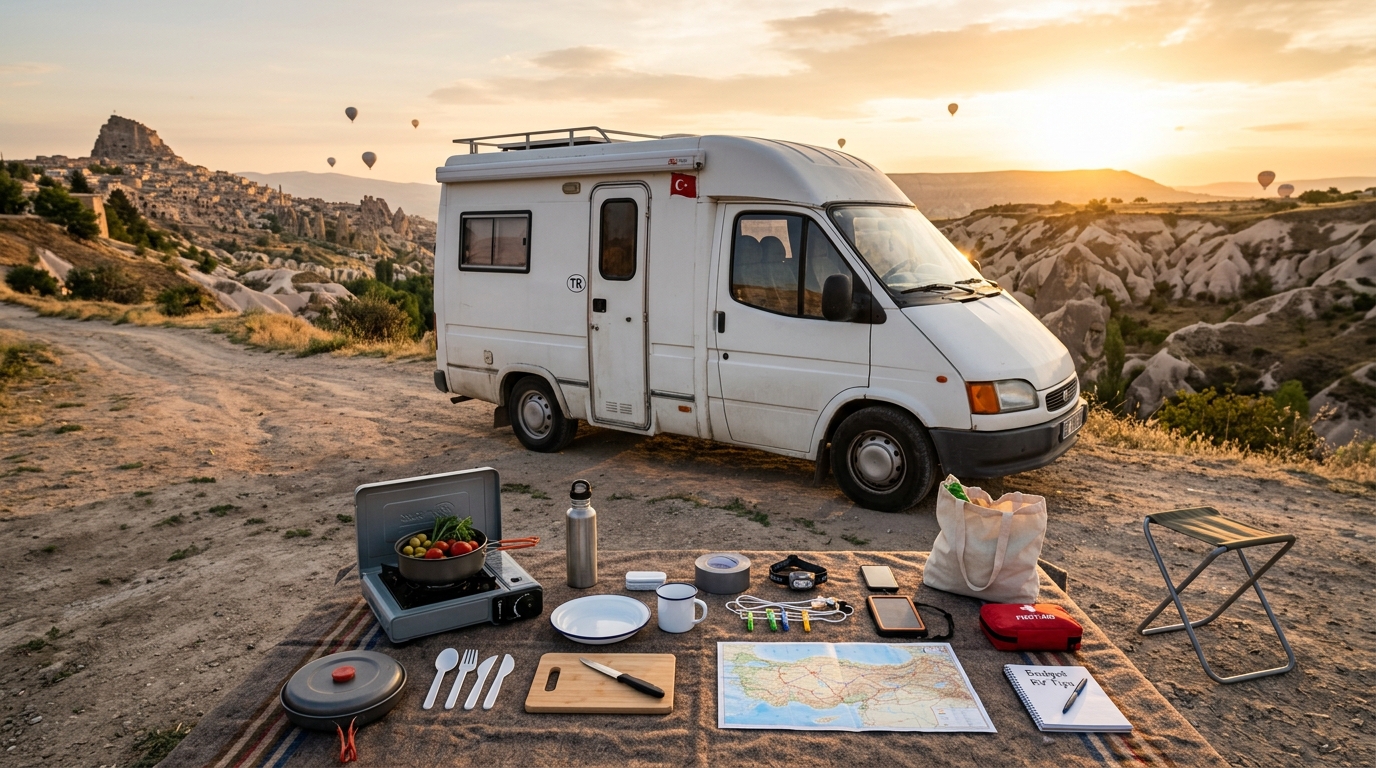
Navigating Turkey in a rented RV offers incredible freedom, but adopting specific driving habits can significantly enhance safety and enjoyment for all travelers. Drive defensively and maintain ample distance from other vehicles, as Turkish drivers can sometimes be assertive, and expect a variety of driving styles on the road. Patience is absolutely essential, especially in rural areas, during peak tourist season, or when encountering slower agricultural vehicles. Plan your routes carefully using reliable GPS applications (like Google Maps or Maps.me with offline capabilities) and consider purchasing a local SIM card for real-time traffic updates and easier communication. For families traveling with children, it's advisable to schedule frequent stops (every 2-3 hours) at designated rest areas or scenic viewpoints to prevent driver fatigue and keep passengers comfortable. Familiarize yourself with basic Turkish phrases or utilize a translation app to assist with roadside interactions or asking for directions. Always be prepared for emergencies by carrying a warning triangle, a well-stocked first-aid kit, and ensuring you know the rental company's roadside assistance contact and local emergency numbers (112 for all emergencies).
Recommended RV Class for Turkey Roads
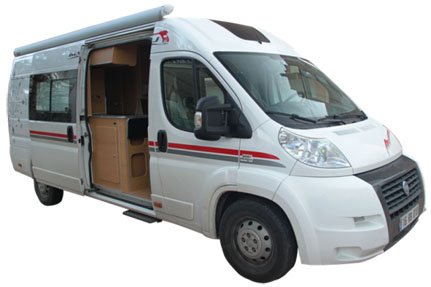
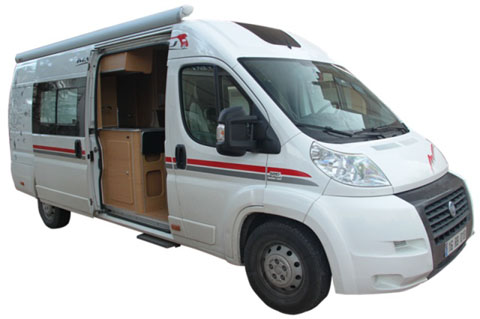
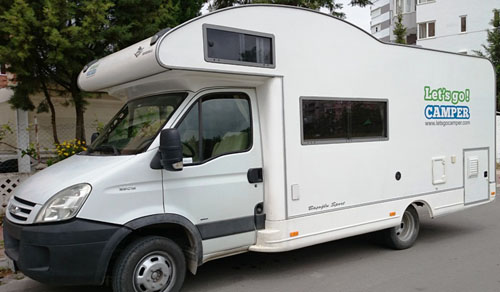
For RV travel in Turkey, Semi-integrated (Class SI) and Alcove (Class C) motorhomes from Bandana's global fleet offer an excellent balance of comfort, maneuverability, and space, making them suitable for the diverse road conditions encountered. The Class SI motorhomes, averaging 6.9m in length and sleeping approximately 3-4 adults, provide a good blend of living space and ease of driving, ideal for couples or small families exploring various Turkish routes. Class C motorhomes, or Alcoves, which average 7.5m in length and accommodate around 4-5 adults, offer more generous living and sleeping areas, making them a great choice for larger families, and they generally perform well on Turkey's main highways. For those prioritizing maximum compactness and agility, the Class B Camper Vans, averaging 5.8m in length, are the most compact (sleeping 2-3 adults), offering superior maneuverability for city centers and narrower roads, though with less interior space. Larger Class A Integrated motorhomes, averaging 7.5m in length and sleeping around 4 adults, provide the ultimate in luxury and space, best suited for travelers prioritizing comfort on primary, well-maintained highways. Finally, the robust Class TC Truck Campers, typically around 5.5m and sleeping 2-3 adults, offer a good balance of a smaller footprint with greater capability for more varied terrain.
A rented RV, such as the Cruise America RV Rental Example Explorer, offers a comfortable way to explore Turkey. This 7.1m Class C motorhome comfortably sleeps up to four people and features a 4-burner gas stove, 90-liter refrigerator, and enclosed chemical toilet, making it well-suited for touring.Should I Choose a Compact Van Instead of a Large RV in Turkey?
Deciding between a compact camper van and a larger RV for your Turkey adventure hinges on your travel style and priorities, although generally, most common RV sizes are manageable on Turkey's primary road network. Compact camper vans, such as Bandana's Class B models averaging 5.8m in length, offer superior maneuverability, which is highly beneficial for navigating crowded historic city centers, finding parking in tight urban spaces, and traversing narrower mountain passes. Larger RVs, like Bandana's Class SI models at 6.9m or Class C models at 7.5m average length, provide significantly more living space, larger kitchens, separate sleeping areas, and enhanced amenities for a more comfortable experience on longer trips, especially for families. While a compact van certainly provides greater agility for very specific tight spots or remote, unpaved village roads, the overall comfort and enhanced amenities of a larger RV often outweigh the minor maneuverability challenges on Turkey's generally well-maintained primary and secondary road network. Ultimately, consider your itinerary: if frequent city exploration and remote, potentially unpaved routes are your primary focus, a compact van might be preferable; however, if comfort, ample space, and well-trodden routes are key, a larger RV is likely the more suitable choice.
Can I Park Anywhere? Free & Wild Camping Rules in Turkey
While wild camping is not explicitly forbidden nationwide in Turkey, its legality and acceptance are nuanced, often tolerated in rural areas but subject to local regulations and the discretion of authorities. There is no blanket law explicitly prohibiting wild camping across Turkey; it generally exists in a legal grey area, with tolerance often depending on the specific location and local officials. For safety and to adhere to local etiquette, it's always best to seek permission from landowners if you intend to camp on private property and be respectful of local customs, particularly in more conservative regions. Avoid wild camping in clearly marked 'no camping' areas, national parks, military zones, or archaeological sites, where restrictions are strictly enforced. Prioritize safety by choosing well-lit, visible spots, or opt for established campsites for guaranteed facilities and security, especially when traveling alone. Crucially, practice strict 'Leave No Trace' principles: pack out all trash, dispose of waste (including grey and black water) responsibly at designated facilities, and minimize your impact on the environment and local communities. Remember that rules can vary significantly by region, so always check local regulations and follow local law before parking overnight.
Can I Drive an RV Into the City Center? Heights, Tunnels & Local Signage
Yes, driving an RV into most Turkish city centers is generally possible, though navigating narrow streets, low clearances, and finding suitable parking will require careful attention to local signage and an understanding of potential restrictions. Major Turkish cities like Istanbul, Izmir, and Antalya feature modern road infrastructure that can accommodate RVs on their main arteries and boulevards, providing access to key areas. Pay close attention to local signage indicating height limits (e.g., for underpasses or covered car parks), weight restrictions, and 'no entry' zones, particularly within older, historic districts which are often more constrained. Parking for larger RVs in city centers can be challenging; it is often advisable to park on the outskirts of the city or at designated RV parks and utilize public transport to explore the central areas. Many historic old towns are characterized by very narrow, winding streets and pedestrianized zones that are entirely unsuitable for larger RVs; in such cases, a compact camper van would offer significantly more agility. Traffic can be heavy in major cities, especially Istanbul, requiring patient and defensive driving, and it's important to be aware of local customs regarding horn usage and lane changes.
What documents are needed for RV border crossing into Turkey?
To successfully cross into Turkey with a rented RV, travelers typically require their passports, an International Driving Permit (IDP) alongside their national license, vehicle registration documents, and specific proof of insurance. All travelers must possess a valid passport and any necessary visas for entry into Turkey. A valid national driver's license, accompanied by an International Driving Permit (IDP) which serves as a translation, is mandatory for the driver. Original vehicle registration documents are essential, and if the RV is rented, a formal rental agreement and a letter of authorization from the rental company permitting international travel are mandatory. Proof of a valid 'Green Card' international motor insurance policy, specifically extending coverage to Turkey (indicated by 'TR' on the card), is crucial and often rigorously checked at the border. For non-Turkish registered vehicles, a 'Gecici Ithalat Belgesi' (Temporary Import Permit) will be issued at the border, detailing the vehicle's temporary entry period. Travelers should also be prepared for potential customs checks and to declare any valuable items or restricted goods.
Is wild camping legal and safe in Turkey for RVs?
While wild camping is generally tolerated in many rural areas of Turkey, its legality is ambiguous, making safety and adherence to local etiquette paramount for RV travelers. The legality of wild camping in Turkey exists in a grey area; there is no explicit nationwide law either permitting or prohibiting it, leading to varied local interpretations and enforcement. Safety considerations for RVs include choosing visible, non-isolated spots, avoiding politically sensitive or military zones, and always securing your vehicle properly. Respecting local etiquette means always asking permission from landowners or local village authorities if camping near settlements, and maintaining a low profile. Avoid wild camping in designated protected areas such as national parks, archaeological sites, or areas explicitly marked with 'no camping' signs, where restrictions are strictly enforced. Practice 'Leave No Trace' principles by packing out all waste, disposing of grey and black water only at appropriate facilities, and minimizing disturbance to the environment and local communities. Utilizing apps like iOverlander or seeking advice from local RV communities can provide valuable insights into community-sourced safe and accepted wild camping spots.
What are unique off-the-beaten-path RV routes in Turkey?
Beyond the popular destinations like Cappadocia and the Aegean coast, Turkey offers numerous off-the-beaten-path RV routes leading to authentic local experiences and stunning, less-visited landscapes. Explore the Eastern Black Sea Coast, particularly areas like Rize and Trabzon, known for its lush tea plantations, ancient monasteries such as Sumela, and traditional mountain villages (yaylas). Venture inland from the Lycian Coast to discover ancient ruins like Tlos and Pinara, and small, traditional villages, immersing yourself in a slower pace of Mediterranean rural life. Drive through the Phrygian Valley, encompassing Afyonkarahisar, Eskişehir, and Kütahya, to witness unique rock formations, impressive Phrygian monuments carved into cliffs, and therapeutic thermal springs. Discover the serene Lake District (Göller Bölgesi – Burdur, Isparta), home to picturesque freshwater lakes like Salda and Eğirdir, and national parks ideal for hiking and tranquil RV stays. Immerse yourself in the Hittite Heartlands (Hattuşa, Alacahöyük) in Central Anatolia, exploring UNESCO World Heritage sites and the ancient capital of the Hittite Empire. Seek out authentic local experiences by visiting weekly village markets, dining at family-run 'lokantas' (small, local eateries), and engaging with local artisans for a deeper cultural immersion.
Where can RVers find mechanics and essential supplies in Turkey?
RVers in Turkey can readily find general vehicle mechanics and essential supplies in most major towns and cities, although specialized RV habitation parts might require more diligent searching or ordering. General vehicle mechanics (oto tamirci) are widespread and highly competent for common engine and chassis issues, particularly for European-based RV models (e.g., Fiat, Ford, Mercedes chassis). For specialized RV habitation parts (such as Dometic appliances or Truma heating systems), dedicated caravan or RV dealers and service centers are primarily located in larger cities like Istanbul, Izmir, and Antalya. Water filling stations are readily available at most official campsites, many petrol stations (sometimes for a small fee), and often from public taps in municipal parks or near mosques. Waste disposal points for grey and black water are mainly found at official RV campsites; otherwise, responsible disposal requires careful planning, potentially utilizing public toilets or septic systems with permission, and never in natural areas. LPG (Autogas) for vehicle propulsion and refillable RV gas bottles is widely available at most petrol stations. Groceries and general supplies are easily found at national supermarket chains such as Migros, CarrefourSA, Şok, Bim, and A101, as well as vibrant local markets (pazar) for fresh produce.
How to travel sustainably and responsibly by RV in Turkey?
Sustainable and responsible RV travel in Turkey involves actively minimizing environmental impact, showing respect for local culture, and contributing positively to the local economy. Minimize your environmental footprint by strictly adhering to 'Leave No Trace' principles: pack out all trash, separate recyclables, and dispose of grey and black water only at designated facilities. Conserve resources by being mindful of water usage, utilizing solar panels if your rented RV is equipped with them, and turning off lights and appliances when not in use. Support local economies directly by purchasing local produce from village markets, dining at small, family-run restaurants ('lokantas'), and choosing local artisans for souvenirs. Practice cultural sensitivity by learning basic Turkish phrases, dressing modestly (especially when visiting religious sites or conservative areas), and always asking for permission before photographing individuals. Drive efficiently to reduce fuel consumption by maintaining steady speeds, avoiding harsh acceleration, and planning routes to minimize unnecessary travel. Always stay on designated roads and trails to protect natural habitats and prevent damage to fragile ecosystems.
How should I prepare for emergencies while RVing in Turkey?
Preparing for potential emergencies is crucial for a safe and enjoyable RV trip in Turkey, encompassing roadside breakdowns, medical incidents, and communication challenges in remote areas. For roadside breakdowns, it's essential to understand your rental company's specific roadside assistance policy and carry their contact numbers; local mechanics ('tamirci') are widely available for general issues. Always carry a well-stocked first-aid kit, any necessary personal medications, and comprehensive travel insurance that covers medical emergencies and potential RV-specific issues or evacuations. In the event of a medical emergency, dial 112, Turkey's unified emergency number for ambulance, police, and fire services. Obtaining a local SIM card (from providers like Turkcell, Vodafone, or Türk Telekom) is highly recommended for reliable mobile data and calls, which is essential for navigation, communication, and emergencies. Download offline translation apps (such as Google Translate) to help overcome language barriers when interacting with locals or emergency services. Keep easily accessible copies of all critical documents, including your passport, visa, driver's license, IDP, insurance details, and the RV rental agreement, separate from the originals.
What You Shouldn't Miss
- Explore the ancient city of Ephesus, one of the best-preserved Roman cities in the Mediterranean, offering an unparalleled glimpse into history.
- Drive the scenic coastal roads of the Turquoise Coast (Mediterranean), stopping at charming towns like Kaş and Fethiye.
- Visit Cappadocia to witness the otherworldly landscape of fairy chimneys and explore cave dwellings; consider a hot air balloon ride for a breathtaking perspective.
- Experience the unique geological formations and rock-cut dwellings of Pamukkale, often referred to as the "Cotton Castle."
- Trace the historic routes of the Silk Road through Anatolia, visiting ancient caravanserai and historical sites like Göbeklitepe.
- Discover the vibrant culture and culinary delights of Istanbul, perhaps crossing from Europe to Asia via one of its iconic bridges in your RV.
Final Thoughts
Embarking on an RV adventure in Turkey offers an unparalleled opportunity to immerse yourself in its rich history, diverse landscapes, and vibrant culture. From the bustling streets of Istanbul to the ancient ruins along the coast and the unique terrains of Cappadocia, a rented RV provides the ultimate freedom and flexibility to explore at your own pace. Remember to plan ahead, stay informed about local road conditions, and embrace the journey with an open mind. Bandana Caravan is here to support you every step of the way, ensuring you find the perfect motorhome for your unforgettable Turkish road trip.
So, start comparing your options today and get ready to discover the magic of Turkey from the comfort and convenience of your own mobile home. Happy travels!