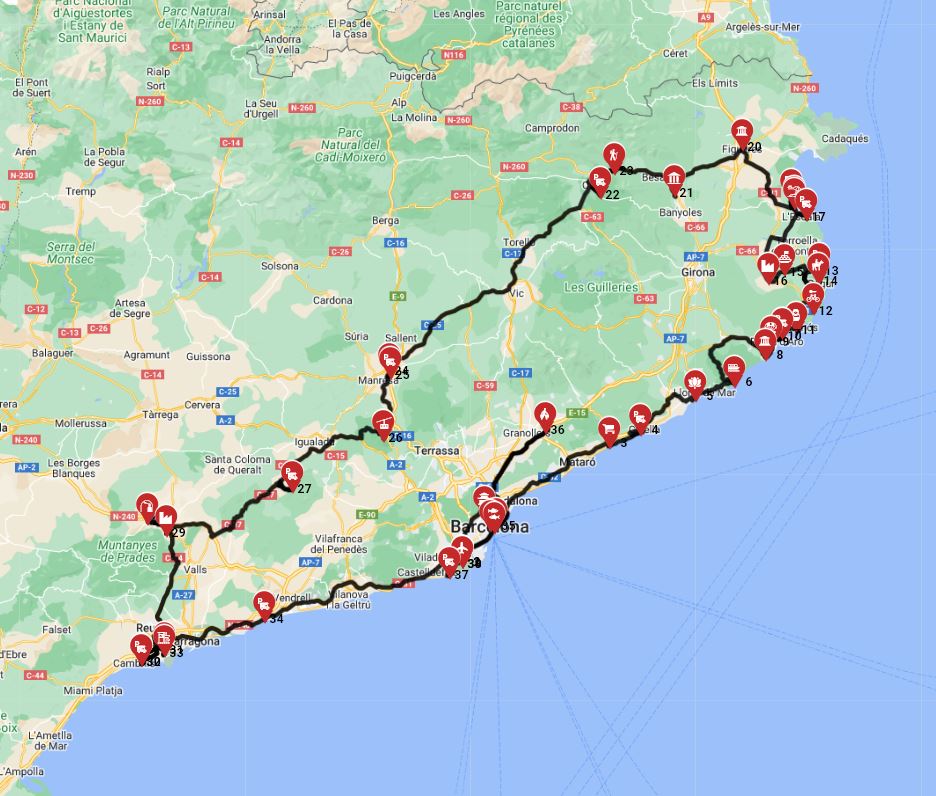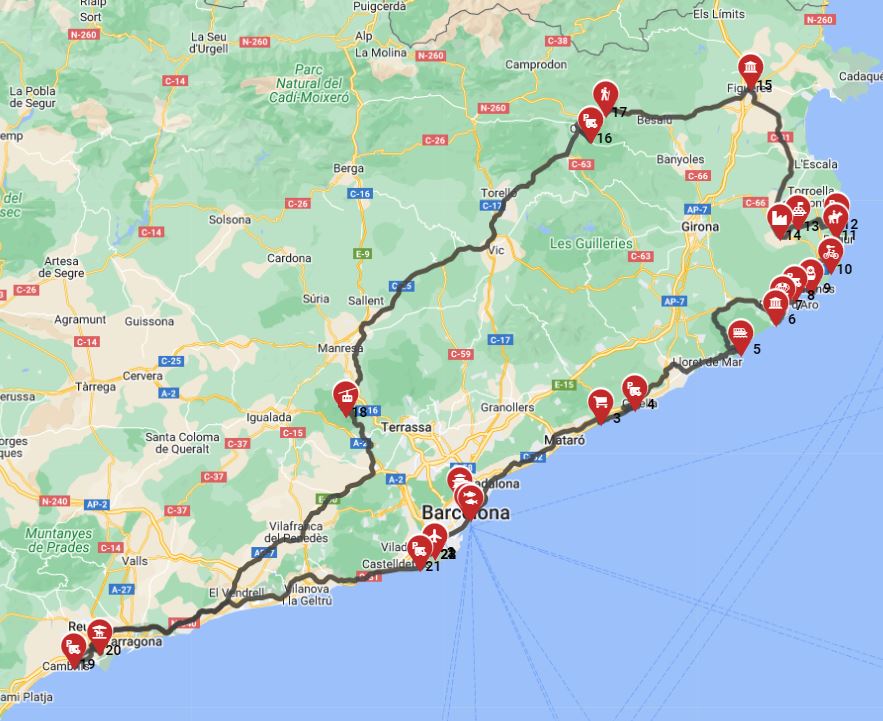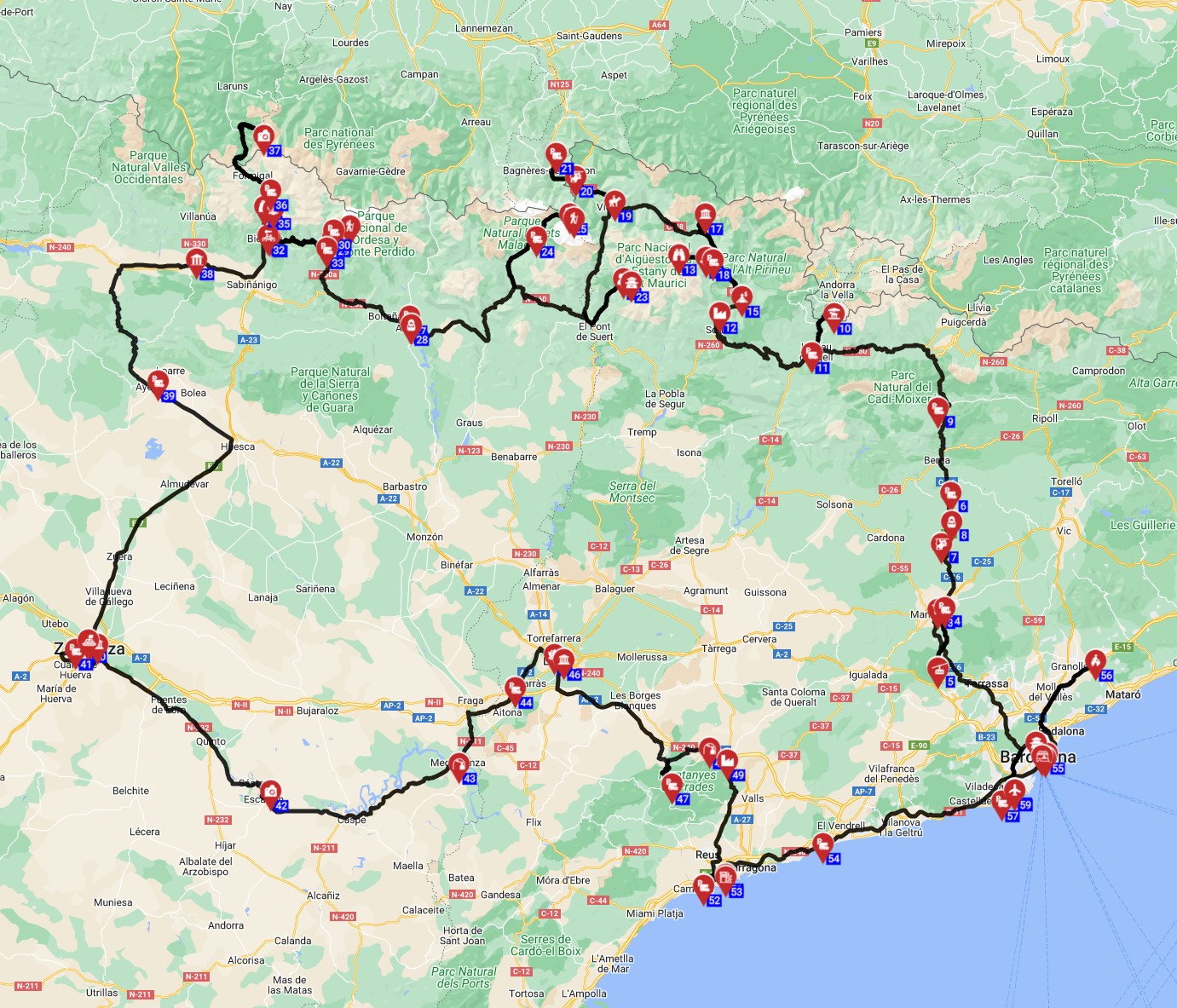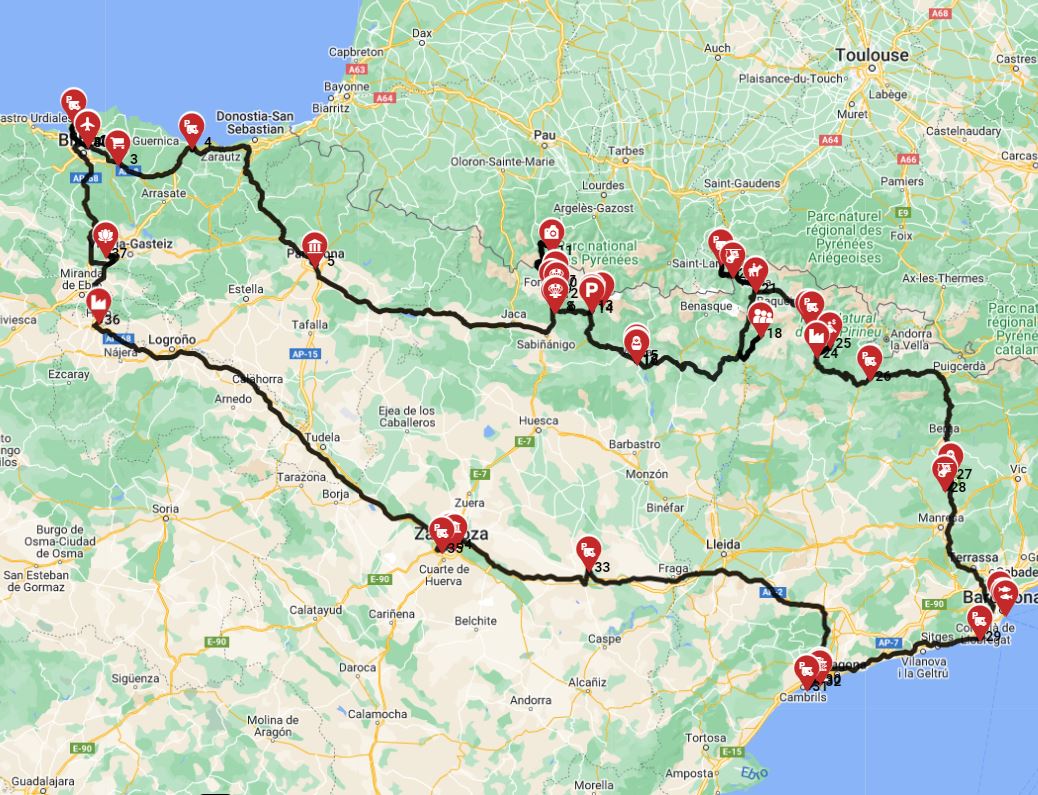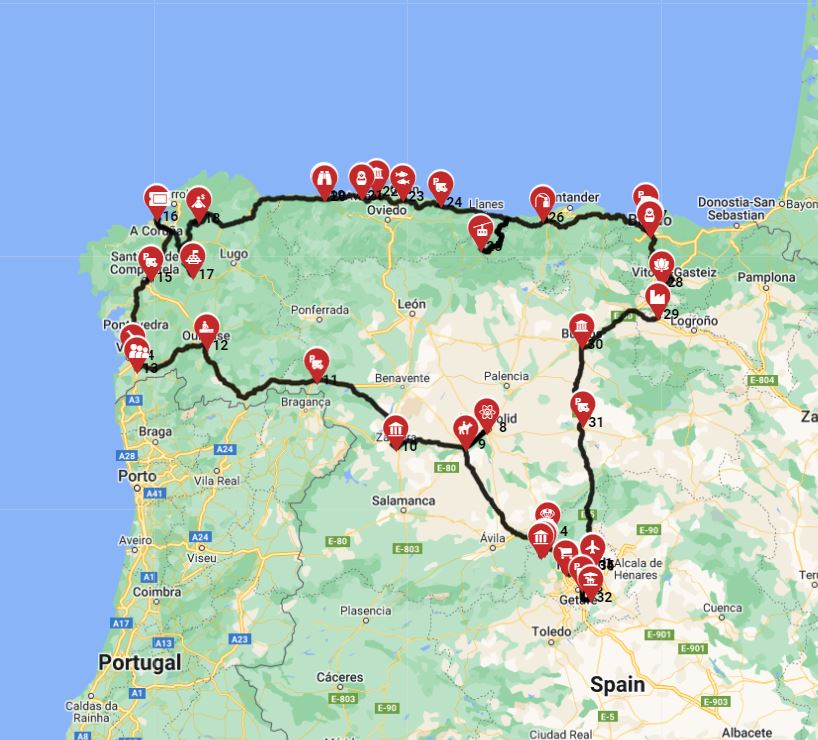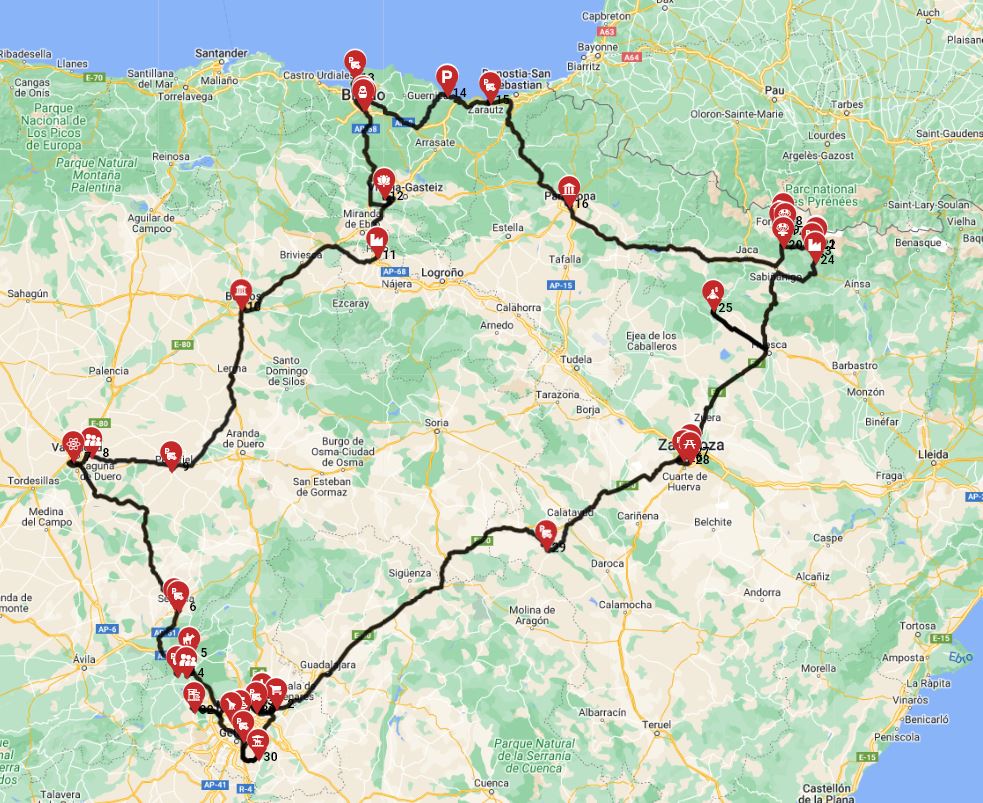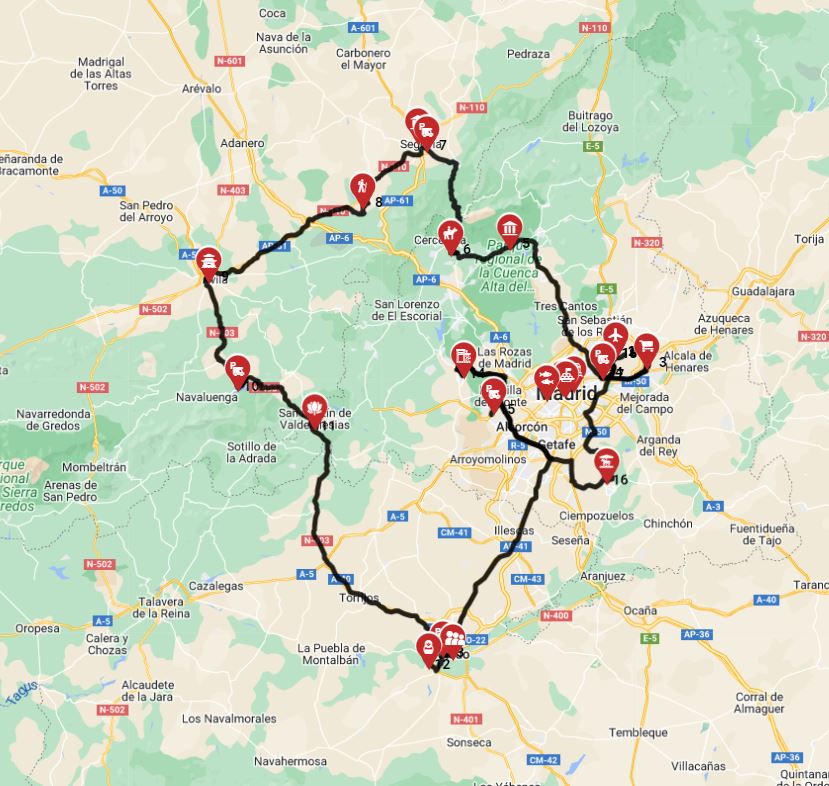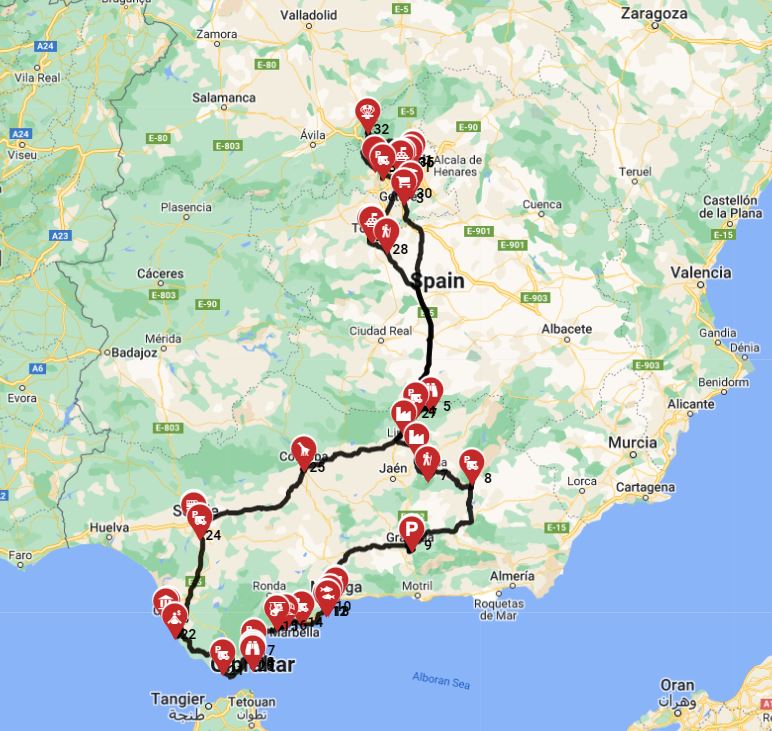
For live availability and current prices, start with our RV Rental Spain - Complete Guide 2026 guide.
In This Guide
- Can You Drive an RV in Spain? License & Age Rules
- Road Conditions & Terrain in Spain
- RV Size Limits, Bridges & Restricted Zones
- Fuel: Diesel vs. Petrol & Cost per 100 km
- Tolls, Vignettes & Border Rules
- Driving Tips for rv rental Travelers
- Recommended RV Class for Spain Roads
- Should I Choose a Compact Van Instead of a Large RV in Spain?
- Can I Park Anywhere? Free & Wild Camping Rules in Spain
- Can I Drive an RV Into the City Center? Heights, Tunnels & Local Signage
- What are essential safety and security tips for RVing in Spain?
- What cultural etiquette should I know for RV travel in Spain?
- What specific gear and vehicle requirements are needed for RVing in Spain?
- How can I budget and save money on an RV trip in Spain?
- What are the regional challenges and unique opportunities for RVers in Spain?
- How can I stay connected and find services while RVing in Spain?
- What are the rules for long-term RV stays and Schengen visas in Spain?
- Is Spain RV-friendly for travelers with disabilities?
- How can I practice sustainable RV travel in Spain?
Can You Drive an RV in Spain? License & Age Rules
Most standard driving licenses from EU/EEA countries are valid in Spain for RVs under 3,500 kg, which are equivalent to Class B vehicles. For drivers from non-EU countries, an International Driving Permit (IDP) is typically required alongside your national license to drive in Spain. A standard Class B license permits driving RVs up to 3,500 kg; for RVs exceeding this weight, a Class C1 or C license is necessary. The minimum driver age for RV rental in Spain is generally 21, although some rental companies may have a higher age requirement, often 25 years, especially for larger motorhome classes. It's always essential to carry your physical driving license and your IDP (if applicable) when operating a rented RV in Spain.
Road Conditions & Terrain in Spain
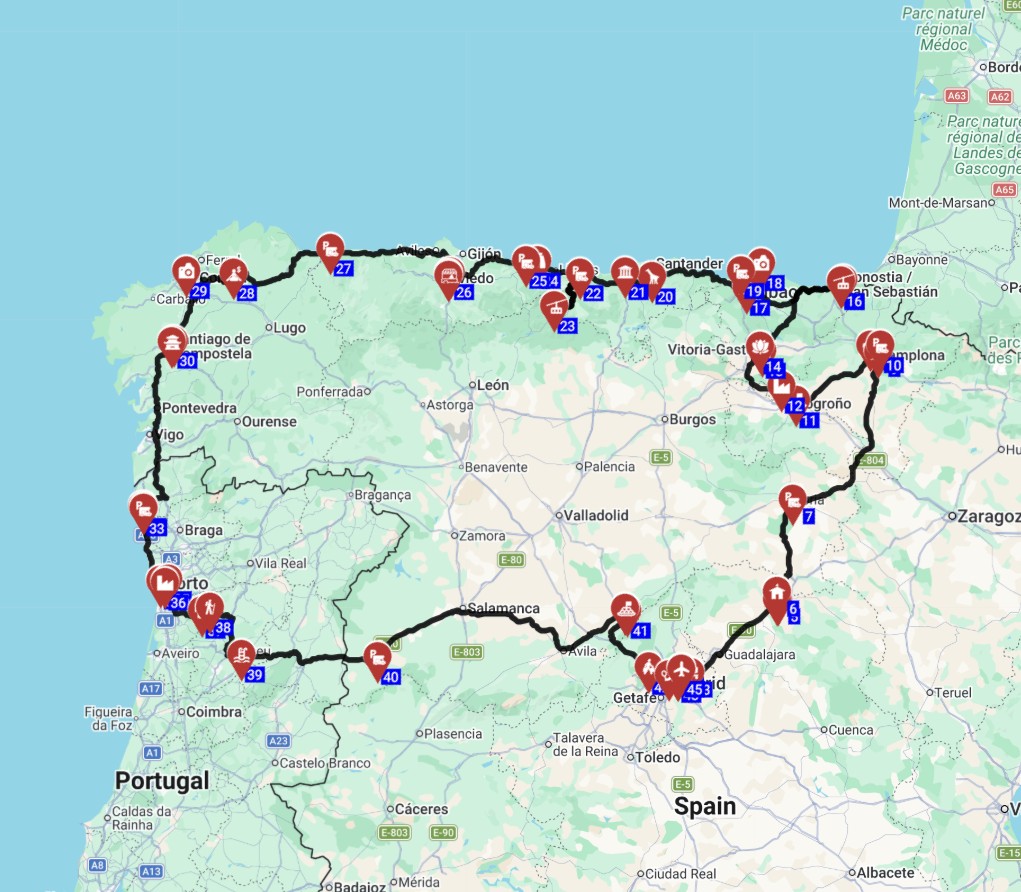
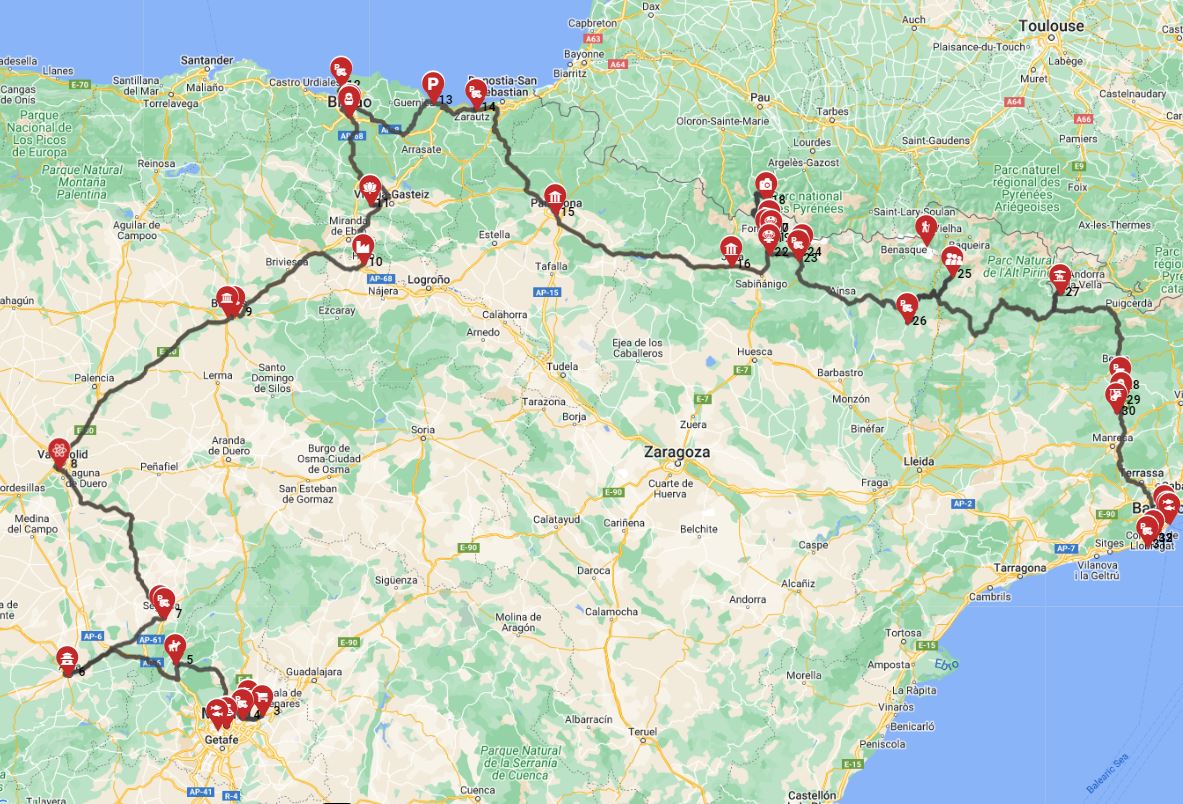
Spain offers a diverse range of road conditions, from excellent modern highways to winding mountain passes, making it generally very RV-friendly. Major highways, known as *autopistas de peaje* (toll motorways) and *autovías* (free motorways), are typically well-maintained. However, rural roads, referred to as *carreteras nacionales* and *comarcales*, can vary in quality and may be narrower. Mountainous regions like the Pyrenees, Picos de Europa, and Sierra Nevada feature steep grades, sharp turns, and switchbacks that demand careful driving and awareness of your RV's size. We always recommend embracing a relaxed, scenic driving pace to fully appreciate Spain's varied landscapes and to manage these conditions safely. Be prepared for the possibility of encountering gravel or unpaved roads in more remote or less developed areas. On the routes offered through RV PLANET routes, you can itemize and track every expense along the way for easy budgeting.
RV Size Limits, Bridges & Restricted Zones
While Spain generally accommodates RVs of various sizes, drivers must remain vigilant about potential height and weight restrictions, particularly when navigating historic town centers, older tunnels, and specific environmental zones. Standard RV rental models typically fit most major roads, but it is crucial to watch for explicit height limit signs, often indicated by red circular signs with a black silhouette of a vehicle or a height measurement, especially on tunnels, low bridges, and parking garages. Many major cities, including Madrid and Barcelona, implement Environmental Zones (*Zonas de Bajas Emisiones - ZBE*) that restrict vehicle access based on their emissions stickers (*Distintivo Ambiental*) to reduce urban pollution. Furthermore, ferry services to islands or across straits may impose specific length and weight limits for RVs, necessitating prior booking and verification of these restrictions.
Fuel: Diesel vs. Petrol & Cost per 100 km
The majority of RVs available through Bandana's global fleet operate on diesel fuel, which is widely available across Spain. A typical semi-integrated RV in our fleet consumes around 10-11 liters per 100 km. While petrol (*gasolina*) is also available, diesel (*gasóleo*) is the dominant fuel type for RVs and generally has a more favorable price per liter. Based on global fleet averages, fuel consumption can range approximately: Class SI (Semi-integrated) 10–11 L/100 km; Class C (Alcove) 10–12 L/100 km; Class B (Camper Van) 8–10 L/100 km; Class A (Integrated) 8–12 L/100 km; and Class TC (Truck Camper) 12–17 L/100 km. The average cost per 100 km will naturally fluctuate with current fuel prices. Keep an eye out, as some Bandana RV rentals may include perks like fuel discount cards, which can help reduce your overall travel expenses.
Tolls, Vignettes & Border Rules
Spain utilizes a toll road system for its *autopistas de peaje* (paid motorways), but it does not require a national vignette for road usage, making electronic payment options readily available at toll booths. Tolls can be paid using cash, credit cards, or via an electronic *Via-T* device, which can streamline passage. Fortunately, free *autovías* (motorways) are also abundant throughout the country, offering alternatives. Unlike some other European nations, Spain does not operate a national vignette system. It's worth noting that some Bandana RV rentals might offer the convenience of pre-purchasing or renting a toll pass device, allowing you to bypass toll booths and avoid potential fines for non-payment. When planning journeys to neighboring countries like France or Portugal, be sure to research their specific toll systems, which may include vignettes or different electronic toll devices, as well as any border crossing requirements.
Driving Tips for rv rental Travelers
To ensure a smooth and enjoyable RV trip in Spain, prioritizing a relaxed pace, being mindful of local driving habits, and utilizing available technology are key. Embrace the *tranquilo* pace of life, especially on winding roads or when passing through smaller villages, allowing yourself time to truly appreciate the scenery. Be aware of the Spanish *siesta* culture; many businesses, particularly outside major cities, observe this midday break, leading to quieter streets and potential closures in the early afternoon – plan your stops accordingly. For parking, especially in popular destinations, plan ahead as RV-specific parking can be limited in busy city centers. Remember that RVs have larger blind spots than cars, so regularly check your side mirrors for smaller vehicles, motorcycles, and cyclists. Lastly, utilize RV-specific GPS or mobile navigation apps that can account for vehicle dimensions to help you find suitable routes and avoid restricted areas.
Recommended RV Class for Spain Roads
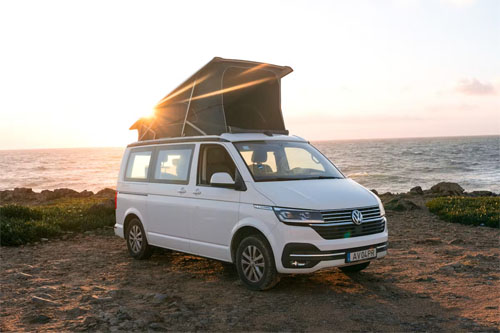
For navigating Spain's diverse roads, a Class SI (Semi-integrated) or Class B (Camper Van) is often recommended, as these models strike a good balance between comfort and maneuverability, suitable for varied terrains. A Class B Camper Van, with an average length of 5.8 meters, is excellent for tighter city streets, narrow mountain passes, and easier parking, making it ideal for couples or smaller groups (averaging 2.7 adults). The Class SI Semi-integrated RV offers more living space while remaining manageable on most roads, averaging 6.9 meters in length, and is well-suited for small families or groups (averaging 3.4 adults). Larger Class C (Alcove, averaging 7.5m) and Class A (Integrated, averaging 7.5m) RVs are also perfectly suitable for major routes and highways, offering greater comfort and amenities. Ultimately, the best choice depends on your specific itinerary, group size, and preference for indoor space versus maximum agility.
Should I Choose a Compact Van Instead of a Large RV in Spain?
While a compact camper van offers superior maneuverability, particularly in very tight urban centers or extremely narrow mountain passes, a larger RV generally provides significantly more comfort and living space, which often leads to a better overall travel experience in Spain. Compact vans, like the Class B Camper Van, excel in accessing historic city centers, navigating winding rural lanes (e.g., in the Picos de Europa), and finding parking more easily. Larger RVs, such as Class SI, C, or A models, offer amenities like separate sleeping areas, full bathrooms, and spacious kitchens, which greatly enhance the experience for longer trips or larger groups. It's important to remember that most of Spain's primary and secondary road networks are well-suited for standard RV sizes, meaning larger vehicles are rarely an impediment on main routes. Consider your itinerary carefully: if heavy city exploration and very remote areas are your primary focus, a compact van might be the better choice; otherwise, for comfort and onboard facilities, a larger RV is often preferable.
Can I Park Anywhere? Free & Wild Camping Rules in Spain
In Spain, "wild camping" or free camping outside of designated areas is generally prohibited. However, overnight parking in an RV is often tolerated if not explicitly forbidden by local ordinances, provided you are not actively "camping out." "Wild camping" typically involves setting up camp, deploying awnings, or using external furniture, and is strictly regulated and largely illegal in most areas, particularly protected natural parks and coastal zones. "Overnight parking" (*pernoctar*) refers to parking your RV overnight in a parking lot or designated *áreas de autocaravanas* (motorhome service areas) without extending outside your vehicle, which is often permitted. Rules regarding overnight stays vary significantly by municipality and region within Spain, making it essential to check local signage and make local inquiries before parking overnight. Numerous dedicated campsites and official *áreas de autocaravanas* are available across the country, offering safe and legal overnight stays with full services. Remember, rules vary by region – always check local regulations and follow local law before parking overnight.
Can I Drive an RV Into the City Center? Heights, Tunnels & Local Signage
Yes, you can typically drive an RV into most city centers in Spain, but careful attention to local signage, especially concerning height restrictions, environmental zones, and "residents only" access, is crucial. Many Spanish cities, even historic ones, have main arterial roads accessible to RVs, allowing passage to central areas for parking or visiting. Always be vigilant for explicit height limit signs on underground parking garages, some older city gates, tunnels, and narrow streets, which may be prohibitive for larger RVs. Be aware of "Zonas de Bajas Emisiones" (ZBE) or low-emission zones in major cities like Madrid and Barcelona, which regulate vehicle entry based on environmental stickers (*Distintivo Ambiental*). Signs indicating "Residents Only" or "Restricted Access" are common in very historic or pedestrianized areas, guiding you to suitable parking outside these zones. It's highly advisable to use a navigation system that allows you to input your RV's dimensions to help avoid unsuitable routes.
What are essential safety and security tips for RVing in Spain?
Essential safety and security for RVing in Spain include understanding local emergency numbers, having comprehensive breakdown assistance, securing your vehicle, and being aware of common scams. Familiarize yourself with the pan-European emergency number 112, which connects you to all police, fire, and medical emergency services. Ensure your RV rental includes robust roadside assistance coverage for breakdowns or accidents, and know how to contact them. Always lock your RV doors and windows, especially at night or when leaving the vehicle unattended; consider using additional security measures like steering wheel locks or alarms. Be vigilant at rest stops and popular tourist sites, as distraction thefts and pickpocketing can occur. Avoid leaving valuables visible in your RV, and utilize campsites or secure designated motorhome parking areas whenever possible for overnight stays.
What cultural etiquette should I know for RV travel in Spain?
Respecting local customs such as observing siesta times, managing noise levels in quiet areas, and engaging politely with locals significantly enhances the RV travel experience in Spain. Many shops and businesses, especially outside major cities, observe a siesta, typically closing in the early to mid-afternoon; plan your errands and visits accordingly. Keep noise levels down, particularly during siesta hours (roughly 2 PM to 5 PM) and late at night, especially when parked in residential areas or quiet campgrounds. Always greet locals with a polite 'Hola' or 'Buenos días/tardes' and use 'Por favor' (please) and 'Gracias' (thank you); a little Spanish goes a long way. Be aware of varying meal times; lunch is typically later (around 2-3 PM) and dinner very late (9-10 PM) compared to many other countries. Finally, recognize and respect regional cultural differences, as areas like Catalonia, Basque Country, and Galicia have distinct traditions and languages. For ideas you can prep on the road, watch our RV-friendly recipes playlist on YouTube.
What specific gear and vehicle requirements are needed for RVing in Spain?
Beyond standard camping gear, specific items like a reflective vest, warning triangles, and potentially European-standard power adapters are crucial for RV travel in Spain. It is legally mandatory to carry at least one reflective vest (for the driver, and ideally one for each passenger who might exit the vehicle on the road) and two warning triangles. Ensure your RV rental is equipped with a European-standard power adapter (Type F/Schuko plug) for connecting to campsite electricity. A comprehensive breakdown kit, including a first-aid kit, fire extinguisher, and basic tools, is highly recommended. For winter travel in northern mountain regions (e.g., Pyrenees, Picos de Europa), carrying snow chains may be legally required and essential for safety. When selecting your vehicle, consider that Class B Camper Vans or Class SI Semi-integrated RVs (average length 5.8m-6.9m) are often recommended for navigating Spain's narrower roads.
How can I budget and save money on an RV trip in Spain?
Smart budgeting for an RV trip in Spain involves planning for variable fuel and toll costs, leveraging grocery shopping, seeking out free activities, and understanding regional cost differences. Utilize free *autovías* (motorways) instead of paid *autopistas* where feasible, and always factor in diesel costs, remembering that Bandana's semi-integrated RVs average 10-11 L/100km. Stock up at local supermarkets (e.g., Mercadona, Lidl, Carrefour) for significant savings on meals compared to eating out frequently. Spain offers numerous free attractions such as beautiful beaches, hiking trails in national parks, public parks, and free entry days at some museums. For overnight stays, try to mix paid campsites with *áreas de autocaravanas* (motorhome service areas), which offer cheaper or free parking with basic services, to reduce accommodation costs. Finally, be aware that major cities and popular coastal tourist hubs are generally more expensive for food, parking, and activities than inland or rural areas.
What are the regional challenges and unique opportunities for RVers in Spain?
Spain offers diverse regional experiences for RVers, from the challenging narrow mountain roads and rich cultural festivals of the Picos de Europa to the open coastal routes and gastronomic delights of Andalusia. In Northern Spain, including areas like the Picos de Europa, Pyrenees, and Galicia, challenges include navigating narrow, winding mountain roads and dealing with unpredictable weather; however, the opportunities for stunning hiking, experiencing unique local festivals (e.g., San Fermín), and enjoying rich seafood or cider gastronomy are unparalleled. The Mediterranean Coast (Catalonia, Valencia, Andalusia) generally presents easier driving with well-maintained coastal routes, offering abundant opportunities for beach activities, water sports, and experiencing vibrant coastal city life and tapas culture. Central Spain (Castilla y León, Castilla-La Mancha) features vast plains and historic cities like Toledo and Salamanca; challenges here can include hot summers and potentially long stretches between services, but the opportunities to explore UNESCO World Heritage sites and traditional Spanish culture are significant. To truly experience Spain, seek out specific local festivals, regional culinary specialties, and explore lesser-known villages and natural parks for authentic encounters.
How can I stay connected and find services while RVing in Spain?
Staying connected and finding essential services while RVing in Spain is made easy with generally reliable cell service, readily available local SIM cards, and a plethora of useful RV-specific mobile applications. Mobile phone coverage is typically excellent across Spain, especially in populated areas; however, service may be patchy in very remote mountain regions. Consider purchasing a Spanish prepaid SIM card from providers like Vodafone, Orange, Movistar, or Yoigo for affordable data and calls; these are easily available at airports, phone shops, or supermarkets. Download RV-specific apps such as Park4Night, Campercontact, or Furgoperfecto to find campsites, motorhome service areas, water points, and potential overnight parking spots. For navigation, utilize apps like Google Maps or dedicated RV GPS systems that allow you to input your vehicle's dimensions for efficient routing and avoidance of restricted roads. Wi-Fi access is also common, with many campsites, cafes, and restaurants across Spain offering free Wi-Fi, providing additional options for staying connected.
What are the rules for long-term RV stays and Schengen visas in Spain?
For non-EU travelers, long-term RV stays in Spain are governed by Schengen visa rules, which generally permit a maximum of 90 days within any 180-day period across the entire Schengen Area. Spain is part of the Schengen zone, meaning non-EU citizens must adhere to the "90/180-day rule" limiting stays within the area. Regarding staying in one location, long-term parking or "camping" in undesignated areas is generally not permitted; for extended stays, you must utilize official motorhome parks or long-term campsites. Extending a Schengen visa for longer RV stays is complex and typically requires specific, valid reasons, along with a formal application process with Spanish authorities. For mail and healthcare during long-term stays, travelers should arrange comprehensive travel insurance and consider options like a temporary local address or P.O. box for correspondence.
Is Spain RV-friendly for travelers with disabilities?
Spain is increasingly improving accessibility, offering RV-friendly parks, accessible routes, and attractions, though thorough planning ahead is essential for travelers with disabilities. Many modern campsites across Spain feature accessible facilities, including adapted bathrooms, ramps, and spacious pitches suitable for RVs. Major highways and popular tourist routes are generally well-maintained and offer relatively smooth travel for RVs. While many major attractions and public buildings are improving accessibility, it is crucial to research specific sites in advance regarding wheelchair access, ramps, and the availability of accessible restrooms. Urban areas, especially historic centers, can present challenges with uneven pavements, cobblestones, and narrow passages. Consider specialized RV rental companies that may offer accessible vehicles equipped with lifts and adapted interiors for enhanced comfort and independence.
How can I practice sustainable RV travel in Spain?
Practicing sustainable RV travel in Spain involves responsible waste management, conserving water, and respecting the natural environments and local communities. Always utilize designated waste and recycling points at campsites or motorhome service areas; never litter or dispose of waste improperly. Be highly mindful of water usage during showers, dishwashing, and general consumption, and refill your fresh water tank only at official service points. When it comes to chemical toilets, always dispose of grey water (from sinks/showers) and black water (from toilets) at authorized emptying stations provided at campsites or *áreas de autocaravanas*. Respect nature by sticking to marked paths when hiking, avoiding damage to vegetation, minimizing noise pollution, and ensuring your presence leaves no trace on natural environments. Supporting local communities by patronizing local businesses, purchasing regional products, and respecting local etiquette contributes positively to the communities you visit.
What You Shouldn't Miss
- Drive the Route of the White Villages (Andalusia): Explore charming whitewashed villages like Ronda, Grazalema, and Setenil de las Bodegas, often perched dramatically on cliffs or nestled in valleys, offering stunning scenic drives perfect for RVs.
- Experience the Picos de Europa National Park: Navigate winding mountain roads to discover breathtaking vistas, glacial lakes, and traditional Asturian villages. Look for designated *áreas de autocaravanas* for overnight stays in this stunning, rugged landscape.
- Discover Spain's Northern Coastline: From the dramatic cliffs of the Basque Country to the green landscapes of Galicia, the northern coast offers a cooler climate and spectacular coastal drives, with plenty of seaside towns and beaches to explore with your RV.
- Visit the Alhambra in Granada (Book Ahead!): While not directly RV-accessible inside the historic center, planning your visit to this breathtaking palace and fortress complex is a must-do. Research parking options for larger vehicles outside the city or consider local transport from a nearby RV-friendly spot.
- Indulge in Spanish Gastronomy: Embrace the tapas culture in cities like Seville or San Sebastián, but also seek out regional specialties like paella in Valencia, pintxos in the Basque Country, or fresh seafood along the coast – many of these culinary delights can be enjoyed affordably with groceries bought from local markets and prepared in your rented RV.
- Explore Major Cities like Barcelona or Madrid (with planning): While city driving requires care, major routes are accessible. Utilize designated RV parking areas outside the immediate city center and utilize public transport for exploration.
Final Thoughts
Renting an RV and exploring Spain offers an unparalleled sense of freedom and flexibility. From the sun-drenched coasts to the historic heartlands and majestic mountains, the diverse landscapes are best discovered at your own pace. Remember that planning, flexibility, and a spirit of adventure are your best companions on the road.
We're here to make your RV journey through Spain as seamless and enjoyable as possible. By comparing top suppliers and providing transparent pricing, Bandana Caravan ensures you find the perfect motorhome for your unforgettable Spanish road trip. Get inspired for your next adventure!
Discover top destinations, planning tips, all in one place! Plan a trip itinerary in advance with minimal effort and maximum enjoyment.