For live availability and current prices, start with our RV Rental San Francisco - Complete Guide 2026 guide.
In This Guide
- Can You Drive an RV in San Francisco? License & Age Rules
- Road Conditions & Terrain in San Francisco
- RV Size Limits, Bridges & Restricted Zones
- Fuel: Diesel vs. Petrol & Cost per 100 km
- Tolls, Vignettes & Border Rules
- Driving Tips for RV Rental Travelers
- Recommended RV Class for San Francisco Roads
- Should I Choose a Compact Van Instead of a Large RV in San Francisco?
- Can I Park Anywhere? Free & Wild Camping Rules in San Francisco
- Can I Drive an RV Into the City Center? Heights, Tunnels & Local Signage
San Francisco, with its iconic landmarks, vibrant neighborhoods, and proximity to stunning natural beauty, offers an unforgettable backdrop for an RV adventure. Driving a rented motorhome in this bustling city and its surrounding areas provides unparalleled freedom and comfort. To make the most of your journey, understanding the local driving nuances is key. For live availability and current prices, start with our RV Rental San Francisco - Complete Guide 2024.
Can You Drive an RV in San Francisco? License & Age Rules
Yes, you can absolutely drive a rented RV in San Francisco with a standard driver's license. In California, a Class C driver's license is sufficient to operate most motorhomes, including popular Class B campervans and Class C Alcove models, as long as the vehicle's Gross Vehicle Weight Rating (GVWR) does not exceed 26,000 pounds. This covers virtually all standard recreational vehicle rentals from our trusted suppliers like El Monte and Cruise America. Drivers must generally be at least 21 years old to rent an RV, though many Bandana partner suppliers cater to this age group without young driver surcharges or vehicle class restrictions. For international visitors, a valid foreign license is accepted for a limited period, and an International Driving Permit (IDP) is highly recommended for clarity, although often not mandatory.
Our commitment to full transparency means no hidden fees or surprises regarding licensing requirements. We want to ensure you're confident and ready to hit the road. If you’re considering a one-way trip, you can explore options in our One-Way RV Rental in San Francisco - Price Guide 2024 to understand potential fees and routes. We believe in helping you find the perfect campervan or motorhome rental for your San Francisco adventure, offering top-level deductible reimbursement as an optional upgrade for extra peace of mind, ensuring a worry-free start to your trip.
Road Conditions & Terrain in San Francisco
San Francisco's road conditions are generally good, but its renowned steep hills and dense urban traffic demand careful RV navigation. The city's iconic hills, like those on Lombard Street and Filbert Street, often exceed 20-30% grades, requiring drivers to utilize lower gears on descents to leverage engine braking and minimize brake wear. While major thoroughfares are well-maintained, some residential streets can be quite narrow, making turns challenging for larger recreational vehicles. Drive slowly and carefully, and you can drive almost anywhere without issues. No need to stress - just use common sense and pay attention. For families planning a trip, our Family RV Rental in San Francisco - Pricing Guide 2024 offers insights on suitable vehicles and costs for comfortable travel.
Navigating through areas like Fisherman's Wharf or Chinatown with a rented RV requires vigilance for pedestrians, cyclists, and tight parking situations. It's a city designed for walking and public transport, so RV drivers need to be patient and observant. Planning your daily routes to avoid peak traffic times on major arteries like Van Ness Avenue and the I-80 approach to the Bay Bridge can significantly reduce stress. Remember, travel slowly, averaging a maximum of 100-150 km per day, to truly absorb the unique atmosphere of San Francisco and its surroundings.
RV Size Limits, Bridges & Restricted Zones
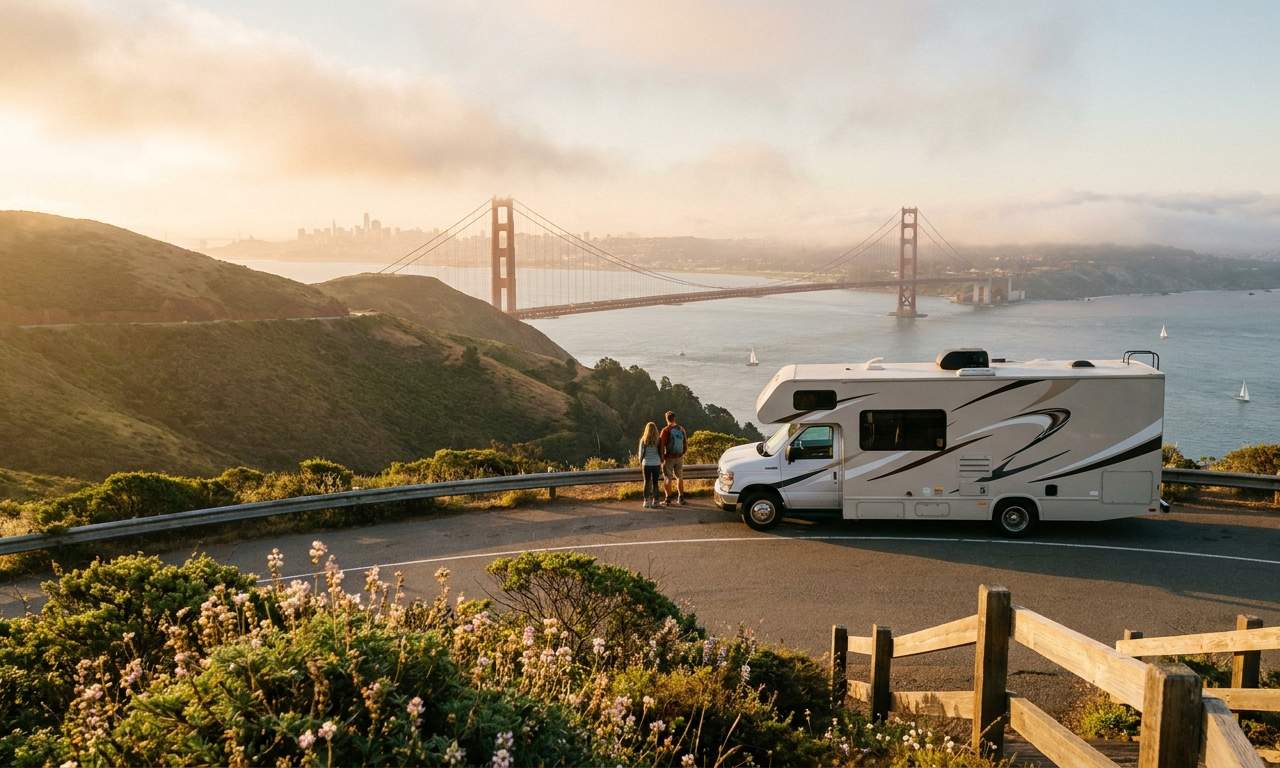
Most standard RVs can traverse San Francisco's main arteries and cross major bridges without issue, but drivers must be mindful of height and weight signage. The iconic Golden Gate Bridge, with a clearance of approximately 13 feet 6 inches (4.11m), is easily navigable for most rented motorhomes and campervans. While low clearance warnings are rare on primary routes, they can exist in older tunnels or parking garages, such as those downtown, which are typically too low for any RV. Always observe posted limits on height, weight, and length to ensure a smooth journey. Environmental zones are not typically a concern for standard RV rentals in San Francisco, as regulations generally target older, high-emission commercial vehicles rather than modern recreational vehicles.
When selecting your rental, remember that Bandana RV only rents motorhomes and campervans, ensuring you have a vehicle suitable for Californian roads. We offer full transparency on vehicle specifications, so you know exactly what you’re getting without any surprises. For more information on different vehicle types and their suitability, refer to RV Rental in San Francisco - Prices and Best Deals 2024. Our true RV specialists are here to help you choose the ideal vehicle for your California adventure, from a compact campervan to a larger Class C motorhome.
Fuel: Diesel vs. Petrol & Cost per 100 km
RV rentals in San Francisco commonly use both petrol (gasoline) and diesel fuels, with widespread availability at service stations throughout California. The fuel type of your rented motorhome or campervan will depend on the specific model you choose. For example, a Class C Alcove RV such as the "Cruise America Explorer" with a 2.5 Liter Turbo Diesel engine and a 75 Liter fuel tank might consume around 11 liters per 100 km. Larger Class A Integrated RVs, like an "rent rv example E3," which often feature larger engines, might consume 30-45 liters per 100 km. Estimated fuel costs in California for 2024 can range from $30-$50 per 100 km, depending on the RV's fuel type and current market prices, which typically hover around US$1.30-$1.40 per liter. On the routes offered through RV PLANET routes, you can itemize and track every expense along the way for easy budgeting.
Budgeting for fuel is a crucial part of your trip planning. On RV PLANET routes, travelers can itemize and track every expense along the way for easy budgeting. Always factor in these costs when planning your journey, as they can significantly impact your total trip expenditure. Some suppliers might offer fuel discount cards or mileage packages as a perk to help manage travel expenses. We encourage planning your travel days with fuel stops in mind, especially when venturing into more remote areas outside the immediate San Francisco Bay Area.
Tolls, Vignettes & Border Rules
San Francisco Bay Area bridges, notably the Golden Gate Bridge (southbound only) and the Bay Bridge (eastbound only), primarily utilize electronic tolling systems such as FasTrak. There are no physical toll booths to stop and pay cash on these major bridges; payments are processed automatically via transponder or by license plate recognition. Renters should confirm toll payment methods with their supplier, as some rented motorhomes allow for pre-purchasing toll passes to avoid fines and streamline travel. There are no vignette systems in California or the broader United States for RV travel, simplifying interstate journeys. No international border rules apply when driving an RV within California or adjacent US states like Oregon or Nevada.
For journeys extending beyond San Francisco, our RV Rental California - Complete Guide 2024 offers broader state-specific information. We ensure full transparency on potential toll costs and advise you on how to manage them seamlessly. This approach aligns with our core philosophy: no hidden fees, no surprises. Our team of true RV specialists is available to provide guidance on managing tolls and understanding any other regional driving regulations, ensuring you're fully prepared before, during, and after your booking.
Driving Tips for RV Rental Travelers
Navigating San Francisco in a rented RV requires a few key strategies to ensure a smooth and enjoyable trip. First, on the city’s steep descents, always downshift to use engine braking, reducing wear on your service brakes and maintaining control. Planning your routes carefully is also essential; while you can drive almost anywhere without issues, some notoriously narrow streets or those with sharp, challenging turns, especially near crowded areas like North Beach or Chinatown, are best avoided with a larger RV. Be extra vigilant for pedestrians and cyclists, who are abundant in urban areas, and remember that tight parking situations are common, often requiring you to seek designated RV parking outside immediate city hot spots.
Always allow ample stopping distance, particularly on hills, and take wide turns to accommodate your RV's length, such as a "C-30" Class C motorhome which measures 9.1 meters. Consider utilizing GPS systems specifically designed for RVs, which can identify appropriate routes by taking into account vehicle dimensions and potential restrictions. Remember, travel slowly, averaging no more than 100-150 km per day. This allows you to truly feel the place, connect to the culture, the food, and the scenery, making your RV trip through San Francisco a relaxed and immersive experience.
Recommended RV Class for San Francisco Roads
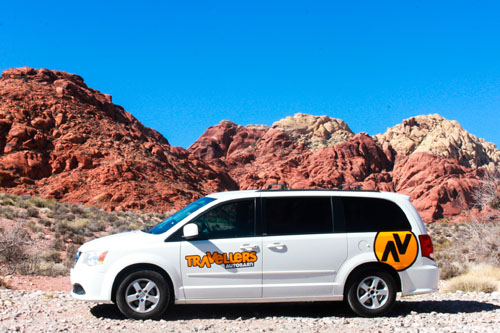
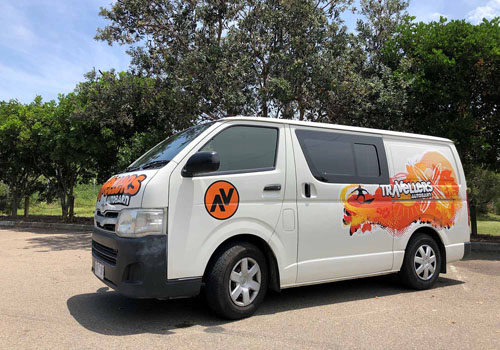
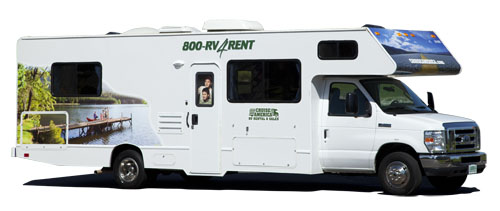
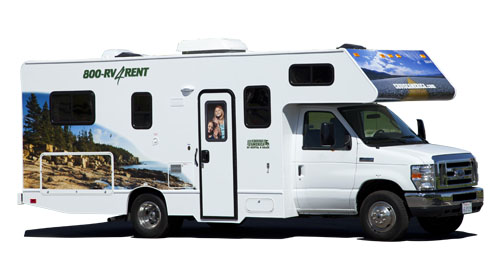
For navigating San Francisco's unique urban environment, a Class C - Alcove motorhome or a Class B campervan is generally recommended due to their balanced maneuverability and comfort. These classes offer a more compact footprint compared to larger vehicles, making them easier to handle on steep streets and in moderate traffic. For instance, a Class B campervan like the "Category Van" or "Active Standard Auto" is often less than 6 meters in length, providing excellent agility. Our Class C Alcove RVs average around 8.1 meters in length, offering sufficient living space while remaining manageable for city driving. A "MHC24" is a popular Class C option for families seeking a balance of comfort and reasonable size.
While Class A Integrated RVs (averaging 10.3 meters or more, like a "MHLUX") offer luxurious space and amenities, their larger size can present greater challenges on San Francisco's steep, often-congested, and narrow roads. Choosing a smaller Class C or a campervan provides the flexibility to explore more areas, including tighter streets and some scenic coastal roads, without constant concern over vehicle dimensions. This recommendation comes from our true RV specialists, who genuinely know the ins and outs of RV travel. For those seeking cheaper options, exploring a Cheap RV Rental in San Francisco - Budget Guide 2024 can help you find suitable, more compact choices.
Should I Choose a Compact Van Instead of a Large RV in San Francisco?
Choosing between a compact van and a large RV in San Francisco depends primarily on your priority: maneuverability versus living space and amenities. A compact van, like a Class B campervan such as the "DVC" (6.7 meters long) or a smaller Class C motorhome like the "C-Small" (6.2 meters long), offers superior ease of driving and parking in tight urban settings. This allows for greater flexibility when navigating downtown streets or finding spontaneous parking spots near attractions, though designated RV parking is still recommended for overnight stays. For extensive stays within the city center or frequent urban driving, a compact van offers clear advantages.
However, if your San Francisco visit includes extended trips to surrounding national parks or you prioritize a spacious "home on wheels" with more comfort, storage, and amenities for a week-long trip or longer, a larger Class C motorhome (like a 7.6 meter "CA-25") often provides a better overall experience. These larger motorhomes typically feature full kitchens, larger bathrooms, and more sleeping areas, ideal for families or groups. When booking through Bandana RV, you'll find transparent pricing and detailed vehicle descriptions, allowing you to compare options and decide what fits your adventure best. Our 25% planning discount for using rvplan.net can also help you organize your route with the right vehicle in mind.
Can I Park Anywhere? Free & Wild Camping Rules in San Francisco
Free and wild camping for RVs is generally not permitted within San Francisco city limits, with strict regulations against overnight parking on public streets. The city enforces a "72-hour rule," prohibiting any vehicle, including RVs, from parking in the same spot on a public street for more than 72 consecutive hours. Violations can result in tickets or towing, making extended street parking for RVs challenging and generally impractical within the city. Travelers should plan to stay at designated RV parks or campgrounds located in the greater Bay Area, which offer hookups and proper facilities. Popular options include Candlestick RV Park (the closest to the city) and those further north in Marin County or east in the East Bay, typically within a 50-100 km radius.
For finding campsites and campgrounds during your trip, we recommend using RV PLANET (rvplan.net) - a great resource for locating available spots along your route, ensuring you always have a safe and legal place to park your rented camper or motorhome. While many national and state parks reserve only 25-30% of spots for advance booking, the rest are often available on a first-come, first-serve basis. You'll find a spot; if not at the first campground, then the next one. Always call ahead before driving. Our 24/7 support means real people are behind you before, during, and after your booking, ready to assist with any questions you might have about regulations or planning your stay.
Can I Drive an RV Into the City Center? Heights, Tunnels & Local Signage
Yes, RVs can generally be driven into San Francisco's city center, but drivers must pay close attention to local signage regarding vehicle dimensions. While main roads are typically clear, specific watchouts include height limits for parking garages, which are almost universally too low for RVs, and occasional low bridges or tunnels in older parts of the city. Always observe local signage for height restrictions, weight limits, and any environmental zones or residents-only streets that might affect RV access or parking. For example, some side streets in neighborhoods like Nob Hill can be very challenging for larger vehicles.
Navigating around crowded areas like Union Square or Pier 39 requires patience and careful maneuvering. It’s often best to park your rented motorhome at a designated RV park outside the immediate downtown area and use public transportation, rideshares, or smaller vehicles to explore the dense city core. This strategy enhances your ability to experience San Francisco fully without the stress of urban RV driving and parking. Our true RV specialists understand these local nuances and are here to help you plan your route effectively, offering pre-planned routes via RV PLANET (rvplan.net) that consider vehicle types and city-specific challenges.
What You Shouldn't Miss
Embarking on an RV adventure from San Francisco opens up a world of possibilities, from scenic coastal drives to majestic national parks. Here are some top experiences recommended by our travel experts:
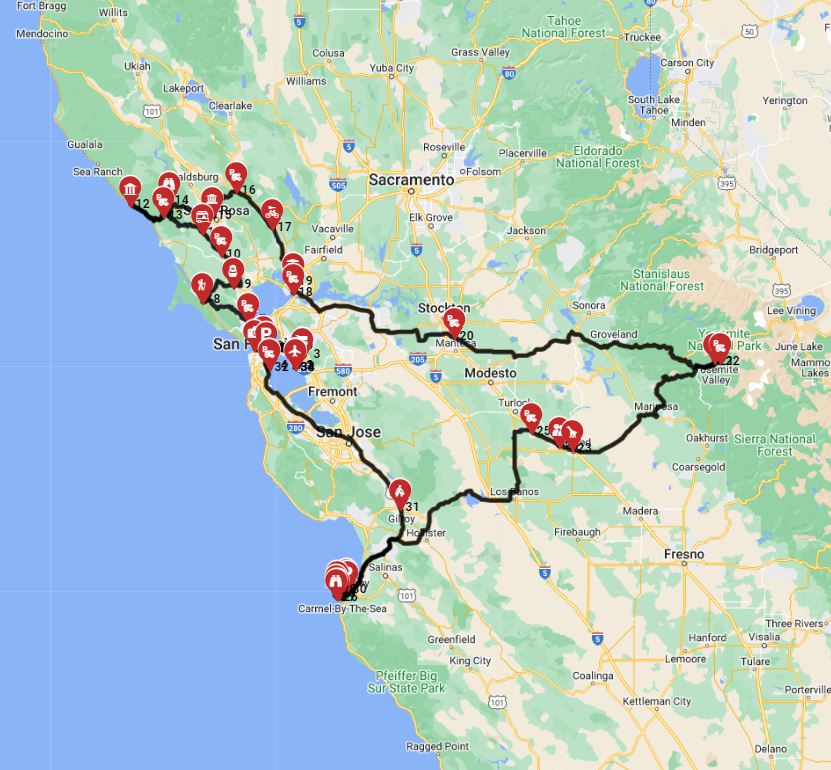
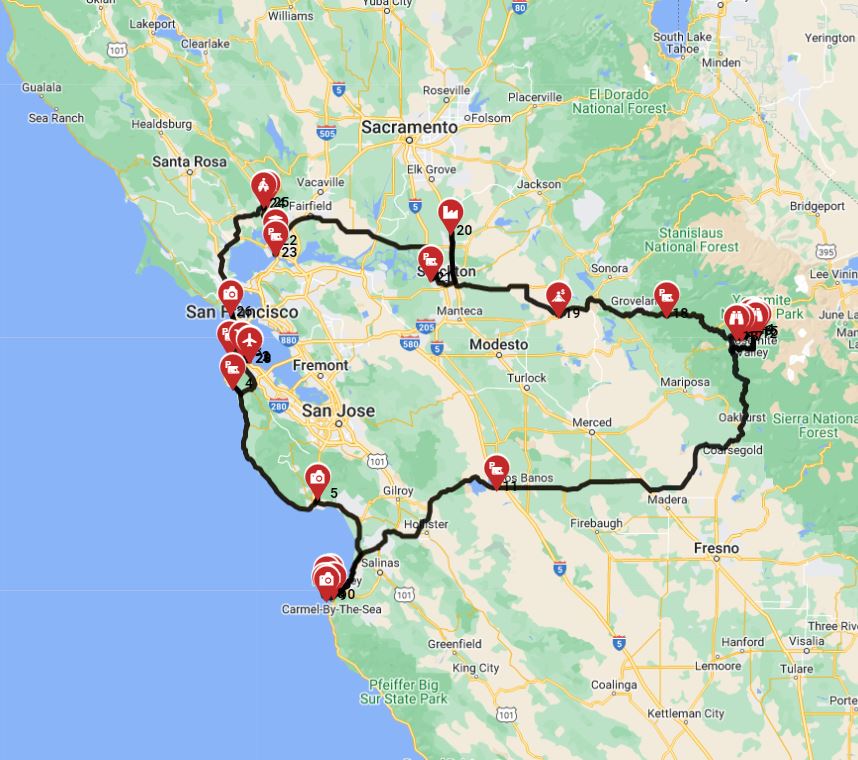
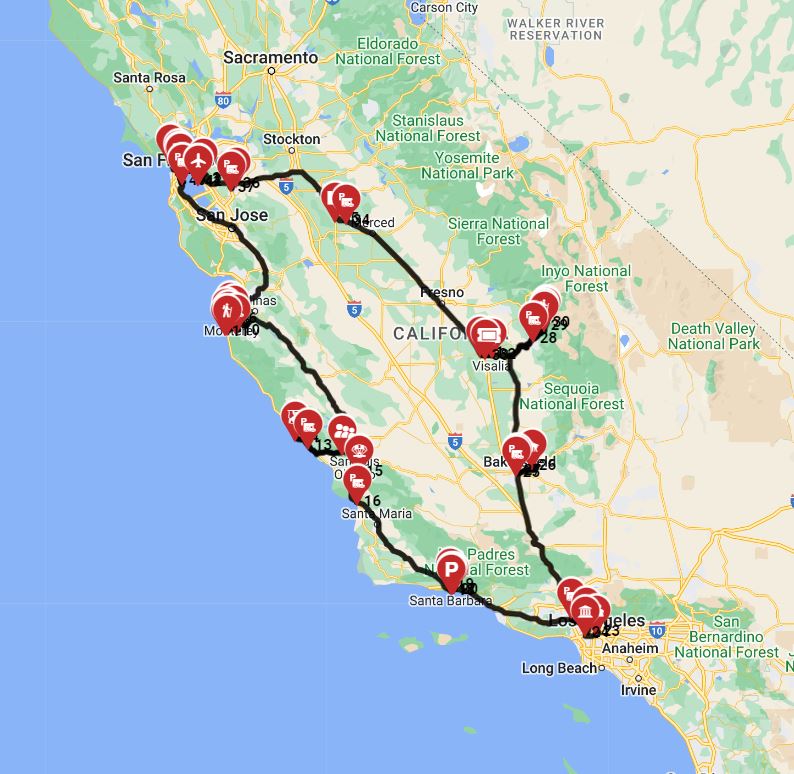
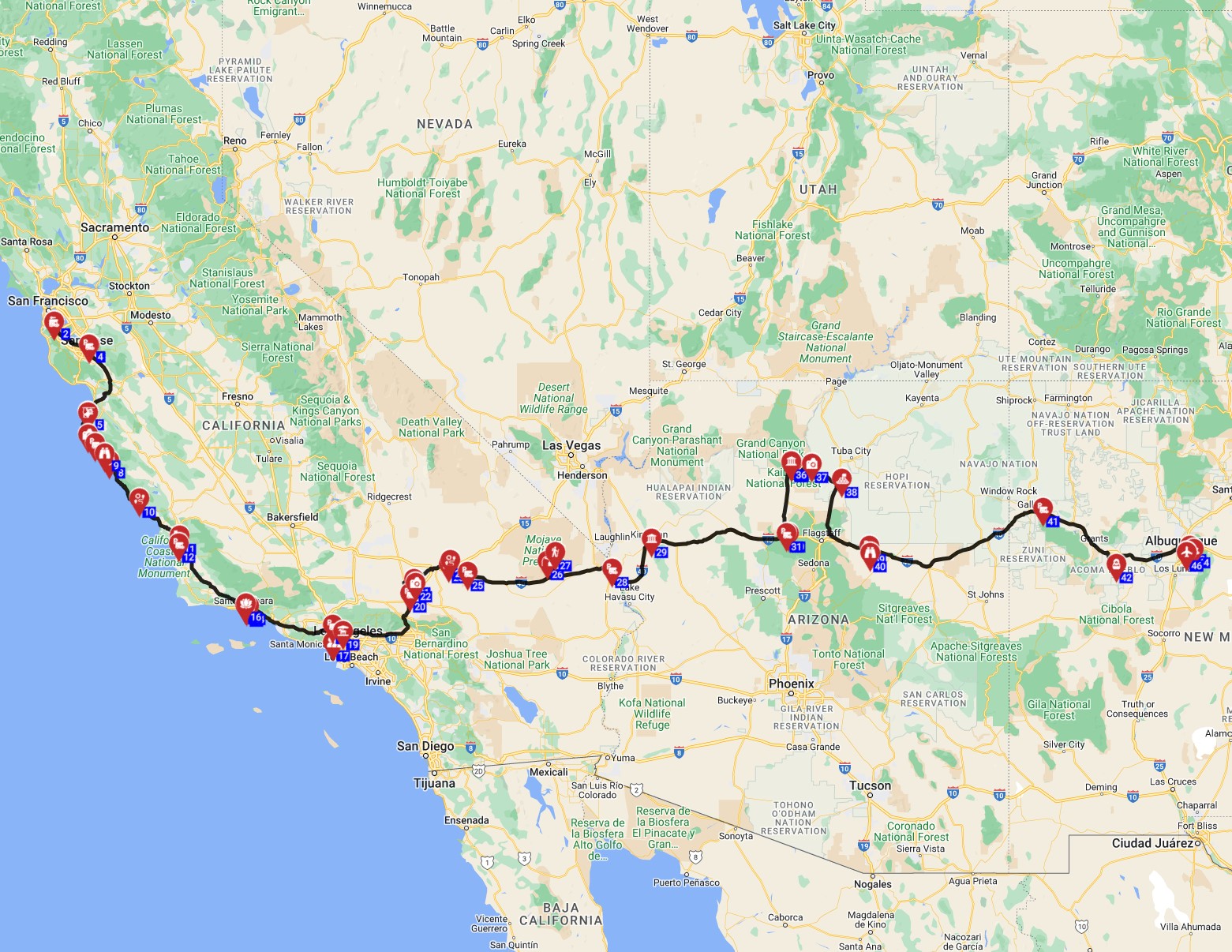
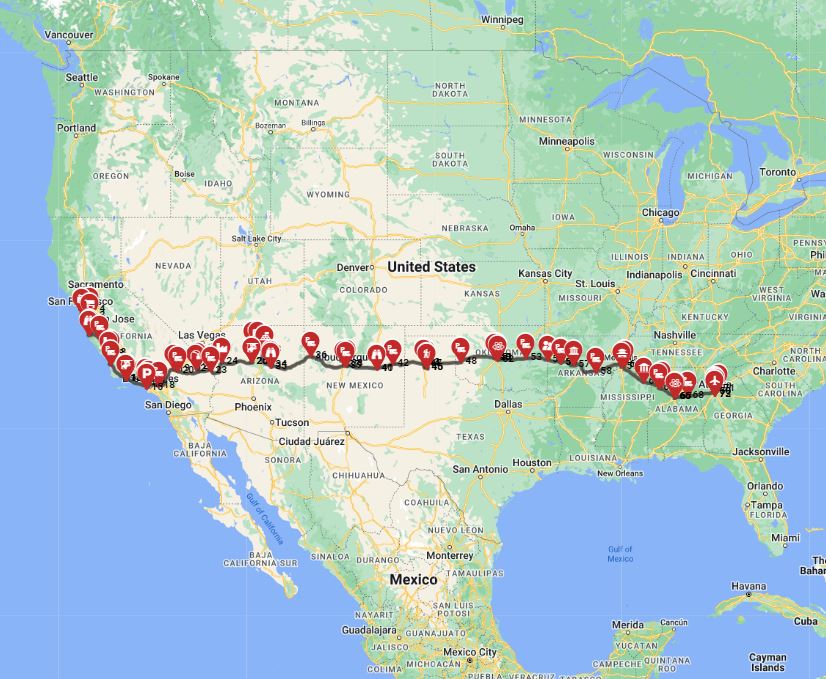
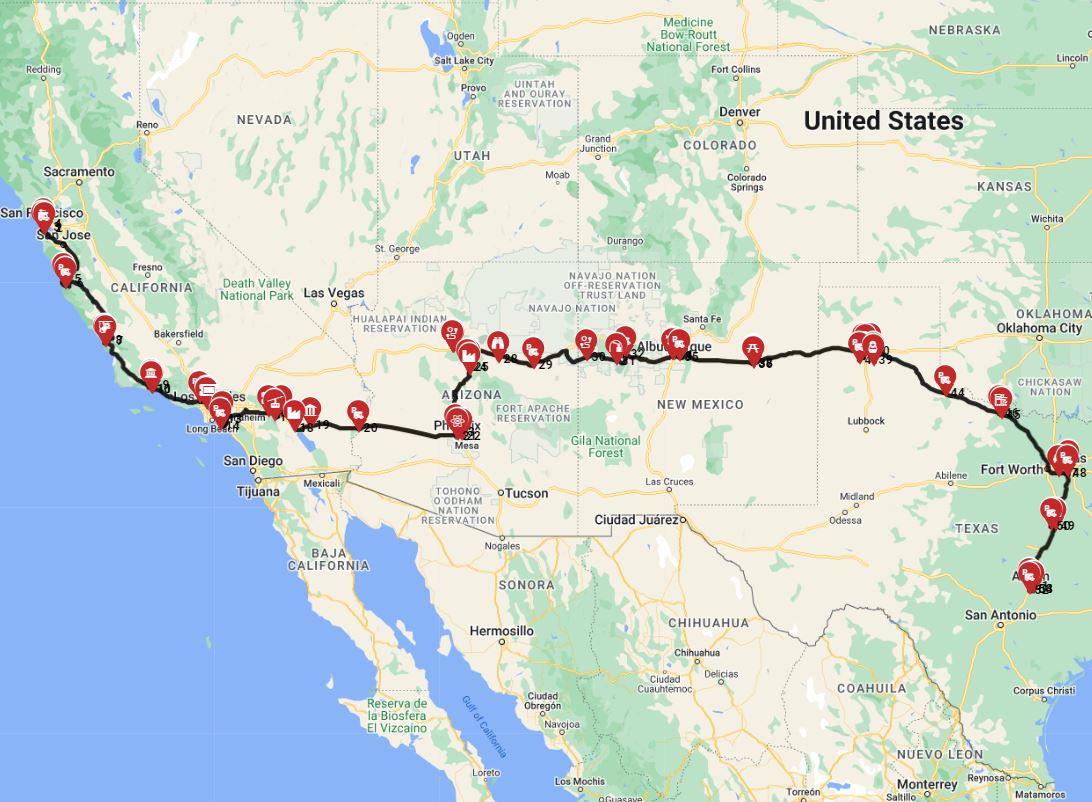
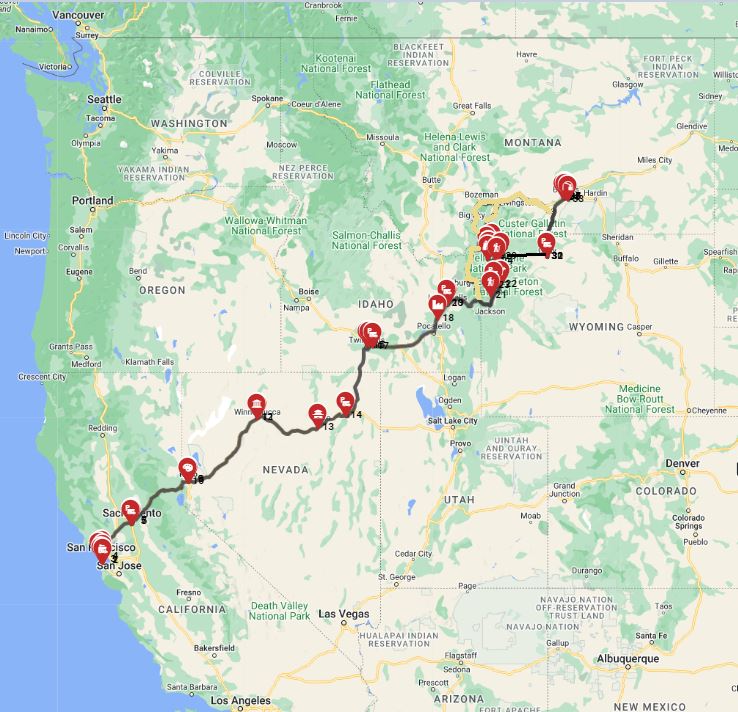
- **Explore Coastal Wonders on the Pacific Coast Highway:** Drive south from San Francisco on Highway 1 in your rented campervan, enjoying breathtaking views. A 14-day
- North takes you through 2350.5 km of stunning scenery, including 2 scenic routes and 1 beach, ideal for a relaxing pace.
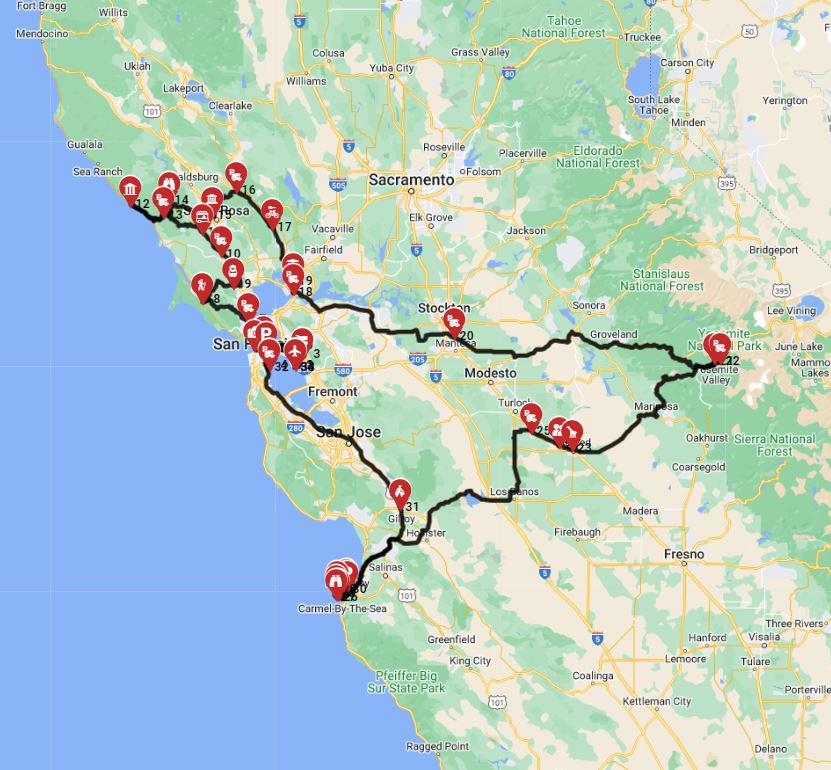 San Francisco Roundtrip
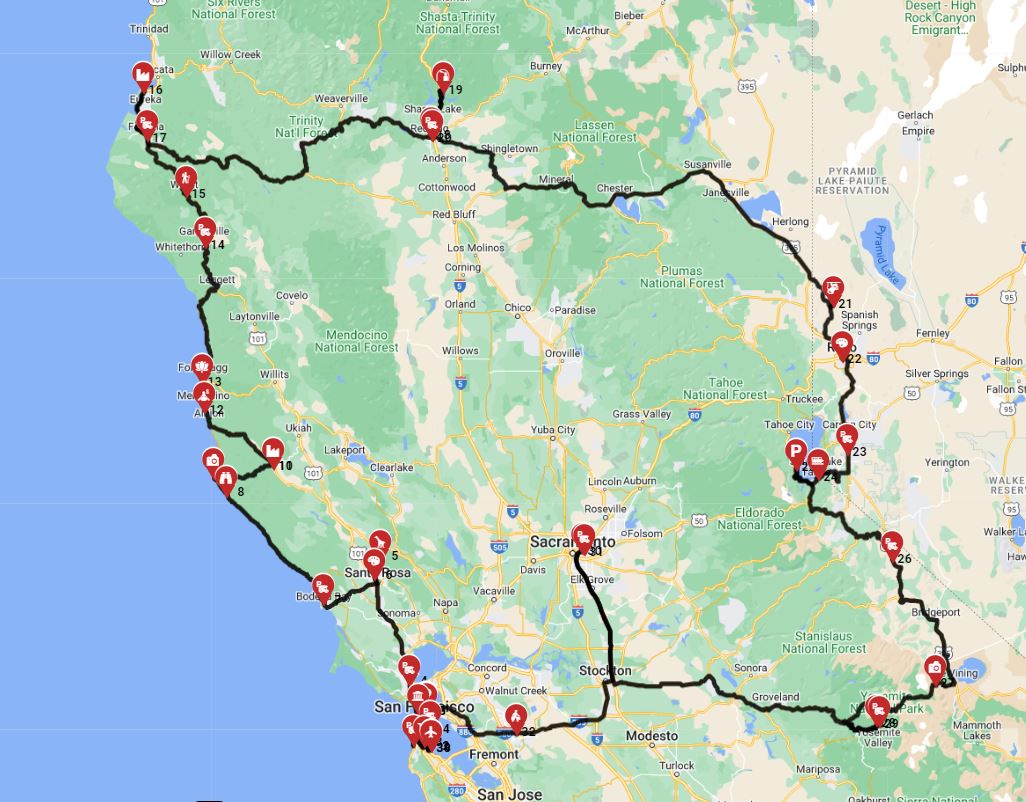
 - **Discover Wine Country in Napa and Sonoma:** Take your motorhome north to California's famed wine regions. Enjoy leisurely tastings and dine at traditional restaurants. Remember to plan for parking at wineries, which often accommodate RVs. For ideas on crafting meals in your motorhome, check out our RV-friendly recipes playlist.
- **Journey to Yosemite National Park:** A must-see, this iconic park is about a 4-hour drive from San Francisco. Be sure to reserve campsites well in advance, especially for larger RVs, as it's a popular destination with incredible hiking areas and natural features.
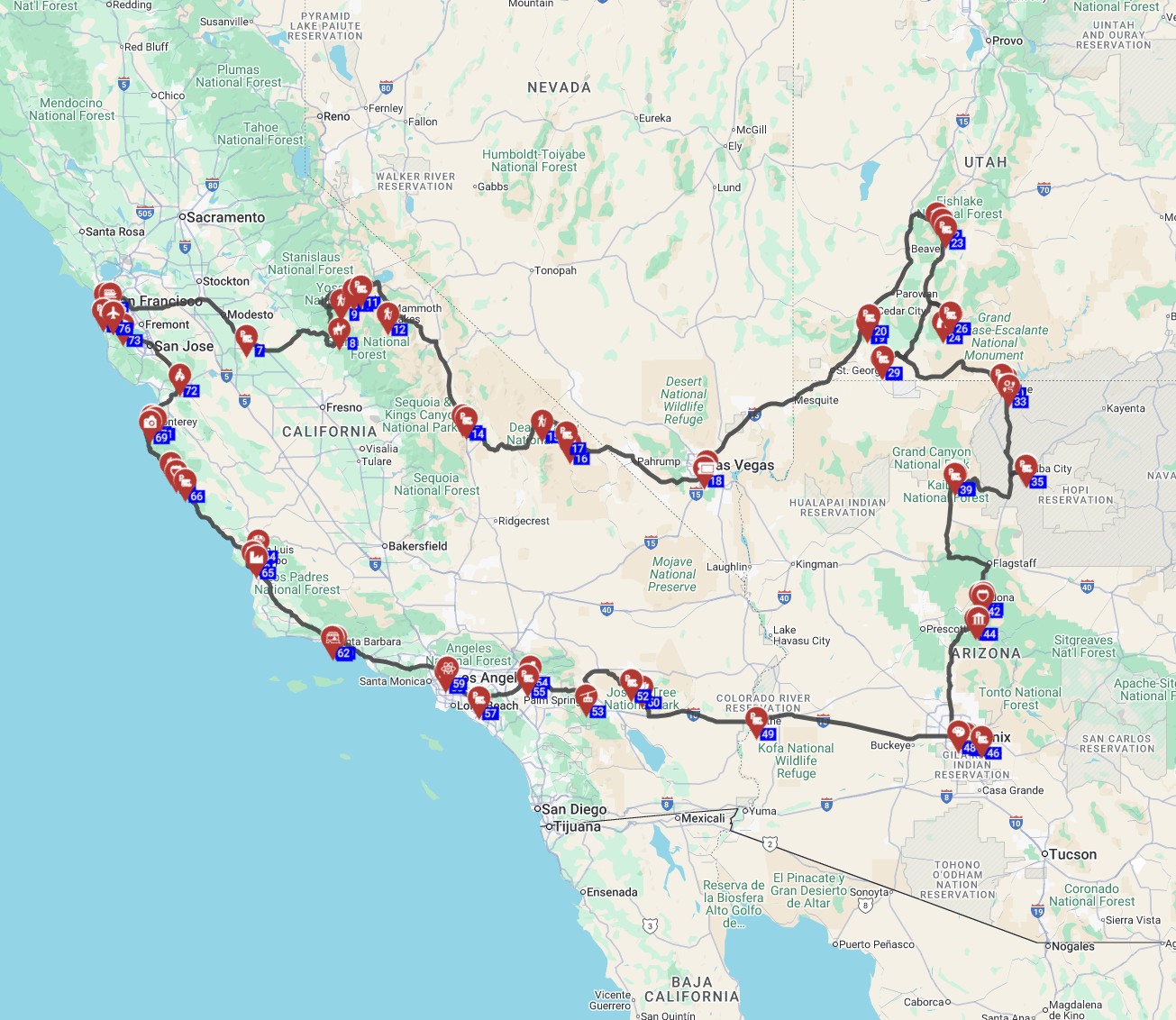
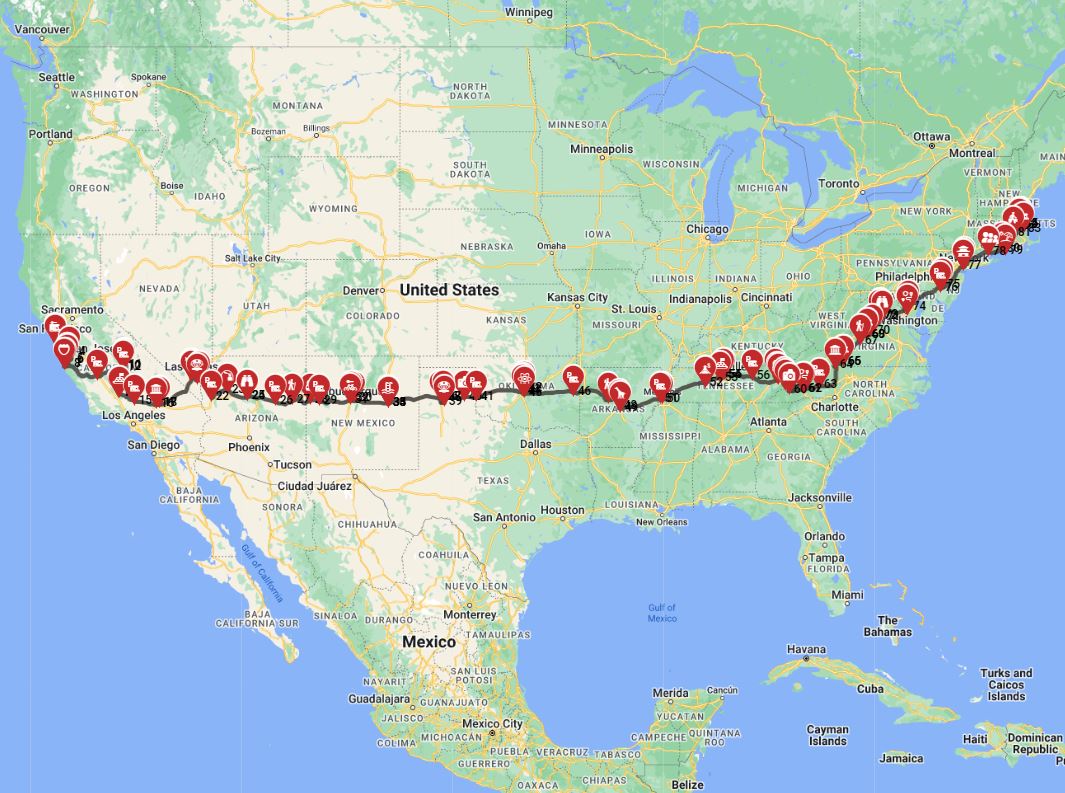
- **Experience the Magic of Lake Tahoe:** Head east to this stunning alpine lake, offering year-round outdoor activities from skiing to hiking. There are numerous RV-friendly campgrounds around the lake. The "
- The Best of the Southwest by Motorhome: From California’s Coast to Arizona’s Canyons" includes 8 hiking areas and 4 scenic routes across 4436.1 km, showcasing the diverse landscapes of the region.
San Francisco Roundtrip
- **Cross the Golden Gate Bridge to Marin Headlands:** Just across the bay, the Marin Headlands offer spectacular views of the Golden Gate Bridge and the San Francisco skyline, with several scenic overlooks and hiking trails suitable for a day trip in your rented campervan.
Looking for expert insights from Avi Bandana? Top 5 Adventures - recommendations from Avi Bandana
Avi Bandana, our founder, is passionate about helping travelers discover incredible RV journeys. His personal recommendations often highlight routes that offer a perfect blend of natural beauty, cultural immersion, and practical RV travel. "Life is now!" is his motto, encouraging everyone to seize the opportunity to explore.
Final Thoughts
Driving a rented RV through San Francisco offers a unique blend of urban exploration and gateway access to California’s magnificent landscapes. While the city’s hills and traffic require a bit of extra attention, the freedom of having your mobile home means you can craft an adventure perfectly tailored to your pace and preferences. Remember to plan for designated RV parking, factor in fuel and tolls, and choose a vehicle size that suits your comfort level for city driving.
At Bandana RV, we’re passionate about making your RV rental experience as seamless and enjoyable as possible. With our transparent pricing, expert knowledge, and comprehensive support, you’re in good hands from the moment you start planning. We handle the details, so you can truly live the journey.
So, imagine yourself winding through coastal roads, cooking a delicious meal in your fully-equipped campervan, and waking up to a new view each day. Your San Francisco RV adventure awaits!
Find Motorhome Rentals in San Francisco