For live availability and current prices, start with our RV Rental Porto - Complete Guide 2026 guide.
In This Guide
- Can You Drive an RV in Porto? License & Age Rules
- Road Conditions & Terrain in Porto
- RV Size Limits, Bridges & Restricted Zones
- Fuel: Diesel vs. Petrol & Cost per 100 km
- Tolls, Vignettes & Border Rules
- Driving Tips for rv rental Travelers
- Recommended RV Class for Porto Roads
- Should I Choose a Compact Van Instead of a Large RV in Porto?
- Can I Park Anywhere? Free & Wild Camping Rules in Porto
- Can I Drive an RV Into the City Center? Heights, Tunnels & Local Signage
- Can I use my US driver's license to drive in Portugal?
- What requirements do you need to drive an RV?
- Is Portugal camper friendly?
- Can you park a motorhome anywhere in Portugal?
- Is it worth renting a car in Porto, Portugal?
- Is driving in Porto difficult?
- Do I need a special license to drive my RV?
- What is the average cost for RV insurance?
- Who has the best rates on RV insurance?
Can You Drive an RV in Porto? License & Age Rules
To drive most standard RVs (up to 3,500 kg / 7,700 lbs) in Porto and throughout Portugal, a standard Category B driver's license is sufficient. This typically aligns with most US driver's licenses for non-commercial vehicles. However, larger RVs exceeding this weight limit will require a C1 (up to 7,500 kg) or C (over 7,500 kg) license. The minimum age for RV rental in Porto generally falls between 21 to 25 years old, with rental companies often imposing a surcharge for drivers under 25. While a US license is generally accepted for short tourist stays, an International Driving Permit (IDP) is highly recommended and frequently required by rental agencies and insurance providers for non-EU licenses, ensuring smoother interactions with local authorities.
Road Conditions & Terrain in Porto
In and around Porto, road conditions are generally good, featuring well-maintained highways and regional roads suitable for RV travel. However, the historic center of Porto presents a different challenge, with narrow, winding, and often steep cobblestone streets that can be difficult for larger RVs. Outside the city, routes towards the Douro Valley or coastal areas vary, transitioning from modern highways (A-roads) to smaller, scenic regional roads (N-roads) which can be quite winding. You'll also encounter mountainous terrain in regions east of Porto, requiring careful driving, especially with heavier vehicles and during adverse weather. Be prepared for a mix of busy urban traffic and serene country routes, making a slower, more deliberate driving pace beneficial for enjoying the scenery and navigating safely.
RV Size Limits, Bridges & Restricted Zones
Porto's historic center may have strict regulations, including potential Low Emission Zones (Zona de Emissões Reduzidas - ZER) and access limitations for larger vehicles, which RV drivers must be aware of. Height restrictions are common in older city areas, underground parking garages, and some tunnels; always observe local signage, as main routes generally accommodate standard RVs. While specific bridge height limits for major routes into Porto are uncommon for typical RVs, some smaller, historic bridges or underpasses in rural areas might present clearance issues. Weight restrictions primarily apply to certain bridges in rural areas or historical structures; ensure your RV's Gross Vehicle Weight (GVW) complies with posted limits. Environmental zones are increasingly prevalent in Portuguese cities like Porto, so confirm your RV's emission standards or if a specific badge is needed for entry. If considering ferry travel, particularly along coastal or river regions, be mindful of specific length and weight limits.
Fuel: Diesel vs. Petrol & Cost per 100 km
Most RVs available for rent in Porto, including Class SI - Semi-integrated, Class C - Alcove, Class B - Camper Van, and Class A - Integrated models, operate on diesel fuel, which is widely available at service stations. Diesel (Gasóleo) is typically more affordable than petrol (Gasolina 95/98) in Portugal, although prices fluctuate based on market conditions. Based on Bandana's fleet data for Porto, common fuel consumption averages are: Class SI (9-13 L/100 km), Class C (10-14 L/100 km), Class B (9-11 Liters/100Km), and Class A (11-12 Liter/100 Km). To estimate fuel costs, multiply average consumption by current diesel prices (e.g., in 2026 €1.70-€1.90 per liter), meaning a Class C RV could cost approximately €17-€26.6 per 100 km. Some RV rental providers in Porto may offer fuel discount cards or pre-paid fuel options to help manage overall travel expenses. On the routes offered through RV PLANET routes, you can itemize and track every expense along the way for easy budgeting.
Tolls, Vignettes & Border Rules
Portugal operates an extensive toll road network, with many routes around Porto featuring electronic tolls (SCUT roads) rather than traditional toll booths. Foreign vehicles, including RVs, are required to use a Via Verde device or acquire a temporary electronic toll device to pay tolls; non-payment can lead to significant fines. Many RV rentals in Portugal come equipped with a Via Verde transponder, which automatically registers tolls and charges them to your rental agreement for convenience. Unlike some other European countries, no vignettes are required for driving on Portuguese roads. When planning cross-border RV trips from Porto to neighboring Spain, be aware that different toll systems and regulations apply, necessitating separate planning. However, most Bandana RVs allow for seamless international travel.
Driving Tips for rv rental Travelers
When navigating Porto in a rented RV, it's crucial to **navigate cautiously**, utilizing GPS (preferably with an 'RV mode' setting) and avoiding the narrow, historic center streets whenever possible. Be mindful of steep inclines and complex one-way systems. **Master toll payments** by confirming your rental RV includes a Via Verde device for automatic electronic toll collection to avoid fines on Portugal's extensive toll network. **Budget for all costs** beyond rental fees, such as fuel (averaging 9-14 L/100km), tolls, and any designated RV parking or campsite fees. **Plan frequent stops**, especially for families, to enjoy Portugal's scenic landscapes and make the journey more comfortable. If possible, **consider an automatic transmission** for your RV, as it can significantly ease driving on Porto's hilly terrain and in urban traffic, enhancing comfort for a more relaxed travel experience.
Recommended RV Class for Porto Roads
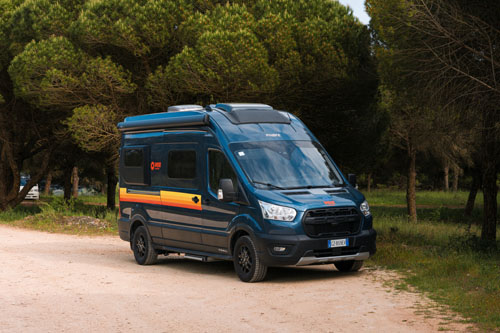
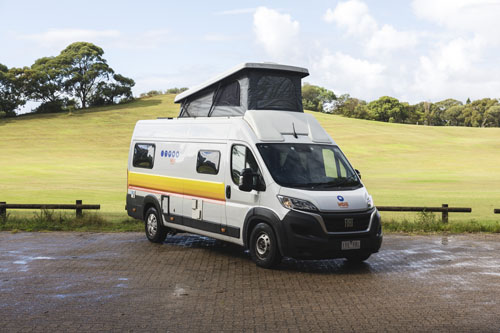
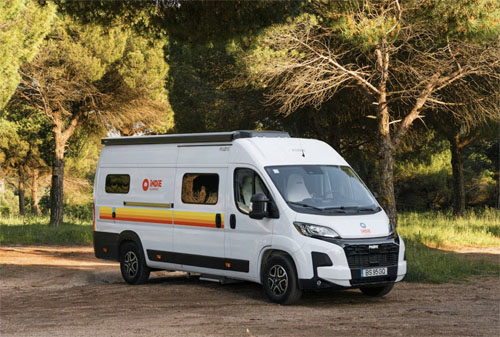
For navigating Porto's varied terrain and ensuring a balance of comfort and maneuverability, the **Class SI - Semi-integrated** and **Class B - Camper Van** are highly recommended options. Class B Camper Vans, averaging 6.2 meters in length, offer superior agility for Porto's narrower city streets and easier parking, making them ideal for couples or small groups (average 2.9 sleeping places). Class SI Semi-integrated RVs, averaging 6.9 meters in length, provide a good compromise, offering more living space and amenities for families or groups (average 4.4 sleeping places) while remaining relatively manageable on major roads and most regional routes around Porto. While larger Class C or Class A RVs offer more space, their increased length and width can make navigating Porto's historic core and finding suitable parking significantly more challenging.
Should I Choose a Compact Van Instead of a Large RV in Porto?
While larger RVs can generally navigate major routes into and around Porto, choosing a compact van (such as a Class B Camper Van) can offer distinct advantages for specific travel styles. Compact vans are significantly easier to park and more agile on Porto's tight, steep, and often cobbled historic center streets, which pose considerable challenges for vehicles over 7 meters in length. However, for extensive exploration outside the immediate city, a larger RV provides substantially more comfort, interior space, storage, and crucial amenities like a full kitchen and bathroom, greatly enhancing the travel experience, especially for longer trips or families. The decision hinges on your itinerary: if your primary focus is immersing yourself within Porto's very core, a compact van is advantageous; if you aim to explore the wider region (e.g., Douro Valley, coastal areas) and predominantly use designated campsites, the benefits of a larger, more comfortable RV often outweigh minor maneuverability concerns. For ideas you can prep on the road, watch our RV-friendly recipes playlist on YouTube.
Can I Park Anywhere? Free & Wild Camping Rules in Porto
Wild camping and free overnight parking outside designated areas are generally prohibited throughout Portugal, including around Porto, following recent legislative changes. This prohibition is particularly enforced in protected natural areas, along the coastline, and within urban zones to preserve local environments and manage tourism. For RV travelers in the Porto region, it is strongly advised to utilize official campsites (parques de campismo), municipal motorhome service areas (stellplätze), or private RV parks available throughout the region for overnight stays. Many specific areas may have explicit signage forbidding overnight parking for RVs, and non-compliance can result in substantial fines. Always check local regulations and follow local law before parking overnight.
Can I Drive an RV Into the City Center? Heights, Tunnels & Local Signage
Yes, you can generally drive an RV into parts of Porto's city center, but it requires careful attention to specific restrictions and can be challenging. Porto's historic center is characterized by narrow, steep, and often cobblestoned streets, which can be extremely difficult to navigate for larger RVs (especially those over 7 meters in length). Pay close attention to local signage indicating height limits for tunnels or underpasses, weight restrictions, and 'residents-only' or 'restricted access' zones, which are common. Many multi-story car parks in the city center have height barriers that prevent RV entry; dedicated RV parking areas are typically located on the outskirts or require advance booking. Environmental Zones (Zonas de Emissões Reduzidas - ZER) are being implemented in Porto; ensure your RV complies with emission standards or plan to avoid these areas. For a more relaxed visit, it's often more practical to park your RV on the outskirts of Porto or at a campsite with good public transport links and use the city's excellent metro, tram, or bus network to explore the historic core.
Can I use my US driver's license to drive in Portugal?
A valid US driver's license is generally recognized for driving in Portugal for short tourist stays, typically up to six months. However, it is strongly recommended, and often required by RV rental companies and insurance providers in Porto, to obtain an International Driving Permit (IDP) to accompany your US license. The IDP provides a translation of your national license into multiple languages, which facilitates understanding for local authorities and ensures smoother interactions in case of a traffic stop or incident. Always carry both your valid US driver's license and your IDP with you while operating an RV in Portugal.
What requirements do you need to drive an RV?
To drive most standard RVs (up to 3,500 kg / 7,700 lbs) in Portugal, a Category B driver's license (the standard car license in the US or EU) is sufficient. For larger RVs exceeding this Gross Vehicle Weight (GVW) limit, a higher license category such as a C1 (for vehicles up to 7,500 kg) or Category C (for vehicles over 7,500 kg) is typically required by Portuguese law. An International Driving Permit (IDP) is also highly recommended for non-EU drivers, including US drivers, and is often mandatory for rental agreements and insurance coverage in Portugal. The minimum age for RV rental in Porto usually ranges from 21 to 25 years old, with drivers under 25 often subject to a 'young driver' surcharge. Proof of valid insurance, typically provided by the rental company as part of your rental package, is also a fundamental requirement for driving an RV in Portugal.
Is Portugal camper friendly?
Portugal is largely camper-friendly, offering stunning diverse landscapes, a generally good road network, and a welcoming culture for RV travelers. The country provides a growing number of official campsites (parques de campismo) and designated motorhome service areas. While highly camper-friendly, wild camping and free overnight parking outside designated areas are generally prohibited by law, requiring careful planning for legal overnight stays. RV infrastructure, including service points for water and waste disposal, is continuously improving, particularly in popular tourist regions like Porto and Northern Portugal. Portugal offers diverse RV itineraries, from exploring the scenic Douro Valley wine region and picturesque coastal routes to visiting national parks, making it an excellent destination for a road trip.
Can you park a motorhome anywhere in Portugal?
No, you cannot park a motorhome anywhere in Portugal, particularly for overnight stays or 'wild camping,' as recent legislation has largely restricted this practice. Wild camping and unauthorized overnight parking for RVs and motorhomes are generally prohibited outside of designated campsites, municipal motorhome parks, or private properties with explicit permission. This prohibition is enforced across the country, especially in protected natural areas, along the coast, and within urban zones like Porto, to regulate tourism and protect natural resources. Fines for illegal parking or overnight stays can be substantial, and enforcement has increased in popular tourist areas and natural parks. RV travelers should always consult official resources, use dedicated apps, or look for specific signage indicating permitted parking for motorhomes to locate legal overnight spots.
Is it worth renting a car in Porto, Portugal?
Whether renting a car in Porto is 'worth it' depends heavily on your specific travel plans and preferences, especially when weighing it against an RV rental. A car offers superior agility for navigating Porto's dense urban core, finding parking in tight spaces, and making quick day trips if you plan to return to a fixed hotel base each night. However, if your primary goal is to extensively explore beyond Porto, enjoy the flexibility of mobile accommodation, and experience Portugal's varied landscapes at your own pace, an RV provides a unique and often more comprehensive solution, combining transport and lodging. For longer journeys or travel with a family or group, an RV offers amenities like a kitchen and bathroom, potentially saving on daily restaurant and hotel costs, advantages a car rental cannot provide. If your visit focuses solely on Porto's city center and you plan to rely on its excellent public transport, neither an RV nor a car might be strictly necessary; for regional exploration, both offer freedom, but the RV provides a distinct 'home-on-wheels' advantage.
Is driving in Porto difficult?
Driving in Porto can indeed be challenging, especially for visitors unfamiliar with its specific urban characteristics or when operating larger vehicles like RVs. The city is known for its steep hills, narrow and often cobblestoned streets, complex one-way systems, and heavy traffic congestion, particularly during peak hours. Parking is scarce and can be expensive in the city center, with many areas having restricted access or designated for residents only. Porto's excellent public transportation network (metro, trams, buses) often makes it more convenient for RV travelers to park on the outskirts or at a campsite and use public transport to explore the historic core. Drivers should also be prepared for assertive Portuguese driving etiquette and be vigilant for pedestrians, especially in the busy, older districts.
Do I need a special license to drive my RV?
For the vast majority of recreational vehicles (RVs) available for rental in Porto, particularly those with a Gross Vehicle Weight (GVW) up to 3,500 kg (7,700 lbs), you typically do not need a 'special' license beyond a standard Category B driver's license (equivalent to a US Class D or standard car license). However, if you intend to rent a larger RV that exceeds this 3,500 kg weight limit, a higher license category such as a C1 (for vehicles up to 7,500 kg) or Category C (for vehicles over 7,500 kg) would be required by Portuguese law. It is crucial to verify the GVW of your chosen RV model with the rental company and confirm that your current driver's license is valid for that specific weight class before finalizing your booking. An International Driving Permit (IDP) is also highly recommended for non-EU drivers to complement their national license, even if it's a standard Category B, enhancing clarity for local authorities.
What is the average cost for RV insurance?
The average cost for RV insurance is typically integrated into the total rental price when securing an RV in Porto, usually covering basic third-party liability. Most rental companies provide Collision Damage Waiver (CDW) with a high deductible (excess), which can range significantly, often from €1,500 to €3,000 or more, meaning you are responsible for this amount in case of damage. Travelers frequently opt to purchase additional insurance to reduce this deductible (often called 'zero excess' or 'super cover') or to cover exclusions like tire damage, windscreen damage, or personal belongings. The cost of such supplementary insurance varies widely, from approximately €20 to €50+ per day, depending on the level of coverage and the insurance provider. It is advisable to review your personal travel insurance policies or credit card benefits, as some may offer rental vehicle excess coverage that could negate the need for additional purchases.
Who has the best rates on RV insurance?
Determining 'who has the best rates' for RV insurance in Porto is highly subjective and depends on your individual needs, the chosen rental provider, and your existing insurance coverage. Most RV rental companies in Porto offer standard insurance as part of their rental package, which typically includes third-party liability and a collision damage waiver with a high deductible. To find the most suitable rates, you should compare the comprehensive insurance options provided directly by your RV rental company with those offered by reputable third-party travel insurance providers specializing in rental vehicle excess reduction. Always investigate whether your personal travel insurance, credit card benefits, or existing vehicle insurance policies already offer any coverage for RV rentals abroad, as this can sometimes reduce or eliminate the need for additional insurance purchases. When evaluating 'best rates,' focus on understanding the deductible amount, coverage limits, and any specific exclusions (e.g., roof damage, tire punctures) to ensure you have adequate protection for your specific travel plans in Portugal.
What You Shouldn't Miss
- Immerse yourself in Porto's historic Ribeira district, a UNESCO World Heritage site, with your RV parked conveniently on the outskirts and explore via public transport.
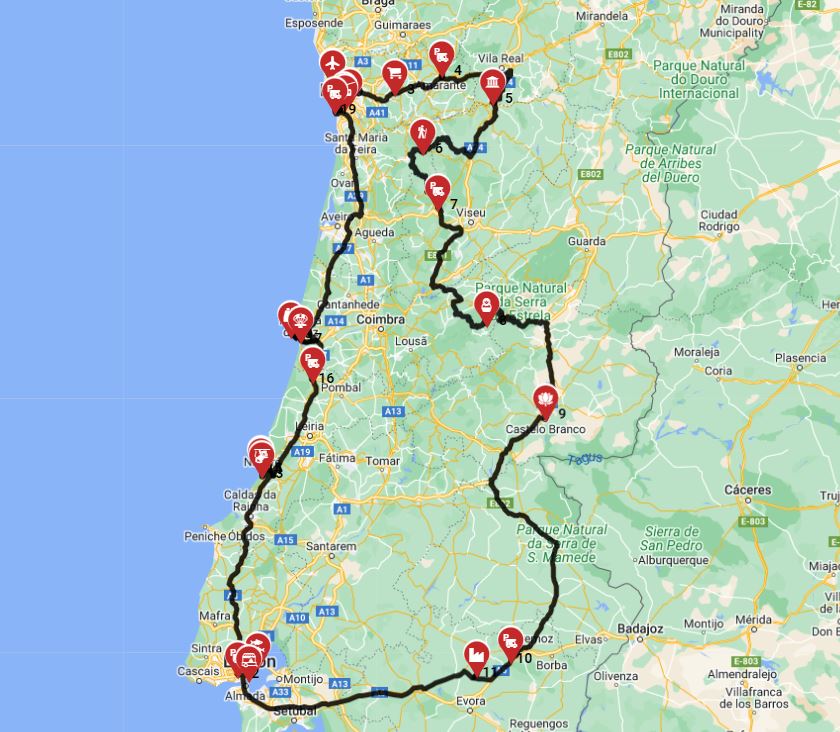
- Drive east from Porto into the Douro Valley, a stunning region known for its terraced vineyards and historic quintas offering wine tastings – choose a more compact RV for these scenic, winding roads.
- Experience the vibrant local culture by visiting the Mercado do Bolhão, a bustling traditional market, to sample fresh produce and local delicacies.
- Enjoy panoramic views of Porto from the Miradouro da Serra do Pilar, accessible by a short drive and walk, offering a perfect photo opportunity.
- Sample the famous 'Francesinha' sandwich, a hearty and unique Porto specialty, after a day of exploring – it's a true taste of the city!
- Take a scenic drive along the Costa de Prata (Silver Coast) north of Porto, discovering charming fishing villages and beautiful beaches with your rented RV.
Final Thoughts
Renting an RV in Porto offers a unique way to explore Portugal's captivating landscapes and vibrant culture at your own pace. By understanding the nuances of driving in and around the city, and by choosing the right vehicle for your itinerary, you can ensure a comfortable and memorable journey. Remember to plan ahead, especially regarding parking and designated camping spots, to make the most of your adventure.
Ready to embark on your Portuguese road trip? Bandana Caravan is here to help you find the perfect RV for your travels. We pride ourselves on transparent pricing and exceptional service, ensuring a seamless booking experience from start to finish.
Find Motorhome Rentals in Porto