In This Guide
- Can You Drive an RV in Namibia? License & Age Rules
- Road Conditions & Terrain in Namibia
- RV Size Limits, Bridges & Restricted Zones
- Fuel: Diesel vs. Petrol & Cost per 100 km
- Tolls, Vignettes & Border Rules
- Driving Tips for rv rental Travelers
- Recommended RV Class for Namibia Roads
- Should I Choose a Compact Van Instead of a Large RV in Namibia?
- Can I Park Anywhere? Free & Wild Camping Rules in Namibia?
- Can I Drive an RV Into the City Center? Heights, Tunnels & Local Signage
- What Specific RV Logistics and Equipment are Essential for Namibia?
- How to Handle Safety and Emergency Preparedness for RV Travel in Namibia?
- What are Namibia's Unique Road Conditions and Essential Driving Techniques?
- How to Achieve Cultural Immersion and Local Interactions During Your Namibia RV Trip?
- How to Practice Responsible and Sustainable RV Travel in Namibia?
- What Connectivity and Communication Solutions are Available for RV Travel in Namibia?
- What Niche Travel Experiences Can You Have with an RV in Namibia?
- How Do Different Seasons Impact RV Travel in Namibia?
- What Does an RV Rental in Namibia Cost? A Comprehensive Budgeting Guide
- What Border Crossing Information is Needed for RV Trips from Namibia?
- Top Cities for RV Rental in Namibia
- What You Shouldn't Miss
- Why Book with Bandana Caravan
- Final Thoughts
- Frequently Asked Questions
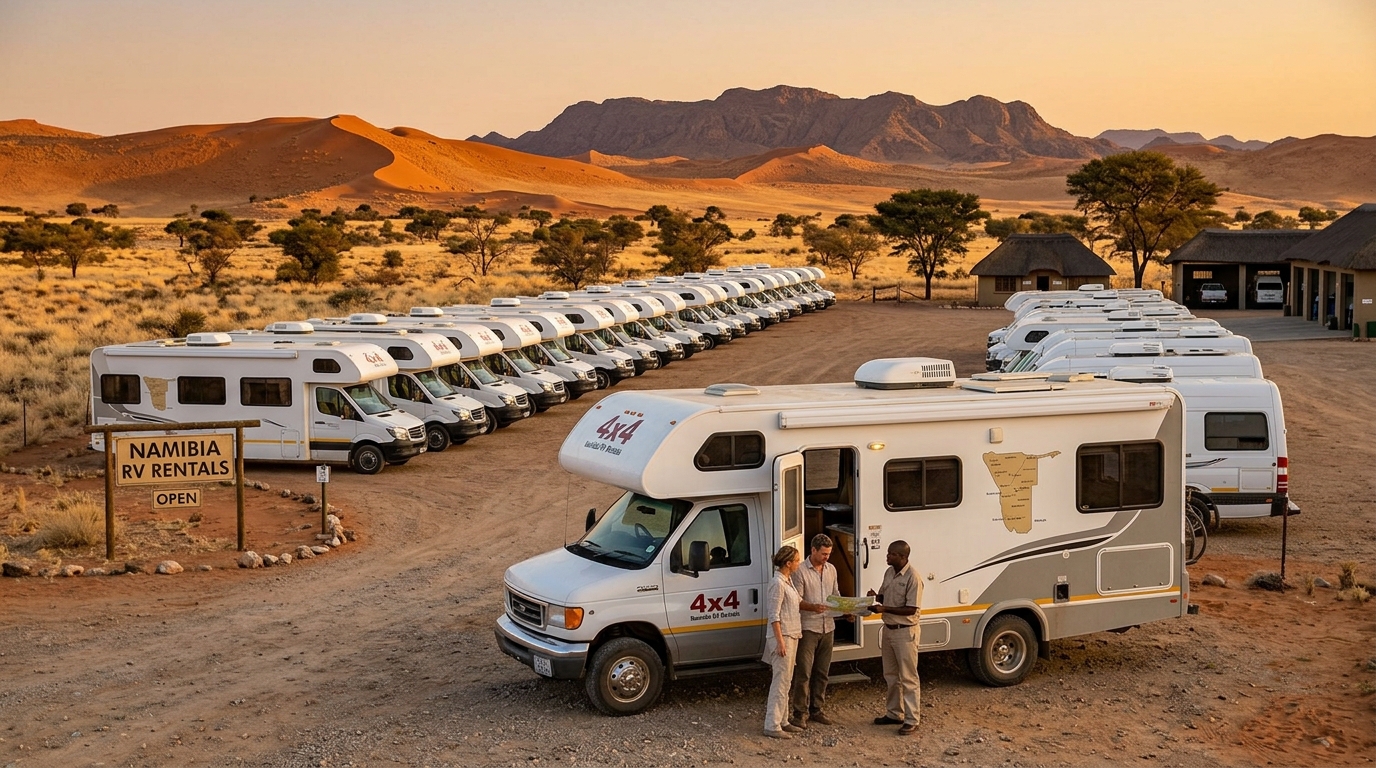
Embarking on a rented RV adventure in Namibia offers unparalleled freedom to explore its vast and dramatic landscapes, from ancient deserts to diverse wildlife parks. Planning is key to a smooth journey, and for live availability and current prices, start with our RV Rental Namibia - Complete Guide 2026 guide. This guide will cover everything you need to know to confidently drive your motorhome through this incredible Southern African nation.
Can You Drive an RV in Namibia? License & Age Rules
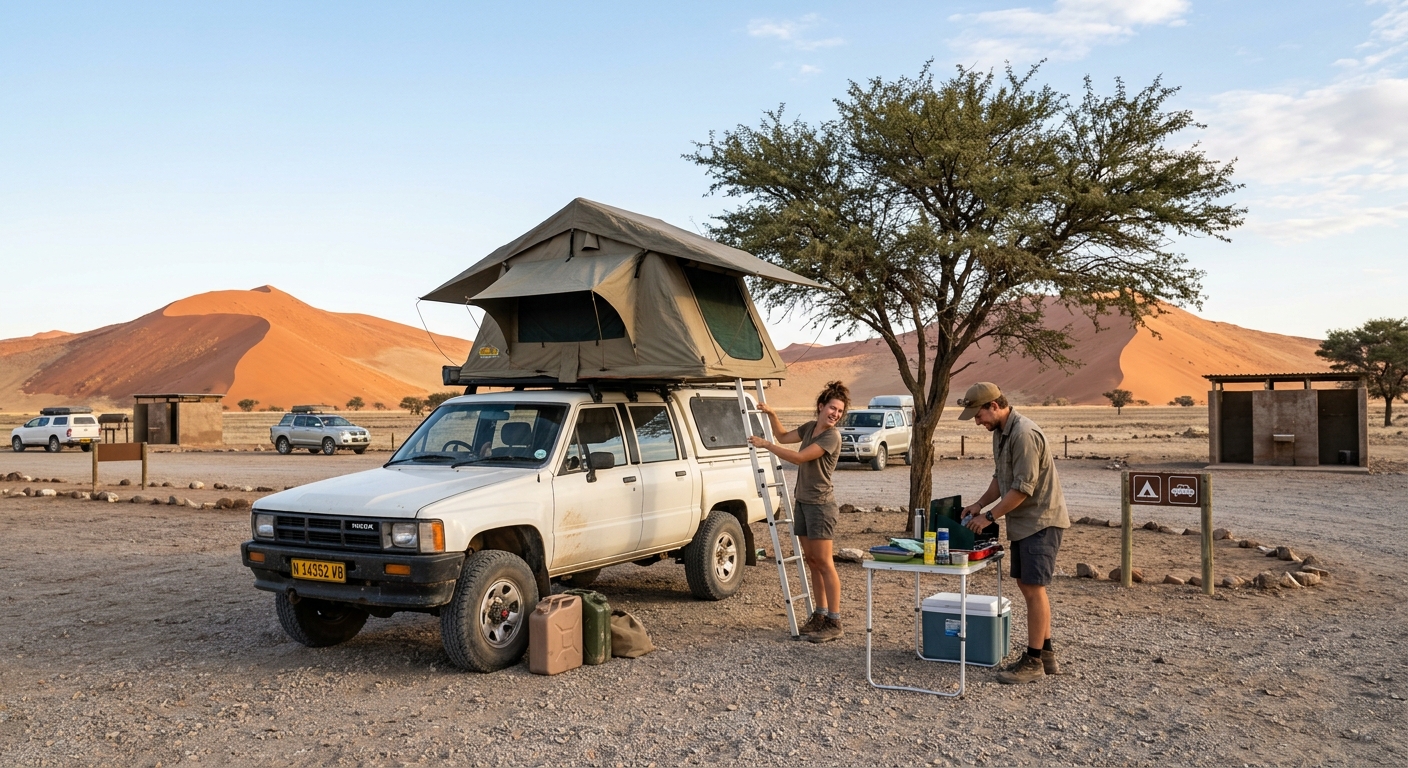
Yes, you can absolutely drive a rented RV in Namibia with a standard car driver's license. For international visitors from non-English speaking countries, an International Driving Permit (IDP) is recommended to supplement your national license, though it is not mandatory in all cases. The minimum driver age for most RV rentals in Namibia is typically 21 years old, with no young driver surcharges or vehicle class restrictions based on age. This means travelers aged 21 and above can rent various motorhome classes, including Class A, Class B, and Class C vehicles, without additional fees. Always ensure your license is valid for the entire duration of your trip and carry both your national license and, if applicable, your IDP at all times. If you're planning a trip as a couple, our dedicated guide on RV Rental in Namibia for Couples - Pricing 2026 provides tailored information.
Road Conditions & Terrain in Namibia
Namibia's road network is predominantly gravel and dirt outside major towns, accounting for over 80% of its vast routes. Travelers should expect corrugated roads, which can be bumpy and require reduced speeds of around 60-80 km/h for comfort and safety. Additionally, soft sand patches are common, especially in desert-proximate areas, necessitating careful driving and sometimes lower tire pressures. Near coastal regions, unique 'salt roads' provide smoother surfaces but can become extremely slippery if wet. Driving slowly and carefully is essential on all unpaved roads to prevent tire damage and maintain vehicle control, ensuring a safe and enjoyable journey through Namibia's diverse terrain.
RV Size Limits, Bridges & Restricted Zones
Namibia generally lacks strict height or weight restrictions on its main routes for standard RVs, making it broadly accommodating for various motorhome sizes. Low bridges are rare, particularly on national roads, but travelers should always exercise caution and check their vehicle dimensions when venturing into remote or less-maintained areas, especially when crossing dry riverbeds. Environmental zones primarily apply to national parks and protected areas, such as Etosha National Park or the Namib-Naukluft Park, where specific permits are often required, and in some highly sensitive areas, access might be limited to 4x4 vehicles only. Always research the specific regulations for any national parks or protected areas you plan to visit in Namibia, as some may have entry restrictions or require advance booking for permits.
Fuel: Diesel vs. Petrol & Cost per 100 km
Diesel is the most common fuel type for rented RVs in Namibia and is widely available at service stations throughout the country. Most motorhome and campervan rental fleets in Namibia run on diesel, which is often more fuel-efficient than petrol, a crucial factor given the long distances between towns. Bandana's fleet includes popular options like Class B Camper Vans, which typically consume 8-10 Liters/100 km, and Class TC Truck Campers, averaging 12-17 Liters/100 km depending on terrain and load. Fuel stations can be sparse in remote regions, so it's critical to plan your route carefully to ensure adequate fuel stops and consider carrying extra jerry cans, especially when venturing into less populated areas. For a clear overview of all potential trip costs, including fuel, remember that on RV PLANET routes, travelers can itemize and track every expense along the way for easy budgeting. On the routes offered through RV PLANET routes, you can itemize and track every expense along the way for easy budgeting.
Tolls, Vignettes & Border Rules
Namibia does not have significant toll roads or require vignettes for general travel within its borders, simplifying domestic RV journeys. However, when planning cross-border trips from Namibia into neighboring countries such as South Africa or Botswana, stringent documentation is required. Ensure all vehicle documentation, including the original registration papers and a crucial letter of authorization from your rental company, is in order and notarized if necessary. Specific permits may also be required for certain national parks or transfrontier conservation areas that span multiple countries. Always check customs procedures for each border post in advance, including regulations on bringing food, alcohol, and other goods across the border, to avoid delays. Planning ahead for these requirements is part of a seamless Southern African RV adventure.
Driving Tips for rv rental Travelers
Driving a rented RV in Namibia requires a specific approach to ensure safety and comfort. First, always reduce speed significantly on gravel roads, aiming for 60-80 km/h, to maintain control and prevent tire damage from corrugations and sharp stones. It's recommended to keep headlights on for better visibility, particularly on dusty roads where visibility can drop rapidly behind other vehicles. Maintain safe following distances, especially when driving behind other vehicles on gravel, due to the heavy dust kicked up. Stopping every 2-3 hours to rest, stretch, and check your vehicle, especially tire pressures, is a smart practice. Finally, be highly alert for wildlife, particularly at dawn, dusk, and night; it's always best to avoid night driving in Namibia if possible due to the increased risk of animal collisions. Travel slowly, max 100-150 km per day on average, taking time to feel the place, connect to the culture, the food, and the scenery.
Recommended RV Class for Namibia Roads
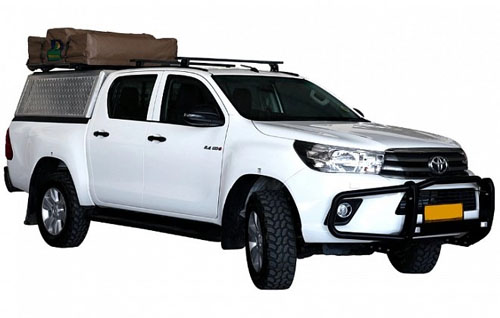
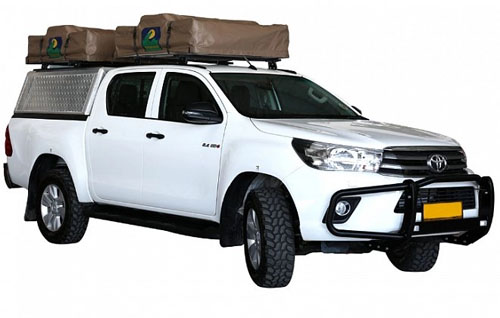
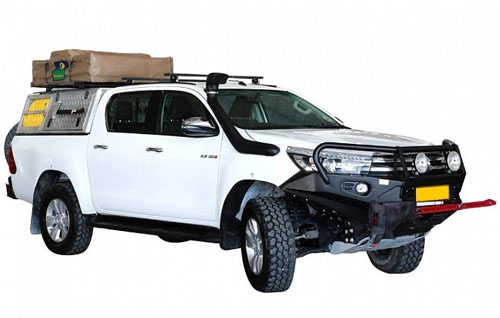
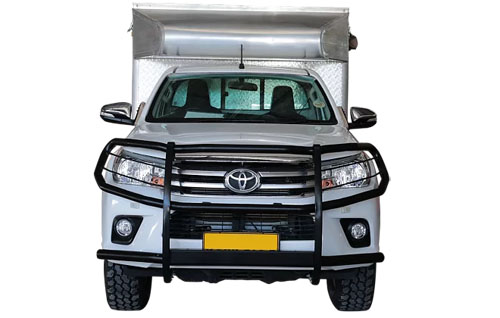
For RV travel in Namibia, the Class TC - Truck Camper is highly recommended due to its robust construction and often superior ground clearance, making it ideal for navigating the country's extensive gravel and sand roads. These vehicles, with an average length of 5.5 meters, offer excellent maneuverability and resilience for challenging terrain. For those prioritizing a balance of comfort and capability on moderately challenging gravel, a Class B - Camper Van, with an average length of 5.8 meters, is a good alternative, providing a compact yet functional home on wheels, though it may offer less off-road prowess than a dedicated truck camper. Larger RVs like Class SI (6.9m average length) or Class C (7.5m average length) motorhomes are perfectly suitable for main tarred routes but may face limitations or require greater caution on more challenging gravel tracks and deep sand. To find the best options for your trip, compare Motorhome Prices for Namibia to see what fits your adventure style.
Should I Choose a Compact Van Instead of a Large RV in Namibia?
For travel in Namibia, choosing an RV often prioritizes robust construction and self-sufficiency over extreme maneuverability, as many routes are wide gravel tracks rather than narrow city streets. While compact campervans (like Class B Camper Vans, offering features like Front Air condition and ideal for a couple) are excellent for their slightly better fuel efficiency of 8-10 Liters/100 km and easier handling on corrugations, larger motorhomes provide significantly more comfort, living space, and storage for longer, self-sufficient trips in remote areas. A Class TC Truck Camper, often equipped with 4 Wheel Drive, offers superior ground clearance and is frequently preferred for accessibility to more remote campsites and attractions that a standard Class B campervan might struggle with. Ultimately, the choice depends on your itinerary's remoteness, your comfort preferences, and your budget for fuel and amenities, as pricing will vary. For travelers seeking greater comfort for a family of 2+2, a Class C motorhome like the 'rent rv example A3' or 'Class SI - Semi-integrated' options may be more suitable, even if it means sticking to more established routes.
Can I Park Anywhere? Free & Wild Camping Rules in Namibia?
Wild camping is generally not permitted in Namibia's national parks, conservancies, or on private land without explicit permission from the landowner or relevant authorities. Designated campsites, both public and private, are widely available throughout the country and offer essential facilities like water, ablutions, and sometimes even electricity and security, making them the safest and most responsible option. While Namibia is renowned for its vast, open routes that seem ideal for road-tripping, travelers should always respect private property, environmental regulations, and local conservation efforts. Many national parks reserve only 25-30% of their campsites in advance, leaving the remaining 70-75% for first-come, first-served arrivals each day, so there's usually a spot to be found. If not at the first campground, then the next one; always call ahead before driving long distances. For finding campsites and campgrounds during your trip, we recommend using RV PLANET (rvplan.net) - a great resource for locating available spots along your route.
Can I Drive an RV Into the City Center? Heights, Tunnels & Local Signage
Yes, you can generally drive a rented RV into city centers across Namibia, including major hubs like Windhoek, Swakopmund, and Walvis Bay, without encountering major height or tunnel restrictions that would typically impede larger vehicles. Namibia's urban infrastructure is generally accommodating for motorhomes. The key is to drive slowly and carefully, and you can navigate almost anywhere without issues. No need to stress - just use common sense and pay attention to local signage, especially for parking restrictions, one-way streets, or pedestrian-heavy zones. Always be aware of your specific vehicle's dimensions, but rest assured that major urban areas in Namibia are designed to handle a variety of vehicle sizes, allowing you to easily access city attractions and amenities.
What Specific RV Logistics and Equipment are Essential for Namibia?
Specific logistics and equipment are essential for a successful RV trip in Namibia, given its unique terrain and vast distances. A 4x4 camper or truck camper, such as the 'Patagonia Camper 4x4 double cab' which features 4 Wheel Drive and is Class TC - Truck Camper, is highly recommended, especially if you plan to venture beyond main tarred routes into national parks or remote areas with soft sand and gravel. Essential equipment includes ample water storage and purification capabilities, as water sources can be scarce; a 100-liter fresh water tank like those found in some Class B motorhomes is a good starting point. Robust power management, such as solar panels and extra batteries, is crucial for off-grid camping. A reliable recovery kit (e.g., snatch strap, shovel, air compressor for tire adjustments) is non-negotiable, and carrying crucial spare parts like an extra tire, a tire repair kit, and basic tools will save you time and stress. Furthermore, ensure your RV has excellent dust sealing, as pervasive fine dust is common on Namibia's gravel roads.
How to Handle Safety and Emergency Preparedness for RV Travel in Namibia?
Handling safety and emergency preparedness for RV travel in Namibia is paramount, especially in remote areas. Key safety measures include carrying a satellite phone or a high-frequency (HF) radio, as cellular service is unreliable or non-existent outside major towns and along many routes. Informing a trusted contact of your detailed itinerary, including expected arrival times at each stop, is a vital safety protocol. Prepare for potential breakdowns by carrying essential spares, a robust recovery kit, and having basic mechanical knowledge. Be acutely aware of wildlife, driving cautiously, especially at dawn and dusk, and strictly adhering to speed limits. At campsites, store all food securely and keep your distance from animals to avoid attracting them, a common issue with bold black-backed jackals. You can upgrade to a top-level deductible for extra peace of mind, which covers unexpected incidents during your trip.
What are Namibia's Unique Road Conditions and Essential Driving Techniques?
Namibia's distinctive road network is approximately 80% gravel and dirt, demanding specific driving techniques to ensure safety and comfort. These routes present unique challenges like corrugated roads, which require careful speed management (typically 60-80 km/h) to prevent excessive vibration, loss of control, and mechanical strain on the vehicle. Soft sand sections, particularly near desert areas, necessitate reducing tire pressure to increase traction, while smooth but slippery salt roads near the coast require cautious driving, especially if wet. Effective tire management is crucial, involving regular pressure checks when transitioning between tar and gravel, and always being prepared for punctures with a reliable repair kit and at least one spare tire. Driving on the left side of the road, as in South Africa, is another key rule to remember. These practices will make your journey on Namibia's diverse roads much more enjoyable and safe.
How to Achieve Cultural Immersion and Local Interactions During Your Namibia RV Trip?
Achieving cultural immersion and fostering local interactions during your Namibia RV trip can enrich your journey beyond measure. Seek out community-based tourism initiatives, such as visiting Himba villages in Kaokoland or San communities in the Nyae Nyae Conservancy, which offer authentic experiences and directly support local communities. Practice respectful cultural etiquette by always asking permission before taking photos of people and engaging genuinely in conversations. Sourcing local produce and crafts from roadside stalls and community markets, such as those found in Windhoek or Swakopmund, contributes directly to the local economy and offers a taste of authentic Namibian life. Traveling slowly, with an average of max 100-150 km per day, allows you ample time to feel the place, connect to the culture, the food, and the scenery, making your RV adventure truly memorable. For first-timers seeking guidance on connecting with local culture, our RV Rental in Namibia for Beginners - Pricing 2026 provides practical advice.
How to Practice Responsible and Sustainable RV Travel in Namibia?
Practicing responsible and sustainable RV travel in Namibia is crucial to preserving its pristine natural environment and supporting its communities. Minimizing your environmental impact means adhering strictly to 'leave no trace' principles: pack out all waste, use designated waste disposal sites, and avoid disturbing flora and fauna. Practice ethical wildlife viewing by maintaining a safe distance from animals, never feeding them, and respecting their natural habitats, especially within national parks like Etosha. Support local economies by choosing locally owned businesses for groceries, souvenirs, and services, purchasing local goods, and participating in community tourism initiatives. Conserve water, a precious resource in arid Namibia, by taking short showers and being mindful of your usage. By adopting these practices, your RV adventure contributes positively to Namibia's remarkable natural and cultural heritage.
What Connectivity and Communication Solutions are Available for RV Travel in Namibia?
For RV travel in Namibia, understanding connectivity and communication solutions is vital, as cell service is reliable in major towns but becomes extremely sparse or non-existent in vast remote areas and national parks. MTC and TN Mobile are the main service providers, offering SIM cards easily purchased at airports or in cities like Windhoek. However, for consistent communication in blackspots, investing in a satellite phone or renting one from your RV provider is highly recommended for emergencies. Consider carrying a personal locator beacon (PLB) or a satellite tracking device for emergency use and to allow others to monitor your journey, providing an extra layer of safety. While many lodges and some campsites offer Wi-Fi, it can be slow and expensive. Plan your digital detox and embrace the disconnection, but prioritize safety communication.
What Niche Travel Experiences Can You Have with an RV in Namibia?
An RV rental in Namibia facilitates unique niche travel experiences that go beyond conventional safaris. You can enjoy unparalleled stargazing in Namibia's designated dark sky reserves, particularly in areas like the NamibRand Nature Reserve, which boasts minimal light pollution. Explore geological wonders such as the mysterious Fairy Circles in the Namib Desert or the impressive canyons and ancient rock formations in Damaraland, many of which are accessible by a rugged RV or a 4x4 camper. Discover unique, lesser-known campsites often situated in stunning, remote landscapes, offering unparalleled solitude and exceptional photographic opportunities. For those who enjoy cooking, preparing meals in your RV's kitchen with locally sourced ingredients under the vast Namibian sky is an experience in itself. You can find inspiration and recipes in our RV-friendly recipes playlist.
🎬 Video coming soon
How Do Different Seasons Impact RV Travel in Namibia?
Different seasons significantly impact RV travel in Namibia, influencing road conditions, wildlife viewing, and water availability. The dry season (May-October) is generally considered ideal for wildlife viewing, as animals congregate around shrinking waterholes, making them easier to spot in parks like Etosha. However, roads can be very dusty, and popular campsites tend to be crowded. The wet season (November-April) brings lush, green landscapes and spectacular migratory birds, but some gravel roads can become impassable due to heavy rains, and river crossings may be challenging for non-4x4 vehicles. Seasonal changes also affect water availability in remote areas, necessitating careful planning for water refills. Flexibility is key when traveling during the wet season, as routes might need to be adjusted based on local conditions. For specific advice on colder periods, consult our Winter RV Rental in Namibia - Pricing Guide 2026.
What Does an RV Rental in Namibia Cost? A Comprehensive Budgeting Guide
The cost of an RV rental in Namibia is dynamic, similar to flight tickets, changing daily based on availability, seasonality, and supplier decisions. A comprehensive budget for RV travel in Namibia should consider the rental fees, which vary significantly by RV class and season (e.g., robust Class TC Truck Campers may have higher daily rates than Class B Camper Vans). For a mid-range RV trip, budget for daily fuel consumption, which for a Class TC Truck Camper can be 12-17 Liters/100 km, alongside national park entrance fees, which typically range from NAD 100-150 per person per day plus NAD 50 per vehicle. Campsite fees average NAD 200-500 per night. Luxury RV trips might include higher-end 4x4 campers with extensive amenities, guided tours, and premium campsites. Budget travelers can save by choosing smaller RVs like a Class B Camper Van (consuming 8-10 Liters/100 km) and cooking most meals on board. The final price is always set at the actual booking time. For detailed estimates, refer to our RV Rental in Namibia - Prices and Best Deals 2026 guide.
What Border Crossing Information is Needed for RV Trips from Namibia?
For RVers planning to combine Namibia with neighboring countries like South Africa or Botswana, comprehensive border crossing information is essential. You must ensure you have all necessary vehicle paperwork, which includes the original vehicle registration document and a letter of authorization from your rental company explicitly granting permission for cross-border travel. This letter should clearly state the countries you intend to visit. Specific permits may be required for certain national parks or transfrontier conservation areas that span multiple countries, such as the Kgalagadi Transfrontier Park, and these should be obtained in advance. Always check customs procedures for each border post you intend to use, as regulations on bringing food, alcohol, and other goods across the border can vary. Allow ample time for border formalities, which can sometimes be lengthy, and remain patient and polite. For a broader perspective on the region, our RV Rental Africa - Complete Guide 2026 can provide more insights.
Top Cities for RV Rental in Namibia
Namibia offers several excellent starting points for your RV adventure, with rental depots often located in or near the major cities. Each city serves as a gateway to distinct regions of the country, providing unique attractions and amenities for travelers. Here are some of the top cities for RV rental in Namibia:
- Windhoek: As Namibia's capital and largest city, Windhoek is the primary entry point for most international visitors. It offers the widest selection of rental companies and is a convenient base to stock up on supplies before heading north to Etosha National Park or south to the Namib Desert. You can find detailed information on RV Rental Windhoek.
- Swakopmund: This charming coastal town, known for its German colonial architecture, is a popular destination for those exploring the Skeleton Coast and Damaraland. It offers a relaxed atmosphere and is a great place to resupply. Learn more about RV Rental Swakopmund.
- Walvis Bay: Just south of Swakopmund, Walvis Bay is Namibia's main port and offers stunning lagoon full of flamingos and other birdlife. It's an excellent spot for marine activities and provides another coastal pickup point for your RV journey. Explore options for RV Rental Walvis Bay.
- Windhoek - Airport: For ultimate convenience, picking up your RV directly at Windhoek - Airport allows you to start your adventure immediately upon arrival, saving transfer time.
- Swakopmund - Airport: While smaller, Swakopmund - Airport offers direct access to the coastal region for those flying in regionally.
- Walvis Bay - Airport: Similarly, Walvis Bay - Airport provides easy access to the central coast, ideal for those focusing on this vibrant area.
What You Shouldn't Miss
- Climb Big Daddy Dune in Sossusvlei: Experience the epic scale of the Namib Desert by ascending one of the world's highest dunes, Big Daddy, for a breathtaking sunrise view over Deadvlei's ancient camel thorn trees.
- Wildlife Safari in Etosha National Park: Spend several days driving your rented motorhome through Etosha, stopping at waterholes to witness elephants, rhinos, lions, and countless plains game in their natural habitat.
- Explore the Moon Landscape near Swakopmund: Drive through the otherworldly 'Moon Landscape' formed by the Swakop River erosion, offering surreal vistas and stark beauty reminiscent of lunar terrain.
- Stargaze in the NamibRand Nature Reserve: Camp under some of the darkest skies on Earth in the NamibRand, an International Dark Sky Reserve, where the Milky Way is often visible in incredible detail.
- Visit the Skeleton Coast's Shipwrecks: Venture along parts of the rugged Skeleton Coast, where desolate beaches and dramatic shipwrecks tell tales of the powerful Atlantic, a unique photographic opportunity.
- Discover Ancient Rock Engravings at Twyfelfontein: Explore this UNESCO World Heritage Site in Damaraland, home to thousands of ancient San rock engravings and paintings dating back thousands of years.
Looking for expert insights from Avi Bandana? Top 5 Adventures - recommendations from Avi Bandana
Final Thoughts
Namibia truly is a destination made for RV travel, offering breathtaking landscapes and unforgettable experiences around every corner. With the right preparation and a spirit of adventure, navigating its unique gravel roads and vast expanses in a comfortable motorhome or rugged campervan can be one of the most rewarding ways to discover this incredible country. Remember to embrace slow travel, allowing yourself to fully immerse in the stunning scenery and rich culture.
At Bandana RV, we're dedicated to making your Namibia RV rental journey as smooth and enjoyable as possible. We handle the details, so you can focus on living the journey, from your initial comparison of final prices across suppliers to post-booking coordination. Our commitment is to offer you full transparency, ensuring what you see is what you pay, with no surprise fees at pickup.
So, imagine yourself driving through the dramatic dunes of Sossusvlei or spotting wildlife in Etosha from the comfort of your rented mobile home. The open road of Namibia is calling. Get inspired for your next trip and plan a trip itinerary in advance with minimal effort and maximum enjoyment!