For live availability and current prices, start with our RV Rental Frankfurt - Complete Guide 2026 guide.
In This Guide
- Can You Drive an RV in Frankfurt? License & Age Rules
- What do I need to drive my motorhome in Germany?
- What requirements do you need to drive an RV?
- Are RVs allowed in Germany?
- Road Conditions & Terrain in Frankfurt
- RV Size Limits, Bridges & Restricted Zones
- Fuel: Diesel vs. Petrol & Cost per 100 km
- Tolls, Vignettes & Border Rules
- Driving Tips for RV Rental Travelers
- Is it difficult to drive in Frankfurt?
- Recommended RV Class for Frankfurt Roads
- Should I Choose a Compact Van Instead of a Large RV in Frankfurt?
- Which states require a special license to drive an RV?
- Can I Park Anywhere? Free & Wild Camping Rules in Frankfurt
- Can you sleep anywhere in a campervan in Germany?
- Can I Drive an RV Into the City Center? Heights, Tunnels & Local Signage
- How much does it normally cost to insure an RV?
- What does German liability insurance cover?
- Which insurance company is best in Germany?
- What is the best RV insurance?
- What You Shouldn't Miss
Embarking on a motorhome adventure in Frankfurt offers an unparalleled sense of freedom and discovery, allowing you to explore Germany's vibrant cities and picturesque countryside at your own pace. With Bandana RV, we believe that hitting the open road in a rented RV should be an enjoyable, stress-free experience from start to finish. Our true RV specialists, with over 23 years of experience since our founding in 2001, are here to provide expert advice and ensure full transparency every step of the way.
For live availability and current prices, start with our RV Rental Frankfurt - Complete Guide 2024 guide, which offers comprehensive information on all aspects of your journey.
Can You Drive an RV in Frankfurt? License & Age Rules
Most standard B licenses allow driving RVs up to 3,500 kg in Frankfurt, Germany, which covers many popular campervan and smaller motorhome models. For larger RVs, typically those between 3,500 kg and 7,500 kg (like some Class C or larger Class SI models), a C1 license is generally required. Drivers typically need to be at least 21 years old, with 1-3 years of driving experience, to rent an RV through Bandana, ensuring that young adventurers can also experience the joys of motorhome travel without age-related class restrictions or surcharges. Non-EU drivers, while not always strictly mandated, are highly recommended to carry an International Driving Permit (IDP) in addition to their national license for easier communication with authorities and rental agencies.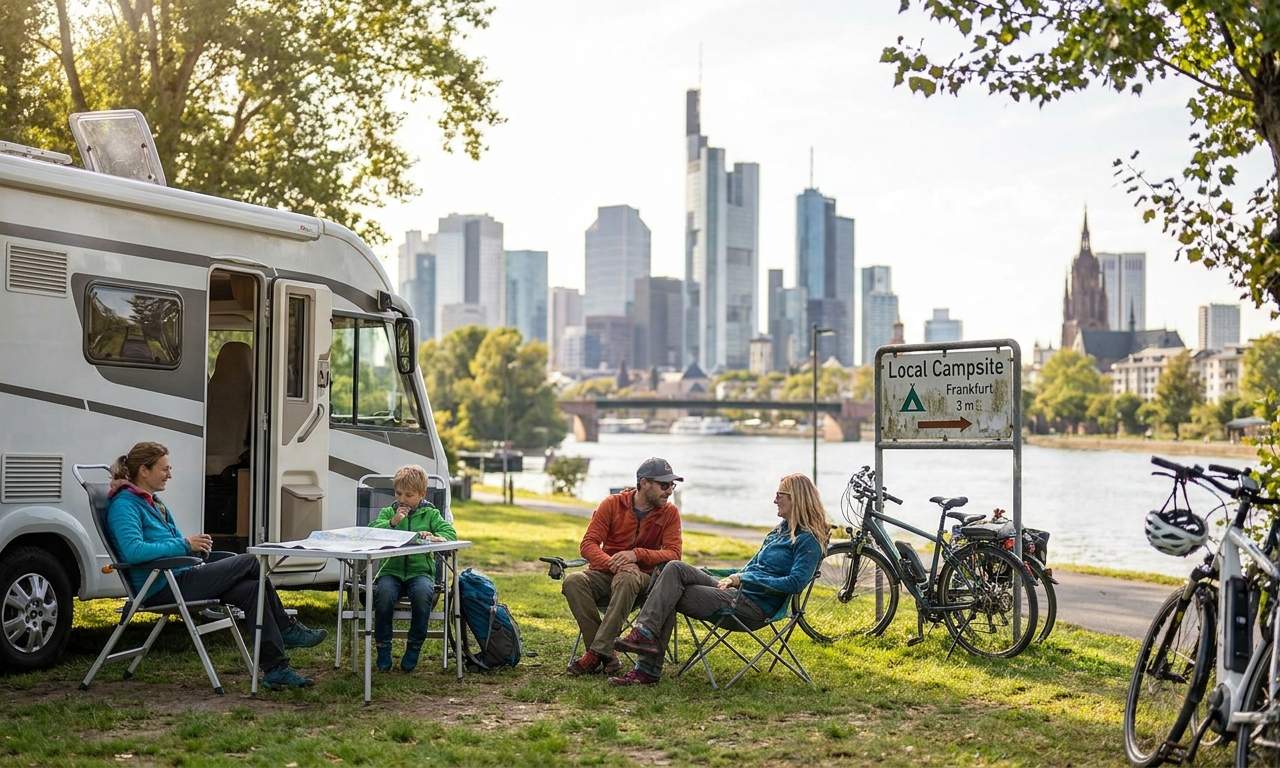
What do I need to drive my motorhome in Germany?
To drive a motorhome in Germany, you primarily need a valid driver's license (Class B for vehicles up to 3,500 kg, Class C1 for vehicles up to 7,500 kg) and to meet the minimum age of 21 years with sufficient driving experience. Non-EU citizens must carry an International Driving Permit (IDP) alongside their national driver's license for clear interpretation of your driving qualifications, though it's not strictly mandatory in all scenarios, it offers peace of mind. Ensure you have your vehicle registration documents, proof of insurance, and identification readily available, as these are routinely checked at rental pickup locations and occasionally by traffic police. Bandana works with major suppliers like El Monte and Apollo to ensure all necessary documentation is clear and provided for your rented motorhome.What requirements do you need to drive an RV?
Driving a rented RV in Germany requires a valid driver's license (Class B for RVs up to 3,500 kg or Class C1 for those up to 7,500 kg), sufficient driving experience, and meeting the rental company's minimum age requirements, typically 21 years old. This ensures that you are legally compliant and prepared for the German road network. Detailed requirements, including license categories and IDP specifics for international drivers, are thoroughly covered in the 'What do I need to drive my motorhome in Germany?' section above, providing clear guidance for your Frankfurt adventure. Bandana RV specializes in motorhome and campervan rentals, meaning you won't need to worry about specialized licenses beyond what's stated for these vehicle types.Are RVs allowed in Germany?
Yes, RVs are widely allowed and very popular in Germany, with excellent infrastructure for motorhome travel including numerous campsites and Stellplätze (designated motorhome parking areas). Germany embraces RV culture, offering a network of well-maintained roads, scenic routes like the Romantic Road just a short drive from Frankfurt, and dedicated facilities catering to motorhome travelers. Most roads, including Autobahns and federal highways, are suitable for rented RVs, though urban centers like Frankfurt may have specific environmental zones or size restrictions, which are easily navigated with prior knowledge. For further planning, explore Rent&Plan options via RV PLANET (rvplan.net) for pre-planned routes.Road Conditions & Terrain in Frankfurt
Frankfurt features well-maintained urban roads and excellent access to Germany's Autobahn network, making it straightforward to transition from city driving to open highway. The immediate Frankfurt area is relatively flat, offering easy driving, but the surrounding Hesse region can include rolling hills and forested areas like the Taunus mountains, making for varied and scenic driving experiences. Expect higher traffic density within the city center, especially around areas like the Hauptwache and Konstablerwache, while rural roads outside the city offer a slower, more relaxed driving experience. Road quality across Germany is generally high, suitable for all rented RV classes, ensuring a smooth journey whether you're in a compact campervan or a larger Class C motorhome. Drive slowly and carefully, and you can drive almost anywhere without issues. No need to stress - just use common sense and pay attention.🎬 Video coming soon
RV Size Limits, Bridges & Restricted Zones
Frankfurt operates an 'Umweltzone' (environmental zone) in its city center, requiring vehicles to display a green environmental sticker (Grüne Plakette) to enter; this zone covers areas like the Altstadt and Bankenviertel. Most modern rented RVs meet the Euro 4 emission standard or higher and can easily obtain a green sticker, though older models may be restricted. While low bridges are less common on major routes like the A3 or A5 Autobahns, always pay attention to signage indicating height and weight restrictions, especially on smaller, historic city roads or underpasses in areas like Sachsenhausen. Ferry limits are not a primary concern for driving within Frankfurt itself, but if planning extended trips to islands or across larger bodies of water in Germany or neighboring countries, always check specific ferry dimensions and weight limits in advance to ensure your rented mobile home fits.Fuel: Diesel vs. Petrol & Cost per 100 km
Most RVs available for rent in Germany, including those in the Bandana fleet, run on Diesel fuel, which is widely available at service stations throughout Frankfurt and across the country. Based on Bandana's fleet data, a Class B - Camper Van typically consumes 6-11 Liters per 100 km, while a Class SI - Semi-integrated RV consumes 8-12 Liters per 100 km. Larger Class C - Alcove and Class A - Integrated RVs generally consume more, ranging from 10-14 Liters per 100 km. For example, a "V3" campervan might consume around 12 Liters per 100km, while a "K2D" semi-integrated could be around 13 Liters per 100km, and a "MIC" alcove around 11 Liters per 100km. The average cost per 100 km can vary significantly with dynamic fuel prices, but Diesel is generally more economical than petrol in Germany. For budgeting your total trip costs beyond the RV rental, remember that RV PLANET routes allow you to itemize and track every expense along the way, including fuel.Tolls, Vignettes & Border Rules
Germany does not have general road tolls or vignettes for passenger vehicles, including rented RVs under 7.5 metric tons, so you won't need to worry about additional fees for most German Autobahns. However, trucks over 7.5 tons are subject to the 'LKW-Maut' (truck toll) on Autobahns and some federal roads; this typically does not apply to standard rental RVs. If traveling from Frankfurt to neighboring countries like Austria or Switzerland, you will need to purchase a vignette for their motorways at border crossings or petrol stations. Crossing borders within the Schengen Area (which includes most of the EU) is generally seamless with minimal checks, but always carry your ID, driver's license, and all RV documentation provided by your rental supplier for any eventuality.Driving Tips for RV Rental Travelers
**Plan Your Route**: Use GPS with RV-specific settings to avoid low bridges, narrow roads, and environmental zones, especially around Frankfurt's city center. **Understand Road Signs**: Familiarize yourself with German road signs, particularly those indicating vehicle restrictions like height limits or "Anlieger frei" (residents only) signs. **Respect Speed Limits**: Adhere strictly to German speed limits, which are typically 100 km/h on Autobahns for rented RVs over 3.5t and 80 km/h on rural roads. **Fueling**: Opt for diesel (Dieselkraftstoff) at larger service stations, as some smaller stations in rural areas may not accommodate very large RVs. **Parking**: Utilize designated RV parking areas (Stellplätze) and official campsites for overnight stays, especially in urban or scenic areas around Frankfurt, like Campingplatz Mainkur on the eastern outskirts. Remember, slow travel is the best travel: max 100-150 km per day on average, taking time to feel the place, connect to the culture, the food, and the scenery. RV-friendly recipes playlist can be a great resource for meal planning on the road.Is it difficult to drive in Frankfurt?
Driving in Frankfurt can be challenging due to urban density and traffic, particularly during peak hours on major arteries like the A5 and A66, but it is manageable with careful planning and a relaxed approach. The city center has an environmental zone and parking can be limited and expensive, making public transport (S-Bahn and U-Bahn) or parking outside the core advisable for exploring central areas like the financial district or the Eiserner Steg bridge. Frankfurt's excellent road network quickly leads to the Autobahns, simplifying longer journeys once you navigate out of the immediate city area towards destinations such as the Black Forest or the Rhine Valley. Drivers should be comfortable with multi-lane roads, clear signage, and potentially fast-paced traffic on major arteries, always remembering to drive slowly and carefully, paying attention to surroundings.Recommended RV Class for Frankfurt Roads
For navigating Frankfurt and exploring the surrounding region, a Class B - Camper Van or a Class SI - Semi-integrated RV are highly recommended for their balance of comfort and maneuverability. Class B - Camper Vans, such as the "V3" (length 6.36m, sleeps 2), offer excellent maneuverability and are easier to park in urban settings, typically sleeping 2-3 adults. Class SI - Semi-integrated RVs, like the "K2D" (averaging 6.99 meters in length, sleeps 3), provide a good balance of interior comfort and manageable size, suitable for families (avg. 3 adults) while still navigating most German roads with ease. Both classes offer comfortable driving experiences while being compact enough for many city and rural roads, making them ideal choices for a Frankfurt-based adventure. Larger Class C motorhomes are also perfectly viable, as German infrastructure is designed for all vehicle sizes.Should I Choose a Compact Van Instead of a Large RV in Frankfurt?
While a compact van (Class B - Camper Van) offers superior maneuverability and easier parking in Frankfurt's urban environment, a larger RV is generally not problematic for main roads and highway travel. For longer trips or those requiring more living space, a Class SI - Semi-integrated or even a Class C - Alcove RV offers significantly more comfort and amenities, including larger sleeping areas like the 147/220cm bed over cub in a "MIC" Alcove model and more comprehensive kitchen facilities. A compact van truly shines in tight historic centers or when seeking more discreet parking spots on city streets like Zeil, but most modern motorhomes are perfectly capable on Germany's well-developed infrastructure, requiring only sensible driving and awareness. Consider a larger RV if comfort, bathroom facilities, kitchen space, and separate sleeping areas are priorities, as they rarely face genuine driving issues on major routes around Frankfurt.Which states require a special license to drive an RV?
In Germany, driver's licenses are regulated federally, not by individual states. The license categories (e.g., Class B for RVs up to 3,500 kg, Class C1 for RVs up to 7,500 kg) apply uniformly across all German states, including Hesse where Frankfurt is located. Therefore, no specific German 'state' requires a different license than what is legally mandated nationwide based on the rented RV's maximum permissible mass. This simplifies planning, as your Class B license will be sufficient for most campervans and smaller motorhomes across Germany, including for exploring areas from Frankfurt to Berlin, as detailed in our "RV Rental Germany - Complete Guide 2024".Can I Park Anywhere? Free & Wild Camping Rules in Frankfurt
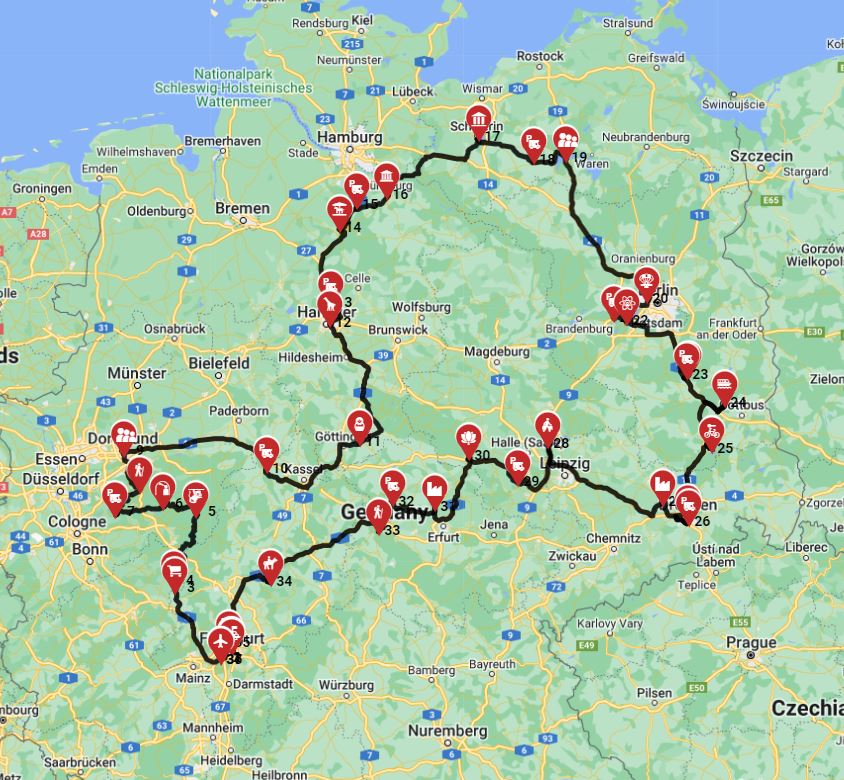
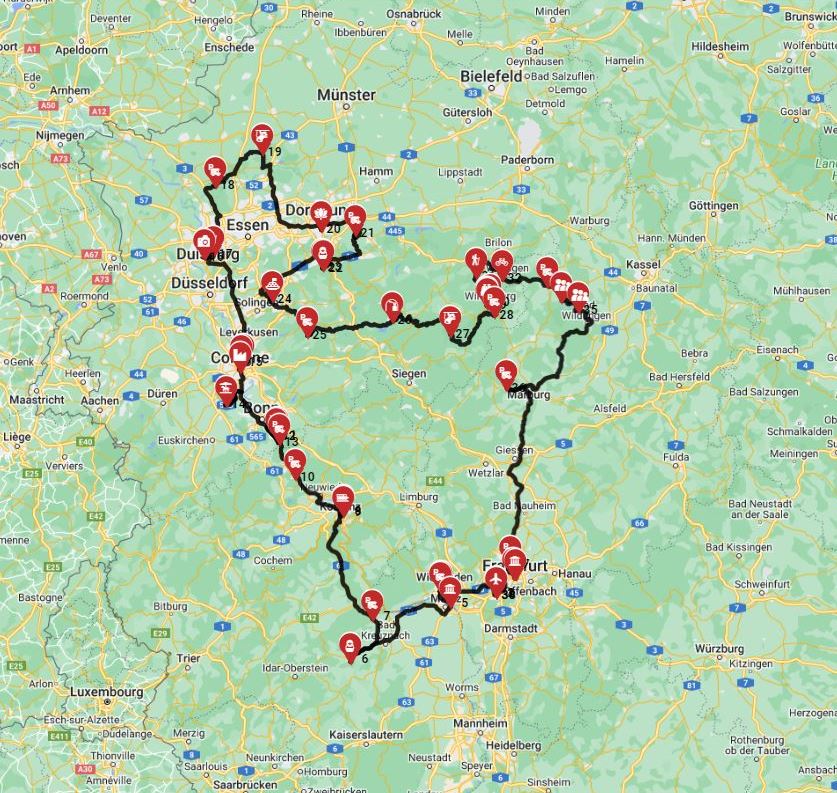
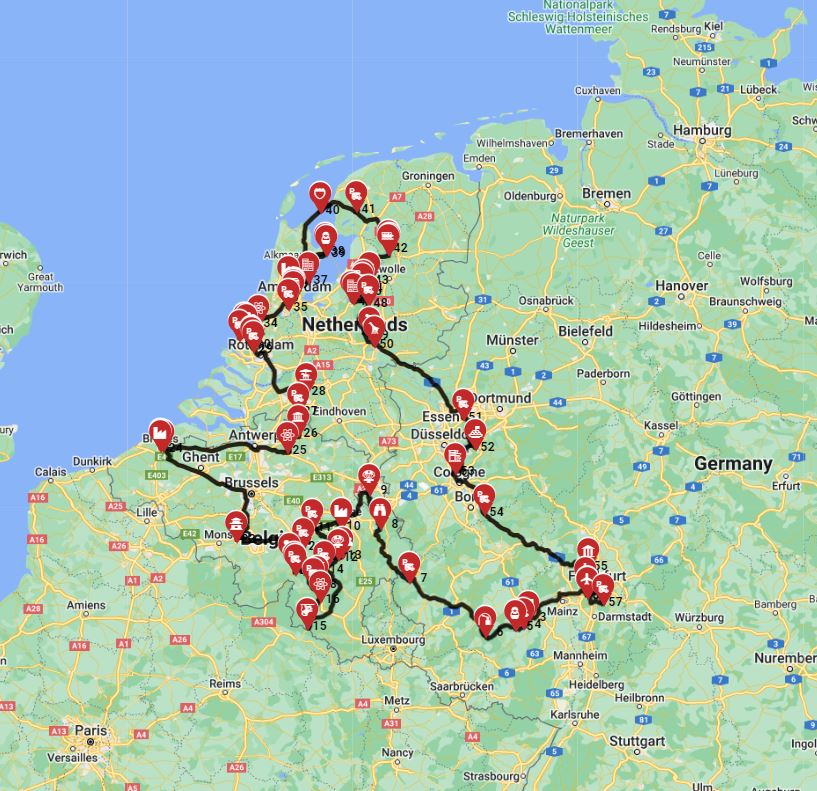
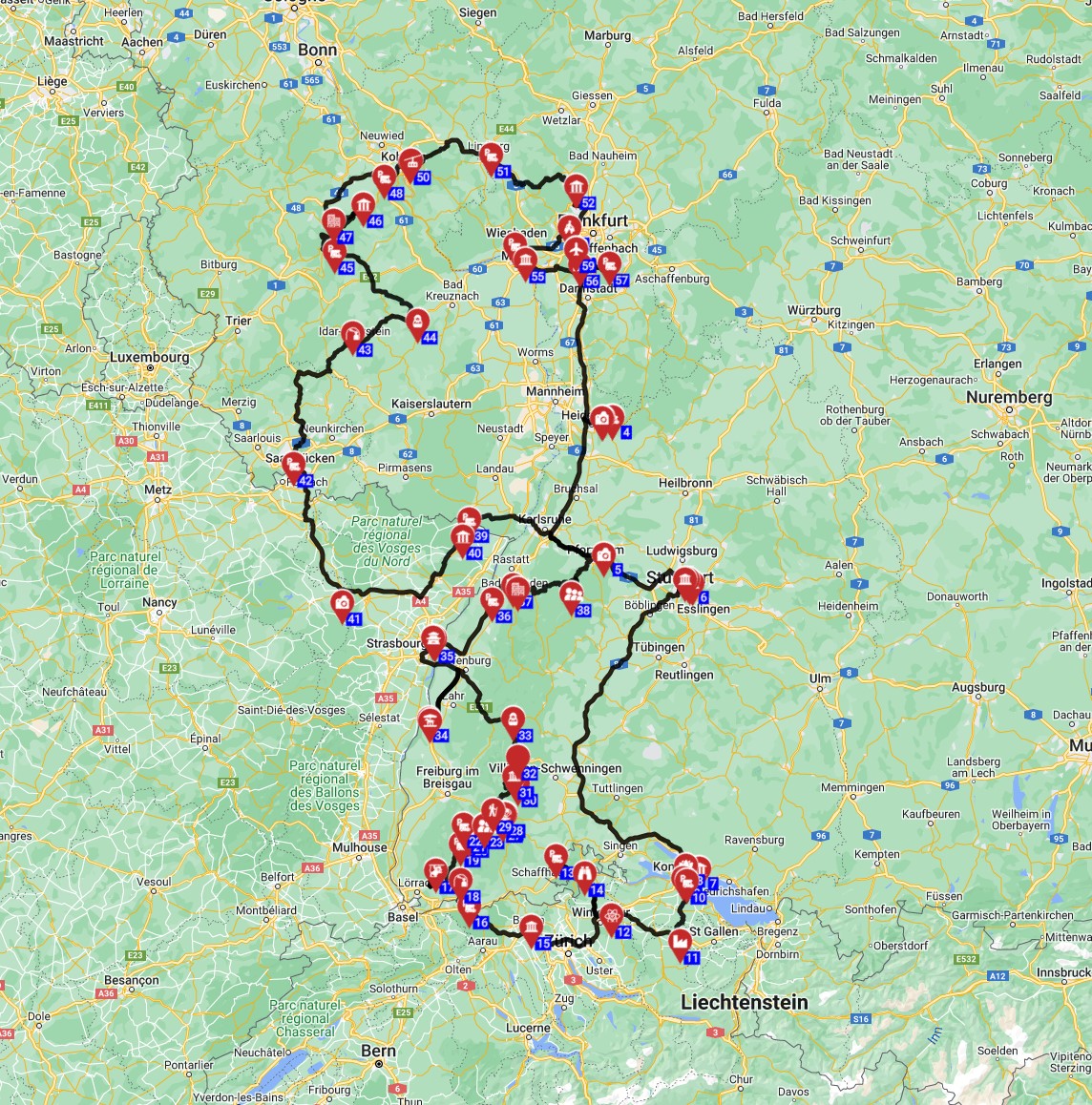
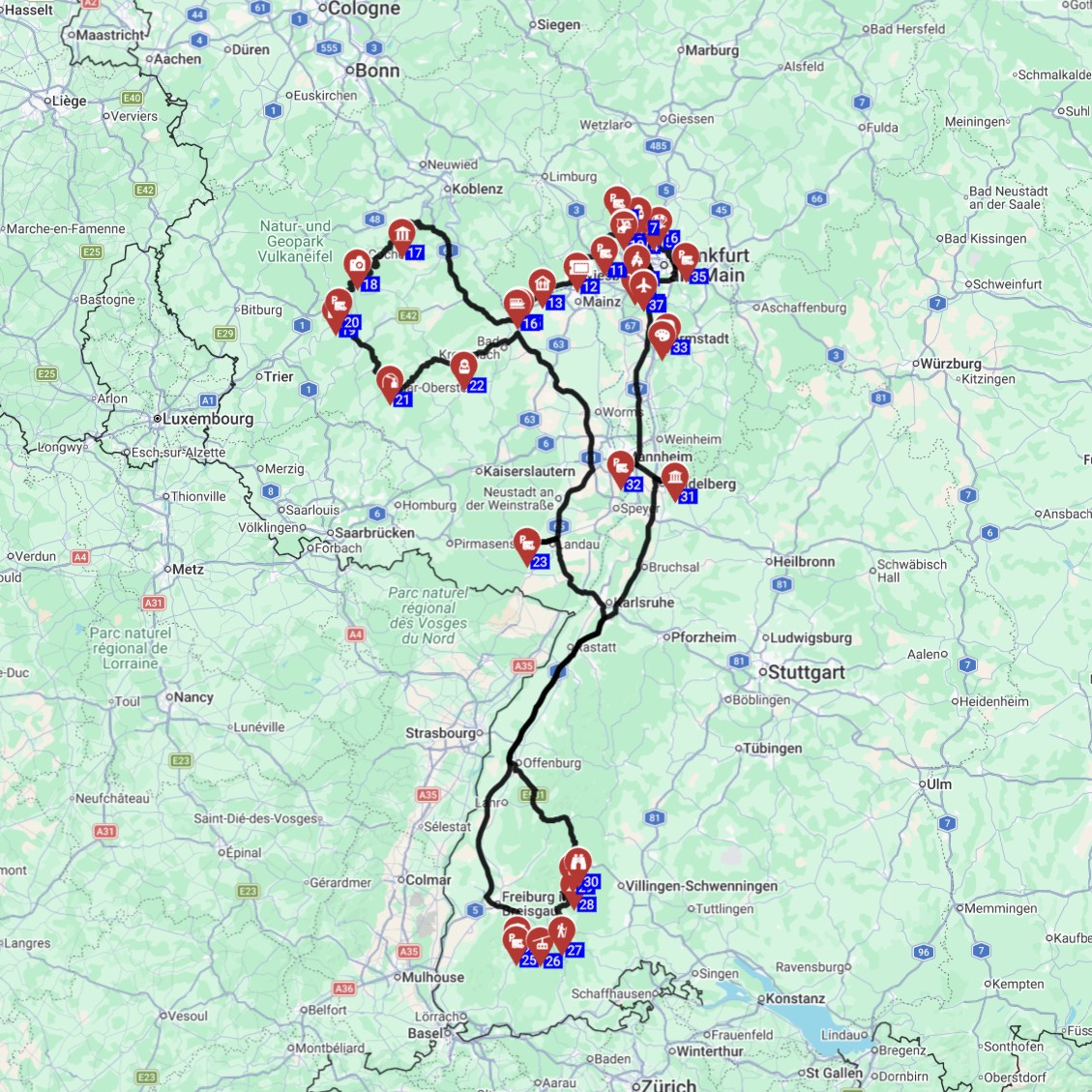
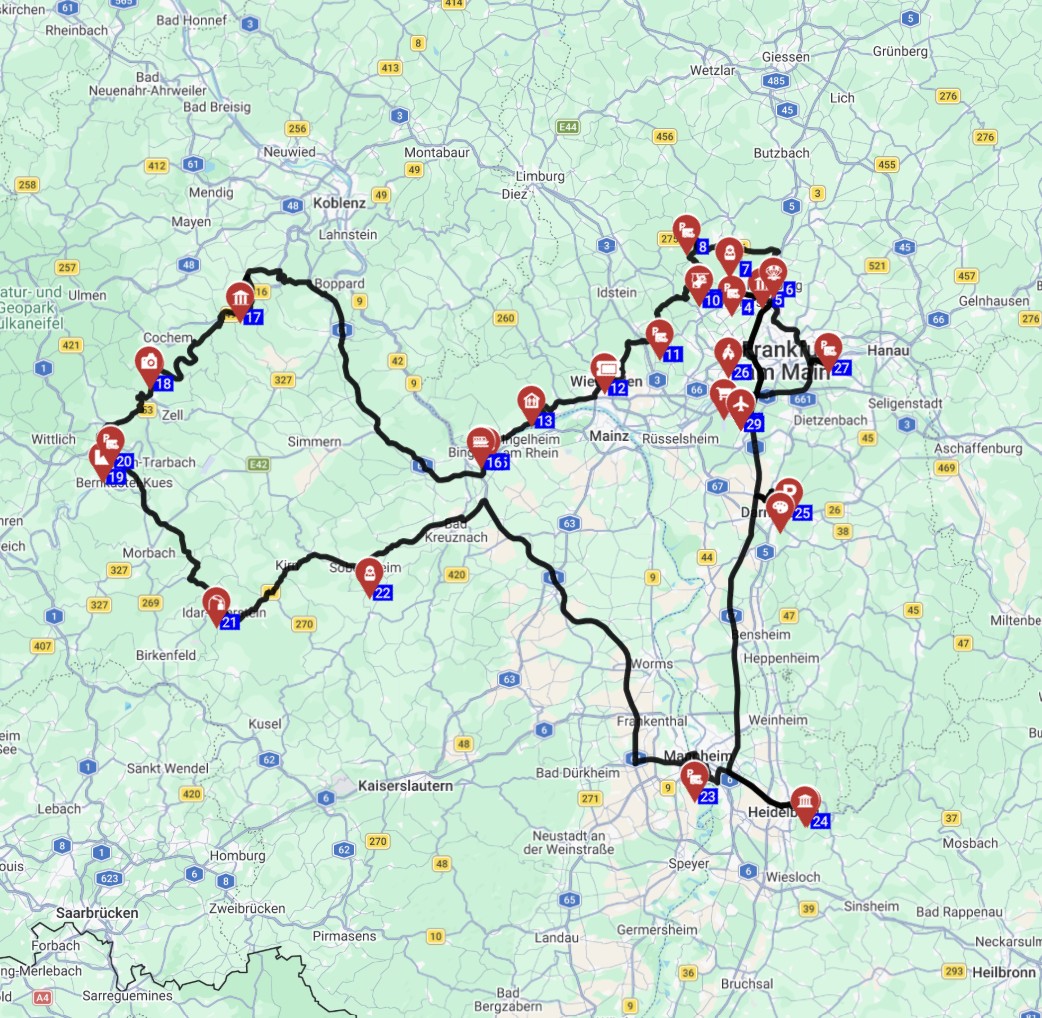
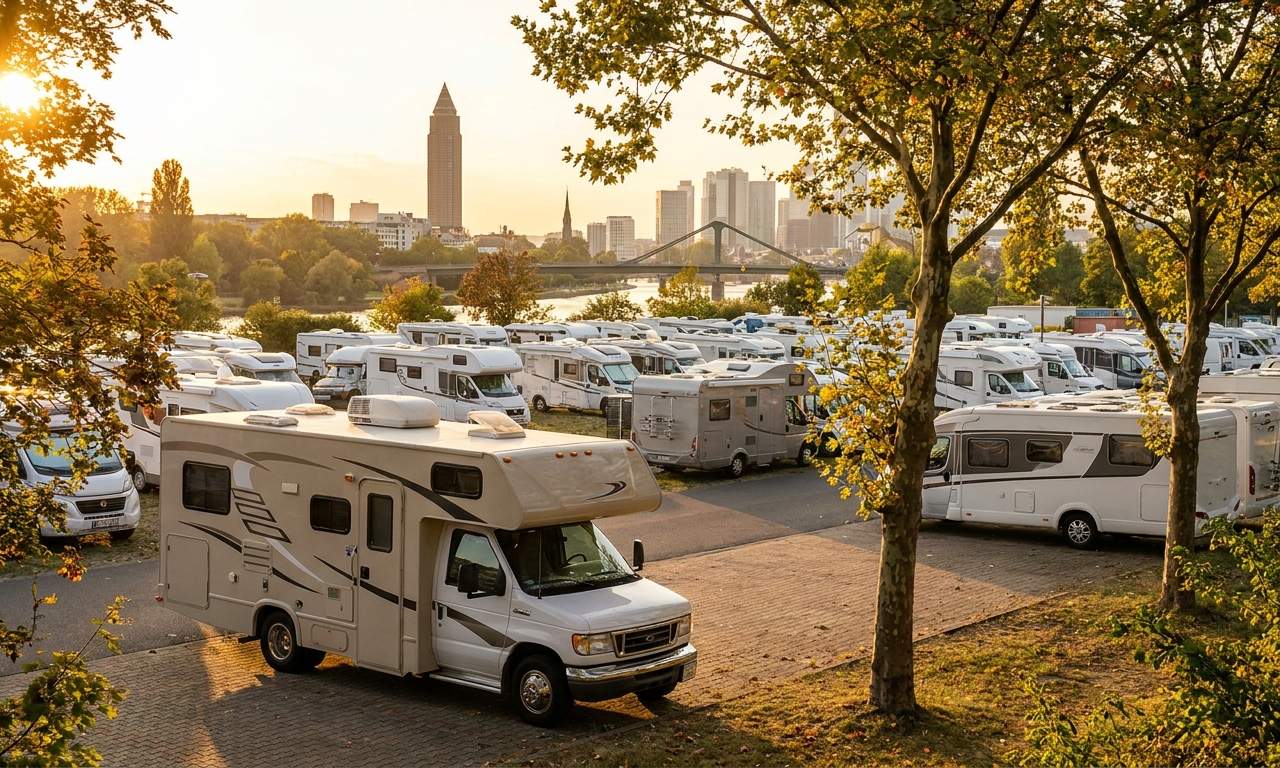
In Frankfurt and across Germany, wild camping or free overnight parking outside of designated areas is generally illegal and subject to fines, strictly enforced to protect natural areas and maintain public order. Overnight stays are permitted in designated Stellplätze (motorhome parking areas), official campsites like KNAUS Campingpark Frankfurt, or on private property with the owner's explicit permission. While a single night's rest to restore driving fitness might be tolerated in a regular parking spot, setting up camp (e.g., putting out chairs, awnings, or cooking facilities) is strictly prohibited. Rules vary by region and municipality, so always check local regulations and follow local law before parking overnight to avoid penalties and ensure a smooth trip. We encourage planning your overnight stops in advance, just like with our "Frankfurt motorhome 3 weeks full route plan" from RV PLANET.Can you sleep anywhere in a campervan in Germany?
No, you cannot sleep anywhere in a campervan in Germany; wild camping or free overnight parking is generally prohibited outside of designated sites, and fines can be issued for non-compliance. Germany has strict rules against wild camping, but allows overnight stops in regular parking areas for the sole purpose of restoring driver fitness, provided no camping behavior (such as extending awnings or setting out chairs) is displayed. For legitimate and comfortable overnight stays, you must use official campsites or Stellplätze (motorhome parking areas), which are widely available across the country and offer essential services. Always refer to the 'Can I Park Anywhere? Free & Wild Camping Rules in Frankfurt' section for detailed guidance on overnight parking and local regulations to ensure a worry-free experience with your rented campervan.Can I Drive an RV Into the City Center? Heights, Tunnels & Local Signage
Yes, you can generally drive an RV into Frankfurt's city center, but careful attention to local signage is crucial due to narrow streets and pedestrian zones. Be highly aware of the Umweltzone (environmental zone) in central Frankfurt, ensuring your rented RV has the necessary green sticker (Grüne Plakette) to avoid fines of €80-€100. Pay close attention to height restrictions (Höhe) for tunnels and underpasses, like those along the Main River, as well as weight limits (Gewicht) on certain bridges or older city roads in the Altstadt area. Look out for signs indicating 'residents only' (Anlieger frei) or restricted access zones, especially in older, narrower parts of the city, to avoid unexpected detours or penalties. Drive slowly and carefully, and you can drive almost anywhere without issues. No need to stress - just use common sense and pay attention.How much does it normally cost to insure an RV?
When renting an RV in Frankfurt, Germany, the cost of insurance is typically included in your rental fee, covering basic liability and usually a deductible for comprehensive damage, ensuring you have foundational protection. Standard RV rental insurance in Germany usually includes third-party liability (Haftpflichtversicherung) and often a collision damage waiver (CDW) with a deductible, which can range from €1,500 to €3,000 depending on the vehicle class and supplier. The actual cost of insuring a privately owned RV in Germany varies widely based on vehicle type, driver's history, coverage limits, and deductible, usually ranging from a few hundred to over a thousand Euros annually. Many renters opt for additional coverage, such as a deductible reduction or travel insurance, to minimize out-of-pocket expenses in case of an incident, and Bandana offers top-level deductible reimbursement as an optional upgrade for extra peace of mind.What does German liability insurance cover?
German liability insurance (Haftpflichtversicherung) for vehicles is mandatory for all drivers in Germany and covers damages caused to third parties (persons or property) by your rented RV. It protects against financial claims resulting from accidents where you are at fault, covering medical expenses for injured parties and repair costs for damaged vehicles or property up to legally mandated limits. This essential coverage ensures that victims of an accident caused by your RV are compensated, preventing you from incurring potentially massive personal liability. It does not cover damages to your own rental RV; for that, you'll need collision damage waiver (CDW) or comprehensive insurance, typically included with a deductible in your Bandana rental package.Which insurance company is best in Germany?
Determining the 'best' insurance company in Germany is subjective and depends heavily on individual needs, RV type, and budget, but for rental RVs, your Bandana provider ensures robust coverage. For rental RVs, your provider will include mandatory insurance as part of the rental package, often with options for additional coverage, simplifying your choice and ensuring compliance. Popular German insurance providers known for vehicle insurance include HUK-Coburg, Allianz, ADAC, and Axa, among others, each offering various plans for private vehicle ownership. The 'best' choice for private RV ownership would involve comparing quotes, coverage details, customer service reviews, and specific benefits offered by various insurers, though for rentals, Bandana handles these partnerships directly with 50+ leading RV suppliers worldwide.What is the best RV insurance?
The best RV insurance for your rented motorhome trip to Frankfurt (and Germany) is typically a comprehensive package that covers third-party liability, collision damage, and offers a manageable deductible. When renting, ensure your rental agreement includes a Collision Damage Waiver (CDW) or similar comprehensive coverage, and consider opting for deductible reduction insurance for enhanced peace of mind, especially with Bandana's optional top-level deductible reimbursement. The 'best' insurance prioritizes extensive coverage for unforeseen events, provides roadside assistance, and ideally offers coverage for personal belongings, which might require a separate travel insurance policy. Always review the rental company's insurance terms thoroughly and consider travel insurance policies that might supplement your RV rental coverage for a truly worry-free journey.What You Shouldn't Miss
Frankfurt is a city of contrasts, blending historical charm with modern dynamism, and a rented motorhome gives you the flexibility to experience it all.- **Explore the Römerberg**: Wander through Frankfurt's historic Altstadt (Old Town), marvel at the Römer city hall, and enjoy traditional German architecture.
- **Stroll Along the Main River**: Take a leisurely walk or bike ride along the Main River, crossing the Eiserner Steg (Iron Footbridge) for iconic skyline views. The area near Frankfurt's central station, Hauptbahnhof, is a great starting point.
- **Visit the Palmengarten**: Discover one of Germany's largest botanical gardens, a serene oasis perfect for a relaxing afternoon, located north-west of the city center.
- **Indulge in Local Cuisine**: Sample Frankfurt's culinary delights like Handkäse mit Musik (a local cheese dish) or the famous Frankfurter Würstchen, often found in traditional restaurants in Sachsenhausen.
- **Discover the Black Forest**: Take your rented mobile home on an extended road trip south of Frankfurt for a two-week adventure into the Black Forest, known for its dense evergreen forests, picturesque villages, and cuckoo clocks. This region boasts hundreds of kilometers of scenic routes and numerous welcoming campsites.
- **Explore Medieval Towns**: Drive out to nearby medieval towns like Heidelberg or Rothenburg ob der Tauber (part of the Romantic Road), offering a glimpse into Germany's rich history, accessible within a 1-2 hour drive from Frankfurt.
Final Thoughts
Exploring Frankfurt and the incredible German landscape in a rented RV is an adventure waiting to happen. With the right preparation and a spirit of discovery, you'll find that navigating this vibrant city and its surrounding regions is a breeze. Remember to embrace the local culture, savor the delicious food, and immerse yourself in the stunning scenery, whether you're touring historic sites or finding a serene spot by the Main River. At Bandana RV, we're dedicated to making your journey as smooth and enjoyable as possible. From our transparent pricing to our expert advice, we're here to support you before, during, and after your booking. So, pack your bags, set your sights on Germany, and get ready for an unforgettable motorhome experience. Life is now - let's make your Frankfurt RV dream a reality! Find Motorhome Rentals in FrankfurtOn the routes offered through RV PLANET routes, you can itemize and track every expense along the way for easy budgeting.