In This Guide
Can You Drive an RV in Croatia? License & Age Rules
Yes, driving an RV in Croatia is straightforward with the correct documentation and adherence to local regulations. Most standard driving licenses from EU/EEA countries are valid for RV rentals. If you are an international traveler from a non-EU/EEA country, it is highly recommended to carry an International Driving Permit (IDP) in addition to your national driver's license, as this can expedite any potential roadside checks.
A standard B category car license is sufficient for driving most RVs in Croatia, specifically those with a Gross Vehicle Weight (GVW) of up to 3,500 kg (approximately 7,700 lbs). This covers many campervans and smaller motorhomes. For larger RVs that exceed this weight limit, a C1 or C category license is typically required. Always verify the specific GVW of the rented RV and ensure your license permits you to operate it.
Regarding age, the minimum driving age in Croatia is 18. However, RV rental companies usually have their own age restrictions. Most commonly, you'll need to be at least 21 years old to rent an RV, with many suppliers also requiring drivers to be at least 25 years old, especially for larger motorhome classes. A minimum of two years of driving experience with a valid license is also a standard requirement across most rental providers.
Road Conditions & Terrain in Croatia
Croatia offers a diverse range of road conditions and terrain, from smooth, modern highways to picturesque, winding coastal routes and more challenging island roads. Embracing a slower pace is key to fully enjoying the journey.
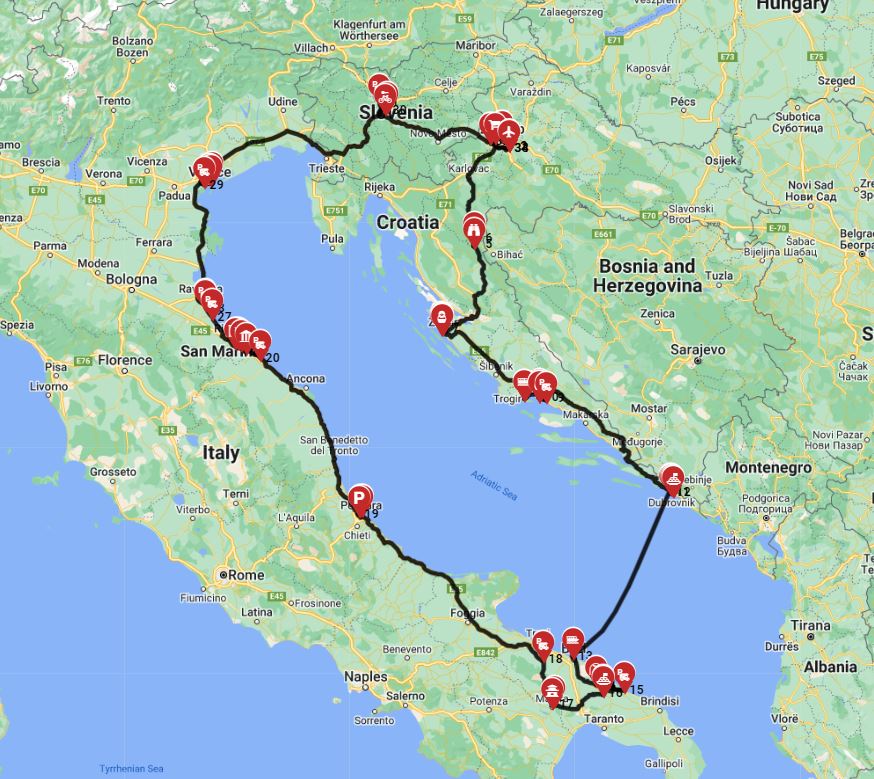
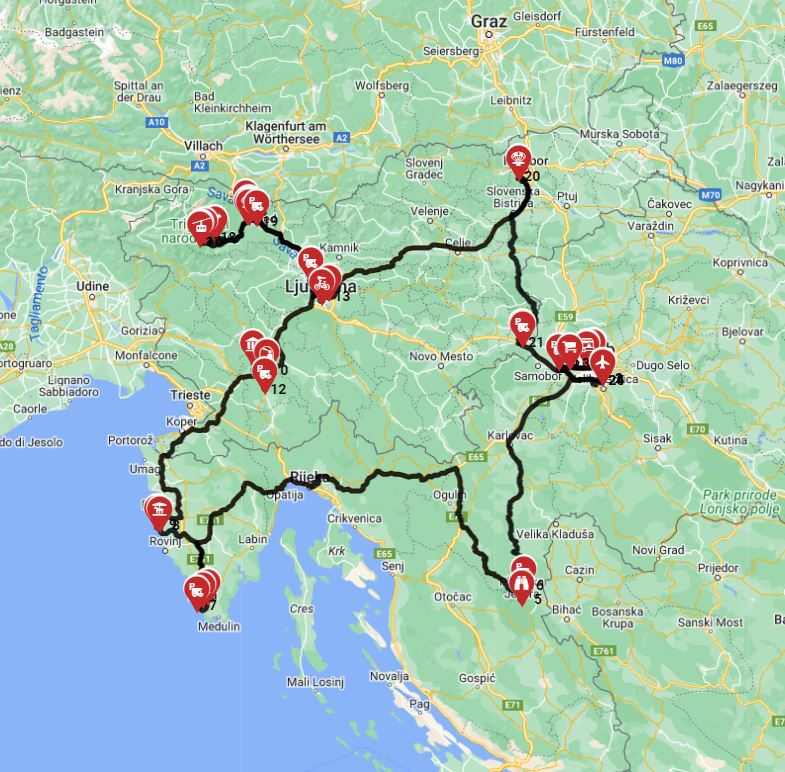
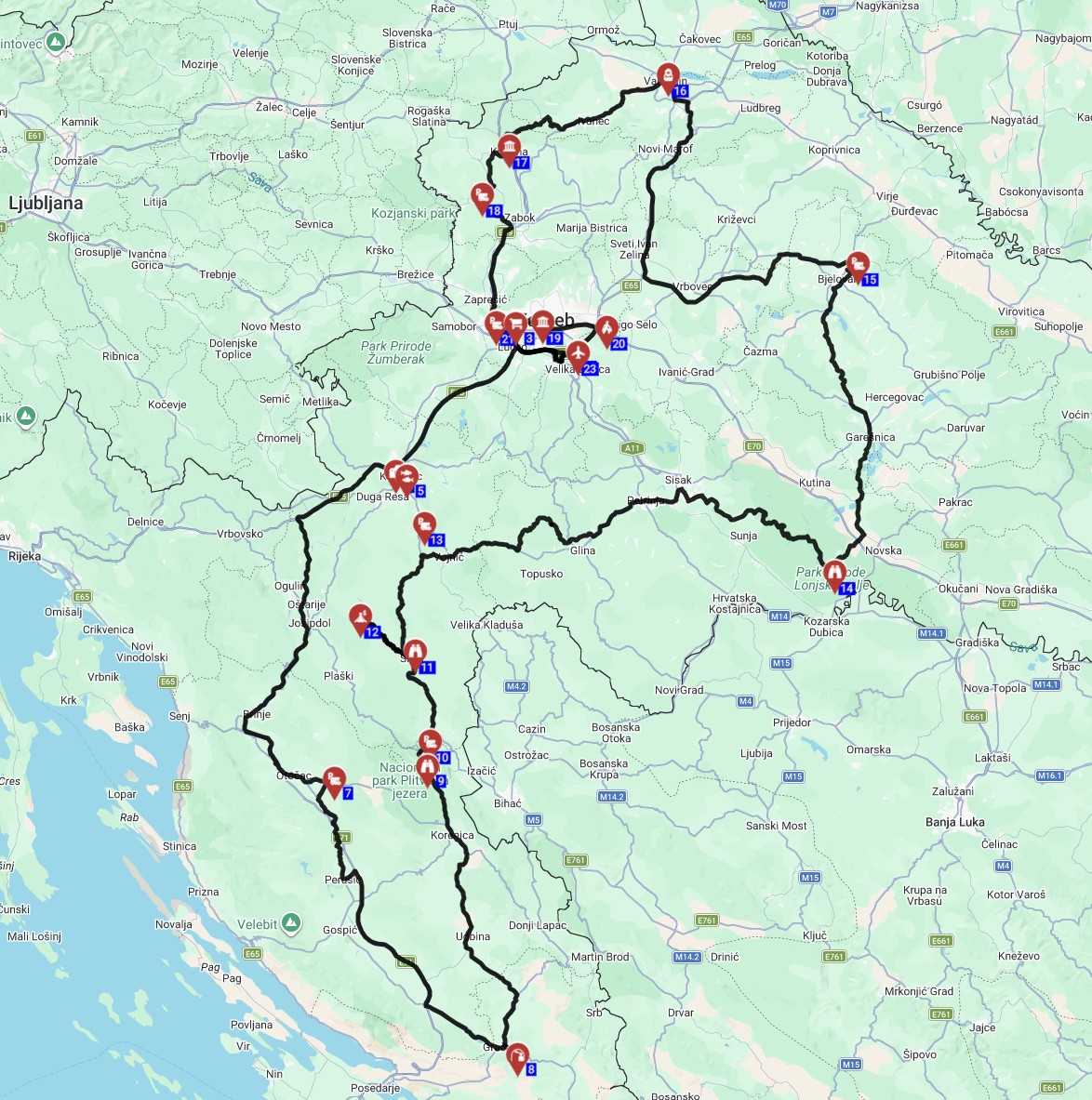
The country boasts an excellent network of modern, well-maintained highways known as 'autoceste' (A-roads). These are ideal for efficient long-distance travel between major cities and along the coast, though they do incur tolls. The famous Adriatic coastal road (D8, or Jadranska magistrala) is incredibly scenic, offering breathtaking views but is characterized by numerous winding sections, blind corners, and significant inclines and declines. RV drivers should exercise caution and maintain a slower pace here. On the routes offered through RV PLANET routes, you can itemize and track every expense along the way for easy budgeting.
Inland and island roads can be narrower and less maintained, sometimes featuring gravel sections. Navigating these requires extra attention. Mountainous regions, such as Velebit or Biokovo, present challenging passes with switchbacks, making slow and steady driving essential for RVs. Always be mindful of your RV's dimensions and your surroundings, especially when encountering oncoming traffic on narrow routes.
RV Size Limits, Bridges & Restricted Zones
While Croatia is generally accommodating to RVs, it's crucial for drivers to be aware of potential size restrictions, particularly in historic town centers, on older bridges, and on some smaller ferry routes.
Standard road dimensions across Croatia typically accommodate most RVs. However, drivers should always be vigilant for road signs indicating height (usually in meters, e.g., '3.5m') or weight (in tons) limits for bridges, tunnels, and narrow passages. These are more common in older urban areas or regions with historic infrastructure.
When planning island-hopping adventures, be aware that some smaller ferry services, especially to less-developed islands, may have specific length, height, or weight limitations for vehicles. It's advisable to check these restrictions with the ferry company in advance, as pricing is often calculated based on these dimensions.
Regarding urban environmental zones (low emission zones), Croatia has not widely implemented these restrictions like some Western European countries. However, regulations can change, so it's always prudent to check local city ordinances or signage before entering major city centers with your RV.
Fuel: Diesel vs. Petrol & Cost per 100 km
Most RVs available for rent in Croatia operate on diesel fuel, which is readily available across the country. Budgeting for fuel is a key part of your trip planning.
Diesel ('dizel' or 'Eurodiesel') is the standard fuel for RVs in Croatia and can be found at numerous service stations. Petrol ('benzin'), specifically Eurosuper 95 or 98, is for gasoline engines and must not be used in diesel-powered RVs. Always double-check the fuel type required for your specific rental model.
Based on Bandana's fleet averages, you can expect varying fuel consumption depending on the RV class. Typically, a Class SI - Semi-integrated RV consumes around 10-11 Liters/100 km, while a larger Class C - Alcove RV might use 10-12 Liters/100 km. More compact Class B - Camper Vans generally average 8-10 Liters/100 km, with larger Class A - Integrated RVs and Class TC - Truck Campers consuming 8-11 Liters/100 km and 12-17 Liters/100 km, respectively.
The cost per 100 km will fluctuate with current fuel prices. As a general estimate, budget approximately €15-€25 per 100 km for fuel for most RVs. Some Bandana RV rentals may include fuel discount cards, which can help mitigate these expenses. Planning your routes to be fuel-efficient and refuelling in more populated areas is always a good practice, especially when heading to more remote regions or islands.
Tolls, Vignettes & Border Rules
Croatia primarily uses a barrier toll system for its motorways, meaning you pay directly for the distance traveled rather than needing a vignette sticker.
When using Croatian motorways ('autoceste'), you will encounter toll booths where payment is required. Tolls are calculated based on the distance covered and the vehicle's category. RVs in Croatia generally fall into Category II (vehicles over 1.9 meters in height with a maximum of 3 axles) or potentially higher categories if they exceed these dimensions, which means the toll fees will be greater than those for standard cars.
Payment at toll booths can be made using cash (Croatian Kuna - HRK, or Euros, with change typically given in HRK), major credit/debit cards, or by using an electronic toll collection (ETC) device. For frequent highway users, an ENC (Electronic Toll Collection) device can offer convenience and potential discounts.
When crossing into neighboring countries such as Slovenia, Bosnia & Herzegovina, or Montenegro, ensure all occupants have valid passports. The RV's registration documents and a Green Card (proof of international motor insurance) are also essential border crossing requirements.
Driving Tips for rv rental Travelers
RV travel in Croatia is about embracing the journey, not just the destination. A few key driving tips will help ensure a smooth and enjoyable adventure.
Embrace a Slower Pace: Croatia's beauty is best savored slowly. Travel no more than 100-150 km (60-90 miles) per day on average to truly connect with the landscapes and culture. This also makes navigating winding roads much easier and safer.
Coastal Caution: The D8 coastal highway is famously scenic but often narrow and winding. Drive slowly and carefully, especially around blind corners and through tunnels. Be extra mindful during peak season when traffic is heavier.
City Access and Parking: While you can drive an RV into most city centers, finding suitable and affordable parking can be extremely challenging, particularly in historic cores like Dubrovnik or Split. Consider parking your RV at designated lots on the city outskirts and using public transport, ride-sharing services, or walking to explore the city center.
Ferry Planning: If your itinerary includes visiting Croatia's stunning islands, pre-booking ferry tickets is highly recommended, especially during peak season. Larger RVs, in particular, may have limited space on ferries, and booking ahead ensures your spot.
Fuel and Services: While fuel stations are common along major routes, plan your refills in more remote areas or on islands where availability might be less frequent. This includes planning for LPG (Autogas) if your RV uses it for heating or cooking. For ideas you can prep on the road, watch our RV-friendly recipes playlist on YouTube.
Recommended RV Class for Croatia Roads
Choosing the right RV class is crucial for navigating Croatia's diverse roads comfortably and safely. For most travelers, a Class B Camper Van or a Class SI Semi-integrated RV offers the best balance of maneuverability, comfort, and amenities.
A **Class B - Camper Van** (averaging 5.8 meters in length in Bandana's fleet) is an excellent choice for Croatia's narrower roads, historic towns, and parking challenges. These are highly agile and can easily handle island routes and mountain passes. They typically cater well to couples or small families of up to 3 travelers.
The **Class SI - Semi-integrated** RVs, averaging 6.9 meters in Bandana's fleet, provide a great compromise, offering more living space and amenities than a camper van while remaining manageable on most Croatian roads. They are ideal for travelers seeking more comfort, often sleeping 3-4 people, making them suitable for families or longer journeys.
While larger **Class C - Alcove** (average 7.5 meters) and **Class A - Integrated** (average 7.5 meters) RVs offer superior space and comfort, sleeping 4-6 people with dedicated sleeping areas and larger kitchens, their size can present more challenges on very narrow coastal roads or in popular, densely packed tourist areas. These are best suited for travelers prioritizing maximum living space and who are comfortable driving larger vehicles.
Should I Choose a Compact Van Instead of a Large RV in Croatia?
The decision between a compact camper van and a larger RV in Croatia hinges on your travel priorities: prioritizing ease of navigation versus maximizing comfort and living space.
A **compact camper van**, like a Class B model (averaging 5.8m length in Bandana's fleet), undeniably excels in navigating tight historic city centers and very narrow coastal or mountain roads. Parking is significantly easier, and they are often more fuel-efficient, making them a top pick for those who plan extensive urban exploration or frequent island hopping on less accessible islands.
However, larger RVs like **Class SI - Semi-integrated** (average 6.9m) and **Class C - Alcove** (average 7.5m) models offer considerably more indoor space, dedicated sleeping areas, larger kitchens, and full bathrooms, significantly enhancing comfort for families or longer journeys. These provide a more home-like experience and are generally easier to manage on Croatia's main highways and well-maintained routes.
Ultimately, if your trip focuses heavily on exploring smaller towns and tightly packed historic sites, a compact van might be preferable. However, for a more comfortable and amenity-rich experience on longer trips or journeys that include scenic highway driving, the added space and convenience of a larger RV often outweigh the minor maneuverability challenges on main routes.
Can I Park Anywhere? Free & Wild Camping Rules in Croatia
When it comes to parking your rented RV in Croatia, it's important to know that free camping and wild camping are generally illegal and strictly enforced.
Wild camping, defined as parking or sleeping overnight outside of designated campsites or legal overnight parking areas, is prohibited throughout Croatia. This includes national parks, nature parks, beaches, and private land without explicit permission from the owner. Authorities, including police and park rangers, actively patrol these areas, and violations can result in substantial fines, which are often higher in protected natural areas.
RVers are required to utilize Croatia's extensive network of official, licensed campsites and motorhome parks. These facilities provide essential amenities such as fresh water, electricity hookups, and designated waste disposal (grey and black water) stations, ensuring responsible and legal overnight stays.
Some towns offer designated overnight parking spots specifically for camper vans, which may come with a small fee. Utilizing apps like Park4Night can be helpful in identifying these legal parking locations. It is always recommended to adhere strictly to local regulations, respect environmental protection laws, and ensure your chosen parking spot does not inconvenience local communities or private property.
Can I Drive an RV Into the City Center? Heights, Tunnels & Local Signage
While technically possible in some instances, driving an RV into most Croatian city centers is often challenging due to narrow streets, pedestrian zones, and limited, costly parking. Careful attention to local signage is paramount.
Access roads leading into cities are generally suitable for RVs. However, historic city cores, particularly in popular coastal towns like Dubrovnik, Split, Zadar, or Rovinj, often feature extremely narrow streets that are unsuitable or even prohibited for larger vehicles. Be vigilant for local signage indicating restricted zones, pedestrian-only areas, and residential access restrictions.
Pay close attention to all road signs, especially those indicating height restrictions for tunnels or underpasses and weight limits for bridges. These are critical for RV safety. Parking within city centers is typically difficult and expensive. It is highly recommended to seek out designated RV parking areas or larger vehicle parking lots, often located on the outskirts of cities. From there, utilize public transport, taxis, or simply enjoy a walk to explore the urban heart.
How much does an RV trip in Croatia cost?
The total cost of an RV trip in Croatia can vary significantly based on your travel style, duration, and the RV class chosen, but typically ranges from €800 to €2000+ per week for a family.
RV Rental Costs: Expect rental fees to range from €500 to €1500+ per week. Prices are heavily influenced by the RV class (e.g., a compact Class B Camper Van will be more affordable than a larger Class A Integrated RV), the season (peak summer months are most expensive), and the rental duration. Booking further in advance can often secure better rates.
Fuel Expenses: With Bandana's fleet averaging 8-17 L/100 km, a weekly fuel budget of €150-€300+ is realistic, depending on your itinerary and current diesel prices. A Class B Camper Van will generally be more fuel-efficient than a larger Class C or A motorhome.
Tolls: If you plan to primarily use Croatia's excellent motorway network, budget around €50-€100+ for tolls per week. Remember that RVs are often charged in higher toll categories than standard cars.
Ferry Costs: For island adventures, ferry costs for an RV can add up, ranging from €30-€100+ per crossing, depending on vehicle dimensions and the specific route. These prices are significantly higher than for cars.
Campsite Fees: Expect to pay between €30-€80+ per night for a campsite pitch with hookups for an RV and two adults. Prices can increase in popular coastal areas and during peak season. For finding campsites and campgrounds during your trip, check out RV PLANET — a great tool for locating available spots along your route.
National Park Entry Fees: Factor in €10-€40 per person for entry into popular national parks like Plitvice Lakes or Krka National Park, with prices varying by season and specific park attractions.
Food & Activities: Budgeting €30-€60+ per day for groceries is recommended if you plan to self-cater, as local markets offer excellent value. Dining out frequently will increase this daily expense.
What are the RV-specific practicalities for driving in Croatia?
Navigating Croatia in an RV involves several practical considerations, from managing narrow roads to locating essential services and understanding local customs.
Navigating Narrow Roads: Be prepared for narrow and winding roads, especially along the coast and on many islands. Drive cautiously, anticipate oncoming traffic, and be patient, as slower travel speeds are often necessary. A compact RV, like a Class B Camper Van, offers greater ease in these situations.
Parking Challenges: Finding suitable RV parking in popular towns like Dubrovnik, Split, or Hvar can be difficult and expensive. Look for designated large vehicle parking areas outside the historic centers, or utilize campsite parking with good public transport links. Advance research for specific cities is beneficial.
Water & Dump Stations: Official campsites are the primary locations for fresh water refills and grey/black water dump stations. It's wise to plan your route to ensure regular access to these facilities, as roadside options are limited. Some larger petrol stations might offer basic services.
LPG Refill Points: LPG (Autogas) for heating and cooking is available at many larger petrol stations throughout Croatia. However, not all stations stock it, so it's advisable to plan your refills in advance, using apps or maps to locate suitable stations, especially before venturing into remote areas.
Vehicle Checks: Before and during your trip, perform basic checks such as tire pressure and fluid levels. Carry essential tools and always be aware of your RV's dimensions to avoid low bridges or tight spots.
What are the best navigation apps and connectivity options for RV travel in Croatia?
To ensure smooth navigation and stay connected, utilizing dedicated RV apps and local SIM cards is highly recommended for your Croatian RV adventure.
RV-Specific Navigation Apps: Apps like Sygic RV, CoPilot RV, or PTV Navigator are invaluable. They allow you to input your RV's specific dimensions (height, length, weight) to plan routes that avoid unsuitable roads, such as low bridges, narrow lanes, or weight-restricted areas. This feature is essential for stress-free RV travel.
Offline Maps: Mobile signal can be inconsistent in some remote areas or on certain islands. Supplement your GPS navigation with offline map capabilities from Google Maps or Maps.me to ensure you always have access to navigation data, even without a data connection.
Local SIM Cards: For reliable internet access and calls, purchasing a local Croatian SIM card from providers like A1, Hrvatski Telekom, or Telemach upon arrival is a cost-effective solution. Ensure your mobile phone is unlocked before your trip to use a local SIM.
Portable Wi-Fi Hotspots: If you need consistent connectivity across multiple devices, consider renting a portable Wi-Fi device. Some campsites also offer Wi-Fi, but the quality, speed, and reliability can vary significantly, so don't rely on it solely.
Is RV travel in Croatia safe? Tips for security and parking.
RV travel in Croatia is generally considered very safe, with a low crime rate. However, employing common-sense security measures and choosing secure parking areas is always advisable.
Croatia is a welcoming and safe destination for tourists, including those traveling by RV. Petty theft is rare but can occur, particularly in crowded tourist areas. Always be vigilant and trust your intuition regarding the safety of a particular location or parking spot.
RV Security: Always lock all doors and windows when leaving your RV unattended, even for short periods, and certainly overnight. Keep valuables out of sight, ideally stored securely within the vehicle. Utilize any alarm systems provided with your rental.
Safe Overnight Parking: Prioritize staying in official, licensed campsites or designated motorhome parks. These locations often have security measures such as fences, surveillance cameras, or on-site staff. When parking in towns for day visits, opt for well-lit, populated areas or paid parking lots over isolated, unmonitored spots.
When is the best time to visit Croatia in an RV?
The shoulder seasons of late spring (May-June) and early autumn (September-October) are generally considered the best times to visit Croatia in an RV, offering a sweet spot of pleasant weather, fewer crowds, and more affordable rates.
Peak Season (July-August): This period provides hot, sunny weather perfect for enjoying the Adriatic coast and swimming. However, it also brings significant crowds at popular attractions, higher prices for RV rentals and campsites, and increased traffic, especially on coastal roads and ferry routes. Pre-booking everything well in advance is essential.
Late Spring (May-June): Experience warm, comfortable temperatures ideal for sightseeing and outdoor activities. Landscapes are often in full bloom, and you'll encounter fewer tourists. Rental and campsite prices are more moderate, and most facilities and attractions are fully operational with comprehensive ferry schedules.
Early Autumn (September-October): This season continues the trend of pleasant, warm weather, with calm seas perfect for swimming and exploration. Crowds thin out considerably after the summer rush, and you'll find better value on rentals and accommodations. Be aware that weather can become more unpredictable in October, with a higher chance of rain.
Off-Season (November-April): While offering the lowest prices and solitude, this period is generally characterized by cooler weather, numerous campsite closures, and limited tourist services. It's best suited for experienced RVers seeking quiet and willing to adapt to potentially limited amenities.
Where can I find unique, RV-accessible experiences in Croatia?
An RV in Croatia unlocks the freedom to discover unique, authentic experiences beyond the usual tourist trails, leading you to hidden villages, local farm stays, and less-visited natural parks.
Inland Istria: Explore picturesque hilltop towns like Motovun, Grožnjan, or Hum. These charming villages often have RV-friendly parking just outside their ancient walls, offering delightful truffle tasting, local wines, and panoramic views – a perfect day trip from the coast.
Dalmatian Hinterland: Venture inland to discover gems like Imotski, with its stunning Blue and Red Lakes, or explore the Cetina River region for activities like rafting and kayaking. These areas often provide easier RV access and less crowded natural beauty.
Agroturizam (Farm Stays): Seek out local farm stays (agroturizam) that welcome RVs. These offer an authentic taste of Croatian life, with opportunities to sample local produce, wines, and home-cooked meals. Istria and parts of Dalmatia are particularly rich in these experiences.
Lesser-Known Nature Parks: Beyond the famous Plitvice Lakes and Krka National Park, explore parks like Papuk (Slavonia), Risnjak (Gorski Kotar), or Telašćica (Dugi Otok island). These offer stunning natural beauty with fewer crowds and often more accessible RV parking.
Secluded Beaches & Coves: Use your RV to find less crowded coastal spots and hidden coves along the Adriatic. Park legally in designated areas and enjoy your own private slice of the sea.
Local Festivals: Immerse yourself in authentic Croatian culture by attending local village festivals, fishing fiestas, or wine harvest celebrations. Your RV provides the flexibility to reach these unique events and experience local life firsthand.
What You Shouldn't Miss
- Trace the stunning Dalmatian coast via RV, stopping in historic cities like Dubrovnik, Split, and Zadar. Allow ample time to explore each city's unique charm and ancient architecture.
- Venture inland to discover the surreal, moon-like landscapes of Pag Island, famous for its unique cheese and wind-sculpted terrain – a truly different RV driving experience.
- Explore the Istrian peninsula's charming hilltop towns, such as Motovun and Grožnjan, enjoying wine tasting and local delicacies, potentially even finding RV-friendly farm stays along the way.
- Visit the breathtaking Plitvice Lakes National Park, a UNESCO World Heritage site with stunning cascading lakes and waterfalls, though be prepared for designated walking paths and potential RV parking on the outskirts.
- Take advantage of Croatia's extensive ferry network to island-hop, perhaps visiting Hvar for its lavender fields and vibrant nightlife, or Brač for its iconic Zlatni Rat beach.
- Journey into the lesser-known natural parks like Krka National Park for its beautiful waterfalls, or Telašćica Nature Park on Dugi Otok island for dramatic cliffs and a serene saltwater lake, often offering more accessible RV parking than their more famous counterparts.
Final Thoughts
Croatia offers an unparalleled RV adventure, blending stunning coastlines, rich history, and diverse landscapes. By understanding the practicalities of driving an RV in the country, from licensing and road conditions to tolls and fuel, you can ensure a smooth and memorable journey.
Remember to prioritize safety, respect local regulations regarding wild camping, and embrace the slower pace of travel that RVing allows. With Bandana Caravan's commitment to transparency and support, your Croatian road trip is set to be an unforgettable exploration.
Get inspired for your next trip! Discover top destinations, planning tips, and more – all in one place. Plan a trip itinerary in advance with minimal effort and maximum enjoyment.