In This Guide
- Can You Drive an RV in Austria? License & Age Rules
- Road Conditions & Terrain in Austria
- RV Size Limits, Bridges & Restricted Zones
- Fuel: Diesel vs. Petrol & Cost per 100 km
- Tolls, Vignettes & Border Rules
- Driving Tips for RV Rental Travelers
- Recommended RV Class for Austria Roads
- Should I Choose a Compact Van Instead of a Large RV in Austria?
- Can I Park Anywhere? Free & Wild Camping Rules in Austria
- Can I Drive an RV Into the City Center? Heights, Tunnels & Local Signage
- How Much Does an RV Rental Trip to Austria Cost?
- What is the Best Time to Rent an RV in Austria?
- What Activities Can I Combine with an Austrian RV Trip?
- How Can I Experience Authentic Austrian Culture by RV?
- Is Austria RV Friendly for Families, Pets, or Solo Travelers?
- Navigating Austrian Mountain Roads with an RV: What to Know?
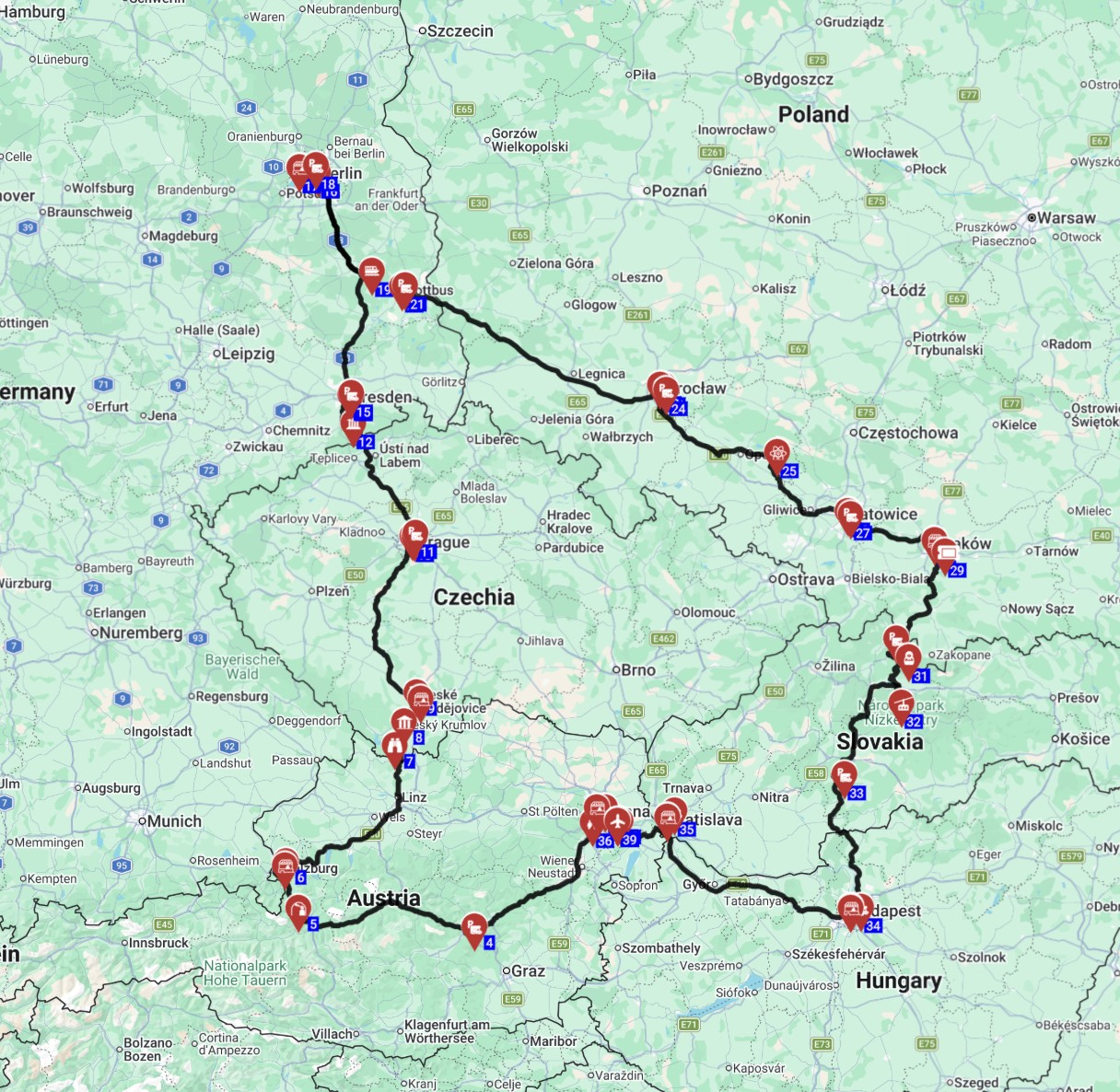
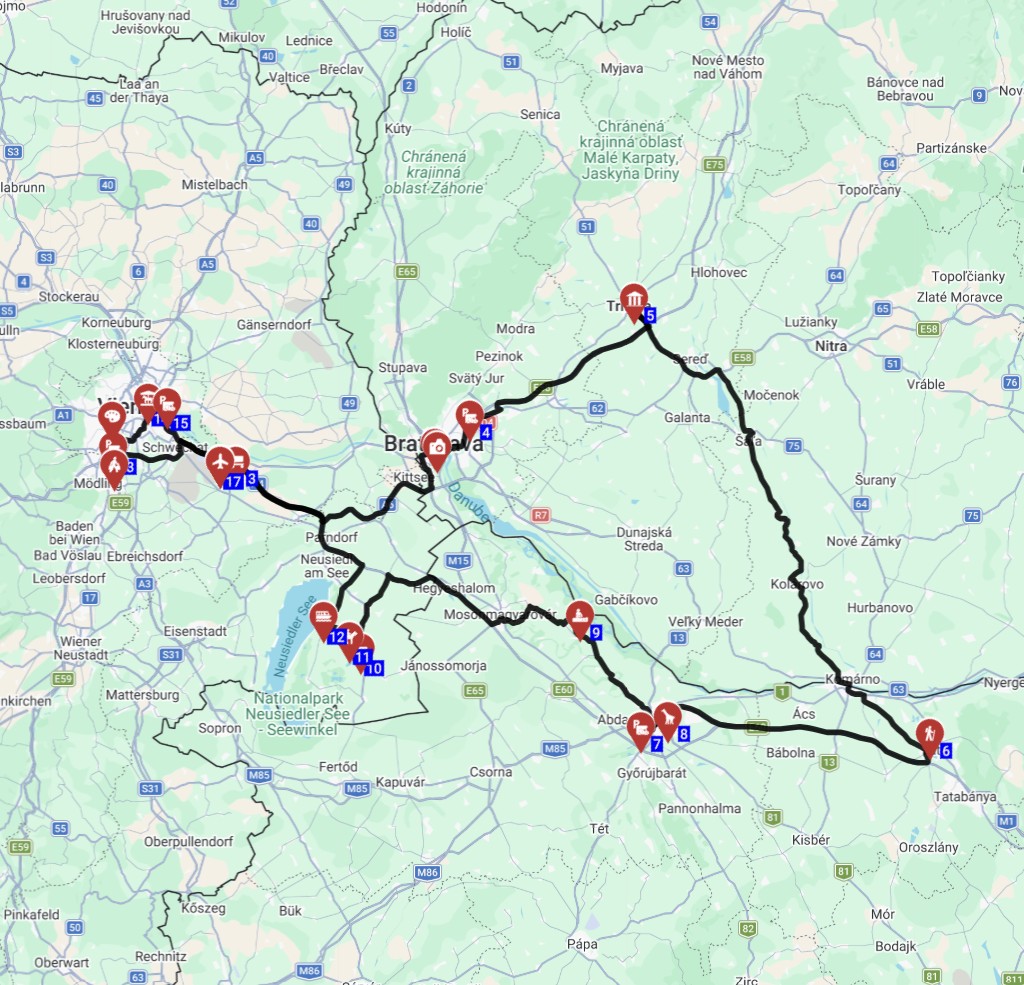
- Can I Combine an Austrian RV Trip with Neighboring Countries?
- What Emergency Preparedness Do I Need for an Austrian RV Trip?
- How Can I Travel Sustainably by RV in Austria?
Imagine waking up to the crisp alpine air, the majestic peaks of the Alps painting your panoramic window, or the gentle lapping of a clear blue lake just steps from your temporary home. This is the magic of exploring Austria with a rented motorhome or campervan. Austria, with its stunning landscapes, charming villages, and well-maintained infrastructure, is an incredibly inviting destination for RV travelers. It offers a blend of thrilling alpine adventures and rich cultural experiences, all made accessible by the freedom of your own mobile home.
Whether you're a seasoned RVer or planning your first week-long trip, understanding the local regulations and practicalities is key to a smooth journey. For live availability and current prices, start with our RV Rental Austria - Complete Guide 2026 guide. We're here to provide you with all the essential information, ensuring your Austrian RV adventure is nothing short of spectacular.
Can You Drive an RV in Austria? License & Age Rules
Yes, you can absolutely drive a rented RV in Austria, and for most standard recreational vehicles, a conventional car driver's license (Category B) is perfectly sufficient. This license covers motorhomes with a Gross Vehicle Weight (GVW) of up to 3,500 kg (3.5 tons), which includes popular campervan models like the "Combi Van" and many Class SI - Semi-integrated RVs. If your chosen motorhome exceeds 3,500 kg GVW, typically larger Class A or some Class C models, you would need a Category C1 or C license, although these are less common for rental fleets. The minimum driver age for most RV rentals in Austria is 21 years, and Bandana Caravan proudly offers options without young driver surcharges or vehicle class restrictions based on age. Foreign drivers from EU/EEA countries can use their national license, while non-EU/EEA drivers are strongly advised to carry an International Driving Permit (IDP) in conjunction with their valid national license to ensure compliance with Austrian law and rental insurance requirements.
Road Conditions & Terrain in Austria
Austria boasts an exceptional road infrastructure, ensuring a smooth travel experience for RV enthusiasts across its varied terrain. You'll find a network of impeccably maintained highways (Autobahnen) for efficient long-distance travel, federal roads (Bundesstraßen) connecting towns, and incredibly scenic alpine routes that weave through breathtaking mountain ranges. The terrain dramatically shifts from the flat plains in the east, perfect for leisurely drives, to the dramatic, winding mountain passes of the Alps, which require careful driving and a keen awareness of your vehicle's size. For example, navigating a larger RV, such as a "Glamys 40" Class C, through a series of switchbacks demands attention. If you're traveling in winter, conditions can become challenging with snow and ice common in mountainous regions, making winter tires and carrying snow chains essential (and often legally mandatory from November 1 to April 15, as stated in Austrian law). We always recommend embracing slow, scenic driving, averaging no more than 100-150 km per day, especially on mountain roads, to fully appreciate the stunning landscapes and ensure a safe and enjoyable journey. This mindful approach allows you to truly feel the place, connect to the culture, the food, and the scenery.
RV Size Limits, Bridges & Restricted Zones
Austria does not impose overarching maximum RV length restrictions for general road use, offering considerable flexibility for your choice of rented motorhome or campervan. However, it's crucial to pay close attention to clearly signposted local restrictions on specific tunnels, bridges, and particularly narrow mountain passes, which may have height, width, or weight limits. For instance, some historic village roads might restrict vehicles over a certain width, while older underpasses often have explicit height warnings. Austria also features environmental zones ('Umweltzonen') in some cities like Vienna, where older, more polluting vehicles might be restricted. Fortunately, most modern rental RVs provided by Bandana's partners are typically compliant with these zones. If you plan to travel internationally from Austria, checking specific ferry dimensions and weight allowances for international routes is recommended, though domestic Austrian ferry limits are generally not a concern. Drive slowly and carefully, and you can drive almost anywhere without issues. No need to stress - just use common sense and pay attention.
Fuel: Diesel vs. Petrol & Cost per 100 km
Most rental motorhomes and campervans in Austria, including Bandana's diverse fleet, operate on Diesel fuel, which is readily available at service stations throughout the country. For budgeting, a Class SI - Semi-integrated RV typically consumes 10–11 Liters/100 km, while a more compact Class B - Camper Van uses around 8-10 Liters/100 km, similar to a "Luxury RV Rental in Austria - Premium Prices 2026" category. Fuel costs in Austria, like anywhere, are dynamic and subject to daily fluctuations, but they are generally comparable to other Western European averages. A reasonable estimate for your budget would be approximately €15-€20 per 100 km for diesel, depending on the current market price and your specific vehicle's efficiency. Some RV rental agreements may include fuel discount cards or loyalty programs, which can provide valuable savings during your trip; it's always worth inquiring with your rental provider about such benefits. Remember that on RV PLANET routes, travelers can itemize and track every expense along the way for easy budgeting, which is incredibly helpful for managing fuel costs. On the routes offered through RV PLANET routes, you can itemize and track every expense along the way for easy budgeting.
Tolls, Vignettes & Border Rules
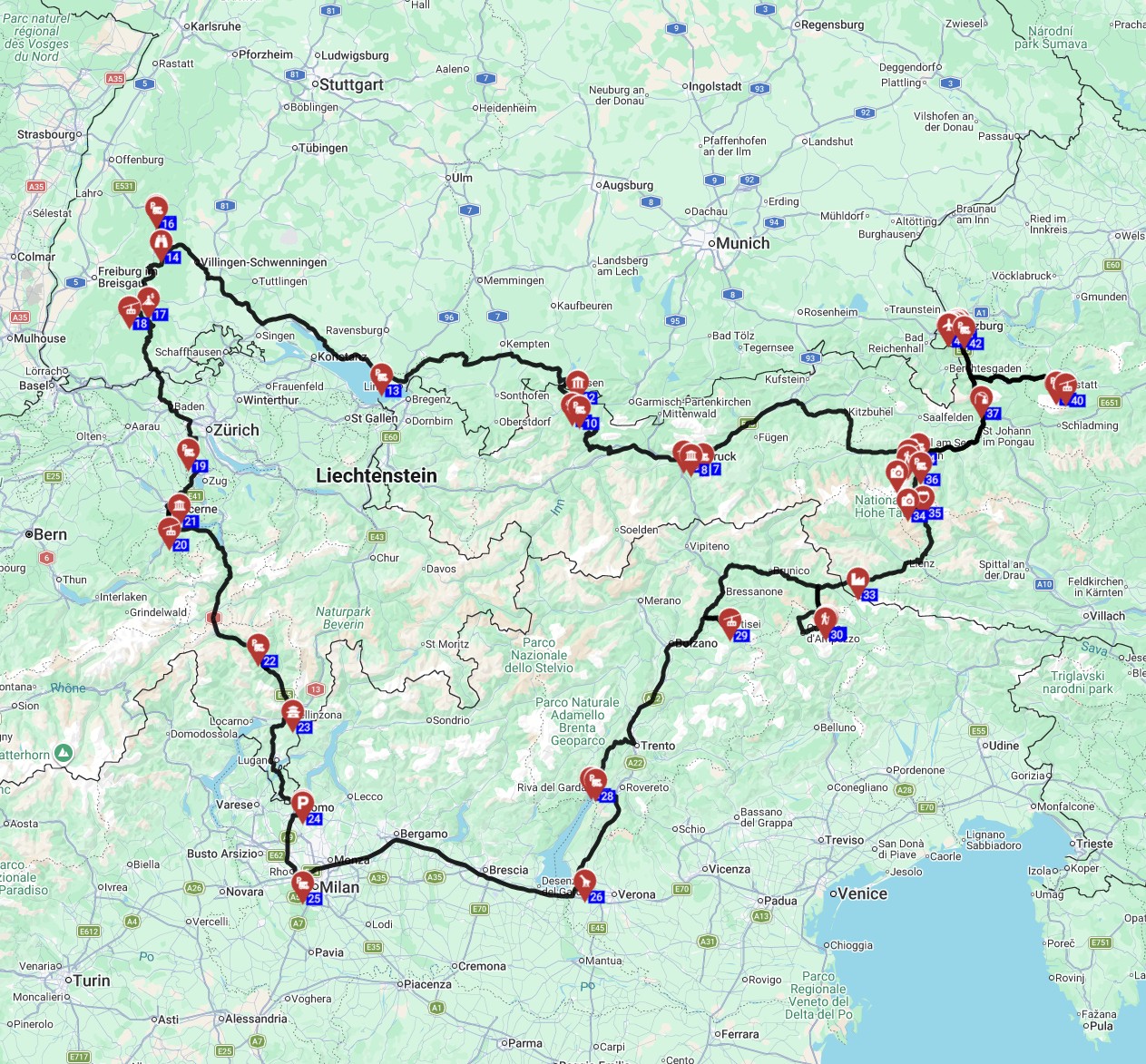
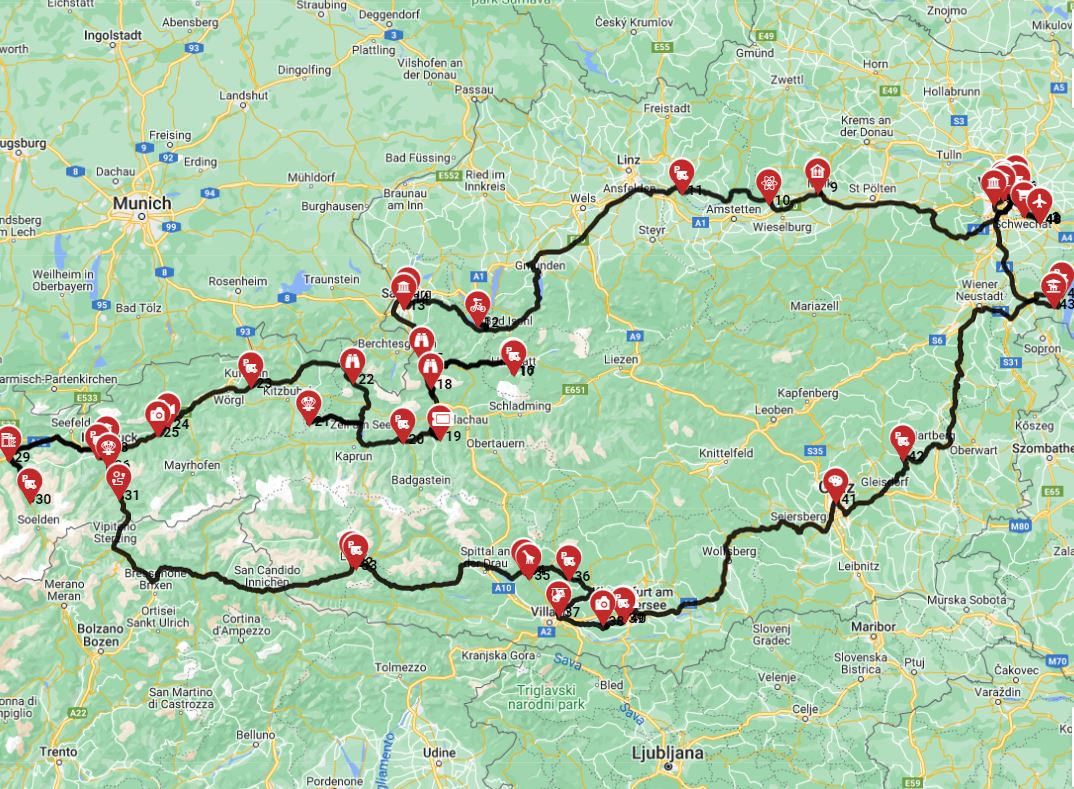
Driving on Austria's motorways (Autobahnen) and expressways (Schnellstraßen) requires a 'Vignette' for vehicles up to 3,500 kg GVW. This electronic toll sticker or digital pass can be purchased for various durations, with a 10-day digital vignette costing approximately €11.50 for standard passenger vehicles. You can easily buy them online or at gas stations near border crossings. RVs over 3,500 kg GVW, such as a large "MH-A" Class A motorhome, are required to use a GO-Box electronic toll system, which calculates tolls based on distance traveled, the number of axles, and the vehicle's emission class. Additionally, certain specific tunnels and spectacular mountain passes, like the Brenner Pass or the Tauern Tunnel, have separate, supplementary tolls that apply regardless of whether you have a vignette or GO-Box. When planning an extended European adventure, combining an Austrian RV trip with neighboring countries is popular. For example, our "Zurich Roundtrip - South - Austria Tirol, Italy, Switzerland" itinerary covers 1866.2 km over 22 days, crossing multiple borders. Be aware that each country has its own toll system: Germany has no passenger car tolls, while Italy uses a distance-based toll system on most motorways, and Switzerland requires its own vignette (a yearly pass). It's wise to clarify with your rental provider if your vehicle comes with pre-purchased passes or vignettes to avoid fines and streamline your border crossings.
Driving Tips for RV Rental Travelers
Driving an RV in Austria is an incredibly rewarding experience, especially with a few key tips in mind. First and foremost, take it slow and truly enjoy the view; Austria's roads are immensely scenic, particularly the alpine routes, so don't rush. Pull over safely at designated viewpoints for photo opportunities, as some views, like those along the Grossglockner High Alpine Road, are truly unparalleled. When mastering mountain driving, utilize lower gears on descents to engage engine braking, which prevents your brakes from overheating, and downshift on ascents for better control and power. Planning your stops is essential, especially for families; incorporate regular breaks every 2-3 hours at well-equipped rest stops or playgrounds. Familiarize yourself with Austrian road signage, paying particular attention to signs indicating vehicle restrictions, steep grades, or upcoming hazards. If you're traveling in colder months (November to April 15), ensure your rented RV has winter tires, and carry snow chains where legally required or recommended, as this is a mandatory 'Schneekettenpflicht' in many alpine areas. Most rental motorhomes, such as a "Category Medium AT" with automatic transmission, are well-equipped to handle these conditions. Remember, at Bandana Caravan, we encourage slow travel, recommending a maximum of 100-150 km per day on average, allowing you time to feel the place, connect to the culture, the food, and the scenery.
Recommended RV Class for Austria Roads
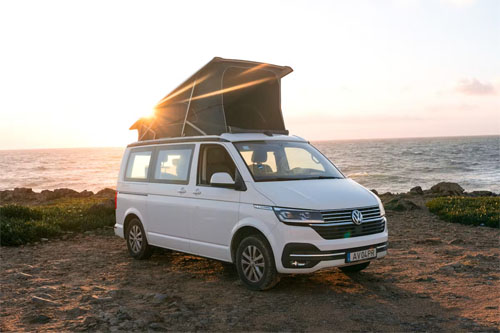
For a balanced experience of comfort and maneuverability on Austria's diverse roads, a Class SI - Semi-integrated RV is often highly recommended. These models, like the "2 Berth Tamar," average around 6.9 meters in length, providing ample living space for 3-4 adults and good load capacity (e.g., 72.2 kg for personal gear), while still being manageable on winding alpine routes and in charming, smaller village parking areas. Alternatively, a Class B - Camper Van, such as the "Active Classic," averaging 5.8 meters in length, is ideal for couples or solo adventurers seeking maximum agility in tight spaces and urban centers. Campervans offer nimble handling and easier parking, making them perfect for exploring historic towns like Salzburg or venturing onto narrower, less-traveled mountain roads with confidence. The choice ultimately depends on your group size and comfort preferences, but both semi-integrated motorhomes and campervans are excellent choices for an Austrian road trip.
Should I Choose a Compact Van Instead of a Large RV in Austria?
Choosing between a compact van and a larger RV for your Austrian adventure largely depends on your travel style and comfort priorities. While most RV sizes can comfortably navigate Austria's primary routes, opting for a compact van, such as a Class B - Camper Van like the "Juliette 2-3," is particularly beneficial for those prioritizing agility, easier parking in bustling towns, and accessing very narrow mountain roads. These vans provide a genuinely less stressful driving experience for less experienced drivers or those wishing to frequently explore historic city centers and remote alpine villages. However, if your priority is significantly more indoor living space, a full bathroom, and a separate dining area for extended stays or a family of four, a larger RV remains the better trade-off. For instance, a Class C - Alcove, averaging 7.5 meters in length, offers superior amenities without facing major restrictions on well-trafficked Austrian roads. Ultimately, Austria’s excellent infrastructure accommodates a range of vehicle sizes, so select the one that best matches your group's needs and desired level of onboard comfort.
Can I Park Anywhere? Free & Wild Camping Rules in Austria
In Austria, wild camping and freely standing overnight outside designated campsites or Stellplätze (motorhome parking areas) are generally prohibited by both federal and regional laws. Regulations vary significantly by state (Bundesland) and even by individual municipality, with some regions strictly enforcing bans to protect natural environments and ensure public safety. For example, areas in Tyrol or Salzburg often have stricter rules. Legal and widely available alternatives include official campsites, which offer comprehensive amenities like electricity hook-ups, fresh water, and waste disposal points, typically costing €25-€50 per night. Stellplätze, on the other hand, are dedicated motorhome parking areas that provide more basic services, often for a lower fee (€10-€25) or sometimes even free for a limited duration. You may also be permitted to park overnight on private land with explicit, prior permission from the landowner, but always confirm local rules before doing so. For finding campsites and campgrounds during your trip, we recommend using RV PLANET (rvplan.net) - a great resource for locating available spots along your route. Always check local regulations and follow local law before parking overnight.
Can I Drive an RV Into the City Center? Heights, Tunnels & Local Signage
Yes, you can generally drive a rented RV into most Austrian city centers, but exercising careful attention to local signage regarding vehicle dimensions and restrictions is absolutely crucial. When navigating cities like Vienna, Salzburg, or Innsbruck with a motorhome, be vigilant for explicit height limits on bridges, tunnel entrances, and especially parking garage clearances, which are often too low for RVs. Environmental zones ('Umweltzonen') exist in some urban areas, restricting older, higher-emission vehicles; ensure your rental RV meets compliance standards. Also, look out for signs indicating 'Anlieger frei' (residents only) or 'Durchfahrt verboten' (no thoroughfare) in historic or pedestrianized areas, which may apply to RVs. While driving through cities is usually possible, finding suitable and affordable parking for an RV in city centers can be quite challenging due to size constraints. A practical tip is to consider parking your RV on the outskirts of the city and utilizing Austria's efficient public transport system for easy access to urban attractions. Drive slowly and carefully, and you can drive almost anywhere without issues. No need to stress - just use common sense and pay attention.
How Much Does an RV Rental Trip to Austria Cost?
An RV rental trip to Austria involves several costs beyond the initial rental fee, which is important for accurate budgeting. Expect daily rental rates to vary significantly based on the RV class (e.g., a "Category Small" campervan vs. a larger "Comfort Family 6" alcove motorhome), the season (peak summer is pricier), and the duration of your trip. Prices can range from €80-€200+ per day. Fuel costs, based on Bandana's fleet averages, can be estimated at €15-€20 per 100 km for diesel, so factor this into your route planning. You'll also need to budget for Austrian vignettes (e.g., a 10-day digital vignette for vehicles under 3.5t costs approximately €11.50) and potential additional tolls for specific alpine routes or tunnels like the Grossglockner High Alpine Road, which can add €38 for a daily pass. Camping costs vary, ranging from €25-€50 per night for a standard pitch at a full-service campsite with amenities, while Stellplätze (basic motorhome parking) are typically cheaper, from €10-€25, or sometimes even free. Other ancillary costs include rental insurance upgrades (like a top-level deductible for peace of mind), groceries (for cooking fresh meals in your RV kitchen, check out our RV-friendly recipes playlist), and various activities or entrance fees. For example, a two-week trip for a family in a Class C motorhome might accumulate €1,120-€2,800 in rental fees, €300-€500 in fuel for a 1,500km journey, €50-€100 in tolls, and €350-€700 in camping fees, plus food and activities. Booking Flexible dates or traveling during off-peak seasons can significantly impact the final rental price.
What is the Best Time to Rent an RV in Austria?
The best time to rent an RV in Austria truly depends on your desired activities and your tolerance for crowds, with the shoulder seasons (spring and early autumn) often offering an ideal balance. Summer (June-August) is the peak season, providing the warmest weather for hiking, mountain biking, and lake activities, which makes it perfect for a "
What Activities Can I Combine with an Austrian RV Trip?
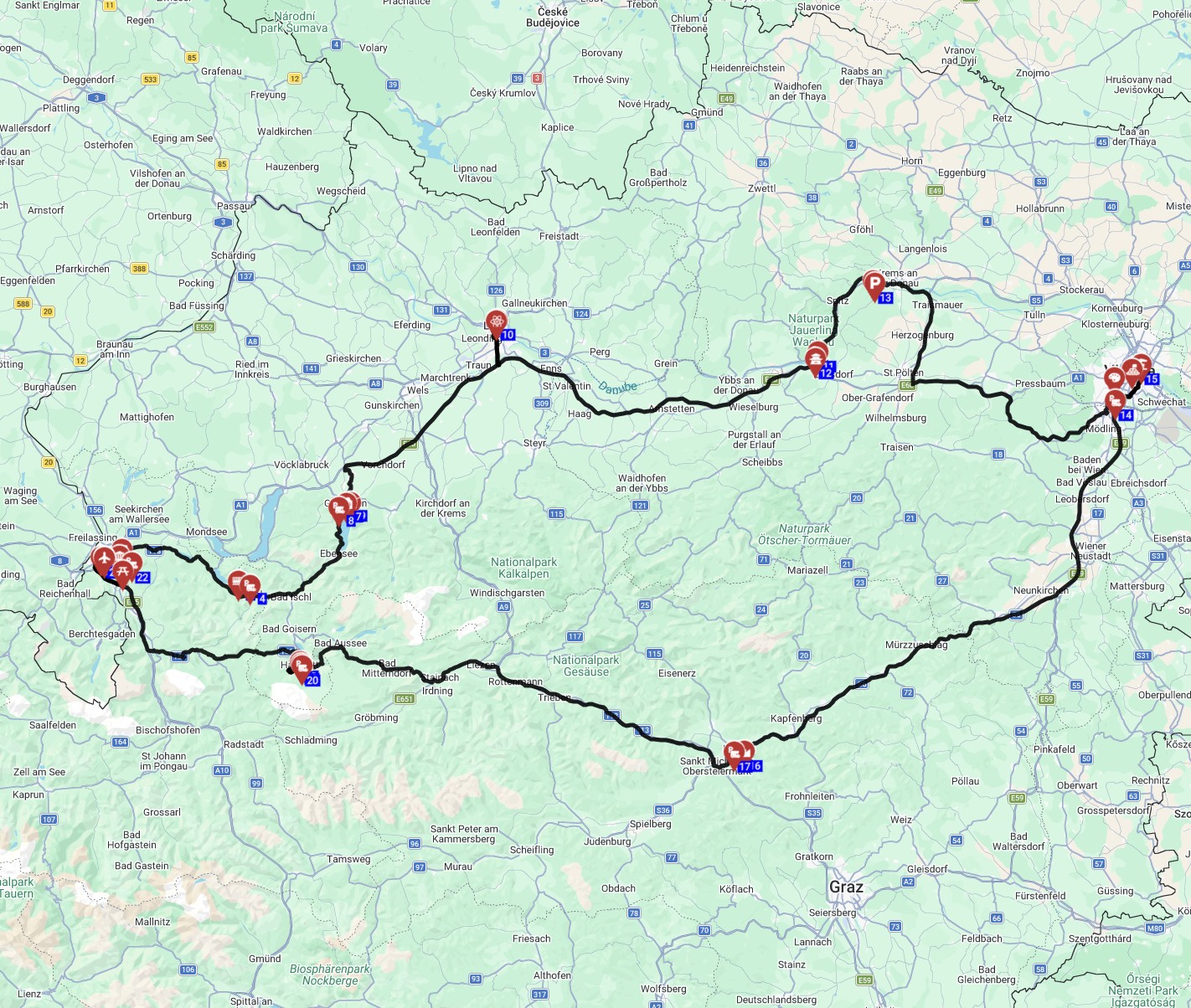
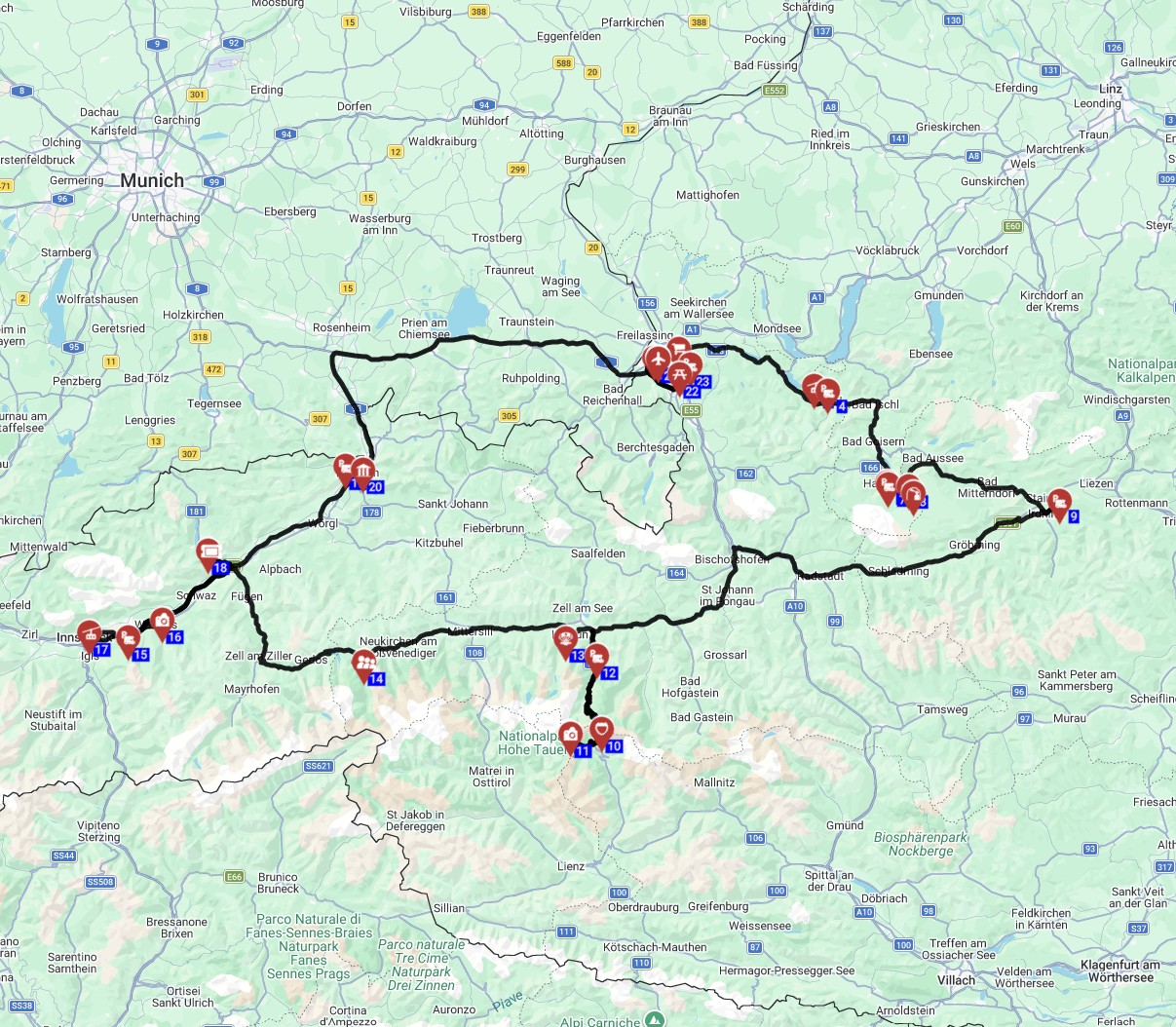
An Austrian RV trip offers incredible flexibility to combine diverse activities, from scenic hikes and mountain biking in the majestic Alps to refreshing water sports on crystal-clear lakes. For outdoor enthusiasts, a rented motorhome serves as a perfect mobile basecamp for accessing trailheads for hiking and mountain biking in regions like Tyrol or the Salzkammergut, with many campsites conveniently located near activity hubs, as seen in the "Munich Roundtrip - South West - Austria & Germany" itinerary, which includes 3 hiking areas and 5 Natural Features over 15 days. Winter RVing allows for direct access to renowned ski resorts, enabling you to park your "Happy 4x4" Class B Camper Van close to the slopes and enjoy skiing or snowboarding, though specific winter preparations are essential. You can easily combine your active pursuits with rich cultural exploration by visiting historic cities like Salzburg or Innsbruck, parking your RV on the outskirts and using efficient public transport for easy city access. For water lovers, enjoy paddleboarding or swimming on Austria's pristine lakes, such as Lake Wolfgang or Lake Wörthersee. Thrill-seekers can even seek out unique experiences like paragliding in the mountains, leveraging the freedom of your RV to reach different launch sites.
How Can I Experience Authentic Austrian Culture by RV?
To experience authentic Austrian culture with a rented RV, focus on exploring lesser-known regions, visiting bustling local markets, engaging with small village life, and savoring regional culinary specialties. Seek out traditional 'Heurigen' (wine taverns in eastern Austria) or 'Buschenschanken' (seasonal farmhouses offering local produce and homemade dishes) for genuine food and wine experiences that are often tucked away in picturesque countryside settings. Attending local festivals or weekly markets in smaller towns like Steyr or Graz is an excellent way to interact with residents and discover artisan crafts, regional produce, and traditional music. Your RV provides the flexibility to visit historic monasteries, ancient castles, or rural farms that are off the main tourist routes, offering a deeper glimpse into Austria's rich heritage. Don't hesitate to embrace spontaneous stops in charming villages; simply park legally and explore on foot to find hidden gems, local bakeries, and quaint cafes away from the major tourist attractions. Preparing meals in your RV kitchen with ingredients sourced from these local markets is also a fantastic way to immerse yourself in Austrian flavors.
Is Austria RV Friendly for Families, Pets, or Solo Travelers?
Austria is remarkably RV-friendly and caters exceptionally well to diverse travel styles, making it an ideal destination for families, pet owners, and solo adventurers alike. For families, numerous campsites across the country offer kid-friendly facilities, including playgrounds, swimming pools, and organized activities, ensuring entertainment for all ages. Many attractions throughout Austria are also suitable for children, providing a wealth of options for family fun. Traveling with pets is widely accepted, with many campsites and some attractions being pet-friendly; however, always ensure your furry companion has necessary vaccinations and a microchip for any potential border crossings if you plan a multi-country trip. Solo adventurers will find the freedom and flexibility of a rented RV, particularly a nimble Class B - Camper Van like the "Happy 1 EX AUTO," ideal for independent exploration, offering safety and the ability to change plans spontaneously. Regardless of your travel style, ensure your chosen RV class-for instance, a spacious "Benimar Sport 323" Class C Alcove for families or a compact "Category Urban Van AT" for solo travelers-matches your group's needs and comfort preferences for an enjoyable Austrian escape.
Navigating Austrian Mountain Roads with an RV: What to Know?
Navigating Austrian mountain roads with a rented RV requires careful planning and a keen understanding of specific driving techniques due to their winding nature, steep inclines, and occasional narrow sections. For larger motorhomes, such as a Class A - Integrated like the "Exclusive First" or a spacious Class C - Alcove (averaging 7.5 meters), it's crucial to utilize lower gears on descents to effectively engage engine braking and prevent your vehicle's brakes from overheating. Be prepared for numerous hairpin turns and switchbacks; practice taking wide turns and exercise extreme caution on blind corners, especially if driving a longer or wider vehicle. Always monitor road signs for specific vehicle restrictions, such as weight or length limits, which may apply to certain high alpine passes (like the Grossglockner) or tunnels. If you plan to frequently explore very narrow, less-traveled mountain routes or seek easier parking in small villages, considering a more nimble campervan (e.g., a "Class B - Camper Van," with its average length of 5.8 meters) can genuinely provide a less stressful driving experience. Our "Rent&Plan" service offers pre-planned routes by professionals, giving you confidence on any terrain.
Can I Combine an Austrian RV Trip with Neighboring Countries?
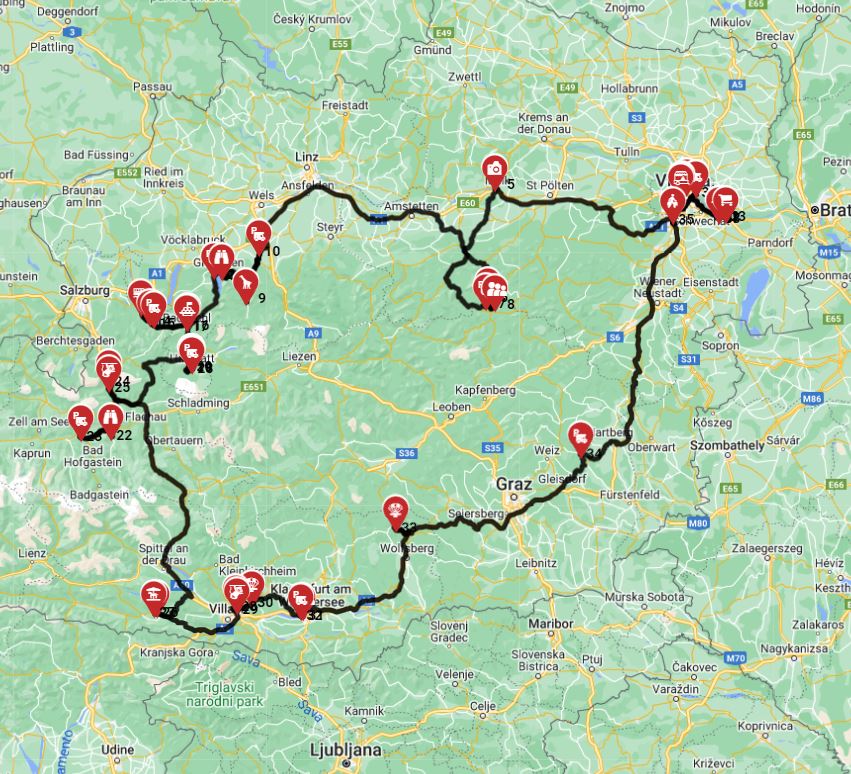
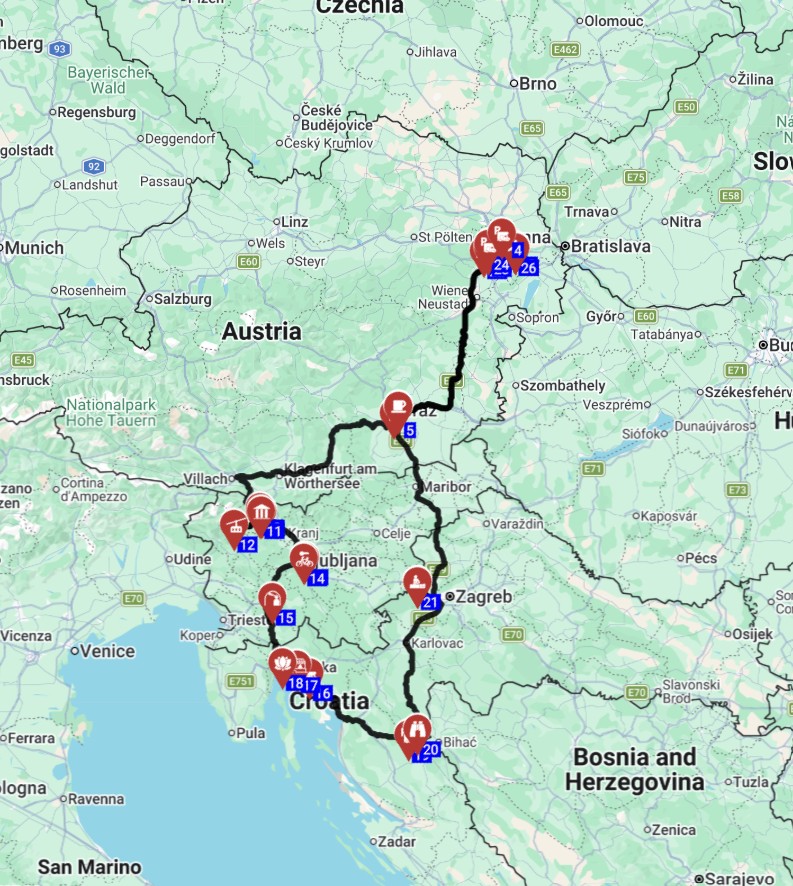
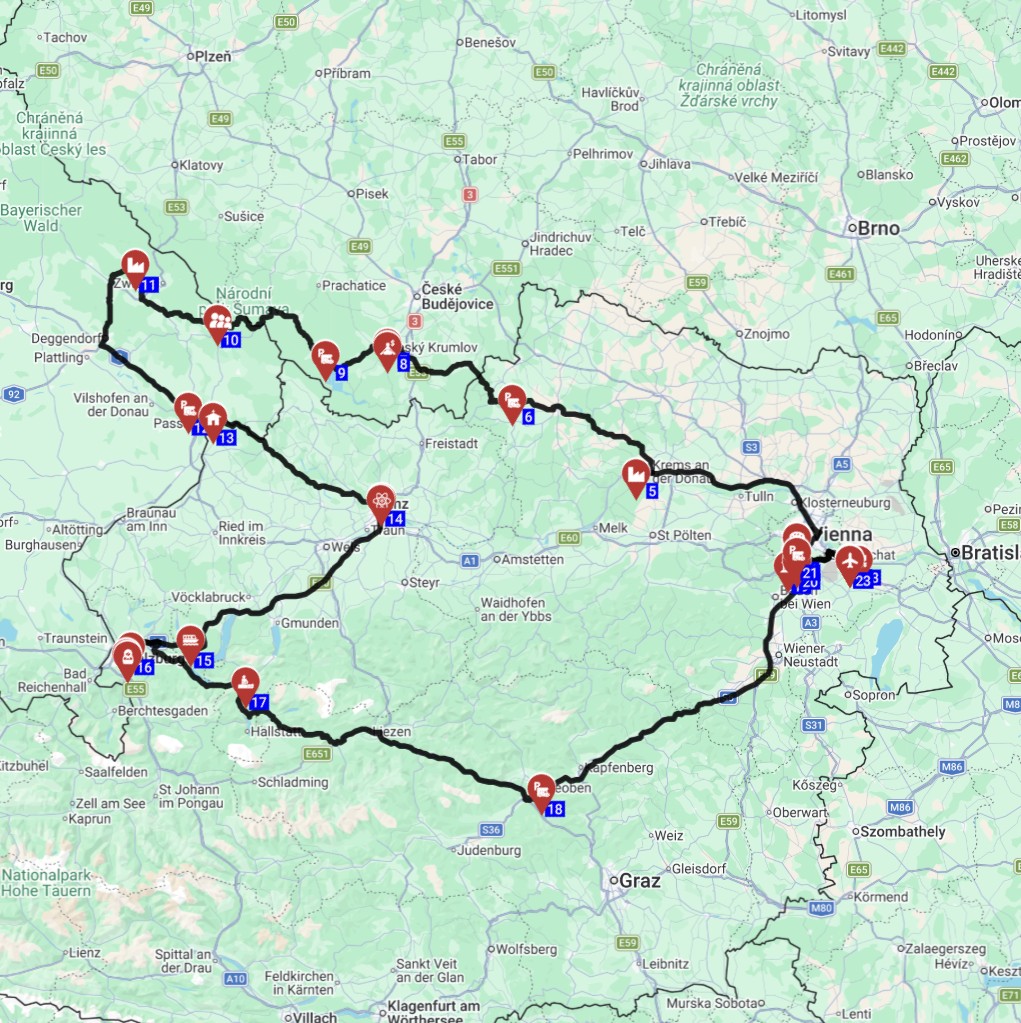
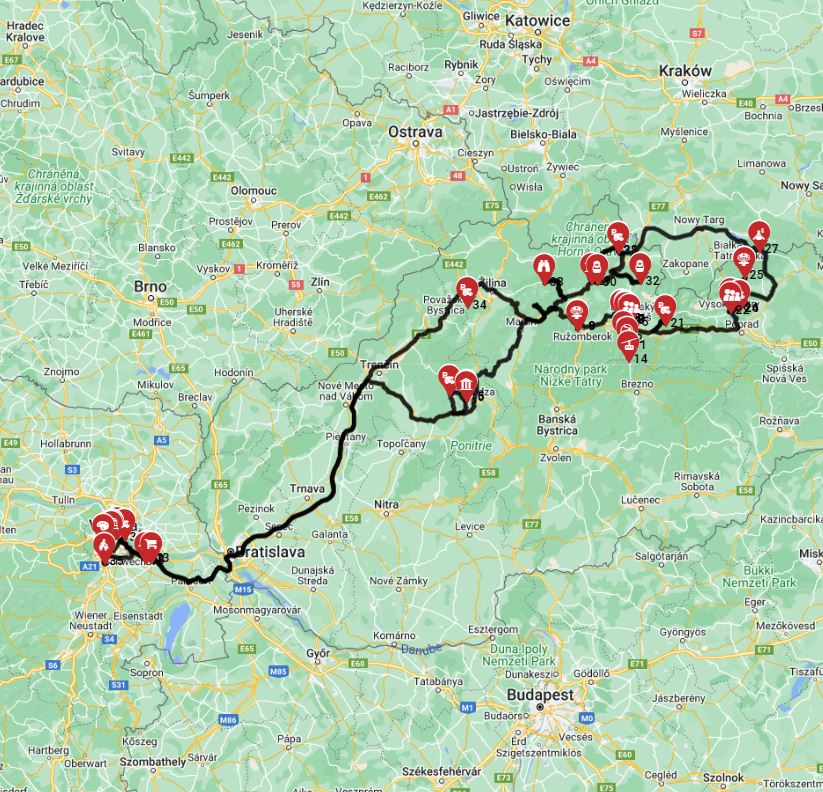
Yes, combining an Austrian RV trip with neighboring countries like Germany, Italy, Switzerland, or Slovenia is a popular and straightforward way to extend your European adventure. Europe's well-connected road network makes cross-border travel seamless. When planning a multi-country itinerary, always check and comply with the specific traffic laws, toll requirements, and environmental zone regulations of each country you intend to visit. For example, Switzerland requires its own annual 'Vignette' (a physical sticker costing around CHF 40), while Italian motorways largely operate on a distance-based toll system. Ensure your RV rental agreement explicitly permits international travel, and clarify that your insurance coverage extends to all countries in your itinerary. While physical border checks are often minimal within the EU Schengen Area, you should always carry valid identification (passport or national ID card) for everyone in your party. Researching fuel availability and types, as well as local emergency numbers, for each country in your itinerary will ensure a smooth and prepared journey. For inspiration, check out our "One-Way RV Rental in Austria - Price Guide 2026" which gives flexibility for cross-country adventures.
What Emergency Preparedness Do I Need for an Austrian RV Trip?
Comprehensive emergency preparedness for an Austrian RV trip is essential for peace of mind, encompassing knowledge of local emergency numbers, understanding breakdown procedures, planning for medical assistance, and addressing potential language barriers. The universal emergency number in Austria for police, fire, and ambulance is 112; save this number and other local assistance contacts, such as your rental provider's roadside assistance, in your phone. In the event of a breakdown, secure your rented RV safely on the side of the road, always wear a high-visibility vest (a legal requirement in Austria), and place a warning triangle a safe distance behind your vehicle. Then, immediately contact your rental provider for roadside assistance, as they are your primary point of contact during your trip. Ensure you have adequate travel insurance that covers medical emergencies and RV-specific incidents; carrying a basic first-aid kit with common medications and wound care supplies is also wise. While many Austrians in tourist areas speak English, having a basic German phrasebook or a translation app can be invaluable for communicating effectively in emergencies or in more remote areas. Bandana Caravan is dedicated to supporting travelers before, during, and after their booking, making sure you have all the information you need to travel confidently.
How Can I Travel Sustainably by RV in Austria?
Traveling sustainably by RV in Austria's pristine natural environments involves making conscious choices to minimize your ecological footprint regarding waste, water, energy, and route planning. Prioritize proper waste disposal by using designated recycling and waste bins at campsites and always avoid littering in natural areas. Conserve water within your rented motorhome by taking shorter showers and using water-efficient practices, and manage energy by turning off lights and unplugging electronics when not in use. Choose eco-friendly campsites that actively promote sustainability practices, such as solar power or water recycling. Respect local regulations concerning noise levels, campfires, and wildlife, particularly when near national parks or protected areas. Stick to marked roads and trails to prevent unintended damage to delicate ecosystems, and consider reducing your driving speed to improve fuel efficiency and lower emissions. Opting for a smaller, more fuel-efficient campervan like a "HiLite" Class B Camper Van also contributes to a lighter environmental impact. Traveling slowly, a maximum of 100-150 km per day on average, not only enhances your experience but also reduces your carbon footprint.
What You Shouldn't Miss
- **Grossglockner High Alpine Road**: Drive Europe's most spectacular panoramic road, with 36 hairpin bends, reaching 2,504 meters, and offering countless photo stops.
- **Salzburg's Historic Charm**: Explore the birthplace of Mozart, a UNESCO World Heritage site, and park your RV on the outskirts for easy public transport access to its baroque architecture and festive markets.
- **Tyrolean Alps Adventures**: Hike or mountain bike through stunning alpine landscapes near Innsbruck, with numerous RV-friendly campsites as your base.
- **Danube River Cycling**: Combine your RV trip with cycling along parts of the picturesque Danube Cycle Path, easily carrying your bikes with a suitable RV setup.
- **Hallstatt's Fairy-tale Village**: Visit this iconic lakeside village in the Salzkammergut region, known for its charming houses and dramatic mountain backdrop.
- **Top Cities for RV Rental**: Explore the convenient pickup locations such as Graz, Graz - Airport, Innsbruck, Innsbruck - Airport, Klagenfurt - Airport, Linz, Linz - Airport, Salzburg, Salzburg - Airport, and Steyr, each offering a unique starting point for your Austrian adventure.
Looking for expert insights from Avi Bandana? Top 5 Adventures - recommendations from Avi Bandana
🎬 Video coming soon
Final Thoughts
Exploring Austria by rented RV is an unparalleled way to experience its breathtaking landscapes and rich culture on your own terms. From navigating scenic mountain passes to discovering charming city centers, your motorhome or campervan offers the freedom and flexibility for an unforgettable week-long trip or extended adventure. We understand that planning can feel daunting, but with Bandana Caravan, you're never alone. We're here to support you with full transparency, expert advice, and a wide selection of vehicles from trusted suppliers.
Embrace the call of the open road and let the Austrian Alps, serene lakes, and historic towns capture your heart. Remember to travel slowly, savor every moment, and immerse yourself in the local flavors. Your Austrian RV journey promises memories that will last a lifetime, and we're excited to help you make it happen.
Get inspired for your next trip! Discover top destinations, planning tips, all in one place! Plan a trip itinerary in advance with minimal effort and maximum enjoyment. Find your perfect motorhome for Austria and start your adventure today.