In This Guide
- Can You Drive an RV in Vienna? License & Age Rules
- Road Conditions & Terrain in Vienna
- RV Size Limits, Bridges & Restricted Zones
- Fuel: Diesel vs. Petrol & Cost per 100 km
- Tolls, Vignettes & Border Rules
- Driving Tips for rv rental Travelers
- Recommended RV Class for Vienna Roads
- Should I Choose a Compact Van Instead of a Large RV in Vienna?
- Can I Park Anywhere? Free & Wild Camping Rules in Vienna
- Can I Drive an RV Into the City Center? Heights, Tunnels & Local Signage
- What do I need to drive a motorhome in Austria?
- What is the 3-3-3 rule for RV?
- Can I drive in Austria with a US driver's license?
- Is Austria motorhome friendly?
- Is renting a car in Vienna worth it?
- How big of an RV can you drive without a special license?
- Who makes the Renegade Vienna?
- What category is a VW camper van?
- How much does the average RV insurance cost?
Can You Drive an RV in Vienna? License & Age Rules
To drive an RV in Vienna, you generally need a standard B category driver's license for vehicles up to 3,500 kg, while heavier RVs require a C1 or C license, and the minimum age for rental is typically 21 or 23, depending on the provider and RV class. A standard Category B license is sufficient for motorhomes with a maximum authorized mass (MAM) of up to 3,500 kg. For RVs between 3,500 kg and 7,500 kg, a Category C1 license is required, and RVs exceeding 7,500 kg demand a Category C license. Bandana RV, with over 20 years of experience since its founding in 2001, ensures you understand these requirements for every booking. Rental companies typically enforce a minimum driver age of 21, often requiring 1-3 years of driving experience, with no young driver surcharges or vehicle class restrictions based on age. Non-EU/EEA license holders, such as US citizens, must carry an International Driving Permit (IDP) alongside their national license. This ensures you're fully compliant with local regulations while enjoying your rented campervan.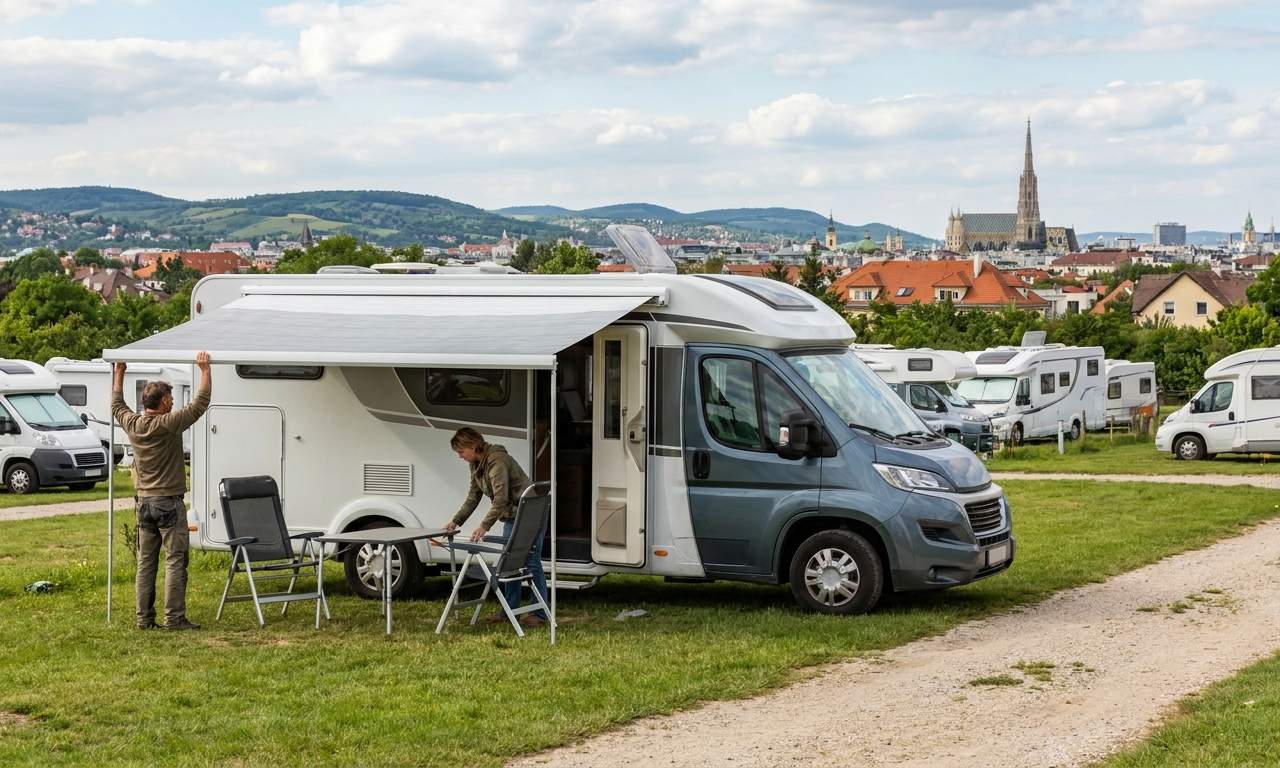
Road Conditions & Terrain in Vienna
Vienna's road conditions are generally excellent, with well-maintained asphalt roads, though urban driving can involve cobblestones and denser traffic, while surrounding areas offer scenic routes through rolling hills and vineyards rather than rugged mountainous terrain directly within the city. Main roads and highways leading to and from Vienna, such as the A4 Ostautobahn from Vienna Airport, are in excellent condition, comparable to Western European standards. Within the city, drivers might encounter narrower streets and some cobblestone sections in historic areas like the First District, requiring careful navigation for larger vehicles. The immediate terrain around Vienna is primarily flat to gently rolling, transitioning into hills and vineyards, making for pleasant scenic drives without extreme inclines or challenging mountain passes. Traffic in central Vienna can be dense, especially during peak hours, so planning routes to avoid these times is advisable for any rented motorhome.RV Size Limits, Bridges & Restricted Zones
While there are no universal 'RV size limits' for driving in Vienna, drivers must be mindful of specific local signage for height and weight restrictions, particularly for bridges, tunnels, and environmental zones, especially in older city districts. General RV length limits are not typically enforced on major roads, but specific signs indicate restrictions for tunnels, underpasses, and some city bridges, such like the underpasses along the Gürtel. Common height restrictions for tunnels and underground car parks are often around 3.5 to 4.0 meters, making most RVs unsuitable for many multi-story garages in the city. Although Vienna itself does not have blanket environmental zones ('Umweltzonen') for all vehicles, heavier lorries and older diesel vehicles might face restrictions in designated areas, so checking current local regulations is advised. Always pay close attention to local road signs, especially in historic or residential areas, which may have weight limits, width restrictions, or access prohibitions for larger motorhomes.Fuel: Diesel vs. Petrol & Cost per 100 km
Most rental RVs in Vienna, including Bandana's fleet, run on diesel, which is widely available, and average fuel consumption typically ranges from 10-12 liters per 100 km, depending on the RV class, impacting the cost of travel. Diesel is the predominant fuel type for RVs in Austria and is readily available at most service stations along the A4 from Vienna Airport and across the country. Based on Bandana's global fleet averages, fuel consumption typically falls within these ranges: Class B Camper Vans consume 8-10 Liters/100 km, while Class SI Semi-integrated RVs average 10-11 Liters/100 km, and Class C Alcove models typically use 10-12 Liters/100 km. Fuel prices in Austria fluctuate but are generally comparable to other Western European countries; renters should budget for these costs, which can significantly add to the overall travel expense. For itemizing and tracking every expense along the way for easy budgeting, consider using RV PLANET routes.Tolls, Vignettes & Border Rules
Driving a rented RV in Austria requires either a 'Vignette' for vehicles up to 3,500 kg for highway use or a 'GO-Box' for heavier vehicles (over 3,500 kg), which are mandatory for motorways and expressways, and border crossings into neighboring countries like Germany, Czech Republic, or Hungary will have their own distinct toll systems. Vehicles with a maximum authorized mass (MAM) up to 3,500 kg, like many campervans, must display a 'Vignette' for using Austrian motorways and expressways, available for 10 days, 2 months, or 1 year; digital vignettes can be purchased online. RVs with a MAM exceeding 3,500 kg, such as a large Class C motorhome like the "cruise america rv rental example Explorer" (which can have up to 75 Liter fuel tank and 82 Liter waste water tank), require a 'GO-Box,' an electronic device that calculates tolls based on distance traveled, which must be correctly installed and active. Failure to comply with vignette or GO-Box requirements results in substantial fines, so ensure your RV is properly equipped before entering Austrian highways. When traveling to neighboring countries like the Czech Republic, Hungary, Slovakia, or Slovenia, be aware that each has its own separate toll system (e.g., vignettes or electronic tolls) that must be acquired. Some of our RVs may offer pre-purchased toll passes or guidance on acquiring them to simplify cross-border travel and avoid fines.Driving Tips for rv rental Travelers
For RV travelers in Vienna, key driving tips include familiarizing yourself with Austrian road signs, especially those indicating speed limits and environmental zones, planning your routes in advance to avoid narrow city streets, and utilizing designated Park & Ride facilities when visiting the city center. Know Speed Limits: For RVs under 3.5t, standard car limits apply (e.g., 130 km/h on highways); for RVs over 3.5t, limits are typically 100 km/h on motorways and 80 km/h on country roads. Plan City Access: Use Vienna's efficient Park & Ride (P&R) facilities on the outskirts of the city, such as those near U-Bahn stations like Erdberg or Hütteldorf, and then utilize public transport (U-Bahn, tram, bus) to reach the city center, which is often more practical than driving and parking a large RV. Route Planning: Utilize GPS systems that can account for vehicle dimensions (height, weight) to avoid unsuitable roads, low bridges, or restricted zones in Vienna. Drive slowly and carefully, and you can drive almost anywhere without issues. No need to stress - just use common sense and pay attention. Regular Breaks: Especially for families, plan frequent stops every 2-3 hours at designated rest areas or scenic spots to combat driver fatigue and allow passengers to stretch. Always ensure your vehicle has the correct toll payment system (Vignette for under 3.5t, GO-Box for over 3.5t) to avoid heavy fines on motorways and expressways.Recommended RV Class for Vienna Roads
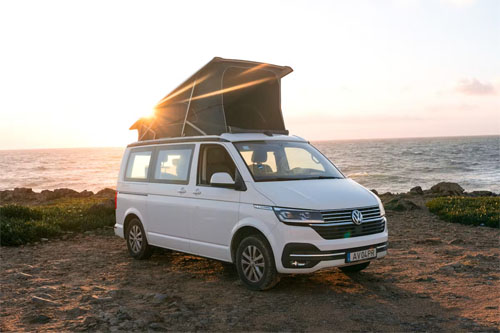
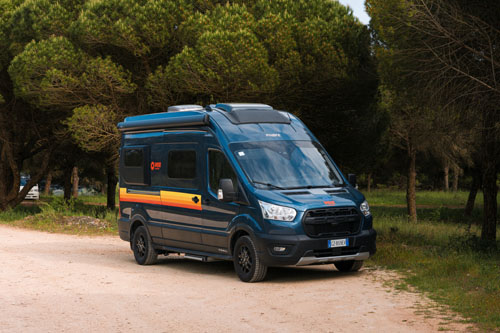
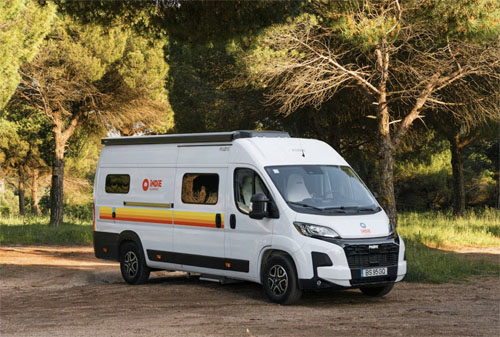
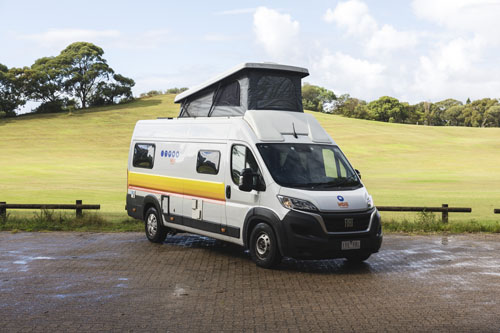
For navigating Vienna and its surroundings efficiently, a Class B Camper Van or a Class SI Semi-integrated RV is often recommended due to their balanced size and maneuverability, making them suitable for both urban access and touring scenic routes. A Class B Camper Van, like the "2 Berth Hi Top" which typically has an automatic transmission and is winter ready, offers excellent maneuverability, making it easier to navigate smaller roads and find parking outside of the immediate city center, with Bandana's fleet averaging 8-10 Liter/100 km fuel consumption. A Class SI Semi-integrated RV, such as the "2 Berth Tamar," provides a good balance between interior comfort and manageable size, suitable for highways and accessing well-equipped campsites, with Bandana's fleet averaging 10-11 Liter/100 km. These classes are generally less imposing than larger Class C Alcove or Class A Integrated models, offering a practical choice for exploring Austria's diverse landscapes while retaining the flexibility to visit areas near urban centers. For more specific options, check out our Luxury RV Rental in Vienna - Premium Prices 2026 options.Should I Choose a Compact Van Instead of a Large RV in Vienna?
While a compact van (like a Class B Camper Van) offers superior maneuverability for tight city streets and easier parking in Vienna, a larger RV provides significantly more comfort, living space, and amenities, often making the trade-off worthwhile as major roads around Vienna are generally accommodating for all RV sizes. Compact vans, such as the "rv rental denver example Category Van" or a VW camper van, excel in urban environments due to their car-like handling, smaller footprint, and better fuel economy (e.g., 8-10 Liter/100 Km for a Class B), making street parking less daunting for a day trip to the city from a nearby campground. Larger RVs (Class SI, C, A) offer substantial advantages in living space, dedicated sleeping areas, full kitchens, and integrated bathrooms, providing a higher level of comfort and independence for longer trips. For example, a Class C motorhome like the "24' Class C Motorhome" offers a generator and can comfortably sleep 4-6 people, ideal for families. For directly exploring Vienna's historic center, neither a compact van nor a large RV is ideal; both benefit from using Park & Ride facilities and public transport. The decision largely depends on your travel priorities: if maximum maneuverability and basic amenities suffice, a compact van is great; if comfort, space, and full self-sufficiency are paramount, a larger RV is preferable, as major routes around Vienna generally accommodate them well. Don't forget that preparing your own meals on the go is a fantastic way to save money and enjoy the local produce, check out our RV-friendly recipes playlist for ideas.Can I Park Anywhere? Free & Wild Camping Rules in Vienna
In Vienna and throughout Austria, free camping or 'wild camping' outside of designated campsites is generally prohibited and can result in significant fines, making it crucial to utilize official campsites or approved Stellplätze locations for overnight stays. Wild camping, which involves pitching a tent or parking a rented RV overnight outside of designated areas, is largely illegal across Austria, including within Vienna and its surrounding regions. Overnight parking for mere rest may be tolerated in some public parking areas, especially along routes like the S1 or A2, but setting up camp (e.g., extending awnings, setting out chairs) is strictly forbidden and can lead to immediate fines. Travelers should exclusively use official campsites, which are plentiful and well-equipped around Vienna, such as Camping Wien Neue Donau or Camping Klosterneuburg, or designated 'Stellplätze' (RV parks) that offer basic facilities for motorhomes. Rules vary by region — always check local regulations and follow local law before parking overnight to avoid legal issues and ensure a stress-free trip.Can I Drive an RV Into the City Center? Heights, Tunnels & Local Signage
Yes, you can drive an RV into Vienna's city center, but it's crucial to pay close attention to local signage indicating height limits (especially for tunnels and underground garages), weight restrictions, and environmental zones, as many historic areas have restricted access for larger vehicles or require special permits. While main arterial roads like Prinz-Eugen-Straße and Wiedner Hauptstraße allow RV access to areas near the city center, many historic streets are narrow, and underground parking garages almost universally have height restrictions (typically below 2 meters), rendering them unsuitable for RVs. Drivers should watch for specific local signage indicating height and weight limits, one-way systems, and residents-only streets that might restrict RV movement in the densest parts of the city. Vienna's excellent public transport network means that parking a rented RV at a peripheral Park & Ride (P&R) facility or an RV-friendly campsite with good transit links, like Camping Wien Neue Donau (U1 access), and using public transport for sightseeing is the most practical and stress-free way to explore the city's attractions. There are no specific 'RV environmental zones' in Vienna that universally ban all RVs, but general driving restrictions for older, more polluting vehicles might apply in certain areas, so always check for current information.What do I need to drive a motorhome in Austria?
To drive a motorhome in Austria, you will primarily need a valid driver's license (Category B for vehicles up to 3,500 kg, or C1/C for heavier models), an International Driving Permit (IDP) if your license is not from an EU/EEA country, and to meet the rental company's minimum age and experience requirements. A Category B license covers motorhomes up to 3,500 kg, which includes most camper vans and smaller semi-integrated models like the "rent rv example A1" which offers a shower and toilet for comfortable travel. For motorhomes between 3,500 kg and 7,500 kg, a Category C1 license is mandatory. If your motorhome exceeds 7,500 kg, you will require a Category C license. Drivers from non-EU/EEA countries, such as the United States, must carry an International Driving Permit (IDP) as a legal translation of their national license, in addition to their valid home license. Most RV rental companies, including our direct partners like El Monte and Apollo, require drivers to be at least 21 years old and to have held their license for a minimum of 1 to 3 years. We offer full transparency on these requirements.What is the 3-3-3 rule for RV?
The '3-3-3 rule' for RV travel is a widely adopted guideline suggesting you should aim to drive no more than 300 miles (approximately 480 km) in a day, arrive at your campsite by 3 PM, and stay for a minimum of 3 nights, promoting a more relaxed and enjoyable travel pace. This guideline is particularly useful for those planning longer week-long trips from Vienna. The first part, "300 Miles/500 Km," recommends limiting daily driving to roughly 300 miles to prevent driver fatigue and allow for spontaneous stops and exploration of charming Austrian towns. "3 PM Arrival" means aiming to arrive at your destination by 3 PM, which provides ample daylight for setting up camp, exploring the local area, and relaxing before dusk. Lastly, the "3-Night Stay" encourages staying at least three nights at each location to fully experience the surroundings, avoid constant packing and unpacking, and truly relax. This philosophy aligns perfectly with Bandana RV's recommendation for slow travel: maximum 100-150 km per day on average, allowing you time to feel the place, connect to the culture, the food, and the scenery.Can I drive in Austria with a US driver's license?
Yes, you can generally drive in Austria with a valid US driver's license for up to six months, but it must always be accompanied by an International Driving Permit (IDP), which serves as a translation and legalizes your US license for driving abroad. A valid US driver's license is accepted for driving in Austria for a period of up to six months from your entry date. It is legally mandatory for US license holders to carry an International Driving Permit (IDP) alongside their physical US driver's license, as the IDP provides a standardized translation of your license information. The IDP must be obtained in the United States from organizations like AAA or AATA before your departure. Ensure your US license and IDP cover the correct vehicle category for the RV you intend to drive (e.g., Class B equivalent for most standard RVs up to 3,500 kg) to ensure a hassle-free trip.Is Austria motorhome friendly?
Austria is generally very motorhome-friendly, offering excellent road infrastructure, a wide network of well-equipped campsites and Stellplätze, and breathtaking scenic routes, though adherence to specific regulations like vignettes, GO-Box requirements, and wild camping prohibitions is strictly enforced. The country boasts well-maintained roads and highways, making travel by motorhome smooth and enjoyable, with stunning Alpine and scenic routes like the Grossglockner High Alpine Road. Austria has numerous high-quality campsites and dedicated Stellplätze (RV parking areas), particularly in tourist regions like the Wachau Valley or Salzkammergut, that cater to motorhome travelers with various amenities. While access to urban centers like Vienna can be managed via Park & Ride facilities, direct city center driving and parking for larger RVs can be challenging. Adherence to Austrian traffic laws, including the mandatory Vignette or GO-Box for motorways and expressways, and strict prohibitions against wild camping, is essential for a problem-free trip with your rented camper.Is renting a car in Vienna worth it?
Renting a car in Vienna is generally not worth it for exploring the city center itself due to excellent public transport, high parking costs, and traffic, but it can be beneficial for day trips to surrounding regions or if your primary goal is to travel extensively outside the city. For exploring Vienna's city center, renting a car is usually unnecessary and inconvenient due to the city's comprehensive and efficient public transportation network (U-Bahn, tram, bus), which can easily take you from campgrounds like Camping Wien Neue Donau to St. Stephen's Cathedral. Parking in central Vienna is expensive and often limited, with many areas designated as short-term parking zones (Kurzparkzonen) or residents-only. Renting a car becomes worthwhile if your itinerary includes extensive day trips to destinations outside of Vienna, such as the Wachau Valley, Salzburg, or other Austrian provinces, where public transport links might be less direct. A rented RV, however, offers a combined transport and accommodation solution, providing more flexibility for longer road trips throughout Austria compared to a conventional rental car for just city exploration. For inspiration on longer routes, check out "RV Rental Deals in Vienna - Latest Offers 2026".How big of an RV can you drive without a special license?
In Austria, you can drive an RV with a standard Category B driver's license as long as its maximum authorized mass (MAM) or Gross Vehicle Weight (GVW) does not exceed 3,500 kg (3.5 tons), which typically includes most camper vans and smaller semi-integrated models. A standard Category B driver's license is valid for vehicles, including RVs, with a maximum authorized mass (MAM) of up to 3,500 kilograms. This weight limit covers virtually all Class B Camper Vans and a significant portion of Class SI Semi-integrated RVs available for rental through Bandana, such as the "Active Bunk" or "Acer" models. If an RV's MAM exceeds 3,500 kg but is less than 7,500 kg, a Category C1 license is required. For RVs weighing over 7,500 kg MAM, a Category C license is necessary. Always verify the specific weight (MAM) of your chosen RV model against your driver's license category to ensure legal compliance for your journey from Vienna.Who makes the Renegade Vienna?
The Renegade Vienna is a luxury Class C motorhome manufactured by **Renegade RV**, known for its compact size, maneuverability, and premium features built on a Mercedes-Benz Sprinter chassis. Renegade RV, a division of REV Group, manufactures the Renegade Vienna model. The Vienna is primarily built on a Mercedes-Benz Sprinter chassis, which is popular for its fuel efficiency and comfortable driving experience, making it a desirable choice for those seeking a high-end campervan rental experience. It is classified as a Class C motorhome, although its sleek design and high-end finishes often give it a more luxurious, 'B+' feel, appealing to travelers looking for comfort even in a compact package. Key features typically include spacious interiors, high-quality finishes, and advanced amenities in a more compact footprint than traditional large Class A RVs.What category is a VW camper van?
A VW camper van, such as the iconic California model, typically falls under the **Class B - Camper Van** category in RV classifications, characterized by its compact, van-based design and integrated living amenities within the original vehicle body. VW camper vans are classified as Class B Camper Vans, distinguishing them from larger motorhomes like Class C (Alcove) or Class A (Integrated) vehicles. These vans are built directly into a conventional van chassis, like the Volkswagen Transporter, retaining much of the original vehicle's exterior dimensions. They feature integrated sleeping areas, compact kitchenettes, and sometimes even small bathrooms, all within a highly maneuverable and fuel-efficient package. Based on Bandana's global fleet, Class B Camper Vans average around 5.8 meters in length, accommodate approximately 2-3 adults, and typically consume 8-10 liters of fuel per 100 km, making them ideal for agile travel in and around Vienna, offering an excellent alternative to larger motorhomes for city exploration or spontaneous detours. You can find options like the "VW California Ocean" on our platform, perfect for a trip starting from Vienna Airport.How much does the average RV insurance cost?
The average cost of RV insurance for a rental in Vienna or elsewhere can vary significantly, but for rentals, comprehensive insurance is usually included in the daily rental rate, often with a deductible. For RV rentals through platforms like Bandana, comprehensive insurance coverage is generally included in the daily rental price, providing peace of mind during your trip. This rental insurance typically includes a deductible (also known as an excess), which is the amount you are responsible for in case of damage before the insurance covers the rest. Renters often have the option to purchase additional coverage or a 'deductible reduction' package to lower their out-of-pocket liability, such as upgrading to a top-level deductible for extra peace of mind. We offer full transparency on all costs, ensuring no hidden fees or surprises when you book your campervan rental in Vienna.What You Shouldn't Miss
Looking for expert insights from Avi Bandana? Top 5 Adventures - recommendations from Avi Bandana:- **Explore the Wachau Valley:** Just an hour west of Vienna, this UNESCO World Heritage site is perfect for a leisurely drive with your rented motorhome. Enjoy picturesque vineyards, charming villages like Dürnstein and Melk Abbey, and perhaps a boat trip on the Danube.
- **Visit Schönbrunn Palace and Gardens:** Park your RV at a designated Park & Ride on Vienna's outskirts and take public transport to this magnificent imperial summer residence. Don't miss the Gloriette for panoramic city views.
- **Hike in the Vienna Woods (Wienerwald):** Drive your campervan to the edges of the city and immerse yourself in the green beauty of the Vienna Woods. There are numerous trails for all skill levels, offering a refreshing escape from urban life.
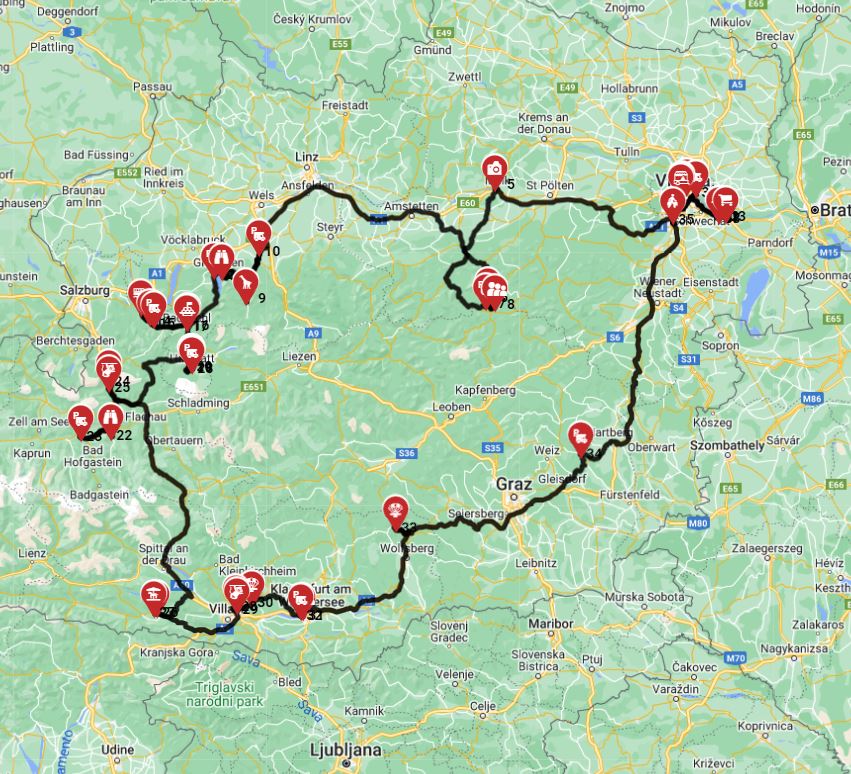
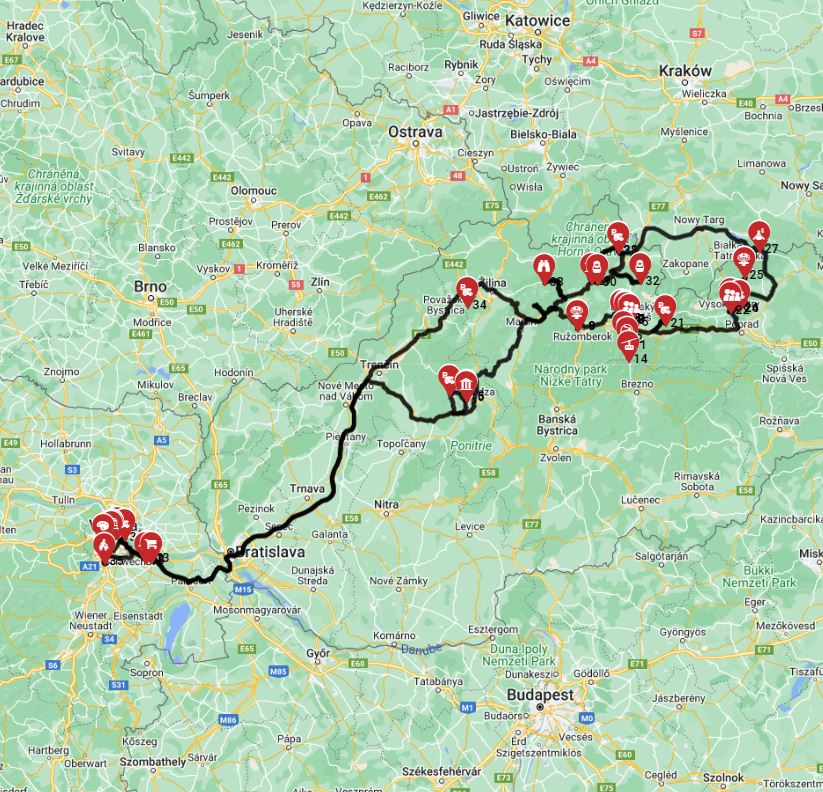
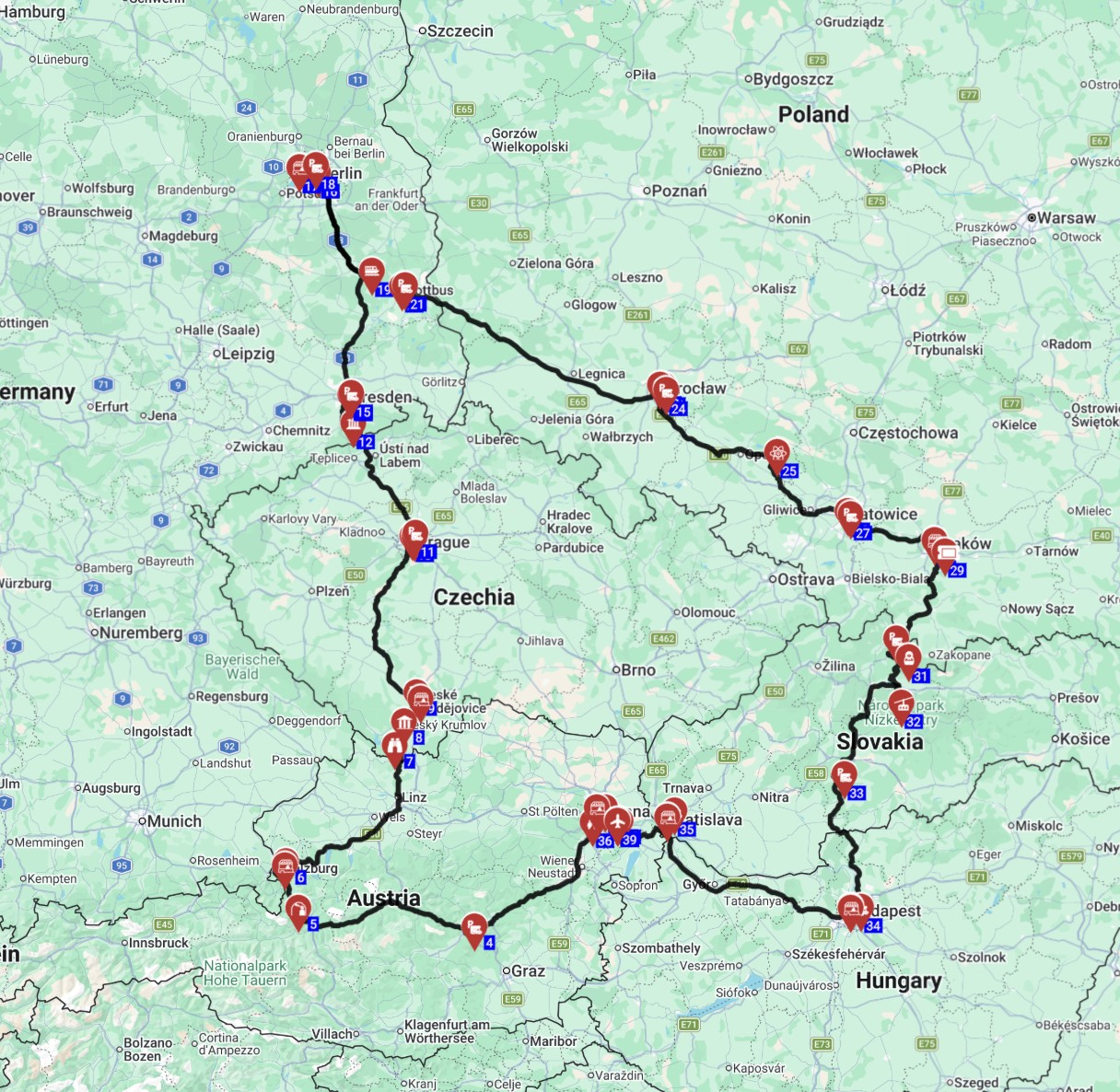
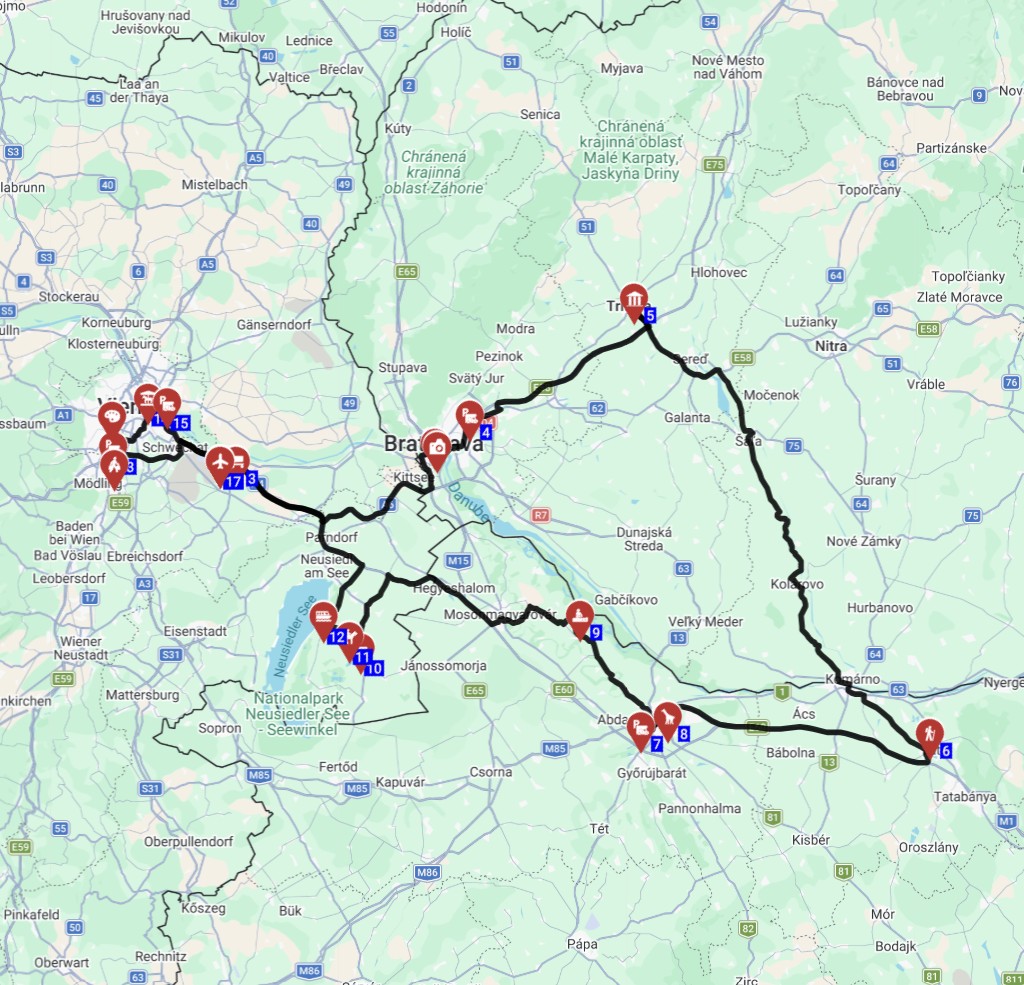
- **Discover the Burgenland Wine Region:** Head east from Vienna into Austria's Burgenland, a region known for its sweet wines and Neusiedler See-Seewinkel National Park. The "Vienna Roundtrip - East of Austria" route plan from rvplan.net is a great way to experience this, covering 1377.7 km over 15 days, including 3 amusement parks and 2 zoos.
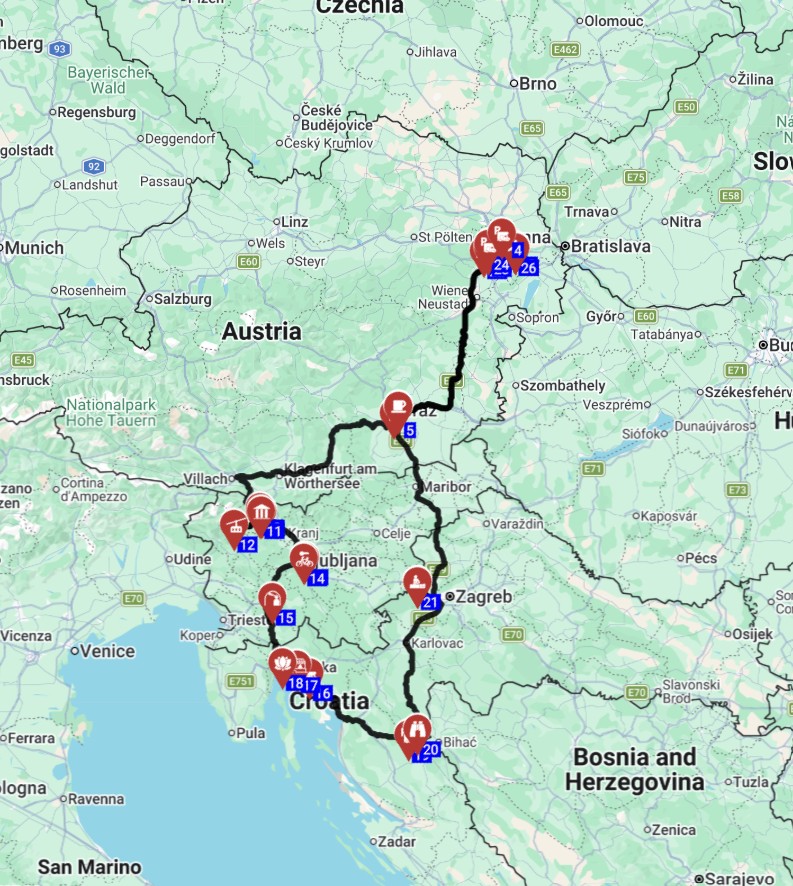
- **Day Trip to Bratislava, Slovakia:** Take advantage of Vienna's proximity to other capitals with a trip to Bratislava. The "Vienna Roundtrip - East to Slovakia" route plan on rvplan.net is a comprehensive option, stretching 1334.3 km over 16 days, and includes 4 extreme activities and 3 family activities, offering a diverse adventure.
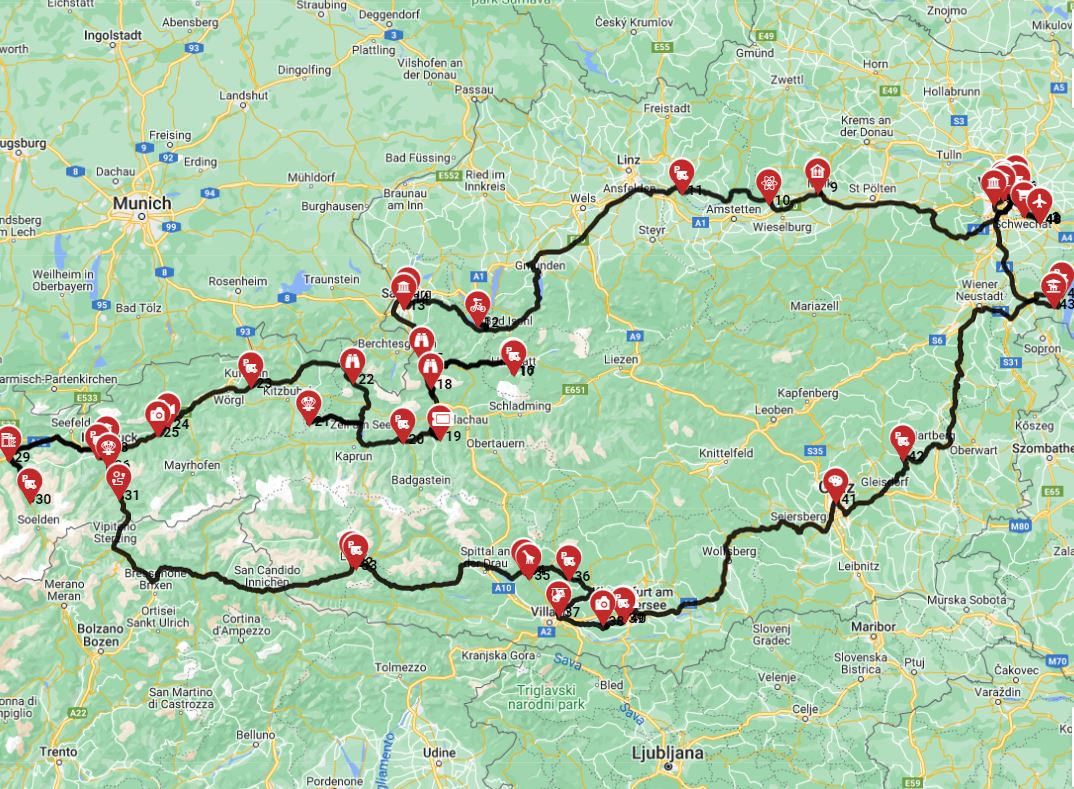
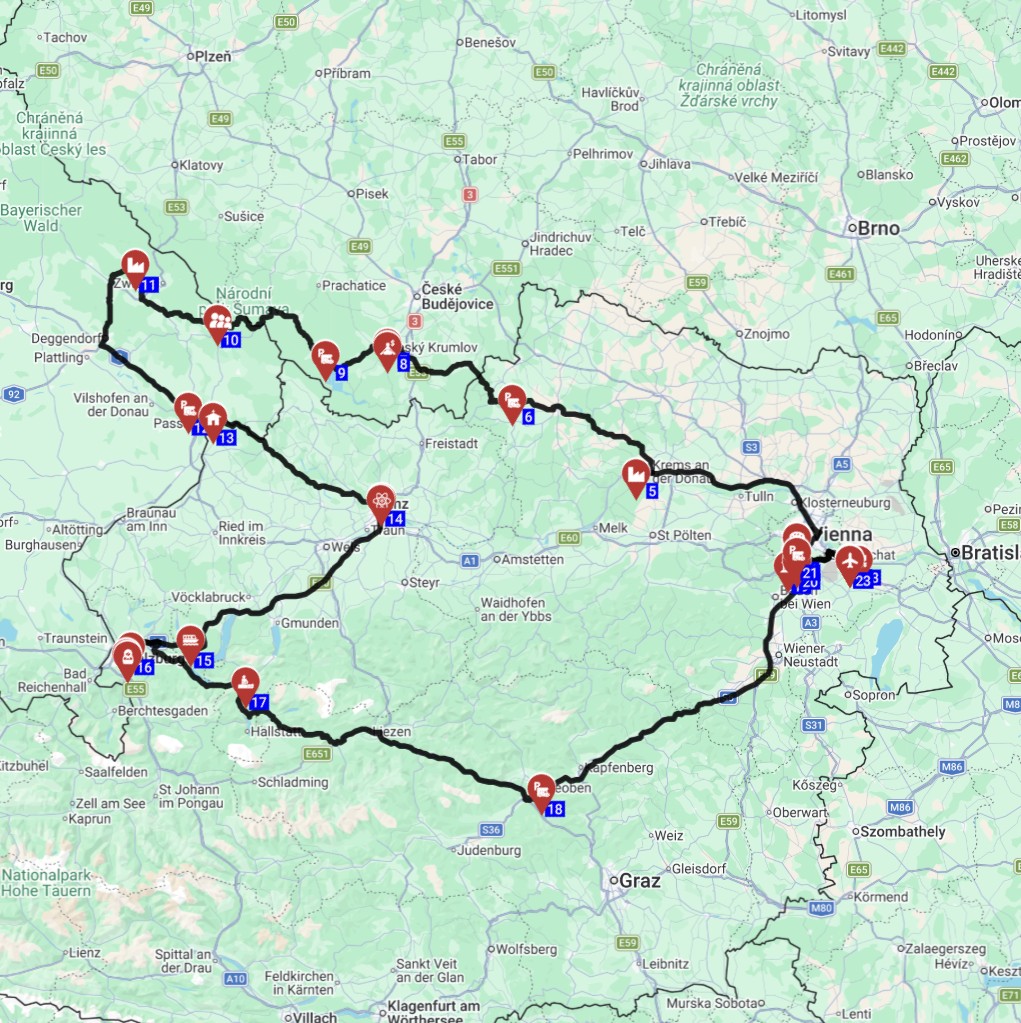
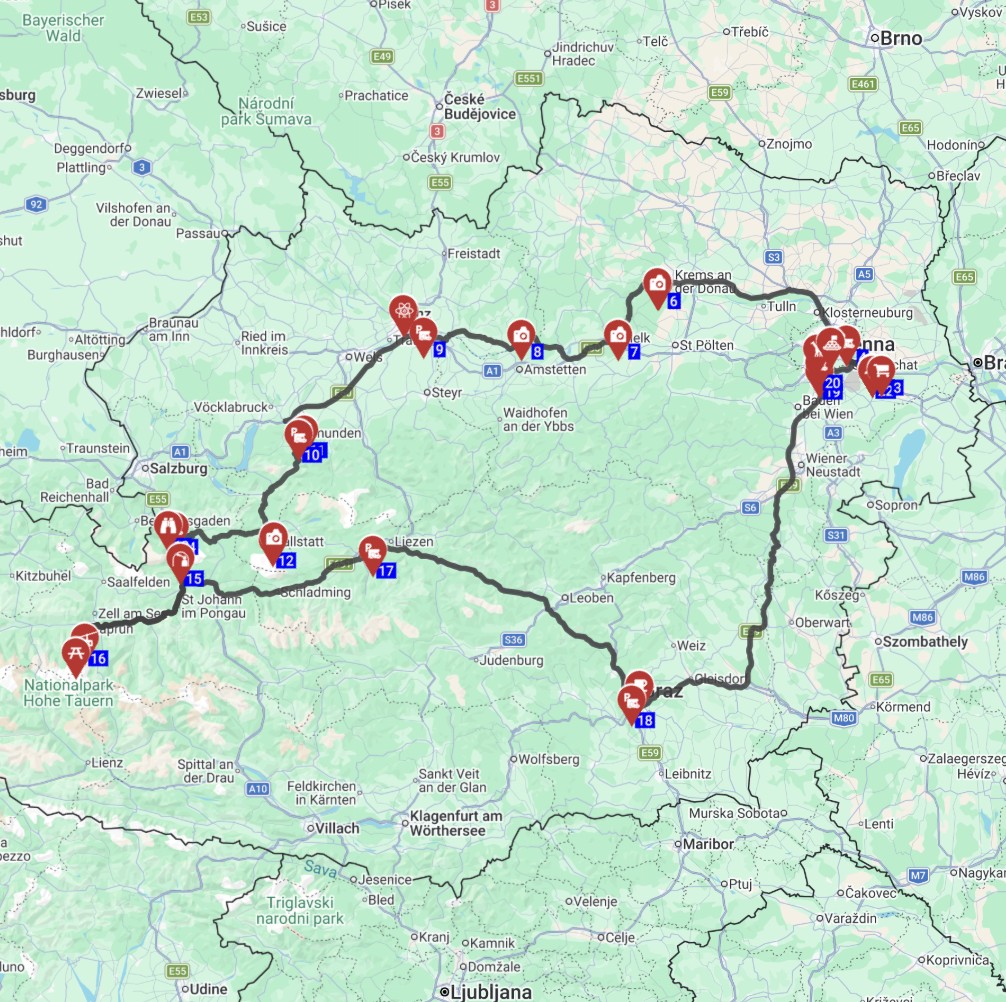
- **Experience the Danube River Cycling Paths:** For active travelers, many sections of the Danube Cycle Path are easily accessible from Vienna. You can rent bicycles and enjoy a day ride, returning to your motorhome at a nearby campground. The "Vienna Roundtrip - West" itinerary from rvplan.net covers 1888.6 km over 16 days, including 3 day tours and 4 museums, making it ideal for those who love both culture and nature.