In This Guide
- Can You Drive an RV in Vancouver? License & Age Rules
- Road Conditions & Terrain in Vancouver
- RV Size Limits, Bridges & Restricted Zones
- Fuel: Diesel vs. Petrol & Cost per 100 km
- Tolls, Vignettes & Border Rules
- Driving Tips for RV Rental Travelers
- Recommended RV Class for Vancouver Roads
- Should I Choose a Compact Van Instead of a Large RV in Vancouver?
- Can I Park Anywhere? Free & Wild Camping Rules in Vancouver
- Can I Drive an RV Into the City Center? Heights, Tunnels & Local Signage
- Do you need a different license to drive an RV in Canada?
- Can you park RV in Vancouver?
- What license do you need to drive an RV in BC?
- What is the 3-3-3 rule for RVs?
- Do I need a licence to drive an RV?
- How to get cheaper RV insurance?
Imagine picking up your comfortable motorhome right from Vancouver International Airport (YVR) and setting off on an unforgettable journey through British Columbia's stunning landscapes. Driving an RV from Vancouver Airport opens up a world of freedom, allowing you to explore everything from vibrant cityscapes to serene mountain parks at your own pace. With Bandana Caravan, you get full transparency, comparing final prices across 50+ leading suppliers like El Monte and Cruise America, ensuring no hidden fees or surprises.
For live availability and current prices, start with our RV Rental Vancouver - Complete Guide 2026 guide. We are true RV specialists, dedicated exclusively to RV travel, offering unmatched personal experience and attention to the smallest details. Our comprehensive comparison platform makes renting an RV simple, leaving you more time to plan your adventure.
Can You Drive an RV in Vancouver? License & Age Rules
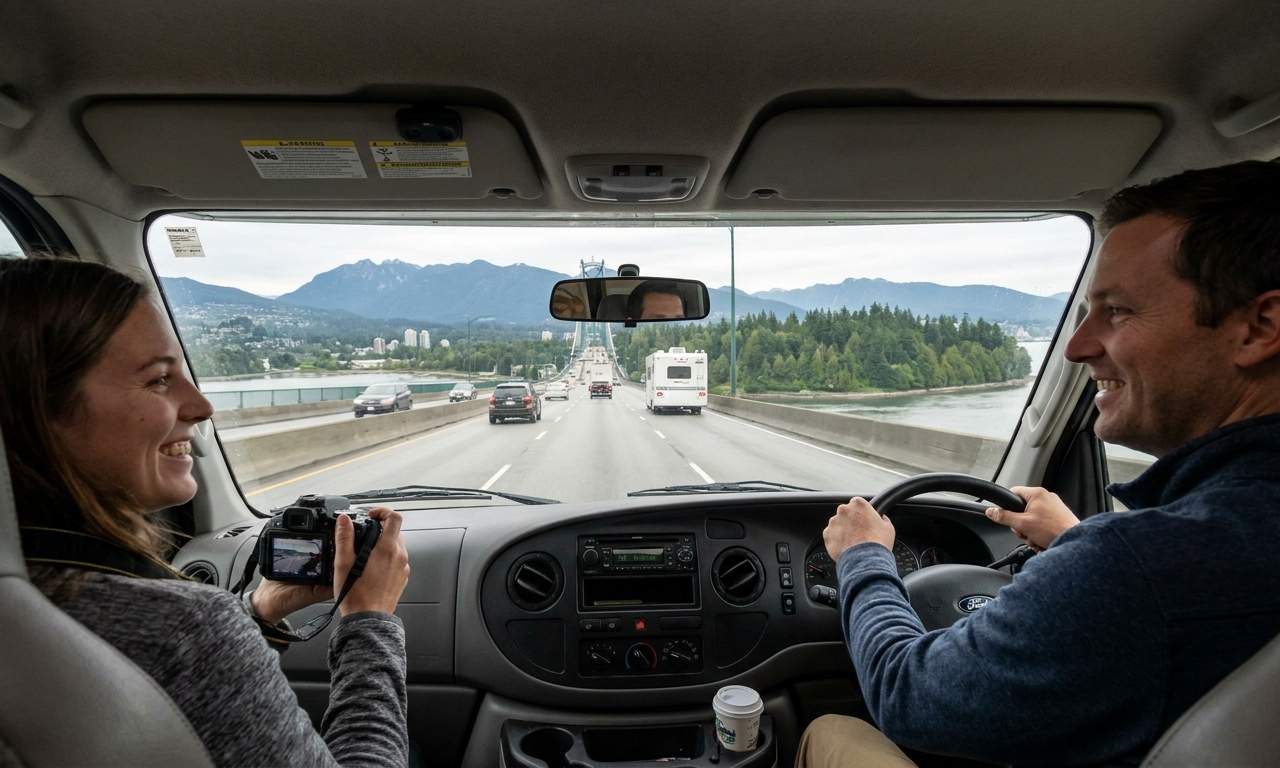
Yes, you can absolutely drive a rented RV in Vancouver and throughout British Columbia with a standard car driver's license. Most recreational RVs, including Class A, Class B, and Class C motorhomes, fall under the standard Class 5 (or equivalent from your home country) driver's license category, provided their gross vehicle weight is below 11,000 kg (24,250 lbs).
For international visitors, a valid driver's license from your home country is required. An International Driving Permit (IDP) translated into English is highly recommended but not mandatory in most cases, acting as a helpful companion to your original license. The minimum age for RV rentals in Vancouver with Bandana's partners is typically 21 years old, and there are no young driver surcharges or vehicle class restrictions based on age, ensuring accessibility for a wide range of travelers. Our goal is to make the process as easy and safe as possible, so you can focus on the excitement of your trip.
Road Conditions & Terrain in Vancouver
Vancouver offers a diverse driving experience, from well-maintained urban roads and multi-lane highways to more challenging mountainous terrain. The city's main arteries, such as Highway 1 (Trans-Canada Highway) and Highway 99 (Sea-to-Sky Highway), are designed to accommodate all vehicle sizes, including larger Class C motorhomes. However, as you venture beyond the immediate urban sprawl, particularly towards Whistler on the Sea-to-Sky Highway, you'll encounter winding roads, steep grades, and elevation changes that require careful driving.
While urban density and traffic, especially during peak hours on routes like the Lions Gate Bridge or Granville Street, necessitate extra attention, there's no need to stress – just use common sense and pay attention. Many provincial park access roads or more remote scenic routes may feature narrower paths or even some unpaved sections. Always drive slowly and carefully, adjust your speed to conditions, and you can drive almost anywhere without issues.
RV Size Limits, Bridges & Restricted Zones
Vancouver and its surrounding areas are generally RV-friendly, with main thoroughfares typically free from restrictive height or size limits. Unlike some older European cities, you won't encounter widespread low bridges in downtown Vancouver. However, it's always critical for RV drivers to pay close attention to all posted signage, especially when entering tunnels, parking garages, or navigating local streets in denser areas like Gastown or Yaletown, as these can have specific height restrictions (often around 2 meters or 6.5 feet for underground lots).
Planning to explore beyond the mainland? BC Ferries provides a fantastic way to reach Vancouver Island or other Gulf Islands, allowing you to drive your rented motorhome directly onto the vessel. Be aware that BC Ferries services do impose length and height surcharges for RVs, so factor these into your booking and costs. It's also highly recommended to book your ferry crossing well in advance, especially during peak travel seasons, as RV spots can fill up quickly. Environmental zones are not a significant concern for general RV travel within Vancouver city limits.
Fuel: Diesel vs. Petrol & Cost per 100 km
Fuel is a significant component of your overall trip cost, and understanding your rented RV's fuel type is crucial. Most of Bandana's larger motorhome fleet, including Class C and Class A models, typically run on diesel. Smaller campervans (Class B) might use either petrol or diesel, so always confirm with your supplier. Both fuel types are widely available at numerous service stations across Vancouver and throughout British Columbia.
For budgeting, typical fuel consumption for a Class B Camper Van (like the '2 Berth Hi Top' or 'Active Bunk Auto') is 8-10 Liters/100 km, while a Class C motorhome (such as a '24' Class C Motorhome') usually ranges from 10-12 Liters/100 km. At an illustrative price of $1.90/L, a Class B campervan consuming 9 L/100km would cost approximately $17.10 per 100 km, and a Class C RV consuming 11 L/100km would be around $20.90 per 100 km. For tracking all your ancillary trip costs, including fuel, campground fees, and groceries, RV PLANET routes allow you to itemize and track every expense along the way for easy budgeting. On the routes offered through RV PLANET routes, you can itemize and track every expense along the way for easy budgeting.
Tolls, Vignettes & Border Rules
As of 2026, RV travelers in Vancouver and its immediate British Columbia surroundings will be pleased to know that there are no traditional toll roads or vignette systems on public highways. Previously tolled bridges, such as the Port Mann Bridge and Golden Ears Bridge, are now free for all vehicles. While transportation policies can change, generally, driving a rented RV in Vancouver does not involve additional toll fees.
However, if your adventure takes you across the Canada-U.S. border, preparedness is key. All occupants of your RV must have valid passports, and you'll need to present your vehicle registration and rental insurance documents to customs officials. It's wise to have these easily accessible. Always check the latest border crossing requirements well before your trip. For example, some travelers might use a one-way RV rental to head south. Our One-Way RV Rental in Vancouver - Price Guide 2026 can provide more details on options and associated costs if you're considering a cross-border trip.
Driving Tips for RV Rental Travelers
Navigating Vancouver and British Columbia in a rented motorhome is an incredibly rewarding experience, especially with a few practical tips in mind. First, always practice wide turns, as RVs have a larger turning radius than passenger cars, helping you avoid curb strikes or accidental bumps. Second, check clearances constantly for your RV's height, width, and length, particularly around urban overpasses, drive-thrus, or gas station canopies near Vancouver's busy arterial roads like Marine Drive.
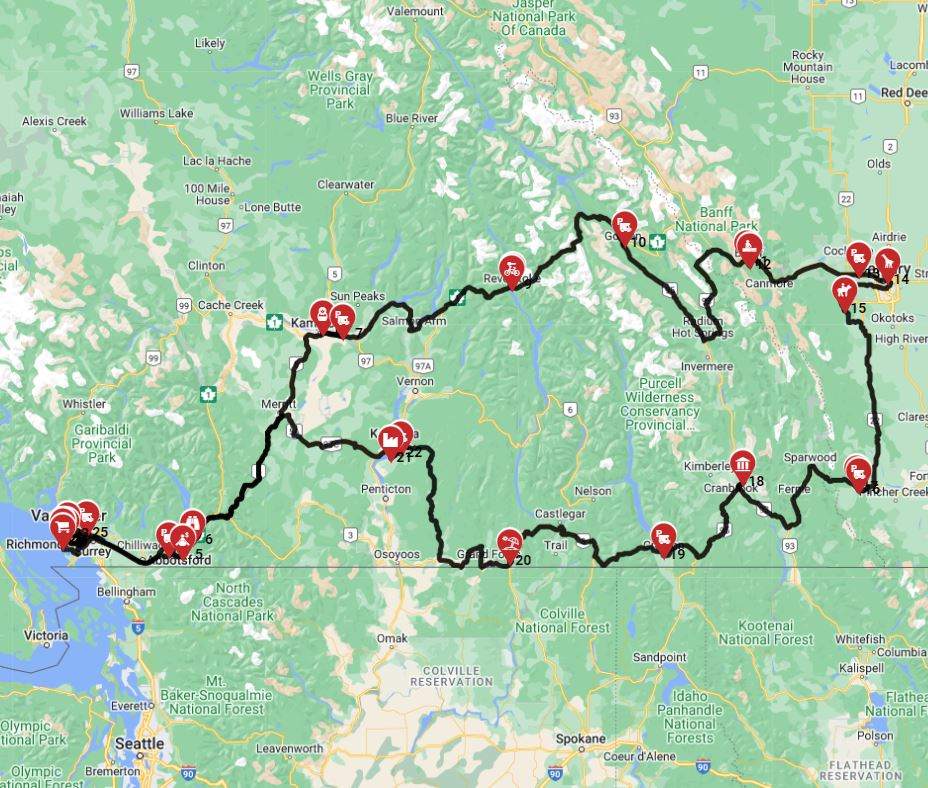
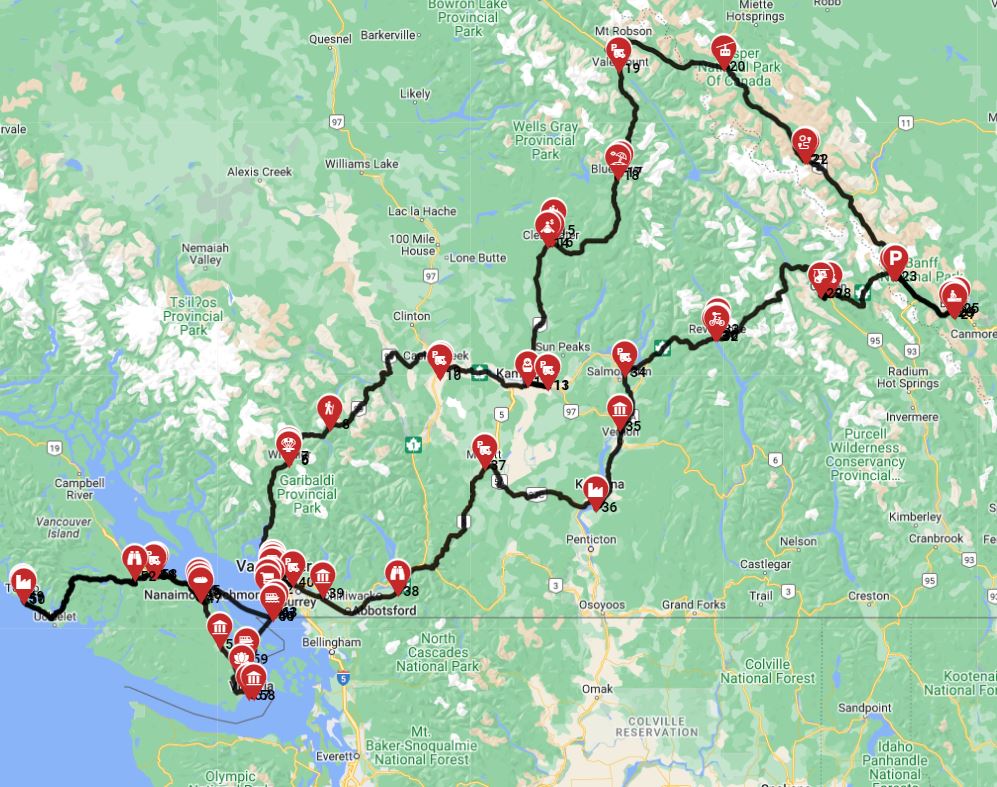
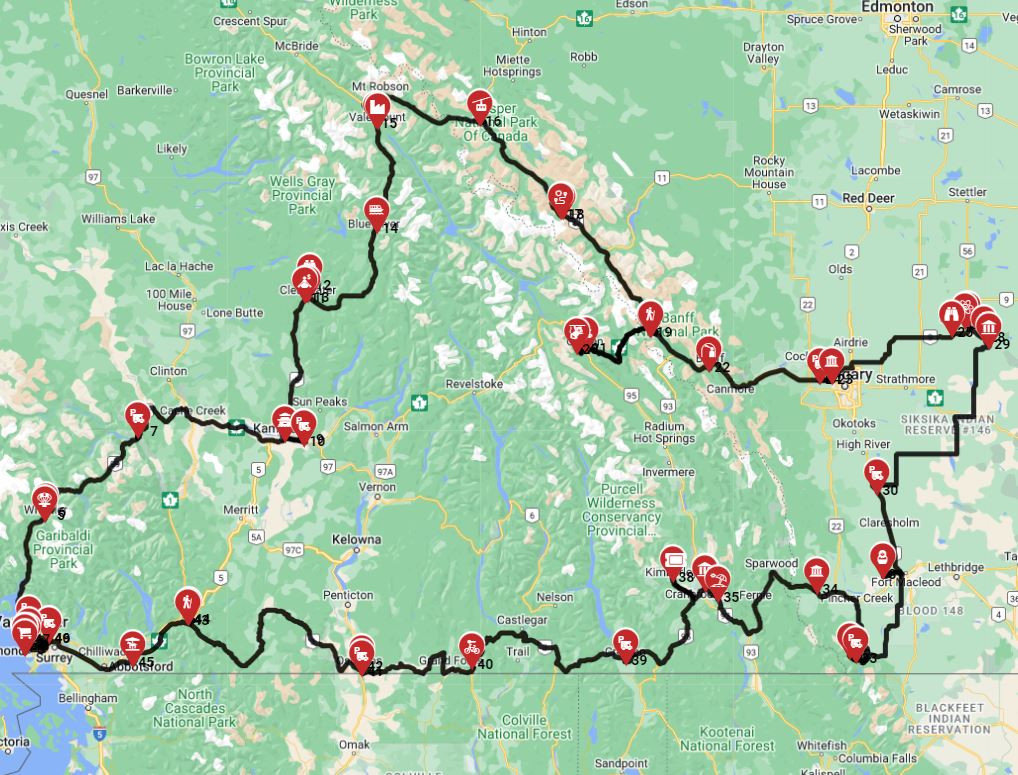
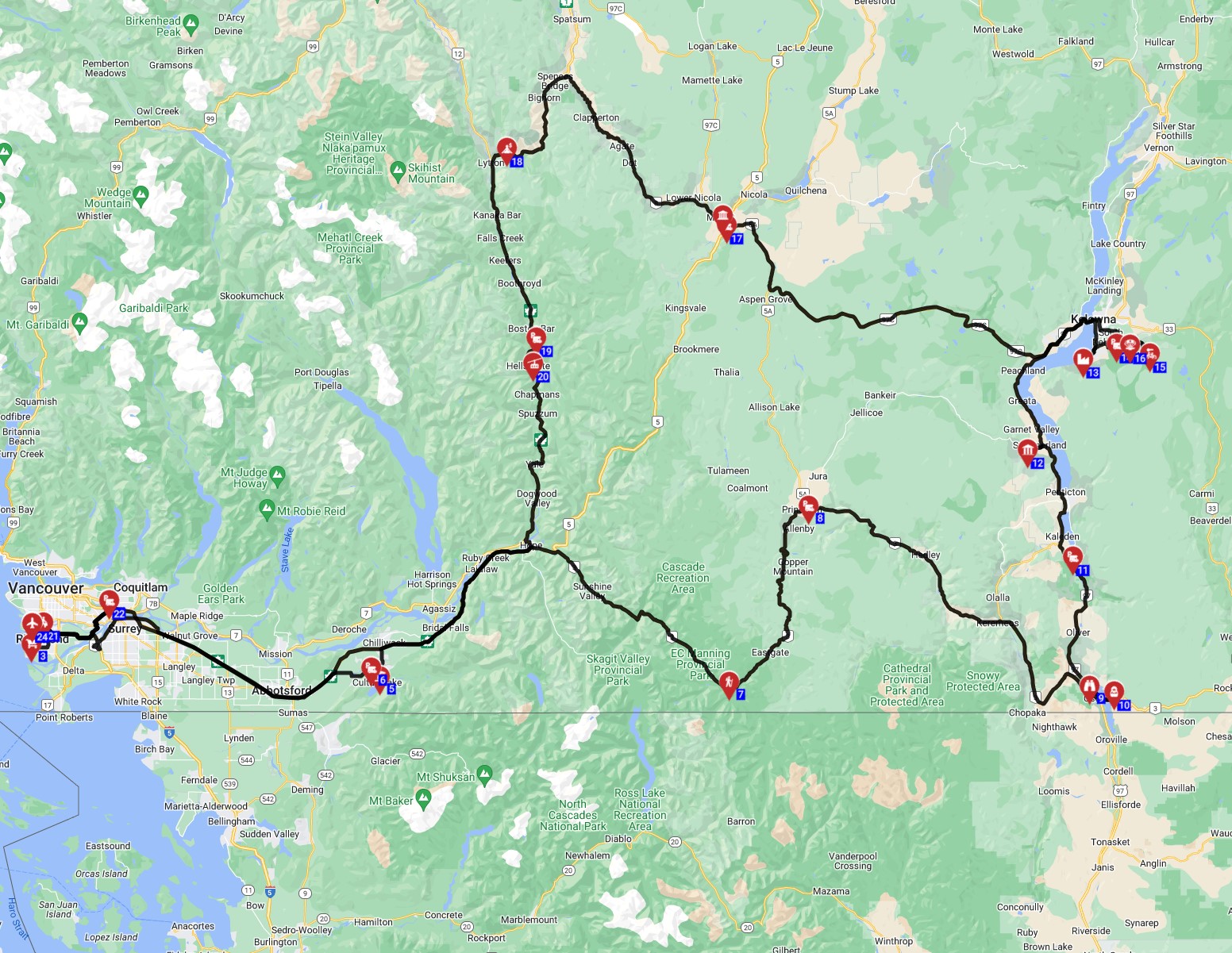
Third, allow extra braking distance; due to their weight, RVs require significantly more space to stop safely. Fourth, plan your route carefully using RV-specific GPS or apps to identify suitable roads and appropriate parking. For comprehensive pre-planned routes, consider RV PLANET to streamline your journey. Finally, be mindful of wind, as RVs are susceptible to crosswinds, especially when driving along coastal routes like Highway 99 north of Horseshoe Bay or past large trucks. Keep a firm grip on the steering wheel and reduce your speed in windy conditions for a smoother, safer ride.
Recommended RV Class for Vancouver Roads
For navigating the vibrant city of Vancouver and accessing its nearby natural attractions with ease, the Class B - Camper Van is highly recommended. These agile vehicles, often averaging around 5.8 meters in length (like the 'Category Van' or '2 Berth Hi Top'), offer exceptional maneuverability, making them easier to park in urban areas and access narrower provincial park roads near the city.
Alternatively, if you're seeking a balance of comfort and reasonable size for a family of 2+2, a Class SI - Semi-integrated RV is also a superb choice. These models, typically averaging 6.9 meters in length (such as the '2 Berth Tamar' or 'Family Standard'), provide more interior space and amenities without being overly cumbersome for city driving. Both Class B and Class SI motorhomes strike a good balance, allowing you to effortlessly transition from exploring downtown Vancouver to scenic drives along the Fraser Valley or up to Squamish. Remember, Bandana ensures you find the perfect rental RV in Vancouver to suit your travel style.
Should I Choose a Compact Van Instead of a Large RV in Vancouver?
The choice between a compact campervan and a larger motorhome in Vancouver truly depends on your travel style and group size. A compact Class B Camper Van, such as an 'rv rental denver example Category Van' or 'Active Pop Top', offers distinct advantages for urban maneuverability. With average lengths around 5.8 meters, they are easier to park in standard spots, navigate tighter city streets like Robson Street, and access areas where larger vehicles might be restricted.
However, for extended trips, larger families, or groups of friends, the increased indoor space and amenities of a larger RV (like a 7.1-meter '24' Class C Motorhome' or even a 'MHLUX' Class A model with slide-outs) often provide superior comfort and convenience. While larger RVs can generally be driven in Vancouver without significant issues on main thoroughfares and highways, remember the key is to drive slowly and carefully, and you can drive almost anywhere without issues. No need to stress - just use common sense and pay attention to your surroundings, regardless of size. Our "Cheap RV Rental in Vancouver - Budget Guide 2026" can help you compare options.
Can I Park Anywhere? Free & Wild Camping Rules in Vancouver
Overnight parking and unauthorized "wild camping" (boondocking) for RVs are generally not permitted within Vancouver city limits or on public streets. Municipal bylaws are strictly enforced to prevent sleeping in vehicles overnight, so don't expect to just pull over and set up camp in a residential area or downtown Vancouver.
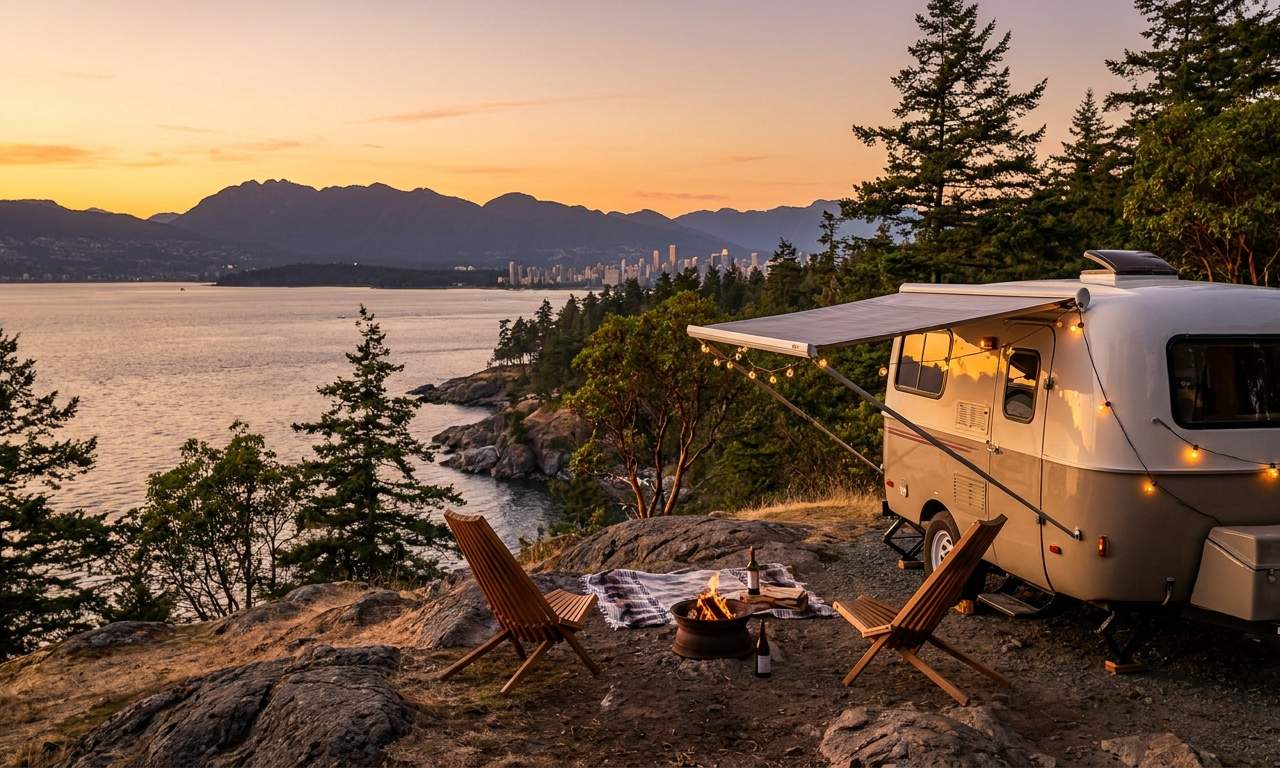
Instead, RV travelers must plan to utilize designated campgrounds or RV parks for overnight stays. Several excellent options are available just outside the city, such as Burnaby Cariboo RV Park, Capilano River RV Park in North Vancouver, or Fort Camping in Fort Langley. It is highly recommended to book spots at these official RV parks or provincial campgrounds near Vancouver well in advance, especially during the peak summer season and holiday weekends, as they fill up quickly. For finding campsites and campgrounds during your trip, we recommend using RV PLANET (rvplan.net) - a great resource for locating available spots along your route.
Can I Drive an RV Into the City Center? Heights, Tunnels & Local Signage
You can generally drive a rented RV into Vancouver's city center, but it requires careful attention and a good understanding of urban driving. Most major roads and avenues leading into and throughout downtown, like Georgia Street and Denman Street, are accessible to RVs. However, parking is the primary challenge; underground parking garages almost universally have height restrictions, typically limiting access to vehicles over 2 meters (6.5 feet), which rules out most motorhomes.
There are no specific tunnels or notoriously low bridges on main routes directly into downtown Vancouver that would universally restrict RVs. Still, always observe posted height and weight limits on any specific structure or street you encounter. Be extra vigilant for local signage indicating bus lanes, residents-only parking, or temporary restrictions during events, which can make navigation and parking difficult for larger vehicles. For a stress-free visit to the city core, it's often more practical to park your larger RV at a peripheral RV park or a SkyTrain station outside downtown (like the Bridgeport Station near YVR for easy access) and use Vancouver's efficient public transit system.
Do you need a different license to drive an RV in Canada?
No, you typically do not need a special license to drive most RVs in Canada for recreational purposes. For the majority of rental motorhomes, including Class A, Class B, and Class C vehicles, a standard provincial Class 5 (or equivalent from your home country) driver's license is sufficient, provided the gross vehicle weight (GVW) does not exceed 11,000 kg (24,250 lbs).
A special license or air brake endorsement is generally only required for very large commercial-style vehicles or those equipped with air brakes, which are uncommon in Bandana's rental fleet. For non-Canadian drivers, a valid driver's license from their home country is required, and an International Driving Permit (IDP) is recommended as a legal translation if your license is not in English or French. Rest assured, Bandana partners ensure their rental vehicles are suitable for standard licenses.
Can you park RV in Vancouver?
You can generally park a rented RV in Vancouver for short periods during the day in designated large vehicle spots or street parking where permitted, but overnight parking and wild camping within city limits are typically restricted by municipal bylaws. Finding suitable street parking for larger RVs can be challenging in busy areas, especially downtown Vancouver, due to size constraints and high demand.
Vancouver city bylaws often prohibit sleeping in vehicles on public streets, making overnight stays outside of designated facilities illegal. Therefore, for legal and secure overnight accommodation, travelers should research and book spots at official RV parks or provincial campgrounds near Vancouver, such as Burnaby Cariboo RV Park or Fort Camping, well in advance. For route planning and locating such facilities, our RV Travel Guide to Vancouver - Tips and Top Spots 2026 provides excellent resources.
What license do you need to drive an RV in BC?
In British Columbia, you need a standard Class 5 driver's license to operate most recreational vehicles, which includes typical rental motorhomes from Class A to Class C. This is the same license required for passenger cars and light trucks, and it covers RVs that do not exceed 11,000 kg (24,250 lbs) Gross Vehicle Weight and are not equipped with air brakes.
An 'Air Brake Endorsement' is only necessary for vehicles with air brakes, which are rarely found on standard rental RVs. International visitors are permitted to drive with their valid foreign driver's license for up to six months, and an International Driving Permit (IDP) is a valuable, though not mandatory, document to carry as a translation. Bandana works with top suppliers like Cruise America and Apollo, who ensure their fleet is accessible with standard licensing requirements.
What is the 3-3-3 rule for RVs?
The '3-3-3 rule' is a widely recognized informal guideline for RV travel, suggesting that you should aim to drive no more than 300 miles (approximately 480 km) in a day, arrive at your destination by 3 PM, and stay for a minimum of 3 nights at each location. This rule is designed to promote a relaxed and enjoyable travel experience, preventing driver fatigue and allowing ample time for setting up camp and exploring your surroundings in British Columbia's diverse landscapes.
While it's a flexible guideline, adhering to the 3-3-3 rule can significantly enhance safety and enjoyment, especially for those new to RV travel. For example, traveling slowly, perhaps averaging 100-150 km per day, allows you to truly feel the place, connect to the culture, the food, and the scenery. Our RV-friendly recipes playlist can even help you plan meals for your multi-night stays!
Do I need a licence to drive an RV?
Yes, you always need a valid driver's license to operate any type of motor vehicle, including a rented RV. Operating an RV without the appropriate license is illegal and would invalidate any rental insurance coverage, leaving you exposed to significant liability.
For almost all rental RVs, a standard passenger car license (such as a Class 5 in British Columbia) is sufficient. This covers everything from a compact campervan like an 'Active Small' to a larger Class C motorhome like an 'Adventurer'. It's crucial to confirm your license validity and category with your RV rental provider before booking to ensure a smooth pickup at Vancouver Airport.
How to get cheaper RV insurance?
Securing affordable and comprehensive insurance for your RV rental in Vancouver involves understanding your coverage options and making informed choices. First, always check if your existing personal car insurance policy or the credit card used for the rental offers any collision damage waiver (CDW) or liability coverage that extends to rental RVs.
Bandana Caravan partners, including major suppliers like El Monte and Britz, offer various insurance packages. Opting for a higher deductible can sometimes lower your premium, though it means a larger out-of-pocket expense if an incident occurs. For enhanced peace of mind, you can also upgrade to a top-level deductible reimbursement option. Always read the terms and conditions carefully to understand covered elements and any exclusions, ensuring comprehensive protection for your Vancouver RV adventure. Our "RV Rental in Vancouver - Prices and Best Deals 2026" guide offers more insights into insurance and costs.
What You Shouldn't Miss
- Explore Stanley Park's Seawall: Drive your Class B campervan to a parking spot near Stanley Park and cycle or walk along the iconic Vancouver Seawall, offering stunning views of the city skyline, mountains, and ocean.
- Drive the Sea-to-Sky Highway to Squamish: This scenic route (Highway 99) is an RV paradise. Stop at Porteau Cove Provincial Park for incredible fjord views and potential camping, then continue to Squamish for the Sea to Sky Gondola and world-class hiking.
- Visit Granville Island Market: Park your RV at a nearby lot (like the large public lot under the Granville Street Bridge) and take a short walk to enjoy fresh local produce, artisanal foods, and unique crafts at this vibrant market. You might even find ingredients for your RV-friendly recipes playlist!
- Experience the Fraser Valley Wine Route: Just an hour's drive east of Vancouver, this route offers beautiful vineyards and tastings. Consider a small Class SI motorhome for comfortable touring.
- Camp in Golden Ears Provincial Park: Less than an hour's drive from Vancouver, this park offers hundreds of campsites nestled in a temperate rainforest, with opportunities for hiking and canoeing on Alouette Lake.
- Looking for expert insights from Avi Bandana? Top 5 Adventures - recommendations from Avi Bandana
Final Thoughts
Embarking on an RV adventure from Vancouver Airport is an incredible way to experience the breathtaking beauty of British Columbia and beyond. With careful planning and the right rental, you'll find yourself navigating scenic routes, exploring vibrant city centers, and settling into peaceful campgrounds with ease. Remember to travel slowly, enjoy the journey, and immerse yourself in the culture and nature that surrounds you.
At Bandana Caravan, we are here to support you every step of the way, from comparing prices to coordinating your booking. Our goal is to ensure your RV rental in Vancouver is not just a trip, but a collection of cherished memories. Discover top destinations, planning tips, all in one place, and let us help you plan a trip itinerary in advance with minimal effort and maximum enjoyment!
Find Motorhome Rentals in Vancouver