In This Guide
- Can You Drive an RV in Turkey? License & Age Rules
- Road Conditions & Terrain in Turkey
- RV Size Limits, Bridges & Restricted Zones
- Fuel: Diesel vs. Petrol & Cost per 100 km
- Tolls, Vignettes & Border Rules
- Driving Tips for RV rental Travelers
- Recommended RV Class for Turkey Roads
- Should I Choose a Compact Van Instead of a Large RV in Turkey?
- Can I Park Anywhere? Free & Wild Camping Rules in Turkey
- Can I Drive an RV Into the City Center? Heights, Tunnels & Local Signage
- How much does it cost to rent an RV in Turkey?
- What are the best RV routes in Turkey?
- Is it safe to travel Turkey by RV?
- What is the best time of year to RV in Turkey?
- Where can I find RV campgrounds and facilities in Turkey?
- Can I rent an RV in Turkey with unlimited mileage?
- How do I get internet and stay connected in an RV in Turkey?
- Are there any specific cultural considerations for RV travelers in Turkey?
- What should I pack for an RV trip in Turkey?
Can You Drive an RV in Turkey? License & Age Rules
Yes, you can absolutely drive an RV in Turkey with the right documentation and adherence to local age requirements. Foreign visitors can generally operate an RV in Turkey using their valid national driver's license, often supplemented by an International Driving Permit (IDP) that has been translated into Turkish. It's crucial to check if your specific national license is recognized or if an IDP is mandatory for your nationality.
A standard B category driver's license is typically sufficient for driving most RVs and campervans up to 3,500 kg Gross Vehicle Weight (GVW), which includes many Class B campervans and semi-integrated (Class SI) models. However, for larger, heavier RVs exceeding this 3,500 kg threshold, you might require a higher license category, such as a C1 or C, depending on the vehicle's specific GVW. Always confirm the vehicle's weight and your license validity before renting.
The minimum driver age for RV rentals in Turkey is usually 21, though some rental companies may enforce a stricter age policy, requiring drivers to be 25 years or older and to have held their license for a minimum of two or three years. Always verify these age and licensing requirements directly with your chosen rental provider. For your peace of mind and to comply with regulations, always carry your original national license and your IDP. While a Carnet de Passage is generally not needed for rental RVs, it is typically required for personally-owned foreign vehicles entering Turkey.
Road Conditions & Terrain in Turkey
Turkey presents a varied landscape of road conditions, catering to RV travelers willing to adapt their driving style. You'll find exceptionally well-maintained, multi-lane highways known as 'Otoyol,' which connect major cities efficiently and are often tolled. These highways offer a smooth experience for RV travel.
However, venturing onto secondary and rural roads can reveal a different picture. These routes can be narrower, more winding, and occasionally have a rougher surface, including potholes, particularly in less developed or mountainous regions. This diversity in road quality means it’s always wise to drive at a more conservative pace, allowing you to safely navigate varying conditions and truly appreciate Turkey's diverse and stunning scenery, from the rugged mountains of the Black Sea to the picturesque coastal routes.
RV Size Limits, Bridges & Restricted Zones
While Turkey doesn't impose strict, overarching RV size limits for its general road network, drivers must remain keenly aware of specific restrictions, especially concerning bridges and tunnels. Always pay close attention to signage indicating height limits before entering tunnels, underpasses, or historic city gates, as these can pose challenges for larger RVs. Most standard RVs and campervans will fit comfortably on major roads, but be prepared for potentially narrow lanes or tight turns in older town centers or very rural routes.
Environmental or low-emission zones are not widely implemented for private vehicles in Turkey, but it is essential to respect all local signage, particularly in protected natural areas, archaeological sites, or sensitive cultural zones. When planning any ferry crossings, such as those that might connect different parts of the Turkish coast or islands, your RV's length, height, and weight will directly impact pricing and booking procedures. It's advisable to check these details in advance with the ferry operators.
Fuel: Diesel vs. Petrol & Cost per 100 km
Diesel is the predominant and most readily available fuel for RVs in Turkey, making it a reliable choice for your motorhome. Most rental RVs, including Bandana's fleet of semi-integrated models and Class C 'Alcove' types, typically run on diesel, often labeled as 'Dizel' or 'Motorin' at the pump. These vehicles generally consume around 10-12 liters per 100 km, though this can vary slightly.
Fuel prices in Turkey can be higher compared to some other European countries, so factor this into your overall trip budget. For a semi-integrated RV consuming approximately 10-11 liters per 100 km, covering 100 km would cost roughly the current diesel price in Turkish Lira (TL) multiplied by that consumption rate. For instance, if diesel is priced at 40 TL/liter, a 100 km journey would cost approximately 400-440 TL. Campervans (Class B), with their typically lower consumption of 8-10 L/100 km, may offer slightly more economical fuel costs. It's always a good idea to inquire with your rental provider if any fuel discount cards or perks are included with your RV rental to help manage these expenses. On the routes offered through RV PLANET routes, you can itemize and track every expense along the way for easy budgeting.
Tolls, Vignettes & Border Rules
Turkey operates an efficient electronic toll system known as HGS (Hızlı Geçiş Sistemi) for its motorways and major bridges, which requires an HGS sticker or card linked to your vehicle. Upon picking up your rental RV, you'll need to acquire an HGS sticker/card, typically available from post offices (PTT), select petrol stations, or major border crossing points. This system requires pre-loading with credit, as there are no cash booths on Turkish tolled roads.
It's crucial to ensure your HGS account is adequately topped up to avoid substantial fines, which can be issued for non-compliance. Some rental providers may offer pre-purchased toll passes as part of their rental package, which can simplify this process. Turkey does not currently use a vignette system for its roads, making the HGS the primary method for toll payment. When planning to cross borders into neighboring countries such as Greece or Bulgaria, remember that each nation has its own distinct tolling or vignette requirements that you must adhere to.
Driving Tips for RV rental Travelers
To ensure a smooth and enjoyable RV journey in Turkey, embrace a defensive driving style and be prepared for assertive driving from local motorists. Using your horn is common for communication, such as signaling your presence around blind corners or alerting other drivers, rather than an aggressive gesture. Plan for regular stops every 2-3 hours at service stations or scenic viewpoints to ensure comfort and provide refreshments for all passengers, especially families.
For budget-conscious toll management, ensure your HGS toll pass is sufficiently loaded to avoid potential charges or fines, which can sometimes be higher than standard rates. If available, opting for an RV with an automatic transmission can significantly reduce driving stress, particularly in hilly terrains or busy city traffic. Always respect local customs by being attentive to pedestrians, livestock, and slower vehicles, especially in rural areas, signaling clearly and anticipating potential stops.
Recommended RV Class for Turkey Roads
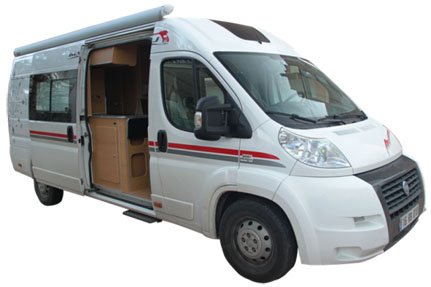
For navigating Turkey's diverse road network, Class SI (Semi-integrated) RVs and Class B (Camper Vans) are highly recommended, as they offer an excellent balance between living comfort and maneuverability. Our global fleet data shows Class SI RVs, averaging 6.9 meters in length and sleeping up to 3-4 people, provide good living space and are versatile for both highways and secondary roads.
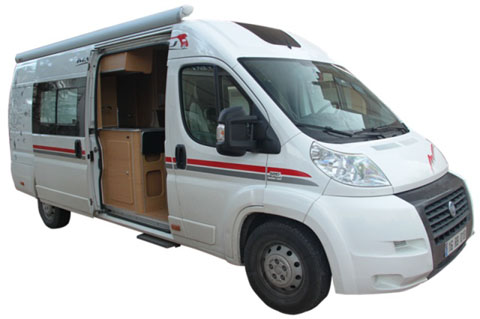
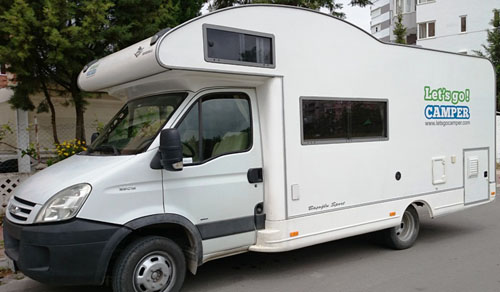
Class B camper vans, typically around 5.8 meters long and accommodating 2-3 sleepers, are exceptionally agile. They are ideal for narrower streets and easier parking, with Bandana's fleet of these vehicles averaging a fuel consumption of 8-10 L/100 km. While larger Class C Alcove (averaging 7.5 meters) and Class A Integrated (also averaging 7.5 meters) RVs are manageable on main routes, their size can present more challenges in very tight, historic city centers or remote, unpaved locations.
Should I Choose a Compact Van Instead of a Large RV in Turkey?
While a compact van, such as a Class B campervan, offers superior maneuverability in Turkey's tight city centers and narrow mountain passes, a larger RV generally provides significantly more comfort and indoor living space, which is often preferable for a more relaxed RV travel experience. Compact vans are indeed excellent for urban exploration and very winding roads due to their smaller footprint, making parking and navigating easier.
However, larger RVs, including semi-integrated or alcove models, offer distinct advantages: separate sleeping areas, more spacious kitchens, dedicated washrooms, and ample storage. These features greatly enhance the overall travel experience, particularly for longer trips or families. The perceived challenge of driving a larger RV in Turkey is often overblown, as major roads are well-suited for them, and many tourist sites provide adequate parking. Your choice hinges on your itinerary: if deep urban exploration or very remote, off-road spots are your priority, a compact van might be ideal. But for a balance of comfort and accessibility across most Turkish routes, a larger RV is generally the better choice.
Can I Park Anywhere? Free & Wild Camping Rules in Turkey
Wild camping in Turkey is a nuanced topic; while generally tolerated in many rural, non-protected areas, particularly with explicit landowner permission, it is officially prohibited within national parks and strictly regulated zones. It is often permissible on private land with the landowner's consent or in remote, undeveloped areas away from major tourist hubs, provided you maintain a low profile and practice Leave No Trace principles.
Strict prohibitions are in place for national parks, archaeological sites, military zones, and protected natural reserves unless you have obtained prior permits. It is always best to interact respectfully with locals; asking for permission (e.g., at a local shop or even the local gendarmerie in smaller towns) can often ensure a positive and stress-free experience. Remember to practice Leave No Trace principles diligently: pack out all trash, respect the environment, and minimize your impact. As rules can vary significantly by region, it is wise to check local regulations and always adhere to local laws before parking overnight.
Can I Drive an RV Into the City Center? Heights, Tunnels & Local Signage
Yes, you can generally drive an RV into most city centers in Turkey, but it requires careful attention to local signage, particularly concerning height restrictions, narrow streets, and parking availability for larger vehicles. Major cities like Istanbul, Ankara, and Izmir have main arteries that are well-navigable by RVs, but historic districts often feature narrow, winding roads that might be unsuitable for larger motorhomes.
Always be vigilant for height limit signs before entering tunnels, underpasses, or parking garages; it's safer to assume an RV will not fit in underground parking facilities. Pay close attention to local signage indicating 'giriş yok' (no entry) or 'sadece ikamet edenler' (residents only) areas, which are common in pedestrianized or sensitive zones. For exploring the core attractions of historical centers, it's often best to plan to park your RV on the outskirts or in designated large vehicle parking areas, then utilize public transport or walk.
How much does it cost to rent an RV in Turkey?
RV rental costs in Turkey typically range from €80 to €200+ per day, with variations based on the RV class, rental duration, season, and included amenities. For example, a compact Class B Camper Van might start at €80-120 per day during the low season, while a larger Class C Alcove or Class A Integrated RV could cost €150-250+ during the peak summer months.
Beyond the daily rental rate, fuel expenses are a significant factor; budget for current diesel prices (e.g., 2026 average diesel price in TL/liter) and the RV's consumption, which is typically 10-12 L/100 km for Bandana's fleet of semi-integrated models. Toll road costs vary by route but expect to spend a few Euros per 100 km on major highways when using the HGS system. Campsite fees for official campgrounds generally range from €15-€40 per night for a pitch with hookups. Remember to also budget for food, which can be quite affordable when self-catering with local market produce, and factor in comprehensive insurance and any additional rental fees for extras like navigation devices or camping gear.
What are the best RV routes in Turkey?
Turkey offers a wealth of spectacular RV routes, perfect for exploring its diverse landscapes and rich history. The Turquoise Coast along the Mediterranean is ideal for beach lovers and offers stunning coastal drives, while Cappadocia provides otherworldly landscapes, and the Aegean region is steeped in history. Each region offers unique experiences for RV travelers.
Consider driving the Turquoise Coast from Fethiye to Antalya, exploring charming towns like Oludeniz and Kaş, and discovering ancient Lycian ruins. This route boasts numerous coastal campsites and scenic drives perfect for RVs. For a journey into central Anatolia, the Cappadocia region offers iconic fairy chimneys and cave dwellings; roads here are generally good, with unique camping options near thermal springs or ancient sites. The Aegean Coast is perfect for history buffs, combining sites like Ephesus and Pergamon with coastal towns such as İzmir and Bodrum.
For a more rugged adventure, the Black Sea Coast route features lush mountains and tea plantations, though it is best suited for RVs capable of handling winding, sometimes narrow roads. Ultimately, RV travel in Turkey provides unparalleled flexibility to immerse yourself in the local culture, discover hidden gems, and connect with nature off the beaten path.
Is it safe to travel Turkey by RV?
Traveling Turkey by RV is generally considered safe for tourists, provided standard precautions are followed and specific advice for vehicle security and road awareness is heeded. Turkey has a low crime rate against tourists; however, as with any travel, it's wise to keep valuables out of sight and secure your RV when unattended, especially in more populated tourist areas.
When it comes to road safety, driving defensively is key, particularly in Turkish cities where traffic can be dense and fast-paced. Be mindful of pedestrians, scooters, and farm animals when driving on rural roads, as these are common occurrences. In the unlikely event of a breakdown, prioritize safety by pulling over to a secure location, activating your hazard lights, and contacting your rental company's emergency number or local roadside assistance (emergency number is 112). Familiarizing yourself with essential local emergency contacts—112 for general emergencies, 155 for police, and 110 for fire services—is also a prudent step for any traveler.
What is the best time of year to RV in Turkey?
The optimal times for an RV trip in Turkey are generally spring (April to June) and autumn (September to October), offering pleasant weather, fewer crowds, and ideal conditions for exploring diverse landscapes. During these shoulder seasons, temperatures are mild, ranging from 15-25°C (59-77°F), the scenery is often at its most beautiful with blooming flora in spring and vibrant fall colors inland, and tourist numbers are moderate.
Summer (July to August) is popular but can bring extreme heat, with temperatures often soaring to 30-40°C (86-104°F) or higher in coastal and interior regions, making daytime travel less comfortable. This peak season also sees higher tourist density at major attractions. Winter (November to March) can be challenging for RV travel, especially in interior and eastern Turkey, where significant snow and icy conditions can limit accessibility to mountainous areas and reduce campground availability. Coastal areas generally remain milder, but it's essential to research specific regional weather patterns if planning a winter RV adventure.
Where can I find RV campgrounds and facilities in Turkey?
RV campgrounds and facilities in Turkey are available, though perhaps less abundant than in Western Europe. You can typically find them along popular tourist routes, in coastal areas, and near major cities, offering essential services like electricity hookups, fresh water, and waste dump stations. Look for signs indicating 'kamping' or 'oto kamp' for designated campsites.
To locate these and informal parking spots, utilize online resources such as Park4Night, Campercontact, or specialized Turkish camping guides like Kampyerleri.org. Dedicated dump stations are less common outside of official campsites; don't hesitate to inquire at petrol stations ('istasyon') if they can assist with water refills ('su dolumu') or waste disposal. For your onboard cooking and heating needs, LPG (Liquefied Petroleum Gas) filling stations ('Otogaz') are widespread and affordable, but ensure your RV's tank connection is compatible or that you have the necessary adapters. Staying connected is also straightforward; local SIM cards from providers like Turkcell, Vodafone, or Türk Telekom are readily available and offer competitive data packages, ensuring good 4G/LTE coverage across most populated areas and along major routes. For ideas you can prep on the road, watch our RV-friendly recipes playlist on YouTube.
Can I rent an RV in Turkey with unlimited mileage?
Many RV rental companies in Turkey, including those partnered with Bandana, offer unlimited mileage options, particularly for longer rental periods, which provides significant peace of mind for extensive road trips. However, it is crucial to review your rental agreement carefully, as mileage clauses can vary. Some agreements may include a fixed daily or total mileage allowance, with charges for exceeding this limit.
An unlimited mileage option typically comes with a slightly higher daily rental rate but can prove more cost-effective for ambitious travel plans that involve covering significant distances across Turkey, such as combining Istanbul, Cappadocia, and the Mediterranean coast. To avoid any misunderstandings or unexpected costs upon returning the vehicle, ensure that 'unlimited mileage' is clearly stated in your booking confirmation and rental contract.
How do I get internet and stay connected in an RV in Turkey?
Staying connected in your rented RV in Turkey is quite straightforward, with the most reliable and cost-effective method being the purchase of a local SIM card for mobile data. Providers like Turkcell, Vodafone, and Türk Telekom are widely available at airports and city centers, offering various prepaid SIM options.
You can select data packages that suit your needs, often providing 20GB, 50GB, or more for a 30-day period, with excellent 4G/LTE coverage across most populated areas and along major travel routes. Alternatively, consider renting or purchasing a portable Wi-Fi device that utilizes a local SIM card. This creates a personal hotspot, ideal for multiple devices and remote work. Many official campgrounds also offer Wi-Fi, though its speed and reliability can vary, making it best suited for basic browsing. To support your connectivity needs, ensure your RV is equipped with robust power solutions, such as solar panels or powerful leisure batteries, to keep all your electronics charged, especially if you plan extended off-grid stays.
Are there any specific cultural considerations for RV travelers in Turkey?
RV travelers in Turkey will encounter a culture renowned for its warmth and hospitality. Observing key etiquette points, such as respectful interactions with locals and appropriate dress, will significantly enhance your experience and foster positive engagements. Turks are known for their generosity; graciously accepting offers of tea (çay) or food is a common and appreciated gesture, and being open to friendly curiosity from locals can lead to memorable interactions.
Regarding dress code, while larger cities are quite modern, modest attire is appreciated in smaller towns, villages, and particularly when visiting religious sites. Covering shoulders and knees is advisable, especially for women. Learning a few basic Turkish phrases can be invaluable for general interactions, asking for directions, or navigating mechanical issues. Phrases like 'Merhaba' (hello), 'Teşekkür ederim' (thank you), and 'Su lütfen' (water please) go a long way. Supporting local economies by purchasing fresh produce, olive oil, and handmade goods from village markets and roadside stalls is also a wonderful way to engage with the culture, fostering direct connections with vendors.
What should I pack for an RV trip in Turkey?
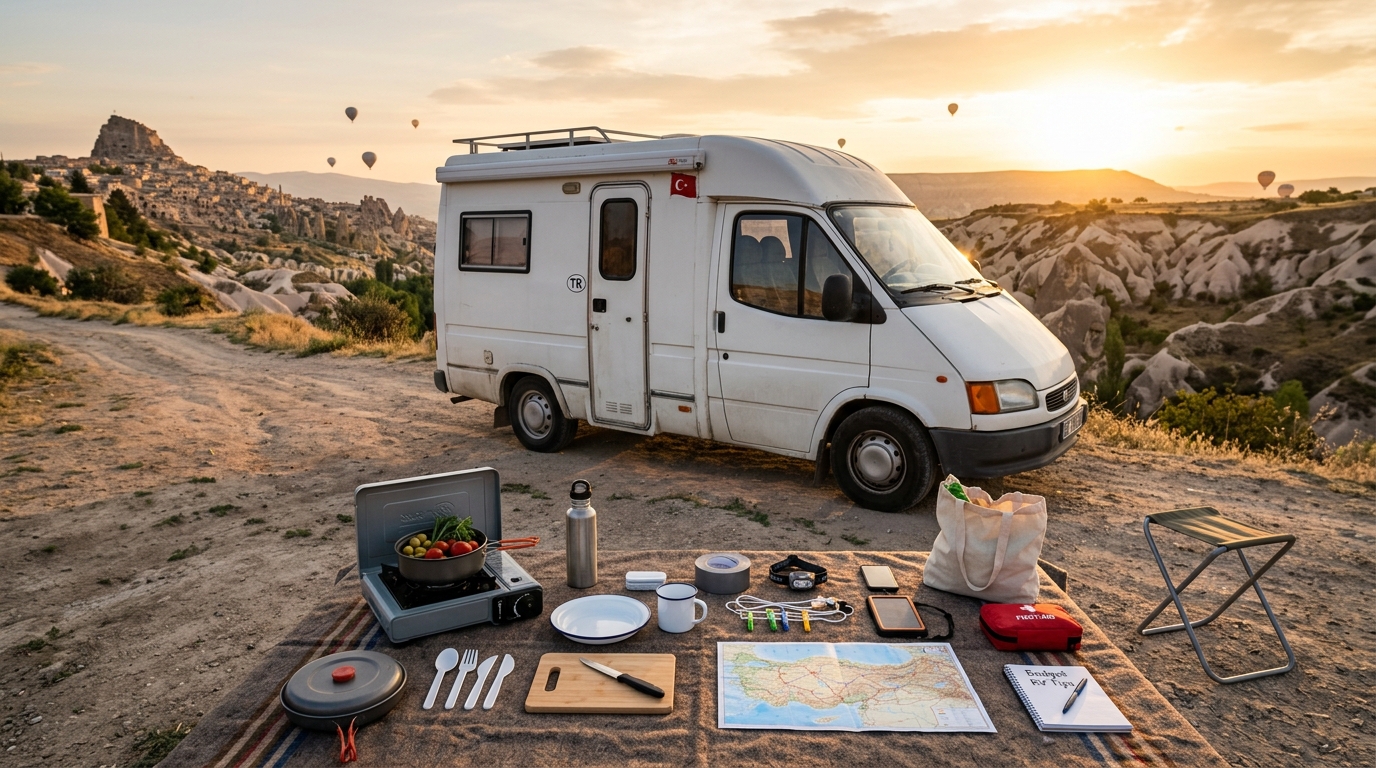
For a comfortable and well-prepared RV trip in Turkey, a comprehensive packing list should encompass essential travel documents, versatile clothing suitable for varying climates, basic kitchen supplies, reliable navigation aids, and personal safety items. Ensure you have your passport, International Driving Permit (IDP) if required, national driver's license, RV rental agreement, and comprehensive travel insurance. Keeping copies of all important papers is also recommended.
Pack clothing in layers to accommodate the diverse climate across Turkey; light layers are suitable for summer, while warmer attire is necessary for winter or mountainous regions. Don't forget swimwear for the beautiful coastlines and modest attire for visiting religious sites. While rental RVs are typically equipped with kitchens, consider bringing personal spices, a small coffee maker for your morning ritual, and reusable containers for convenient shopping at local markets. For navigation, offline maps (e.g., Google Maps, Maps.me) and a reliable GPS are crucial backups, and having a physical map can be a lifesaver. Finally, a well-stocked first-aid kit, sun protection, insect repellent, a travel adapter, a headlamp, and a multi-tool are highly recommended for addressing various needs and ensuring safety and comfort on the road.
What You Shouldn't Miss
- Drive along the stunning Turquoise Coast (Mediterranean), stopping at scenic viewpoints and charming coastal towns.
- Explore the unique fairy chimneys and ancient cave dwellings of Cappadocia, perhaps with a hot air balloon ride at sunrise.
- Visit the remarkably preserved ancient ruins of Ephesus and combine it with exploring the vibrant cities of İzmir and Bodrum along the Aegean coast.
- Experience the dramatic mountain landscapes and lush tea plantations of the Black Sea Coast, opting for an RV that can comfortably handle winding roads.
- Discover the historical richness of the Aegean region, including sites like Pergamon and Troy, before relaxing in coastal havens.
- Immerse yourself in the culture by visiting local markets, trying regional delicacies, and engaging with the friendly Turkish people you meet along your journey.
Final Thoughts
Embarking on an RV adventure in Turkey offers an unparalleled way to experience its diverse landscapes, rich history, and vibrant culture. From the stunning Mediterranean coast to the mystical terrains of Cappadocia, a rented motorhome provides the freedom and flexibility to explore at your own pace.
At Bandana Caravan, we're here to make your planning process as smooth as your journey. With our transparent pricing, extensive vehicle options, and commitment to customer support, you can focus on creating unforgettable memories. Let us help you find the perfect RV for your Turkish road trip and get ready to embrace the open road!