In This Guide
- Can You Drive an RV in Toronto? License & Age Rules
- Road Conditions & Terrain in Toronto
- RV Size Limits, Bridges & Restricted Zones
- Fuel: Diesel vs. Petrol & Cost per 100 km
- Tolls, Vignettes & Border Rules
- Driving Tips for luxury rv rental Travelers
- Recommended RV Class for Toronto Roads
- Should I Choose a Compact Van Instead of a Large RV in Toronto?
- Can I Park Anywhere? Free & Wild Camping Rules in Toronto
- Can I Drive an RV Into the City Center? Heights, Tunnels & Local Signage
- Do you need a CDL to drive a luxury RV?
- Do you need a license to drive an RV in Canada?
- Can Americans RV in Canada?
- What is the 3-3-3 rule for RVs?
- Can you park an RV on the street in Toronto?
- What is the new law on RV licensing in Ontario?
- Who insures expensive motorhomes?
- How much is RV insurance in Canada?
- How much is insurance on a million dollar RV?
- What You Shouldn't Miss
- Why Book with Bandana Caravan
- Final Thoughts
- Frequently Asked Questions
Embarking on a luxury RV rental adventure from Toronto Airport offers a unique blend of urban exploration and scenic Canadian wilderness. Imagine the freedom of picking up your comfortable motorhome near Pearson International Airport (YYZ) and immediately heading out to discover Ontario's beauty, or perhaps exploring the vibrant city of Toronto itself at your own pace. With Bandana RV, we’re your true RV specialists, dedicated to making your journey seamless, transparent, and utterly enjoyable. For live availability and current prices, start with our RV Rental Toronto - Complete Guide 2026 guide.
Can You Drive an RV in Toronto? License & Age Rules
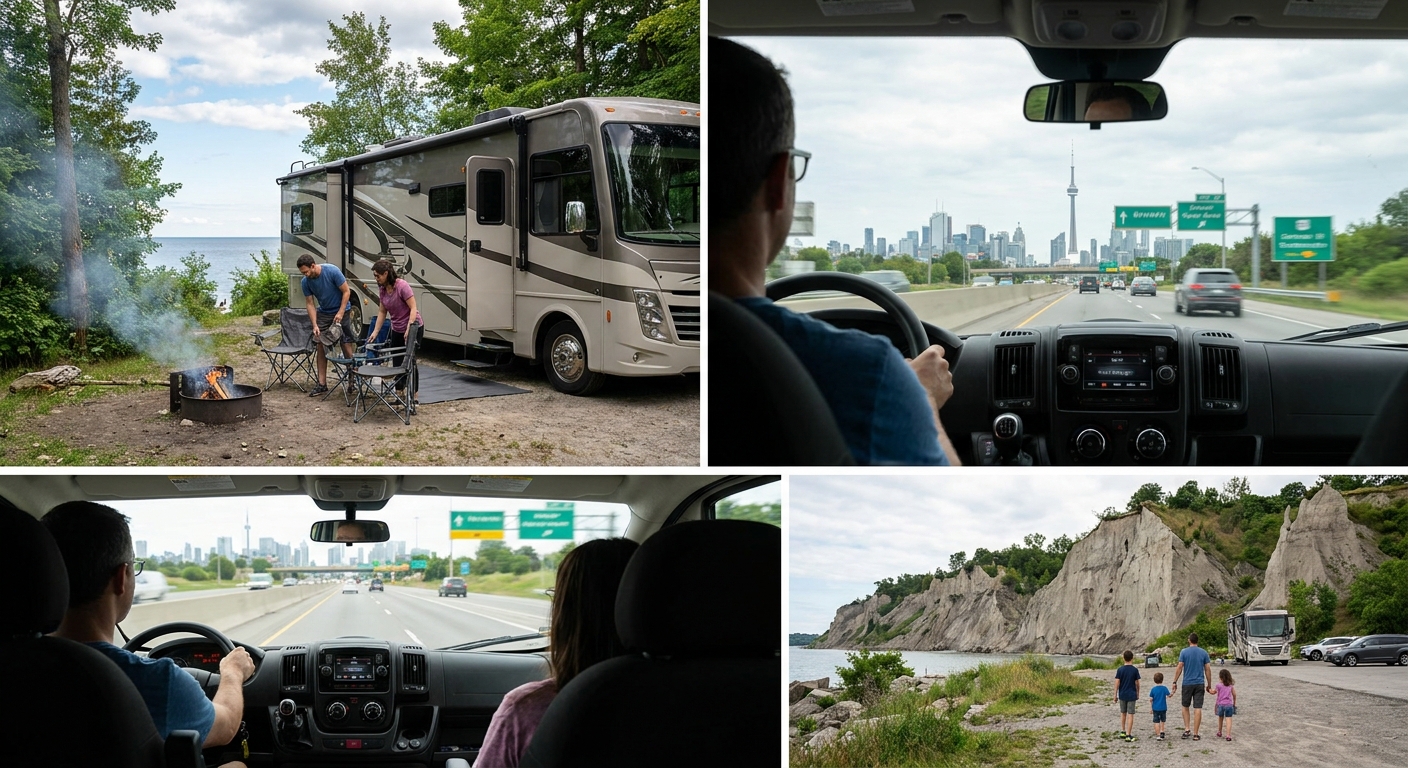
Yes, you can absolutely drive a rented RV in Toronto, and understanding the license and age rules is straightforward. Most luxury RVs in Ontario, if under 11,000 kg (24,250 lbs) gross weight, can be comfortably driven with a standard G class license, which is the common car driver's license in the province. This means no special commercial driver's license (CDL) is typically needed for your vacation motorhome.
Drivers must generally be at least 21 years old to rent an RV in Toronto and across Ontario. Bandana RV adheres to this age requirement, and we pride ourselves on having no young driver surcharges or vehicle class restrictions based on age, ensuring a fair and accessible rental experience. For visitors from outside Canada, a valid driver's license from your home country is essential, and an International Driving Permit (IDP) is highly recommended for translation, particularly if your home license is not in English or French. This extra step helps ensure smooth interactions with local authorities and rental suppliers.
We believe in full transparency, ensuring you know exactly what's required without any hidden fees or surprises when you pick up your luxury rv rental in Toronto. Whether you're planning a week-long trip or an extended road trip through Ontario, having the right documentation in order means peace of mind from the very start.
Road Conditions & Terrain in Toronto
Toronto's roads are generally well-maintained and suitable for luxury RVs, comprising primarily of urban streets and multi-lane highways known as the 400-series (e.g., Highway 401, 427, 400). The terrain around Toronto and Southern Ontario is largely flat or gently rolling, which means you won't encounter significant challenges like steep mountain passes or winding, narrow roads typical of some other destinations when driving your luxury rv rental. This makes for a relaxed and enjoyable driving experience, even for those new to motorhome travel.
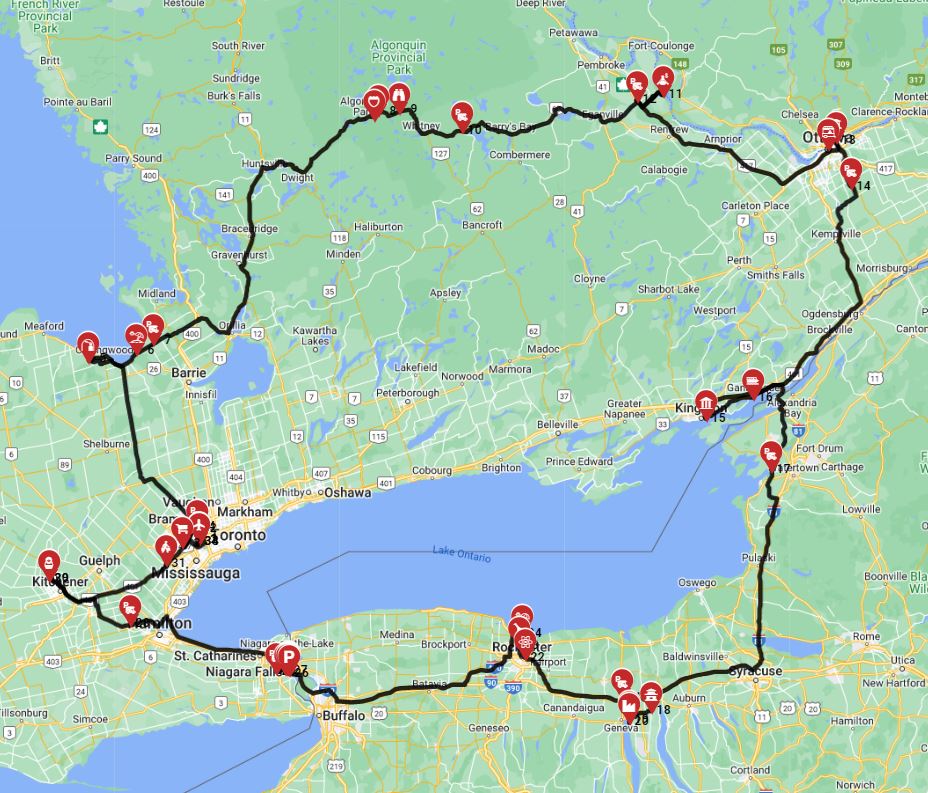
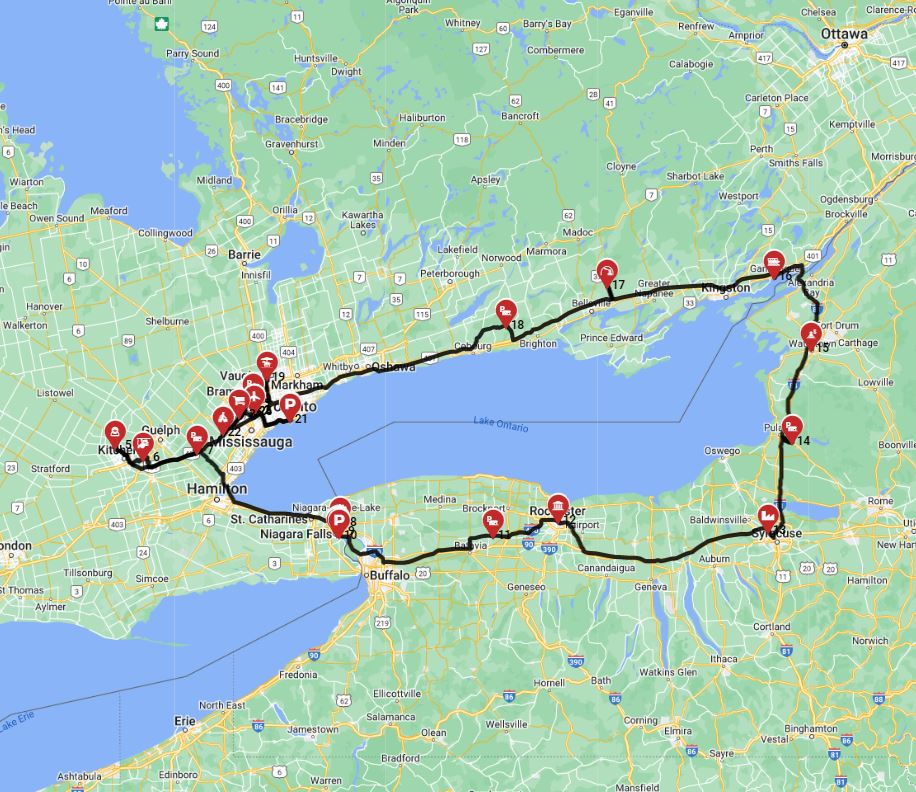
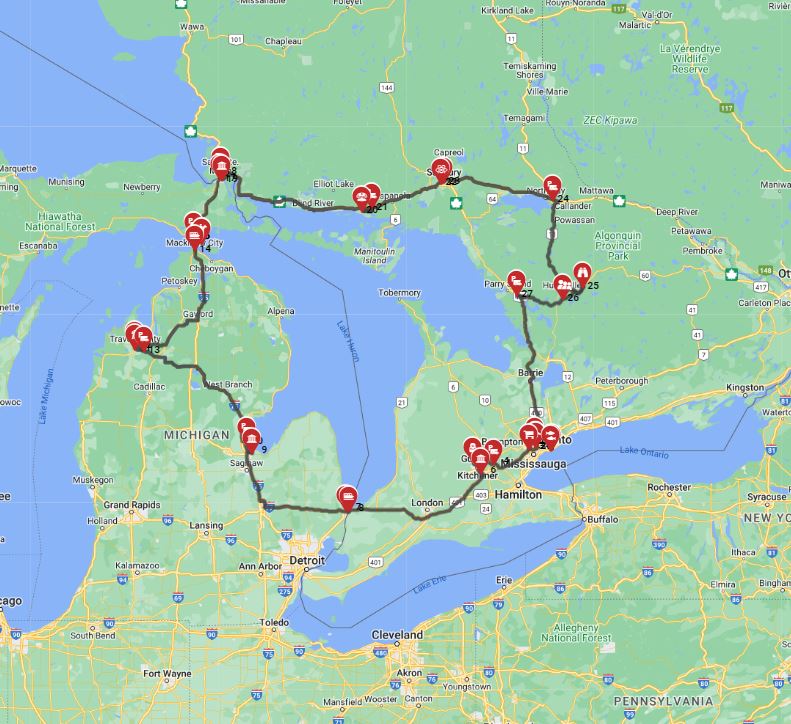
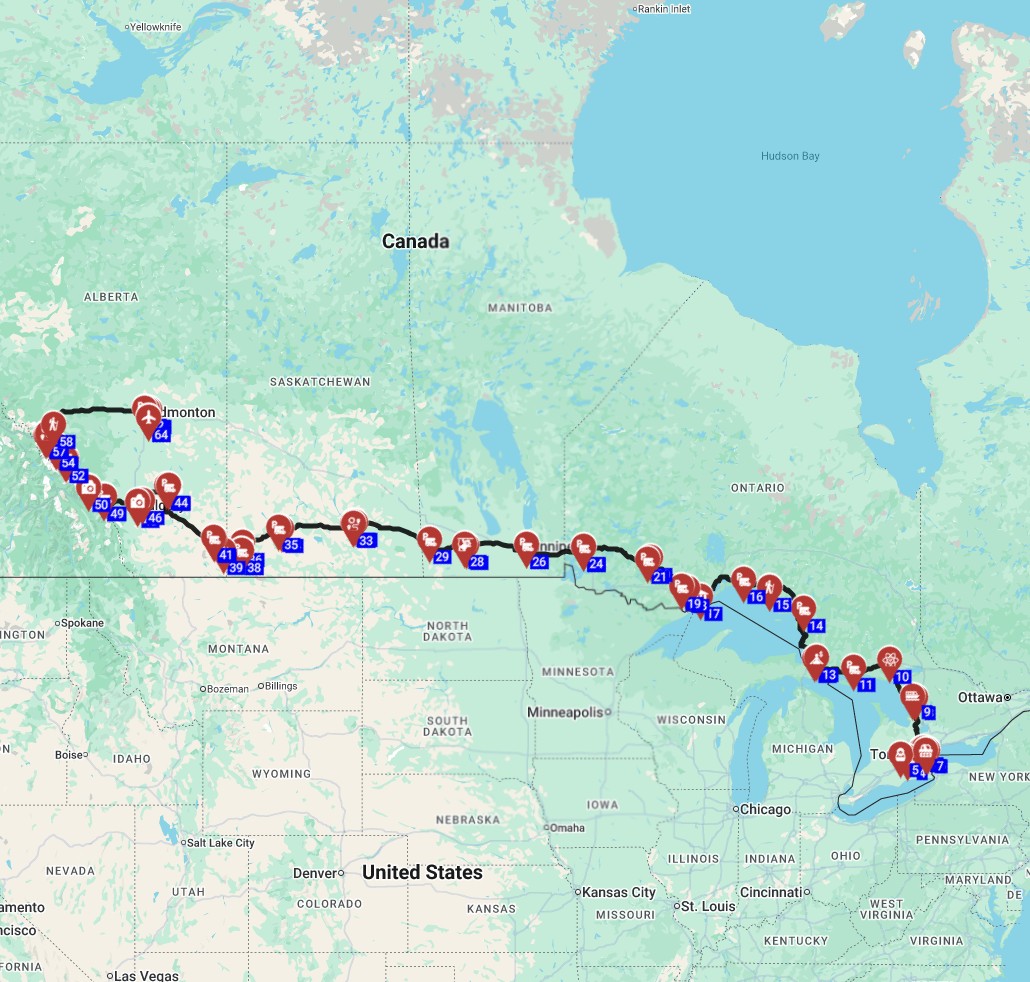
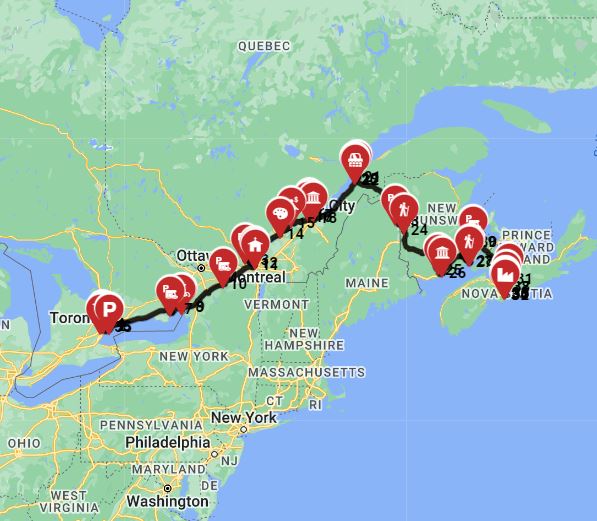
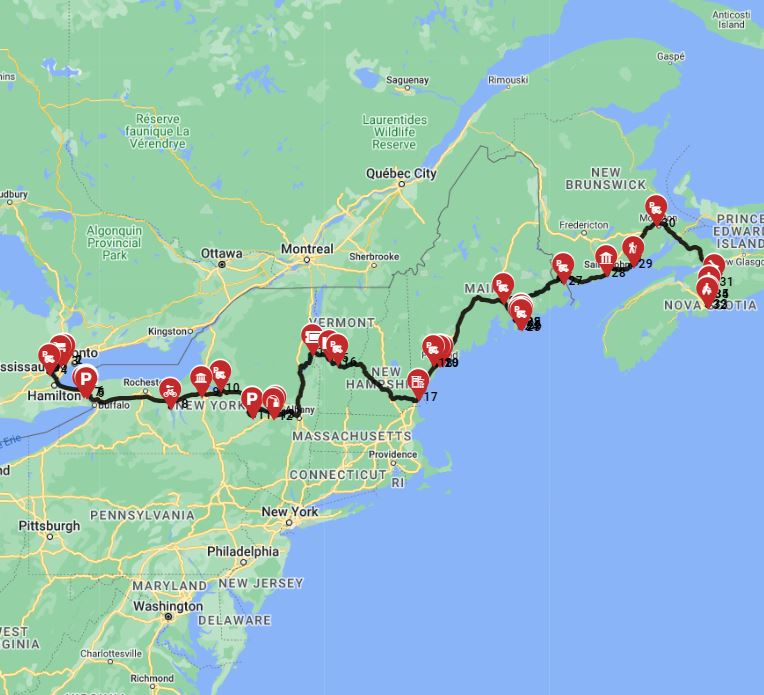
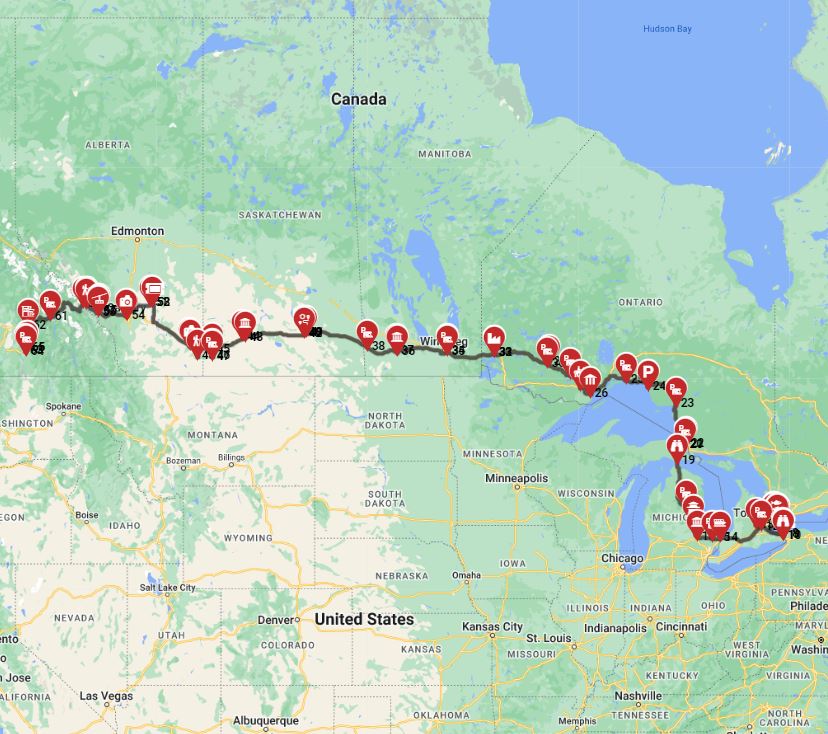
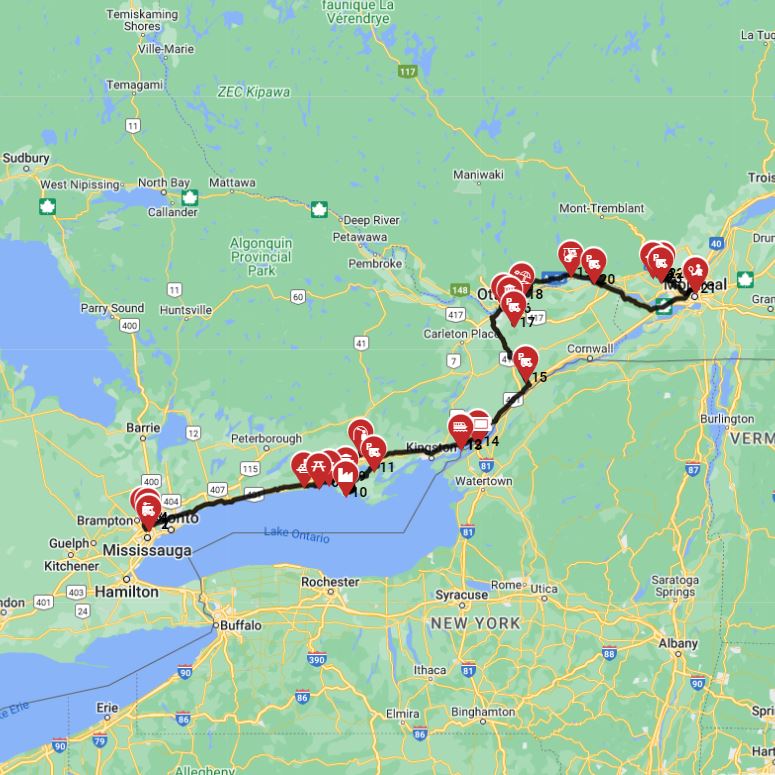
Urban driving in Toronto will involve navigating denser traffic, especially during peak hours on major arteries like the Gardiner Expressway or Don Valley Parkway, and in older districts with narrower streets. However, just like with any larger vehicle, driving slowly and carefully, and using common sense and paying attention, allows you to drive almost anywhere without issues. You'll find that the main highways are consistently smooth, providing an excellent platform for cruising in your comfortable Class A or Class C motorhome. Local fuel stations are plentiful throughout the greater Toronto area, offering convenient stops for refueling your vehicle. For detailed insights on routes and how to integrate city exploration into a broader trip, consider exploring a pre-planned route like "Montreal to Toronto" available on rvplan.net.
RV Size Limits, Bridges & Restricted Zones
While specific RV size limits are not commonly posted on most Toronto roads, drivers of luxury RVs must always be aware of general truck routes, any temporary construction detours, and especially low bridge clearances when planning their routes. Standard highway overpasses in Ontario typically offer clearances well over 4.5 meters (14.8 feet), comfortably accommodating most rented motorhomes, including taller Class A models. However, it's a good practice to always watch for local signage, particularly when venturing into older neighborhoods or considering parking in any multi-level structures.
Unlike some European cities, Toronto has no specific 'environmental zones' or 'vignettes' that restrict RV access to the city center based on emissions, so you don't need to worry about special permits for your luxury rv rental. The primary consideration for larger RVs within the dense downtown core will be parking availability and ease of maneuverability. Planning your stops and parking locations in advance can make all the difference, transforming potential stress into smooth sailing. Our 24/7 support team is here to help with pre-booking questions and post-booking coordination, ensuring you have all the information you need before hitting the road.
Fuel: Diesel vs. Petrol & Cost per 100 km
When renting a luxury RV in Toronto, understanding fuel types and costs is important for budgeting your trip. Most larger luxury RVs, particularly Class A and many Class C motorhomes, typically operate on diesel fuel, which is readily available at most major service stations across Ontario. Smaller luxury campervans (Class B) and some compact Class C models, however, often use petrol (gasoline), also widely accessible. On the routes offered through RV PLANET routes, you can itemize and track every expense along the way for easy budgeting.
Based on Bandana RV's Toronto fleet, a Class SI (Semi-integrated) or Class C (Alcove) RV averages about 25 Liters per 100 km (or roughly 9-10 miles per gallon), which can fluctuate with driving conditions and vehicle load. For instance, a "cruise america rv rental example Explorer" with a 2.5 Liter Turbo diesel engine has a fuel consumption of 11 Liters / 100 Km. In contrast, Class B (Camper Van) models, like a "V3" with a 2 L / 115 HP engine, typically consume a more efficient 11-13 Liters per 100 km (about 18-21 miles per gallon). Current fuel costs in Toronto, like airline prices, are dynamic and change daily, so it's wise to check local prices before setting off. For tracking these and other ancillary expenses like campground fees and tolls, RV PLANET routes allow you to itemize and monitor every cost, helping you budget effectively.
Tolls, Vignettes & Border Rules
When driving your luxury RV rental from Toronto, it's important to understand Canada's road payment systems and border crossing procedures. Toronto and the province of Ontario do not utilize "vignettes" for road access, which are common in some European countries. However, the 407 ETR (Express Toll Route) is a significant electronic toll highway north of Toronto that charges based on distance traveled, time of day, and type of vehicle. RVers driving the 407 ETR without a pre-registered transponder will be billed by mail, often incurring higher administrative fees. Some rental RVs from Bandana's partners like El Monte or Cruise America may offer optional pre-purchased toll passes for convenience.
For American travelers RVing in Canada, border crossings from the U.S. require valid passports for all occupants, the RV's registration, and proof of insurance that extends coverage to Canada. It's crucial to confirm your US-based RV insurance policy covers travel in Canada; if not, temporary Canadian insurance may be necessary. Additionally, be aware of potential restrictions on bringing certain agricultural products, firearms, or excessive amounts of alcohol/tobacco across the border. Always check the official Canada Border Services Agency (CBSA) website for the most current regulations before your trip. For broader planning, our "RV Rental Ontario - Complete Guide 2026" offers useful regional insights.
Driving Tips for luxury rv rental Travelers
Mastering the art of driving a luxury RV rental in Toronto and surrounding areas is all about practice and smart preparation. Firstly, always practice wide turns, especially in urban environments, accounting for the longer wheelbase of larger RVs such as a "Conquest" or "Euro Deluxe" model. When backing up or maneuvering in tight spaces, always utilize a spotter to prevent damage; two sets of eyes are always better than one. It is essential to plan your route in advance, identifying suitable RV parking at attractions and campgrounds, particularly for larger units, to avoid unexpected challenges. For instance, downtown Toronto parking garages rarely accommodate RVs, so look for dedicated RV parking or park outside the core and use public transport.
Maintain a comfortable following distance, as your luxury motorhome will require more time and space to brake compared to a smaller passenger vehicle. Regularly check your mirrors to monitor blind spots and the position of your RV, especially when changing lanes on multi-lane highways like the 401. Drive slowly and carefully, and you can drive almost anywhere without issues. No need to stress - just use common sense and pay attention. Remember, the goal is to travel slowly, averaging max 100-150 km per day, allowing you to truly feel the place, connect to the culture, the food, and the scenery. Don't forget that cooking meals in your RV is a great way to save money and enjoy the journey; check out our RV-friendly recipes playlist for inspiration!
Recommended RV Class for Toronto Roads
Choosing the right RV class for your Toronto adventure depends on your travel style and how much urban driving you anticipate. For driving directly within Toronto and frequently accessing urban areas, Class B campervans (average length 6.3m) or Class TC Truck Campers (average length 6m) offer the best balance of maneuverability and luxurious comfort. These compact options, like the "2 Berth Hi Top" campervan, make navigating narrower streets and finding parking significantly easier.
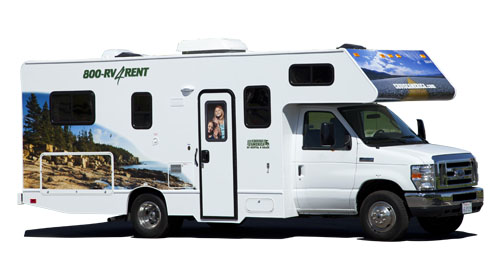
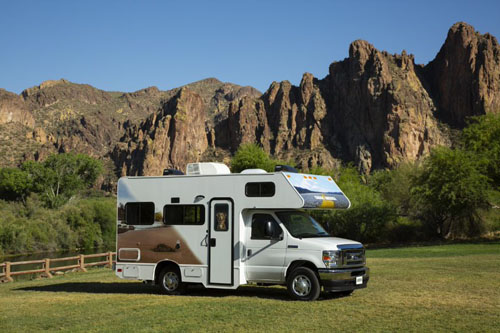
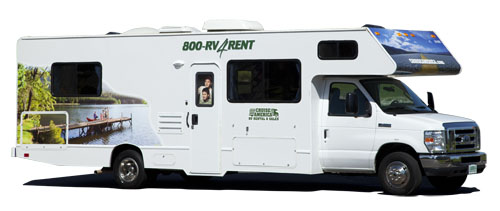
If your plan involves staying at well-equipped RV parks just outside the city and primarily using Toronto's extensive public transit (TTC) for downtown access, then larger Class C (Alcove, average length 8.2m) or Class SI (Semi-integrated, average length 7.6m) RVs provide more spacious luxury and amenities without significant driving impediments on Ontario highways. A "24' Class C Motorhome" with its automatic transmission and generous living space can easily handle the highways. Class A (Integrated) RVs (average length 8.9m or more, like a "Family Sleeper (MA)" model) are highly luxurious and perfect for highway cruising and dedicated RV parks, but their size makes direct parking in Toronto's dense core very challenging.
Should I Choose a Compact Van Instead of a Large RV in Toronto?
While a compact van offers superior maneuverability and easier city parking in Toronto, most luxury RVs can confidently navigate Toronto's main roads and highways without significant issues, especially if you plan to utilize peripheral RV parks and public transit. The primary advantage of a compact Class B campervan, such as an "Acer" or "Active Classic" model (typically around 6 meters in length), is its ability to access very tight downtown streets and fit into smaller parking spots that larger Class C or A motorhomes cannot. This can be appealing for urban explorers who prioritize quick stops and direct access.
However, this enhanced city accessibility often comes at the expense of interior space, private facilities like a full shower or toilet, and overall luxury amenities. For luxury RV travelers prioritizing comfort, ample living space, a full kitchen, and private washroom facilities, sticking with a larger RV like a Class C (e.g., a "29′ Class C Motorhome") or Semi-integrated unit, and strategically using RV-friendly parking or Toronto's efficient public transit (TTC) from outside the core, is often the better trade-off. We at Bandana RV can help you compare final prices across 50+ suppliers to find the perfect rental motorhome for your preferences without any surprise fees.
Can I Park Anywhere? Free & Wild Camping Rules in Toronto
No, free or wild camping is generally prohibited within Toronto city limits and most developed urban areas in Ontario. Overnight RV parking on residential streets or public lands in Toronto is typically not permitted by city bylaws and can result in significant fines or even towing, which nobody wants on their luxury RV trip. The city has strict regulations to maintain order and public safety, especially concerning large vehicles.
The only legal and recommended options for overnight RV stays in the Toronto area are designated campgrounds and RV parks, both private and within provincial parks. Campgrounds like Indian Line Campground near Toronto Pearson International Airport or Bronte Creek Provincial Park offer proper facilities including electric hookups, fresh water, and dump stations, crucial for a comfortable stay in your rented motorhome. Rules vary by region, so always check local regulations and follow provincial park permit requirements before parking overnight, especially when venturing further into Ontario's natural beauty. For finding campsites and campgrounds during your trip, we recommend using RV PLANET (rvplan.net) - a great resource for locating available spots along your route.
Can I Drive an RV Into the City Center? Heights, Tunnels & Local Signage
Yes, you can generally drive a luxury RV into Toronto's city center, but parking options become extremely limited and often expensive for larger vehicles. Toronto does not have restrictive tunnels or commonly encountered low bridges in its main thoroughfares that would pose a significant height challenge for standard motorhomes, but it is always wise to pay close attention to local signage, especially for underground parking garages, which almost certainly won't accommodate an RV. These signs are crucial for avoiding unexpected dilemmas and navigating safely.
While certain streets may be designated for residents only or have weight restrictions, these are typically well-marked; observing all posted signs is paramount. For example, areas like the Distillery District might have narrower streets and limited parking. It is often more practical, and less stressful, to park your luxury RV at a well-serviced campground or RV park outside the core, such as Milton Heights Campground, and then use Toronto's extensive and efficient public transit (TTC), including subways, streetcars, and buses, to explore downtown attractions like the CN Tower, Ripley's Aquarium, or Kensington Market. This allows you to experience the city's vibrant culture without the concern of maneuvering a large vehicle through dense urban traffic.
Do you need a CDL to drive a luxury RV?
No, a Commercial Driver's License (CDL) is typically not required to drive a luxury RV for personal recreational use in Toronto, Ontario, or anywhere in Canada. A CDL is generally mandated for drivers operating commercial vehicles, such as large trucks or buses, for hire or for transporting goods as part of a business. This designation does not usually apply to privately owned or rented recreational vehicles used for leisure travel.
For most luxury RVs under 11,000 kg (24,250 lbs) gross vehicle weight rating, a standard Ontario G class driver's license is perfectly sufficient. This covers the vast majority of Class A, B, and C motorhomes available for rent through our partners like El Monte, Cruise America, or Apollo. We at Bandana RV ensure that our fleet of luxury RVs aligns with standard licensing requirements, making your dream road trip accessible and stress-free.
Do you need a license to drive an RV in Canada?
Yes, you absolutely need a valid driver's license to drive a rented RV in Canada, and the specific license class depends on the RV's gross vehicle weight. In Ontario, a standard G class license permits you to drive most motorhomes, including luxury RVs like a "Class C - Alcove" or "Class SI - Semi-integrated" model, as long as the RV and any towed vehicle combined do not exceed 11,000 kg (24,250 lbs), and the RV alone also stays within this limit. This covers the vast majority of rental units suitable for families or couples seeking a comfortable getaway.
If, in rare circumstances, a luxury RV exceeds 11,000 kg, or if you are towing a heavy trailer that, when combined with the RV, exceeds this weight limit, you might need a higher class license such as a Class A or D. However, these heavier recreational vehicles are less common for personal rentals. International visitors should carry their valid home country license and, as a best practice, an International Driving Permit (IDP) as a translation, especially if their license is not in English or French, to ensure a smooth journey and avoid any complications with local law enforcement.
Can Americans RV in Canada?
Yes, Americans can absolutely enjoy the freedom of RVing in Canada, provided they meet standard entry requirements and possess proper vehicle documentation. US citizens planning a luxury RV rental trip into Canada need a valid passport to enter the country and must present their RV's registration and proof of insurance at the border. It’s crucial to confirm that your US-based RV insurance policy extends comprehensive coverage to Canada; if not, temporary Canadian insurance may be required from your provider or a local Canadian insurer.
In addition to personal identification and vehicle documents, travelers should be aware of Canadian customs regulations, especially concerning restrictions on certain agricultural products, firearms, and the quantity of alcohol or tobacco that can be brought across the border. Always declare all goods and refer to the official Canada Border Services Agency (CBSA) website for the most current information. RVing from Toronto Airport offers a fantastic starting point for exploring not just Ontario, but also other Canadian provinces on a long-term adventure, like the "
What is the 3-3-3 rule for RVs?
The '3-3-3 rule' is a popular guideline for RV travel, particularly favored by new RVers and those seeking a relaxed pace, suggesting you drive no more than 300 miles (approximately 480 km) a day, arrive at your destination by 3 PM, and stay for at least 3 nights. This guideline is designed to promote a leisurely travel style, allowing ample time for setting up your rented motorhome at a campground, enjoying the amenities, and having flexibility for sightseeing without feeling rushed. It helps reduce driving fatigue and encourages a deeper connection with each stop along your route.
While a helpful suggestion, luxury RVers exploring Toronto and Southern Ontario might adjust this rule based on their itinerary, comfort level, and desire to explore specific urban or natural attractions like Niagara Falls or Algonquin Provincial Park. For instance, traveling from Toronto Airport directly to a nearby provincial park might involve a shorter drive on day one. Remember, Bandana RV always recommends slow travel, aiming for a maximum of 100-150 km per day on average, to truly feel the place, connect to the culture, the food, and the scenery. This philosophy aligns perfectly with making your luxury RV rental a true vacation, not a race.
Can you park an RV on the street in Toronto?
Generally, parking a luxury RV on the street in Toronto for extended periods or overnight is not permitted by city bylaws. While short-term parking might be allowed in some commercial or industrial areas during the day, it's often subject to specific time limits, clearly posted 'no parking' or 'no stopping' signs, and the discretion of local enforcement officers. Violations can lead to significant fines or even towing, adding unnecessary hassle to your luxury RV rental experience.
Overnight street parking of RVs in residential areas is typically prohibited to maintain neighborhood peace and ensure adequate space for residents. For legal and safe overnight stays in your rented motorhome in the Toronto area, designated RV parks or private campgrounds, such as Toronto North / Cookstown KOA Holiday or Milton Heights Campground, are the only reliable options. These facilities offer essential services like electrical hookups, fresh water, and waste disposal (dump stations), providing comfort and convenience for your stay. For exploring downtown Toronto, consider parking your RV at one of these peripheral campgrounds and utilizing public transit, which is an efficient way to access attractions without the stress of urban RV parking.
What is the new law on RV licensing in Ontario?
As of the current year, there hasn't been a significant 'new law' enacted in Ontario that drastically alters RV licensing requirements; the established standard G class license for most motorhomes remains in effect. The regulations primarily focus on the Gross Vehicle Weight Rating (GVWR) of the RV and any towed trailers, with specific thresholds determining the required license class (G, A, or D). For instance, a Class C motorhome like the "MHC24" (which sleeps 6) falls within the standard G license requirements for personal use.
A standard G license in Ontario allows you to drive a motorhome with a gross weight of up to 11,000 kg (24,250 lbs), including the weight of any towed vehicle, provided the towed vehicle does not exceed 4,600 kg (10,141 lbs). This covers virtually all luxury RVs available for rent. It is always recommended to consult the official Ontario Ministry of Transportation (MTO) website (ontario.ca/page/drivers-licence) for the most current and precise licensing information before your luxury RV rental from Toronto Airport. Our dedicated support team is also happy to answer general questions about licensing requirements during your booking process.
Who insures expensive motorhomes?
Expensive motorhomes, particularly luxury RV rentals, are typically insured by specialized RV insurance providers or major auto insurance companies that offer dedicated recreational vehicle policies. In Canada, well-known insurers like Intact Insurance, Aviva, and TD Insurance often have comprehensive RV-specific coverage options that go beyond basic auto insurance. These policies are designed to cover the unique risks associated with motorhome travel and ensure peace of mind for high-value units.
When you opt for a luxury rv rental in Toronto through Bandana RV, the base rental price usually includes standard liability insurance as required by law. However, for truly expensive units or for enhanced protection, you can often upgrade to a top-level deductible for extra peace of mind. This optional upgrade typically covers aspects like personal effects inside the vehicle, specialized roadside assistance tailored for RVs, and even agreed value coverage for particularly high-value units, which ensures you receive the RV's agreed-upon value in a total loss situation. Always discuss your insurance options thoroughly with your rental supplier or Bandana RV prior to your trip.
How much is RV insurance in Canada?
RV insurance costs in Canada vary widely, typically ranging from a few hundred dollars to several thousand dollars annually for privately owned RVs, but for rental RVs, the base insurance is included. The specific cost depends on numerous factors, including the RV's make, model, age, and value, as well as the type of vehicle (e.g., Class A, C, or B motorhome). For example, insuring a smaller "Class B - Camper Van" like the "Combi Van" would generally be less expensive than a larger, more luxurious "Class A - Thor ACE 30" motorhome.
Other key factors influencing the premium include your driving record, the intended use (seasonal vs. longer trips), the chosen coverage limits, and any deductibles. For a luxury RV rental from Toronto, the price you see on Bandana RV already factors in the mandatory basic insurance. If you wish to upgrade to a top-level deductible for enhanced coverage and extra peace of mind, this would be an optional addition to your rental package. We ensure full transparency, so there are no hidden fees, and what you see is what you pay.
How much is insurance on a million dollar RV?
Insurance for a million-dollar RV can indeed be substantial, typically starting from several thousand dollars per year and potentially exceeding $10,000 annually for privately owned units, depending on the comprehensive coverage details and the insurer. For luxury RV rentals in Toronto, however, the structure is different; basic insurance is included, and specialized policies for such high-value units are handled by the rental supplier, with options for renters to enhance their coverage. These policies for exceptionally high-value luxury RVs often include specialized coverage features like 'agreed value' clauses (ensuring you receive the RV's predetermined value in a total loss, regardless of depreciation) and custom equipment coverage for bespoke interiors.
Additional factors influencing the premium on a high-value rental would include the primary driver's experience, their claims history, the RV's advanced security features, and where the vehicle is stored when not in use. When you choose a luxury RV through Bandana RV, our suppliers, who include industry leaders such as El Monte and Apollo, provide the necessary insurance. You can discuss optional upgrades, such as extending your deductible reimbursement or other coverages, directly with us during your pre-booking comparison or with the supplier during the pickup process, ensuring your precious cargo is fully protected.
🎬 Video coming soon
What You Shouldn't Miss
- Explore Niagara Falls: Just a 1.5-hour drive south of Toronto, Niagara Falls is a breathtaking natural wonder. Park your luxury RV at a nearby campground, such as Niagara Falls KOA Holiday, and take a "Hornblower Niagara Cruises" boat tour to truly feel the immense power of the falls.
- Wander through Algonquin Provincial Park: Head north from Toronto for about 3 hours to discover Algonquin, offering over 2,400 lakes and rivers, 17 hiking trails, and abundant wildlife. It's perfect for a week-long RV trip with many provincial park campgrounds.
- Visit Blue Mountain Village & Georgian Bay: A scenic 2-hour drive from Toronto, enjoy the charming pedestrian village, beautiful beaches, and outdoor activities like hiking and biking around Georgian Bay. RV parking is available at nearby private campgrounds.
- Discover Toronto's Waterfront & Islands: Park your RV at a city-fringe campground like Indian Line Campground (near YYZ) and take the TTC downtown to explore the vibrant Harbourfront Centre and enjoy a ferry ride to the car-free Toronto Islands for stunning skyline views and leisurely bike rides.
- Experience the Bruce Peninsula National Park: Approximately a 3.5-hour drive northwest of Toronto, this area offers dramatic cliffs, turquoise waters, and unique geological formations, perfect for hiking and exploring with your luxury RV. Find camping in nearby towns like Tobermory or Lion's Head.
- Looking for expert insights from Avi Bandana? Top 5 Adventures - recommendations from Avi Bandana
Final Thoughts
Driving a luxury RV from Toronto Airport opens up a world of possibilities, from exploring the bustling city to discovering the serene natural beauty of Ontario and beyond. With the right preparation regarding licensing, road conditions, and parking, your journey promises to be an unforgettable adventure. Remember, whether you choose a compact campervan or a spacious Class A motorhome, the key is to embrace slow travel and savor every moment.
At Bandana RV, we are committed to providing you with the easiest, safest, and most affordable way to rent an RV, comparing final prices across 50+ suppliers with no surprises. Our goal is to empower you to explore Canada with confidence and comfort. Get inspired for your next trip and find the perfect luxury RV rental that suits your style and needs.
Find Motorhome Rentals in Toronto