For live availability and current prices, start with our RV Rental Tokyo - Complete Guide 2026 guide.
In This Guide
- Can You Drive an RV in Tokyo? License & Age Rules
- Road Conditions & Terrain in Tokyo
- RV Size Limits, Bridges & Restricted Zones
- Fuel: Diesel vs. Petrol & Cost per 100 km
- Tolls, Vignettes & Border Rules
- Driving Tips for airport rv rental Travelers
- Recommended RV Class for Tokyo Roads
- Should I Choose a Compact Van Instead of a Large RV in Tokyo?
- Can I Park Anywhere? Free & Wild Camping Rules in Tokyo
- Can I Drive an RV Into the City Center? Heights, Tunnels & Local Signage
- How much does it cost to rent an RV in Japan?
- How much is an RV park in Tokyo?
- What is the best way to travel around Tokyo?
- How long can you stay at Michi-no-Eki?
- Is Japan good for RV travel?
Embarking on a motorhome adventure directly from Tokyo Airport offers an incredible gateway to explore Japan's stunning landscapes and vibrant culture. Imagine picking up your home-on-wheels and setting off on a personalized route, with the freedom to discover everything from ancient temples to breathtaking coastlines at your own pace. For live availability and current prices, start with our RV Rental Tokyo - Complete Guide 2024 guide, which provides comprehensive information for planning your trip.
Can You Drive an RV in Tokyo? License & Age Rules
Foreign visitors can drive an RV in Tokyo with an International Driving Permit (IDP) and their home country's driver's license. Most Class C - Alcove RVs, which are popular for families due to their balance of size and amenities, typically fall under a standard B-category (car) license, provided the Gross Vehicle Weight (GVW) is under 3,500 kg. The minimum driver age for renting an RV in Tokyo is generally 21 years old, with no young driver surcharges or vehicle class restrictions based on age at Bandana's partner suppliers. An IDP is mandatory and must be obtained in your home country before arriving in Japan, as local offices cannot issue one. For more comprehensive details on driving regulations across the country, consult our RV Rental Japan - Complete Guide 2024.Road Conditions & Terrain in Tokyo
Tokyo boasts excellent, well-maintained road infrastructure, with generally exceptional road quality across Japan's highway network. Urban areas, however, feature narrow streets and dense traffic, especially in central districts like Shibuya and Shinjuku, requiring careful and patient navigation. Peripheral routes and areas outside Tokyo, such as the winding mountain roads around Hakone or Nikko, offer scenic driving experiences that are well-suited for a rented motorhome. Road signage is clear and often bilingual (Japanese and English), making navigation straightforward even for first-time visitors. With common sense and attention to your surroundings, you can drive almost anywhere in Tokyo without issues. For more insights on navigating the local roads, explore our RV Travel Guide to Tokyo - Tips and Top Spots 2024.RV Size Limits, Bridges & Restricted Zones
RVs in Tokyo must adhere to standard Japanese road dimensions, requiring drivers to pay close attention to height restrictions. Be particularly vigilant for height limits on parking garages, tunnels, and older railway overpasses within city limits and on suburban routes, which are clearly marked in meters. While less common, weight restrictions can occasionally appear on minor bridges, so always observe local signage. Fortunately, there are no general environmental zones or emissions-based restrictions that typically limit RV access to central Tokyo, but always check for temporary local signage for specific restrictions or events. Planning your route and parking in advance can help avoid unexpected challenges with your rented campervan.Fuel: Diesel vs. Petrol & Cost per 100 km
Most RVs available for airport RV rental in Tokyo, particularly Class C - Alcove models, typically run on petrol (gasoline), which is widely available at service stations across Japan. Global averages suggest that a Class C - Alcove RV consumes approximately 10-15 liters of fuel per 100 km, depending on driving style and terrain. As of 2024, petrol prices in Japan average ¥160-¥180 per liter, translating to a fuel cost of roughly ¥1,600-¥2,700 per 100 km for your rented motorhome. Diesel is less common for the types of smaller to medium-sized RVs popular in Japan, and credit cards are widely accepted at most fuel stations. When planning your budget, remember that RV PLANET routes allow you to itemize and track every expense along the way for easy budgeting, including fuel.Tolls, Vignettes & Border Rules
RV travel in Japan extensively uses toll roads, particularly on the expressways around Tokyo, but there are no vignettes or internal border rules within the country. Japan's highway system relies on Electronic Toll Collection (ETC) cards, which can be conveniently rented with your RV from your supplier, allowing for seamless electronic payments at toll booths. Toll costs vary by distance and vehicle size; for example, a journey from Narita Airport to central Tokyo can cost around ¥3,000-¥4,000. Renting an ETC card helps you avoid manual payment queues and potential fines, making your journey smoother. If you are considering cross-country adventures, keep in mind that one-way rentals are available; for details on associated fees, refer to our One-Way RV Rental in Tokyo - Price Guide 2024.Driving Tips for airport rv rental Travelers
Driving on the left side of the road is mandatory in Japan, so familiarize yourself with this custom, especially if you're accustomed to right-hand traffic. Japanese road signs are typically clear and often bilingual (Japanese and English), providing excellent guidance. Utilizing an ETC card is highly recommended for efficient toll payments on expressways, saving you time and hassle on your journey. Exercise extra caution on Tokyo's numerous narrow side streets, using your mirrors diligently and driving slowly and carefully. Plan your parking in advance, especially for a Class C - Alcove RV, by researching dedicated RV parks or spacious shopping center lots in the periphery. Don't forget to make use of Michi-no-Eki (roadside stations) for convenient rest stops, local amenities, and often comfortable overnight parking options along your route. Traveling slowly, perhaps a maximum of 100-150 km per day on average, allows you to truly feel the place, connect to the culture, the food, and the scenery.Recommended RV Class for Tokyo Roads
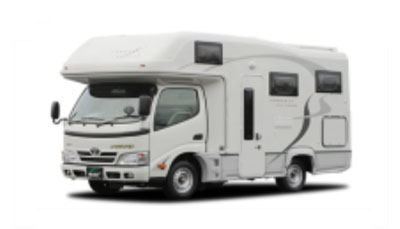
A Class C - Alcove RV, averaging 5-7 meters in length, is highly recommended for airport RV rental in Tokyo due to its excellent balance of comfort and maneuverability. This class offers ample sleeping space, often for up to 6 people (ideal for families or small groups), along with a full kitchen and bathroom facilities. Its relatively compact footprint helps with parking and navigating Japanese roads outside major expressways, while still providing all the amenities for a comfortable journey. For example, a vehicle like the "24' Class C Motorhome" with a length of 7.46m offers excellent facilities without being overly cumbersome. These motorhomes are designed to make your travel enjoyable and easy.Should I Choose a Compact Van Instead of a Large RV in Tokyo?
For most airport RV rental travelers, a larger RV generally offers a better balance of comfort and utility than a compact campervan, as modern RVs are designed for ease of driving. While compact vans are indeed smaller and might be slightly easier to squeeze into very tight spots in historical city centers or extremely narrow mountain passes, a Class C - Alcove RV provides significantly more living space, a full kitchen, and complete bathroom facilities, which are invaluable for extended trips. This enhanced comfort often outweighs the minor maneuverability differences for general travel to and from Tokyo and exploring its surroundings. With a bit of mindful driving, even a medium-sized motorhome will handle Tokyo's roads just fine. If you enjoy cooking in your rental, the extra kitchen space in a larger RV is a definite plus. Discover new culinary adventures with our RV-friendly recipes playlist!Can I Park Anywhere? Free & Wild Camping Rules in Tokyo
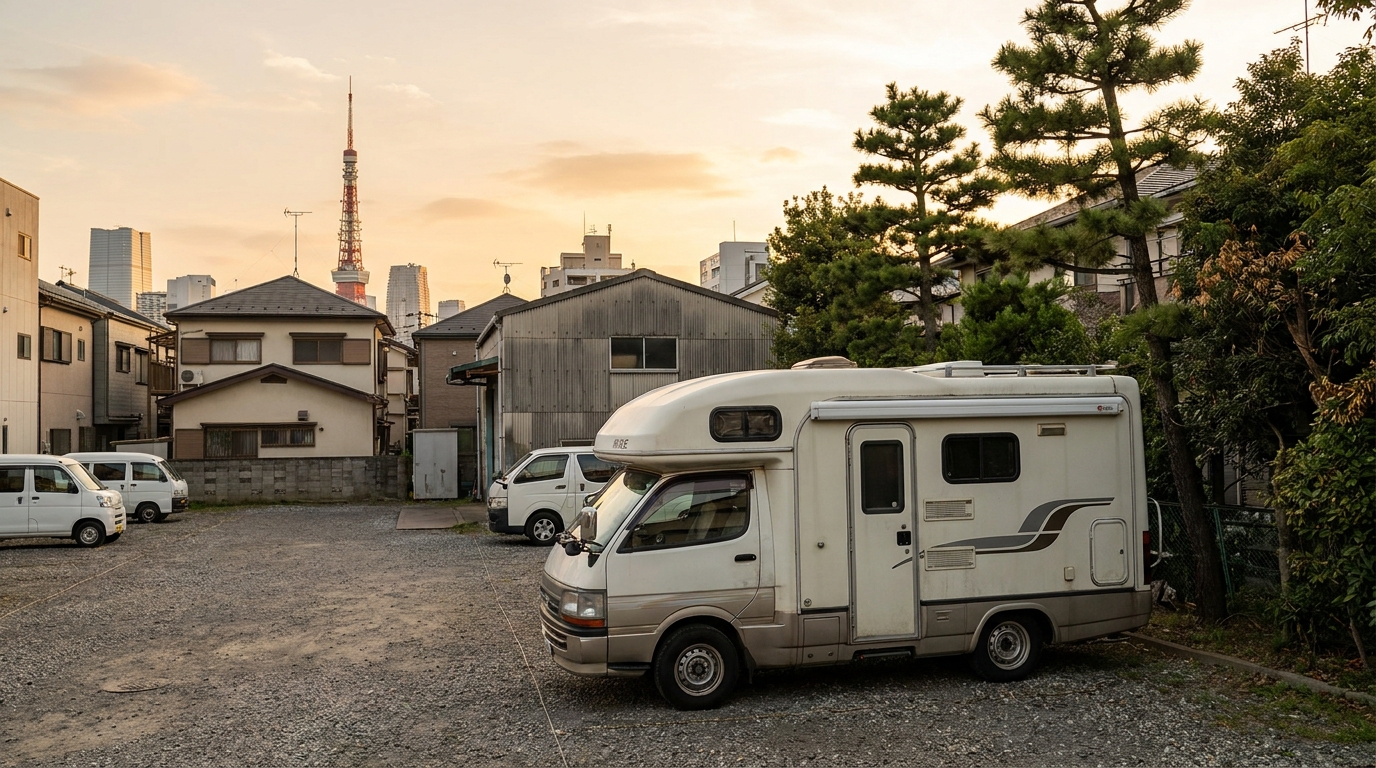
Wild camping or 'boondocking' is generally not permitted or highly discouraged in Japan, especially in dense areas like Tokyo. The cultural norm and legal expectation are to use designated facilities for overnight stays. Designated RV parks (also known as Auto Campgrounds) and Michi-no-Eki (roadside stations) are the legal and culturally accepted options for overnight parking your rented motorhome. Many Michi-no-Eki often allow one-night overnight parking, provided you do not set up camp outside your vehicle (e.g., no awnings or outdoor seating). Always prioritize official campsites or pay-per-night RV parks to ensure legality, safety, and adherence to local customs, checking specific rules before parking overnight. For finding campsites and campgrounds during your trip, we recommend using RV PLANET (rvplan.net) - a great resource for locating available spots along your route.Can I Drive an RV Into the City Center? Heights, Tunnels & Local Signage
Yes, driving an RV into Tokyo's city center is permissible, but drivers must closely observe local signage for height limits, tunnel restrictions, and specific parking rules. Tokyo's urban environment means navigating narrow streets and finding suitable parking for a Class C - Alcove RV can be challenging. Many multi-story parking garages, often found in popular districts, have strict height and length restrictions that will exclude most motorhomes; therefore, prioritize street-level or specially designated oversized vehicle parking lots, typically found at the city's periphery. Always heed explicit signage for low bridges (common near older railway lines), resident-only zones, and areas with restricted access for oversized vehicles, which are clearly marked in both Japanese and English. Drive slowly and carefully, and you can drive almost anywhere without issues.How much does it cost to rent an RV in Japan?
RV rental costs in Japan vary significantly by vehicle type, duration, and seasonality, with daily rates for a comfortable Class C - Alcove RV typically ranging from ¥15,000 to ¥30,000 (approximately $100-$200 USD). Peak seasons, such as during the cherry blossom festivals in spring or the vibrant autumn foliage, usually see higher prices and limited availability. Conversely, booking outside these periods, or opting for longer rental durations like a two-week adventure, can often reduce the average daily rate. Additional trip costs to budget for include mandatory insurance, ETC card rental for tolls, optional linen packages, and other equipment. For example, a vehicle like the "Luxury RV Rental in Tokyo - Premium Prices 2024" offers top-tier amenities at the higher end of this range. To find the best options and compare various suppliers, check our "RV Rental in Tokyo - Prices and Best Deals 2024" and "Cheap RV Rental in Tokyo - Budget Guide 2024" resources. You can also upgrade to a top-level deductible for extra peace of mind during your journey.How much is an RV park in Tokyo?
The cost for an RV park or dedicated campsite near Tokyo generally ranges from ¥2,000 to ¥6,000 per night (approximately $13-$40 USD), depending on the amenities offered and the specific location. Official RV parks, often called "Auto Campgrounds," provide facilities like electricity and water hookups, and sometimes shared kitchens or bathing facilities, which command higher fees. Michi-no-Eki (roadside stations) are a popular alternative, often allowing free overnight parking, but they typically lack full hookups and are usually limited to a single night's stay. For example, popular options like Wakasu Seaside Park Auto Campground or the various Michi-no-Eki near Sagamihara offer different price points and facilities. Researching specific parks and booking in advance is advisable, especially during peak travel seasons, to secure your preferred spot.What is the best way to travel around Tokyo?
For airport RV rental travelers, the most efficient way to travel around Tokyo itself is to utilize park-and-ride options or base your rented motorhome outside the city's core and rely on its exceptional public transportation. Parking your RV at a peripheral RV park or a large car park with good access to a train or subway station (such as those near Tokyo Disney Resort or in the outer prefectures) is highly recommended. You can then use Tokyo's extensive public transportation network, including JR lines and the Tokyo Metro, for exploring city attractions like the Imperial Palace, Tokyo Tower, or the bustling streets of Shinjuku. This approach combines the freedom of RV travel for regional exploration with the convenience of public transport for urban sightseeing, effectively avoiding city traffic and parking challenges.How long can you stay at Michi-no-Eki?
Michi-no-Eki (roadside stations) are generally intended for a single overnight stay for RV travelers in Japan, not for extended camping. These unique facilities provide essential services such as clean restrooms, local markets selling fresh produce and souvenirs, and often restaurants, but they are not full-service campgrounds with hookups. It is considered good etiquette and often implicitly expected to stay for only one night, using them primarily as a transit stop for rest and amenities. Extended stays can cause issues with local management and detract from the community-oriented purpose of these stations, which are designed to support local economies and provide convenient breaks for all travelers.Is Japan good for RV travel?
Japan is exceptionally good for RV travel, offering a unique blend of stunning natural landscapes, rich cultural experiences, and highly organized infrastructure. The country boasts excellent road quality, efficient toll roads with easy ETC payment systems, and the invaluable Michi-no-Eki network for amenities and safe overnight stops. While urban areas like Tokyo require careful navigation, a rented RV provides unparalleled freedom to access remote temples, scenic coastlines of the Izu Peninsula, and national parks such as Nikko, which are often less accessible by public transport. An airport RV rental in Tokyo serves as an ideal starting point for experiencing the diverse beauty of Japan at your own pace, allowing you to discover hidden gems and local flavors. Imagine waking up to a different scenic view each day.What You Shouldn't Miss
- A drive along the scenic Hakone Turnpike (Nihon Alps) for panoramic views of Mount Fuji and Lake Ashi, easily accessible from Tokyo.
- Visiting a traditional Michi-no-Eki (roadside station) in a rural setting outside Tokyo, where you can sample local produce and relax at authentic hot springs.
- Exploring the historic streets of Kawagoe, known as "Little Edo," just an hour's drive from central Tokyo, offering a glimpse into old Japan.
- A scenic coastal route through the Izu Peninsula, famous for its dramatic cliffs, pristine beaches, and abundant onsen (hot spring) resorts.
- Enjoying an outdoor meal right outside your campervan at an official campsite near Tokyo, utilizing fresh local ingredients purchased from a nearby market.
- Discovering the serene beauty of Nikko National Park with its UNESCO World Heritage shrines and temples, a perfect multi-day trip by RV from Tokyo.
Final Thoughts
An airport RV rental in Tokyo offers a unique and liberating way to experience Japan, providing the flexibility to explore bustling cities and serene natural escapes on your own terms. While driving a motorhome in a large city like Tokyo requires careful attention to signage and planning for parking, the excellent road infrastructure and the convenience of a mobile home base make it an incredibly rewarding experience. We handle the details, you live the journey – from seamless booking to unparalleled support before and after your trip. Remember to embrace slow travel, savoring each moment as you uncover Japan's beauty. Your adventure starts here, with full transparency and the confidence of true RV specialists guiding your way. Find Motorhome Rentals in TokyoOn the routes offered through RV PLANET routes, you can itemize and track every expense along the way for easy budgeting.