In This Guide
- Can You Drive an RV in Switzerland? License & Age Rules
- Road Conditions & Terrain in Switzerland
- RV Size Limits, Bridges & Restricted Zones
- Fuel: Diesel vs. Petrol & Cost per 100 km
- Tolls, Vignettes & Border Rules
- Driving Tips for rv rental Travelers
- Recommended RV Class for Switzerland Roads
- Should I Choose a Compact Van Instead of a Large RV in Switzerland?
- Can I Park Anywhere? Free & Wild Camping Rules in Switzerland
- Can I Drive an RV Into the City Center? Heights, Tunnels & Local Signage
- What Are RV Logistics Like in Switzerland? Water, Waste, & Propane
- How Do I Navigate Switzerland's Mountain Passes and Narrow Roads in an RV?
- What Are the Best Seasons for RVing in Switzerland? Winter & Shoulder Season Tips
- How Can RVers Experience Local Culture and Etiquette in Switzerland?
- What is the Cost of an RV Trip in Switzerland? Budgeting & Expenses
- How to Practice Sustainable RV Travel in Switzerland?
- What Safety and Emergency Preparedness is Needed for RVing in the Swiss Alps?
- What You Shouldn't Miss
- Why Book with Bandana Caravan
- Final Thoughts
- Frequently Asked Questions
Embarking on an RV adventure in Switzerland offers unparalleled freedom to explore its majestic mountains, crystal-clear lakes, and charming villages at your own pace. With a rented motorhome or campervan, you transform the journey itself into a comfortable, mobile home-away-from-home. Whether you're planning to pick up your vehicle from a major airport like Geneva or Zurich and head straight for the Alps, or take a scenic route through the lowlands, understanding Switzerland's specific driving rules and logistical considerations is key to a stress-free trip.
At Bandana RV, we specialize in helping travelers discover the magic of RVing with full transparency and dedicated support. For live availability and current prices, start with our RV Rental Switzerland - Complete Guide 2026 guide. We've been helping tens of thousands of travelers explore the world by RV since 2001, and our direct partnerships with 50+ leading RV suppliers worldwide ensure you find the perfect vehicle for your Swiss escapade.
🎬 Video coming soon
Can You Drive an RV in Switzerland? License & Age Rules
Yes, you can absolutely drive a rented RV in Switzerland, with most motorhomes requiring only a standard B driver's license, the same as for a regular car. This covers a wide range of campervans and many semi-integrated RVs up to 3,500 kg, such as a V3 campervan with its 6.36m length. For larger RVs between 3,500 kg and 7,500 kg, such as some larger Class A or Class C models, a C1 license is required. For instance, a MHLUX Class A at 10.7m length would typically fall into this category. The minimum driver age for most RV rentals in Switzerland is 21 years old, with no young driver surcharges from Bandana, although some specific larger vehicles might require drivers to be 25. Visitors from non-English speaking countries should carry an International Driving Permit (IDP) alongside their national license, as it provides an official translation, though it is not strictly mandatory in all cases.
Road Conditions & Terrain in Switzerland
Switzerland features exceptionally well-maintained roads throughout the country, including even its most challenging mountainous regions. The terrain is predominantly alpine, characterized by winding roads, numerous mountain passes, and well-lit, modern tunnels. Driving an RV in Switzerland requires a cautious approach and a slightly slower pace to safely navigate the frequent curves and significant elevation changes. While urban areas can present narrow streets and occasional traffic, main routes connecting cities and popular tourist destinations are generally RV-friendly. No need to stress about city driving - just use common sense and pay attention to signage, and you can drive almost anywhere without issues.
RV Size Limits, Bridges & Restricted Zones
Rented RVs generally fit well on Swiss roads, but drivers must observe clearly marked height restrictions, such as the typical 3.8m limit for standard tunnels, and specific weight limits on smaller bridges. While Switzerland's infrastructure is modern, older bridges or particular underpasses in rural areas may have lower clearances, making vigilance for signage essential. Environmental zones ("Umweltzonen") are less prevalent than in other European countries, but it's always wise to check specific city requirements if you plan extended urban stays. There are no major ferry restrictions within Switzerland for RVs, but if you plan to use local lake ferries, verify the operator's specific rules and booking requirements.
Fuel: Diesel vs. Petrol & Cost per 100 km
Most rented RVs in Switzerland run on diesel, which is widely available at service stations across the country; petrol is also common for smaller campervans. Bandana's diverse fleet typically consumes: Class B Camper Vans (like a V3) around 8-10 Liters/100 Km, Class SI Semi-integrated (such as a SVC) 10-11 Liters/100 Km, and Class C Alcove (for example, a 24 Class C Motorhome) 10-12 Liters/100 Km. Fuel prices in Switzerland are generally higher than in neighboring countries, so it's essential to budget for this as a significant travel expense. Travelers can itemize and track every expense along the way for easy budgeting on RV PLANET routes; inquire with your rental provider about potential fuel discount cards or specific tank return policies. On the routes offered through RV PLANET routes, you can itemize and track every expense along the way for easy budgeting.
Tolls, Vignettes & Border Rules
All vehicles under 3.5 tons, including most rented motorhomes and campervans, require an annual motorway vignette to use Switzerland's national roads, costing approximately CHF 40. RVs over 3.5 tons, like a large Class A such as the MHLUX, are subject to a heavy vehicle fee (LSVA) instead of the vignette, calculated based on weight, distance, and emissions. Additionally, specific tunnels and mountain passes, including the Great St. Bernard and Munt la Schera, may incur separate, extra tolls beyond the vignette or LSVA. Border crossings into neighboring Schengen countries like France, Germany, Austria, and Italy are generally seamless with open borders, but always ensure all vehicle and driver documents (including your IDP if applicable) are in order, and check for any specific requirements, such as purchasing an Austrian vignette if you plan on transiting through. For broader European RV travel planning, our "RV Rental Europe - Complete Guide 2026" offers comprehensive advice.
Driving Tips for rv rental Travelers
To ensure an enjoyable and safe RV trip in Switzerland, it's wise to pace yourself and travel slowly, aiming for a maximum of 100-150 km per day on average. This allows ample time to feel the place, connect to the local culture, savor the food, and immerse yourself in the stunning scenery. When navigating Switzerland's mountainous terrain, master specific driving techniques, including using engine braking on descents to preserve your service brakes and selecting the proper gear for ascents. Plan your parking in advance, utilizing designated RV parking areas at attractions and avoiding unauthorized residential zones to prevent fines. Always adhere strictly to local traffic laws, posted speed limits, and road signage, especially for height and weight restrictions, as Swiss enforcement is rigorous. For families, planning frequent stops every 2-3 hours not only breaks up the journey but also provides opportunities to enjoy numerous viewpoints and well-equipped rest areas, ensuring a relaxed pace for everyone. We handle the details of your booking, so you can focus on living the journey, confident you have professional advice at your fingertips, making us true RV specialists.
Recommended RV Class for Switzerland Roads
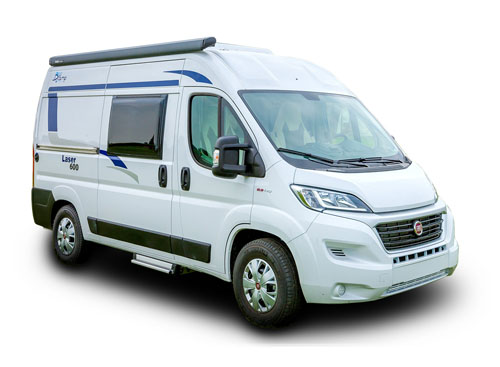
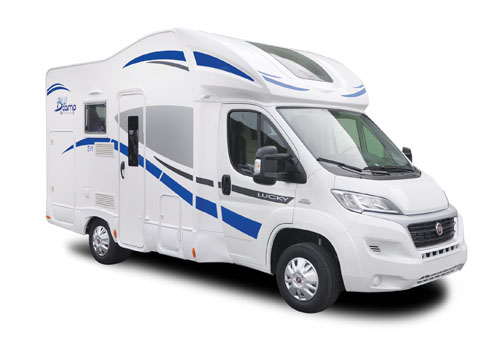
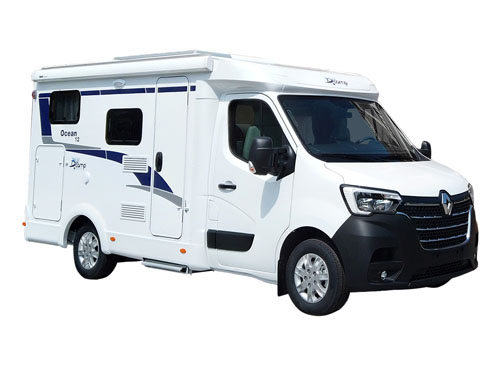
Class B Camper Vans, averaging 5.8m in length, are highly recommended for their exceptional maneuverability, ease of parking, and access to smaller villages and more secluded routes in Switzerland. A V3, for instance, offers ideal agility. Class SI Semi-integrated RVs, with an average length of 6.9m, like the SVC, provide a good balance of comfortable living space and manageable size for most Swiss roads, including main routes and most mountain passes. These classes strike an optimal balance between comfortable amenities and the ability to navigate Switzerland's diverse terrain without undue stress. Larger Class C Alcove models (e.g., a 24 Class C Motorhome at 7.46m average length) and Class A Integrated motorhomes (such as a MHLUX at 10.7m average length) are also viable options, but they demand more confident driving skills on very narrow mountain routes or in congested urban settings. Ultimately, the best choice depends on your group size and comfort preferences for your specific RV Rental Switzerland - Complete Guide 2026 adventure.
Should I Choose a Compact Van Instead of a Large RV in Switzerland?
The choice between a compact campervan and a larger RV for your Switzerland adventure largely depends on your travel style and comfort priorities, as most main roads accommodate all sizes. A compact camper van, such as a Class B model with an average length of 5.8m like the V3, provides superior maneuverability for navigating tight city centers, very narrow mountain passes, and winding village roads. For those prioritizing ample living space, a larger RV like a Class SI, Class C (e.g., MHC28 at 7.3m length), or Class A (like a MH-A at 8.8m length) offers significantly more comfort and amenities, which can be preferable for longer week-long or extended road trips. Most main Swiss roads and popular tourist routes are well-suited for all RV sizes, so the decision often comes down to balancing the desire for spacious interiors with the agility needed for highly restricted areas. Choose a compact van if urban exploration and exceptionally challenging routes are your primary focus; otherwise, a larger RV provides more living comfort without significant driving restrictions on major scenic drives. Drive slowly and carefully, and you can drive almost anywhere without issues. No need to stress - just use common sense and pay attention.
Can I Park Anywhere? Free & Wild Camping Rules in Switzerland
Wild camping or free camping in a rented RV is generally restricted and often prohibited across Switzerland at a cantonal or municipal level, differing significantly from some other European countries. Overnight parking for RVs is typically only permitted in designated campsites, specific *stellplatz* locations (though these are much rarer than in Germany or France), or other approved privately-owned spots. Regulations vary considerably by canton and even by municipality, making it crucial to always verify local rules to avoid substantial fines. Consider alternatives like farm stays or specific non-campground locations that explicitly allow overnight RV stays, which can sometimes be found via local tourist information or specialized apps. Always check local regulations and follow local law before parking overnight, and if in doubt, opt for a commercial campground.
Can I Drive an RV Into the City Center? Heights, Tunnels & Local Signage
Driving a rented RV into most Swiss city centers is generally possible on main access roads, designed to accommodate various vehicle sizes. However, always pay close attention to local signage indicating height restrictions for tunnels and underground parking garages, as these can be a common obstacle for larger vehicles. Be aware of potential environmental zones (though less common than in other European cities) or "residents only" streets that may restrict RV access or require special permits. Finding suitable RV parking directly in Swiss city centers can be quite challenging due to limited space; a practical strategy is to park your motorhome on the outskirts of the city and utilize Switzerland's excellent and efficient public transport system for urban exploration. This approach allows you to enjoy city attractions without the stress of navigating tight streets or finding oversized parking.
What Are RV Logistics Like in Switzerland? Water, Waste, & Propane
Managing RV logistics for water, waste, and propane in Switzerland is straightforward due to well-established infrastructure, particularly at official campgrounds. Water refill points are widely available at most campgrounds, dedicated RV service stations, and many larger fuel stations. Grey and black water disposal points (dump stations) are standard amenities at virtually all campgrounds, ensuring convenient and hygienic waste management throughout your trip. European propane bottle standards are common, but it's always advisable to ensure compatibility for refills; some rental RVs might feature refillable tank systems, offering greater convenience. The EV charging infrastructure for electric RVs is also growing steadily in Switzerland, so if you're renting an electric campervan, plan your routes carefully to integrate charging stops, potentially using resources like rvplan.net to identify suitable locations. For cooking delightful meals in your rented RV, explore our RV-friendly recipes playlist.
What Are the Best Seasons for RVing in Switzerland? Winter & Shoulder Season Tips
The best seasons for RVing in Switzerland are typically summer (June-August) and the shoulder seasons. Summer offers consistently warm weather, full accessibility to all mountain passes and outdoor activities, but also features the highest crowds and prices for RV rentals and campgrounds. Shoulder seasons (April-May for spring, September-October for autumn) provide an excellent balance with fewer tourists, often lower prices, and stunning natural beauty with vibrant spring blossoms or spectacular autumn foliage. RVing during winter (November-March) allows for unique snow-based experiences like skiing or snowboarding, but it requires specific preparations. These include ensuring your rental RV is fitted with mandatory winter tires, carrying snow chains for higher passes, and having an adequately insulated RV with a reliable heating system. During winter and shoulder seasons, be aware of potential road closures on higher mountain passes and reduced campground availability in more remote areas. Always check forecasts and local road conditions before setting out.
How Can RVers Experience Local Culture and Etiquette in Switzerland?
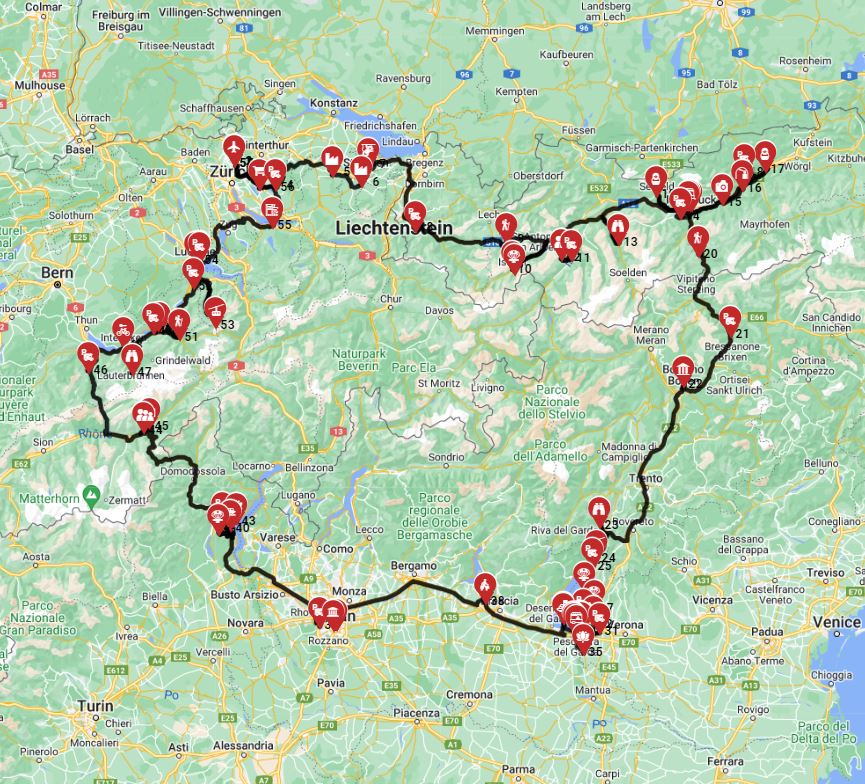
To fully experience local culture and etiquette in Switzerland, RVers should actively observe and respect the distinct regional differences across its German, French, and Italian-speaking cantons, using appropriate greetings like 'Grüezi', 'Bonjour', or 'Buongiorno'. Engage with locals politely, valuing their emphasis on punctuality, orderliness, and privacy, particularly in public spaces and campgrounds. Seek out authentic local experiences such as visiting vibrant farmers' markets, attending regional festivals, and patronizing small, local businesses to immerse yourself in the culture and taste regional delicacies. When using non-campground overnight spots, always be discreet, leave no trace of your presence, and adhere strictly to quiet hours, especially between 10 PM and 7 AM. Furthermore, strictly follow Switzerland's advanced waste separation and recycling rules to demonstrate environmental respect, a value deeply held by the Swiss. The "Nice Roundtrip - French Riviera toward North Italy, Switzerland, and the French Alps" itinerary, available on rvplan.net, offers 3 Traditional Restaurant / Fine Dining opportunities and 1 Traditional Visit, perfect for cultural immersion.
What is the Cost of an RV Trip in Switzerland? Budgeting & Expenses
The cost of an RV trip in Switzerland is dynamic and varies significantly based on vehicle class, season, and rental duration, forming the primary trip expense. Fuel expenses are notably higher than in neighboring countries, so budgeting for typical consumption rates (e.g., 8-12 Liters/100 Km for most RVs) is essential. All vehicles under 3.5 tons require an annual motorway vignette (approx. CHF 40), and larger RVs over 3.5 tons are subject to the LSVA heavy vehicle fee, with specific tunnels or mountain passes incurring additional tolls. Campground fees generally range from €30-€70+ per night, depending on location, amenities, and season. Strategies for budget-conscious travel include cooking most meals in your RV, opting for shoulder season travel, and pre-purchasing necessary passes where applicable. Factor in additional costs for groceries, occasional dining out, and activities like cable cars or museums. Remember that prices are dynamic like flight tickets, changing daily based on availability and seasonality; the final price is set at the actual booking time. For managing these ancillary costs, RV PLANET routes allow travelers to itemize and track every expense for easy budgeting.
How to Practice Sustainable RV Travel in Switzerland?
Practicing sustainable RV travel in Switzerland is essential to preserving its pristine natural beauty and high environmental standards. Minimize waste by strictly adhering to local recycling and waste disposal regulations, which are often meticulously managed at campgrounds and public facilities; never litter. Conserve resources within your rented RV, including water and electricity, by taking shorter showers and turning off lights and appliances when not in use. Always practice 'Leave No Trace' principles by taking all waste with you, disposing of grey and black water only at designated dump stations, and refraining from disturbing natural habitats or wildlife. Utilizing official campgrounds and designated parking areas, rather than engaging in illegal wild camping, protects sensitive landscapes. Support local economies by purchasing local produce, crafts, and services, enhancing your cultural experience and benefiting the communities you visit. Drive efficiently and consider more fuel-efficient RV models, such as the `EcoLine 2` Class B Campervan which consumes 8-11 liters per 100km, to reduce your carbon footprint.
What Safety and Emergency Preparedness is Needed for RVing in the Swiss Alps?
Essential safety and emergency preparedness for RVing in the Swiss Alps includes continuously monitoring weather forecasts, as alpine conditions can change rapidly and unpredictably. Always carry crucial safety gear, such as a comprehensive first-aid kit, reflective vests, a warning triangle (mandatory), and a spare tire or repair kit. Memorize and program important emergency numbers into your phone: 112 (general European emergency), 144 (ambulance), 117 (police), and 118 (fire). Be acutely aware of specific road hazards common in mountainous environments, including potential rockfalls, slippery surfaces due to ice or snow, and wildlife crossings. Ensure your rented RV has adequate roadside assistance coverage for peace of mind, and familiarize yourself with basic vehicle functions for minor issues. During winter trips, ensure mandatory winter tires are fitted to your RV and consider carrying snow chains for higher mountain passes, as their use can be compulsory depending on conditions.
What You Shouldn't Miss
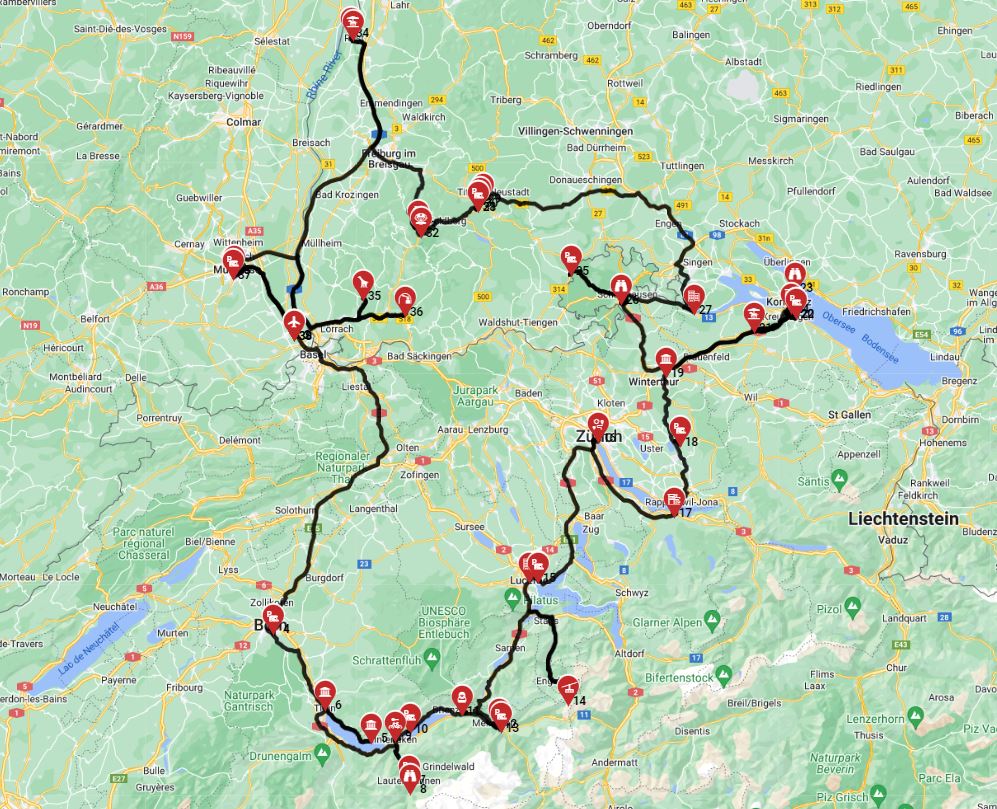
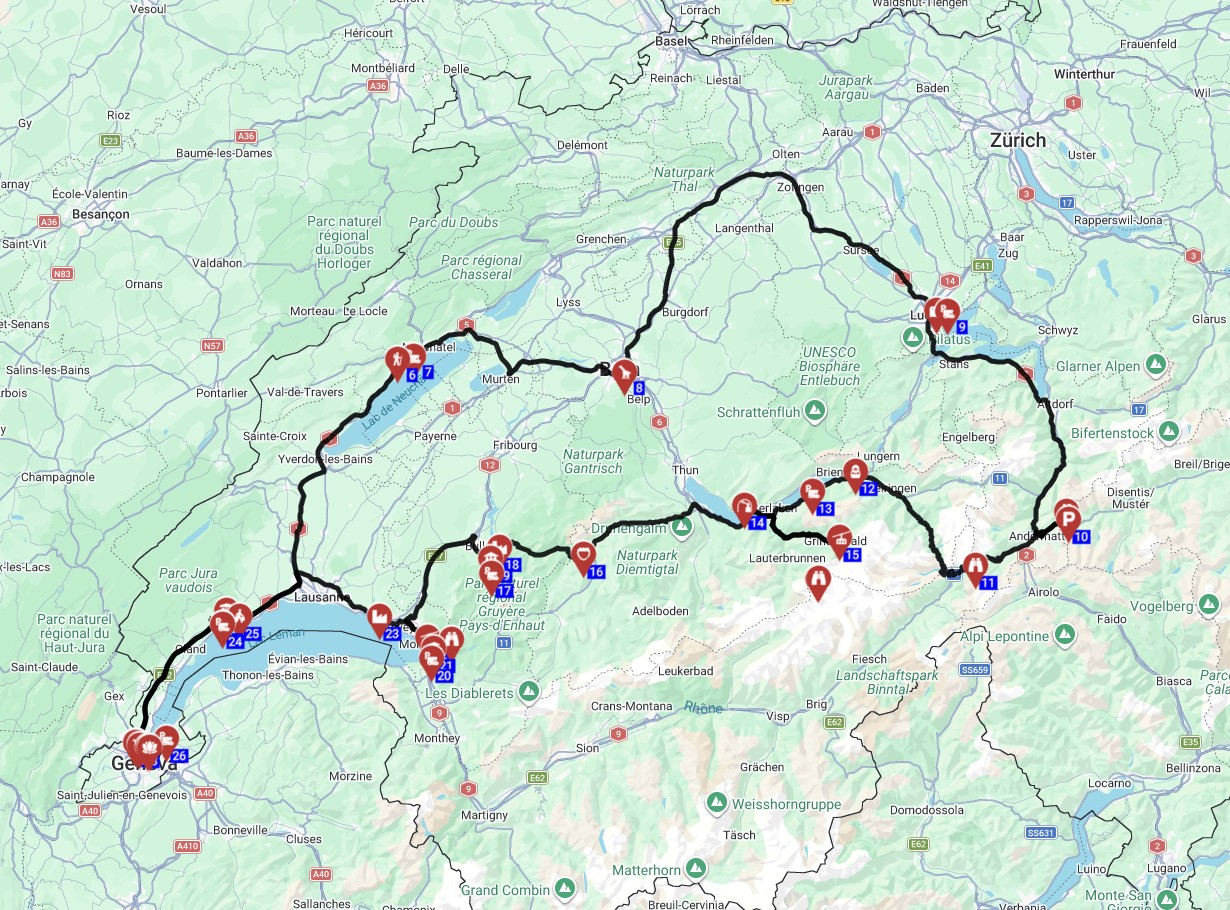
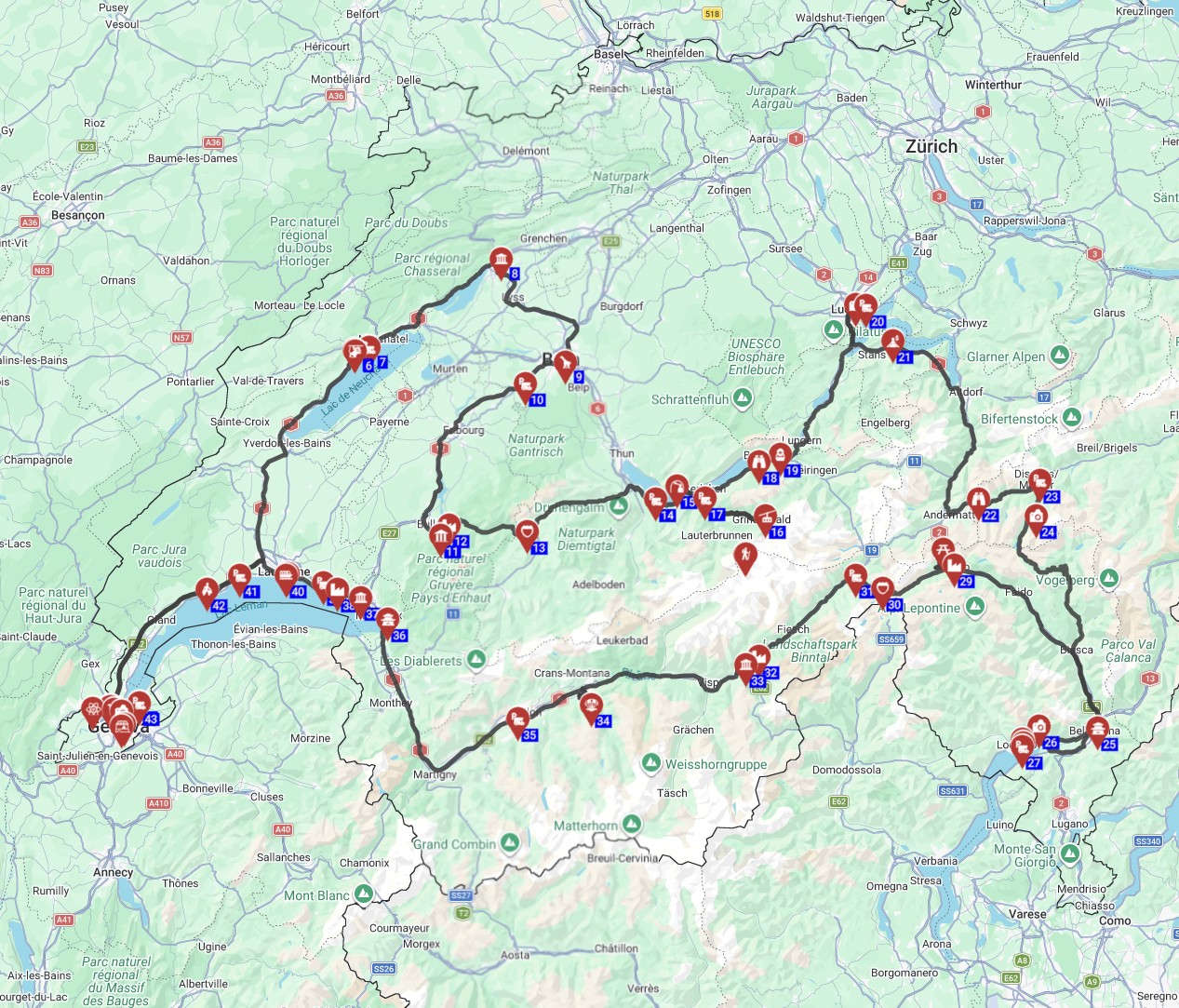
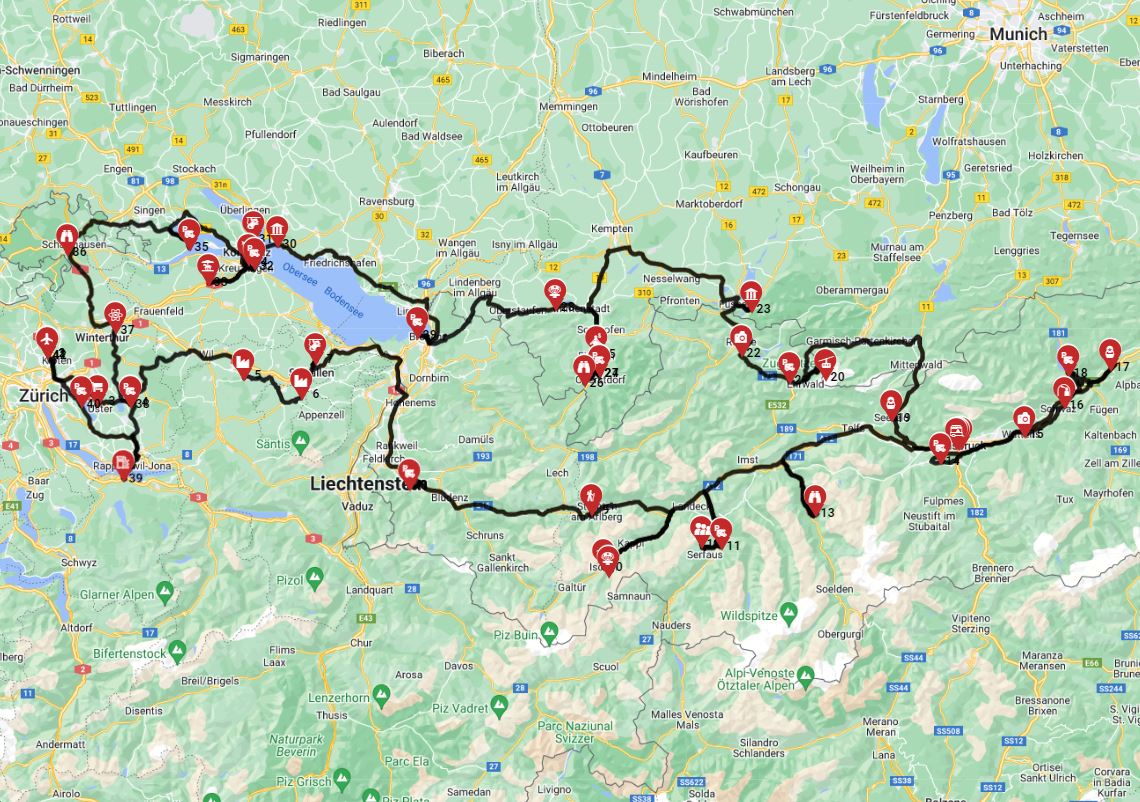
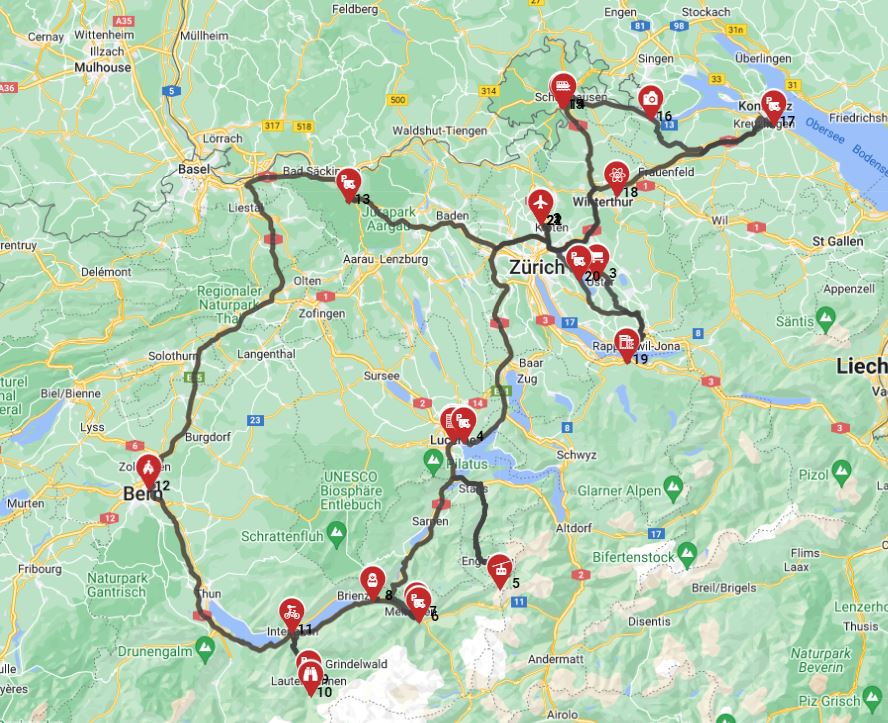
- Drive the Grand Tour of Switzerland: This 1,600 km route takes you through four language regions, over five alpine passes, to 11 UNESCO World Heritage Sites, and past 22 lakes, perfectly showcasing Switzerland's diverse landscapes.
- Experience the Jungfraujoch - Top of Europe: Park your RV at a nearby valley town like Grindelwald or Lauterbrunnen and take the cogwheel train up to Europe's highest railway station for breathtaking glacier views.
- Explore Lake Geneva and its Vineyards: Spend a day driving along the picturesque Lavaux Vineyards, a UNESCO site, before enjoying the charming lakeside towns like Montreux or Vevey.
- Visit Zermatt and the Matterhorn: Leave your RV at Täsch (Zermatt is car-free) and take the shuttle train into this iconic village for unparalleled views of the Matterhorn.
- Discover Lucerne's Medieval Charm: Park on the city's outskirts and walk or bike into Lucerne to explore its beautifully preserved Old Town and the famous Chapel Bridge.
- Hike in the Swiss National Park: As Switzerland's only national park, it offers pristine wilderness, diverse wildlife, and over 80 km of marked hiking trails, easily accessible from nearby RV-friendly villages.
Looking for expert insights from Avi Bandana? Top 5 Adventures - recommendations from Avi Bandana
Final Thoughts
Exploring Switzerland by rented RV offers an unmatched sense of freedom, allowing you to immerse yourself in breathtaking landscapes and charming cultures at your own pace. While Switzerland has its unique driving regulations and logistical nuances, with proper planning and awareness, these are easily navigable. From mastering mountain passes to understanding local etiquette, every step adds to the richness of your adventure.
Remember that Bandana Caravan is here to support you before, during, and after your booking, ensuring full transparency and peace of mind. We believe that God is in the small details, and we take care of them. That's what makes the big difference in your travel experience. So, pack your bags, choose your ideal motorhome or campervan, and prepare for an unforgettable journey through the heart of the Alps.